7 Practical Uses For Echinacea In Iowa Gardens
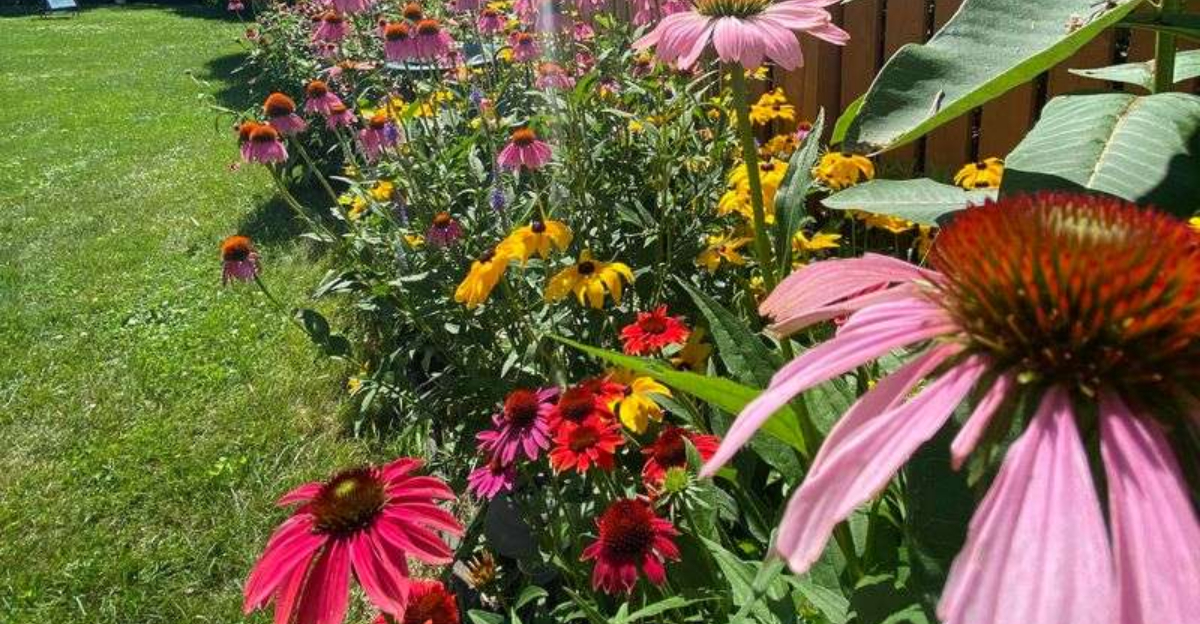
Iowa gardens prize plants that pull their weight, and echinacea does just that.
This prairie native brings color, grit, and purpose to beds that face heat, wind, and fickle rain.
Beyond good looks, it earns respect as a workhorse with many talents.
Pollinators flock to it, soil stays steady around it, and cut stems hold strong indoors.
Gardeners value its roots in tradition and its fit in modern plots.
One plant can serve many roles without fuss or pamper.
From back fence to front border, echinacea proves its worth season after season.
Smart growers see more than petals; they see a partner that pays dividends and never asks in return.
1. Attract Butterflies And Bees To Your Yard
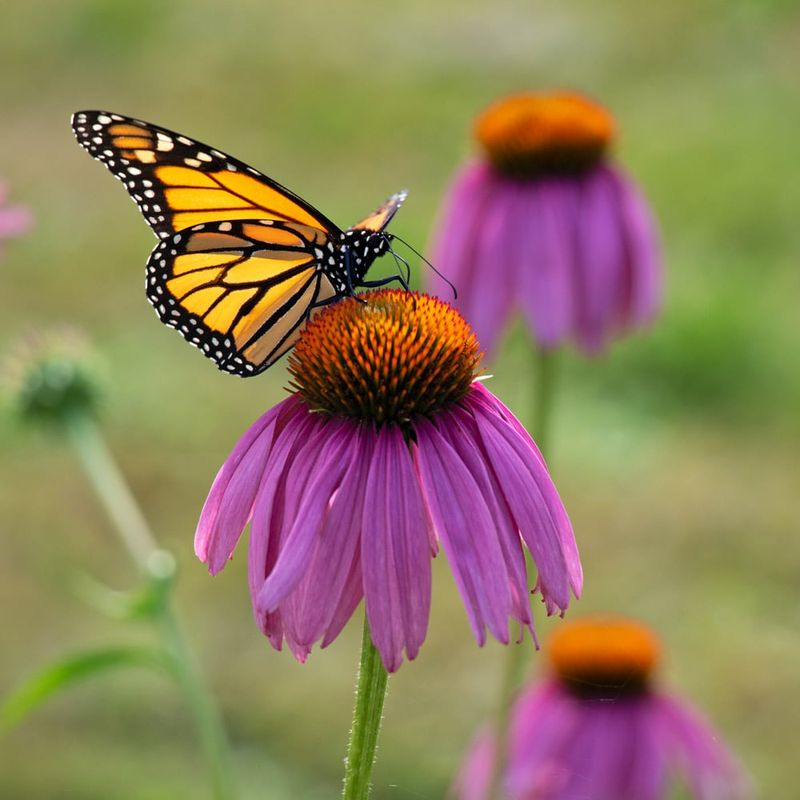
Pollinators need food sources, and echinacea delivers nectar and pollen from June through September.
Butterflies like monarchs and swallowtails visit the daisy-like flowers daily during peak bloom.
Bees, both honeybees and native species, rely on these plants for sustenance during hot Iowa summers.
Planting a cluster of at least five plants creates a pollinator magnet in your garden.
Space them about 18 inches apart for maximum visual impact and easy access for flying visitors.
The cone-shaped center provides a landing platform perfect for insects of all sizes.
Your garden becomes part of a larger ecosystem when you include echinacea.
As pollinator populations face challenges, every yard that offers food helps support their survival.
Children love watching butterflies dance from flower to flower, making this an educational addition too.
Once established, these plants return each year without replanting.
They bloom longer than many other perennials, giving pollinators a reliable food source.
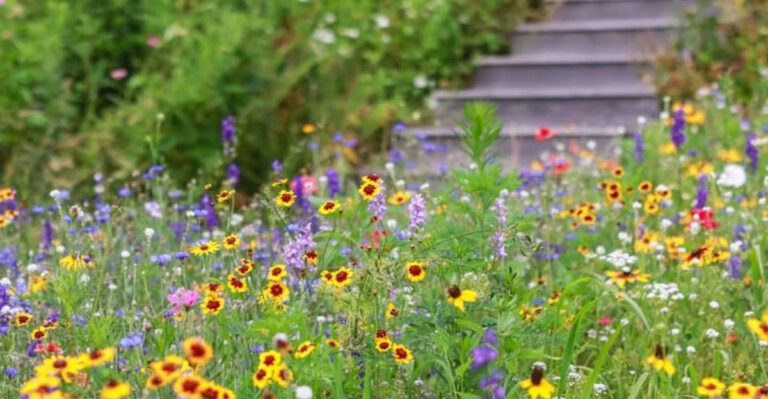
Pairing echinacea with other native plants like black-eyed susans creates a buffet that keeps beneficial insects coming back throughout the growing season.
2. Create Low-Maintenance Flower Beds
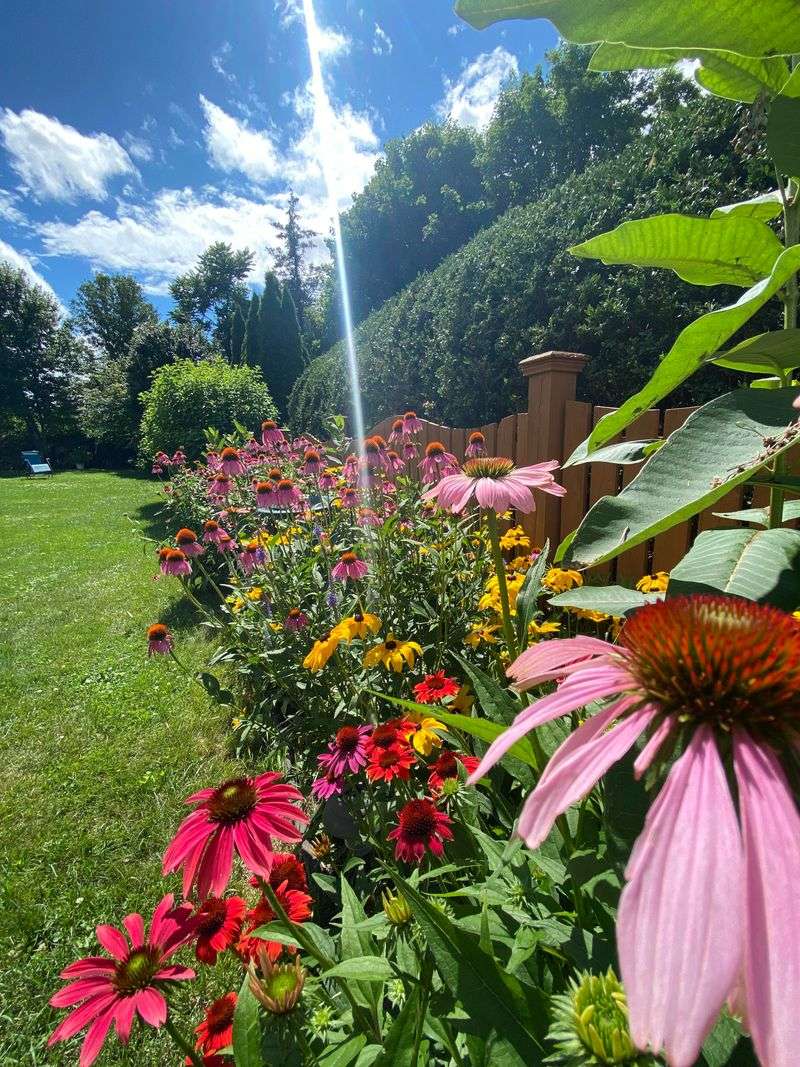
Busy gardeners appreciate plants that thrive without constant attention, and echinacea fits that description perfectly.
Once roots establish during the first season, these perennials tolerate Iowa’s hot, dry summers with minimal watering.
They adapt to various soil types, from clay to sandy loam, as long as drainage prevents standing water.
Forget about fertilizing schedules or complicated care routines.
Echinacea actually prefers lean soil and can struggle with too many nutrients, which cause floppy stems.
A simple spring mulch layer helps retain moisture and suppress weeds around the base.
Disease and pest problems rarely affect healthy echinacea plants in Iowa gardens.
Their tough nature means you spend more time enjoying blooms and less time troubleshooting problems.
Compared to roses or daylilies, these coneflowers demand a fraction of the maintenance hours.
The plants expand slowly over time, forming attractive clumps without aggressive spreading.
Division every three to four years keeps them vigorous, but they perform well even without this step.
For gardeners who want beautiful results without weekend-consuming upkeep, echinacea delivers year after year with minimal effort required.
3. Add Winter Interest With Seed Heads
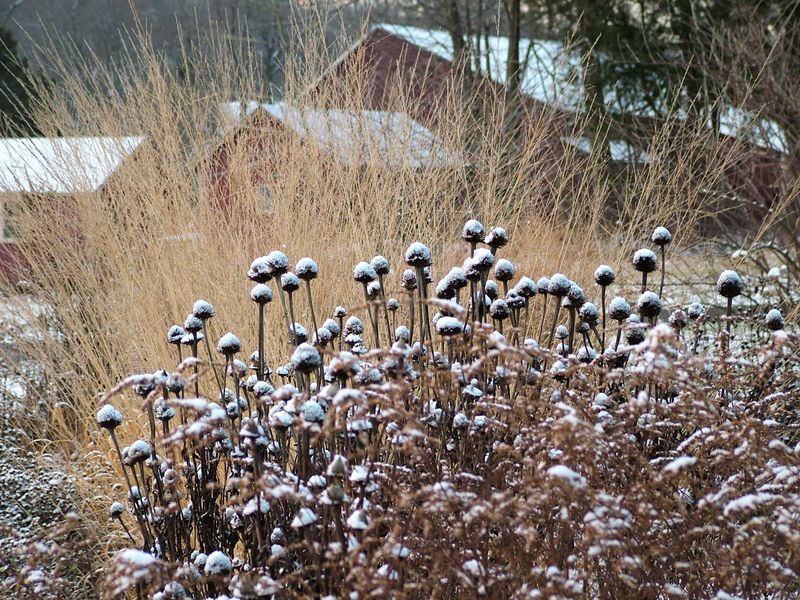
Most gardeners cut back spent flowers immediately, but leaving echinacea seed heads creates beauty that lasts well into winter.
The dark, spiky cones stand firm through frost and snow, providing architectural interest when most plants have faded.
Dusted with snow or rimmed with ice, they transform into natural sculptures in your winter landscape.
Birds appreciate this practical choice as much as you will.
Goldfinches, chickadees, and other seed-eating species visit throughout fall and winter to feast on the nutritious seeds.
Watching birds cling to the sturdy stems while feeding adds life and movement to cold-weather gardens.
This approach also saves you work in autumn when garden chores pile up.
Skipping the cutback means one less task before winter arrives.
The dried stems and seed heads provide shelter for beneficial insects seeking protected spots during harsh Iowa winters.
Come spring, the old growth breaks away easily, making cleanup simple.
New shoots emerge from the crown regardless of whether you removed last year’s stems.
This strategy combines beauty, wildlife support, and practicality in one simple decision to leave those seed heads standing tall.
4. Provide Cut Flowers For Bouquets
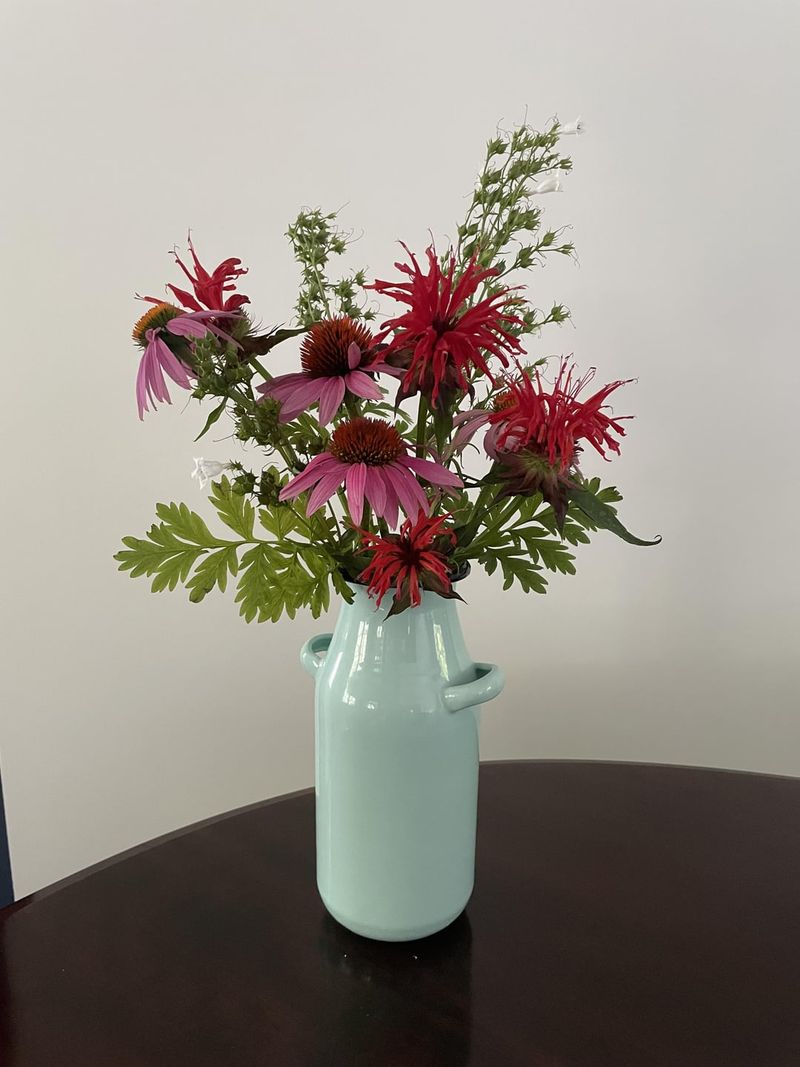
Fresh flowers from your own garden bring joy indoors, and echinacea makes an excellent cutting flower.
The sturdy stems reach 24 to 36 inches tall, perfect for vases without awkward trimming.
Blooms last five to seven days in water, outlasting many popular cut flowers like tulips or peonies.
Harvest flowers in the morning after dew dries but before afternoon heat.
Choose blooms that have just fully opened, with petals spread wide and the center cone firm.
Cut stems at an angle and immediately place them in water to maximize vase life.
The purple-pink shades blend beautifully with other summer flowers in mixed arrangements.
Combine echinacea with yarrow, Russian sage, or ornamental grasses for prairie-style bouquets.
The distinctive cone shape adds texture and visual interest that flat flowers cannot provide.
Regular cutting actually encourages more blooms to form on the plants.
Removing flowers before they set seed redirects plant energy into producing additional buds.
You can enjoy weekly bouquets throughout July and August without harming your garden display, creating a win-win situation that brings outdoor beauty inside while keeping your plants blooming strong.
5. Stabilize Slopes And Prevent Erosion
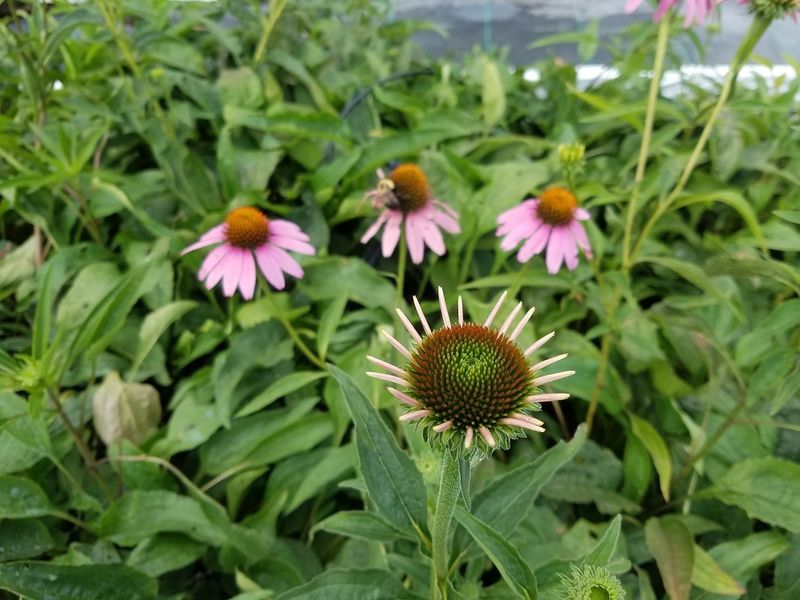
Iowa properties often include challenging slopes where grass struggles and erosion creates problems.
Echinacea develops deep taproots that anchor soil firmly, reaching down 12 to 18 inches or more.
These extensive root systems hold earth in place during heavy rains that wash away topsoil.
Planting slopes with native perennials like echinacea creates a permanent solution that improves over time.
Unlike annual flowers that require replanting, these perennials strengthen their grip each season.
The foliage slows water runoff, allowing moisture to penetrate soil rather than rushing downhill.
Mowing steep banks can be dangerous and difficult, making groundcovers and perennials smarter choices.
Echinacea needs no mowing and actually looks better when allowed to grow naturally.
Pairing these coneflowers with other deep-rooted natives like prairie dropseed grass creates an attractive, functional planting.
Establishment takes one full season, so water new plantings during dry spells the first summer.
After that initial period, the plants handle slopes with no additional irrigation in typical Iowa rainfall.
What once required constant maintenance and concern becomes a stable, beautiful feature that solves problems while adding curb appeal to your property.
6. Create Privacy Screens In Summer
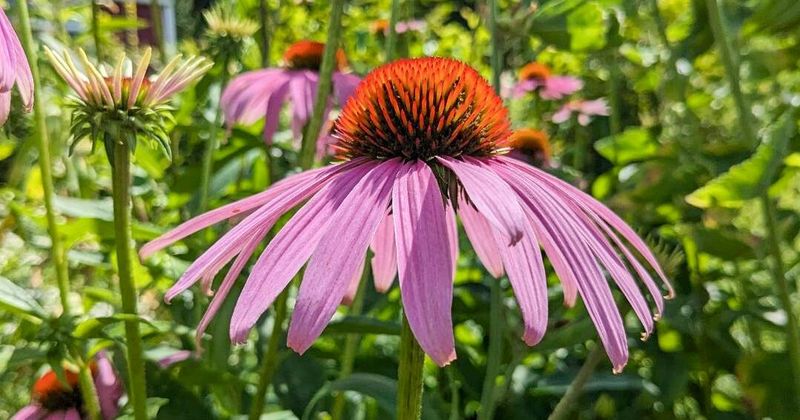
Tall perennials offer an alternative to fences and shrubs when you need seasonal privacy.
Echinacea varieties reach heights between two and four feet depending on the cultivar you select.
Massed plantings create a living screen that blocks views while allowing air circulation.
Combine echinacea with other tall perennials like joe-pye weed or ornamental grasses for increased height and density.
This layered approach provides privacy from late spring through fall when you use outdoor spaces most.
The varied textures and bloom times keep the screen interesting rather than monotonous.
Unlike solid fences, these flowering barriers soften property lines and blend with the landscape.
They filter noise and wind while still feeling open and natural.
Neighbors appreciate the beauty of flowers more than stark fence panels, improving relationships along property boundaries.
Winter dormancy means the screen disappears when you need it least, during cold months spent indoors.
This seasonal nature works perfectly for patios and decks used primarily in warm weather.
Spring growth returns reliably each year, reestablishing your privacy without construction costs or permit requirements, making this an economical and attractive solution for Iowa gardeners seeking summer seclusion.
7. Support Native Plant Ecosystems
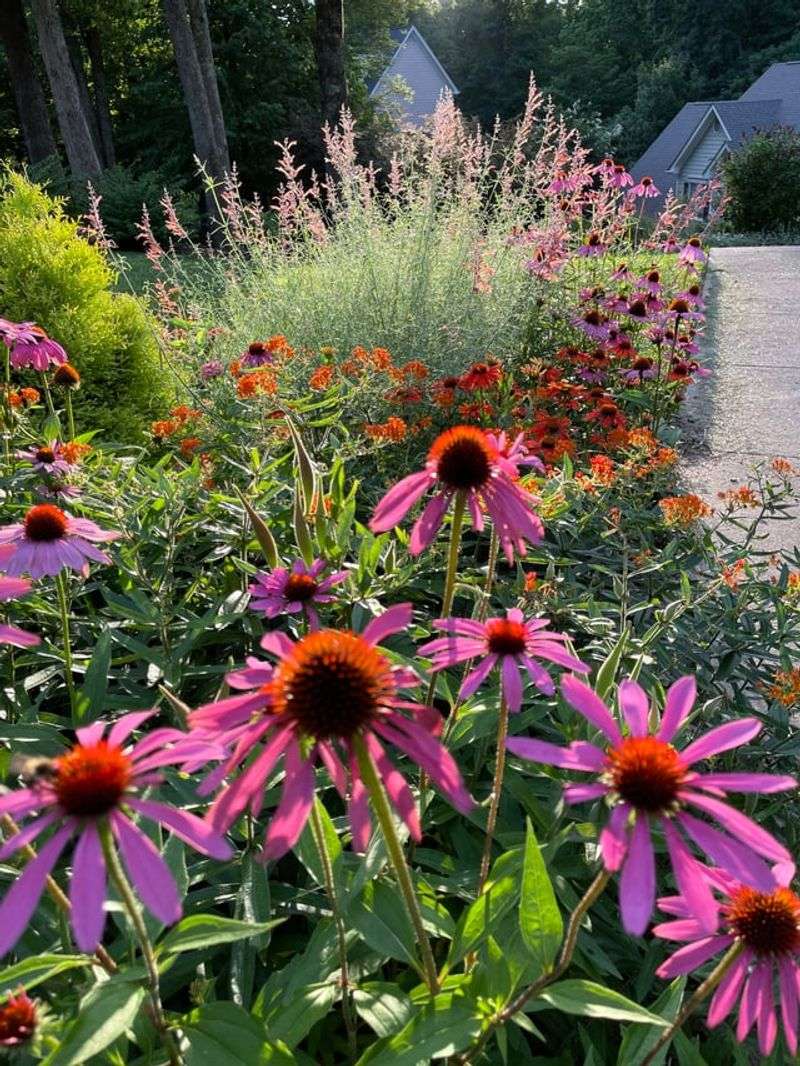
Before European settlement, echinacea blanketed Iowa prairies alongside other wildflowers and grasses.
Planting these native species in your garden helps restore a small piece of that lost ecosystem.
Native plants evolved alongside local wildlife, creating relationships that benefit both flora and fauna.
Your yard becomes habitat when you choose plants indigenous to the region.
Native insects depend on native plants for food and reproduction in ways they cannot use exotic species.
These insects in turn feed birds, creating a food web that starts with your plant choices.
Echinacea requires no pesticides when grown in appropriate conditions, keeping your garden safe for beneficial creatures.
Chemical-free yards support healthy soil microorganisms that improve plant growth naturally.
Every native plant added helps counter habitat loss that threatens local biodiversity.
Gardeners across Iowa who embrace native plantings create wildlife corridors connecting larger natural areas.
Your small contribution joins with others to make a meaningful difference for struggling species.
Children growing up with native gardens learn to value local ecosystems and conservation.
Choosing echinacea represents more than just a gardening decision; it becomes an investment in the environmental health of your community and state.