7 Practical Ways To Propagate Snake Plant Successfully In Georgia
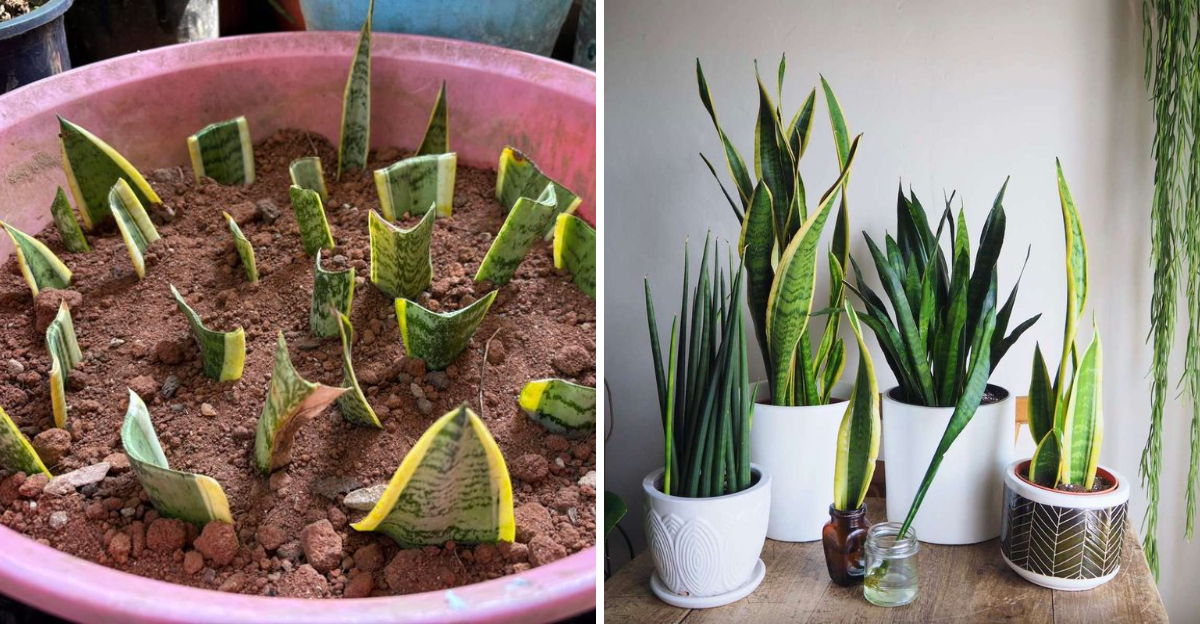
Snake plants are one of those houseplants that seem impossible to mess up, yet when it comes to propagation, a lot of people still end up with slow roots or cuttings that just sit there doing nothing.
In Georgia, timing and simple technique make all the difference, especially in April when conditions finally start working in your favor. Warm air, longer days, and steady indoor light create the perfect setup to turn one plant into several without much effort.
The best part is you don’t need anything complicated or expensive to get results. A healthy leaf, a clean cut, and a little patience can go a long way.
Once you understand what actually helps roots form faster, propagation stops feeling like a guessing game and starts working almost every time.
These practical methods focus on what works reliably, so new growth shows up sooner and stays strong from the start.
1. Divide Mature Plants To Get Instant New Growth
Splitting a mature snake plant is one of the fastest ways to multiply your collection, and it works especially well in Georgia where the growing season gives roots time to settle before cooler months arrive.
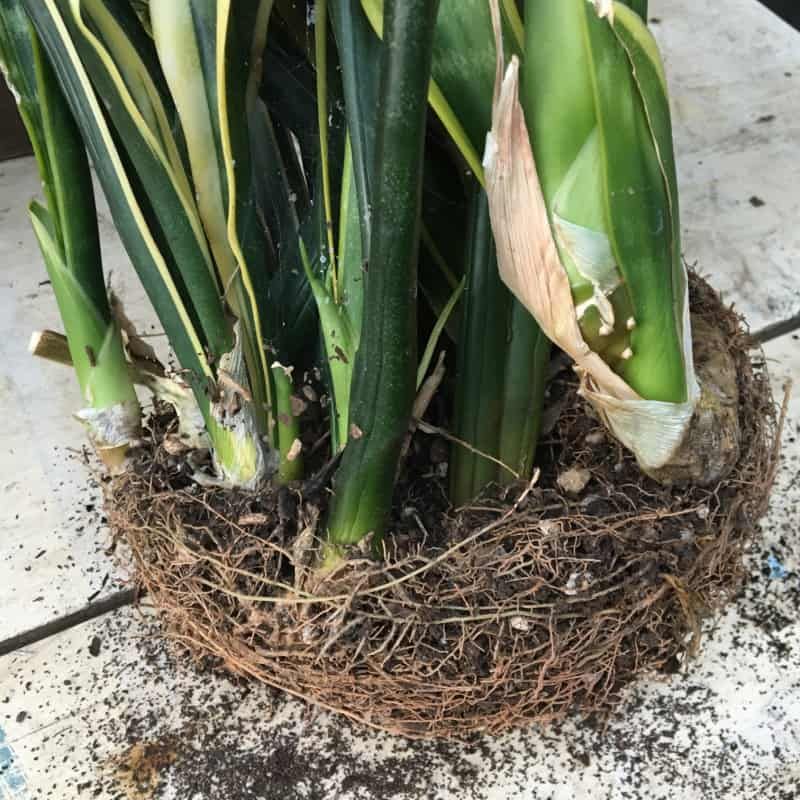
When a plant has been in the same pot for a couple of years, the root system fills out and forms natural divisions that are ready to be separated.
Start by removing the plant from its container carefully. Shake off loose soil so you can clearly see where the rhizomes connect.
Each section you separate should have at least one healthy leaf cluster and a visible root system attached. Trying to split sections with no roots will slow things down considerably.
Use a clean, sharp knife to cut through stubborn connections. Dull tools can tear tissue and create entry points for rot.
After cutting, let each division sit out for a few hours before repotting so the cut surfaces can begin to dry.
Plant each division into fresh, well-draining soil, ideally a cactus or succulent mix. Water lightly right after potting, then hold off for about a week before watering again.
Georgia summers can be humid, so resist the urge to water frequently during the first few weeks.
2. Root Leaf Cuttings In Soil For Stronger Starts
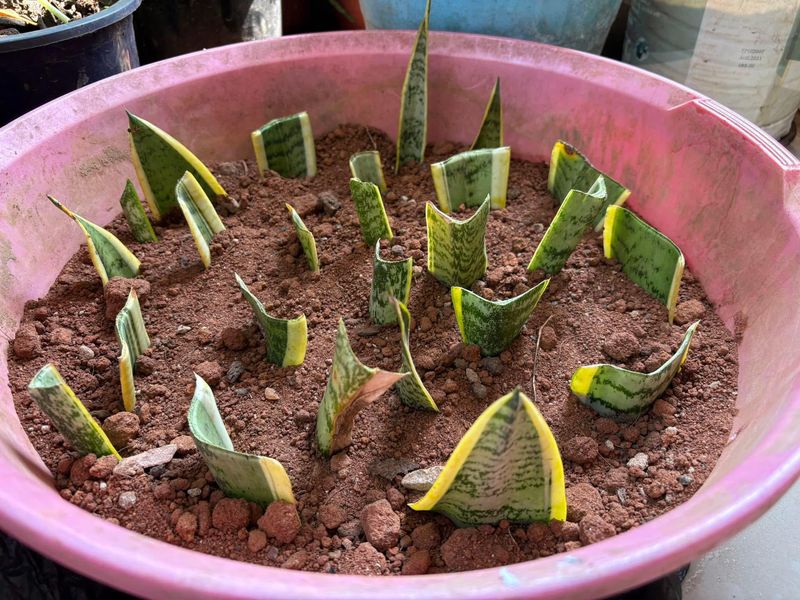
Soil propagation from leaf cuttings tends to produce sturdier roots than water, and many Georgia gardeners prefer it because the roots grow already adapted to their final growing environment.
You skip the adjustment period that water-rooted cuttings sometimes struggle through when moved into soil.
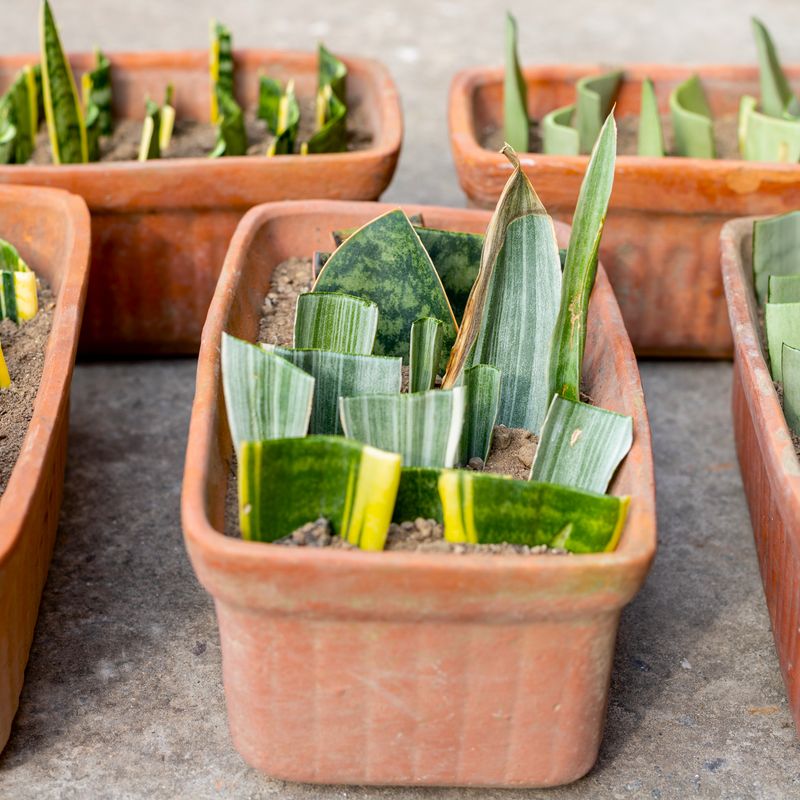
Pick a healthy, firm leaf and cut it into sections about three to four inches long. Use clean scissors or a sharp knife for each cut.
Mark which end is the bottom before you cut multiple sections, because planting a cutting upside down will stop root development entirely. It sounds simple, but it is an easy mistake to make.
Let the cut ends dry out for one to two days before planting. Push each cutting about an inch deep into a well-draining mix, with the original bottom end going into the soil.
Your Georgia Garden Changes Every Week. Your Plan Should Too.
Gardening in Georgia changes quickly throughout the season. Every Friday you’ll receive a simple weekly plan showing exactly what to plant, prune, fertilize, harvest, and protect so you never miss the right timing.
Keep them upright by pressing the soil gently around the base.
Water the cuttings lightly after planting, just enough to moisten the mix without soaking it. In Georgia’s warmer months, the soil can dry out faster than expected, so check it every few days.
Allow the top inch to dry before adding more water.
3. Use Water Propagation For Easy Root Development
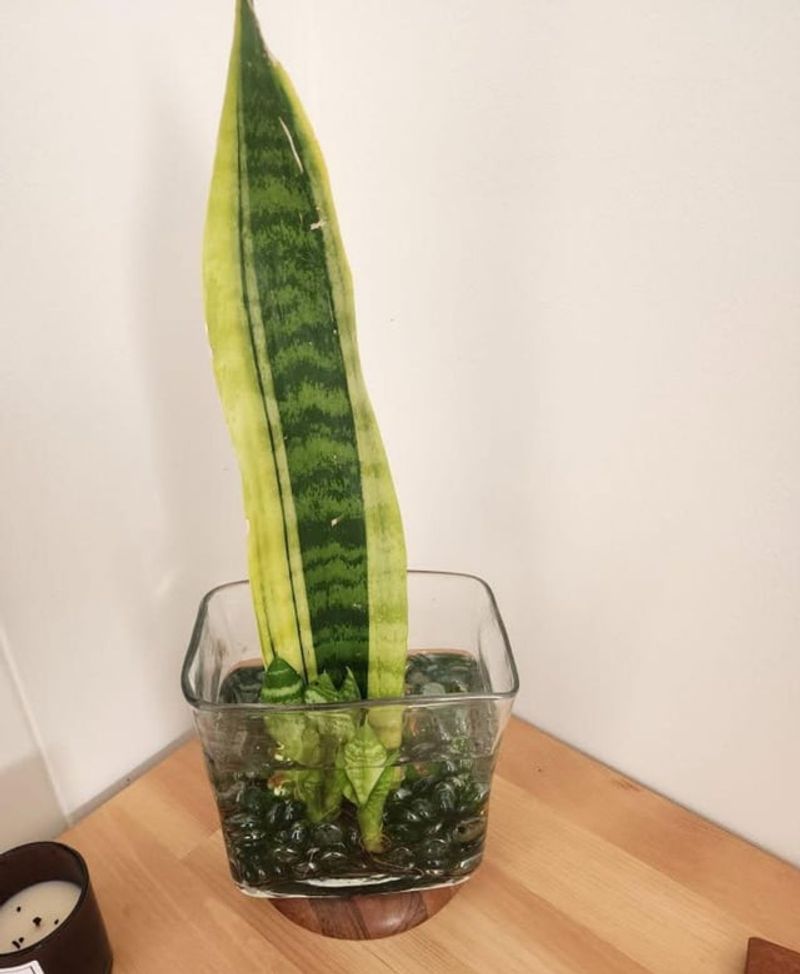
Water propagation is probably the most visually satisfying method because you can actually watch the roots develop over time.
Placing cuttings in a clear glass jar lets you track progress without disturbing anything, which is especially helpful if you are new to propagating plants.
Cut healthy leaves into three to four inch sections and place them in a jar so only the bottom inch or so sits in water. Submerging too much of the cutting can cause it to soften and break down before roots ever form.
Room temperature water works fine, and filtered water tends to produce slightly better results than straight tap water in areas with heavy chlorine treatment.
Change the water every three to four days to keep it fresh and reduce the chance of bacterial buildup. Georgia summers can speed up evaporation and bacterial growth, so staying on top of water changes matters more in warmer months.
Roots should start appearing within four to six weeks. Once they reach about an inch in length, the cutting can be moved into a well-draining soil mix.
Transitioning too early, before roots are established, can set the cutting back significantly.
Keep in mind that water-propagated cuttings sometimes take a few weeks to adjust after being moved into soil.
4. Let Cuttings Callus Before Planting To Prevent Rot
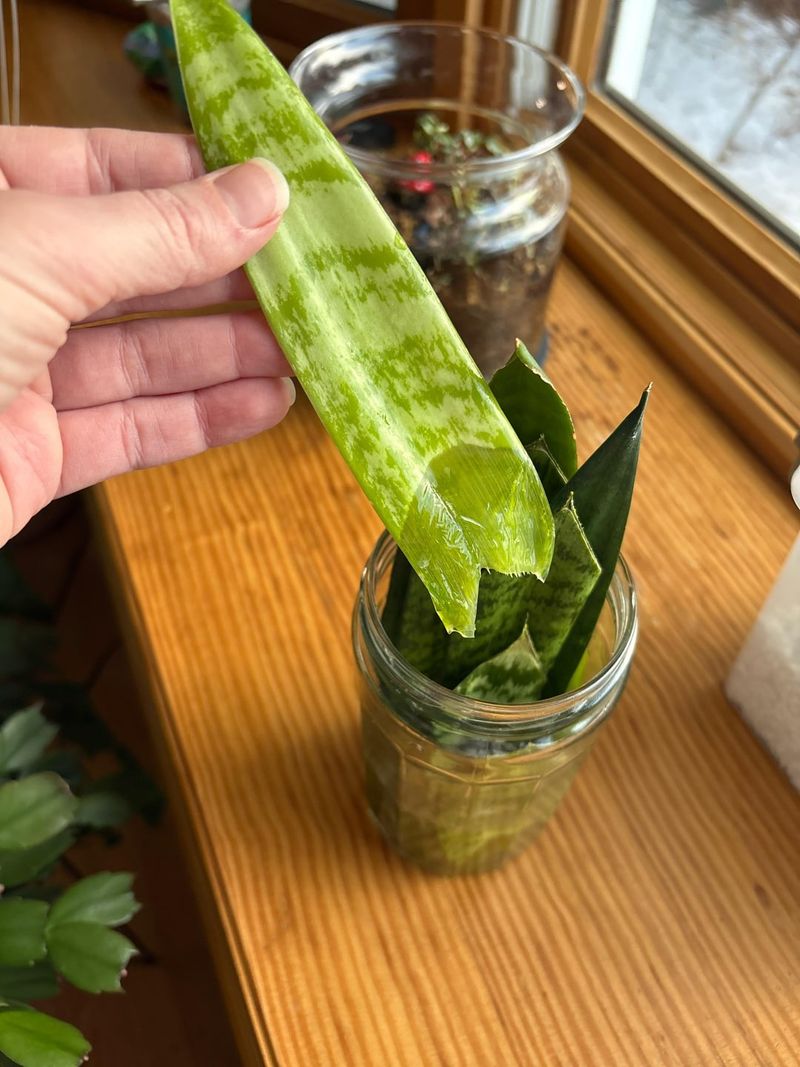
Skipping the callusing step is one of the most common reasons cuttings fail, especially in Georgia where summer humidity can encourage rot to develop quickly.
A callus is simply a dried, slightly hardened layer that forms over a fresh cut and acts as a protective barrier once the cutting goes into soil or water.
After cutting your leaf sections, lay them flat on a dry paper towel or a clean tray. Leave them in a spot with good airflow but away from direct sunlight.
Within one to two days, the cut ends should feel noticeably drier and slightly firmer to the touch.
You do not need any special products to help the callus form. Some people apply cinnamon or a light dusting of sulfur powder to speed drying and reduce fungal risk, but in most cases, simply leaving the cuts exposed to air is enough.
Avoid placing fresh cuttings in a sealed container or a humid spot during this stage.
Georgia’s humidity levels, particularly from June through September, mean that extra care during this step can make a real difference. A fan running nearby or a dry indoor room can help cuttings callus properly without sitting in moisture-heavy air.
Once the ends feel sealed and dry, the cutting is ready to plant or place in water. Rushing this step, even by just a few hours, can increase the likelihood of the base softening and breaking down before roots have a chance to form.
5. Use Well Draining Soil To Protect New Roots
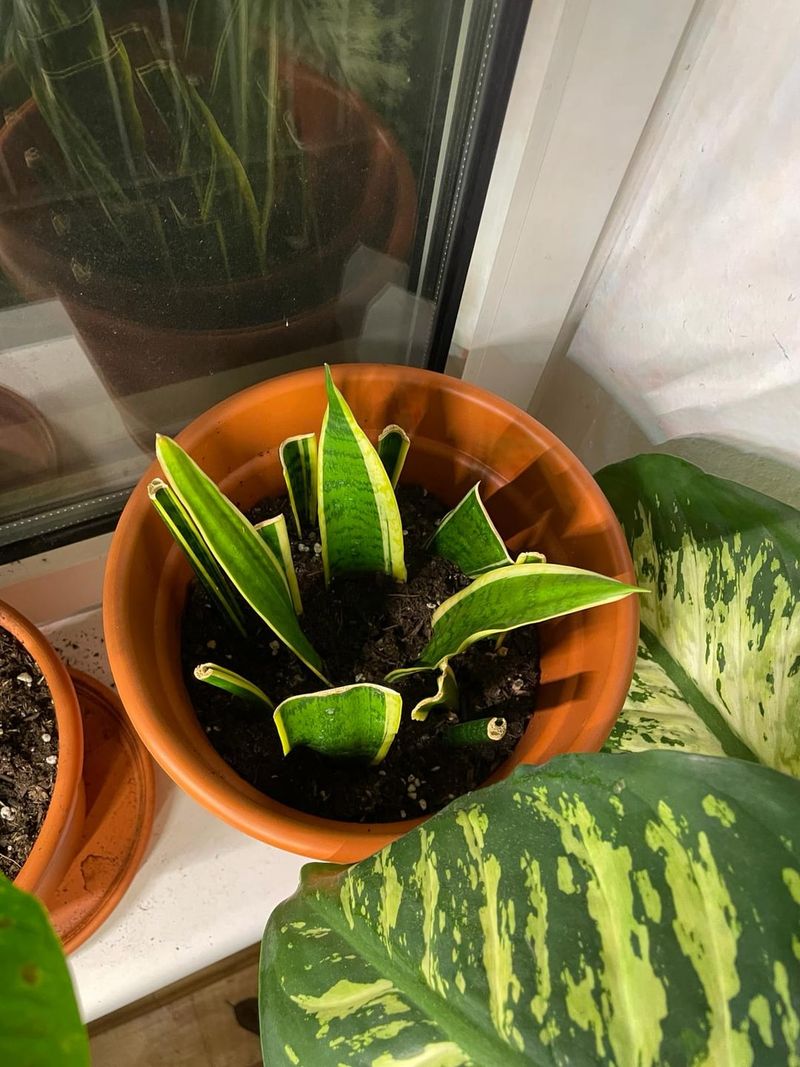
Soil choice has a bigger impact on propagation success than most beginners expect. Roots forming on a fresh cutting are delicate, and sitting in dense, moisture-retaining soil for even a short time can cause them to break down before they have a chance to establish.
A cactus or succulent mix is a reliable starting point. You can also blend regular potting soil with perlite at roughly a 50/50 ratio to improve drainage without spending extra on a specialty mix.
Either option gives roots the airflow and drainage they need during those first critical weeks.
Georgia’s clay-heavy native soil is not a good medium for propagating snake plants in containers. Even if you plan to eventually move a plant outdoors, start the propagation process in a container with a proper well-draining mix rather than digging up yard soil.
Terracotta pots work particularly well during propagation because the porous walls allow moisture to evaporate from the sides, not just the surface.
Plastic pots hold moisture longer, which can work fine if you are disciplined about watering but can cause problems if you tend to water too often.
After potting a cutting, press the soil firmly around the base so the cutting stands upright without wobbling. Loose soil can cause the base to shift and break any roots that have started forming.
6. Keep Cuttings In Bright Indirect Light While Rooting
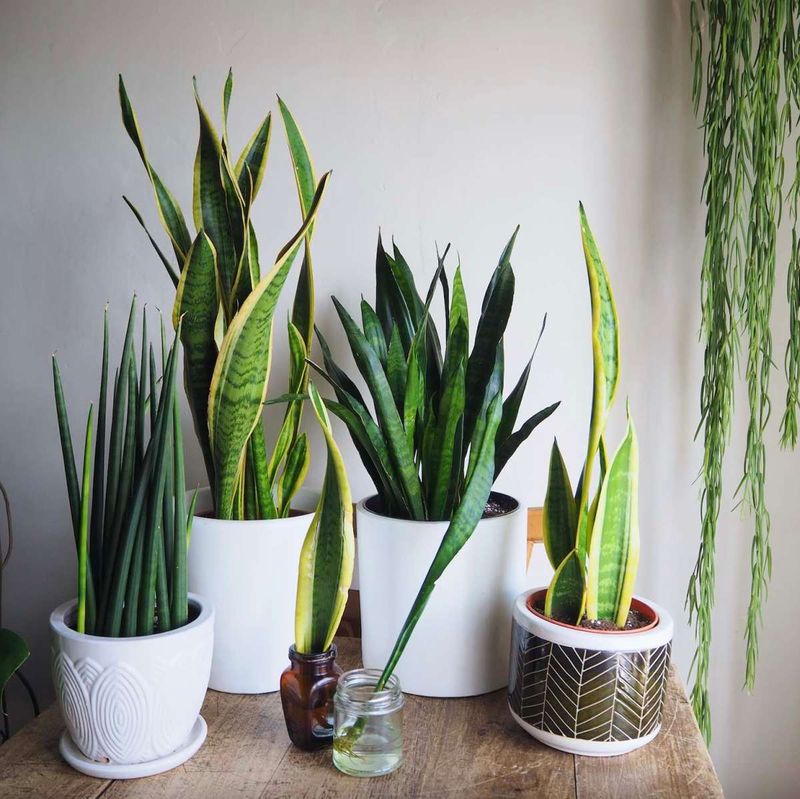
Light placement during rooting is something a lot of people get wrong, usually by going too far in one direction. Cuttings sitting in a dark corner barely develop any roots, while cuttings baking in direct afternoon sun can dry out and shrivel before roots ever form.
Bright, indirect light is the sweet spot. Near a window covered with a sheer curtain, or set back a few feet from a south or east-facing window, gives cuttings enough light to stay active without the stress of intense direct sun.
Georgia gets strong afternoon sun for much of the year, so even indoor spots near west-facing windows can get surprisingly intense between two and five in the afternoon.
A covered porch or a shaded outdoor area can also work well during Georgia’s spring and early summer months when temperatures stay in the comfortable 65 to 85 degree range.
Avoid placing cuttings outside during the peak of summer heat, especially in July and August when temperatures can climb well above 90 degrees for days at a time.
Rotate the pots every week or so if you notice the cuttings leaning toward the light source. Even light exposure encourages more balanced root development and keeps the cutting upright as it grows.
If your home tends to run dark during winter months, a simple grow light placed on a timer can fill the gap without much effort or expense.
7. Water Lightly To Avoid Rot During Early Growth
Overwatering is the number one reason propagated snake plants struggle, and it is an especially easy mistake to make in Georgia where the summer heat makes people assume plants need more water than they actually do.
Fresh cuttings with no established root system cannot absorb moisture the way a mature plant can, so excess water just sits in the soil and causes problems.
Water newly planted cuttings lightly right after potting, just enough to settle the soil around the base. After that initial watering, hold off for about a week before checking moisture levels again.
Push a finger about an inch into the soil. If it still feels damp, wait another day or two before watering.
During Georgia’s humid summer months, soil in containers can stay moist longer than expected even without additional watering.
Terracotta pots help by releasing some moisture through the walls, but even with those, it is worth checking before adding water rather than sticking to a set schedule.
Yellow or mushy stems near the base are signs that the cutting has been sitting in too much moisture. At that point, removing the cutting, trimming any damaged tissue, allowing it to dry out, and replanting in fresh soil is the best course of action.
Catching it early gives the cutting a reasonable chance at recovery.