Prepare Your Pennsylvania Garden For A Successful Spring Season With These Useful Tips
Spring in Pennsylvania may feel far away during the last chilly weeks of winter, but this is the perfect time to start preparing your garden for the busy growing season ahead.
A little early effort can make a huge difference once temperatures rise and plants begin to wake up.
Clearing debris, refreshing soil, and checking for early signs of pests and damage helps create a strong foundation for healthy growth. Preparing now also gives you time to plan plantings, improve drainage, and ensure your garden beds are ready to support new life.
Small, thoughtful steps taken before spring arrives can prevent problems, boost plant vigor, and make the season far more rewarding. As warmer days approach, your garden will be ready to grow, bloom, and thrive without unnecessary setbacks.
With smart preparation and a bit of planning, your Pennsylvania garden can burst into spring looking vibrant, healthy, and full of life.
1. Test And Improve Your Soil Quality
Your garden’s success starts beneath the surface. Pennsylvania soil varies widely across the state, from clay-heavy ground in some areas to sandy or rocky conditions in others. Before planting anything this spring, take time to understand what you’re working with.
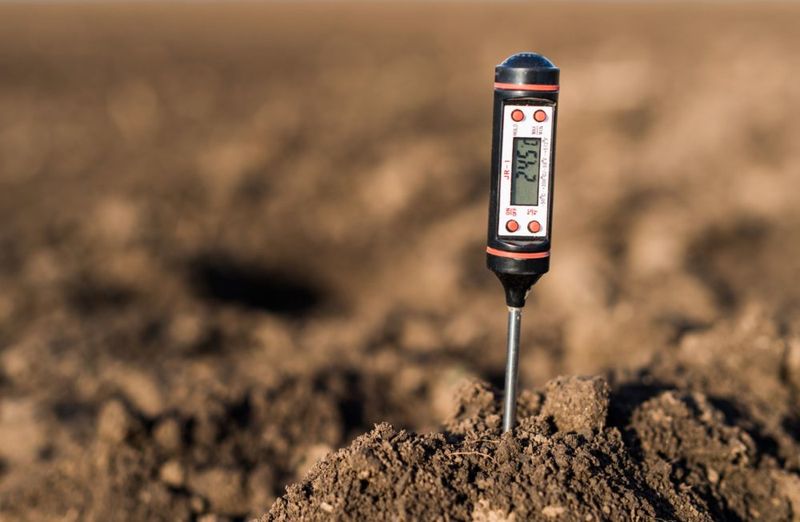
Grab a soil testing kit from your local garden center or contact your county extension office for professional analysis. These tests reveal your soil’s pH level and nutrient content.
Most vegetables and flowers prefer slightly acidic to neutral soil, which matches what Pennsylvania typically offers.
Once you know your soil’s condition, you can make smart improvements. Add compost to increase nutrients and improve texture.
Compost helps clay soil drain better and helps sandy soil hold moisture longer. Spread a two to three inch layer over your garden beds and work it into the top six inches of soil.
If your test shows pH problems, you can adjust accordingly. Lime raises pH for soil that’s too acidic, while sulfur lowers it if needed.
Many Pennsylvania gardens benefit from adding organic matter each spring regardless of test results.
Don’t skip this step even if you gardened successfully last year. Soil conditions change as plants use nutrients and weather affects composition.
Testing every two to three years keeps you informed and helps your Pennsylvania garden stay healthy and productive throughout the growing season.
2. Clean Up Winter Debris And Prune Properly
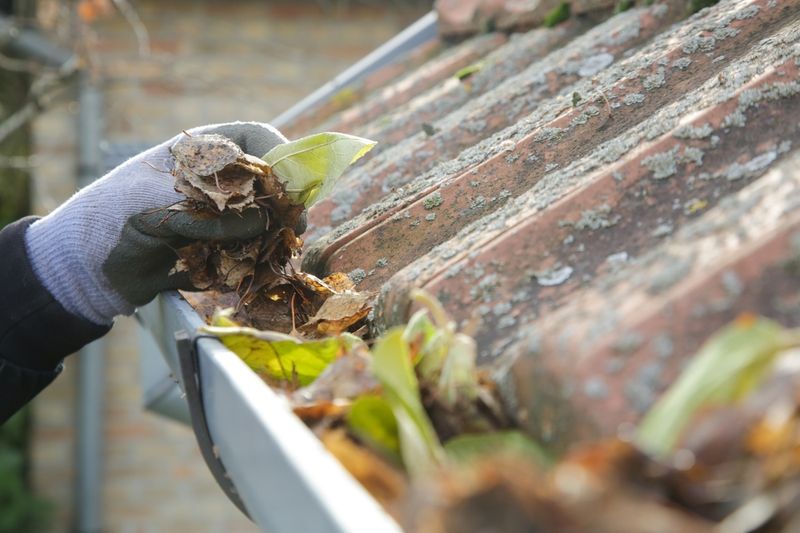
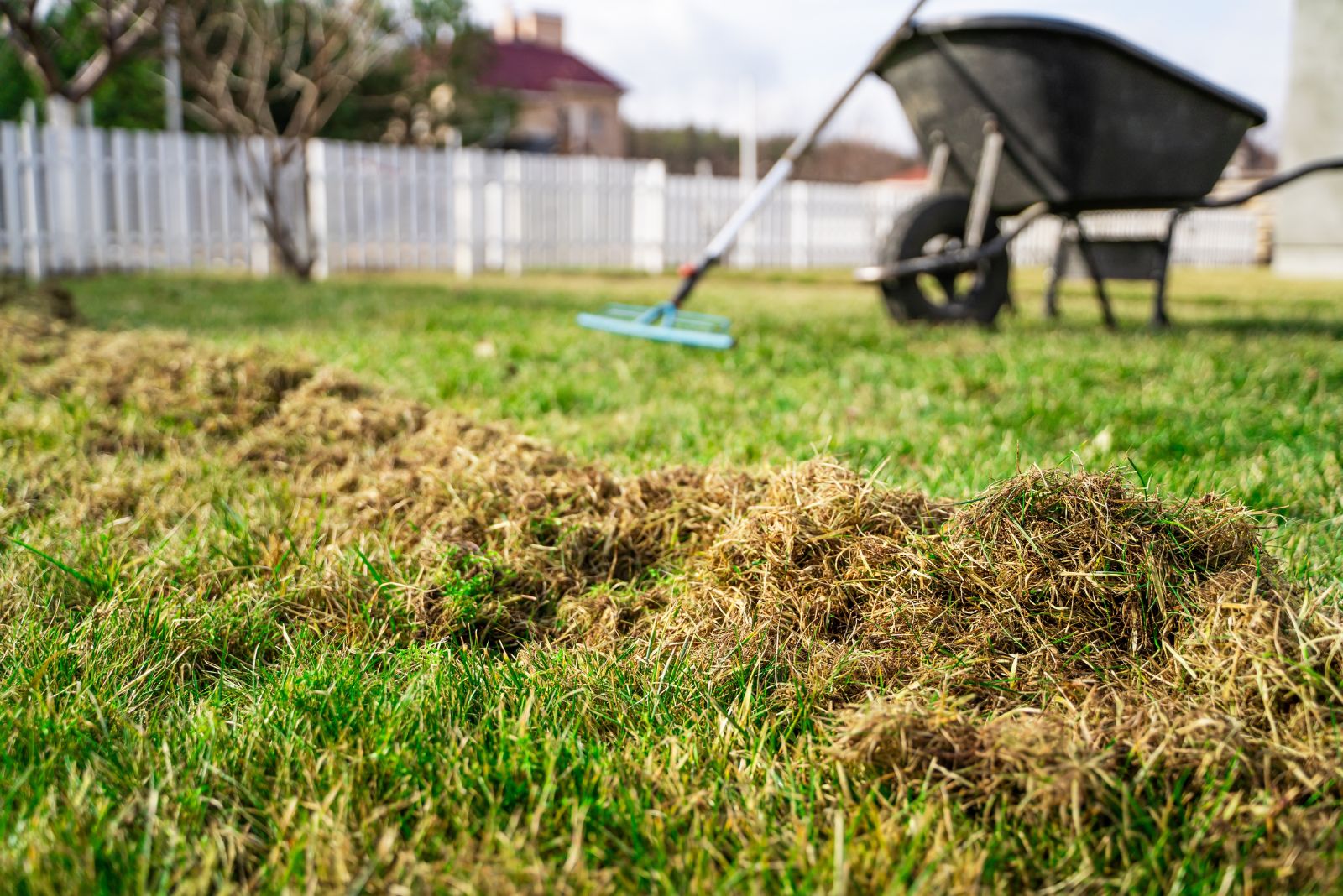
Winter leaves behind plenty of mess in Pennsylvania gardens. Dry leaves, broken branches, and plant debris pile up during cold months.
Clearing this material away might seem like simple housekeeping, but it actually protects your garden’s health.
Start by removing all dry plant material from beds and borders. Old leaves and stems can harbor diseases and pests that will attack your new spring growth.
Rake thoroughly around perennials and shrubs, getting into corners where debris collects.
While cleaning, inspect your plants for winter damage. Pennsylvania’s freeze-thaw cycles can harm branches and stems. Look for broken, diseased, or damaged wood on trees and shrubs.
Pruning comes next, but timing matters greatly. Spring-flowering shrubs like forsythia and lilac should wait until after they bloom. Summer-flowering plants can be pruned now. Remove dry wood anytime you spot it.
Cut back ornamental grasses to about four inches from the ground. Trim dry stems from perennials, but leave any green growth alone. For shrubs, remove about one-third of the oldest stems to encourage fresh growth.
Dispose of diseased material in the trash, not your compost pile. Healthy debris can go into compost or yard waste collection.
This spring cleaning gives your Pennsylvania garden a fresh start and reduces problems later. Your plants will have room to grow without competing with old, dry material taking up valuable space.
3. Plan For Pennsylvania’s Last Frost Date
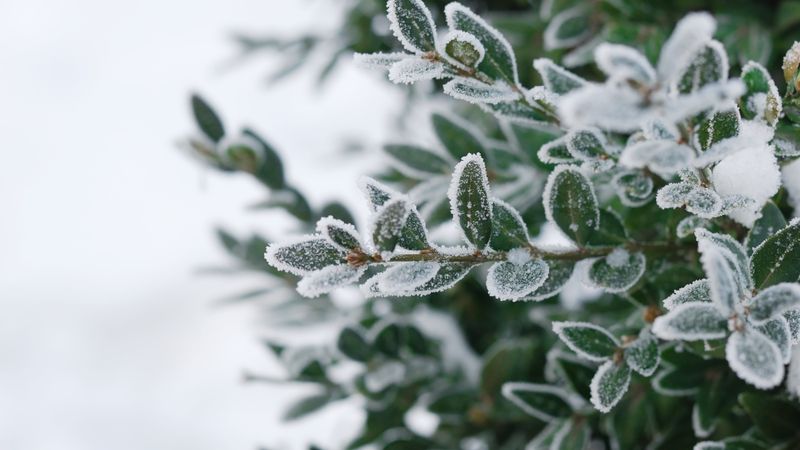
Pennsylvania gardeners need to respect Mother Nature’s schedule. Our state stretches across different climate zones, which means last frost dates vary depending on where you live. This date determines when it’s safe to plant tender vegetables and flowers outdoors.
In southeastern Pennsylvania, the average last frost typically arrives in mid to late April. Central areas usually see their last frost around late April to early May. Northwestern and mountainous regions might wait until mid-May or even later.
Check your specific area’s frost date using online resources or ask experienced gardeners nearby. These dates are averages, not guarantees. Some years bring late surprises, so stay alert to weather forecasts.
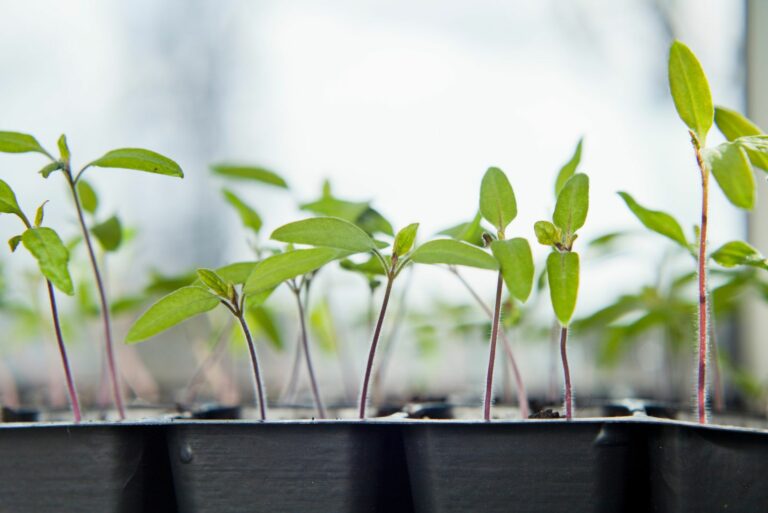
Use your frost date to work backwards when starting seeds indoors. Tomatoes, peppers, and eggplants need six to eight weeks of indoor growth before transplanting.
Cool-season crops like lettuce, peas, and spinach can go outside several weeks before the last frost.
Keep protective materials handy even after your frost date passes. Row covers, old sheets, or plastic can save plants if unexpected cold threatens. Many Pennsylvania gardeners learn this lesson the hard way.
Planning around frost dates prevents disappointment and wasted money. Planting too early means risking your seedlings to cold damage.
Waiting too long shortens your growing season. Finding the right balance helps your Pennsylvania garden produce abundantly from spring through fall.
4. Choose Plants Suited To Pennsylvania’s Climate
Success in gardening comes easier when you work with nature instead of against it. Pennsylvania falls into USDA hardiness zones 5 through 7, depending on your location. Understanding these zones helps you select plants that will survive and flourish here.
Native Pennsylvania plants offer excellent choices for any garden. They’ve adapted to our weather patterns, soil types, and local pests over thousands of years.
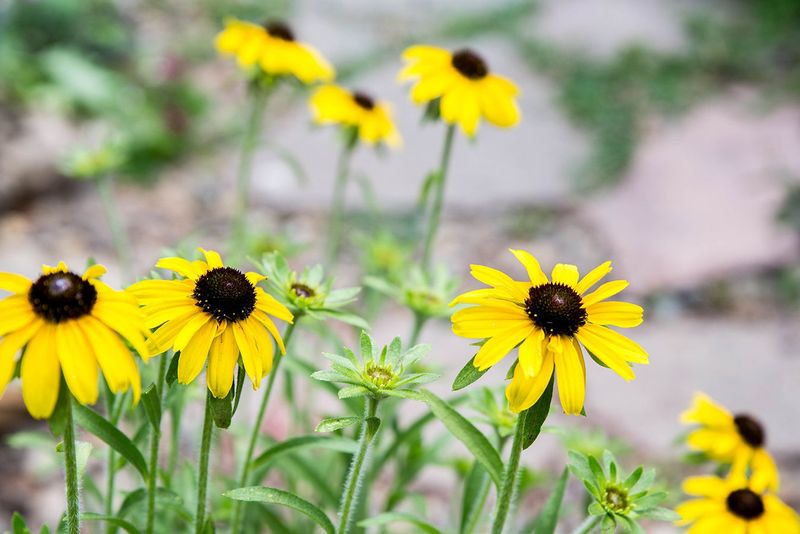
Black-eyed Susans, coneflowers, and bee balm provide beautiful blooms while supporting local wildlife.
For vegetables, focus on varieties that tolerate our climate’s quirks. Pennsylvania summers can bring heat and humidity, while springs sometimes stay cool longer than expected.
Choose tomato varieties rated for shorter seasons if you live in northern areas. Read plant tags carefully at garden centers. Look for zone ratings that include your area.
A plant rated for zone 8 might not survive a Pennsylvania winter. Similarly, plants needing zone 4 conditions might struggle with our summer heat.
Consider microclimates in your yard too. Spots near buildings or walls stay warmer and might support slightly tender plants.
Low areas collect cold air and frost. Observe your property throughout spring to identify these special spots.
Don’t be afraid to experiment with one or two challenging plants, but build your garden’s foundation with reliable performers.
Pennsylvania offers enough variety in climate that you can grow everything from cool-season crops to heat-loving flowers with proper planning and plant selection.
5. Prepare Garden Beds With Proper Amendments
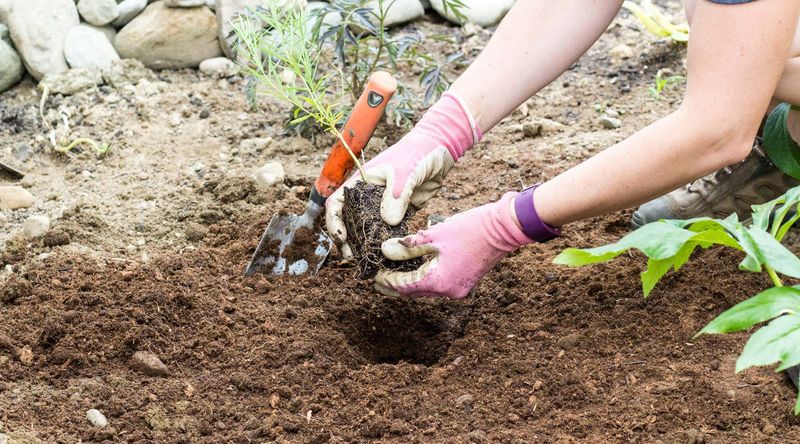
Building healthy garden beds takes more than just turning over dirt. Pennsylvania gardens benefit greatly from thoughtful soil preparation each spring. The effort you invest now pays off with stronger plants and better harvests later.
Start by loosening compacted soil with a garden fork or tiller. Pennsylvania’s clay soils especially need this attention.
Work when soil is slightly moist but not wet. Squeezing a handful should form a ball that crumbles easily when poked.
Layer on organic matter generously. Compost, aged manure, or leaf mold all improve soil structure and fertility.
Pennsylvania gardeners can often get free leaf compost from municipal programs. Spread two to four inches across your beds.
Mix amendments thoroughly into the top eight to twelve inches of soil. This depth accommodates most vegetable and flower roots.
Deeper incorporation helps, but focus your energy on this top layer where most activity happens.
Consider adding specific amendments based on what you’re planting. Bone meal provides phosphorus for root development.
Blood meal adds nitrogen for leafy growth. Wood ash raises pH and adds potassium, but use sparingly.
Create raised beds if your Pennsylvania property has poor drainage or heavy clay. Raising beds even six inches improves drainage significantly.
Fill them with a mixture of topsoil, compost, and other amendments for ideal growing conditions.
Finish by smoothing the surface with a rake. Your prepared beds should sit slightly higher than surrounding ground to allow for settling.
Well-amended beds give Pennsylvania plants the foundation they need for a productive spring and summer.
6. Set Up Efficient Watering Systems Early
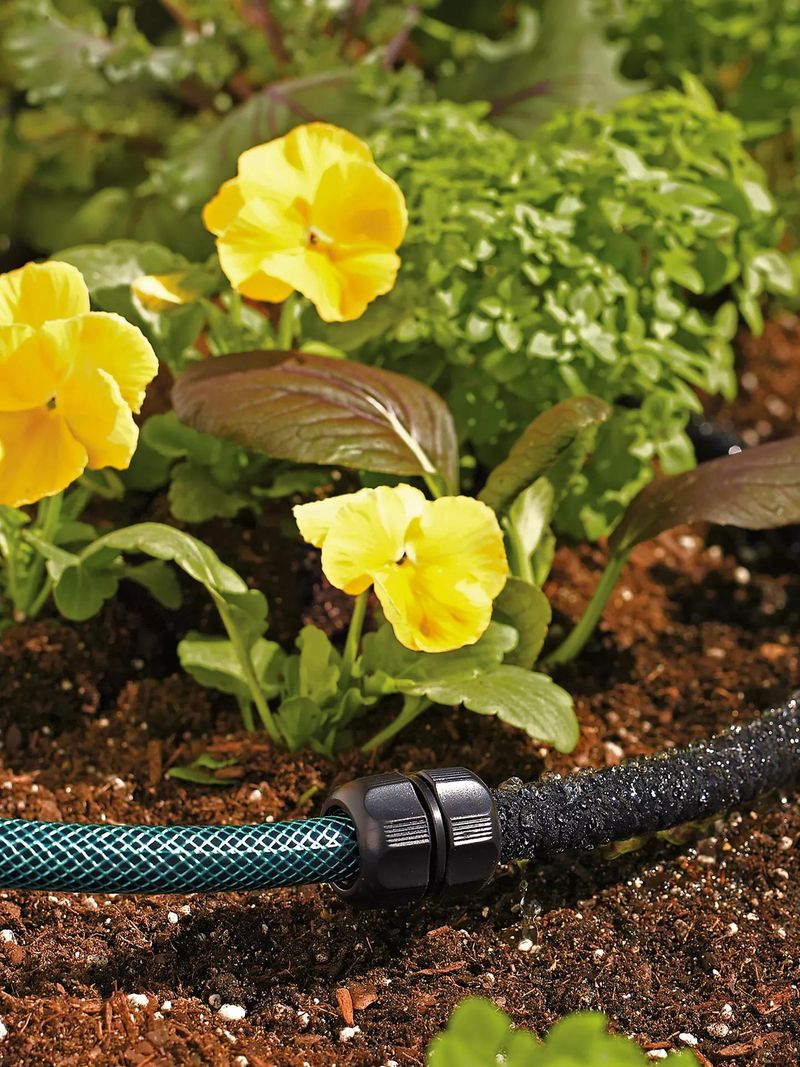
Water management makes or breaks gardens in Pennsylvania. Our springs can swing from soaking rains to dry spells within weeks.
Setting up good watering systems now saves time and helps plants thrive regardless of weather.
Soaker hoses work wonderfully for Pennsylvania gardens. These porous hoses release water slowly right at soil level. They waste less water than sprinklers and keep foliage dry, reducing disease problems.
Lay soaker hoses in your beds before plants grow large. Snake them between plants, spacing lines about twelve to eighteen inches apart.
Cover with mulch to hide them and reduce evaporation. Connect to your outdoor faucet with regular hose.
Drip irrigation offers another excellent option. These systems deliver water directly to plant roots through small emitters.
You can customize placement for each plant’s needs. Pennsylvania gardeners with large gardens find drip systems save significant time.
Even simple watering cans work if you have small spaces. Fill them and let water warm to air temperature before using. Cold water from hoses can shock plants, especially tender seedlings.
Install rain barrels to collect water from your roof. Pennsylvania typically receives adequate rainfall, but capturing it lets you water during dry periods without raising water bills. Position barrels near downspouts and garden areas.
Whatever system you choose, test it before plants need water urgently. Check for leaks, adjust coverage, and ensure everything works properly.
Good watering infrastructure helps your Pennsylvania garden handle whatever weather spring and summer bring.
7. Apply Mulch To Protect And Nourish Plants
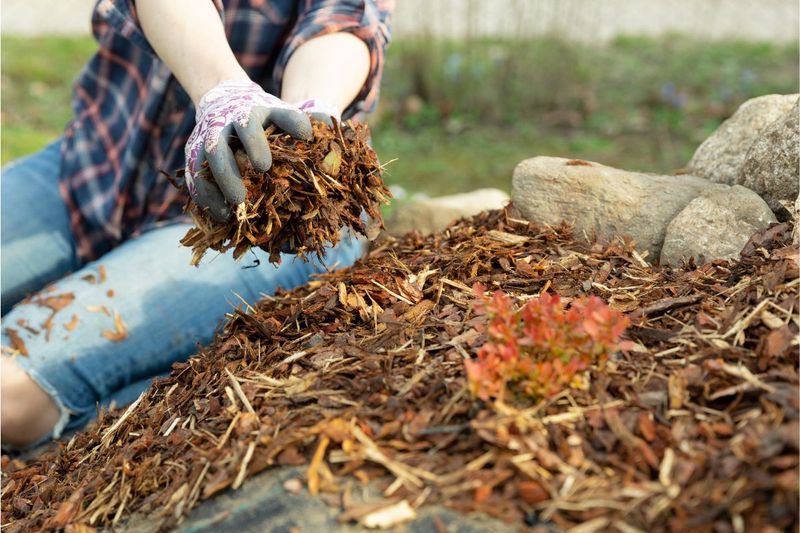
Mulching ranks among the smartest moves Pennsylvania gardeners can make. This simple layer of material over your soil provides multiple benefits throughout the growing season.
Apply it correctly this spring and watch your garden thrive with less work. Wait until soil warms before mulching. Pennsylvania soil temperatures rise slowly in spring.
Mulching too early traps cold and delays plant growth. Late April through May works well for most areas.
Choose organic mulches that break down and feed your soil. Shredded bark, wood chips, straw, and compost all work well.
Pennsylvania produces abundant hardwood mulch that’s often available locally. Avoid mulches from unknown sources that might contain weed seeds.
Apply mulch two to three inches deep around plants. Keep it pulled back a few inches from stems and trunks. Mulch piled against plants traps moisture and encourages rot and disease problems.
Mulch serves several important purposes in Pennsylvania gardens. It moderates soil temperature, keeping roots cooler in summer heat.
It suppresses weeds by blocking light from weed seeds. It conserves moisture by reducing evaporation from soil surface.
As organic mulches decompose, they feed soil organisms and add nutrients. This ongoing process improves your soil structure year after year.
Pennsylvania’s freeze-thaw cycles break down organic matter faster than in some climates, so you’ll need to refresh mulch annually.
Spread mulch across entire beds rather than just around individual plants. Complete coverage provides maximum benefit and creates a finished, professional appearance.
Your mulched Pennsylvania garden will need less watering, weeding, and overall maintenance throughout spring and beyond.