8 Privacy Plants That Thrive In Michigan’s Cold Winters And Hot Summers
Finding the right privacy plants in Michigan is not always easy. A plant may look great at the garden center, then struggle once winter hits or summer heat starts building.
That is why it helps to choose plants that can handle both sides of Michigan weather without losing their strength or good looks. The best privacy picks do more than block a view.
They add color, texture, and structure while standing up to cold winds, snow, and hot sunny days. Some stay thick and green all year, while others fill out fast and create a natural screen when the growing season takes off.
A smart choice now can save time, money, and frustration later. For homeowners who want more seclusion without constant worry, these hardy plants offer a reliable way to create a yard that feels more private, comfortable, and complete.
1. Arborvitae (Eastern Arborvitae)
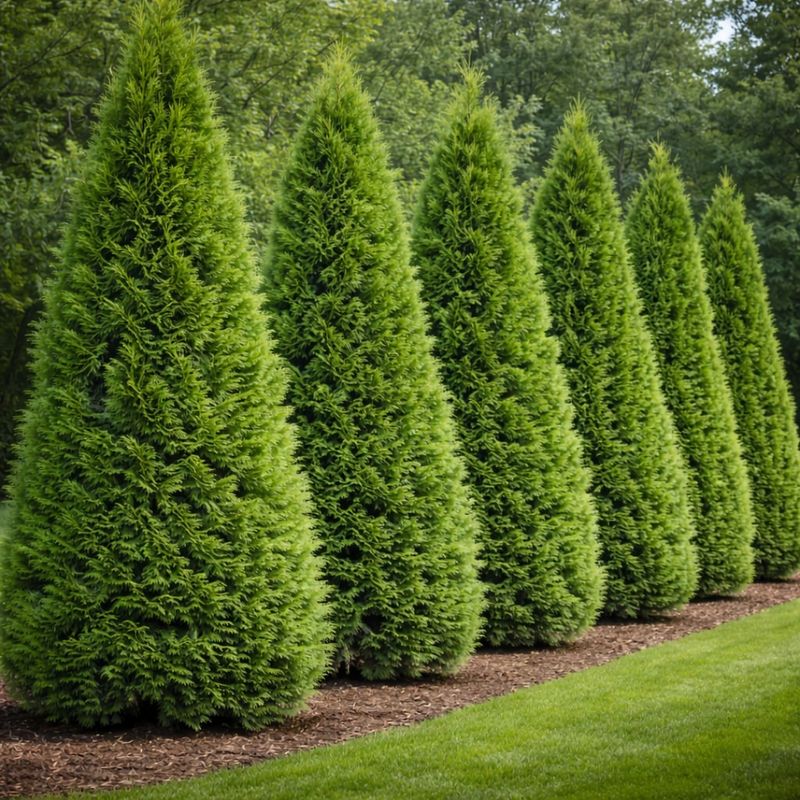
Few plants have earned their spot in Michigan yards quite like the Eastern Arborvitae. Known scientifically as Thuja occidentalis, this native evergreen has been shading porches and blocking neighbors for generations.
It stays green year-round, which makes it one of the most reliable privacy options across the entire state.
Hardy from Zone 3 to 7, this tree laughs at Michigan’s coldest winters without flinching. It grows in a tight, pyramid shape and keeps its dense foliage even when temperatures drop well below freezing.
That means your privacy screen does not disappear when the leaves fall off other plants. Planting arborvitae for a hedge is straightforward. Space them about four to six feet apart so they grow together into a solid wall of green.
Full sun works best, though they also handle partial shade with ease. One thing Michigan gardeners should watch out for is deer browsing in winter, since hungry deer love to munch on the soft foliage.
Wrapping young plants in burlap or using deer repellent spray during the colder months helps keep them looking full and healthy.
Once established, arborvitae are low-maintenance and incredibly rewarding, growing up to three feet per year in ideal conditions.
2. Eastern White Pine
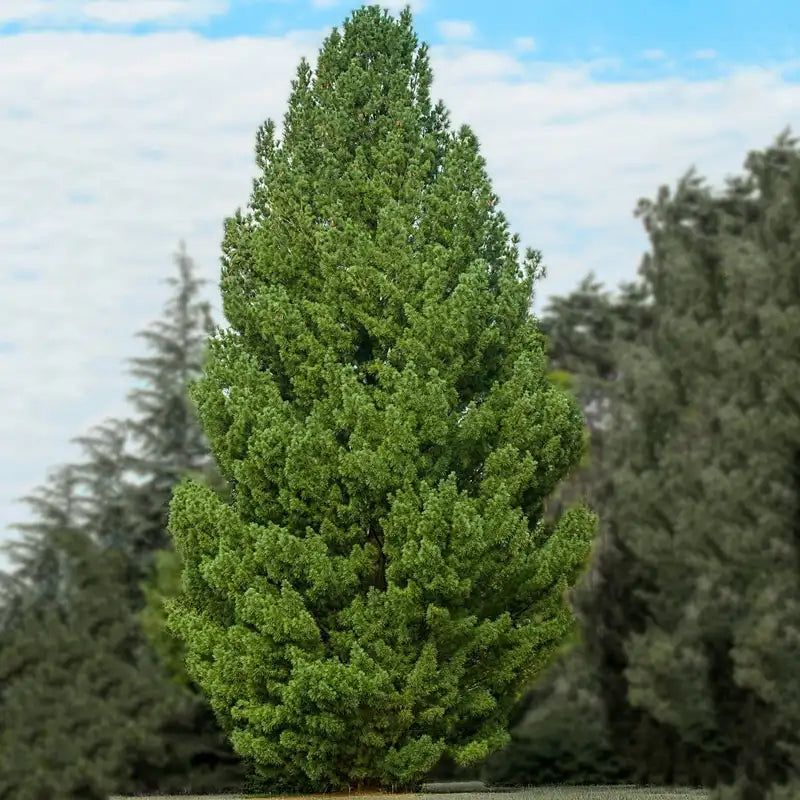
Speed matters when you want privacy fast, and Eastern White Pine delivers it better than almost any other tree in Michigan. Pinus strobus is a native giant that can shoot up several feet every single year under the right conditions.
Before long, you have a towering wall of soft, feathery needles blocking every unwanted view.
Michigan’s climate suits this tree perfectly. It handles the cold winters without any drama and pushes through the hot, humid summers with ease.
Because it keeps its needles all year, your privacy screen stays intact through every season, even when everything else around it looks bare and brown.
Plant Eastern White Pine in full sun and give it plenty of room to stretch out. Mature trees can reach 80 feet tall and 40 feet wide, so this is not a plant for tight spaces.
For a privacy screen, space them about 10 to 15 feet apart and let them fill in naturally over time. Sandy or loamy soils work best, but these trees are surprisingly adaptable across many Michigan soil types.
Avoid planting them in areas with heavy air pollution, as they are sensitive to it. Once they take root and settle in, they grow quickly and create one of the most dramatic natural privacy screens you can find anywhere in the Midwest.
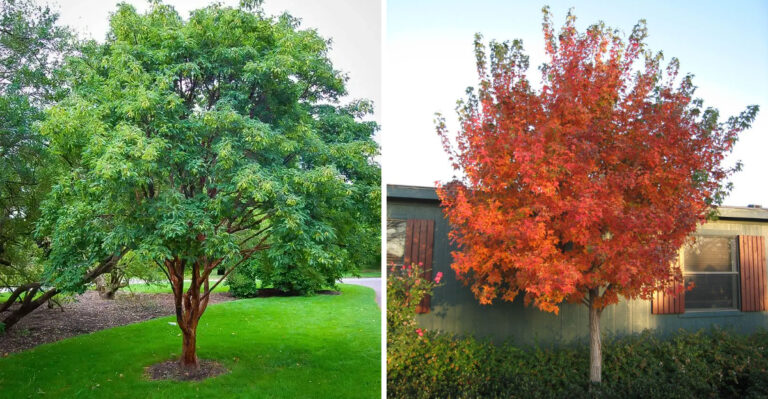
3. American Hornbeam
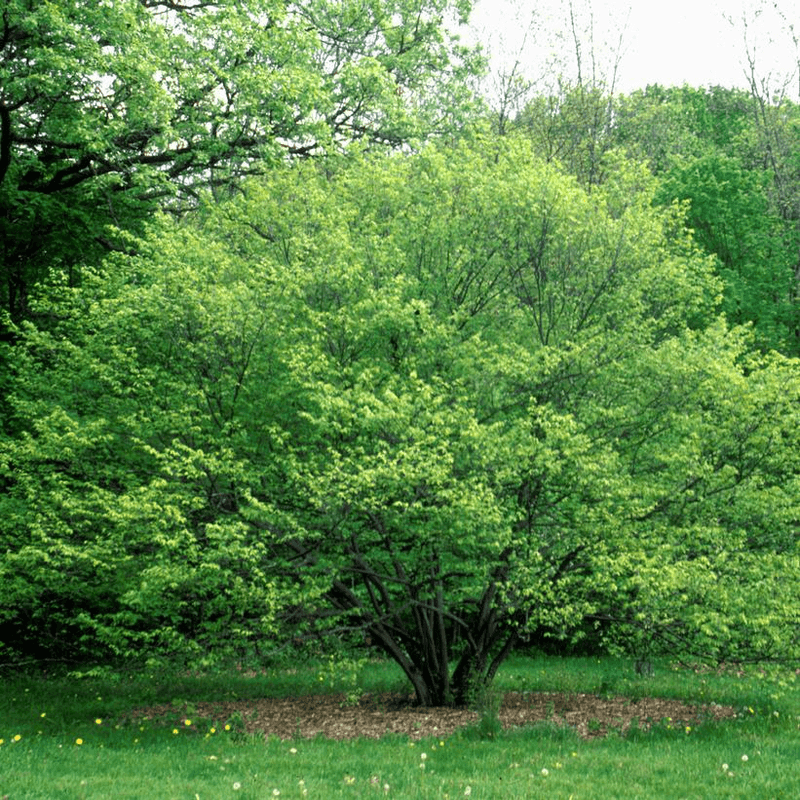
Not every Michigan yard gets full sun, and that is exactly where American Hornbeam steps in and shines. Carpinus caroliniana is a native small tree that thrives in the shadier, trickier corners of your property where other plants struggle to survive.
It has a quiet toughness that most people do not expect from such a graceful-looking tree.
What makes it so useful for privacy is its incredibly dense branching structure. Even after the leaves fall off in autumn, the twisting network of branches still creates a visual barrier that slows the eye and softens the view between properties.
In summer, the full leafy canopy provides solid, natural screening that blends beautifully into any Michigan landscape.
American Hornbeam also handles clay soils really well, which is great news for Michigan gardeners dealing with heavy, compacted ground.
It grows slowly, reaching about 20 to 30 feet at maturity, so it works well in smaller yards where a massive tree would feel overwhelming.
Plant it in partial to full shade for best results, and water it regularly during the first couple of growing seasons. Once established, it needs very little attention.
Birds love nesting in its branches, and the fall color turns a warm orange-red that adds a gorgeous seasonal bonus to your privacy planting. It is truly a plant that earns its place.
4. Ninebark
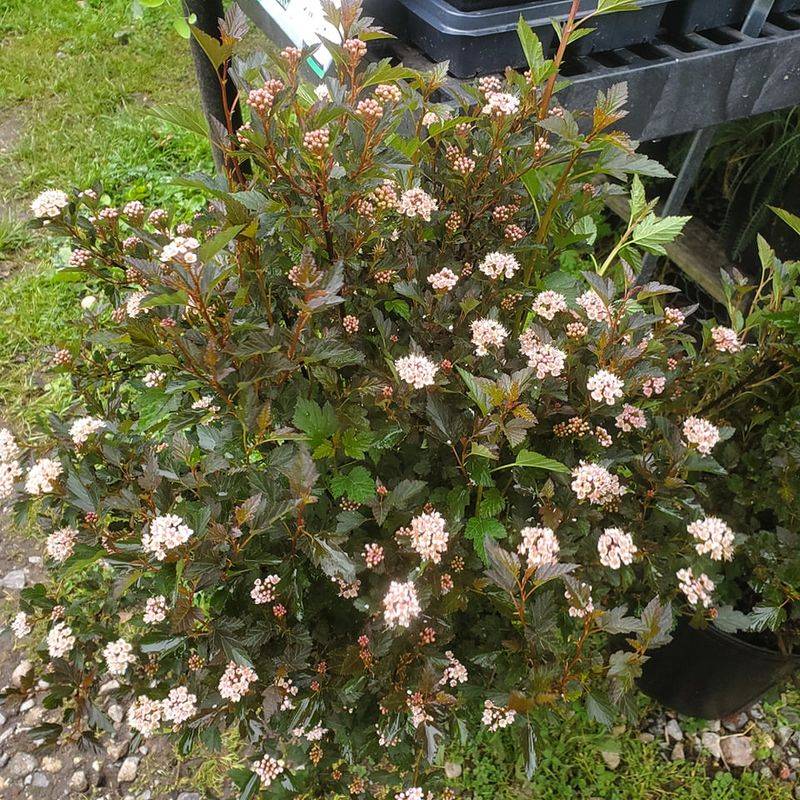
Ninebark might just be the toughest native shrub growing in Michigan right now.
Physocarpus opulifolius handles heat, cold, drought, and even poor soils without complaint, which makes it an absolute workhorse for anyone building a low-maintenance privacy screen.
It grows thick and fast, filling in gaps quickly and creating a lush, layered look.
One of the coolest things about Ninebark is the variety of foliage colors available. Cultivars range from deep burgundy to bright gold, so you can actually choose a plant that fits your yard’s color palette.
The shrub also produces clusters of small white or pink flowers in late spring that attract pollinators and add a cheerful seasonal pop to the hedge.
For informal privacy hedges in Michigan, Ninebark is hard to beat. Space plants about four to six feet apart so they grow into each other and form a solid screen.
Full sun produces the most vibrant foliage color, though it tolerates partial shade without much fuss. It grows six to ten feet tall and wide at maturity, making it substantial enough to block views from neighboring yards or passing cars.
Pruning once a year after flowering keeps it tidy and encourages fresh new growth. Whether your yard has sandy soil up north or heavy clay in the lower peninsula, Ninebark finds a way to thrive and look great doing it.
5. Red Osier Dogwood
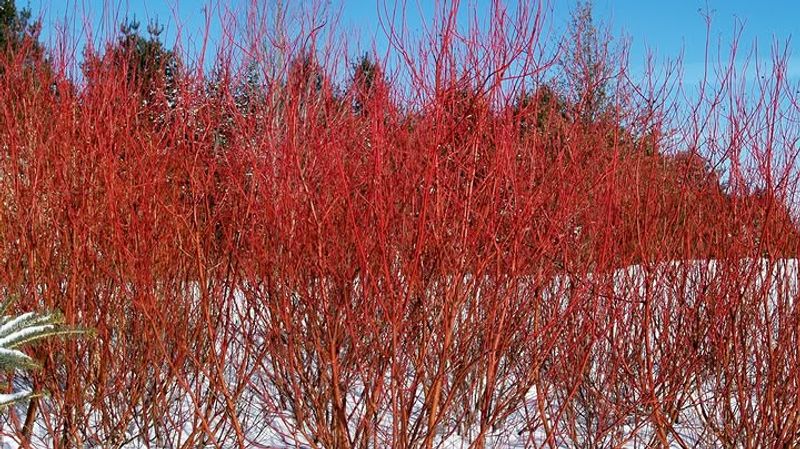
Winter in Michigan can feel long and grey, but Red Osier Dogwood turns the coldest months into something surprisingly beautiful. Cornus sericea produces those famous bright red stems that practically glow against a snowy Michigan landscape.
Even when every other plant in the yard looks dull and dormant, this shrub brings serious visual energy.
During summer, Red Osier Dogwood grows into a thick, bushy mass of green foliage that creates solid seasonal privacy. It spreads naturally by sending up new stems from the roots, which means a small planting gradually turns into a wide, dense colony over time.
That spreading habit is actually a big advantage when you want to fill a long property line with a natural screen.
This native shrub loves moisture, making it perfect for low spots, rain gardens, or areas near streams and ponds that are so common across Michigan’s landscape. It also performs well in full sun to partial shade, giving it real flexibility across different yard conditions.
Plant multiple shrubs together for the fastest coverage, spacing them around five feet apart. In late spring, small white flower clusters appear, followed by white berries that local birds absolutely love.
Cutting a few stems back to the ground each year encourages the brightest red color on the new growth. It is a plant that truly works hard through every single season.
6. Juniper (Common Juniper)
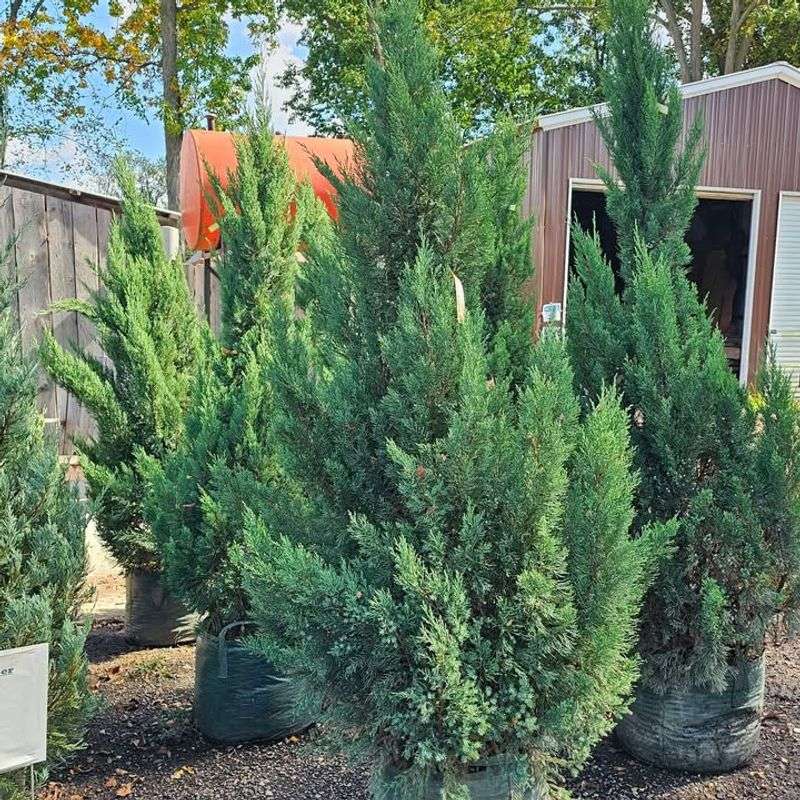
Common Juniper is one of those plants that Michigan gardeners often overlook, but it deserves a much bigger spotlight. Juniperus communis is incredibly cold-hardy, handling Michigan’s harshest winters without any protection or special care.
It is also one of the few evergreens that actually thrives in dry, sandy soils, which covers a large portion of northern Michigan’s landscape.
For privacy purposes, the upright columnar varieties are the real stars. Cultivars like ‘Sentinel’ and ‘Arnold’ grow in tight, narrow columns that reach six to fifteen feet tall while staying relatively slim.
That makes them perfect for smaller Michigan yards where space is limited but year-round screening is still a priority. They hold their dense, prickly blue-green foliage all year long without dropping needles or going bare.
Plant junipers in full sun for the best growth and density. They are extremely drought-tolerant once established, so they work especially well in spots where irrigation is not practical.
Space columnar varieties about three to four feet apart for a tight privacy screen, or give them more room if you want a looser, more natural look.
Deer tend to avoid junipers because of the prickly texture, which is a real bonus for Michigan gardeners dealing with browsing pressure during winter months.
Minimal pruning is needed, and they rarely suffer from serious pest or disease problems, making them genuinely easy to maintain year after year.
7. Serviceberry
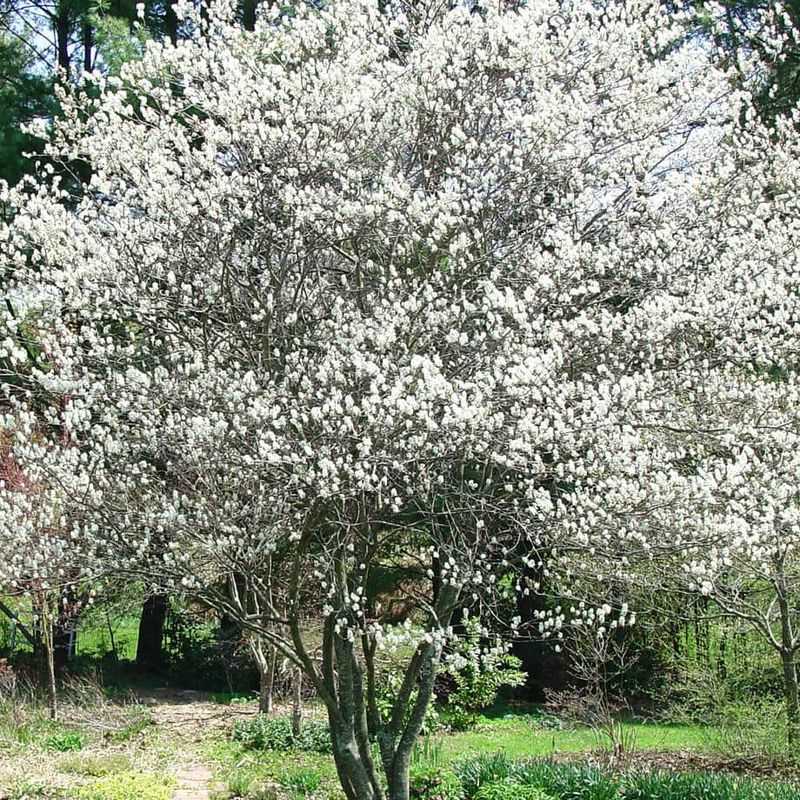
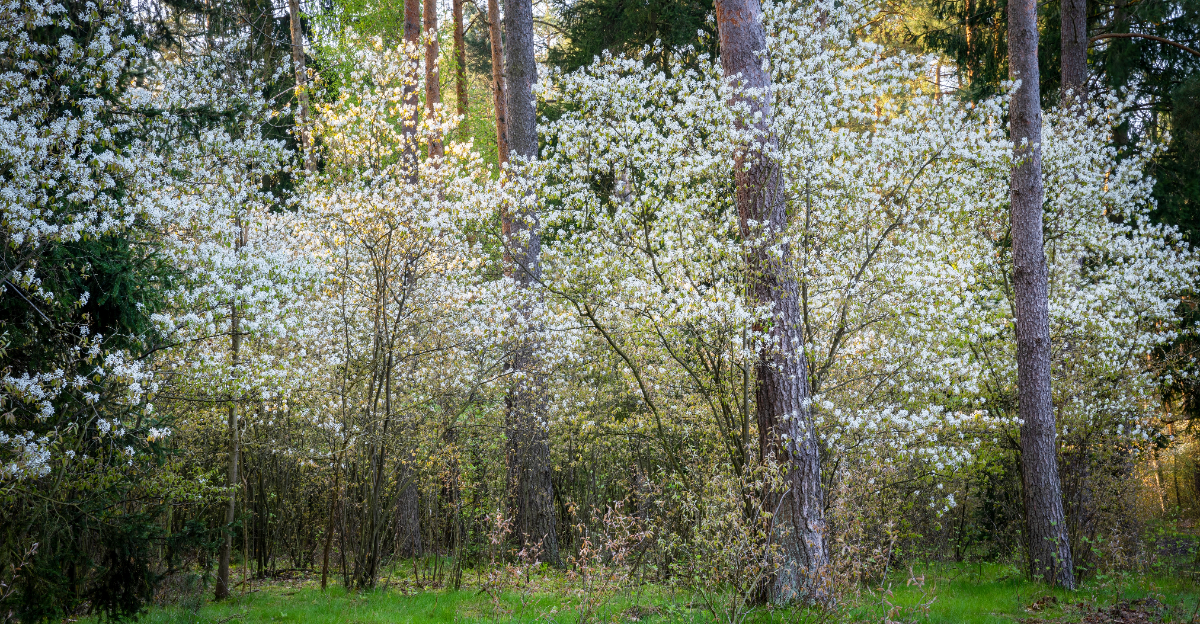
Serviceberry is one of those plants that gives you far more than you bargained for in the best possible way. Amelanchier canadensis is a native multi-stem tree that bursts into clouds of white flowers every spring, one of the earliest bloomers in all of Michigan.
It is absolutely stunning against a clear April sky, and pollinators flock to it from the moment the flowers open.
When planted in groups, Serviceberry forms a dense natural thicket that works beautifully as a partial privacy screen. The canopy fills in fully by early summer, creating a soft, layered wall of green that feels more like a woodland edge than a traditional hedge.
That naturalistic quality makes it a great fit for Michigan yards that lean toward a native or wildlife-friendly style.
Beyond the spring flowers, Serviceberry keeps delivering through the seasons. Small purple-red berries ripen in early summer and are actually edible, with a sweet, mild flavor that both people and birds enjoy.
Come fall, the foliage turns brilliant shades of orange, red, and yellow that rival any ornamental tree in the nursery. It adapts well to a wide range of Michigan soil types and tolerates both full sun and partial shade.
Space multiple plants about six to eight feet apart for the most effective screening. It is a genuinely four-season plant that adds beauty, wildlife habitat, and natural privacy all at once.
8. Highbush Cranberry (American Cranberrybush)
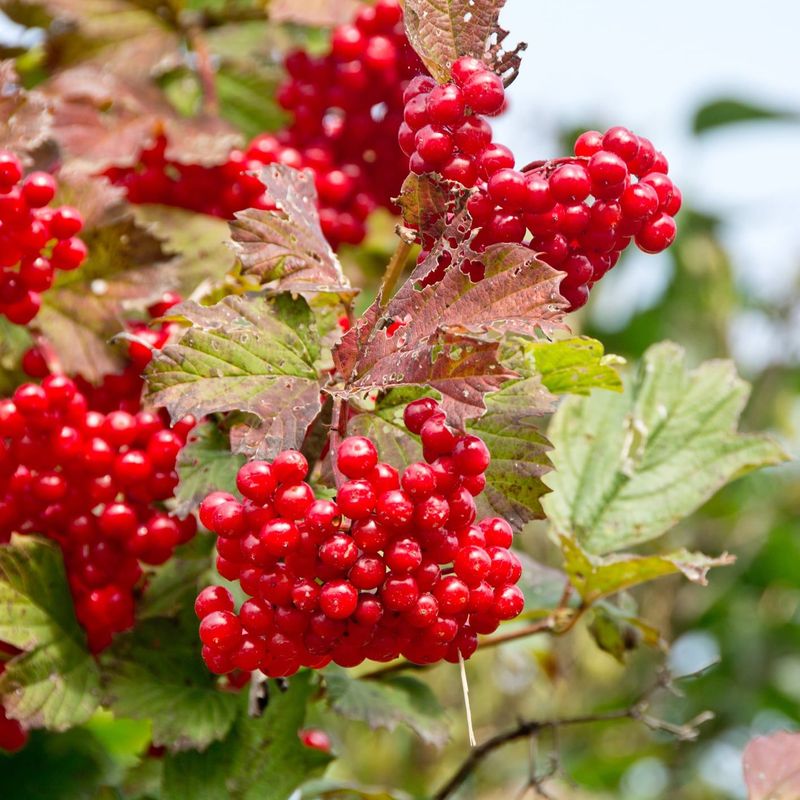
Bright red berries hanging from bare branches in November might sound like a holiday decoration, but that is just what Highbush Cranberry looks like in a Michigan yard.
Viburnum trilobum is a native shrub that packs stunning seasonal interest into every month of the year, from white flower clusters in spring to blazing red fall color and jewel-like winter berries.
As a privacy screen, this shrub means serious business. It grows into a dense, rounded mass reaching eight to twelve feet tall and wide, creating a substantial barrier that blocks views and buffers noise along property lines.
The foliage is thick and full through the entire growing season, and even in winter the branching structure and berry clusters add enough visual interest to keep the screen from feeling empty or bare.
Michigan’s climate suits Highbush Cranberry extremely well. It handles cold winters without any trouble and bounces back from summer heat without wilting or struggling.
Plant it in full sun to partial shade and keep the soil moderately moist for the best growth and berry production. Space shrubs about six to eight feet apart when planting a hedge row, and let them fill in naturally over two to three seasons.
Birds love the berries, especially through the colder months when food is scarce. A light annual pruning after flowering keeps the shape tidy and encourages vigorous new growth each year.