10 Productive Plants Perfect For California’s Mild Spring Weather
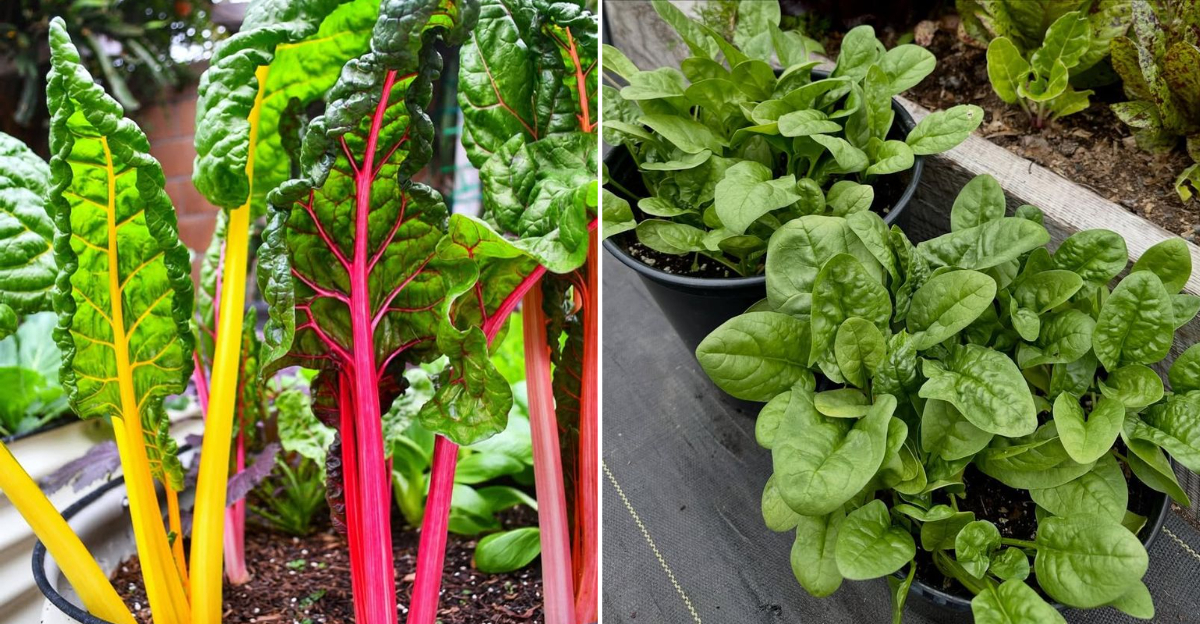
Spring in California is gentle, not too hot and not too cold, making it a perfect time to try plants that actually give you something back.
Have you ever thought about growing something you can eat, sip, or even use around the house?
Small herbs, bright vegetables, and flowering plants can quietly make your garden more useful while still looking inviting. It’s easy to get started with plants that thrive in mild weather, and the satisfaction of picking a fresh tomato or a sprig of rosemary is hard to beat.
You don’t need a big yard or complicated care routines to enjoy it. With a few thoughtful choices, your garden can feel lively, practical, and a little bit magical at the same time.
1. Lettuce
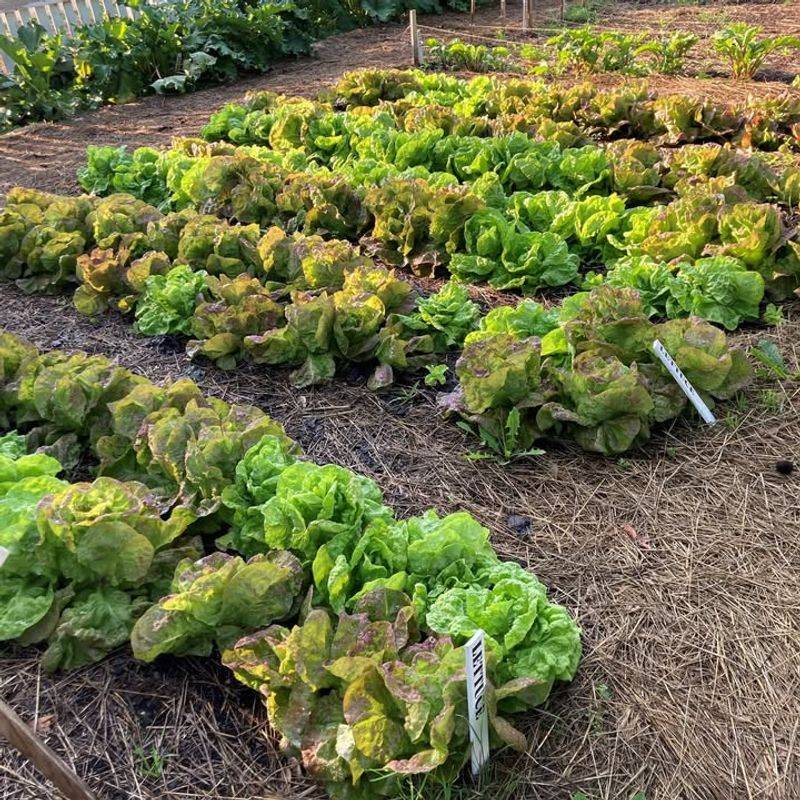
Few vegetables are as satisfying to grow as lettuce, especially when you can walk outside and snip fresh leaves for your salad bowl. In California, spring is the sweet spot for this cool-season green.
Temperatures stay mild, which is exactly what lettuce loves.
Romaine, butterhead, and leaf lettuce are all great choices for California gardens. You can plant seeds directly in the ground or start with small transplants from a nursery.
Either way, you will see growth quickly, sometimes within just a week or two.
Lettuce grows best in loose, well-draining soil with plenty of organic matter mixed in. Water it regularly but do not let the roots sit in soggy ground.
A little afternoon shade helps on warmer spring days.
One of the best things about growing lettuce is the cut-and-come-again method. You harvest the outer leaves and the plant keeps producing more.
This means one small patch can feed your family for weeks.
In California, you can even grow lettuce in containers on a balcony or porch. Just make sure the pot is deep enough and gets morning sun.
Fresh homegrown lettuce tastes far better than anything from a store.
2. Spinach
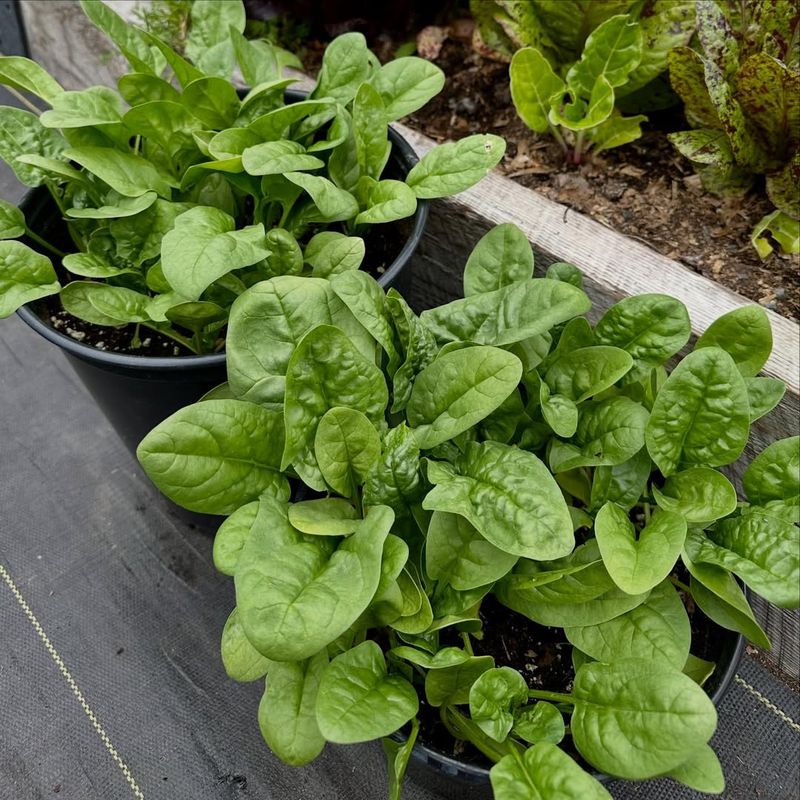
Spinach is one of those vegetables that works hard and asks for very little in return. It is packed with iron, vitamins, and minerals, and it grows beautifully during California’s cool spring season. Gardeners across the state love it for good reason.
Plant spinach seeds about half an inch deep in well-prepared soil. Space them a few inches apart so each plant has room to spread its leaves. In California’s mild climate, seeds usually sprout within five to ten days.
This leafy green prefers cooler temperatures, making early spring the ideal window for planting.
Once the weather warms up too much, spinach tends to bolt, meaning it sends up a flower stalk and the leaves turn bitter. Catching that spring window is key.
Spinach is also a great companion plant. Growing it near taller vegetables can give it a bit of natural shade as spring temperatures slowly rise.
This simple trick can extend your harvest by several weeks.
Whether you use it raw in salads or cooked in pasta and soups, homegrown spinach has a fresh, earthy flavor that store-bought versions rarely match. California gardeners who try it once almost always come back for more every spring.
3. Kale
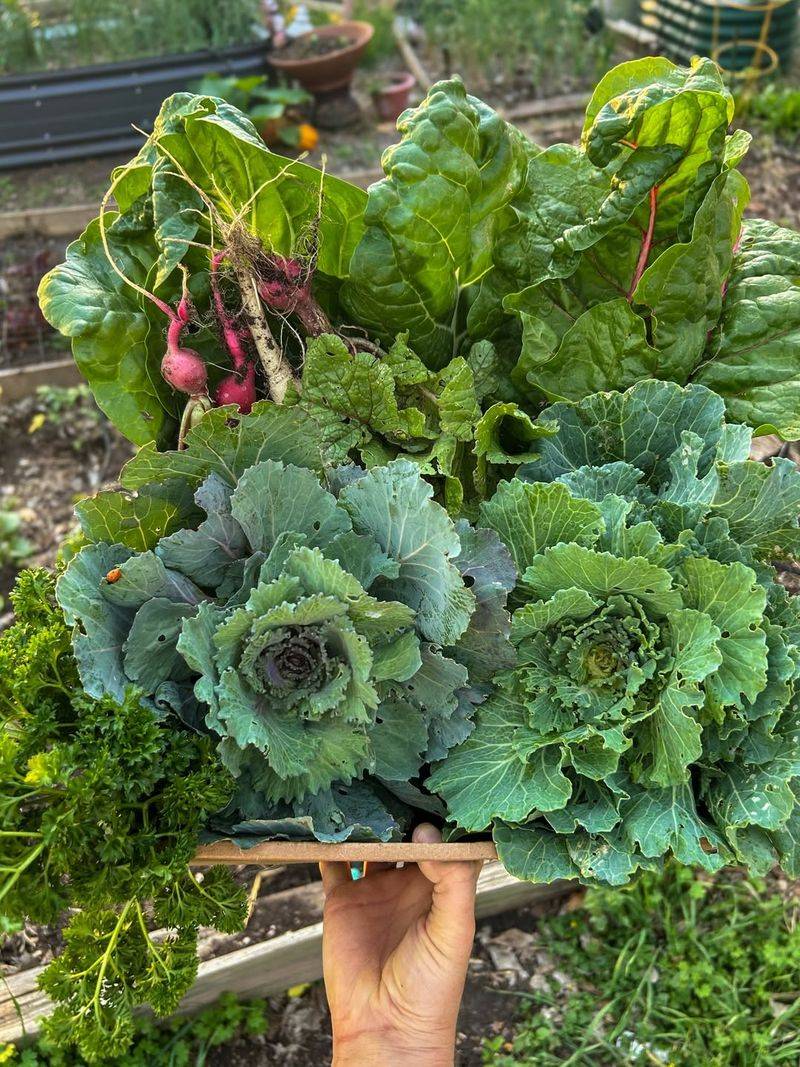
Tough, nutritious, and incredibly versatile, kale has earned its reputation as one of the most reliable vegetables you can grow in California. It handles mild cold snaps without fuss and bounces back quickly after harvesting.
Spring is when it truly shines.
There are several types to choose from, including curly kale, lacinato kale, and red Russian kale. All three grow well in California’s spring climate.
Lacinato kale, sometimes called dinosaur kale, is especially popular because of its rich flavor and sturdy texture.
Plant kale in a sunny spot with fertile, well-draining soil. Add compost before planting to give it a strong nutritional start.
Water consistently, about one to two inches per week, and your plants will reward you with steady growth throughout the season.
One of kale’s biggest advantages is that you can harvest it multiple times from the same plant. Start picking the lower outer leaves once the plant is about a foot tall.
The center keeps growing, giving you fresh leaves for weeks or even months.
California gardeners often grow kale alongside other spring vegetables like carrots and peas. It fills garden space efficiently and provides a reliable harvest.
Toss it in smoothies, soups, or roast it for crispy chips. Kale truly earns its spot in any productive spring garden.
4. Swiss Chard
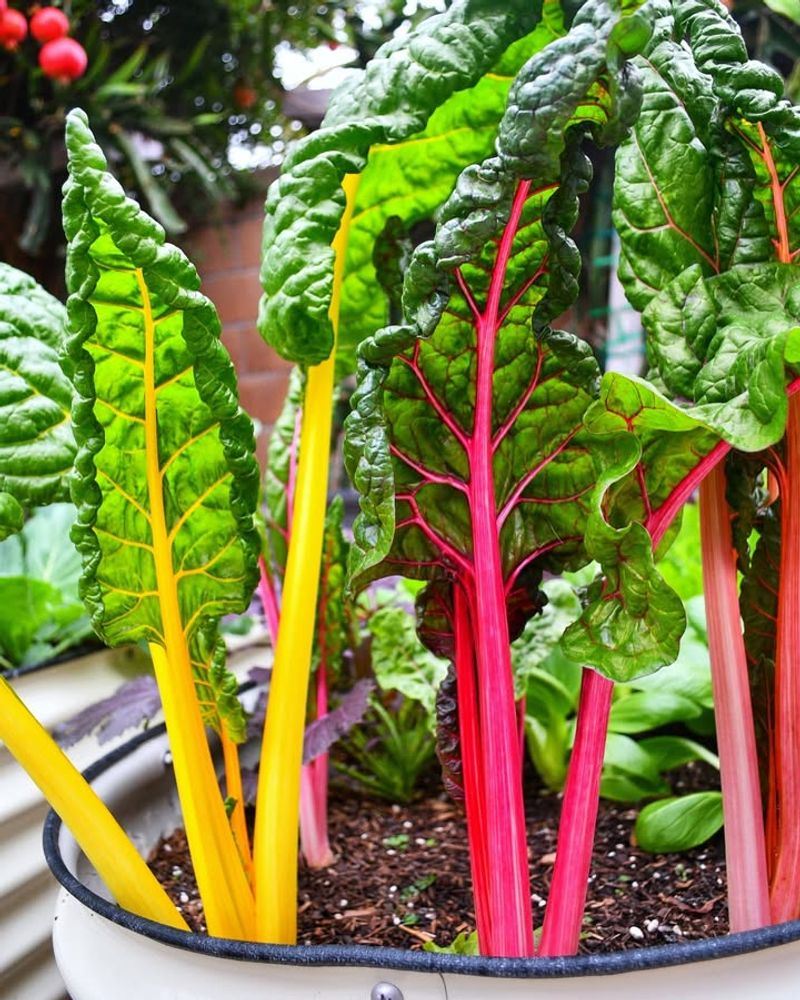
Walk past a patch of Swiss chard in a California garden and you might do a double take. The stems come in brilliant shades of red, orange, yellow, and white, making it one of the most eye-catching vegetables you can grow.
And it tastes just as good as it looks.
Swiss chard is a cool-season vegetable that thrives in California’s mild spring temperatures. It is related to beets, and like beets, both the leaves and the stems are completely edible.
The flavor is slightly earthy and mild, similar to spinach but a little heartier.
Plant seeds about an inch deep and keep the soil consistently moist until germination. Once established, Swiss chard is surprisingly low-maintenance.
It tolerates light frosts and handles mild heat better than most other leafy greens.
Harvesting is simple and rewarding. Cut the outer stalks when they are large enough to use, and the plant will continue producing new growth from the center.
A single plant can provide multiple harvests throughout the spring season in California.
Swiss chard works beautifully in stir-fries, soups, egg dishes, and even pasta. Its colorful stems add a pop of brightness to any meal.
For California gardeners looking for a plant that is both beautiful and productive, Swiss chard is a top-tier choice every single spring.
5. Radishes
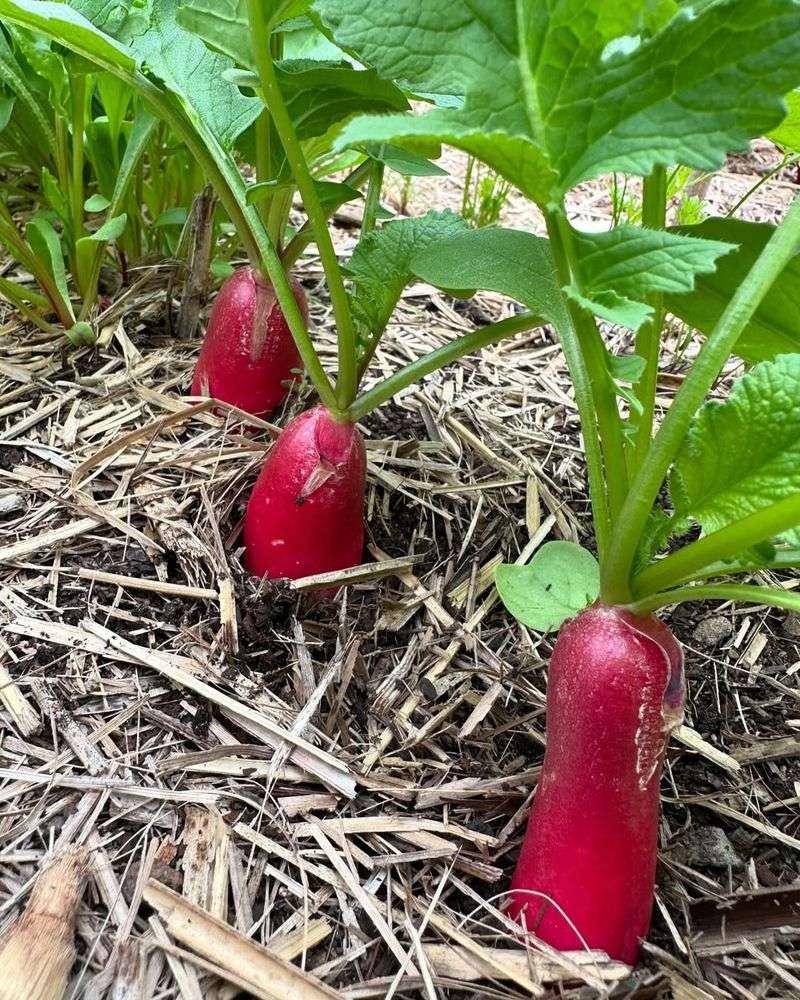
If you have never grown radishes before, spring in California is the perfect time to start. These small, crunchy root vegetables are among the fastest-growing plants you can put in the ground.
Some varieties are ready to harvest in as little as 30 days.
Radishes are a fantastic option for beginners because they require minimal effort. Direct-sow the seeds about half an inch deep and one inch apart in loose, well-draining soil.
They sprout quickly and thin themselves out with a little help from you as they grow.
California’s mild spring temperatures are ideal for radishes. They prefer cooler weather and can struggle in summer heat, so getting them in the ground early in the season makes a big difference.
Morning sun and consistent watering keep them growing smoothly.
Cherry Belle and French Breakfast are two popular varieties that grow well across California. Both produce firm, flavorful roots that are great eaten raw, sliced into salads, or used as a crunchy topping for tacos and grain bowls.
Radishes also make excellent companion plants. Planting them near carrots or squash can help deter certain garden pests.
They fill in gaps in your garden quickly and are ready before most other spring vegetables have even gotten started. For quick wins in the garden, radishes are hard to beat.
6. Carrots
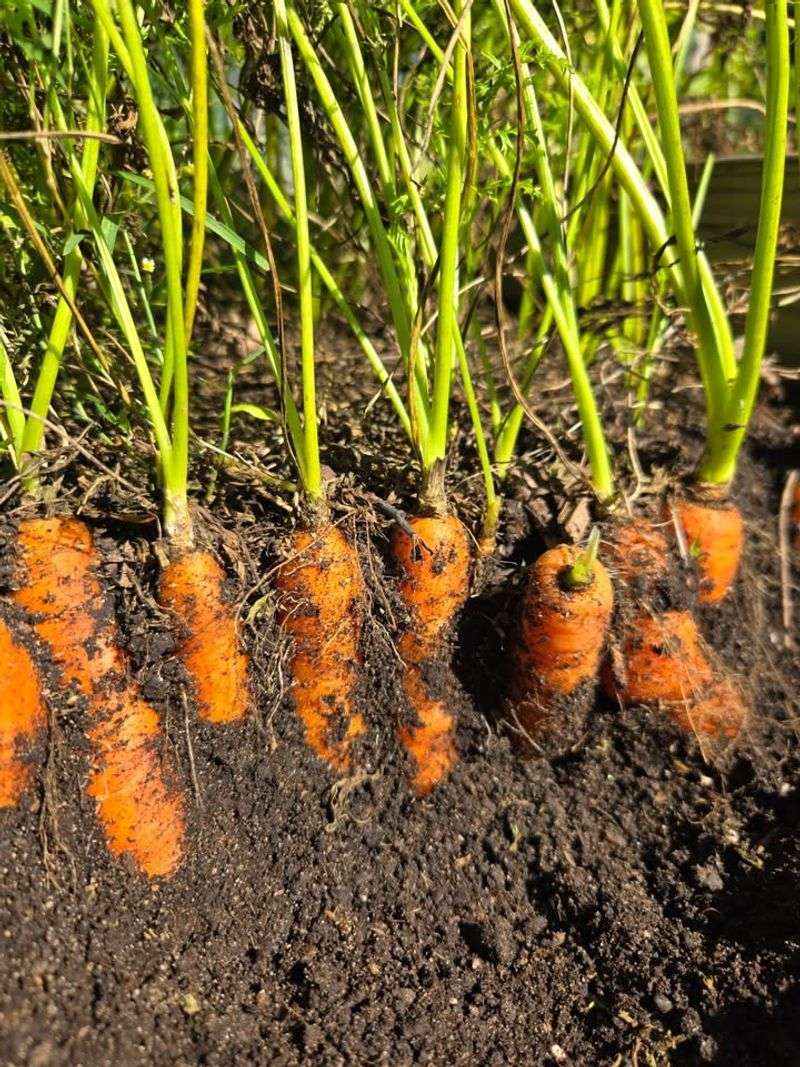
Sweet, crunchy, and endlessly useful in the kitchen, carrots are a spring garden staple that California gardeners have been planting for generations. Growing your own carrots is a completely different experience from buying them at the store.
Homegrown ones taste noticeably sweeter and more flavorful.
Carrots need loose, deep, well-draining soil to grow their best roots. Rocky or compacted soil can cause them to fork or grow in odd shapes.
Before planting, loosen the soil at least 12 inches deep and mix in some compost for nutrients.
Sow carrot seeds directly in the garden since they do not transplant well. Scatter them thinly across the soil surface, cover lightly, and keep the area moist until they sprout.
In California’s mild spring climate, germination usually takes one to three weeks.
Thinning is an important step many new gardeners skip. Once seedlings are a few inches tall, thin them to about two to three inches apart.
This gives each carrot enough room to develop a full, round root without crowding its neighbors.
Most carrot varieties are ready to harvest in about 60 to 75 days. Nantes and Chantenay are two types that perform especially well in California’s spring soil conditions.
Pull them when the shoulders are visible at the soil line. Fresh-picked carrots from a California garden are truly something special.
7. Peas
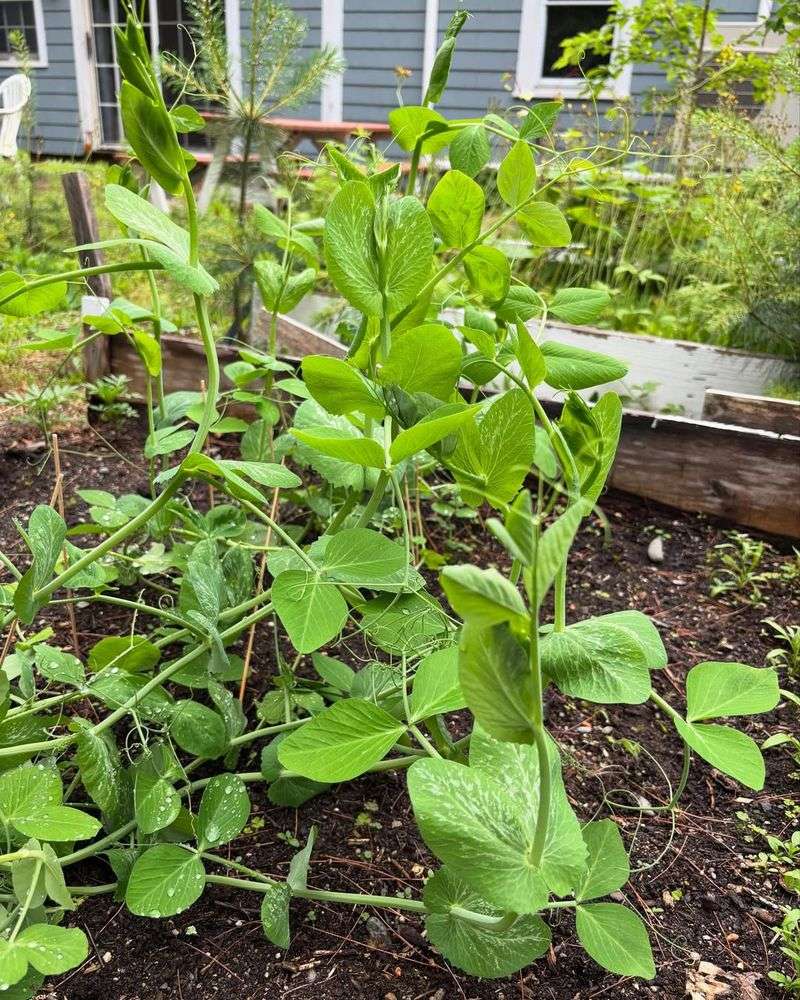
There is something almost magical about watching pea vines climb a trellis on a warm California spring morning. Peas are one of the oldest cultivated vegetables in the world, and they remain one of the most beloved plants to grow in home gardens across the state.
Snow peas, snap peas, and shelling peas all thrive in California’s cool spring weather. They prefer temperatures between 45 and 75 degrees Fahrenheit, which aligns perfectly with the typical California spring forecast.
Plant them early in the season for the best results.
Peas grow on vines and need support to climb. A simple wooden trellis, a fence, or even bamboo stakes work great.
As the vines grow, they grab onto the support with tiny tendrils and pull themselves upward naturally. It is fun to watch.
Direct-sow pea seeds about one inch deep and two to three inches apart. Water them well after planting and keep the soil consistently moist.
Most varieties begin producing pods in about 60 days, making them a rewarding mid-spring harvest.
Fresh peas eaten straight from the vine are one of gardening’s greatest pleasures. They are sweet, crisp, and full of flavor.
California gardeners who grow peas in spring often find themselves snacking right there in the garden before the peas ever make it to the kitchen.
8. Green Onions
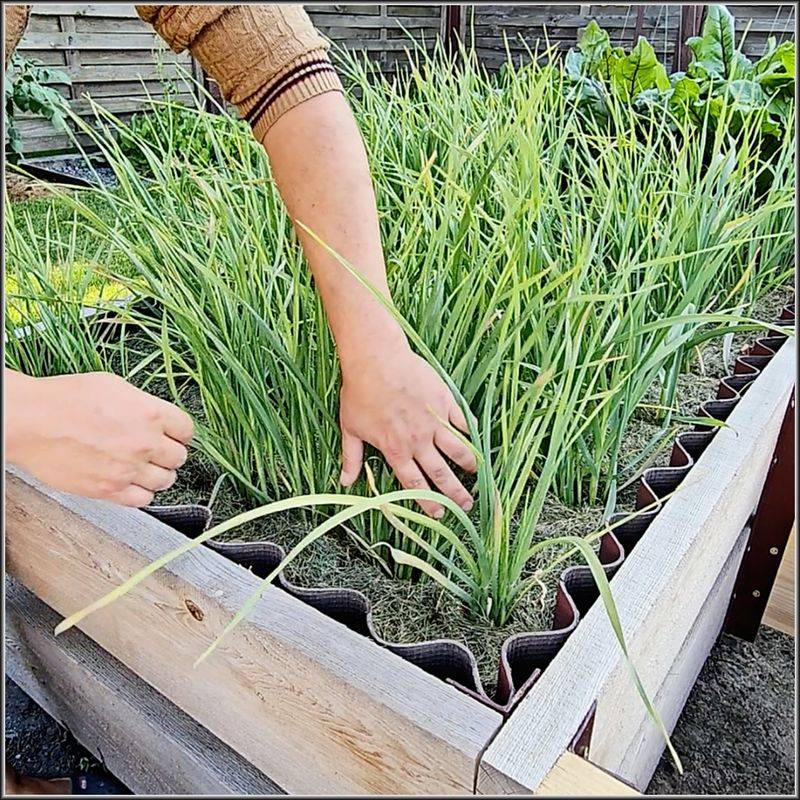
Green onions might be small, but they punch well above their weight in both flavor and usefulness. Also called scallions or spring onions, these slim stalks are a staple in kitchens around the world.
And growing them in California during spring is almost effortlessly easy.
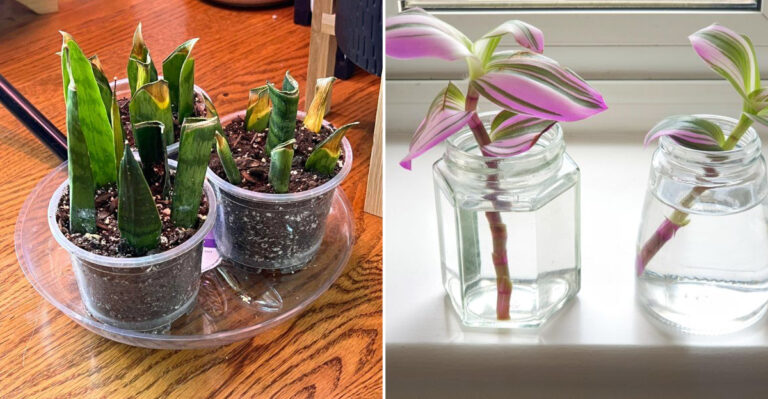
You can start green onions from seeds, sets, or even from the root ends of store-bought bunches. The regrow-from-scraps method is especially popular.
Just place the white root ends in a glass of water, and new green tops will sprout within days.
For a more productive garden harvest, plant seeds or sets directly in the soil about a quarter inch deep. Space them two to three inches apart in rows.
They do not need a lot of space, which makes them perfect for small California gardens or container setups.
Green onions grow quickly and are usually ready to harvest in 60 to 80 days from seed. You can pull the whole plant or snip just the green tops and let the base keep growing.
Either way, you get a steady supply throughout the spring season.
Use them in salads, soups, tacos, stir-fries, or as a garnish on almost anything. Their mild, fresh flavor adds a nice brightness to dishes.
California home cooks who grow their own green onions say they use them almost every single day once they start harvesting.
9. Arugula
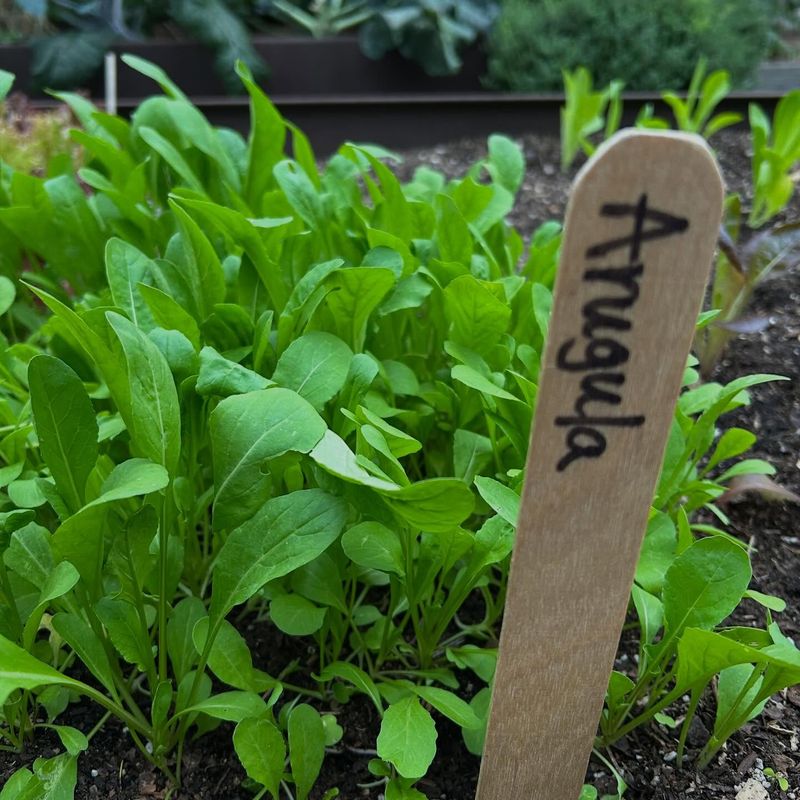
Arugula has a bold personality for such a small leaf. Its peppery, slightly nutty flavor makes it stand out in any salad, and it grows incredibly fast in California’s cool spring weather.
Gardeners who try it once almost always make it a permanent part of their spring planting routine.
One of arugula’s best qualities is how quickly it matures. You can go from seed to harvest in as little as 40 days.
That makes it one of the fastest leafy greens you can grow in a California spring garden, which is great for impatient gardeners.
Scatter seeds thinly across prepared soil and lightly rake them in. Arugula does not need to be planted deeply.
Keep the soil moist until germination, which usually happens within a week. Thin the seedlings once they are a couple of inches tall to give each plant a little breathing room.
Arugula prefers cooler temperatures and can bolt quickly once the heat of late spring or early summer arrives. Planting it early in the season in California gives you the longest possible harvest window before the warmer weather sets in.
Baby arugula leaves have a milder flavor, while older leaves pack more of that signature peppery punch. Both are delicious.
Toss them with olive oil, lemon, and shaved parmesan for a simple salad that feels anything but ordinary. Fresh arugula from a California garden truly elevates everyday meals.
10. Cilantro
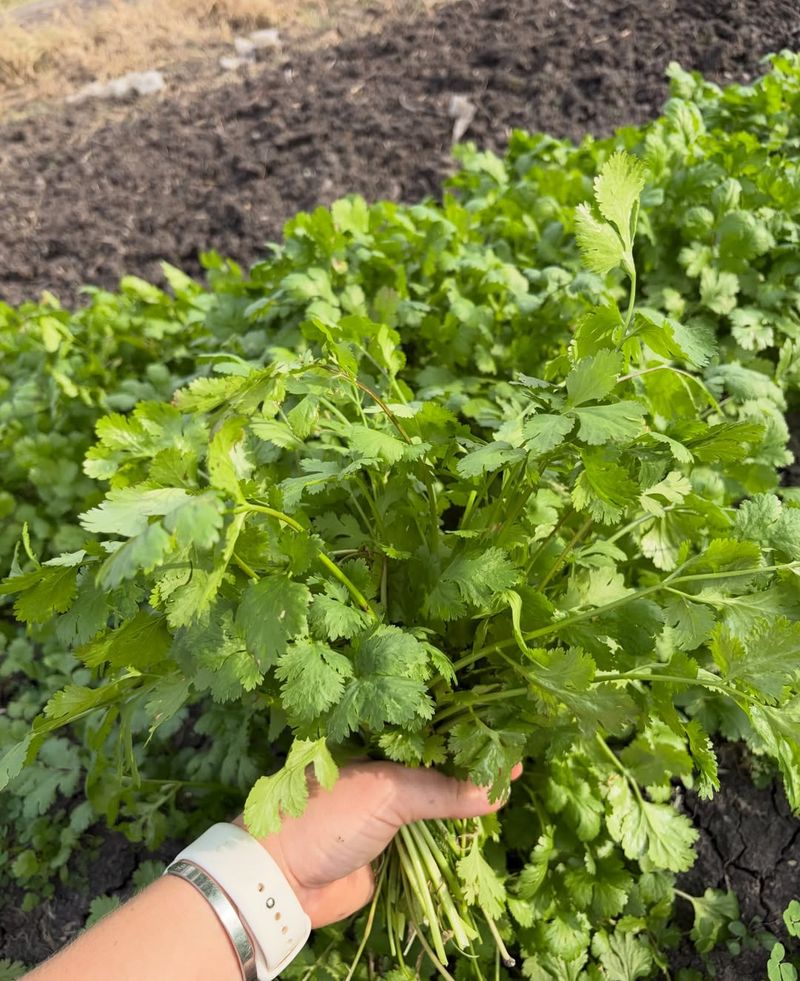
Love it or not, cilantro is one of the most widely used herbs in the world, and it happens to grow exceptionally well during California’s mild spring season. For those who love its bright, citrusy flavor, having a fresh patch growing just steps from the kitchen is a real treat.
Cilantro is a cool-season herb, which means spring in California is its happy place. It struggles in intense heat and tends to bolt quickly in summer.
Getting it in the ground in early spring gives it plenty of time to produce before temperatures climb too high.
Sow seeds directly in the garden about a quarter inch deep. Cilantro does not transplant well because it has a delicate taproot.
Space seeds a few inches apart and water gently. Germination can take one to two weeks, so a little patience goes a long way.
Once the plants are established, you can begin harvesting the outer leaves. Snip them regularly to encourage the plant to keep producing fresh foliage.
Avoid harvesting more than a third of the plant at once to keep it healthy and growing strong. Cilantro pairs beautifully with salsas, guacamole, curries, and noodle dishes.
California gardeners who grow it at home often notice how much more fragrant and flavorful fresh cilantro is compared to packaged versions. It is a simple herb that makes a big difference in any dish.