9 Profitable Plants That Grow Well In Georgia Backyards
If you’re already putting time into your Georgia backyard, it makes sense to ask a simple question. Could some of those plants actually pay you back?
Not every crop is worth the space, but a few reliable choices grow well here and can turn steady demand into real profit.
Georgia’s long growing season, warm summers, and mild winters create the kind of conditions many high-value plants love. When you pair the right plant with the right timing, small backyard plots can become surprisingly productive.
Whether you’re thinking farmers markets, local sales, or just cutting down grocery costs, choosing plants that thrive in Georgia is the first step toward making your garden work a little harder for you.
1. Rabbiteye Blueberries Produce Heavy Yields In Georgia’s Acidic Soil
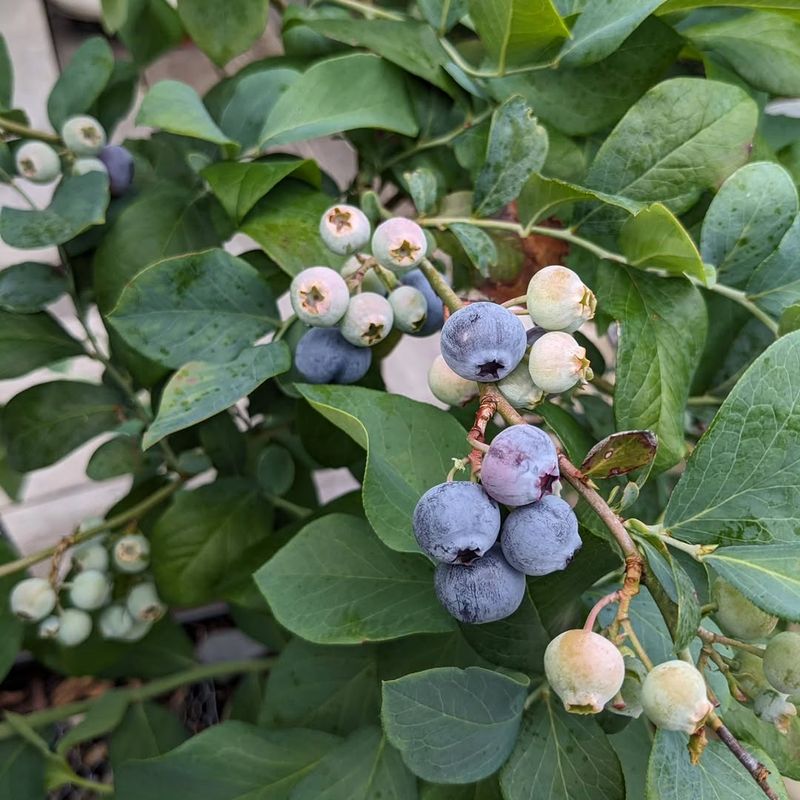
Your Georgia soil already has what blueberries crave. The naturally acidic clay found across most of the state creates perfect conditions for rabbiteye varieties, which handle heat and humidity better than their northern cousins.
Plant two or three different varieties for cross-pollination and you’ll see branches bend under the weight of berries from late May through July. Tifblue, Climax, and Powderblue work reliably in Georgia backyards without demanding constant attention.
Berries sell fast at farmers markets because shoppers know fresh blueberries taste nothing like the shipped ones in grocery stores. You can charge premium prices for pints and quarts, especially if you let customers know they’re locally grown.
Bushes start producing lightly in their second year and hit full production by year four. Each mature plant yields eight to fifteen pounds annually, and they keep producing for decades with basic pruning and occasional fertilizer.
Water during dry spells and spread pine straw around the base to keep roots cool. Birds will compete for your crop, so netting becomes necessary as berries ripen.
The effort pays off when you calculate income per square foot compared to most backyard crops.
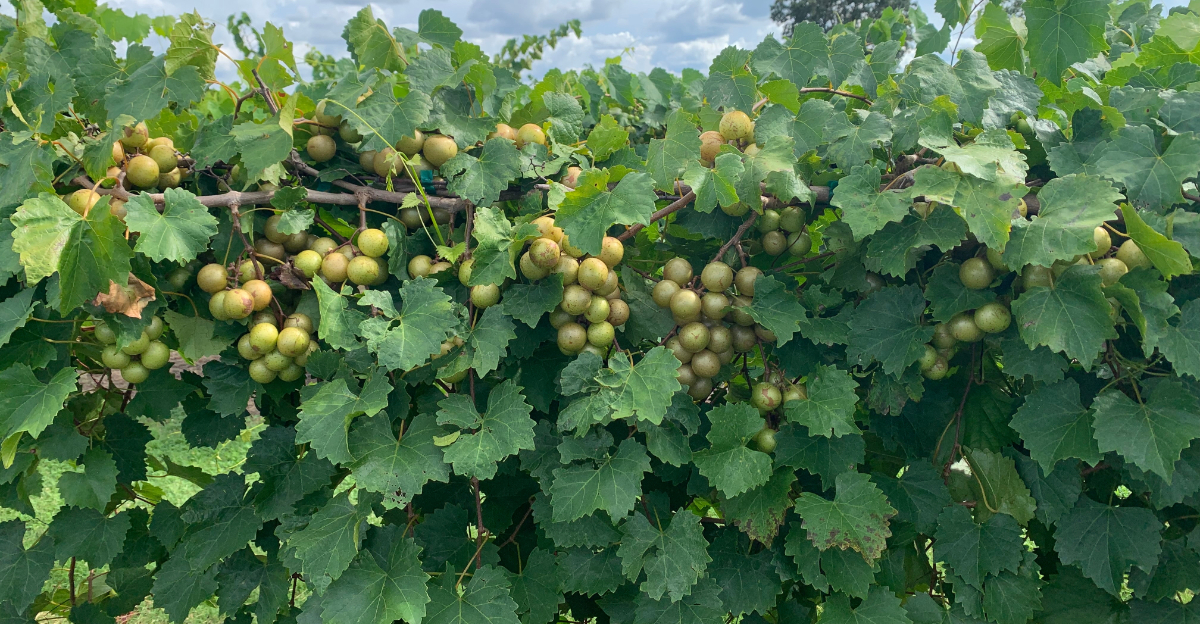
2. Muscadine Grapes Deliver Abundant Clusters Despite Humid Summers
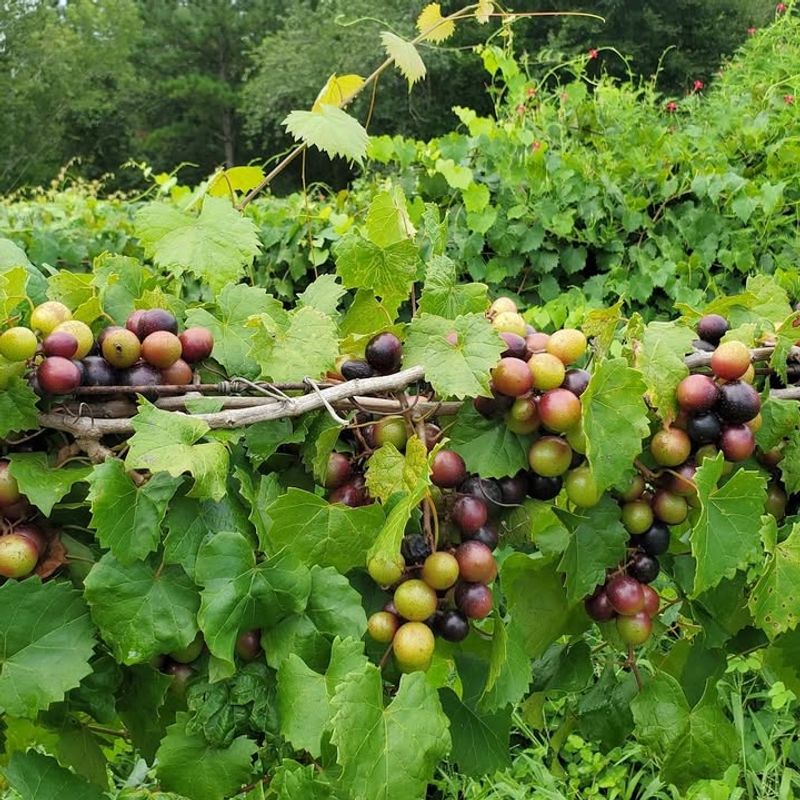
Humidity doesn’t bother muscadines the way it does other grape varieties. These native Southern grapes thrive in Georgia’s muggy summers while European grapes struggle with fungal issues.
A single vine covers an arbor or fence line and produces thirty to fifty pounds of grapes once established.
Bronze varieties like Carlos and Doreen sell well for making wine and jelly, while purple types like Noble attract customers looking for fresh eating grapes.
Harvest runs from late July through September, giving you a long picking window. Grapes don’t all ripen at once, so you’ll make multiple passes through the vine, which actually helps spread out your workload and sales opportunities.
Local wineries and jam makers often buy muscadines in bulk, creating a reliable market beyond direct sales. Fresh grapes also command good prices at farmers markets, especially when you explain their high antioxidant content compared to regular grapes.
Pruning takes some learning but isn’t complicated once you understand the system. Vines need sturdy support because mature plants get heavy.
Space allows most Georgia gardeners to grow two or three vines, and that’s enough to generate serious income during peak season.
Muscadines also handle Georgia’s sandy or clay soils better than most fruit crops, as long as drainage is decent. They rarely need the intensive spray schedules that other grapes demand, which keeps maintenance costs lower.
With the right setup, a small planting can turn into a dependable late-summer income stream year after year.
3. Fig Trees Generate Reliable Harvests Throughout Long Warm Seasons
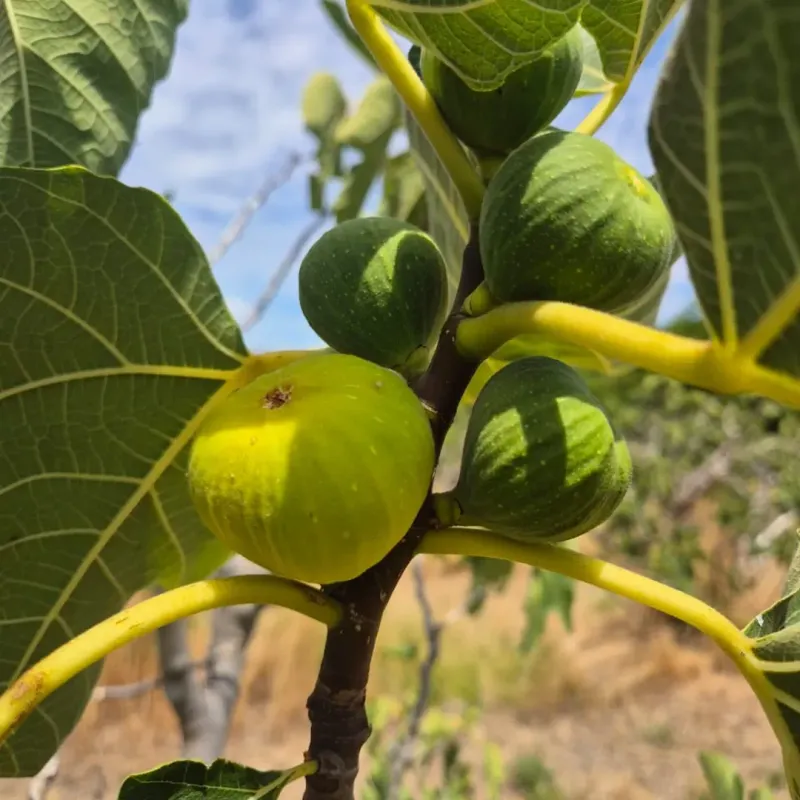
Few fruit trees match figs for reliable production in Georgia. Brown Turkey and Celeste varieties produce two crops annually: a light early harvest in June and a heavy main crop from August into October.
Trees handle the heat without complaint and bounce back quickly even if an unusual cold snap damages branches. Most years, your fig tree will load up with fruit that ripens in waves, preventing waste and giving you fresh inventory for weeks.
Fresh figs sell at premium prices because they don’t ship well and spoil quickly. Customers who discover truly ripe figs become repeat buyers willing to pay several dollars per small basket.
You can also dry figs or make preserves, adding value and extending your selling season.
A mature tree produces anywhere from fifty to over one hundred pounds per year depending on size and care. Figs grow fast in Georgia, reaching productive size within three years of planting.
Water young trees regularly and protect ripening fruit from birds with netting or bags. Prune minimally to maintain shape and remove damaged wood.
The trees adapt to various soil types and require less fussing than most fruit crops while delivering consistent income.
4. Garlic Develops Large Bulbs After Mild Georgia Winters
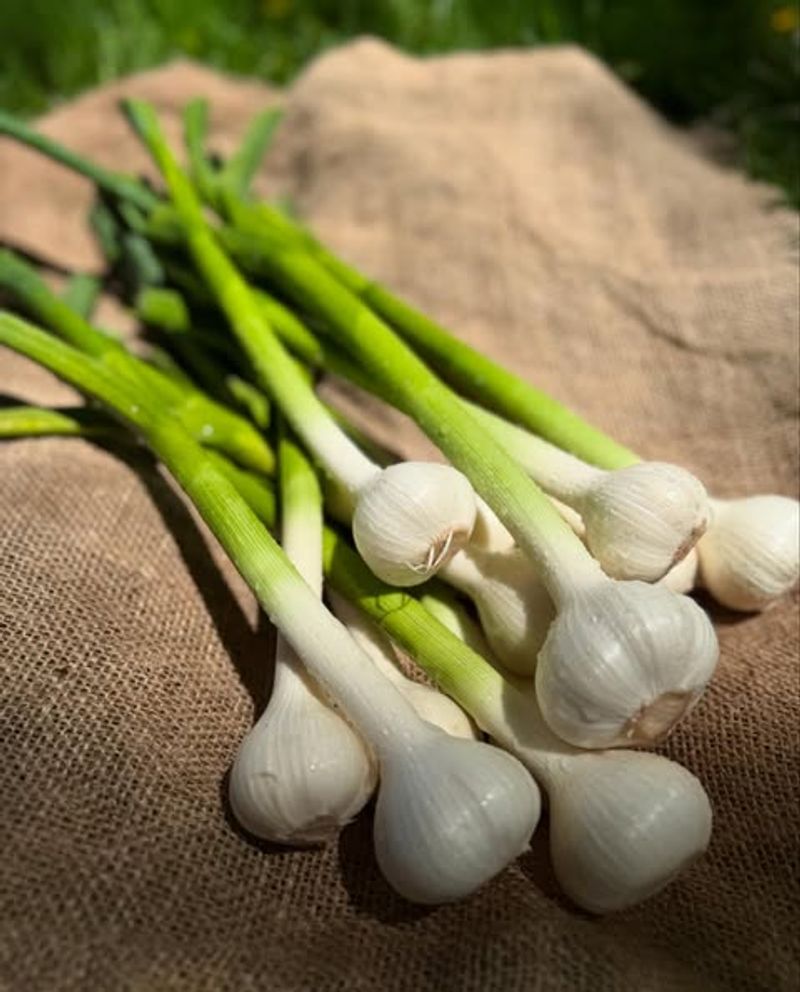
Garlic turns Georgia’s mild winters into a money-making advantage. Plant cloves in October or November, and they’ll spend the cool months developing strong root systems before bulking up as temperatures warm in spring.
Softneck varieties like Inchelium Red produce well here and store for months after harvest. Hardneck types grow too, though they prefer colder winters than Georgia typically provides.
Either way, homegrown garlic tastes sharper and stores longer than supermarket bulbs.
Harvest arrives in late May or early June when tops start yellowing. Each planted clove produces a full bulb containing multiple cloves, multiplying your investment.
Cure bulbs in a shaded, airy spot for two weeks, then sell them at markets or directly to restaurants.
Chefs pay premium prices for fresh local garlic, especially if you grow interesting varieties. You can also braid softneck garlic into attractive displays that sell as both food and decoration.
Garlic needs well-drained soil and regular water through spring. Mulch helps control weeds and keeps soil temperatures steady.
Save your biggest, healthiest bulbs for replanting, improving your crop quality each year while building a profitable seasonal cycle.
5. Peppers Continue Producing Through Extended Heat Cycles
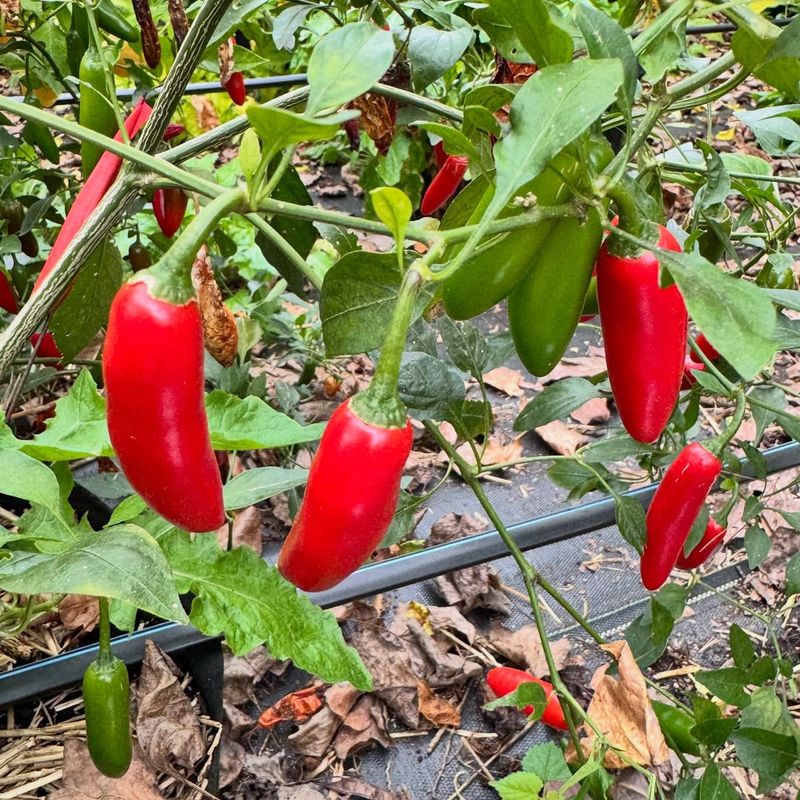
Hot summers make Georgia ideal pepper country. While tomatoes slow down when temperatures spike, peppers keep flowering and setting fruit through July and August heat that sends other crops into survival mode.
Hot pepper varieties like jalapeños, habaneros, and cayennes produce especially well. A single plant yields dozens of peppers across the season, and hot peppers command higher prices than sweet varieties at most markets.
Start plants indoors in March or buy transplants in April. Set them out after the last frost and watch them take off as soil warms.
Peppers produce from June until the first fall frost, giving you a four-month harvest window.
Specialty peppers attract customers looking for specific heat levels or flavors. Growing a mix of varieties from mild to scorching creates sales opportunities across different customer preferences.
You can also dry peppers into flakes or powder, adding value and eliminating spoilage concerns.
Water consistently and add calcium to prevent blossom end rot. Plants benefit from afternoon shade during the hottest weeks, but they need at least six hours of direct sun.
Pick regularly to encourage continued production and prevent branches from breaking under fruit weight.
Container growing works well too, especially in Georgia yards with limited bed space or heavy clay soil. With steady harvesting and basic care, peppers stay productive deep into late summer when many other crops have already slowed down.
6. Okra Maintains High Output In Intense Southern Temperatures
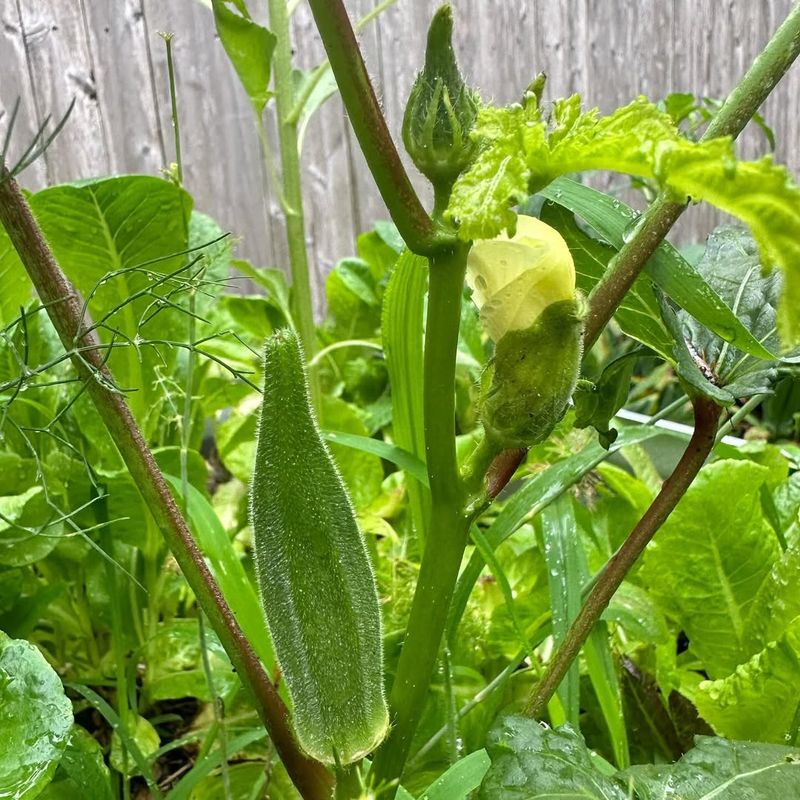
Nothing produces like okra when Georgia temperatures hit the nineties. Plants thrive in heat that stresses most vegetables, pumping out pods faster than you can pick them during peak summer.
Clemson Spineless remains the standard variety, but burgundy okra attracts attention at market with its striking red stems and pods. Either type produces heavily from June through September if you harvest regularly.
Okra requires daily picking once production starts. Pods grow fast and turn tough if left on the plant too long.
This sounds demanding, but it means you have fresh inventory every single day for farmers market sales or restaurant deliveries.
Southern cooks buy okra enthusiastically for frying, pickling, and adding to gumbo. You’ll find steady demand throughout summer, especially from customers who grew up eating fresh okra and can’t find quality pods in stores.
Plant seeds directly in the garden after soil warms in May. Space plants eighteen inches apart in full sun.
Okra tolerates poor soil better than most crops but responds to compost and fertilizer with increased production. Wear long sleeves when harvesting because leaves can irritate skin.
7. Basil Regrows Rapidly After Each Cut
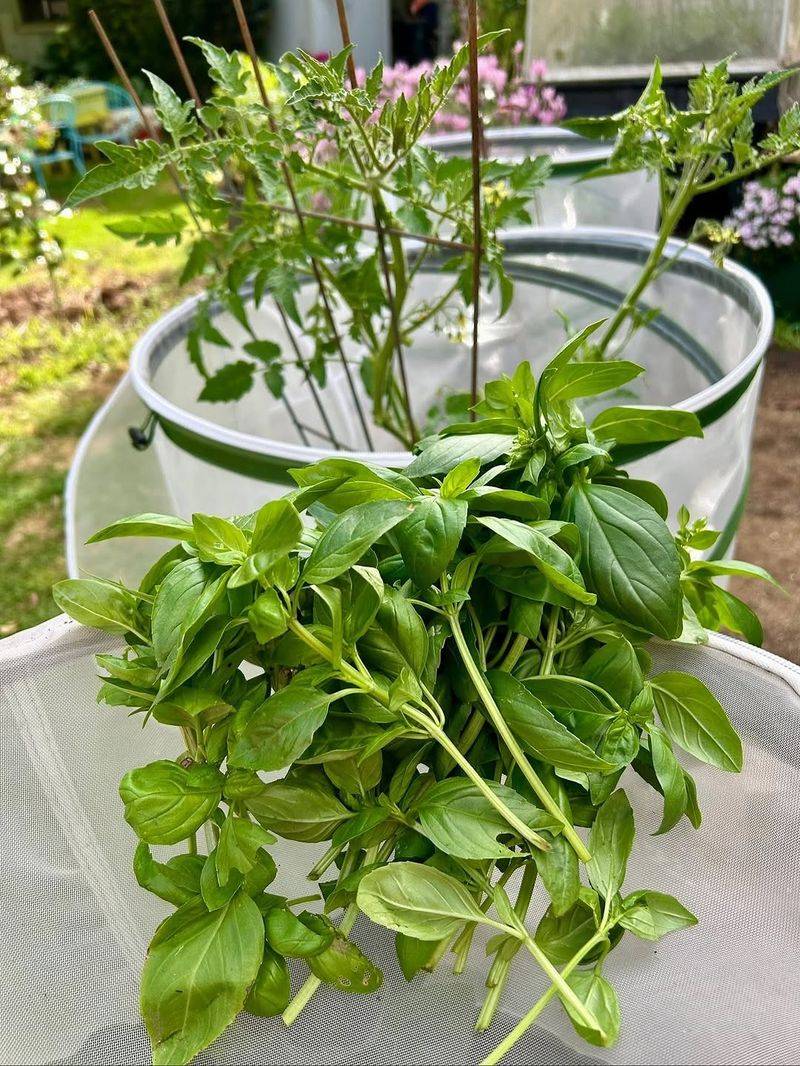
Cutting basil makes it grow faster. Each time you harvest stems, the plant branches and produces more leaves, creating a continuous cycle that keeps you supplied with fresh herbs from May through October.
Genovese basil works for most uses, but growing specialty types like Thai basil, lemon basil, or purple basil gives you unique products that stand out at markets.
Customers pay premium prices for fresh herbs, especially varieties they can’t find in grocery stores.
Start seeds indoors in April or direct seed after the last frost. Basil grows quickly in Georgia’s warm weather, reaching harvestable size within four to six weeks.
Pinch off flower buds as they form to keep plants focused on leaf production.
Restaurants use enormous amounts of fresh basil and often buy directly from local growers. A small backyard planting can supply one or two restaurants weekly while leaving plenty for market sales.
You can also make pesto or dry leaves, though fresh basil commands the highest prices.
Water consistently and provide afternoon shade during the hottest months. Basil grows well in containers, making it perfect for small spaces.
Succession plant every three weeks to maintain steady supply as older plants decline in late summer.
8. Heirloom Tomatoes Support Repeated Picking Across The Season
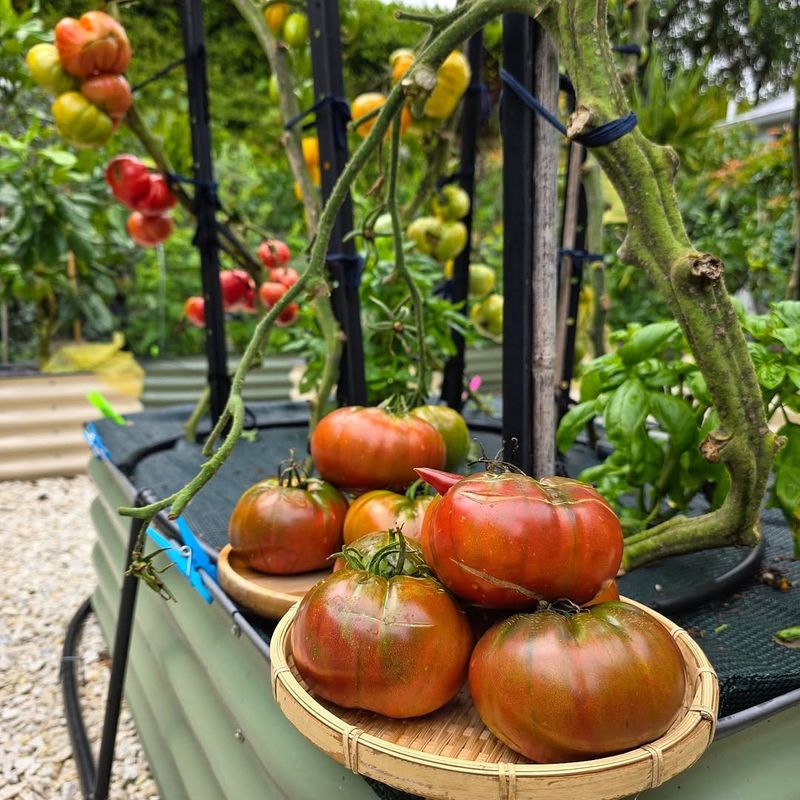
Heirloom tomatoes sell themselves at farmers markets. The wild colors, interesting shapes, and intense flavors make customers willing to pay double or triple what grocery stores charge for standard tomatoes.
Cherokee Purple, Brandywine, and German Johnson perform well in Georgia if you plant them early enough to harvest before peak summer heat.
Indeterminate varieties keep producing until disease or weather shuts them down, giving you weeks of picking from the same plants.
Start plants indoors in February or buy transplants in March. Set them out in early April with Wall O Water protectors or be ready to cover them if late frost threatens.
Early planting lets tomatoes set fruit before temperatures consistently hit the nineties.
Staking or caging becomes essential with indeterminate heirlooms because plants grow tall and produce heavy fruit. Mulch heavily to maintain soil moisture and prevent blossom end rot.
Water deeply but less frequently rather than light daily watering.
Market customers often ask for specific heirloom varieties, so growing a diverse selection increases sales. Ugly tomatoes with cracks or odd shapes taste just as good and can be sold at slight discounts rather than wasted.
Pick when fully ripe for maximum flavor and premium prices.
9. Zinnias Create Continuous Blooms During Peak Summer
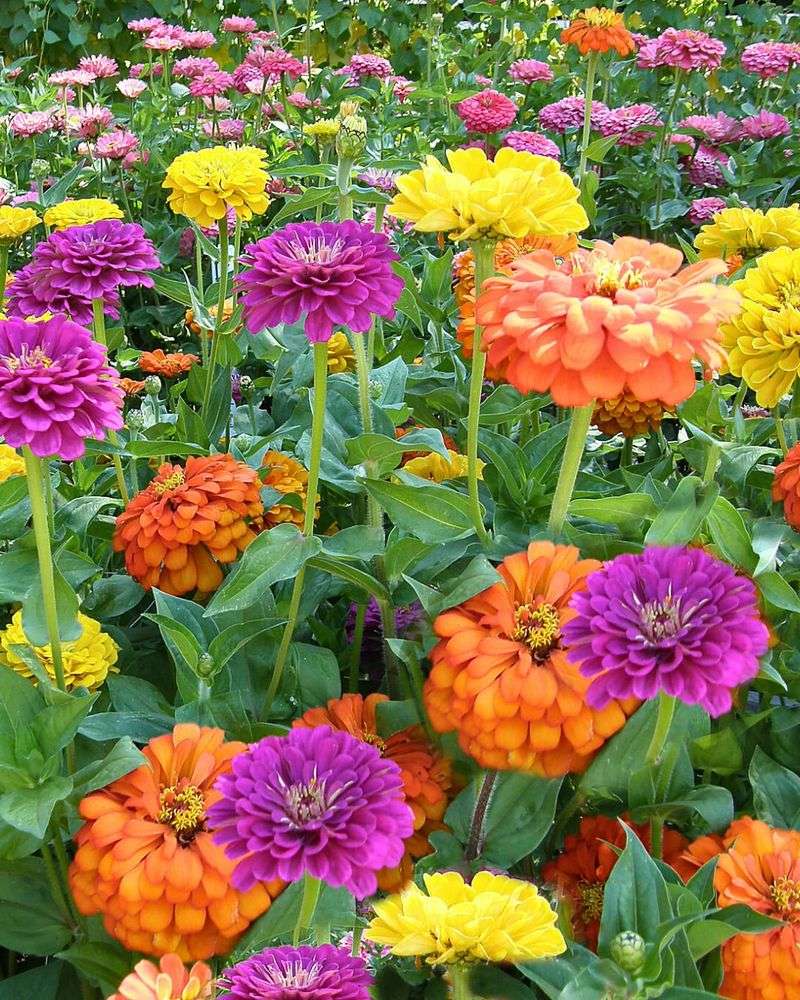
Cut flower sales surprise many gardeners with their profitability. Zinnias produce armloads of blooms through Georgia’s hottest months when most flowers struggle, and customers buy them enthusiastically for fresh arrangements.
Benary’s Giant and Queen Lime series work especially well for cut flowers, producing long stems and large blooms in colors from white through red to lime green.
The more you cut, the more flowers plants produce, creating a self-sustaining cycle of blooms and income.
Direct seed zinnias in late April after frost danger passes. They germinate quickly in warm soil and start blooming about eight weeks after planting.
Succession plant every two weeks through June to maintain continuous production into fall.
Sell zinnias as mixed bouquets at farmers markets or offer bulk stems to florists and event planners. Bouquets typically sell for eight to fifteen dollars depending on size and market.
Individual stems fetch one to two dollars each.
Zinnias need full sun and tolerate heat and humidity without complaint. Deadhead spent blooms if you miss cutting them.
Water at ground level to prevent powdery mildew on leaves. Plants reseed readily, so volunteer zinnias often appear the following spring, reducing your seed costs for future years.
Strong stems and bold colors make them stand out on crowded market tables, especially during peak summer events. With a small dedicated bed in Georgia, zinnias can turn a simple planting into steady weekly cash flow through the hottest part of the season.