11 Profitable Plants You Can Grow At Home In North Carolina
Few places offer the gardening potential that North Carolina does, where mild winters, fertile soil, and long growing seasons create opportunity in nearly every backyard.
From the Coastal Plain to the Piedmont and into the mountain regions, the state’s diverse climate allows a wide range of crops to flourish with the right planning.
For home gardeners willing to think beyond personal harvests, that potential can turn into real income.
Farmers markets continue to thrive, local restaurants seek fresh regional ingredients, and online plant sales have opened new doors for small scale growers across North Carolina.
Choosing the right crops makes all the difference between a hobby and a profitable venture. Some plants grow quickly, command strong prices, and perform exceptionally well in local conditions.
These carefully selected options are not only enjoyable to cultivate but also well suited for North Carolina growers looking to turn their garden space into a rewarding source of income.
1. Microgreens
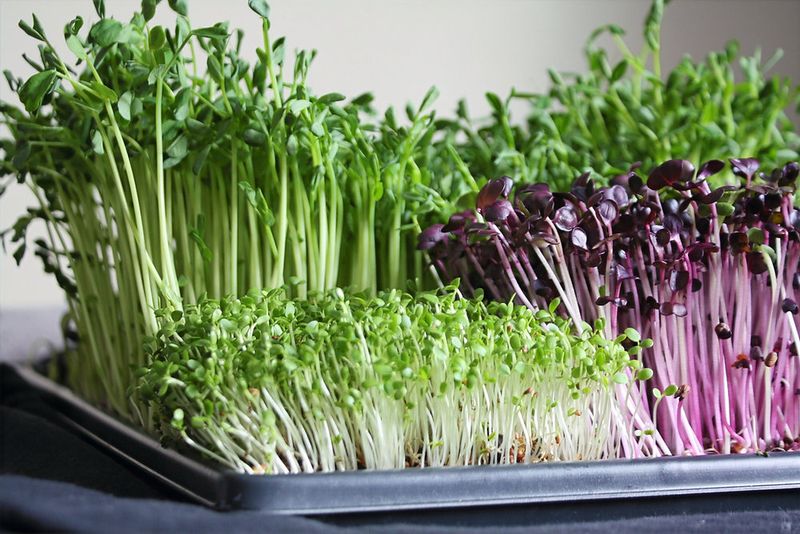
Few crops match the speed and profit potential of microgreens. These tiny, nutrient-packed seedlings are harvested just 7 to 14 days after germination, making them one of the fastest turnaround crops available to home growers.
Chefs at upscale restaurants love them, and farmers market shoppers grab them quickly every weekend.
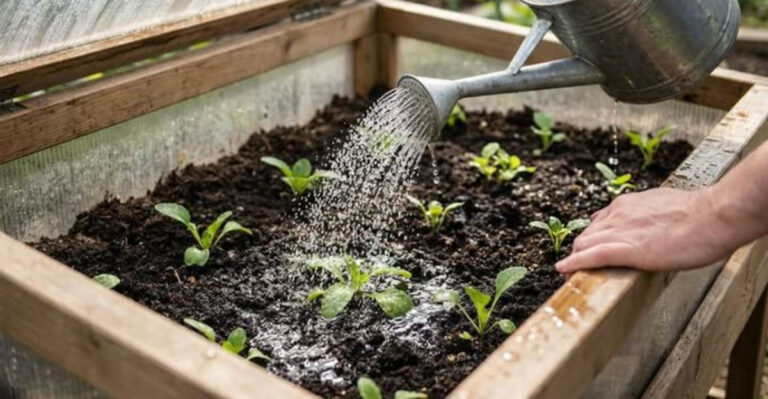
Growing microgreens indoors means you are not limited by seasons. You can produce sunflower, radish, pea, and broccoli microgreens year round with minimal space and simple equipment.
A few wire shelving units, grow trays, quality soil, and LED lights are really all you need to get started in a spare room or garage.
Pricing is where microgreens really shine. Fresh trays and clamshell packages regularly sell for $3 to $6 per ounce at local markets.
Many growers build steady accounts with restaurants and grocery co-ops, creating reliable weekly income. North Carolina’s thriving food scene, especially in cities like Raleigh, Charlotte, and Asheville, creates strong ongoing demand for locally grown specialty produce.
Starting small with two or three varieties lets you test the market without overcommitting upfront resources.
2. Culinary Herbs
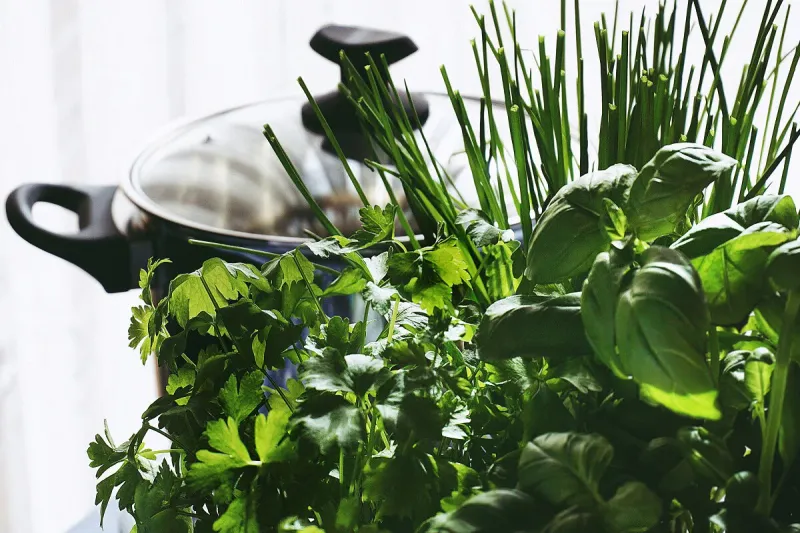
Walk through any North Carolina farmers market on a Saturday morning and you will notice fresh herbs flying off the tables. Basil, cilantro, parsley, chives, and dill are among the most consistently purchased items shoppers pick up every single week.
Restaurants, home cooks, and even small food businesses all rely on fresh local herbs regularly.
Basil is especially profitable in North Carolina’s warm summers. It grows rapidly in full sun and can be cut repeatedly throughout the season, giving growers multiple harvests from a single planting.
Cilantro and parsley prefer cooler temperatures, making them ideal for spring and fall production when other crops slow down considerably.
Starting an herb garden requires very little investment. Seeds are inexpensive, most herbs grow well in containers or raised beds, and they need minimal fertilizer compared to heavy-feeding vegetables.
Bundling fresh herbs neatly with rubber bands and selling them for $2 to $4 per bunch is a simple, approachable business model. Many growers also dry their herbs for off-season sales, extending profitability well beyond the growing window.
If you have a sunny patch of ground or even a bright windowsill, culinary herbs are one of the smartest and most accessible crops to start with in North Carolina.
3. Tomatoes
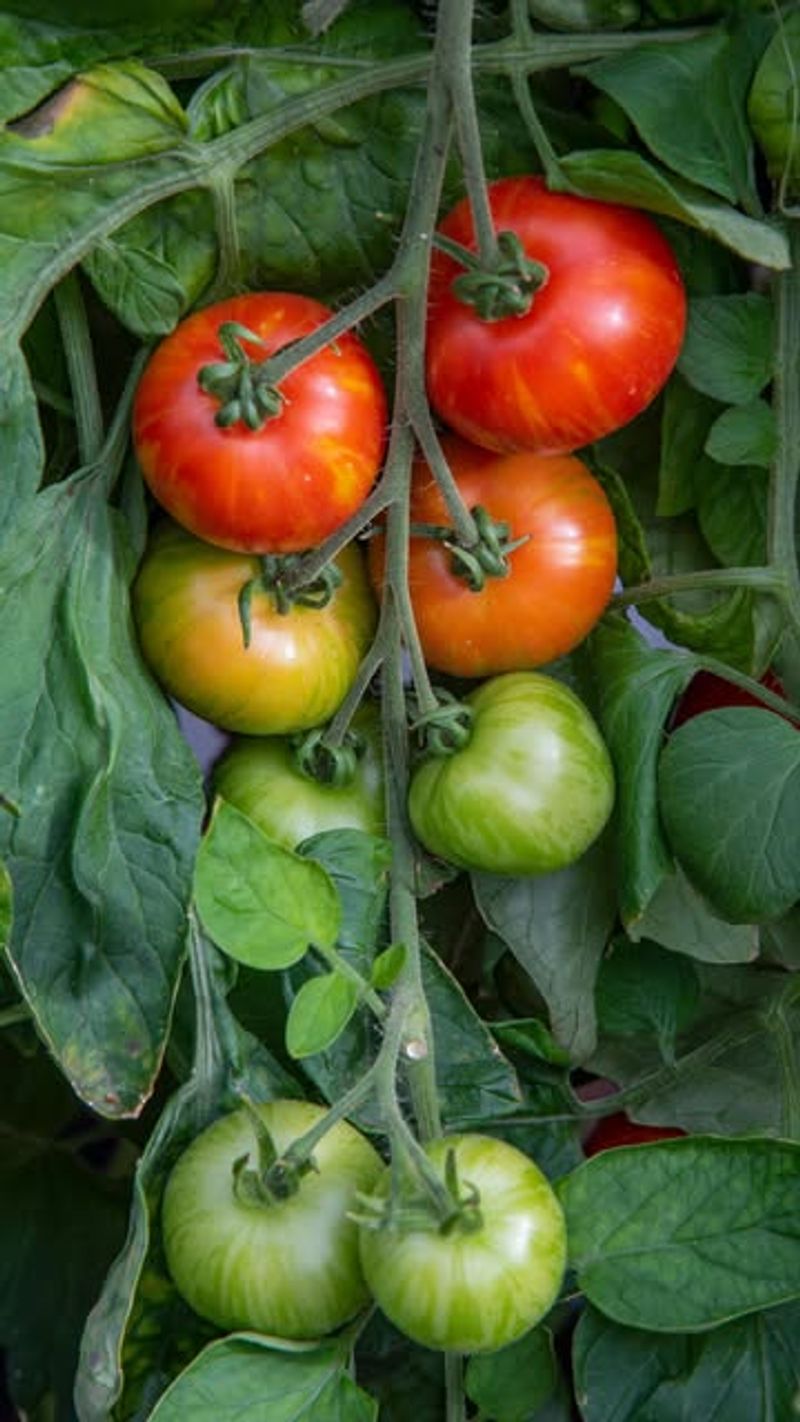
Ask any seasoned North Carolina market vendor what their best summer seller is, and most will say tomatoes without hesitation. Homegrown tomatoes have a flavor and freshness that grocery store varieties simply cannot match, and local buyers know it.
That reputation alone drives strong, consistent demand from late June through early September.
North Carolina’s warm summers and long days create ideal conditions for tomato production. Varieties like Cherokee Purple, Brandywine, and Roma all perform well statewide.
Indeterminate heirloom varieties are especially popular at farmers markets, often commanding premium prices of $3 to $5 per pound compared to standard slicing tomatoes.
Staking, caging, or trellising plants keeps them healthy and productive throughout the season.
Soil preparation is key to a successful tomato crop. Adding compost and ensuring proper drainage before planting gives roots the environment they need to establish strong, productive plants.
Consistent watering, especially during fruit set, prevents common problems like blossom end rot and cracking. Many growers plant in succession every few weeks to extend their harvest window and keep market supply steady.
Cherry tomato varieties like Sun Gold are also incredibly popular because they produce abundantly and shoppers love their sweet flavor.
With proper care and smart variety selection, tomatoes can be one of the most rewarding and profitable crops you grow all summer long.
4. Blueberries
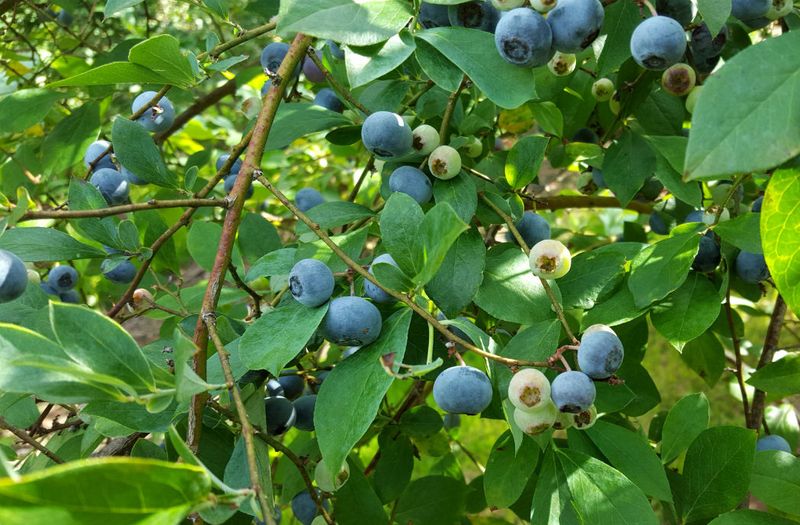
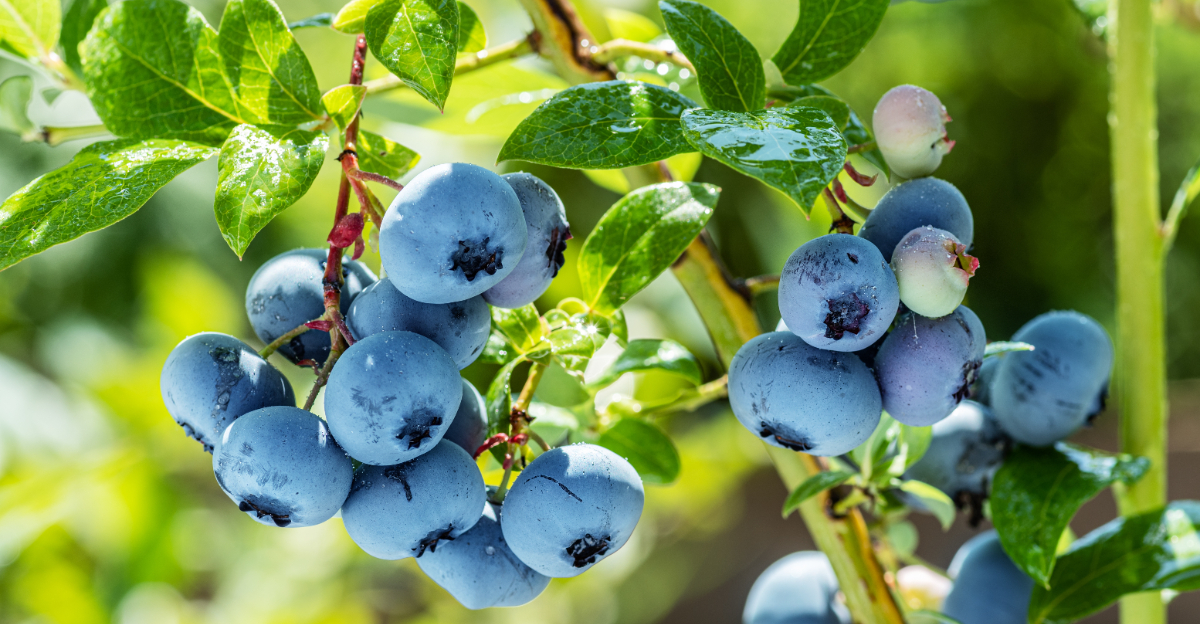
North Carolina is actually one of the top blueberry-producing states in the entire country, and home growers can absolutely tap into that same success.
The Coastal Plain and Piedmont regions naturally offer the acidic, well-drained soils that blueberry bushes need to thrive.
With the right setup, a small planting can produce fruit for decades with relatively low annual maintenance.
Rabbiteye and Southern Highbush varieties are the most recommended for North Carolina conditions. Rabbiteye types are especially tough, handling summer heat and dry spells better than many other varieties.
Planting at least two different varieties improves cross-pollination and significantly increases berry production. Most bushes begin producing meaningful harvests within three to four years of planting, so patience pays off handsomely.
Soil pH is the single most important factor for blueberry success. Aim for a pH between 4.5 and 5.5, and amend with sulfur if your soil is too alkaline.
Mulching heavily with pine bark or pine straw helps maintain acidity and retains soil moisture during hot months.
Fresh blueberries sell for $4 to $6 per pint at local markets, and pick-your-own operations are another popular revenue option for home growers with larger plantings.
Blueberries also freeze beautifully, letting you sell throughout the year and maximize every berry you harvest.
5. Garlic
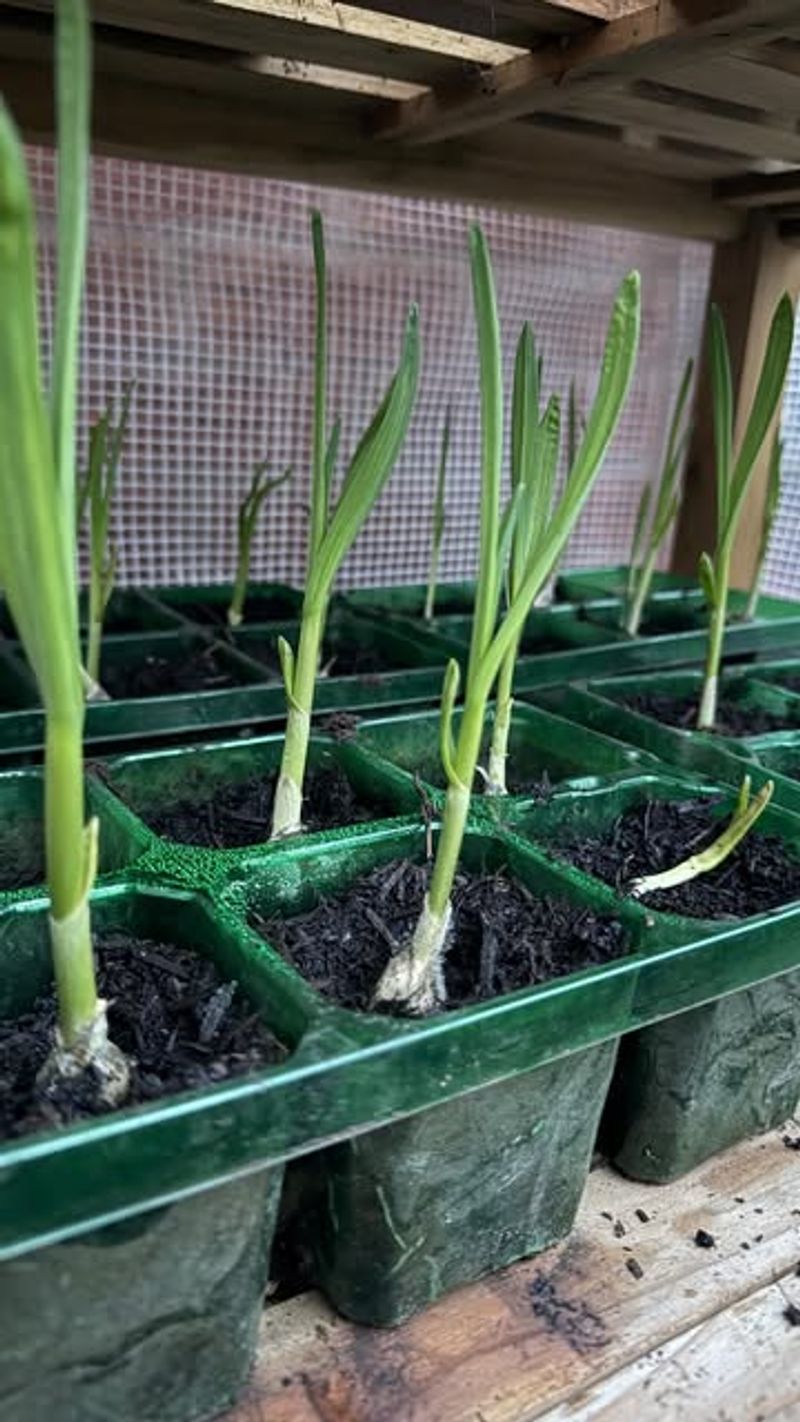
Garlic might be one of the most satisfying crops a home grower can produce. You plant it in the fall, largely forget about it through winter, and pull up beautiful bulbs in late spring or early summer.
That simple process produces a crop that consistently sells for strong prices at farmers markets and through direct customer relationships.
Hardneck varieties like Rocambole and Purple Stripe perform reliably across much of North Carolina, while softneck types store longer and work well for growers who want to sell cured garlic over several months.
Planting happens between October and November, giving cloves time to develop roots before winter cold sets in.
Mulching beds with straw protects plants during freezes and suppresses weeds through the cooler months.
Harvest typically happens in late May through June when the lower leaves begin to brown. Curing garlic by hanging bundles in a shaded, well-ventilated area for three to four weeks preserves bulbs for months of selling potential.
Fresh garlic commands $1 to $2 per bulb at market, while seed garlic can sell for even more to other home growers eager to start their own planting.
Garlic scapes, the curled flower stalks from hardneck varieties, also sell well in early summer and make a delicious bonus crop that many buyers specifically seek out each season.
6. Mushrooms
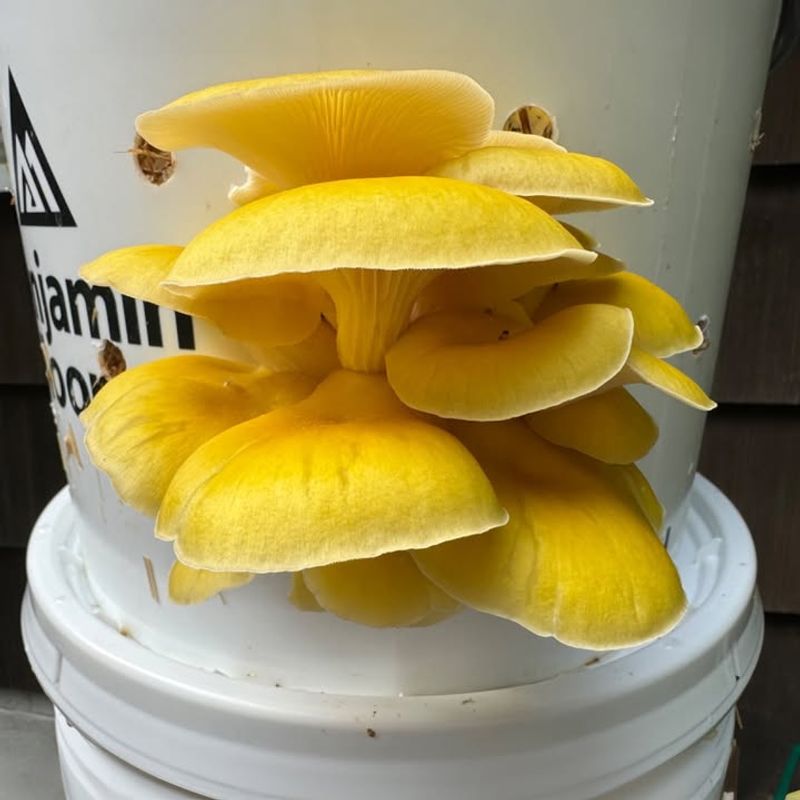
Mushrooms are having a serious moment in the food world right now, and home growers in North Carolina are perfectly positioned to profit from it.
Oyster, shiitake, and lion’s mane mushrooms are among the most popular varieties with chefs, health-conscious shoppers, and specialty food buyers who actively seek locally cultivated options at premium prices.
Oyster mushrooms are widely considered the best starting point for beginners. They grow quickly on pasteurized straw or supplemented sawdust, fruit in as little as two to three weeks after inoculation, and produce multiple flushes from a single substrate block.
Shiitake mushrooms take longer to fruit but command higher prices and grow beautifully on oak logs outdoors in shaded spots, making them a natural fit for wooded North Carolina properties.
Indoor growing setups require attention to humidity, fresh air exchange, and light. A simple Martha tent, a small humidifier, and a fan create a workable fruiting chamber that fits easily in a basement or spare room.
Maintaining humidity between 80 and 95 percent during fruiting is essential for healthy mushroom development.
Fresh oyster mushrooms sell for $10 to $16 per pound at specialty markets, while lion’s mane often fetches even more due to its growing popularity in wellness circles.
Mushroom cultivation rewards growers who pay attention to detail and maintain clean, consistent growing conditions throughout the entire production cycle.
7. Peppers
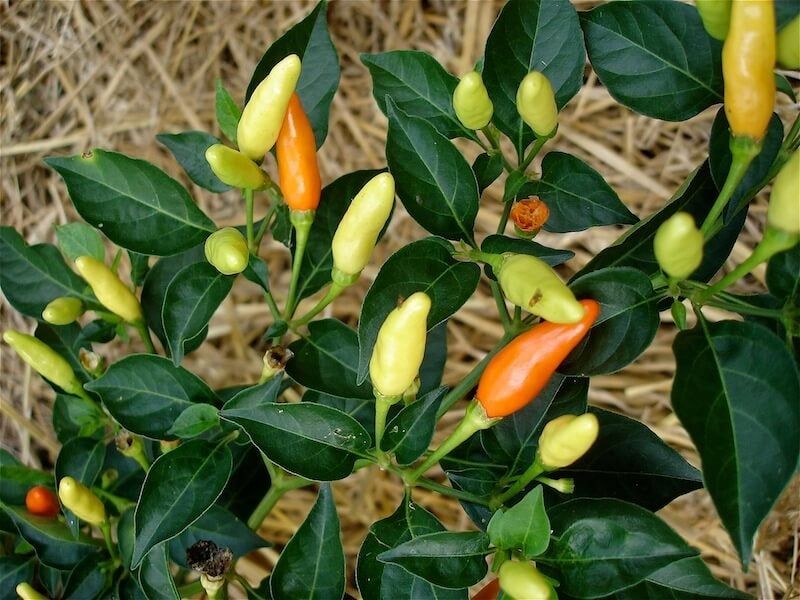
North Carolina summers are practically made for peppers. Long, hot days and warm nights create exactly the growing conditions that both sweet and hot pepper varieties need to produce abundantly from midsummer through early fall.
Few crops match the visual appeal and market popularity of a table stacked with colorful pepper varieties in late July.
Bell peppers, banana peppers, jalapeños, habaneros, and specialty varieties like shishito and padron all grow reliably across the state.
Shishito peppers have become especially trendy at restaurants and food festivals, and they are surprisingly easy to grow in containers or raised beds.
Starting seeds indoors six to eight weeks before the last frost date gives plants a head start and maximizes the productive season considerably.
Peppers need consistent moisture but absolutely cannot tolerate waterlogged roots. Raised beds with good drainage, a layer of mulch to retain soil moisture, and deep watering two to three times per week keeps plants healthy and productive through summer heat.
Fertilizing with a balanced fertilizer early in the season, then switching to a lower-nitrogen option once flowering begins, encourages heavy fruit production rather than excessive leafy growth.
Sweet bell peppers sell for $1.50 to $3 each at market, while hot specialty varieties often command even higher prices per unit.
Growing a colorful mix of sweet and hot types gives your market table serious visual appeal that attracts buyers immediately.
8. Strawberries
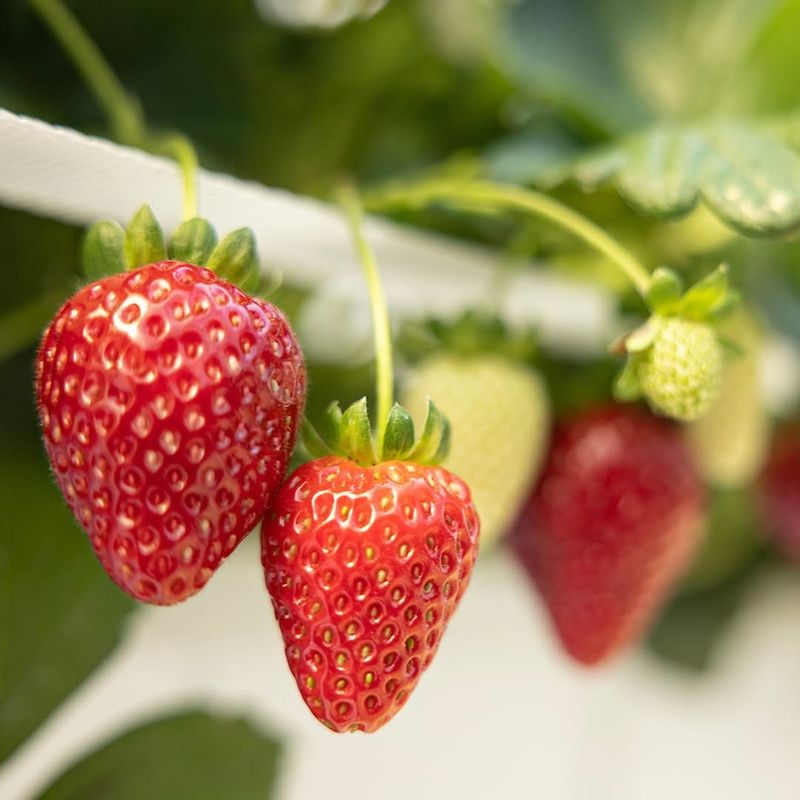
Spring in North Carolina brings one of the most anticipated harvests of the entire year: strawberries.
Local strawberries ripen from late April through early June depending on the region, and the demand from eager buyers at markets and roadside stands is genuinely hard to overstate.
Shoppers who grew up eating homegrown strawberries will go out of their way to find them every single season.
June-bearing varieties like Chandler, Camarosa, and Sweet Charlie are among the most widely recommended for North Carolina conditions. These varieties produce a concentrated harvest over several weeks, which works well for growers focused on market sales.
Everbearing types offer a more extended but lighter harvest, which suits growers who prefer steady smaller yields over a longer period rather than one big flush.
Planting happens in late September or October using bare-root transplants, which gives crowns time to establish before winter and produce a strong spring harvest.
Raised beds improve drainage and reduce disease pressure, which is especially important in the Piedmont and Coastal Plain where humidity can be a challenge.
Covering plants with floating row cover during hard freezes protects developing buds from frost damage. Fresh strawberries consistently sell for $4 to $6 per quart at North Carolina farmers markets.
The combination of strong buyer enthusiasm, reliable spring production, and excellent pricing makes strawberries a genuinely rewarding crop for home growers across the state.
9. Lavender
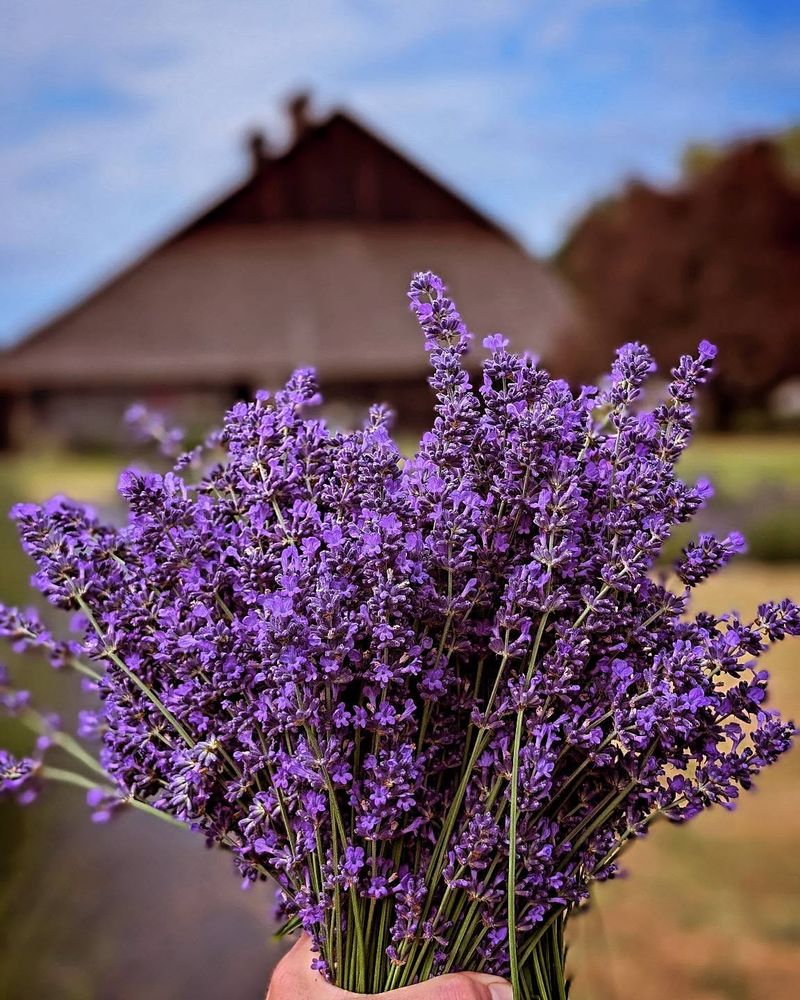
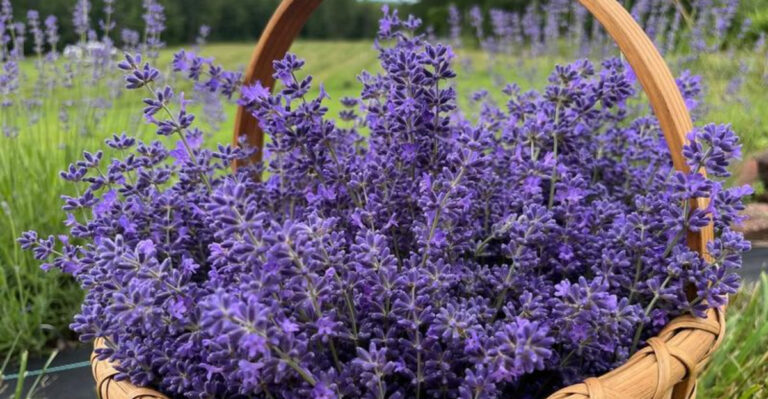
Lavender has a way of stopping people in their tracks. The sight of purple blooms swaying in a summer breeze and the unmistakable fragrance it carries make it one of the most beloved specialty crops for both growers and buyers alike.
In North Carolina, lavender grows best in the Piedmont and mountain foothills where well-drained soil and good air circulation keep plants healthy and productive for years.
Lavandula angustifolia and Lavandula x intermedia varieties are the most commonly grown types for commercial and home production.
Intermedia types, sometimes called lavandin, produce larger flower spikes and higher essential oil content, making them popular for dried bundles and sachets.
Angustifolia varieties are prized for their sweeter fragrance and are preferred for culinary uses like lavender sugar and baked goods.
Drainage is non-negotiable for lavender success. Heavy clay soils must be amended with coarse sand and gravel, or lavender should be grown in raised beds to prevent root rot during wet North Carolina winters.
Plants typically reach full production in their second or third year, then thrive for a decade or more with proper annual pruning after bloom.
Fresh lavender bundles sell for $6 to $10 each, dried bundles command similar prices, and value-added products like sachets, soaps, and culinary lavender open additional revenue streams.
The niche market for artisan lavender products continues growing steadily across North Carolina’s vibrant craft and food scene.
10. Specialty Salad Greens
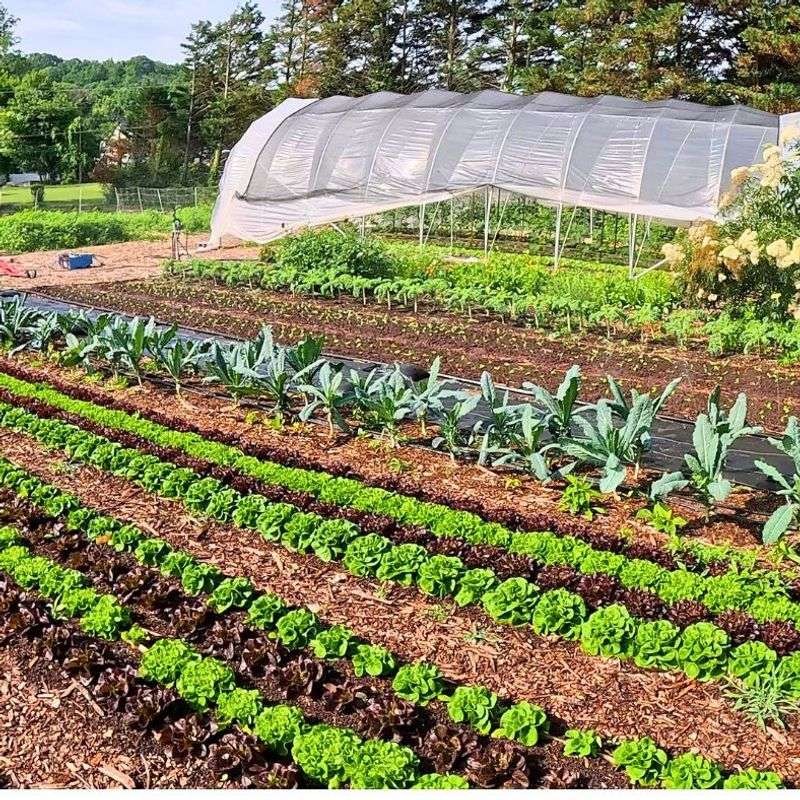
Cool-season crops are the unsung heroes of the North Carolina market garden, and specialty salad greens are leading that charge.
Arugula, spinach, butterhead lettuce, mizuna, and mixed mesclun blends all grow rapidly in spring and fall temperatures, producing harvestable leaves in as little as 30 to 45 days from seeding.
That speed translates directly into faster profits for growers who plan their plantings strategically.
Spring planting can begin as early as February or March in many parts of North Carolina, especially with the protection of a simple low tunnel or row cover.
Fall planting from late August through October produces some of the most flavorful greens of the entire year, as cooler temperatures reduce bitterness and improve texture noticeably.
Many growers run two full production cycles per year, maximizing the use of their growing space between warm-season crops.
Cut-and-come-again harvesting extends the productivity of each planting significantly. Cutting outer leaves while leaving the growing center intact allows plants to regenerate and produce multiple harvests from a single sowing.
Pre-washed, bagged salad mix sells for $5 to $8 per half-pound bag at North Carolina farmers markets, and restaurants frequently pay even more for consistent weekly deliveries.
Specialty greens like arugula and mizuna add peppery, distinctive flavor profiles that chefs specifically request.
Growing a diverse mix of textures and flavors creates a product that stands out clearly from anything found in a standard grocery store refrigerator section.
11. Fig Trees
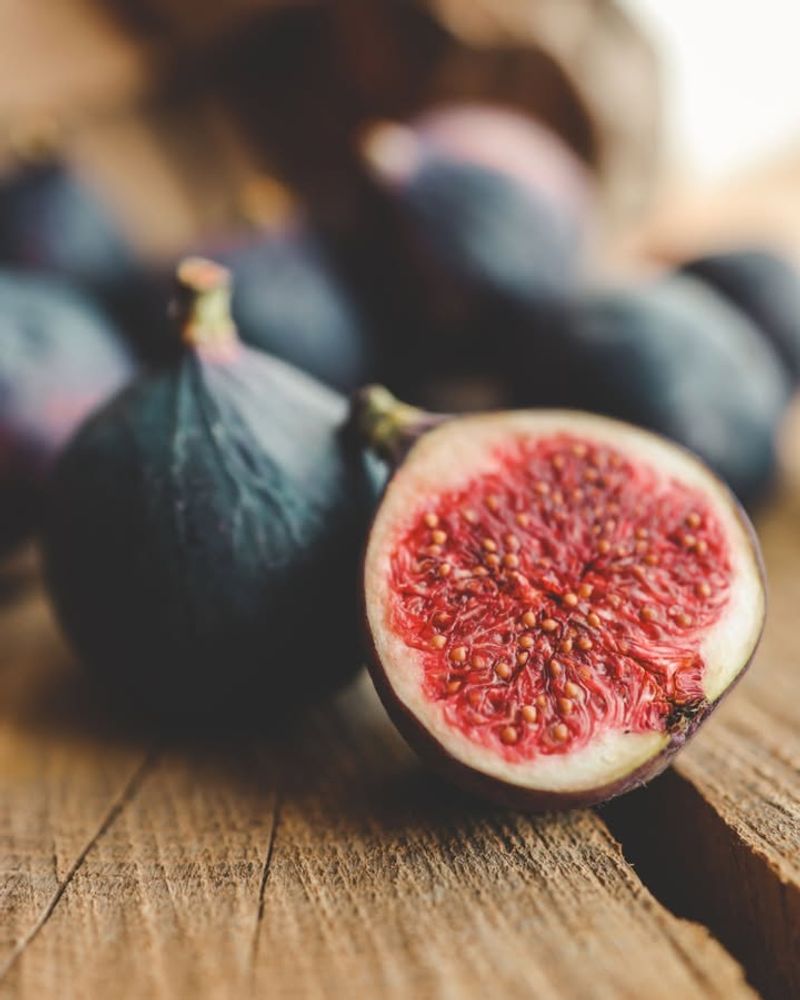
Fig trees carry a sense of abundance and warmth that few other fruit trees can match. In North Carolina’s Coastal Plain and warmer parts of the Piedmont, fig trees grow vigorously with minimal fuss, producing generous harvests of sweet, richly flavored fruit that local buyers absolutely love.
Fresh figs are rarely found in grocery stores, which gives home growers a clear and consistent market advantage.
Celeste and Brown Turkey are the two varieties most commonly grown and recommended across North Carolina. Celeste produces smaller, intensely sweet figs and shows good cold hardiness for inland locations.
Brown Turkey is a larger fruiting variety with reliable productivity and broad adaptability across the state’s warmer growing zones.
Both varieties typically begin producing meaningful harvests within two to three years of planting, especially when sited in a warm, south-facing location with good sun exposure.
Fig trees prefer well-drained soil and benefit from a layer of mulch around the base to conserve moisture and protect roots during occasional cold snaps.
In the Piedmont, wrapping young trunks or providing wind protection during harsh winters helps prevent cold damage to above-ground growth.
Fresh figs are highly perishable, which actually works in local growers’ favor since buyers must source them nearby rather than from distant commercial suppliers.
Selling for $4 to $8 per pint at farmers markets, fresh figs attract enthusiastic buyers who recognize their rarity and exceptional flavor compared to anything commercially available in standard retail settings.