8 Profitable Plants You Can Grow In Arizona This Spring
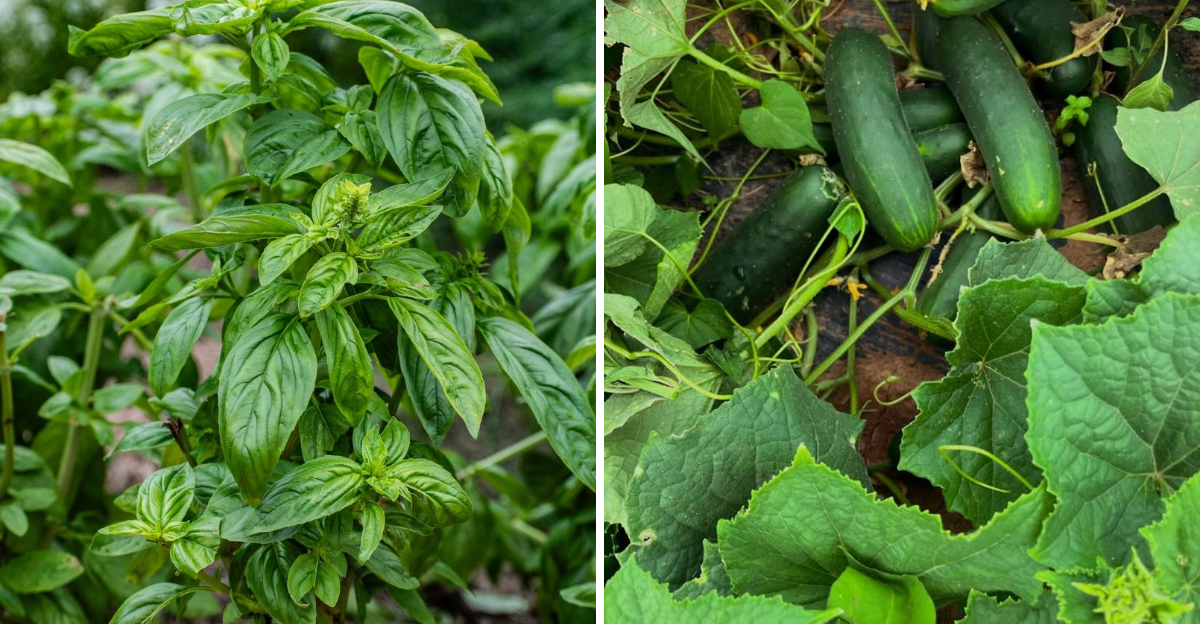
Spring in Arizona creates a short but powerful growing window before extreme heat takes over, and that timing can work in your favor. Crops established now have the chance to mature, produce, and move quickly while temperatures are still manageable.
Waiting too long often means fighting rising heat and shorter harvest periods.
The right plants can grow fast, handle warming soil, and produce marketable harvests before summer stress slows everything down.
Whether the goal is selling at a local market, supplying a small roadside stand, or simply growing high value crops at home, spring offers real opportunity.
Using this early season wisely allows you to turn Arizona’s brief mild stretch into productive growth instead of racing against the heat later.
1. Basil Thrives After Frost And Grows Fast In Warming Spring Soil
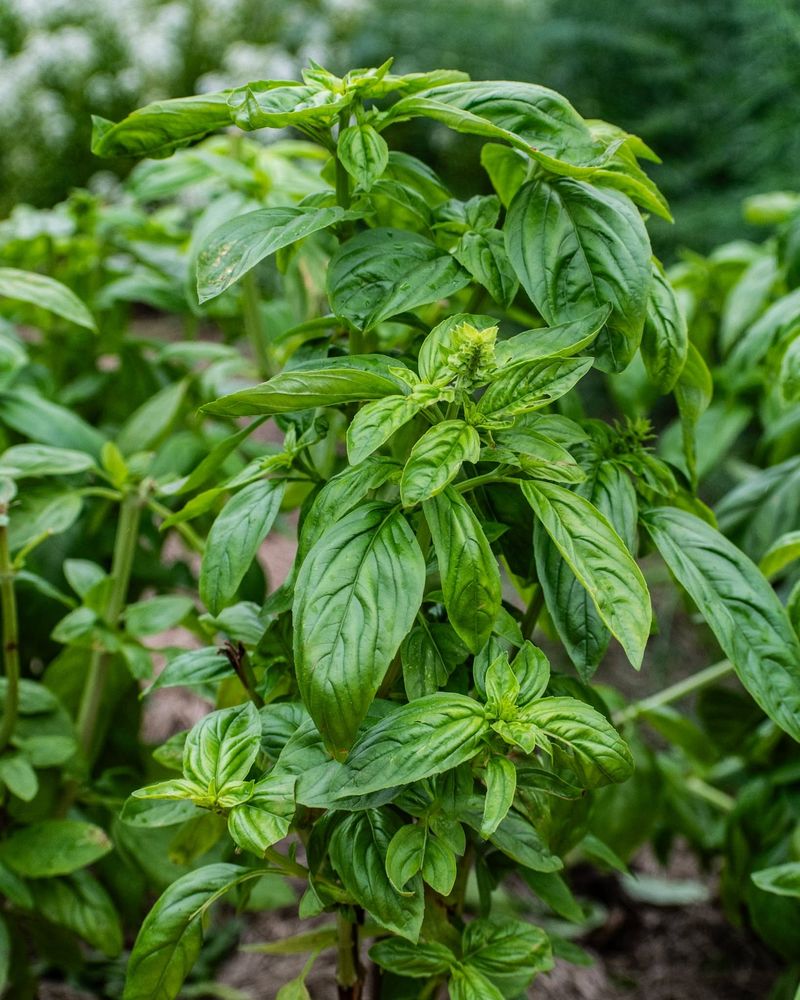
Few herbs move as fast as basil does when Arizona soil starts warming up in March and April. Plant it after your last frost date and you will be harvesting bunches within five to six weeks.
Farmers market shoppers in Phoenix and Tucson go crazy for fresh basil, and a single flat of plants can turn into serious cash fast.
Start seeds indoors about four weeks before transplanting, or direct sow once nighttime temps stay above 50 degrees consistently. Basil loves full sun and does not want soggy roots, so raised beds with good drainage work perfectly here.
Water at the base, not the leaves, to avoid mold issues in humid monsoon months later.
Pinch flower buds off regularly to keep production going strong. One plant can give you multiple cuttings throughout the season if you stay on top of it.
Selling bundles at two to three dollars each adds up quickly, especially if you grow several varieties like Genovese, Thai, and lemon basil side by side. Specialty varieties command even higher prices at local markets.
Arizona gardeners who treat basil as a cash crop rather than a hobby plant are consistently surprised by how profitable a small patch can be.
Harvest early in the morning when the leaves are fully hydrated and the flavor is strongest, then keep cut stems in shallow water out of direct sun until you sell them.
Replant every few weeks through late spring to maintain steady production before extreme summer heat slows growth or causes plants to bolt.
2. Cherry Tomatoes Establish In March And Produce Before Extreme Heat
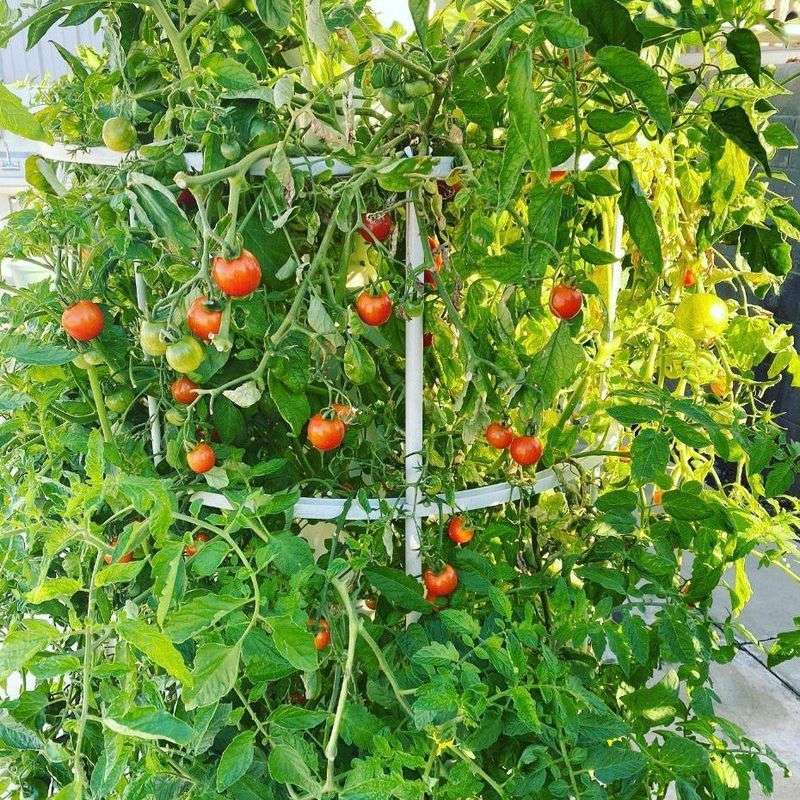
Cherry tomatoes are one of the smartest bets you can make in an Arizona spring garden. Get transplants in the ground by early to mid-March and they will be producing fruit well before June temperatures push past 110 degrees.
Varieties like Sun Gold, Sweet 100, and Black Cherry are proven performers in the Phoenix and Tucson areas.
Set plants deep, burying the stem up to the lowest leaves to encourage a strong root system. Use tomato cages early because these plants get tall and heavy with fruit fast.
A drip irrigation system helps keep soil moisture consistent without wasting water, which matters a lot in Arizona’s dry spring air.
Cherry tomatoes sell extremely well at farmers markets because people love snacking on them right out of the basket. A single pint container sells for three to five dollars depending on variety, and one healthy plant can produce several pints per week at peak output.
Grow ten to fifteen plants and you have a legitimate small business going. Shade cloth rated at thirty percent can extend your harvest window by a few extra weeks as summer approaches.
Arizona gardeners who start early and protect plants from late-season heat consistently pull in more profit than those who plant late and rush the process.
3. Hot Peppers Prefer Rising Temperatures And Strong Spring Sun
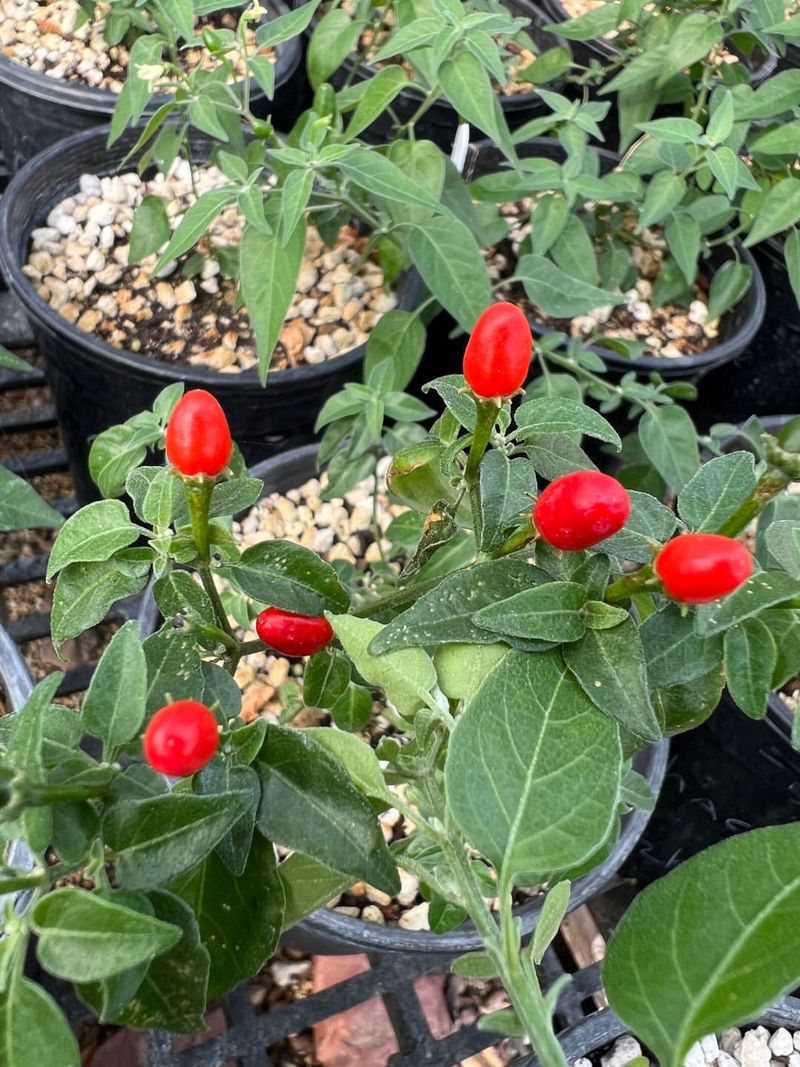
Hot peppers are built for Arizona. While other crops start struggling as temperatures climb into the nineties, peppers actually hit their stride and produce more aggressively.
Jalapenos, serranos, cayennes, and habaneros all perform exceptionally well when planted in March or early April across the Phoenix and Tucson regions.
Start transplants rather than direct seeding if you want a head start on the season. Peppers need warm soil, ideally above 65 degrees, before they really take off.
Cold soil slows root development and stalls the plant for weeks, so patience with timing pays off big here in Arizona.
At local farmers markets, specialty hot peppers command solid prices. Dried cayennes, smoked jalapenos, and fresh habaneros appeal to a wide range of buyers including home cooks, food bloggers, and restaurant chefs looking for locally sourced ingredients.
Bundle fresh peppers in small bags or sell by the pound depending on variety. Pepper plants are also remarkably productive compared to their size.
A single mature jalapeno plant can produce fifty to one hundred fruits over a season under good conditions. Grow a mix of mild and superhot varieties to appeal to different customers and increase your overall sales at market.
Arizona’s intense sun actually boosts capsaicin levels, making local peppers hotter and more flavorful than grocery store versions.
4. Armenian Cucumbers Tolerate Arizona Heat Better Than Common Varieties
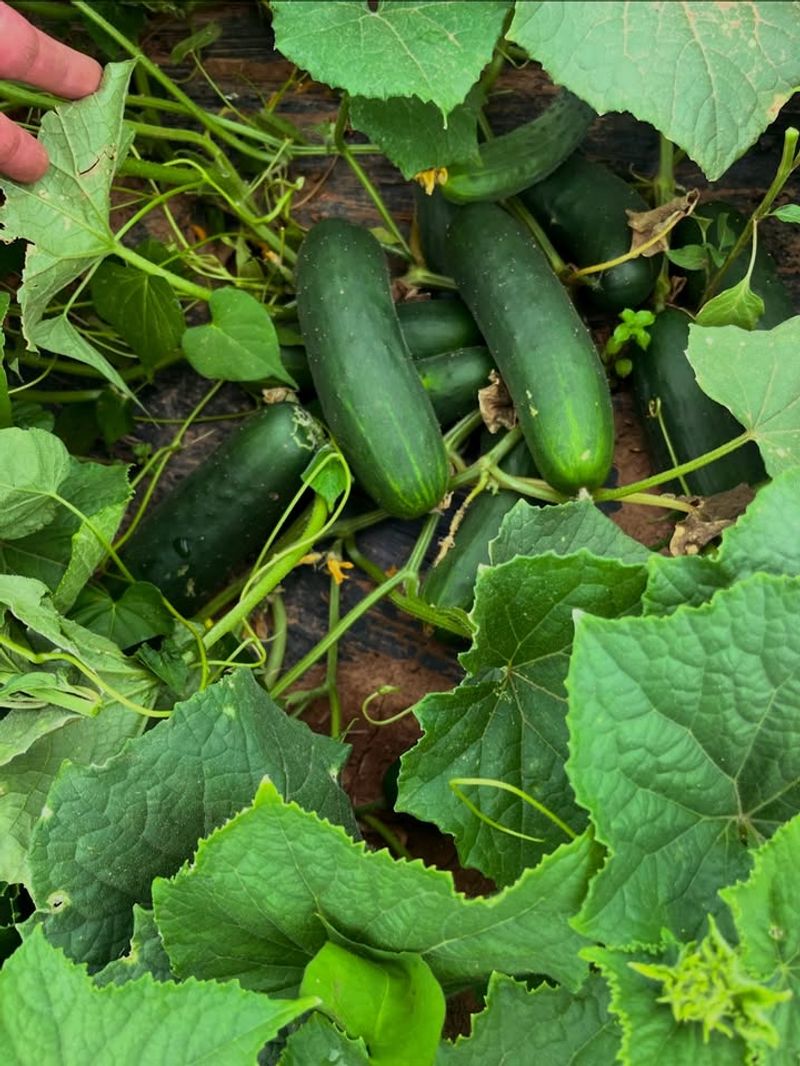
Standard cucumbers planted in Arizona often struggle and fade out before producing much of anything worth selling. Armenian cucumbers are a completely different story.
Technically a type of muskmelon, they look and taste like cucumbers but handle Arizona’s intense heat with far more endurance than typical varieties found at garden centers.
Plant seeds directly in the ground after your last frost, usually mid-February to mid-March depending on your elevation. They grow quickly and need a sturdy trellis because the vines get long.
Training them vertically saves ground space and makes harvesting much easier, especially as the plants spread out through April and May.
Harvest Armenian cucumbers when they reach twelve to eighteen inches long. Let them go longer and the texture gets spongy, which customers at Arizona farmers markets will notice immediately.
Picked at the right size, they are crisp, mild, and refreshing, exactly what shoppers want during warm spring weekends. Pricing them at one to two dollars each or three for five dollars moves them quickly.
Grow a dozen or more plants and you will have more cucumbers than you can handle most weeks.
Restaurants in Phoenix and Tucson have also shown growing interest in locally grown Armenian cucumbers for summer menus, so reaching out to local chefs directly can open up a reliable wholesale channel beyond the weekend market scene.
5. Zucchini Direct Sown In March Produces Quickly In Warm Soil
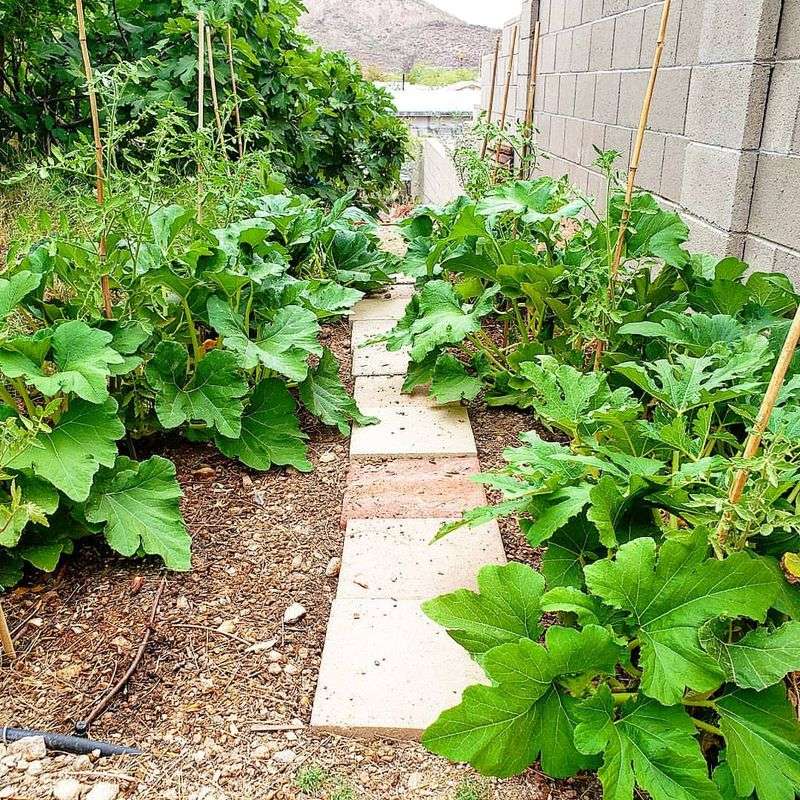
Zucchini has a reputation for producing more than anyone can eat, and in Arizona, that reputation is well earned. Direct sow seeds in March and you can expect your first harvest within fifty to sixty days.
Few vegetables respond as quickly to warm Arizona soil as zucchini does once conditions are right.
Plant seeds about an inch deep in hills spaced three feet apart. Zucchini plants spread wide, so give them room or they crowd each other out fast.
Mulching around the base holds moisture in and keeps roots cooler as temperatures start creeping up in late April and May across the Phoenix metro and surrounding areas.
Selling zucchini at farmers markets works best when you harvest on the smaller side, around six to eight inches long. Oversized zucchini intimidates buyers and sits unsold.
Smaller ones move fast because they are easier to cook with and look more appealing in a basket display. Price them at one dollar each or five for four dollars and watch them disappear quickly on market mornings.
Baby zucchini with the flower still attached sells for a premium to restaurant buyers who use them in upscale dishes.
Arizona spring temperatures create ideal conditions for zucchini flowering and fruit set, so production can be surprisingly heavy during peak weeks if plants are watered consistently and harvested every two to three days without gaps.
6. Eggplant Performs Best When Transplanted Into Warm Soil
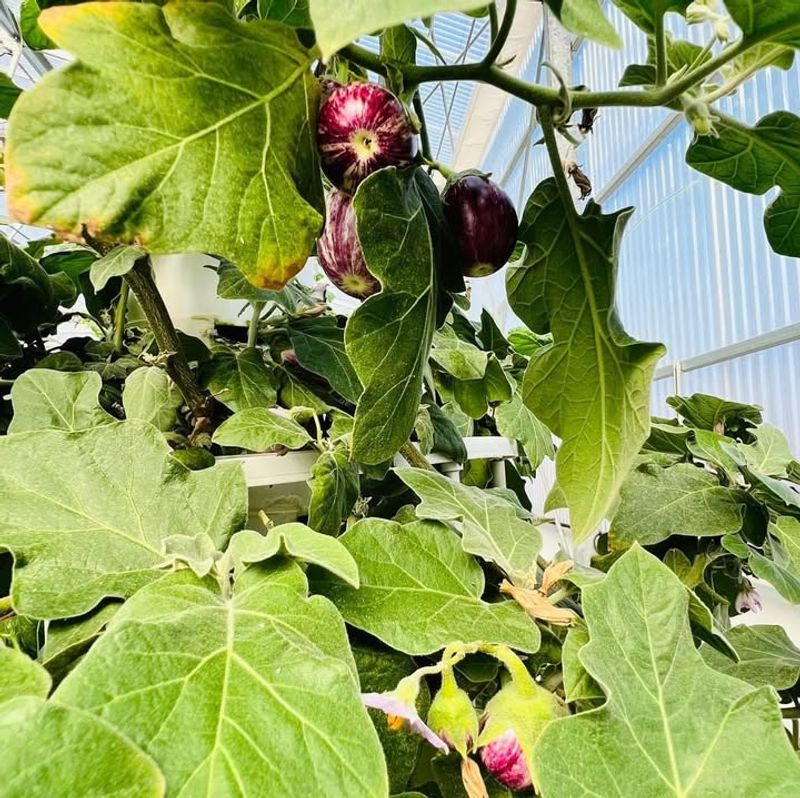
Eggplant is one of those crops that rewards patience. Rush it into cold soil and it just sits there looking miserable for weeks.
Wait until Arizona soil temperatures reach at least 65 degrees, usually mid-March to early April in the Phoenix Valley, and transplants take off with real energy and purpose.
Start seeds indoors eight to ten weeks before transplanting. Eggplant needs a long head start because it grows slowly compared to tomatoes or peppers.
Black Beauty and Ichiban are two varieties that consistently perform well in Arizona’s climate. Ichiban, a long slender Japanese type, is especially popular at farmers markets where shoppers are looking for something beyond the standard grocery store eggplant.
Full sun is non-negotiable for eggplant. Shade reduces fruit production significantly, so pick your sunniest garden spot available.
Consistent watering matters too because irregular moisture leads to bitter fruit that customers will not come back for. Drip irrigation on a timer is the easiest way to keep moisture levels steady through Arizona’s unpredictable spring winds.
Eggplant commands good prices at local markets, typically two to three dollars per fruit or eight to ten dollars per pound for specialty varieties.
Chefs in Tucson and Phoenix seek out locally grown eggplant for Mediterranean and Middle Eastern dishes, making direct restaurant sales a smart additional revenue stream worth pursuing alongside weekend market tables.
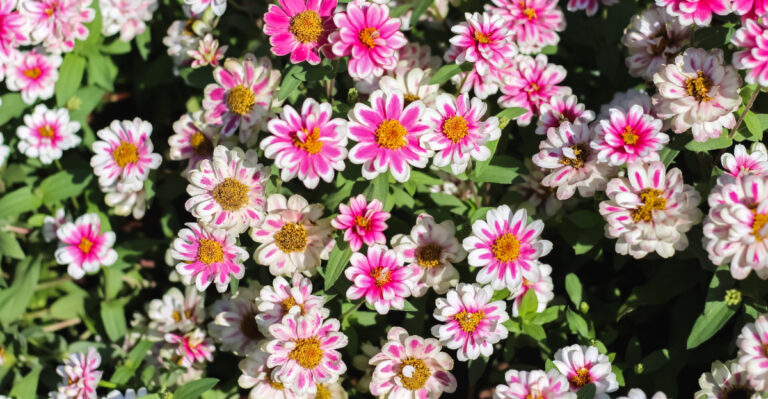
7. Zinnias Direct Sown After Frost Bloom Reliably In Dry Heat
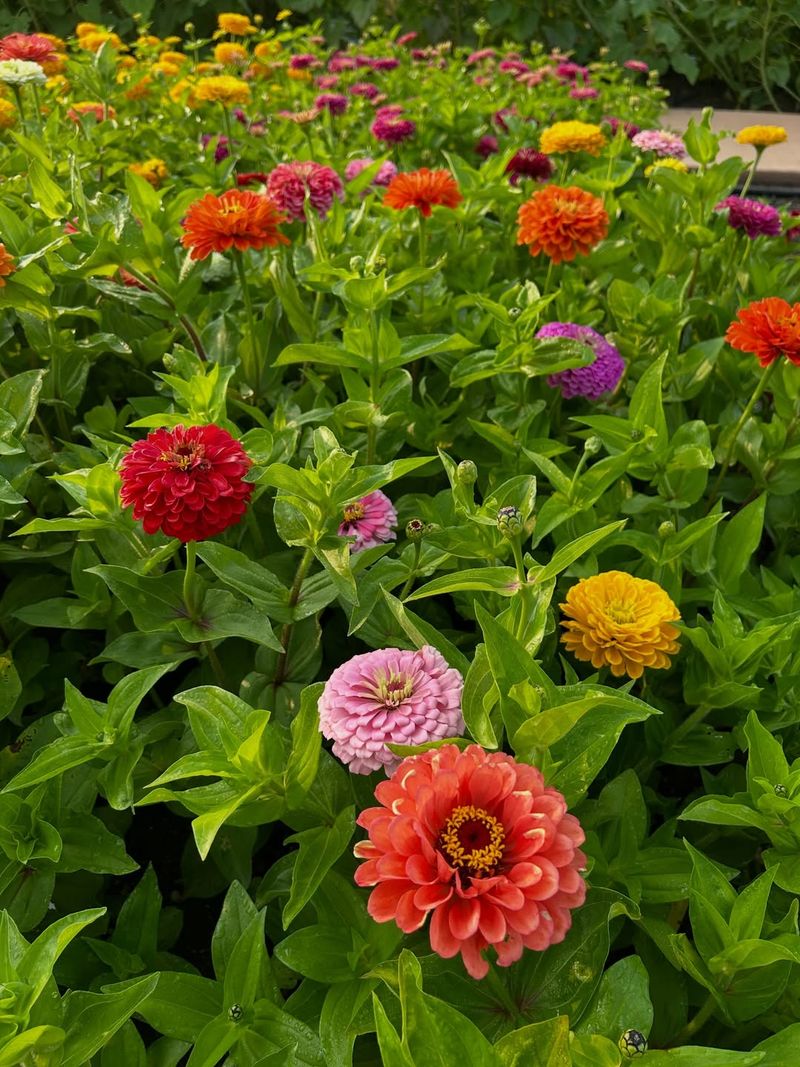
Cut flowers are one of the most overlooked profit opportunities in Arizona gardening, and zinnias are the easiest entry point available. Direct sow seeds after your last frost date and they will bloom in as little as eight weeks.
Unlike many flowers that wilt immediately in desert heat, zinnias actually get stronger and more colorful as temperatures rise through spring.
Broadcast seeds across prepared soil, rake them in lightly, and keep the area moist until germination. No need for fancy starting trays or indoor setups.
Zinnias prefer being direct sown anyway because they do not love root disturbance, which makes them one of the more beginner-friendly cash crops you can grow in Arizona without a lot of equipment or experience.
Bundles of mixed zinnias sell consistently at Phoenix and Tucson farmers markets for six to ten dollars each, depending on bloom size and stem length. Tall varieties like Benary’s Giant produce long stems that hold up well in vases, which is exactly what flower buyers want.
Grow several color combinations and offer both mixed and single-color bundles to appeal to different customers. Wedding florists and event planners in Arizona have also shown real interest in locally grown zinnias as an alternative to imported flowers.
Getting a few standing orders from local florists can make your zinnia patch one of the most financially rewarding sections of your entire spring garden operation.
8. Microgreens Grow Indoors Year Round With Short Harvest Cycles
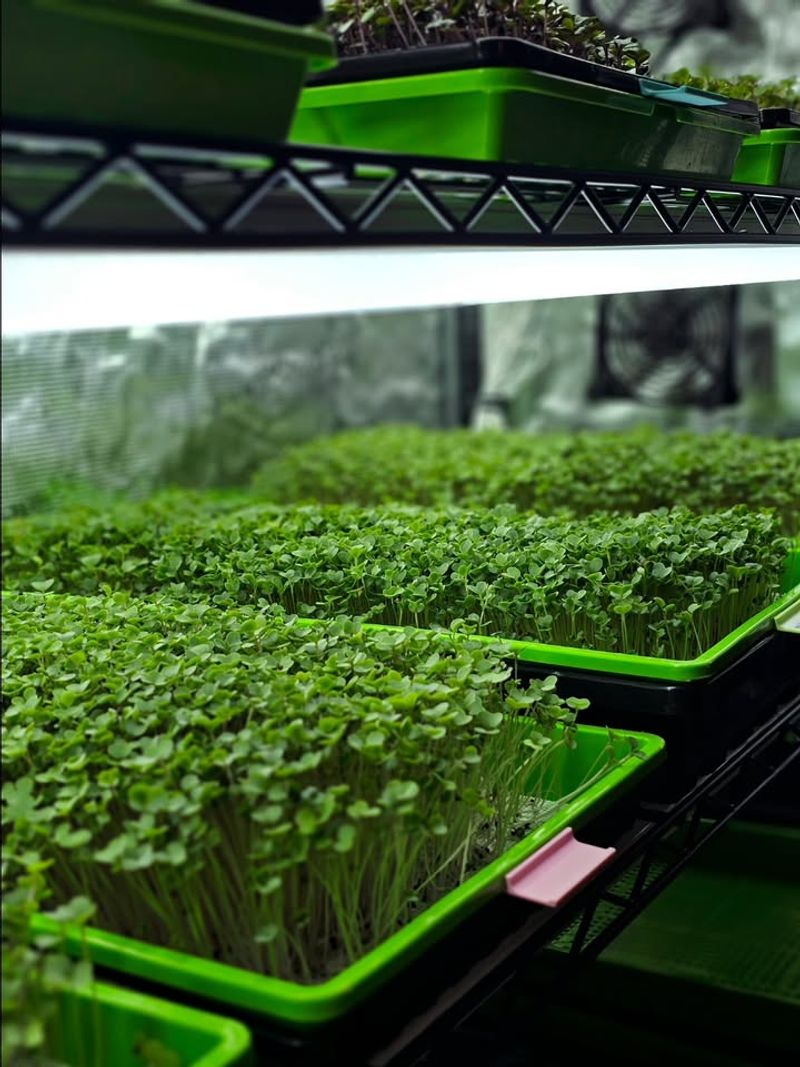
No outdoor space, no problem. Microgreens are one of the few truly year-round income crops you can grow inside an Arizona home without fighting the heat, frost schedules, or monsoon timing.
A small shelving unit, some grow trays, a light source, and good seeds are all you need to get started producing a sellable product within ten to fourteen days.
Sunflower, pea shoots, radish, and broccoli microgreens are consistent bestsellers at markets and with restaurant clients. Each tray costs roughly two to three dollars in supplies and sells for ten to fifteen dollars at retail.
Stack multiple shelves and run continuous rotations to keep fresh product available every single week without gaps in your supply.
Chefs at upscale restaurants in Phoenix and Scottsdale actively look for reliable local microgreen suppliers because the commercial supply is often inconsistent and the shipping damages delicate greens. Showing up weekly with fresh, well-packaged product builds loyalty fast.
Sell by the tray or by the ounce depending on your customer type. Home delivery within your neighborhood is another channel worth exploring since many Arizona homeowners are willing to pay a small premium for fresh greens dropped at their door.
Microgreens require almost no land, very little water compared to outdoor crops, and produce income faster than anything else on this list, making them a genuinely smart starting point for anyone new to growing for profit in Arizona.