10 Prohibited Plants You Should Never Grow In California
California gardens may look wild and free, but some plants are restricted or strongly discouraged. Certain species spread aggressively, choke native ecosystems, fuel wildfires, or harm wildlife and pets.
Planting some regulated species can sometimes lead to removal requirements and may contribute to environmental damage if they spread.
The tricky part is that many of these plants still appear in older landscapes and may occasionally be sold under outdated or less familiar names.
Knowing what to avoid keeps your garden beautiful, safe, and eco friendly. Think of it as protecting the golden state while saving yourself future headaches.
Curious which plants made the watch list and why experts warn against them? Before you dig, it pays to learn the red flags, spot risky species, and choose safer alternatives that thrive without disrupting local ecosystems.
A stunning garden should work with nature, not against it, and the right choices today help keep California landscapes healthy and thriving for years to come.
1. Tree Of Heaven (Ailanthus altissima)
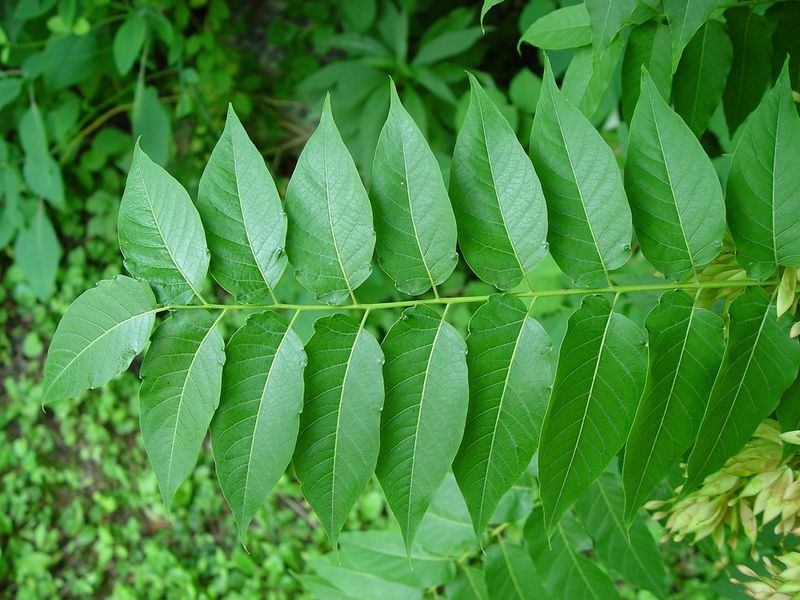
Walk through many California neighborhoods and you’ll likely spot this fast-growing invader without realizing the problems it can create.
Tree of Heaven spreads through root suckers and wind-dispersed seeds, sometimes forming dense thickets that crowd out native vegetation.
California lists this species as a noxious weed in many areas because it releases chemicals that can inhibit nearby plant growth. Its vigorous root system may damage nearby pavement, foundations, or underground utilities in some situations.
It also serves as a preferred host for the spotted lanternfly, an agricultural pest not yet widely established in California but considered a potential threat to vineyards and orchards.
Many homeowners mistakenly think they’re planting a useful shade tree, not realizing the restrictions that may apply in certain regions.
Selling or distributing Tree of Heaven may be regulated or discouraged in parts of California. The tree often resprouts after cutting, which can make removal difficult without proper control methods.
If you discover this tree on your property, consider contacting your local agricultural office or extension service for guidance. Avoid spreading it to other areas or sharing seedlings with neighbors.
Native alternatives like California sycamore or coast live oak provide beautiful shade without the same invasive concerns.
2. Giant Reed (Arundo donax)
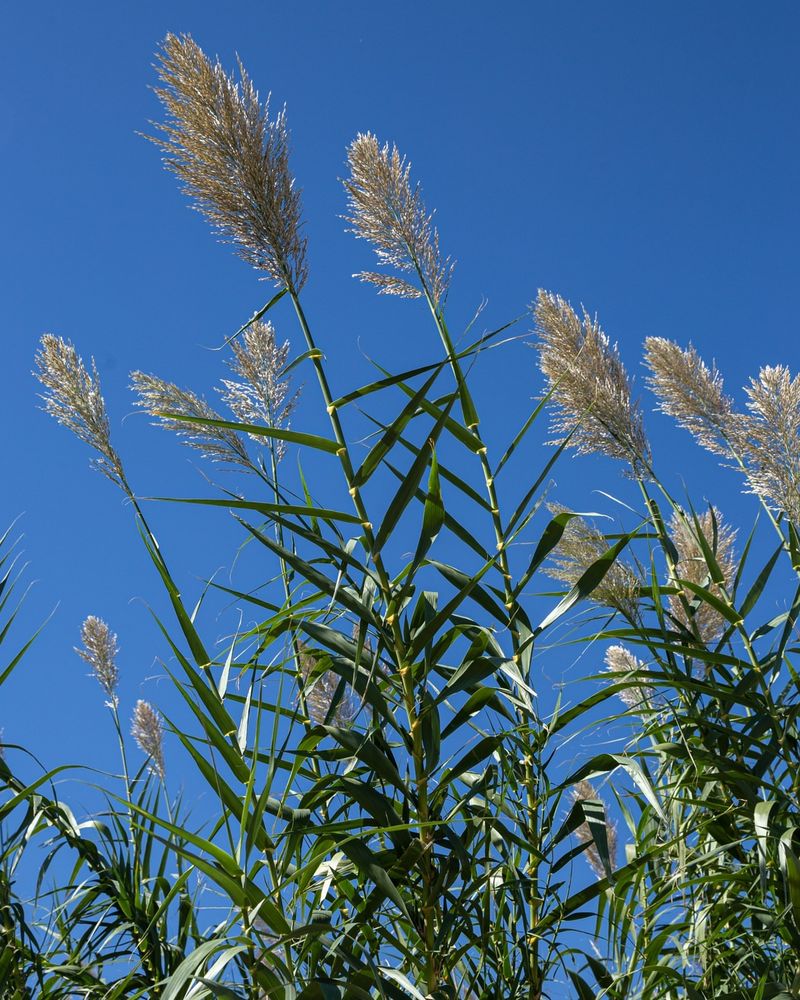
Riverbanks and irrigation ditches throughout California often harbor this deceptively attractive grass that can create fire hazards and water management concerns.
Giant Reed grows rapidly to heights of up to twenty feet, sometimes forming dense stands that may block waterways and contribute to increased flood risk during storms.
In many parts of California, regulations restrict selling or distributing this plant because it can consume large amounts of water while offering limited habitat value for native wildlife.
The hollow canes dry out and can become highly flammable, potentially intensifying wildfires where the plant has established.
It spreads through underground rhizomes and stem fragments that may float downstream and colonize new areas. Landscapers sometimes plant Giant Reed as a privacy screen or erosion control without realizing its invasive potential.
Once established, the plant can require long-term, persistent management to control effectively, and small fragments left behind may regenerate new growth.
Property owners who find Giant Reed may consider reporting it to their county agricultural department for guidance.
Removal often involves cutting followed by targeted herbicide treatment. Native willows or California wild grape can help stabilize banks naturally without the same fire or invasive concerns.
3. Alligatorweed (Alternanthera philoxeroides)
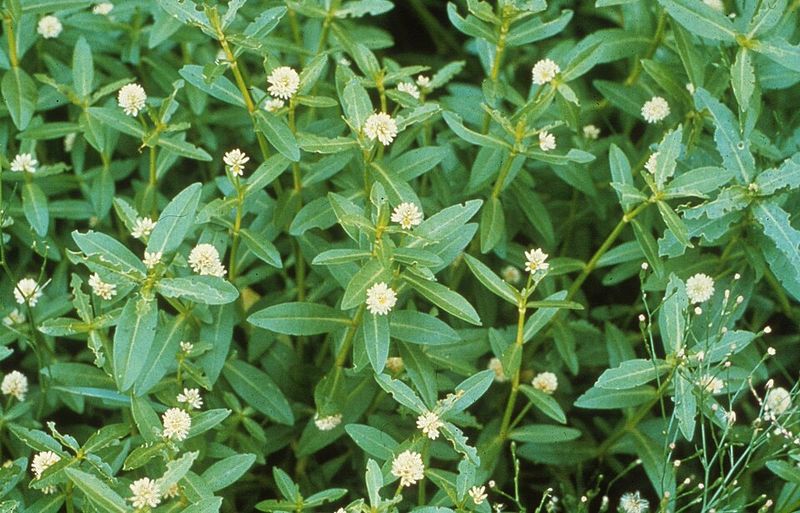
Small white flowers bobbing on water surfaces might seem harmless, but this aquatic invader can clog California’s waterways and irrigation systems if left unmanaged.
Alligatorweed forms dense floating mats that reduce sunlight, harming underwater plants and lowering oxygen levels for fish beneath the surface.
California designates this species as a prohibited noxious weed because it threatens agricultural water supplies and native aquatic ecosystems. The plant reproduces from small stem fragments and can spread through irrigation canals and flooding events.
It may also grow on moist soil, sometimes invading rice fields and wetland restoration areas. Aquarium hobbyists and water gardeners have occasionally introduced Alligatorweed by improperly disposing of tank plants, which can contribute to local spread.
The plant tolerates mild freezing and can regrow from root or stem fragments, making control difficult once established.
If you spot Alligatorweed in ponds or waterways, consider reporting it to the California Department of Food and Agriculture or your local agricultural office.
Avoid transporting aquatic plants between water bodies or dumping aquarium contents into natural areas.
For ornamental water features, consider native species such as California water lily or water smartweed that support local wildlife with lower invasive risk.
4. Yellow Starthistle (Centaurea solstitialis)
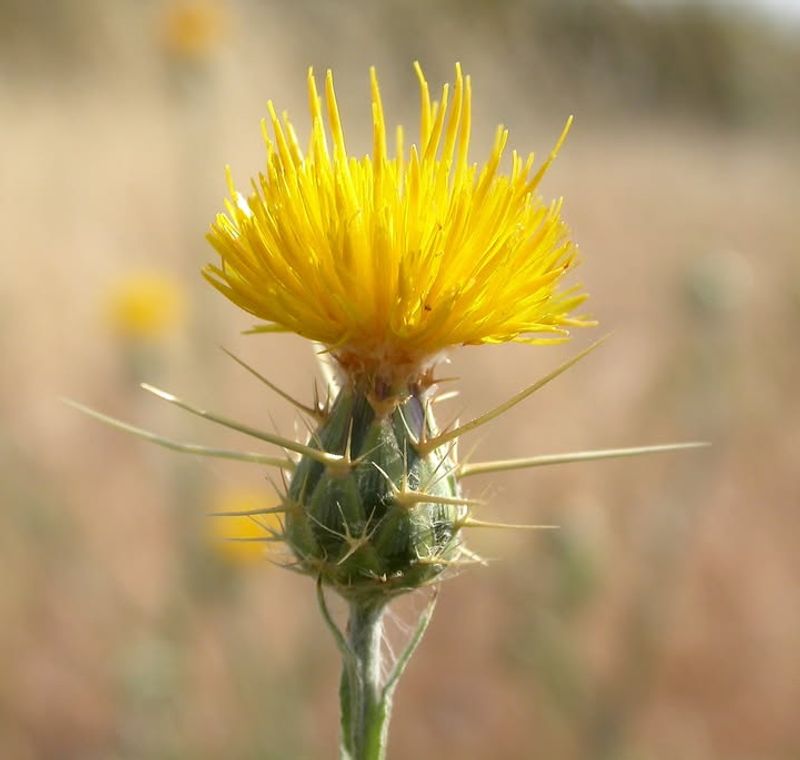
Bright yellow blooms blanket parts of California rangelands each summer, but these cheerful flowers hide sharp spines and serious agricultural concerns.
Yellow Starthistle has invaded large areas across the state, reducing forage quality for livestock and wildlife while creating hazards for recreationists and animals.
This noxious weed appears on California’s regulated list because it can outcompete native grasses and is associated with a neurological condition in horses known as chewing disease when consumed in large quantities over time.
The plant produces chemicals that may inhibit nearby plant growth, sometimes transforming diverse grasslands into heavily dominated areas.
Each plant can generate thousands of seeds that may remain viable in soil for several years. Hay contaminated with Yellow Starthistle seeds can contribute to spread when livestock transport them to new areas.
Homeowners along rural interfaces sometimes notice the plant appearing after using mulch or importing soil from infested locations. The deep taproot can make removal difficult once plants mature beyond the seedling stage.
Property managers often control Yellow Starthistle through early-season mowing, targeted herbicide use, or biological control methods. Large infestations may be reported to local weed management programs for guidance.
Restoring affected areas with competitive native bunch grasses such as purple needlegrass can help reduce reinfestation and support beneficial insects.
5. Purple Loosestrife (Lythrum salicaria)
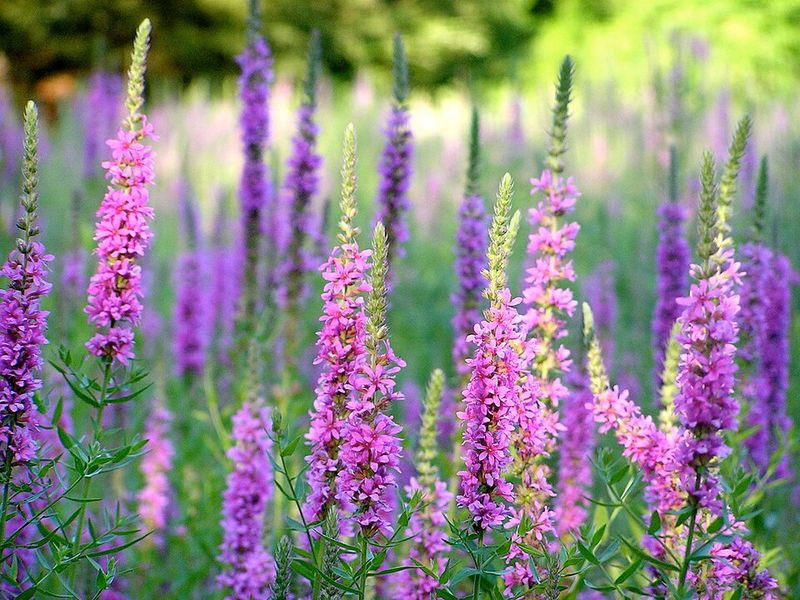
Garden centers in some regions sell this showy perennial for butterfly gardens, but California restricts it to help protect sensitive wetland habitats.
Purple Loosestrife can form dense stands in marshes that may reduce habitat diversity and limit food or shelter for some native wildlife.
State regulations restrict selling, planting, or transporting this species because a single plant can produce large numbers of tiny seeds each year. Seeds may spread through water, mud on boots, and occasionally by wildlife, allowing colonization of new wetlands.
The plant can also spread through root fragments, which can make mechanical removal more difficult if not done carefully.
Gardeners relocating from other regions may sometimes introduce Purple Loosestrife accidentally in soil or plant material, and some may purchase it online without realizing California’s restrictions.
Some cultivars are less fertile, but cross-pollination with wild populations has been documented in certain situations.
If you discover Purple Loosestrife on your property, consider removing it before it sets seed and dispose of plant material properly according to local guidelines.
For wetland gardens, native alternatives such as California rose mallow or Douglas iris can support local pollinators and wildlife with lower ecological risk.
6. Scotch Broom (Cytisus scoparius)
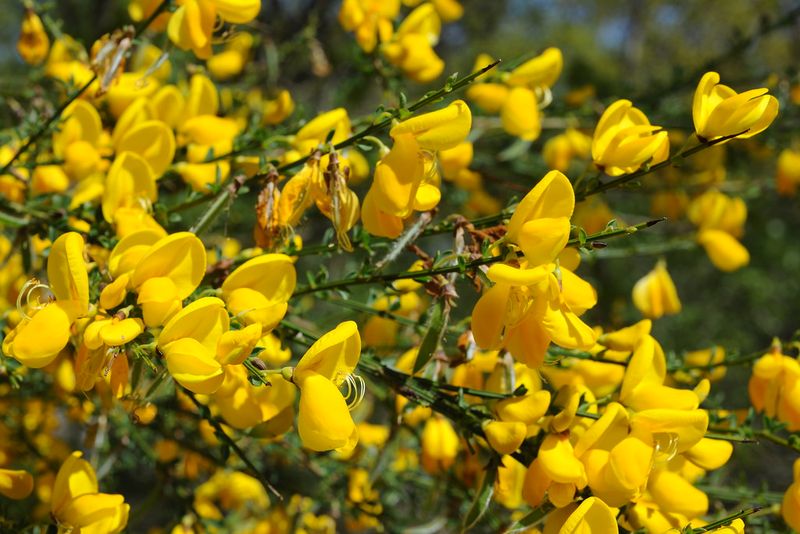
Highway departments once planted this shrub for erosion control, contributing to a widespread invasive problem that now affects many California hillsides and forest edges.
Scotch Broom can crowd out native vegetation, may increase wildfire risk under certain conditions, and can alter soil chemistry in ways that sometimes favor invasive species over natives.
In many parts of California, regulations restrict propagating or selling Scotch Broom because it forms dense, flammable thickets that can threaten nearby homes and natural areas.
The plant fixes nitrogen, which can change soil conditions and make restoration of native plant communities more challenging.
Seed pods can eject seeds several feet, and each plant may produce large numbers of seeds that can remain viable in soil for many years. Landscapers attracted to the cheerful yellow flowers sometimes plant Scotch Broom without realizing its invasive potential.
The shrub establishes readily on disturbed soils, making construction sites and cleared areas more vulnerable. Young plants may appear manageable but can grow into dense thickets over time.
Property owners often remove Scotch Broom before flowering and seed set, cutting stems close to the ground and treating stumps when appropriate. Ongoing monitoring helps reduce regrowth from the persistent seed bank.
Consider replacing removed plants with native California lilac or toyon, which provide similar visual interest while supporting native pollinators and helping reduce fire risk.
7. Russian Knapweed (Rhaponticum repens)
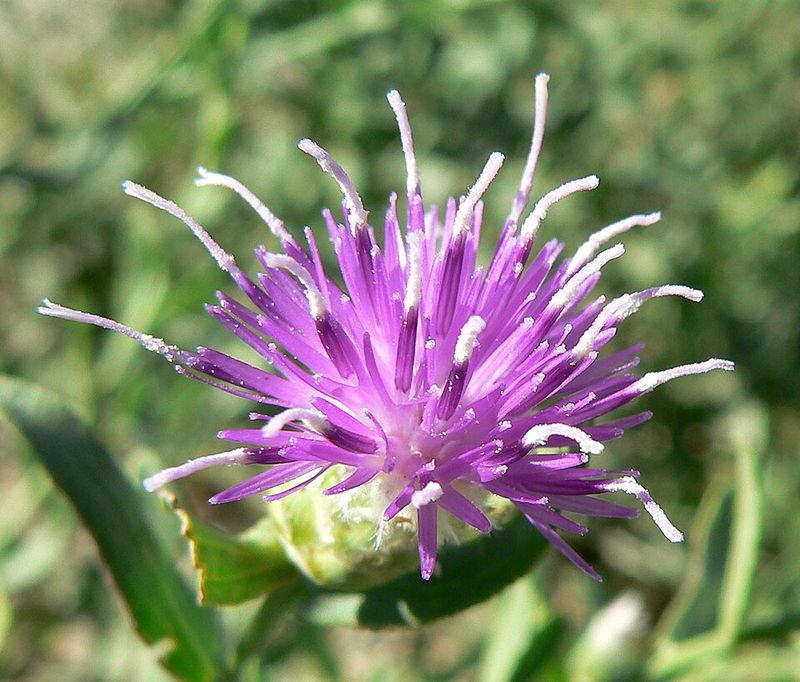
Pastures and alfalfa fields in parts of California can be affected by this persistent perennial, which is toxic to horses and may reduce crop yields.
Russian Knapweed spreads through an extensive root system that can grow very deep, making control difficult once the plant becomes well established.
State agricultural officials classify this species as a noxious weed because it is associated with a serious neurological condition in horses when consumed over time.
The plant also releases chemicals that can inhibit nearby vegetation, sometimes reducing forage production and crop quality.
Contaminated hay may be unsuitable for feeding horses and can contribute to economic losses for livestock producers. Growers sometimes discover Russian Knapweed after introducing contaminated seed or when soil is moved between infested and clean fields.
The plant tolerates mowing and grazing and can spread through vegetative reproduction. Small root fragments may produce new plants, which can make mechanical control challenging without proper follow-up.
Landowners are often encouraged to report infestations to local agricultural authorities for guidance. Control typically requires repeated management over multiple seasons along with competitive forage plantings.
Avoid feeding hay containing Russian Knapweed to horses, and clean equipment before moving between properties to help reduce accidental spread.
8. Hydrilla (Hydrilla verticillata)
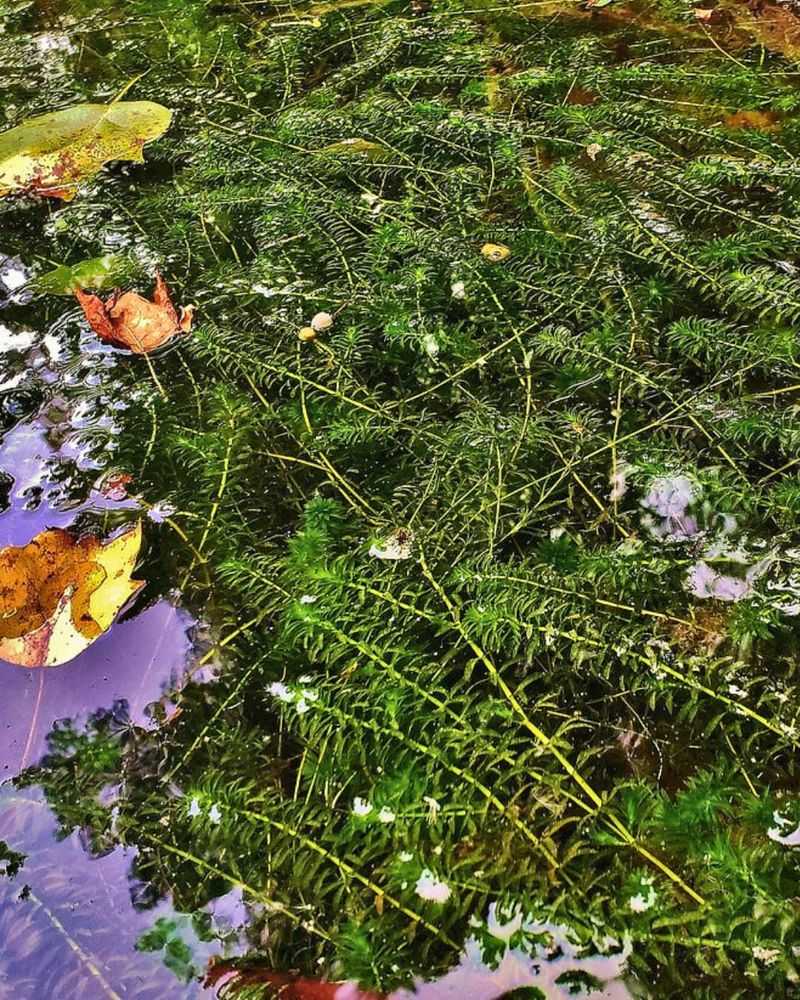
Beneath the surface of some California lakes and reservoirs lurks an aquatic invader that can clog water intakes, tangle boat propellers, and interfere with recreational use.
Hydrilla can grow rapidly during warm months, sometimes forming dense canopies that crowd out other aquatic vegetation and alter fish habitat.
California designates Hydrilla as a prohibited species because it can threaten water delivery systems, hydroelectric facilities, and agricultural irrigation infrastructure.
The plant reproduces through fragments, tubers, and specialized structures called turions, which can make control difficult and costly.
Even small fragments may establish new infestations that spread through connected water systems.
Improper disposal of aquarium plants has contributed to some Hydrilla introductions, and boats and trailers may also transport fragments when equipment is not cleaned.
Management programs can be expensive and require ongoing effort to contain and reduce infestations. Boaters are encouraged to inspect and clean equipment before moving between water bodies to help prevent spread.
Suspected infestations can be reported to the California Department of Fish and Wildlife for guidance. For water gardens, consider native aquatic plants such as eelgrass or pondweed, and avoid releasing aquarium plants into natural environments.
9. African Rue (Peganum harmala)
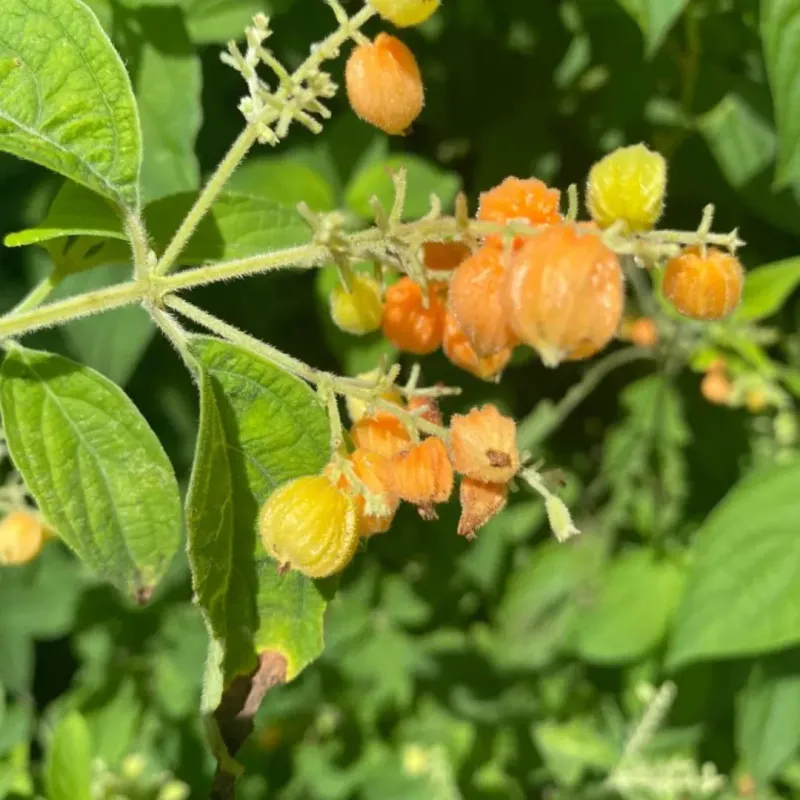
Desert communities in parts of California encounter this toxic invader, which can affect rangelands and pose health risks to livestock and people if handled or ingested improperly.
African Rue contains alkaloids that may cause neurological symptoms and poisoning when consumed by animals or humans.
In some areas, regulations restrict cultivating African Rue because it can spread in disturbed desert soils and displace native plants that provide forage for wildlife and livestock.
The plant produces numerous seeds within distinctive capsules, and collecting or moving them may unintentionally spread the species.
Seeds can remain viable for years, creating persistent seed banks that complicate restoration. Some individuals seek African Rue for traditional or other uses without realizing potential legal or ecological concerns.
The plant establishes readily along roadsides, trails, and degraded rangelands where disturbance favors its growth. Livestock generally avoid grazing African Rue due to its toxicity, which can allow it to spread in infested areas.
Property owners who find African Rue may remove plants before seed capsules mature while wearing protective gloves. Dispose of plant material properly to reduce seed dispersal and consider reporting larger infestations to local agricultural authorities.
Replanting with native desert species such as brittlebush or desert marigold can help restore affected areas.
10. Gorse (Ulex europaeus)
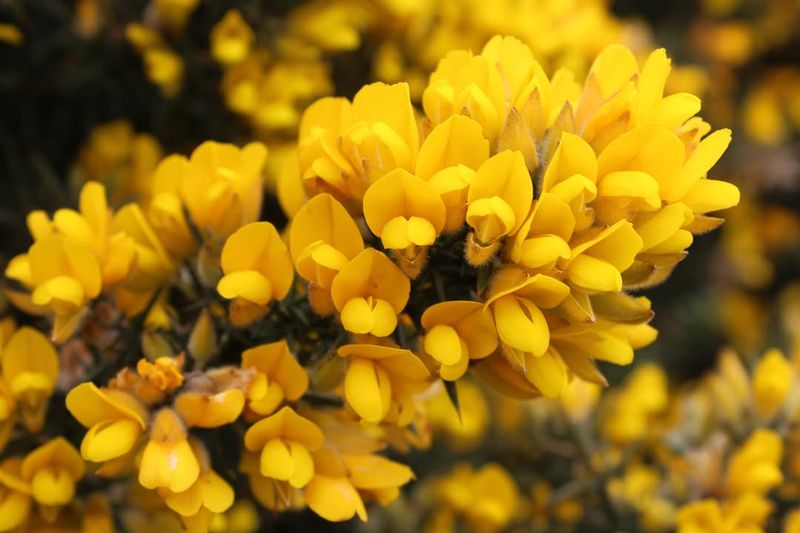
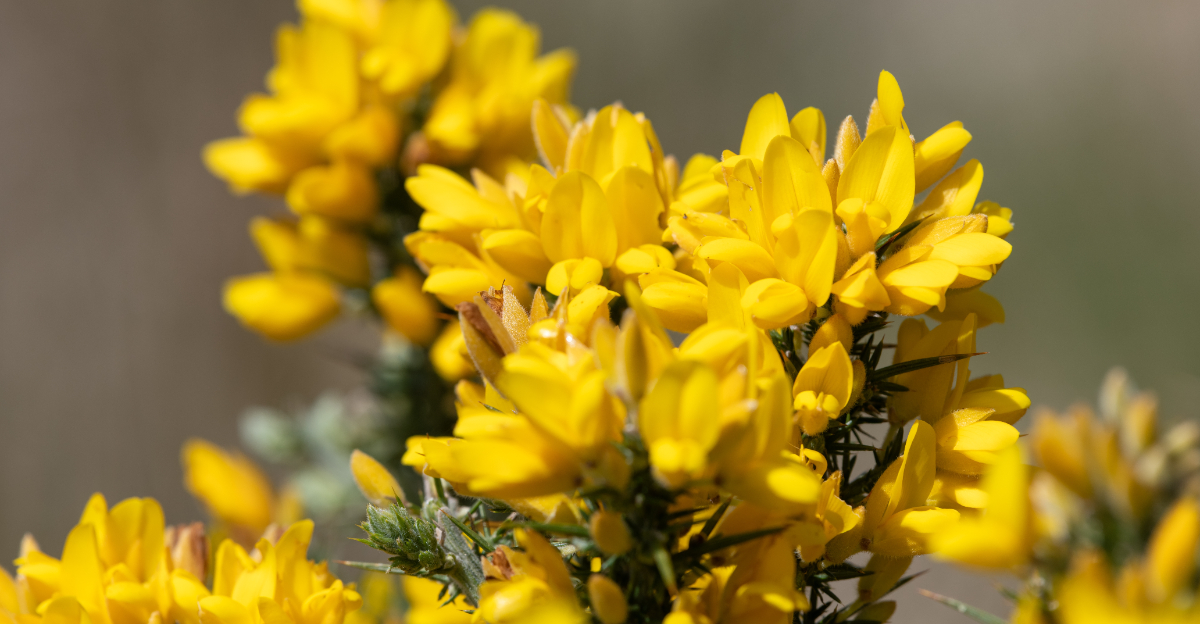
Coastal California has been affected by this spiny European shrub, which can form dense growth and contribute to wildfire risk in some areas. Gorse creates thick, spiny thickets that can limit access and reduce native plant diversity where it becomes established.
In parts of California, regulations restrict Gorse cultivation because mature stands contain flammable oils that may allow fires to spread more rapidly under certain conditions.
The plant can pose concerns near wildland-urban interface areas while also affecting habitat for native species.
Seeds may remain viable in soil for many years, and the plant can resprout after burning or cutting if not fully controlled. Gardeners have sometimes planted Gorse for its bright yellow flowers and evergreen foliage without realizing its invasive potential.
Birds and other animals can disperse seeds, occasionally establishing new plants away from parent populations. Young Gorse seedlings may appear manageable but develop sharp spines and deeper roots as they mature.
Removing young plants early can help limit spread before extensive root systems develop. Mature plants are often cut and treated to reduce regrowth, and follow-up monitoring helps control seedlings from the seed bank.
Consider planting fire-wise native shrubs such as California coffeeberry or toyon, which support wildlife while posing lower wildfire and invasive risk.