Protect These 6 Oregon Fruit Trees Before Late Frost Hits
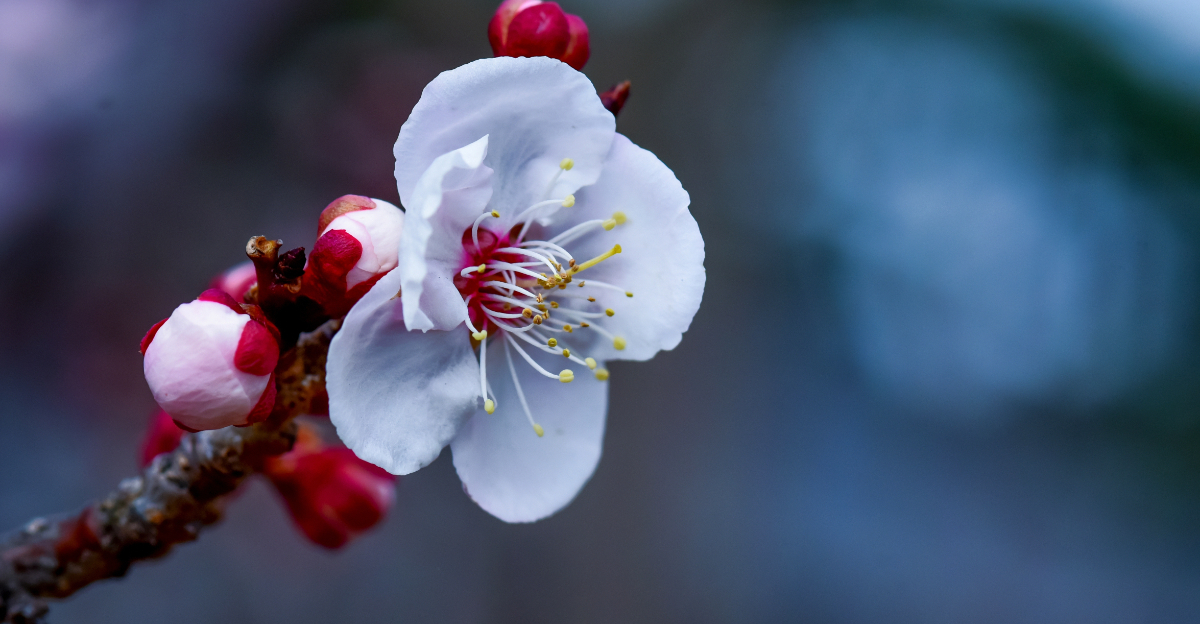
Spring in Oregon can feel like a tease. One warm afternoon, blossoms burst open and backyard orchards hum with promise.
Then a sneaky late frost rolls in overnight and suddenly those delicate blooms are in danger. If you grow fruit trees, you know this chilly surprise can mean fewer peaches, apples, and cherries come harvest time.
The good news is you can outsmart the cold with a little timing and the right protection. These common and beloved Oregon fruit trees need extra care when temperatures start to dip, and each one has its own quirks when frost threatens.
You will learn why late frost is so risky, how to spot the warning signs, and simple steps to shield your trees before damage sets in.
Grab your gloves, keep an eye on the forecast, and get ready to give your trees the cozy backup they deserve so your summer fruit bowl stays full and sweet this year ahead.
A single cold night can undo weeks of healthy growth, but small actions make a big difference. Covering blossoms, watering soil, and trapping warmth near the canopy can help fragile buds survive sudden temperature drops.
Even young trees can bounce back stronger with a little preparation and care. Think of frost protection as a spring ritual, right alongside pruning and feeding, that keeps your orchard thriving season after season.
1. Apple (Malus domestica)
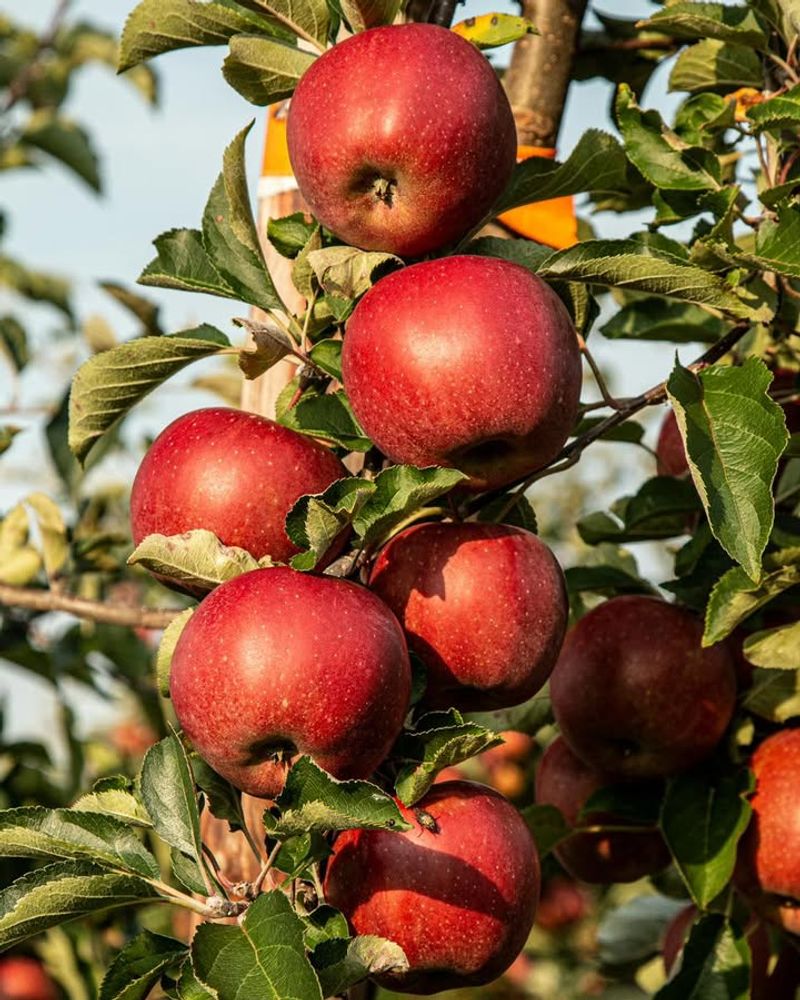
In Oregon, these popular fruit trees flourish in almost every region, from the Willamette Valley to the Columbia Gorge. Apple trees typically bloom in mid to late April, right when late frosts can still surprise gardeners.
A single frosty night can wipe out blossoms that would have become your fall apples.
The key is watching nighttime temperatures closely once buds start to swell. When forecasts predict temps dropping below 28 degrees, it’s time to act.
Covering smaller trees with frost blankets or old sheets works well, but make sure the fabric reaches all the way to the ground to trap warmer air underneath.
For larger apple trees, running sprinklers during the coldest hours creates a protective ice layer that actually insulates the blossoms. OSU Extension recommends starting sprinklers when temperatures hit 33 degrees and keeping them running until temps rise above freezing.
Water releases heat as it freezes, keeping blossom tissue just warm enough to survive.
Avoid pruning too early in spring, as this encourages new growth that’s extra vulnerable.
Mulching around the base helps regulate soil temperature, and planting on slopes where cold air drains away naturally gives your apples an advantage against those sneaky Oregon spring frosts.
2. Pear (Pyrus communis)
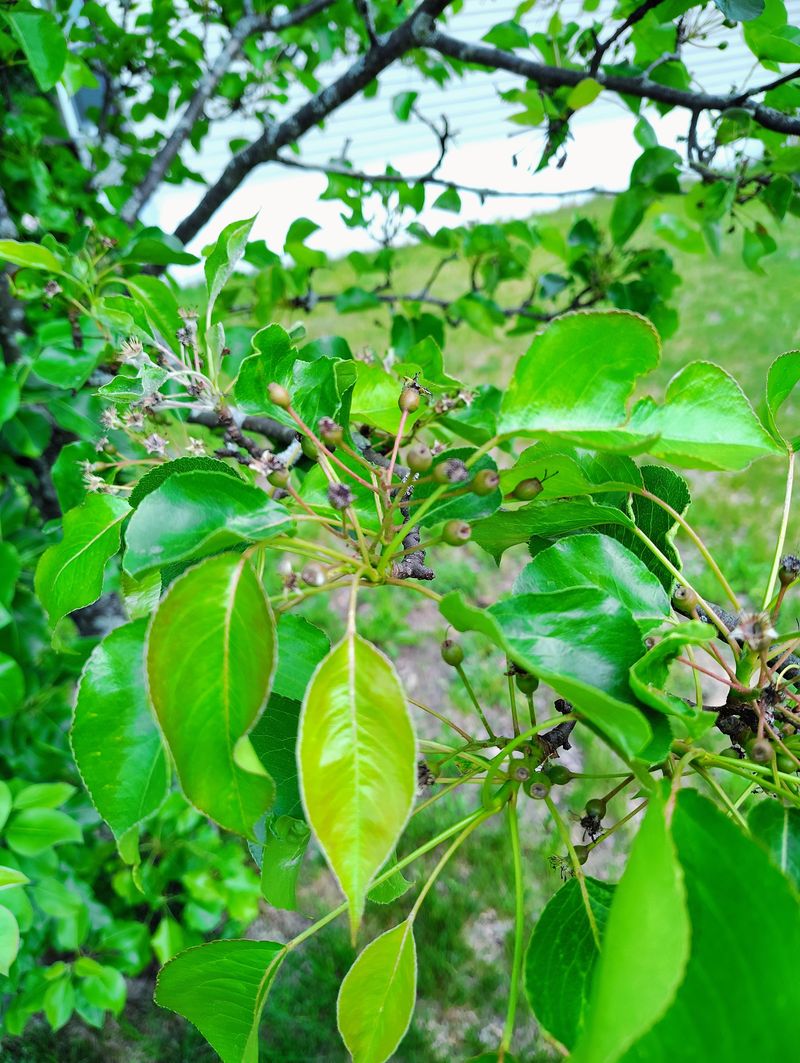
Blooming earlier than most other fruit trees, pear trees can flower as soon as late March in Oregon’s milder regions. This early display leaves them especially vulnerable when sudden cold snaps arrive.
During this critical period, varieties like Bartlett, Bosc, and Anjou all require careful attention.
One helpful trick is choosing your planting location wisely from the start. Pears do best on higher ground or gentle slopes where cold air naturally flows downward instead of settling around your trees.
North-facing spots can delay blooming by a week or two, giving you a buffer against late frosts.
When frost threatens, wrapping trunks with burlap and draping branches with lightweight row covers provides solid protection. String up outdoor lights among the branches too, as the small amount of heat they generate can raise temperatures just enough.
Older incandescent bulbs work better than LEDs for this purpose.
OSU Extension suggests monitoring bud stages closely. Pears are most vulnerable at full bloom, but even tight buds can suffer damage below 25 degrees.
Keep a thermometer in your orchard and set an alarm for cold nights. Acting quickly makes the difference between a heavy harvest and watching your pear crop disappear before summer even starts.
3. Cherry (Prunus avium / Prunus cerasus)
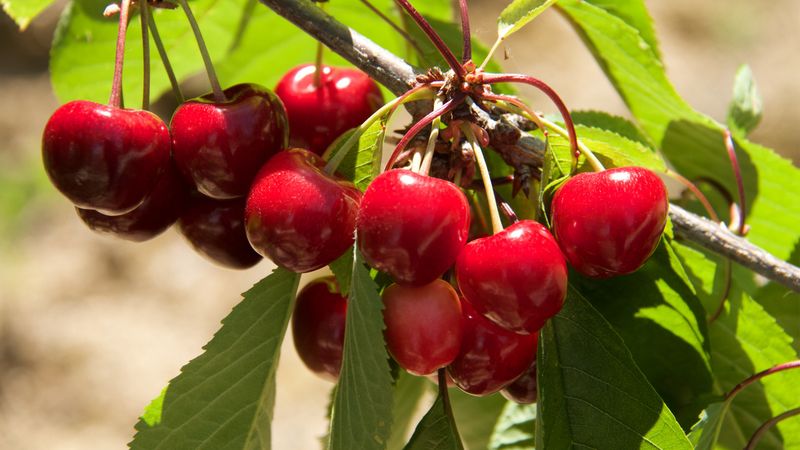
Putting on one of the most spectacular shows of spring, these trees produce beautiful blossoms that are extremely sensitive to frost. Sweet varieties usually bloom a bit later, from early to mid-April, while tart types like Montmorency may flower in late March.
Regardless of timing, both face a serious risk from frost.
Commercial cherry growers in The Dalles and other Oregon regions use wind machines and overhead irrigation, but home gardeners can protect trees with simpler methods. Frost blankets draped over smaller trees trap heat rising from the soil.
Secure the edges with rocks or stakes so wind doesn’t blow the covers off during the night.
Cherries growing near buildings benefit from radiant heat that walls release overnight. South-facing walls are best, but even east or west exposures help.
Avoid low spots where cold air pools, as these areas can be several degrees colder than surrounding ground.
Another strategy involves delaying bloom time slightly. Painting trunks white with diluted latex paint reflects sunlight and keeps trees cooler during warm days, which slows bud development just enough to dodge some frost events.
Water trees deeply before a freeze too, as moist soil holds and releases more heat than dry ground throughout those chilly spring nights.
4. Peach (Prunus persica)
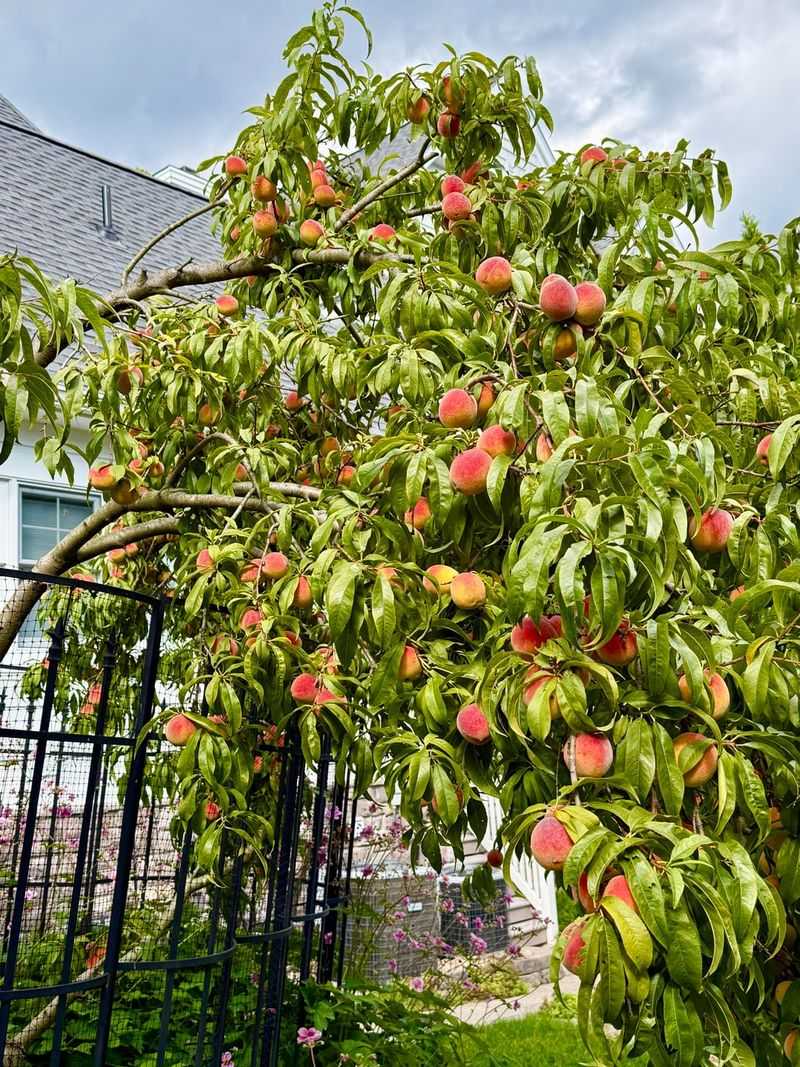
Beautiful yet challenging to grow in Oregon, these trees bloom very early, often in late March. Their bright pink flowers appear while frost is still a regular visitor, making this one of the riskiest fruit trees to grow successfully in the local climate.
Gardeners in southern parts of the state tend to have slightly better luck, but protection is still essential.
Choosing late-blooming varieties gives you a fighting chance. Varieties like Frost and Contender bloom a bit later than others and show better cold tolerance.
Even with careful variety selection, you’ll still need to protect blossoms when temperatures threaten to drop below 28 degrees.
Peach flowers are particularly delicate, so gentle protection works best. Lightweight fabric row covers allow some air circulation while trapping warmth.
Avoid plastic sheeting directly on branches, as condensation can actually increase frost damage. Instead, create a tent structure using stakes and drape fabric loosely over the frame.
Location is everything with peaches. Plant them on elevated sites with good air drainage and avoid frost pockets.
An important thing to keep in mind, peaches need full sun but benefit from afternoon shade in hotter areas, which also helps moderate temperature swings.
Mulch heavily around the root zone and consider companion planting with early bulbs that can handle cold, creating a microclimate that stays slightly warmer overall.
5. Italian Plum / Prune (Prunus domestica)
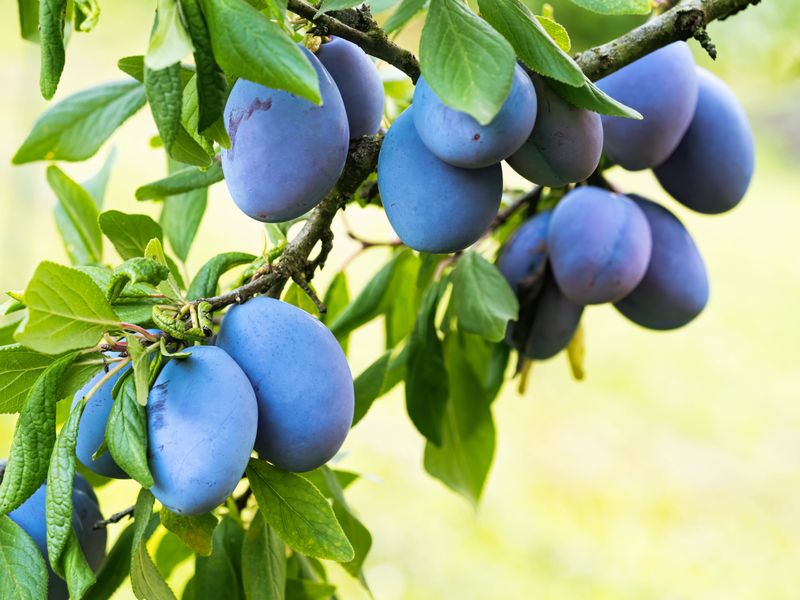
Reliable and productive, these trees are known for yielding abundant crops of rich purple fruit ideal for fresh eating, baking, or drying into prunes. Blooming in early to mid-April, they flower during that tricky period when late frosts can still occur.
Fortunately, they are somewhat more cold-hardy than peaches, though protection is still important during severe cold snaps.
These trees naturally grow more compactly than some other fruit trees, which makes covering them easier. Young trees especially benefit from frost blankets secured around the entire canopy.
Older, larger trees are harder to cover completely, so focus protection efforts on the most exposed branches where blossoms are furthest from the trunk.
Italian plums tolerate Oregon’s wet springs better than many stone fruits, but soggy soil combined with frost creates extra stress. Make sure your planting site drains well, and avoid overwatering as bloom time approaches.
Drier soil actually helps trees harden off slightly against cold.
Timing your pruning matters too. Prune in late winter before buds swell, giving cuts time to heal before bloom.
Fresh pruning wounds combined with frost can weaken branches. Consider planting near evergreen trees that act as windbreaks, reducing wind chill on frosty nights.
This simple landscape choice helps moderate temperature drops and keeps your plum blossoms safer naturally.
6. Apricot (Prunus armeniaca)
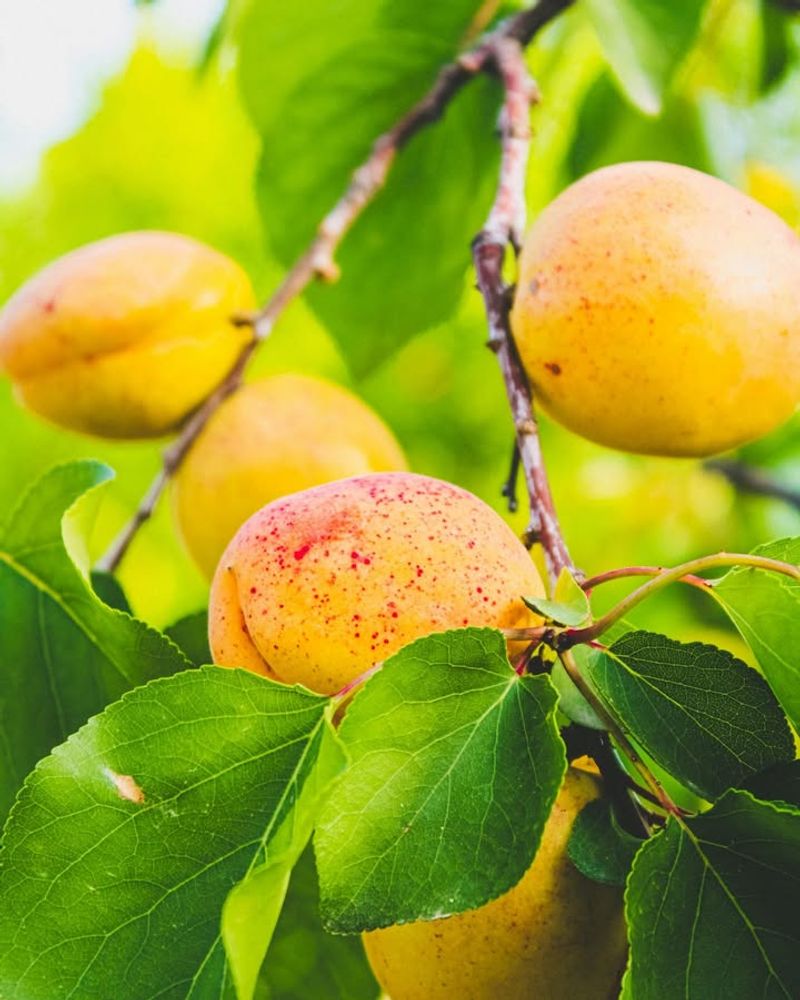
Blooming earlier than almost any other fruit tree, these trees can flower as soon as late February during mild Oregon winters. This early timing makes them especially difficult to protect from late frosts.
Their delicate pale pink blossoms often appear when winter has barely ended, while cold snaps can still occur through March and even into April.
Growing apricots successfully in Oregon requires strategic thinking from the start. Choose the latest-blooming varieties available and plant them in spots that stay cooler in late winter to delay bloom naturally.
North-facing locations work well, as do higher elevations where spring arrives later.
When frost threatens, you’ll need to be ready with multiple protection strategies. Frost blankets are essential, but combining them with heat sources gives better results.
Outdoor holiday lights strung through branches, small portable heaters placed safely nearby, or even large containers of water set under the canopy can all help moderate temperatures during the coldest hours.
OSU Extension notes that apricots grown in Oregon often produce inconsistently because of frost damage, so managing expectations helps. Some years you’ll get a bumper crop, other years very little.
Protecting blossoms improves your odds significantly, but apricots will always be a bit of a gamble in our climate. Still, when everything works out, fresh Oregon apricots are absolutely worth the effort and attention.