Protect Your Pennsylvania Garden From Frost Heaving This Winter
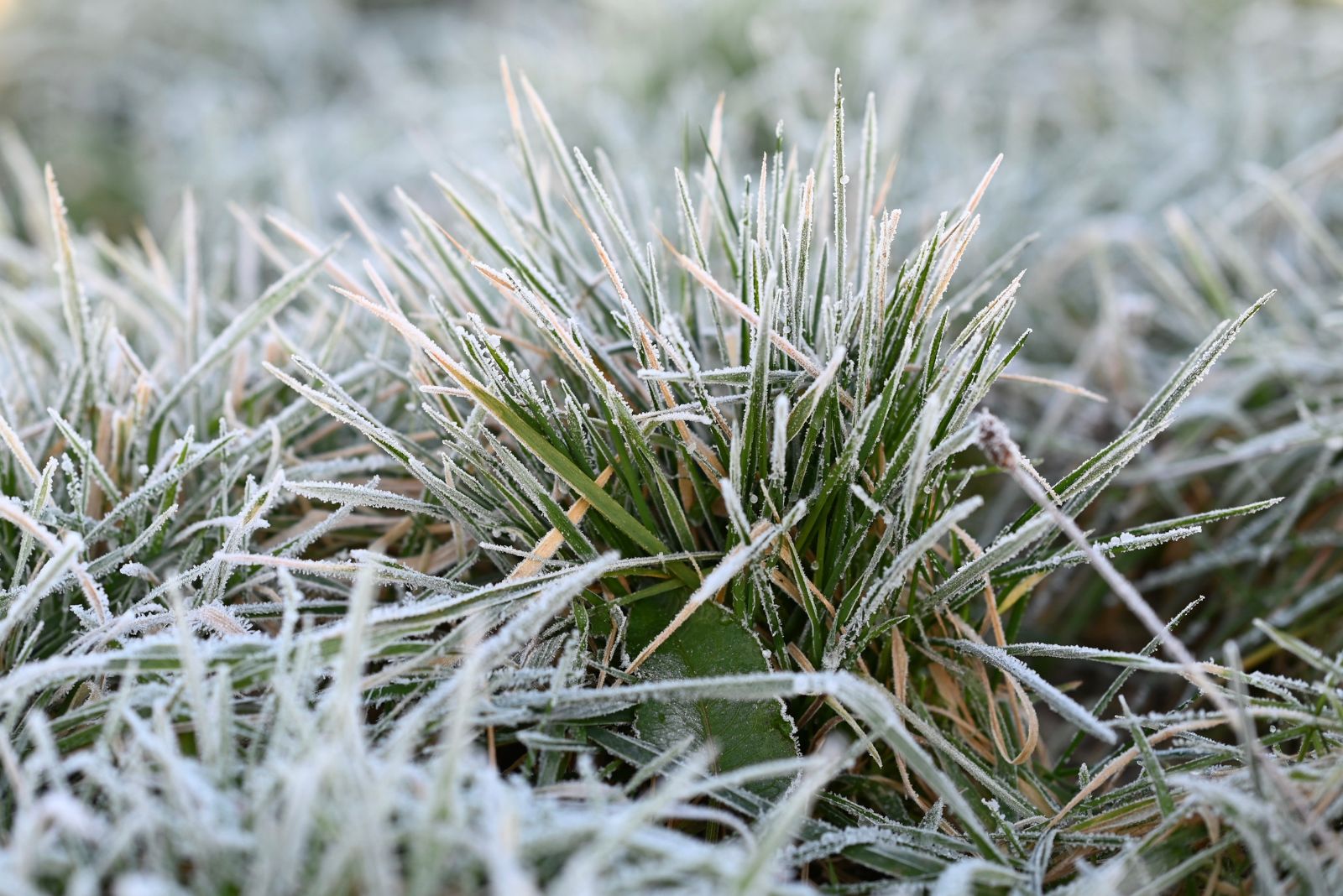
Winter in Pennsylvania can be beautiful, but it also brings challenges for your garden, especially frost heaving. This sneaky phenomenon happens when freezing and thawing cycles push plants out of the soil, leaving roots exposed and vulnerable.
Even hardy perennials can be affected, and early bulbs may struggle if their roots lose contact with the ground. The good news is that a few simple precautions can make a big difference.
Using mulch strategically, checking soil moisture, and choosing the right protective covers can help stabilize plants and prevent damage.
Frost heaving doesn’t have to ruin months of careful gardening, and taking action now helps your garden bounce back quickly when spring arrives.
By understanding what causes it and acting proactively, you can keep roots secure, plants healthy, and your Pennsylvania garden ready to flourish when warmer days return.
1. What Frost Heaving Is And Why PA Gardeners Should Care?
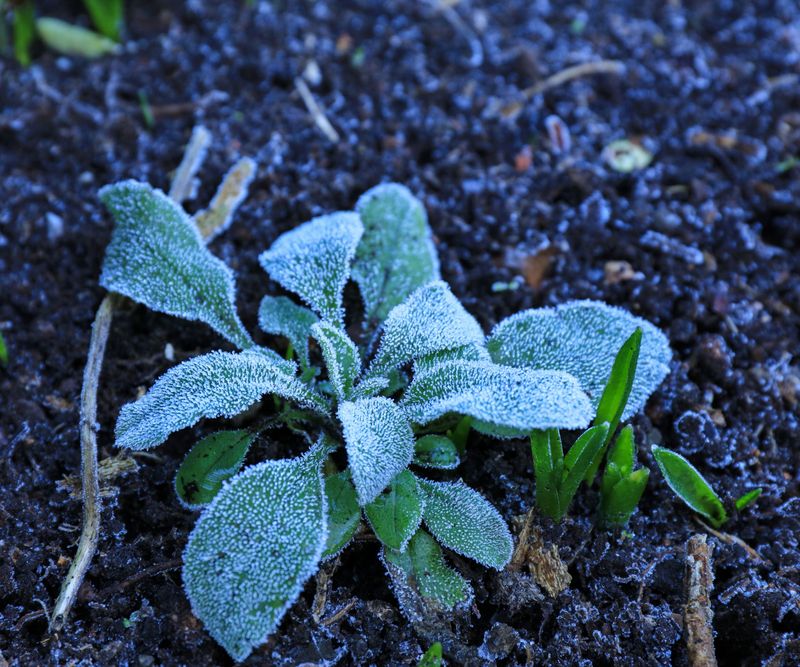
Frost heaving sounds complicated, but the concept is actually straightforward. Water in your soil freezes when temperatures drop below 32 degrees. When water turns to ice, it expands and takes up more space than before.
This expansion pushes everything upward, including soil particles and plant roots. Then warmer weather arrives and the ice melts. The soil contracts back down, but plants often stay partially lifted.
Pennsylvania gardeners face this problem more than people in many other states. Our winters feature constant temperature changes rather than steady cold.
One day might bring 15-degree weather, and three days later temperatures climb to 45 degrees.
These freeze-thaw cycles repeat throughout winter, especially during late February and March. Each cycle lifts plants a little higher. Eventually roots become exposed to freezing air.
Perennials you planted last spring are particularly vulnerable during their first winter. Their root systems have not developed enough strength to anchor firmly. Bulbs sitting near the surface also pop up easily.
Young trees and shrubs planted within the past year face similar risks. Their shallow roots cannot grip soil tightly enough to resist the upward pressure.
Pennsylvania’s clay-heavy soils in many regions make the problem worse because clay holds moisture that readily freezes.
Recognizing frost heaving helps you take action before damage occurs. Prevention beats trying to fix problems after your plants have already been pushed from the ground.
2. Which Plants Are Most Vulnerable?
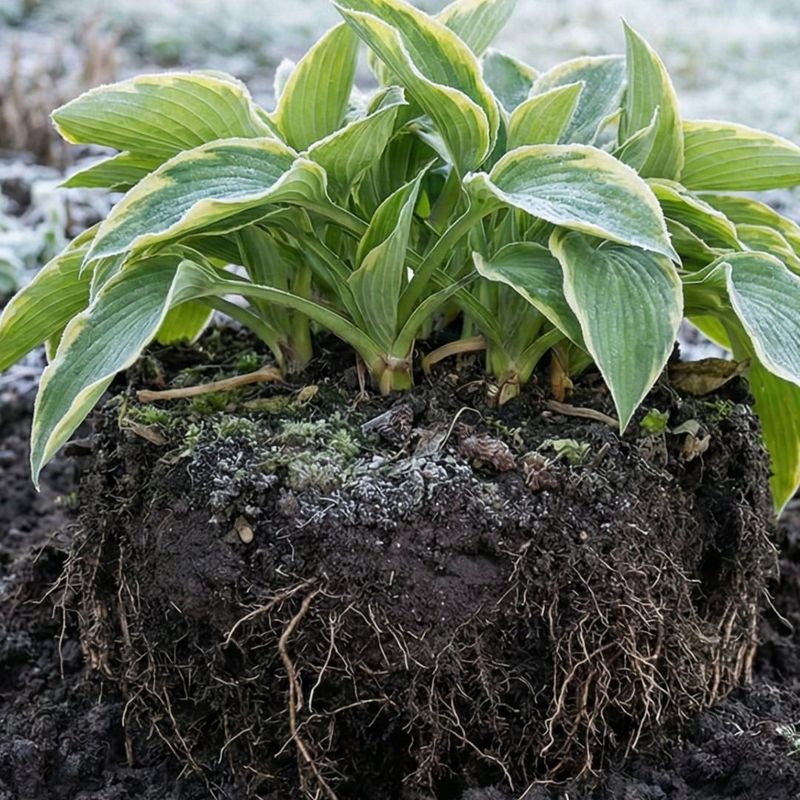
Not every plant in your Pennsylvania garden faces equal danger from frost heaving. Certain types are much more likely to get pushed up during winter. Early-blooming perennials top the list of vulnerable plants.
Hostas, daylilies, and peonies all have relatively shallow root systems that do not anchor deeply. These popular Pennsylvania garden favorites often show signs of heaving by late winter. Their crowns sit near the soil surface where freeze-thaw action hits hardest.
Bulbs represent another high-risk category. Tulips, daffodils, and crocuses get planted at specific depths in fall. Frost heaving disrupts this careful placement and pushes bulbs upward.
Once exposed, bulbs may not bloom properly in spring. Some might not bloom at all if too much root damage occurs. Small shrubs and young trees under three years old also struggle against heaving forces.
Their developing root systems lack the mass and depth needed to stay firmly planted. Newly installed landscape plants are especially at risk during their first Pennsylvania winter.
Shallow-rooted plants suffer most because frost penetrates deeper than their roots extend.
The freezing action happens below the root zone, lifting the entire plant. Deep-rooted established plants resist heaving better because their roots anchor into soil layers that stay more stable. Groundcovers like creeping phlox and sedum also experience heaving.
Their thin roots spread horizontally rather than growing deep. Pennsylvania gardeners should pay extra attention to these vulnerable plants throughout winter months.
3. How Freeze-Thaw Cycles Trigger Frost Heaving
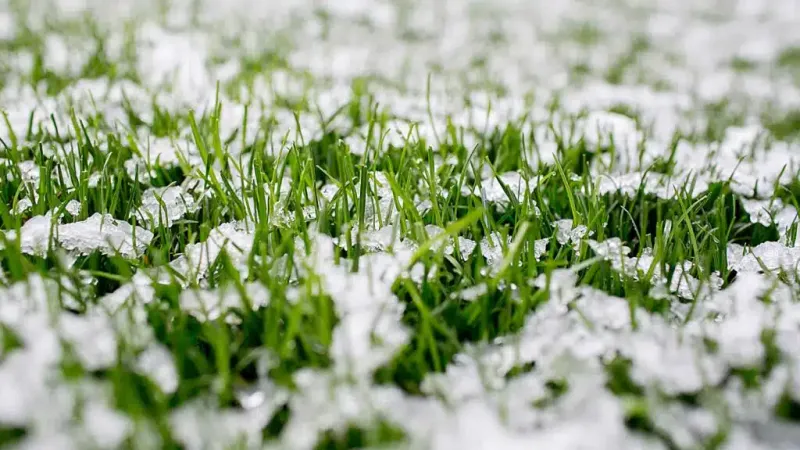
Understanding the science behind frost heaving helps you protect your Pennsylvania garden more effectively. Soil contains tiny spaces between particles called pore spaces. These spaces hold air and water.
When temperatures drop below freezing, water in these pore spaces turns to ice. Ice takes up about 9 percent more volume than liquid water. This expansion creates upward pressure that lifts everything above it.
Pennsylvania experiences what scientists call diurnal freeze-thaw cycles during winter. Temperatures drop at night and rise during sunny afternoons. Each cycle causes soil to expand and contract.
The damage accumulates over many cycles rather than happening all at once. February and March bring particularly troublesome conditions across Pennsylvania. Daytime temperatures might reach the 40s while nights still dip into the 20s.
This pattern creates ideal conditions for repeated heaving. Snow cover actually protects against frost heaving by insulating soil. A blanket of snow keeps ground temperatures more stable.
Without snow, soil experiences more dramatic temperature swings. Bare ground freezes deeper and thaws more completely with each cycle. Mulch works similarly to snow by moderating temperature changes.
A layer of organic material slows heat loss from soil at night. It also prevents rapid warming during sunny winter days. This moderation reduces the intensity of freeze-thaw cycles.
Pennsylvania gardeners who understand these soil physics can time their protective measures better. Waiting until after the first hard freeze to apply mulch works best because it traps cold in the ground and prevents subsequent cycles.
4. Preventive Mulching Techniques
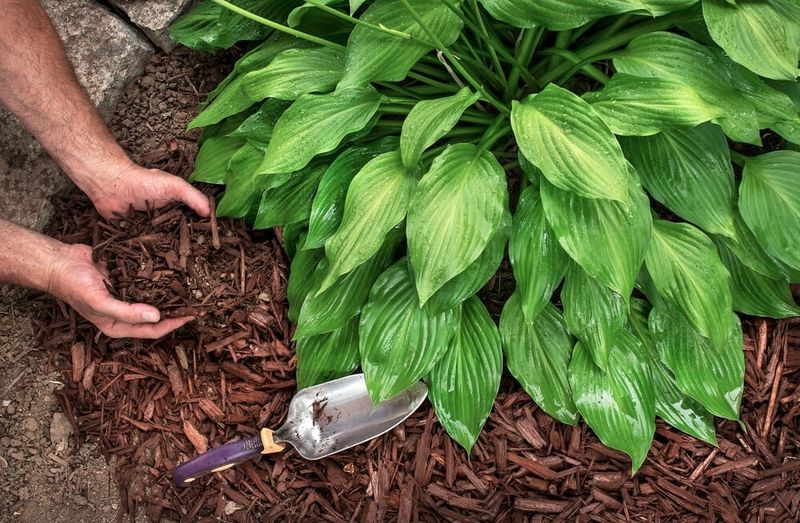
Mulching stands as your best defense against frost heaving in Pennsylvania gardens. The key is choosing the right materials and timing application correctly. Straw makes an excellent mulch choice for winter protection.
It insulates well and allows air circulation around plants. Shredded leaves work wonderfully too, especially since most Pennsylvania gardeners have plenty available in fall. Bark mulch provides another good option, particularly around shrubs and young trees.
Timing matters as much as material selection. Apply winter mulch after the ground has frozen solid following the first hard freeze. This usually happens in Pennsylvania sometime in December.
Mulching too early keeps soil warm and delays proper dormancy. Plants need to harden off before winter truly arrives. Aim for a mulch layer three to four inches deep around vulnerable plants.
This depth provides adequate insulation without smothering plant crowns. Keep mulch pulled back slightly from plant stems to prevent rot problems. The mulch works by reducing temperature fluctuations in the soil beneath it.
When outside air temperature drops sharply, mulched soil changes temperature much more gradually. Similarly, sunny winter days do not warm mulched soil as quickly. This dampening effect minimizes the expansion and contraction that causes heaving.
Pennsylvania gardeners should focus mulching efforts on areas with newly planted perennials and bulb beds.
Established plants benefit too, but young plants need protection most urgently. Come spring, gradually remove winter mulch as temperatures warm consistently.
5. Soil And Planting Strategies To Reduce Risk
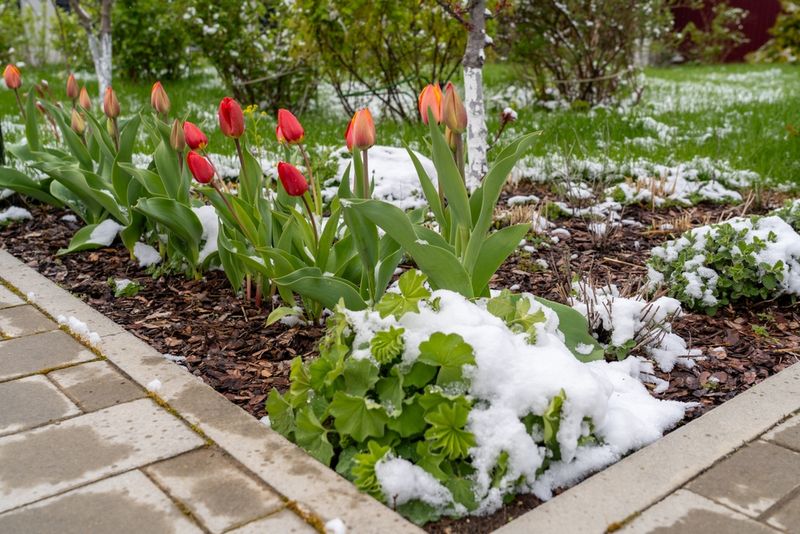
Proper planting techniques significantly reduce frost heaving problems in Pennsylvania gardens. Planting depth matters tremendously for bulbs and perennials. Bulbs need to sit at depths three times their height.
A two-inch tulip bulb should go six inches deep. This places them below the zone where most frost heaving occurs. Shallow planting makes bulbs much more vulnerable to winter movement.
Perennials should be planted so their crowns sit right at soil level, not above or below. Too-shallow planting leaves them exposed to heaving forces. Soil quality plays a major role in preventing frost heaving.
Heavy clay soil holds water that readily freezes and expands. Amending Pennsylvania clay with compost improves drainage and reduces frost penetration. Better drainage means less water available to freeze.
Work several inches of organic matter into planting beds before installing new plants. This improves soil structure for years to come. Good drainage also helps roots establish more quickly and deeply.
Stronger root systems resist heaving better than weak, shallow roots. Avoid disturbing garden soil during late winter in Pennsylvania. Walking on beds or working soil when it freezes and thaws causes additional disruption.
Compaction from foot traffic makes heaving worse. Stay off garden beds from January through March whenever possible. If you must access beds, use boards to distribute your weight.
Fall planting timing also affects heaving risk. Plant bulbs and perennials early enough for roots to develop before ground freezes. Six weeks of growing time before hard freeze helps tremendously.
6. Actions For Plants Already Pushed Up
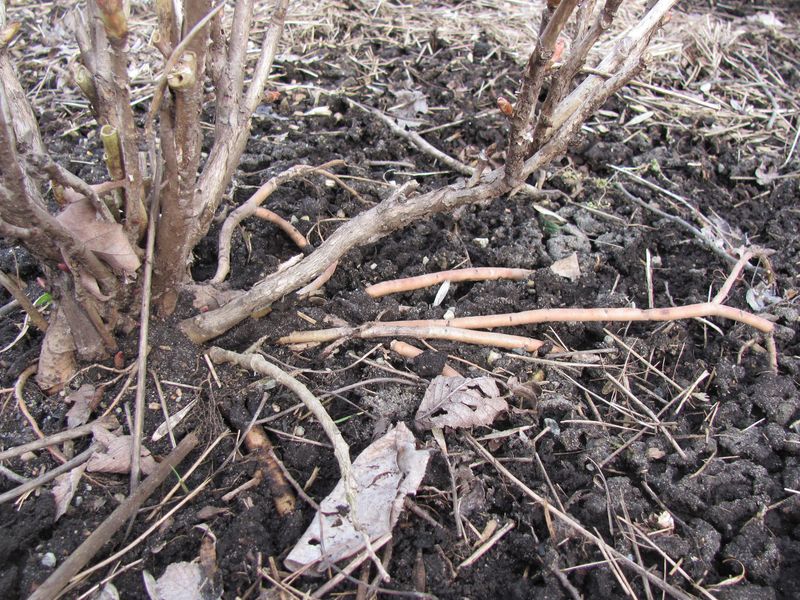
Even with precautions, some Pennsylvania plants will experience frost heaving each winter. Knowing how to respond limits damage and helps plants recover. Check your garden during mild spells in late winter.
Look for plants sitting higher than they should with exposed roots. Act quickly when you find heaved plants because exposed roots suffer damage from freezing air. Wait for a mild day when soil has thawed slightly.
Frozen soil is too hard to work with effectively. Gently press the plant back down into the soil. Use your hands to firm soil around the roots and crown.
Do not press too hard or you might damage tender roots. The goal is reestablishing good soil contact around the root system. Some Pennsylvania gardeners worry about whether pressing plants down causes harm.
Done gently during appropriate conditions, repositioning helps far more than it hurts. Leaving roots exposed causes much worse damage. After pressing plants back into place, apply mulch around them.
This stabilizes soil and protects against additional heaving. The mulch also insulates newly repositioned roots from temperature swings. Avoid watering heavily right after fixing heaved plants.
Wet soil freezes more readily and can trigger another heaving episode. Wait until spring approaches and temperatures moderate before resuming normal watering. Some plants may need repositioning multiple times during a single Pennsylvania winter.
Particularly severe winters with many freeze-thaw cycles require vigilant monitoring. Check vulnerable plants every few weeks from February through early April. Most plants recover fully when repositioned promptly and protected with mulch.
7. Additional Tips For Pennsylvania Gardeners
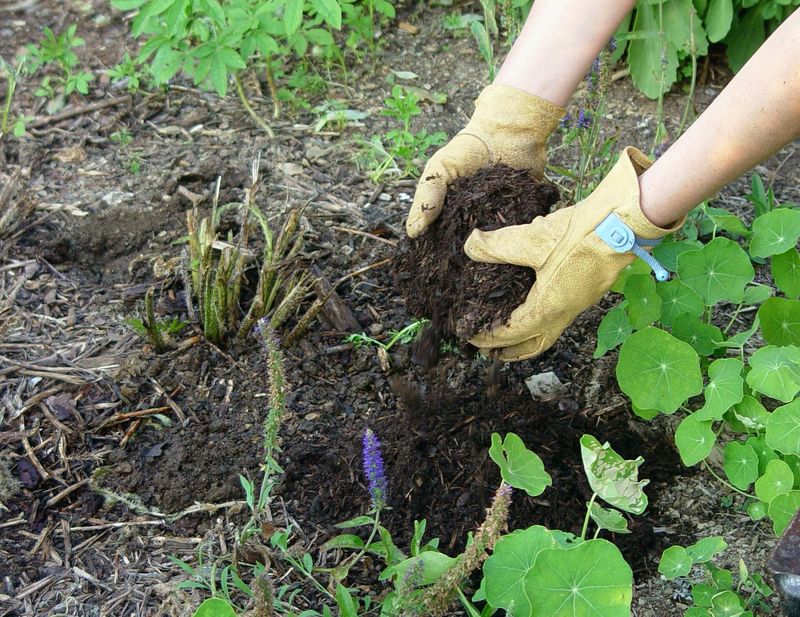
Success in preventing frost heaving damage requires attention to several additional factors beyond basic mulching and planting. Pennsylvania gardeners benefit from monitoring local weather forecasts throughout winter. Pay special attention to predicted temperature swings.
A forecast showing nighttime lows in the teens followed by daytime highs in the 40s signals conditions ripe for heaving. Check your garden after such weather patterns pass. Soil condition monitoring helps too.
Push a finger into garden soil occasionally during winter. Extremely wet soil poses higher heaving risk than moderately moist soil. If beds seem waterlogged, improve drainage before next winter arrives.
Late fall preparation makes the biggest difference in preventing winter damage. Take time in November to apply mulch properly and check planting depths. These efforts pay off throughout the cold months ahead.
Pennsylvania’s variable winter weather demands more vigilance than regions with steady cold. Your neighbors in northern states with constant snow cover face fewer heaving problems. Patience proves essential when dealing with frost heaving.
Even plants that look terrible in early spring often recover beautifully. Roots have remarkable ability to reestablish themselves once soil warms. Give plants time before assuming they will not survive.
Many perennials that seem damaged in March show vigorous growth by May. Keep records of which garden areas experience worst heaving. This information helps you target improvements for future seasons.
Perhaps certain beds need better drainage or deeper mulch layers. Learning from each winter makes you a better Pennsylvania gardener over time.