11 Protected Animals North Carolina Homeowners Are Forbidden To Remove
I still remember the first time I saw a little turtle slowly making its way across my North Carolina garden.
I bent down to move it, thinking it would be harmless, but that’s when I realized it was protected. Suddenly, my backyard mission felt a lot more complicated.
Many homeowners have no idea that some critters in their yards are off-limits, even if they’re just digging holes or nibbling leaves.
From certain turtles to protected birds and small mammals, these animals are vital to the local ecosystem, and the law takes their safety seriously.
Understanding which species you cannot remove keeps you out of trouble and helps you coexist with wildlife without losing your garden to fines or penalties. Knowing the rules could save you from one costly mistake you’ll never forget.
1. Bald Eagles
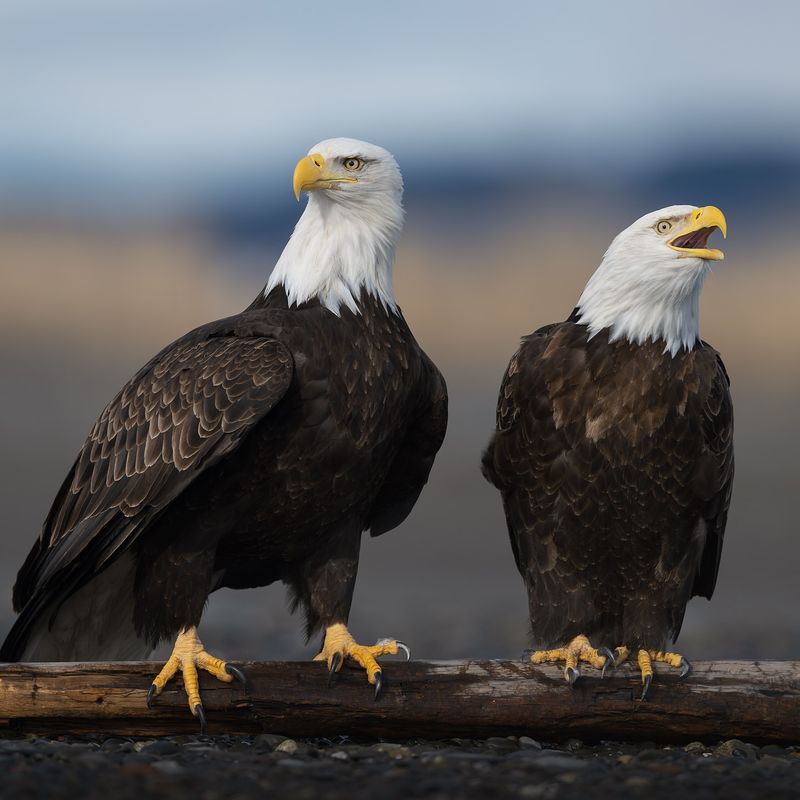
Bald eagles are among the most majestic birds in North Carolina and are strictly protected under federal law through the Bald and Golden Eagle Protection Act.
Spotting one nesting on or near your property is an unforgettable experience, often described as a once-in-a-lifetime wildlife encounter.
These national symbols have wingspans that can reach up to seven feet and can live for decades, sometimes exceeding 30 years in the wild.
They primarily feed on fish and small mammals, making rivers, lakes, and wetlands ideal habitats. If a bald eagle establishes a nest nearby, homeowners must maintain a respectful distance, avoid disturbing the nest, and contact wildlife authorities for guidance.
I remember seeing a pair along a small river in the Piedmont last spring; their presence dramatically reduced fish-eating bird activity in the surrounding area.
Protecting their habitat, refraining from human interference, and reporting nests ensure that these iconic birds can continue thriving.
Bald eagles not only symbolize the resilience of North Carolina wildlife but also provide a living connection to the state’s natural heritage, encouraging educational opportunities and conservation awareness for local communities.
2. Red-Cockaded Woodpeckers
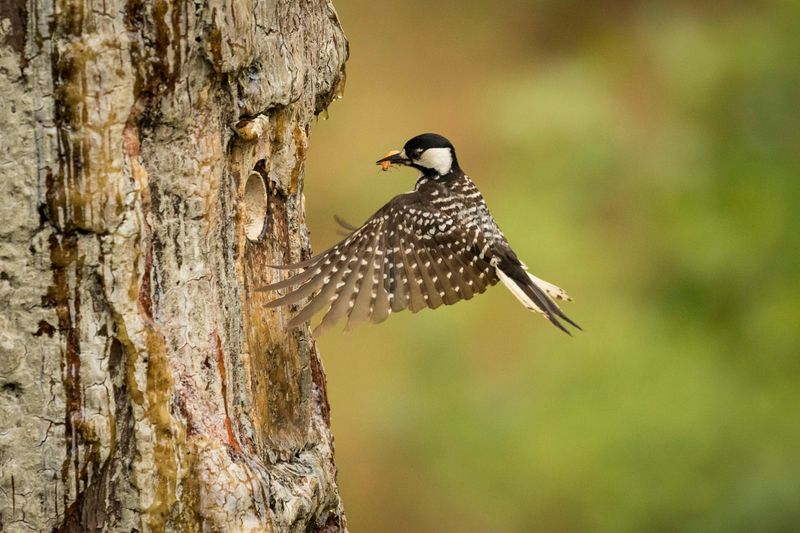
Red-cockaded woodpeckers are among North America’s rarest and most specialized birds, recognized by the tiny red streaks near their cheeks.
These small woodpeckers exclusively nest in living pine trees, particularly mature longleaf pines, which makes them highly dependent on intact, old-growth forests.
Habitat loss has caused dramatic population declines, and they are federally listed as endangered. Homeowners or land managers who encounter these birds must avoid disturbing cavity nests, as doing so can disrupt breeding and nesting success.
Conservation programs in North Carolina focus on preserving mature pine forests and installing artificial nest boxes to support population recovery. I once observed a pair excavating a cavity in a longleaf pine on a private property in the Sandhills region.
Watching them carefully manage their home reminded me how specialized their behavior is and why protecting these habitats is essential.
Red-cockaded woodpeckers also benefit local ecosystems by creating nesting cavities that other birds, squirrels, and bats later use.
Homeowners who learn to coexist with these woodpeckers contribute directly to recovery efforts while enjoying one of North Carolina’s most unique and visually striking bird species.
3. Eastern Box Turtles
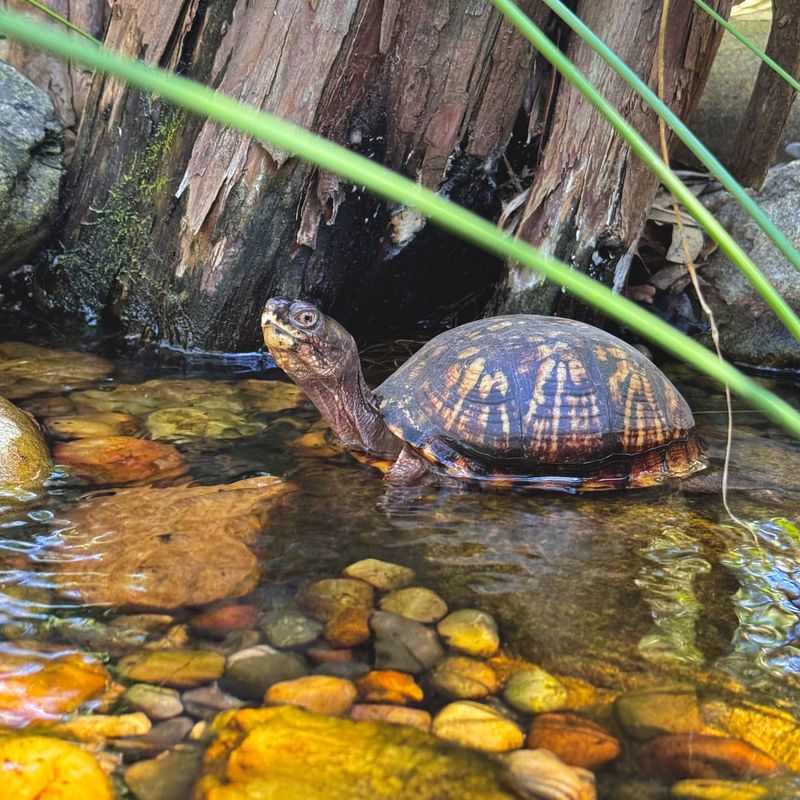
Eastern box turtles are slowly moving, dome-shelled reptiles that many North Carolinians are fortunate to spot in their yards or garden spaces.
Known as the state reptile, these turtles can live over 100 years, making them long-term residents of the forests, fields, and meadows they inhabit.
Their populations are declining due to road mortality, habitat fragmentation, and collection for the pet trade, so state regulations protect them from harm or removal.
Box turtles are also highly beneficial to gardens—they feed on slugs, insects, and other small pests, helping maintain ecological balance.
Last summer, I watched one methodically patrol my vegetable garden, carefully avoiding the tomato plants while snacking on slugs hiding in the mulch. They are excellent indicators of a healthy, chemical-free garden environment.
When you spot a box turtle, the best approach is simply to observe from a distance, allowing it to complete its natural route across your property.
These slow-moving, resilient reptiles remind us of the importance of habitat conservation and responsible gardening practices in North Carolina, blending ecological value with an enchanting glimpse into wildlife behavior.
4. Northern Flying Squirrels
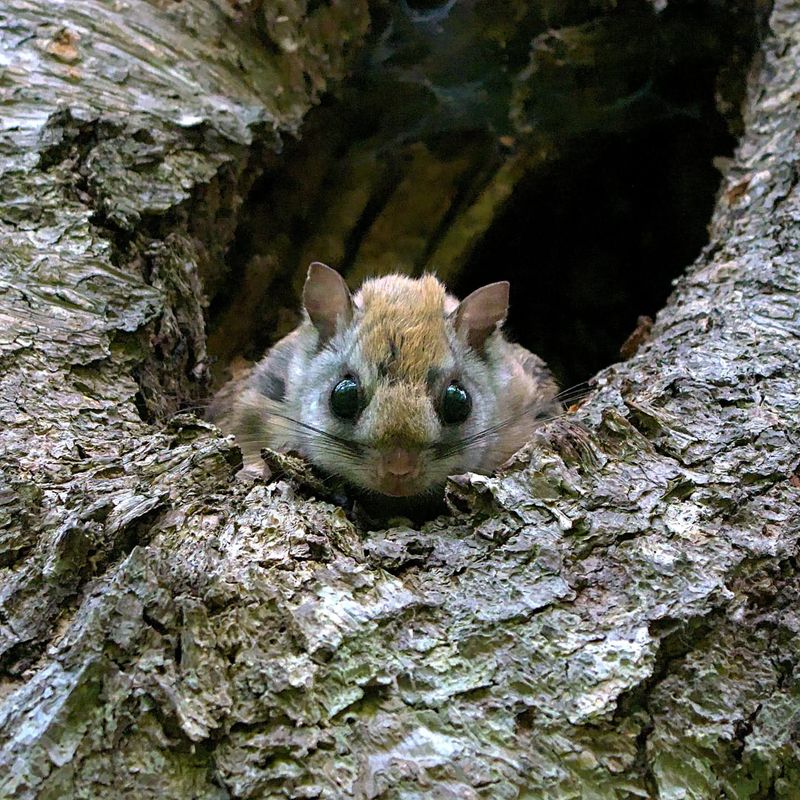
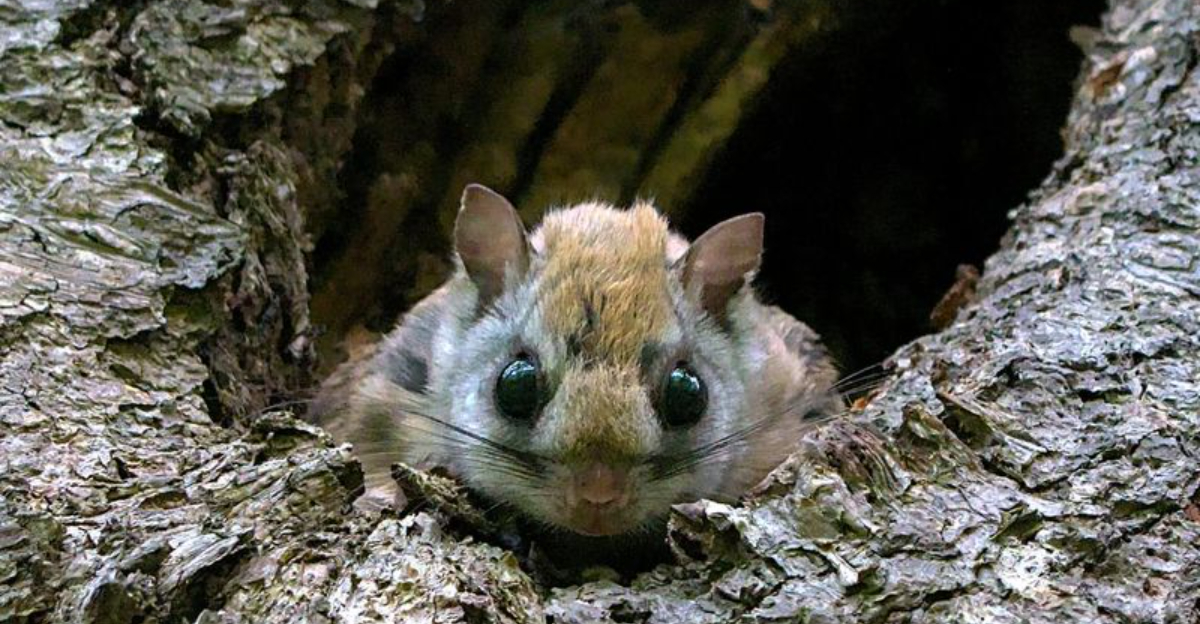
Northern flying squirrels are rare, nocturnal mammals native to North Carolina’s mountainous regions.
They glide using a furry membrane between their limbs, capable of spanning distances up to 150 feet, allowing them to navigate the spruce-fir forests they depend upon.
Unlike common gray squirrels, northern flying squirrels are highly specialized, with populations declining due to habitat loss and fragmentation. They are federally protected, and it is illegal to trap or relocate them without proper permits.
If one is spotted in an attic, shed, or nearby forested area, homeowners should contact wildlife authorities rather than attempt DIY capture.
These squirrels feed on fungi, seeds, and insects, indirectly supporting forest ecosystems by dispersing mycorrhizal spores.
I once glimpsed a gliding squirrel at dusk near a mountain cabin; its silent, smooth flight across a dark canopy was mesmerizing.
Protecting high-elevation forest habitats, observing them responsibly, and reporting sightings contribute to conservation efforts.
Understanding their nocturnal habits and ecological role allows homeowners to coexist safely with this endangered North Carolina species.
5. Loggerhead Sea Turtles
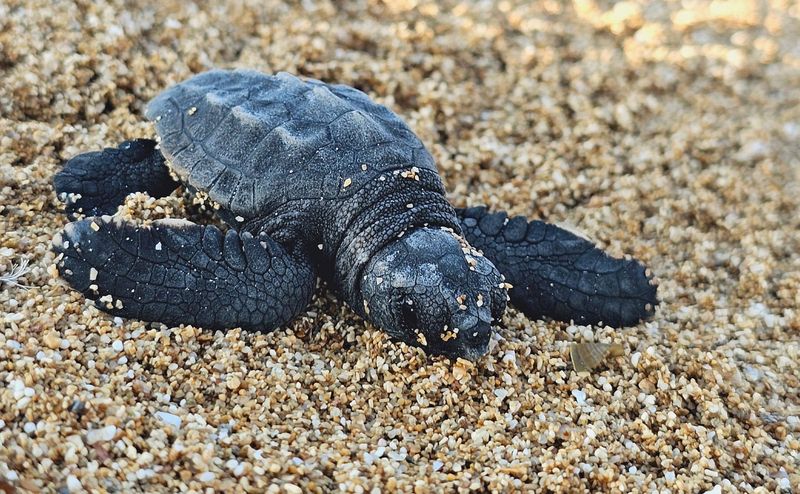
Loggerhead sea turtles are massive marine reptiles that visit North Carolina’s coastline between May and August to lay eggs, creating a rare and remarkable wildlife experience for coastal homeowners.
Weighing up to 350 pounds, these ancient creatures follow ancestral migration routes to return to the very beaches where they were born, often crossing multiple states and hundreds of miles of open ocean.
Both federal and state laws strictly protect loggerheads and their nests, with penalties for disturbing or harming them.
Homeowners along nesting beaches are required to keep lights off at night, maintain a safe distance from marked nests, and avoid beach traffic near incubating areas.
I volunteered with a coastal conservation group last summer, helping mark nest sites and track hatchlings. Observing tiny hatchlings navigate the sand to the sea highlights the fragility of their life cycle.
Volunteer programs and public awareness campaigns ensure that nesting beaches remain safe while educating the community on marine conservation.
Protecting loggerhead sea turtles supports an ancient species that has survived over 110 million years, helping maintain ecological balance along coastal ecosystems.
Their presence is a vivid reminder of the responsibility humans have in conserving fragile marine habitats.
6. Gray Bats
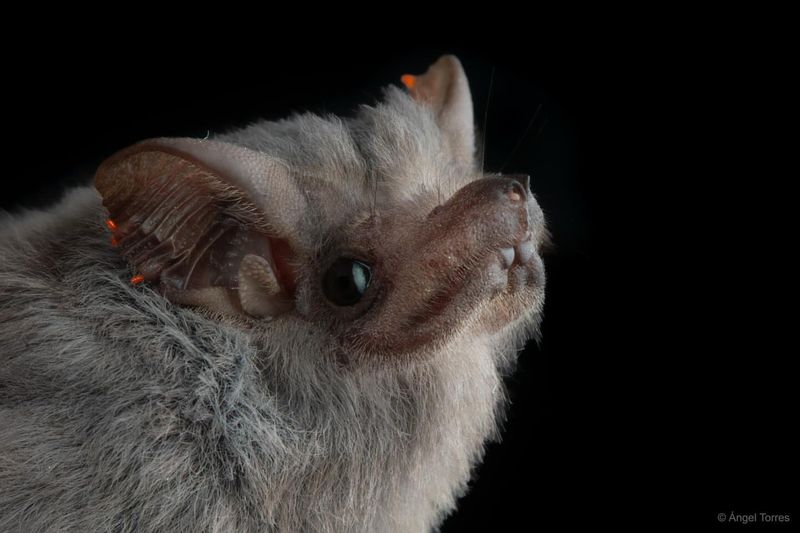
Gray bats are endangered cave-dwelling mammals that provide tremendous ecological benefits across North Carolina.
Feeding primarily on insects, a single colony can consume thousands of pest insects nightly during the summer months, controlling populations of moths, beetles, and other species that damage crops and gardens.
Gray bats roost in caves or abandoned structures such as barns and attics, and because they gather in large colonies, they are highly sensitive to disturbance. Any removal or interference is illegal under the Endangered Species Act.
I once discovered a small colony in a friend’s barn; instead of attempting removal, we contacted wildlife professionals who installed safe exclusion measures that allowed the bats to relocate naturally.
These mammals are critical for both natural pest control and ecosystem health, yet white-nose syndrome has devastated their populations, making conservation efforts essential.
Protecting gray bat habitats, avoiding human interference, and supporting monitoring initiatives all contribute to population recovery.
Homeowners benefit indirectly from their pest-control services, while also playing a part in preserving a species that represents a delicate balance between human activity and wildlife conservation.
7. American Alligators
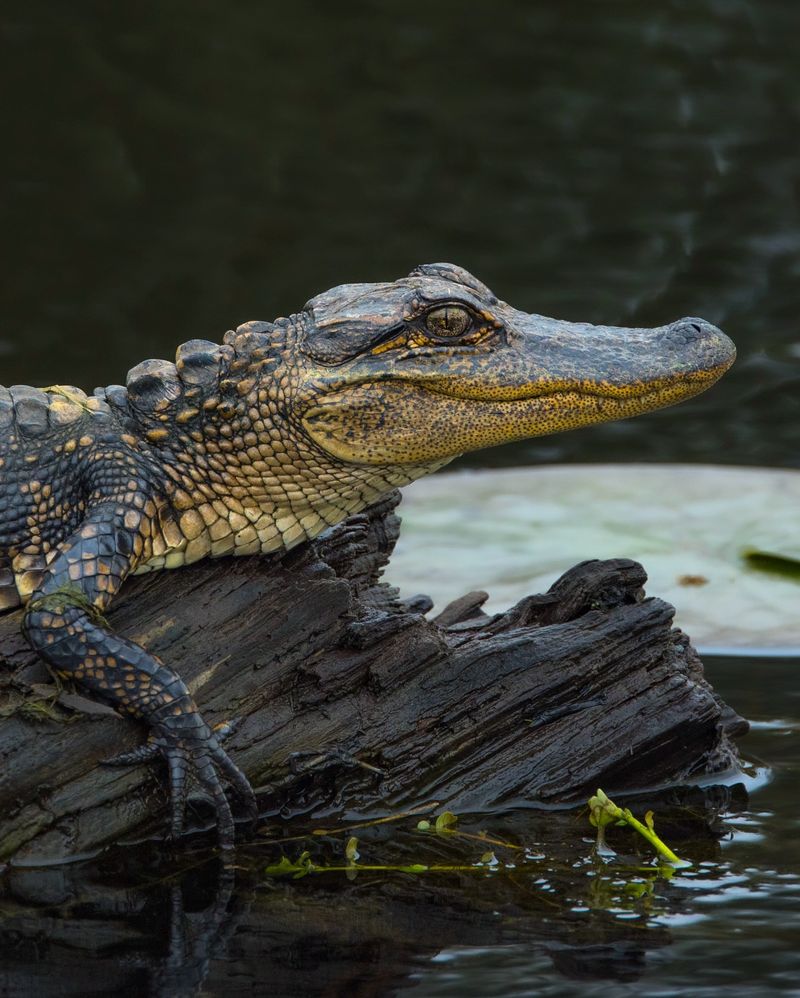
American alligators have made a remarkable comeback in eastern North Carolina after once facing near extinction.
These prehistoric reptiles can grow up to 13 feet long and are long-lived, often surviving for decades in freshwater lakes, swamps, and ponds.
Coastal homeowners or those near inland wetlands might occasionally spot these impressive creatures sunning themselves near the water’s edge.
Despite their intimidating appearance, alligators are protected under state and federal law, and any encounters requiring intervention should be handled by professional wildlife authorities.
Feeding or harassing alligators is illegal and increases the risk of dangerous interactions.
I recall a family in the Albemarle region observing a juvenile alligator near their dock; rather than approaching it, they documented its presence and contacted local wildlife experts for advice.
Proper observation distance ensures safety for both humans and the animal.
Maintaining a healthy respect for their habitat, avoiding unnecessary intrusion, and following state guidelines allows these apex predators to coexist with humans while contributing to wetland ecological balance.
Alligator sightings provide a powerful reminder of North Carolina’s successful wildlife recovery programs and the importance of preserving natural ecosystems.
8. Peregrine Falcons
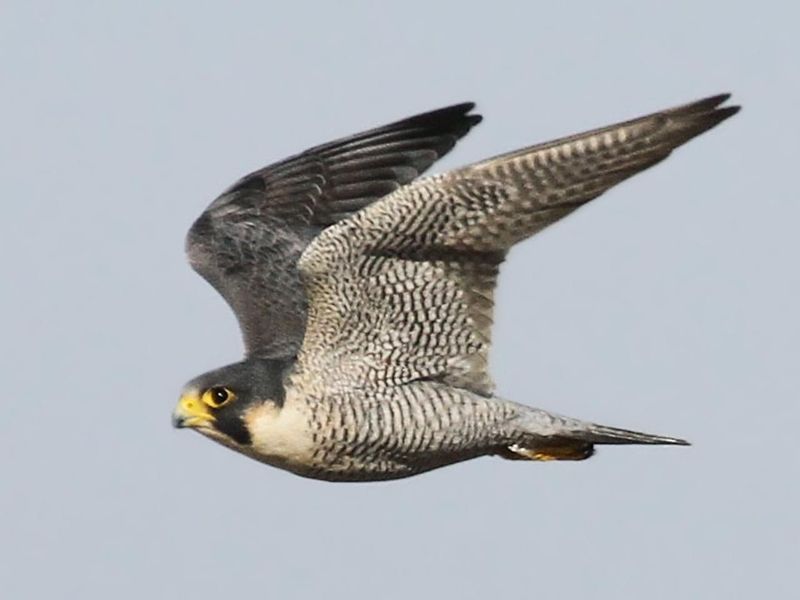
Peregrine falcons are some of the fastest animals on earth, capable of diving at speeds exceeding 200 miles per hour while hunting.
Once nearly wiped out by DDT pesticide use, these raptors have rebounded in North Carolina but remain federally protected.
They nest on high cliff faces or tall urban buildings, making urban and rural sightings equally impressive. Their diet primarily consists of medium-sized birds, helping control populations of pigeons and other city-adapted species.
I once observed a falcon diving gracefully across a downtown skyline, capturing a pigeon mid-air—a stark reminder of nature’s efficiency.
Homeowners and city dwellers must avoid disturbing nests, as doing so is a violation of both state and federal laws.
Conservation programs often monitor urban nesting sites and provide educational resources to minimize human interference.
Their presence is a positive indicator of ecosystem health, reflecting recovery efforts and biodiversity in both urban and natural environments.
Observing peregrine falcons responsibly enhances appreciation for wildlife while ensuring these magnificent predators continue to thrive safely in North Carolina.
9. Carolina Northern Flying Squirrels
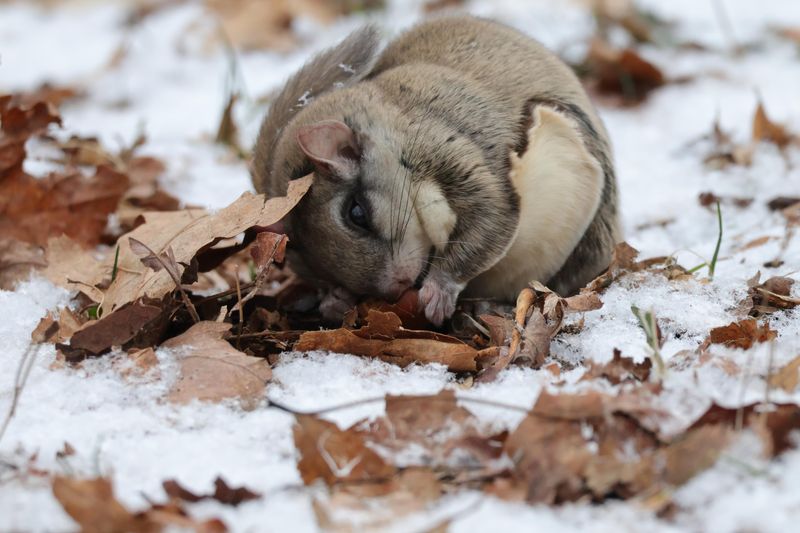
Carolina northern flying squirrels are endangered gliders exclusive to North Carolina’s highest mountain peaks, specifically above 4,500 feet elevation.
Their large eyes, flat tails, and furry gliding membranes allow them to navigate the night forests with remarkable precision, traveling up to 150 feet between trees in search of fungi and seeds.
Unlike more common southern flying squirrels, northern populations require intact spruce-fir forests, making habitat preservation essential for their survival.
Homeowners in mountain communities may occasionally notice them foraging near cabins or wooded property, but trapping or relocation without proper permits is strictly prohibited.
I recall a friend spotting one gliding silently across a misty ridge last winter; observing it without interference reinforced the importance of respecting endangered species.
Protecting high-elevation forest habitats, installing non-intrusive wildlife structures, and reporting sightings to authorities all contribute to population recovery.
Their nocturnal behavior and specific habitat needs highlight the delicate balance between human activity and wildlife conservation in North Carolina’s mountains.
Responsible observation ensures these rare mammals continue thriving while reducing the risk of disturbance or harm.
10. Eastern Spotted Skunks
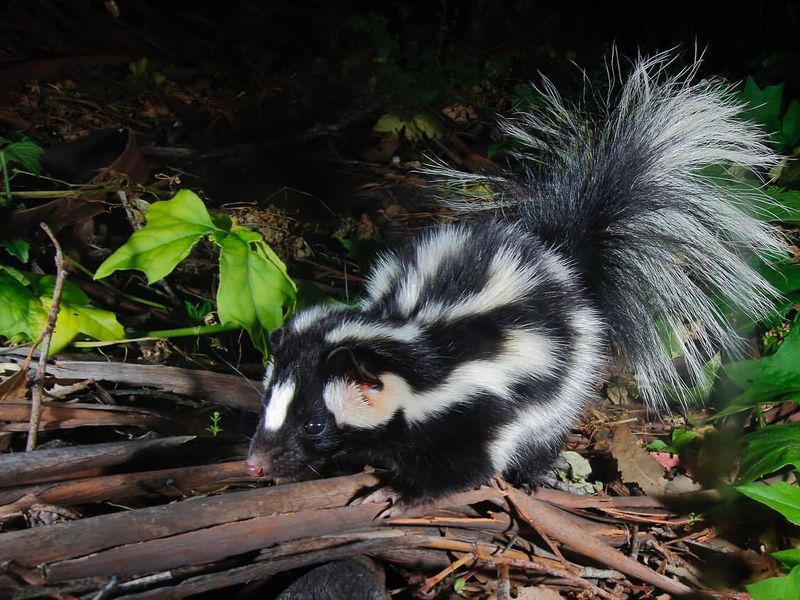
Eastern spotted skunks are rarer than their striped cousins, with striking white spots on their black fur and a unique defensive behavior, they can perform impressive handstands while spraying a pungent, protective secretion.
These small carnivores play an important role in controlling rodents and insect populations around North Carolina homes, gardens, and farms. State wildlife regulations protect them from harm or removal without proper permits.
Homeowners who discover spotted skunks under decks, sheds, or porches should contact wildlife professionals rather than attempting DIY removal.
I once observed one cautiously leaving its den beneath a garden shed; its quick retreat and alert posture illustrated the skunk’s wariness.
Maintaining a clean yard, securing trash bins, and avoiding leaving pet food outside can prevent unwanted interactions.
These skunks are most active at night, and their secretive behavior makes them challenging to spot.
Protecting their habitat and understanding their ecological role allows homeowners to benefit from natural pest control while ensuring the species continues to thrive safely in North Carolina’s mixed landscapes.
11. Wood Turtles
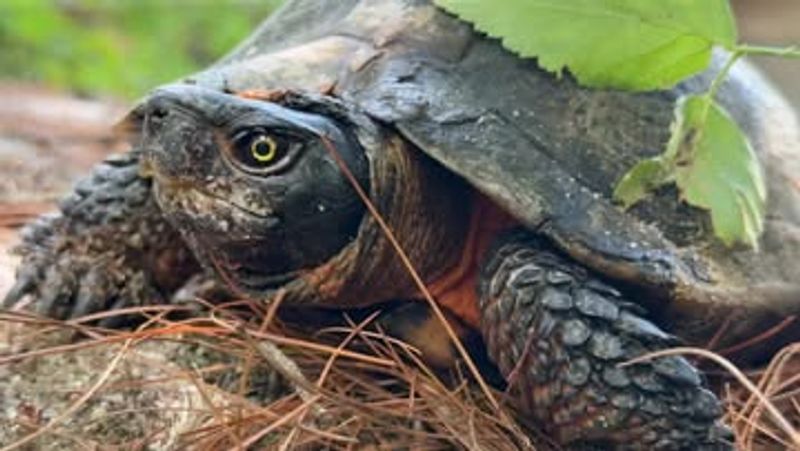
Wood turtles are among North America’s most intelligent reptiles, with vibrant orange-red markings on their legs and necks.
Studies show they can solve simple mazes and remember solutions for months, a remarkable cognitive ability for a turtle.
Semi-aquatic in nature, they inhabit streams, rivers, and forested wetlands, including western North Carolina’s mountains.
Populations have been declining due to habitat destruction, water pollution, and human disturbance. Homeowners near clean streams may encounter them during summer months.
State law prohibits collection or relocation without proper permits, emphasizing their conservation importance.
I once watched a wood turtle navigate a stream bank in the mountains; its careful movements and alert posture highlighted its survival instincts.
Protecting their aquatic and terrestrial habitats ensures that these turtles can continue their ecological roles, including controlling insect populations and contributing to soil health.
Responsible observation and conservation awareness support wood turtle populations and preserve biodiversity across North Carolina’s mountain ecosystems.