10 Protected Animals Washington Law Says Homeowners Cannot Remove
Washington backyards buzz with life, from winged visitors to quiet forest neighbors.
Some animals cross property lines and test patience, yet state law draws a hard line.
Certain species carry legal shield, and removal brings trouble fast.
Fines loom, permits matter, and good intent offers no free pass.
One wrong step can open a can of worms.
Homeowners face a tightrope walk between safety and compliance.
Knowledge keeps peace and wallets intact.
This topic matters when nests appear near eaves, dens show up under decks, or feathers scatter across lawns.
Respect for wildlife keeps ecosystems steady and households out of hot water.
Rules protect creatures that hold ecological value and cultural weight across the state.
Before action, pause and read the fine print.
Awareness turns conflict into calm and prevents costly missteps.
A clear view of protected animals sets expectations straight, saves stress, and helps neighbors coexist.
1. Bald Eagles
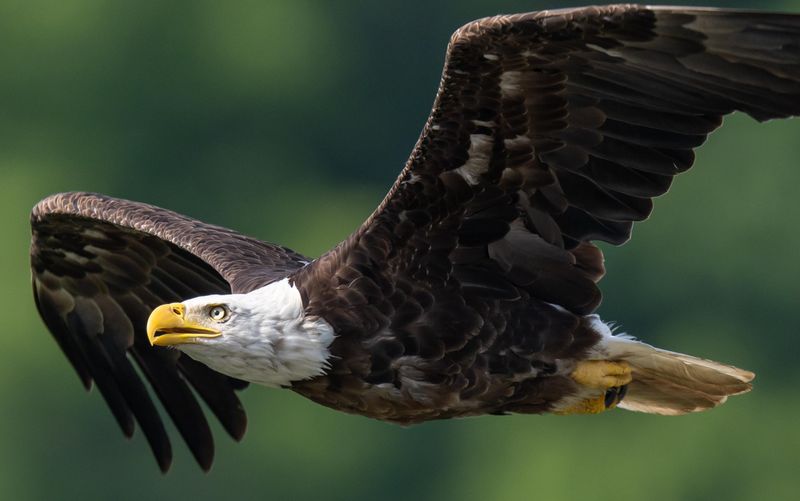
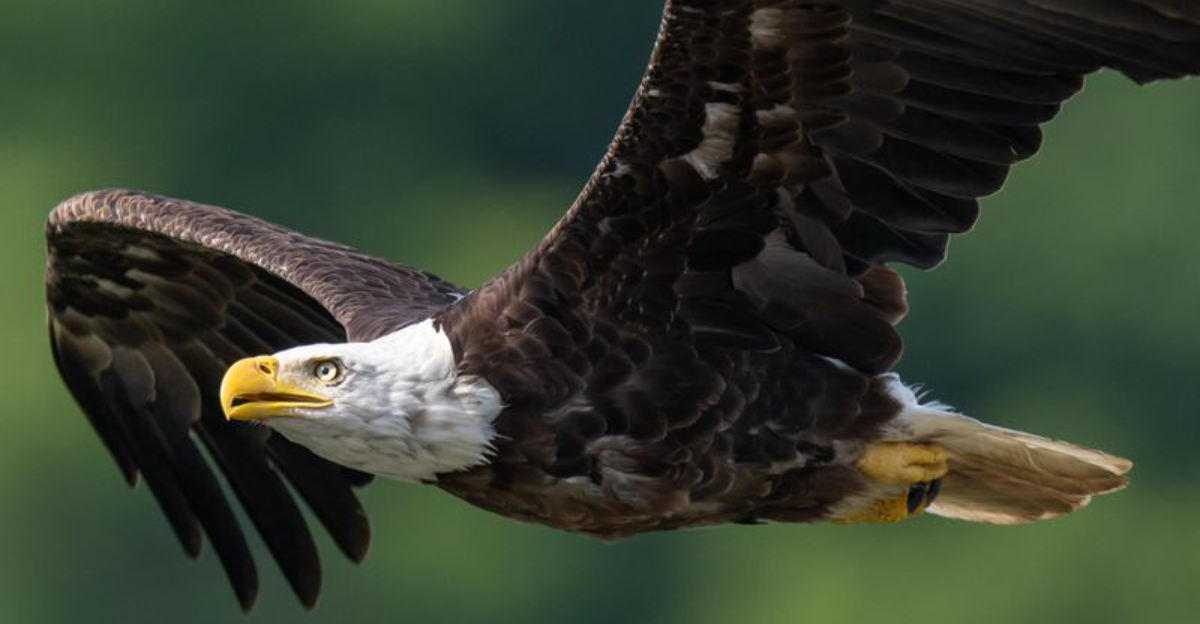
America’s national bird enjoys federal and state protection, making it illegal for homeowners to disturb these magnificent raptors.
Bald eagles often nest near water sources where they hunt for fish.
Their massive nests can weigh hundreds of pounds and return year after year to the same spot.
If you spot one on your property, consider yourself fortunate rather than inconvenienced.
Washington law prohibits anyone from harming, harassing, or removing bald eagles or their nests.
The penalty for violating these protections can reach $100,000 in fines and even jail time.
Property owners must maintain a buffer zone around active nests during breeding season.
Contact the Washington Department of Fish and Wildlife if eagles cause genuine safety concerns.
They can provide guidance on coexisting peacefully with these powerful birds.
Eagles typically avoid close human contact anyway, preferring tall trees with clear views.
Their presence actually increases property value for many nature enthusiasts.
Watching these birds soar overhead offers a daily reminder of wilderness beauty right in your backyard.
2. Bats
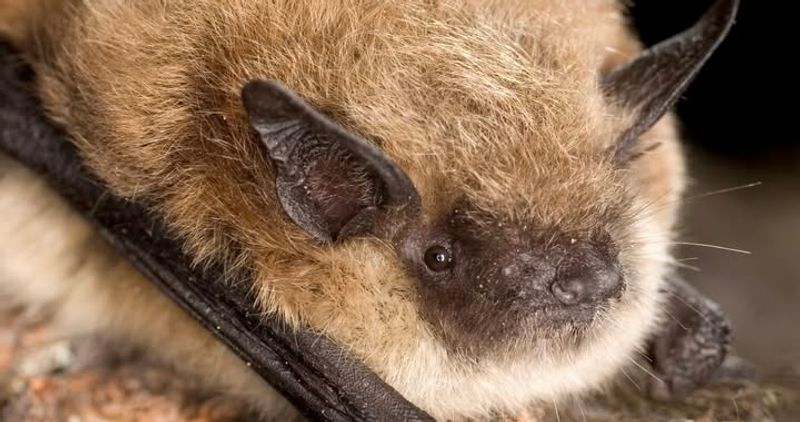
Several bat species call Washington home, and state regulations protect them from removal during specific times of the year.
Bats eat thousands of mosquitoes and other insects nightly, providing natural pest control.
Homeowners often panic when discovering bat colonies in attics or under eaves.
However, Washington law forbids disturbing maternity colonies during pupping season, typically May through August.
Baby bats cannot fly yet and would perish if separated from their mothers.
Outside breeding season, you must use humane exclusion methods rather than trapping or harming bats.
Professional wildlife services understand proper timing and techniques for bat management.
These flying mammals face serious threats from habitat loss and disease.
White-nose syndrome has devastated bat populations across North America.
Protecting roosting sites helps ensure their survival.
Bats rarely carry rabies despite common myths, though you should never handle them directly.
Installing bat houses nearby can encourage them to relocate naturally while still benefiting your property with insect control.
3. Great Blue Herons
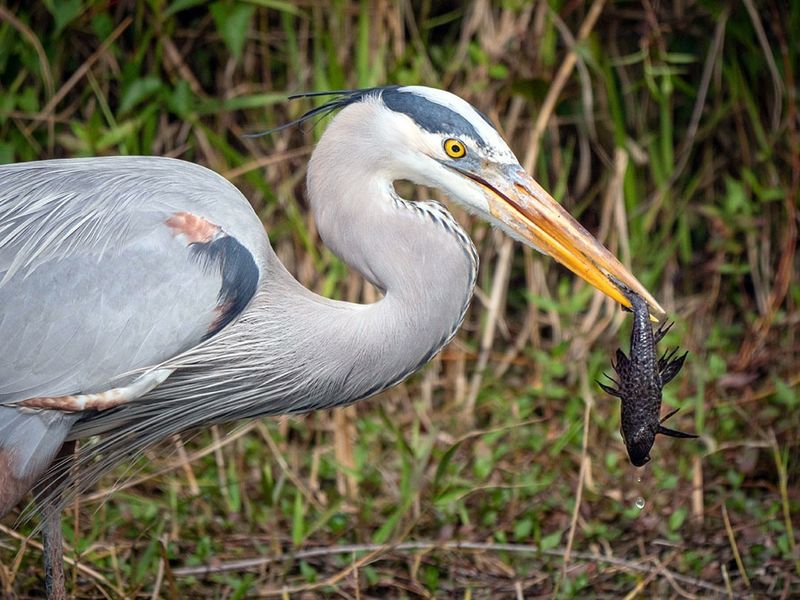
With their striking blue-gray plumage and impressive height, great blue herons often visit properties near water.
These wading birds are protected under state and federal migratory bird treaties.
Homeowners with backyard ponds sometimes worry about herons eating ornamental fish.
Despite this concern, removing or harming these birds remains illegal.
Great blue herons play vital roles in wetland ecosystems by controlling fish and amphibian populations.
They stand motionless for extended periods before striking at prey with lightning speed.
Their nesting colonies, called rookeries, receive special protection during breeding months.
Disturbing a rookery can result in significant fines and legal consequences.
Property owners can install netting over ponds to discourage heron visits without harming the birds.
Creating deeper areas in ponds also helps fish escape predation.
Most herons move on naturally once they realize a location offers limited food.
Observing these elegant birds fish can actually become an enjoyable part of waterfront living once you accept their presence.
4. Black Bears
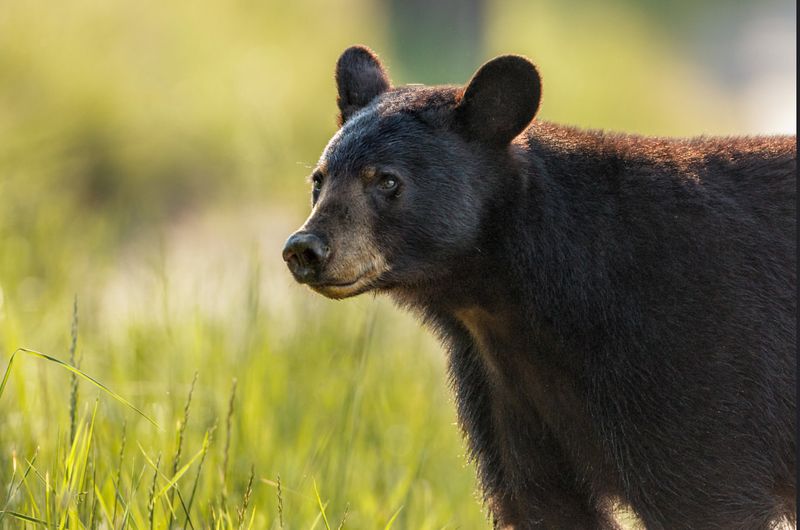
Black bears roam throughout Washington, occasionally wandering into residential areas searching for food.
State law classifies them as protected wildlife that homeowners cannot simply remove or relocate.
Bears possess incredible strength and intelligence, easily opening unsecured garbage bins and doors.
Most human-bear conflicts stem from attractants like trash, pet food, or bird feeders.
Washington regulations require homeowners to secure such items rather than harm visiting bears.
Only licensed wildlife agents can trap and relocate problem bears under specific circumstances.
Self-defense situations represent the sole exception where harming a bear might be legally justified.
Even then, you must immediately report the incident to authorities.
Prevention works better than confrontation when living in bear country.
Electric fencing protects chicken coops, beehives, and gardens effectively.
Bear-resistant containers keep garbage secure until collection day.
Most bears naturally avoid humans and move through areas quickly when no food rewards their visit.
5. Barn Owls
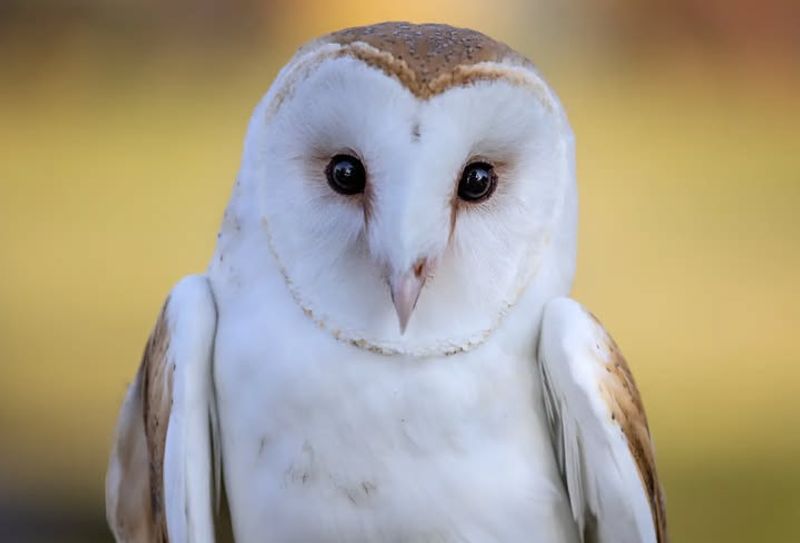
Heart-shaped faces and ghostly white coloring make barn owls unforgettable residents of rural properties.
These nocturnal hunters consume enormous quantities of rodents, benefiting farmers and homeowners alike.
Washington protects barn owls under state wildlife regulations and federal migratory bird laws.
Property owners cannot remove active nests or harm these beneficial birds.
Barn owls prefer nesting in dark, quiet spaces like barns, silos, and old buildings.
Their presence indicates a healthy rodent population nearby that needs natural control.
A single barn owl family can consume thousands of mice and rats annually.
This free pest management service saves money on extermination and protects stored grain.
Their silent flight and excellent hearing make them supremely adapted hunters.
Installing nest boxes encourages barn owls to take up residence and patrol your property.
Some droppings and pellets accumulate beneath roosting sites but pose minimal health risks.
The benefits of having barn owls far outweigh minor inconveniences for most rural homeowners.
6. River Otters
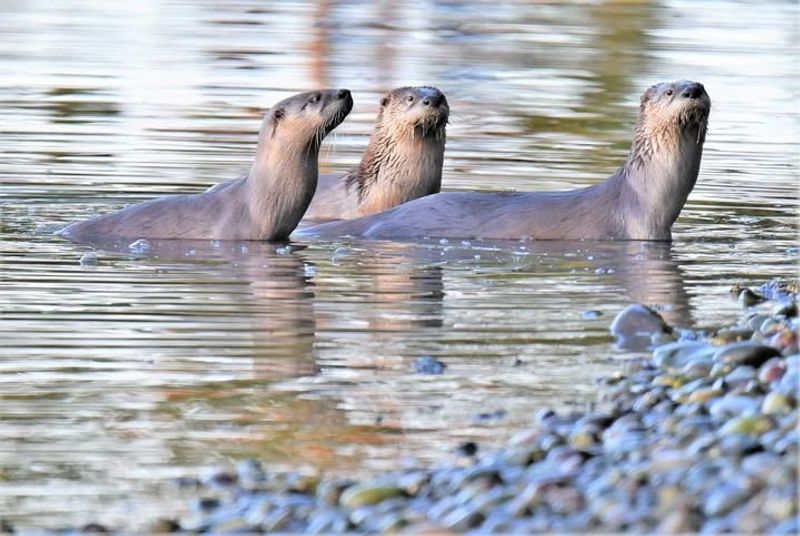
Watching river otters play in nearby waterways brings joy to many Washington residents.
Their playful antics and sleek swimming abilities make them fascinating neighbors.
State law protects river otters as furbearers with specific regulations governing their management.
Homeowners cannot trap, harm, or relocate otters without proper permits and authorization.
Otters sometimes raid fish ponds or interfere with shoreline structures.
Despite these occasional conflicts, their protected status remains firm.
River otters indicate healthy aquatic ecosystems since they require clean water and abundant fish.
Their presence suggests your property connects to quality wildlife habitat.
Family groups slide down muddy banks and chase each other through shallow water.
Young otters learn hunting and swimming skills through constant play.
Installing barriers around valuable fish ponds prevents otter access without harming them.
Most otters pass through areas rather than establishing permanent residence unless food sources prove exceptional.
7. Trumpeter Swans
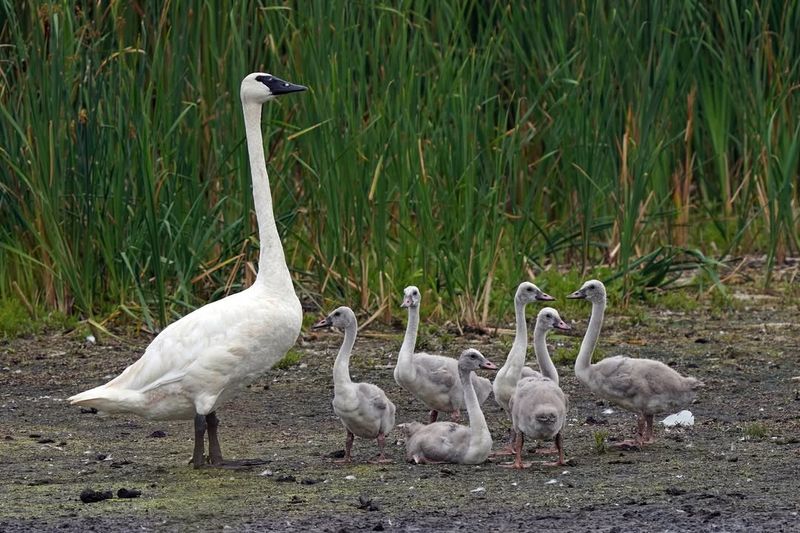
North America’s largest waterfowl, trumpeter swans recovered from near extinction thanks to conservation efforts.
Washington provides critical habitat for these magnificent white birds.
Strict state and federal protections prevent homeowners from disturbing or removing them.
Trumpeter swans mate for life and return to the same nesting territories annually.
Their wingspan can exceed eight feet, creating impressive sights during takeoff and landing.
Pairs become territorial during nesting season, sometimes acting aggressively toward people or pets approaching too closely.
Maintaining respectful distance solves most conflict situations without legal intervention.
These swans graze on aquatic vegetation and rarely cause significant property damage.
Their resonant calls carry across water, announcing their presence to neighboring wildlife.
Trumpeter swans face ongoing threats from lead poisoning, habitat loss, and collisions with power lines.
Every protected nesting site contributes to species recovery.
Property owners hosting swans participate in an important conservation success story.
8. Coyotes
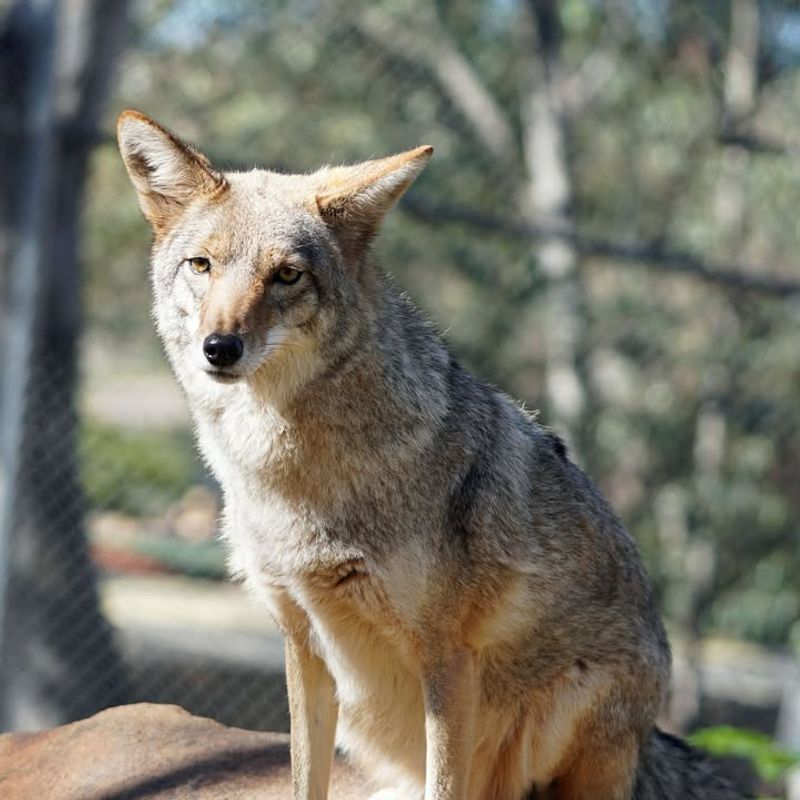
Adaptable and intelligent, coyotes thrive throughout Washington in both rural and urban environments.
State regulations classify them as protected wildlife requiring specific management approaches.
Homeowners cannot freely trap or harm coyotes without following strict legal procedures.
Coyotes control rodent and rabbit populations while scavenging carrion that might otherwise attract flies and disease.
Their nighttime howls unnerve some residents unfamiliar with wildlife sounds.
Most coyotes avoid direct human contact and pose minimal threat to people.
Small pets left outdoors overnight face greater risk from coyote predation.
Bringing pets inside during dawn and dusk hours when coyotes actively hunt prevents most problems.
Removing attractants like pet food, fallen fruit, and accessible garbage reduces coyote visits.
Hazing techniques teach coyotes to fear humans without causing injury.
Making loud noises and appearing large usually sends coyotes running.
Only documented livestock predation or immediate safety threats justify lethal removal by authorized personnel.
9. Peregrine Falcons
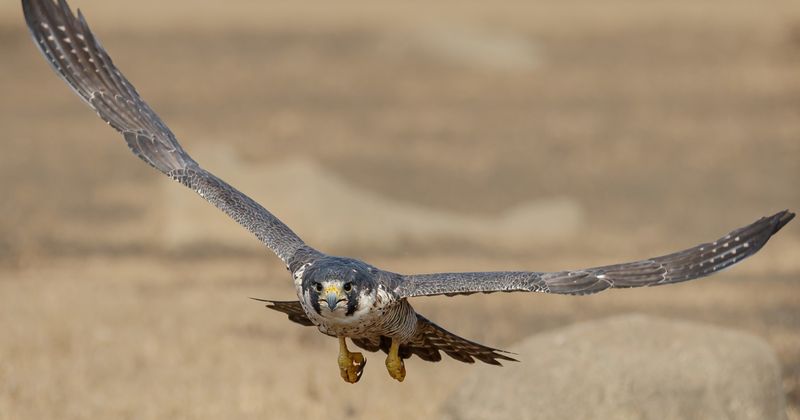
Speed demons of the bird world, peregrine falcons dive at over 200 miles per hour when hunting.
These raptors adapted remarkably well to urban environments, nesting on tall buildings and bridges.
Federal and state protections prohibit homeowners from disturbing nesting peregrines.
Building owners hosting falcon nests must coordinate with wildlife officials before any maintenance affecting nest sites.
Peregrines recovered from pesticide-related population crashes through dedicated conservation work.
Their presence in cities helps control pigeon populations naturally.
Watching peregrines hunt provides thrilling entertainment for office workers and residents alike.
Nesting pairs return to successful sites year after year, raising chicks visible through binoculars or spotting scopes.
Baby falcons practice flying and hunting throughout summer months.
Their awkward early flight attempts sometimes result in temporary groundings.
Finding a grounded juvenile falcon requires calling wildlife authorities rather than attempting rescue yourself.
Parents usually watch over fledglings and continue feeding them during this vulnerable learning period.
10. Raccoons
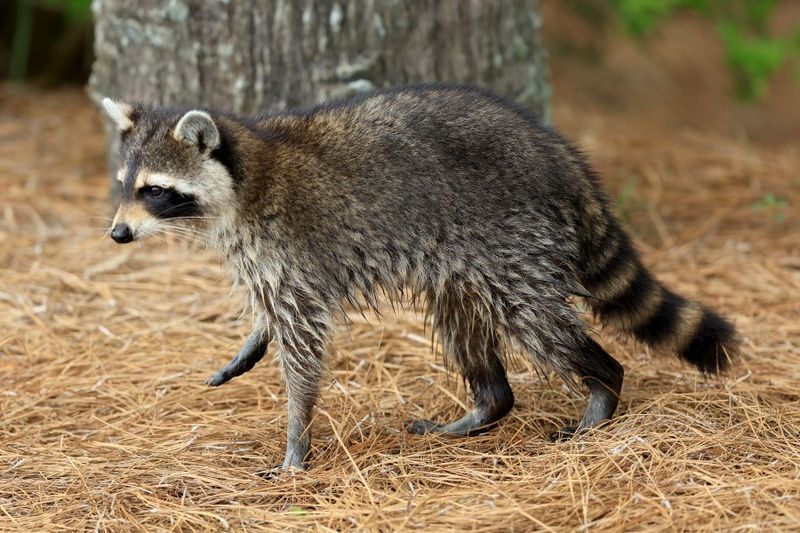
Clever masked bandits, raccoons excel at opening latches, unzipping tents, and solving puzzles.
Washington law regulates raccoon removal, requiring homeowners to follow humane trapping guidelines.
You cannot simply trap and relocate raccoons without proper permits in many situations.
Raccoons carry diseases including rabies and roundworm, making professional handling advisable.
These intelligent animals thrive near human habitation, finding shelter in attics, chimneys, and crawl spaces.
Mother raccoons seek safe den sites for raising babies each spring.
Separating mothers from dependent young violates humane treatment standards.
Exclusion methods work best after babies reach independence, typically by late summer.
Raccoons remember food sources and return repeatedly once they discover reliable meals.
Securing garbage, eliminating pet food access, and blocking entry points prevents most raccoon problems.
Their nocturnal activities mean most homeowners never see the raccoons using their property.
Coexisting peacefully becomes easier once you raccoon-proof vulnerable areas and remove tempting food sources.