Protected Creatures Arizona Law Says Homeowners Are Not Allowed To Remove
Arizona’s deserts, mountains, and suburbs are full of wildlife, and most native animals in the state are legally protected—even when they appear in residential yards or homes.
Many homeowners are surprised to learn that removing, relocating, harming, or disturbing certain animals without permission can result in fines or legal trouble.
Protected species include some animals people commonly see, as well as others that are rare but highly regulated.
These laws exist to protect fragile ecosystems, preserve biodiversity, and prevent unnecessary harm to wildlife.
Even when an animal seems inconvenient or intimidating, Arizona law often requires homeowners to leave it alone and contact wildlife professionals instead.
Understanding which creatures are protected—and what homeowners are legally allowed to do—helps prevent costly mistakes.
Knowing the rules also encourages safer, more responsible coexistence with the wildlife that makes Arizona unique.
Desert Tortoise
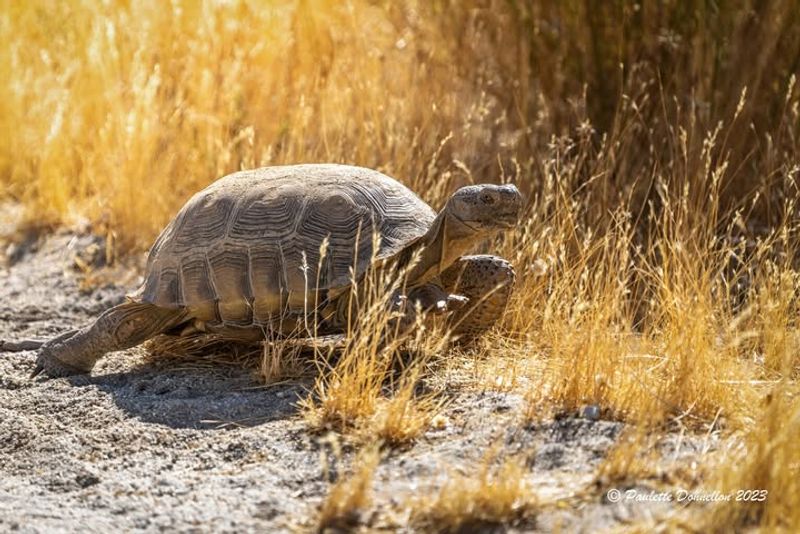
Arizona’s desert tortoise enjoys complete legal protection under both state and federal wildlife laws.
These slow-moving reptiles with their distinctive domed shells can live over fifty years in the wild.
Homeowners who find one wandering through their yard cannot legally move it, even a few feet.
The species faces serious threats from habitat loss and vehicle strikes, making every individual important for population survival.
Federal law treats harming or relocating a desert tortoise as seriously as disturbing an eagle.
If you spot one on your property, simply leave it alone and let it continue on its way naturally.
Contact Arizona Game and Fish Department if the tortoise appears injured or is in immediate danger from pets or traffic.
Never attempt to keep one as a pet or move it to what seems like a better location.
These reptiles have strong homing instincts and removing them from their territory causes extreme stress.
Building fences that allow tortoise passage helps prevent accidental trapping.
Creating shaded areas with native plants actually benefits these protected creatures while beautifying your landscape.
Respecting their presence means you’re helping preserve an iconic symbol of Arizona’s desert ecosystem.
Gila Monster
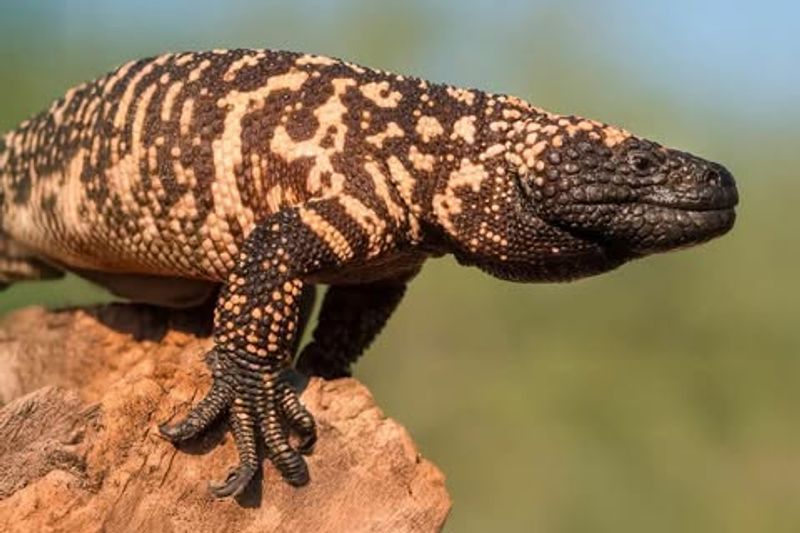
Gila monsters hold the distinction of being North America’s only native venomous lizard and receive strict legal protection in Arizona.
Their striking orange and black beaded skin makes them instantly recognizable.
Even though they rarely bite humans and move quite slowly, many homeowners panic when spotting one near their house.
Arizona law makes it completely illegal to harm, capture, or relocate these reptiles, even when they appear on private property.
Violations can result in hefty fines and potential criminal charges.
These creatures spend most of their time underground in burrows, emerging mainly during spring months.
They pose minimal threat to humans who simply give them space and respect.
If you encounter a Gila monster in your yard, keep pets and children away but do not attempt removal yourself.
The animal will typically move along within a few hours once it feels safe.
Never try to capture one for photos or relocation, as handling them is both dangerous and illegal.
Contact wildlife authorities only if the animal appears injured or remains in a high-traffic area for extended periods.
Learning to coexist with these ancient reptiles means accepting that Arizona’s unique wildlife sometimes visits residential areas.
All Native Birds
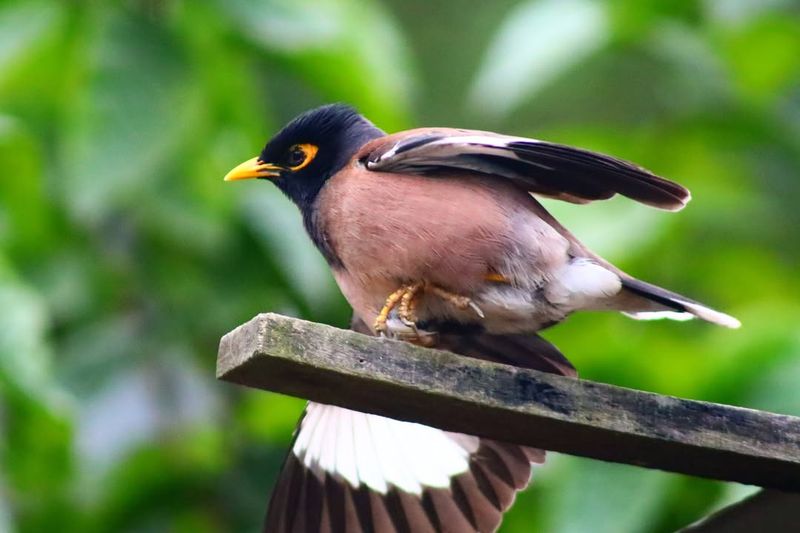
The Migratory Bird Treaty Act provides federal protection for nearly every native bird species found in Arizona yards and gardens.
This sweeping law means homeowners cannot disturb nesting birds, remove active nests, or harm songbirds even when they become noisy neighbors.
State regulations reinforce these federal protections with additional penalties.
Cardinals, finches, wrens, and dozens of other species commonly build nests in yard trees, shrubs, and even porch decorations.
Once eggs appear or nesting begins, that location becomes legally protected until babies leave.
Removing an active nest, even from an inconvenient spot like your front door wreath, violates federal law.
Homeowners must wait until the nesting cycle completes naturally before clearing the area.
Planning yard work around nesting season, which typically runs from March through August, helps avoid legal complications.
Checking trees and shrubs carefully before trimming prevents accidental nest destruction.
Installing bird-friendly features like native plants and water sources actually increases property value while supporting protected species.
These feathered residents provide natural pest control by consuming thousands of insects throughout summer months.
Appreciating their songs and accepting temporary inconveniences during nesting season keeps you compliant with wildlife protection laws.
Hawks And Eagles
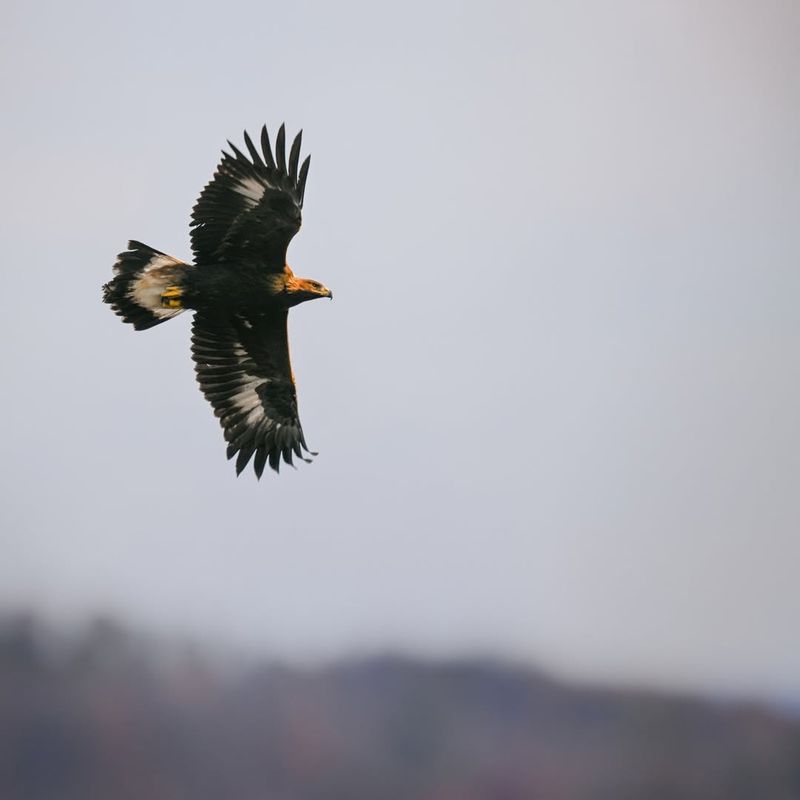
Raptors like hawks and eagles receive the highest level of legal protection available under federal wildlife statutes.
These magnificent predators often hunt in residential areas, sometimes taking small pets or raiding chicken coops.
Despite the frustration this causes homeowners, harming or disturbing these birds remains strictly illegal.
The Bald and Golden Eagle Protection Act and Migratory Bird Treaty Act impose severe penalties for anyone who harms raptors.
Fines can reach thousands of dollars, and serious violations may result in jail time.
Red-tailed hawks, Cooper’s hawks, and other species frequently perch on fence posts or rooftops while scanning for prey.
Their presence actually indicates a healthy ecosystem with adequate food sources.
Homeowners concerned about pet safety should supervise small animals outdoors and provide covered enclosures for chickens.
Never attempt to shoot, trap, or chase away hawks or eagles, as these actions violate federal law.
If a raptor becomes a persistent problem, contact Arizona Game and Fish for guidance on legal deterrents.
Sometimes simple changes like removing attractive perches or installing protective netting over vulnerable areas solve issues without harming protected birds.
Watching these skilled hunters from a respectful distance offers incredible wildlife viewing opportunities right in your backyard.
Owls
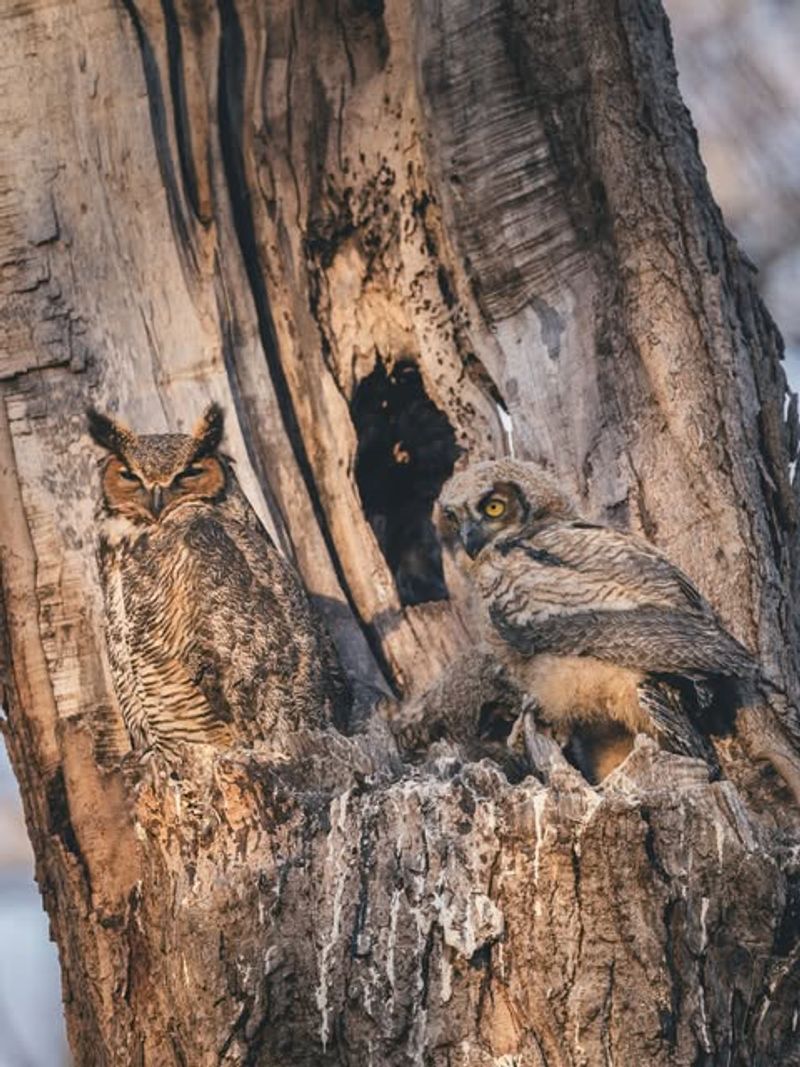
Owls nesting or roosting on your property receive comprehensive protection under both federal and state wildlife laws.
Great horned owls, barn owls, and screech owls commonly choose residential areas for raising their young.
Their nighttime hooting might disturb sleep, but disturbing them carries serious legal consequences.
Federal regulations make it illegal to approach active owl nests, disturb roosting birds, or remove nest sites even after babies leave.
These protections remain in effect year-round, though enforcement focuses heavily on breeding season.
Owls provide tremendous benefits by controlling rodent populations around homes and yards.
A single owl family can consume hundreds of mice, rats, and gophers throughout the year.
If owls choose your property for nesting, consider it a compliment to your habitat quality.
Keep pets indoors during evening hours when owls hunt most actively.
Never shine bright lights at roosting owls or make loud noises to scare them away, as these actions constitute illegal harassment.
Trimming trees should wait until you confirm no active nests exist.
Installing nest boxes in appropriate locations can actually direct owls toward preferred spots away from main living areas.
Embracing their presence means enjoying natural pest control while staying compliant with wildlife protection regulations.
Bats
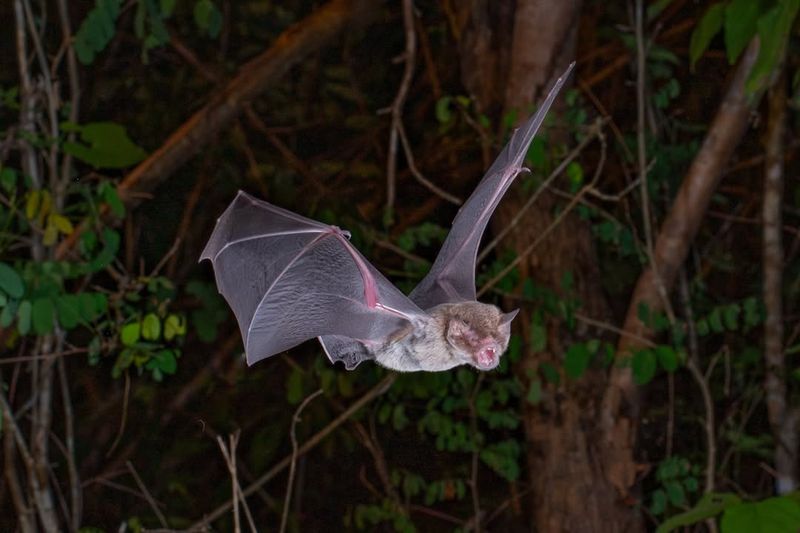
Bats roosting in Arizona homes receive legal protection that requires homeowners to follow specific exclusion procedures rather than removal.
These flying mammals consume enormous quantities of insects nightly, providing valuable pest control services.
Despite their benefits, many homeowners panic when discovering bats in attics, eaves, or sheds.
Arizona and federal laws prohibit harming bats or sealing them inside structures.
Proper exclusion requires waiting until babies can fly, typically after July, then installing one-way exits that let bats leave but prevent return.
Several bat species in Arizona face population declines, making their protection increasingly important.
White-nose syndrome and habitat loss threaten these beneficial creatures across North America.
Homeowners must hire licensed wildlife professionals for legal bat exclusion work.
DIY attempts often trap bats inside walls, creating worse problems and potential legal violations.
Never use poison or attempt to capture roosting bats, as these actions violate wildlife protection statutes.
Exclusion work must occur during specific timeframes to avoid separating mothers from flightless babies.
Installing bat houses away from your home provides alternative roosting sites while maintaining insect control benefits.
Understanding their protected status helps you appreciate these misunderstood creatures while addressing concerns through legal channels.
Burrowing Owls
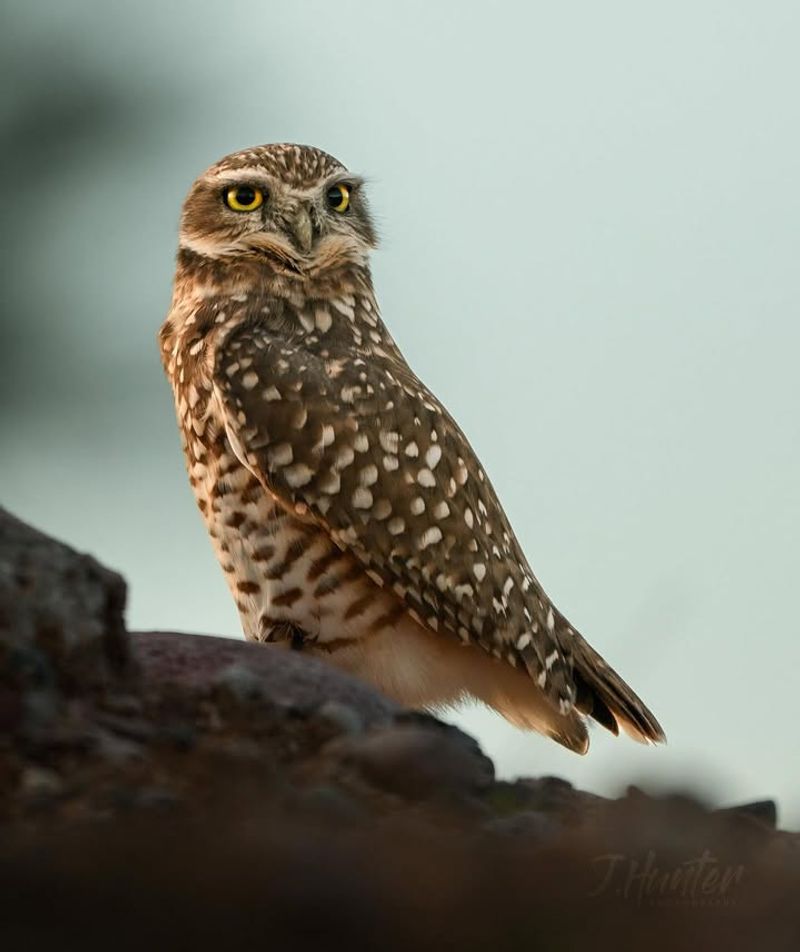
Burrowing owls receive special attention under Arizona wildlife protection laws due to their unique ground-nesting habits in residential areas.
These small, long-legged owls live in underground burrows, often choosing vacant lots, golf courses, and even backyard edges.
Unlike tree-nesting relatives, they face extreme vulnerability to construction and landscaping activities.
Arizona law requires property owners to protect active burrows and maintain buffer zones during nesting season.
Disturbing burrows, filling holes, or landscaping near active sites without proper surveys violates state and federal regulations.
Development projects must conduct burrowing owl surveys before breaking ground.
Even homeowners planning major yard renovations should check for these protected birds first.
The owls often reuse the same burrows year after year, making long-term habitat protection essential.
Their presence indicates healthy soil conditions and adequate insect populations.
If you discover burrowing owls on your property, mark the area and avoid all activity within at least thirty feet.
Contact Arizona Game and Fish for guidance on protecting the site while accommodating your property needs.
Installing artificial burrows in suitable locations can help maintain local populations.
These charismatic birds with their bright yellow eyes and bobbing behavior provide delightful wildlife watching opportunities when given proper respect and space.
Native Snakes Including Rattlesnakes
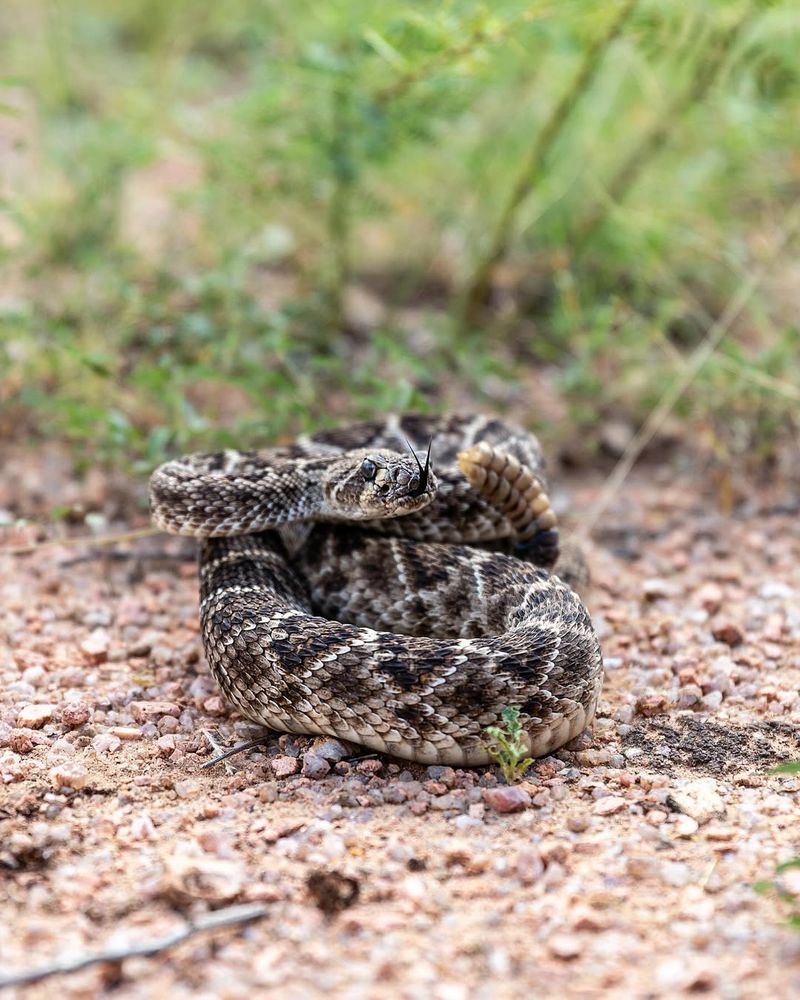
Arizona law protects most native snake species, including rattlesnakes, from being harmed or relocated by homeowners without proper authorization.
Many people assume they can eliminate any snake on their property, but state regulations require leaving most species alone.
Only licensed professionals with specific permits can legally relocate snakes.
Rattlesnakes, king snakes, gopher snakes, and other native species play crucial roles in controlling rodent populations around homes.
Their presence often indicates an existing mouse or rat problem they’re helping solve.
While homeowners can take defensive action if directly threatened, casually encountering a snake in your yard does not justify harming it.
Most snake encounters end peacefully when humans simply back away and give the animal space.
Arizona Game and Fish maintains lists of licensed snake relocators who can legally remove problematic snakes.
These professionals understand snake behavior and use humane techniques approved by wildlife authorities.
Making your property less attractive to snakes by removing debris piles, sealing foundation gaps, and controlling rodents prevents most encounters.
Tall grass and wood piles provide perfect snake habitat that’s easily modified.
Learning to identify venomous versus non-venomous species helps reduce unnecessary fear while maintaining appropriate caution around genuinely dangerous animals.
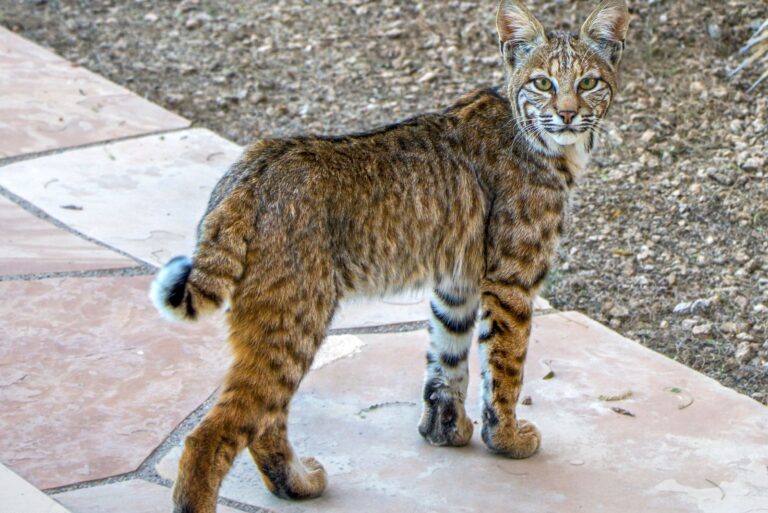
Bobcats
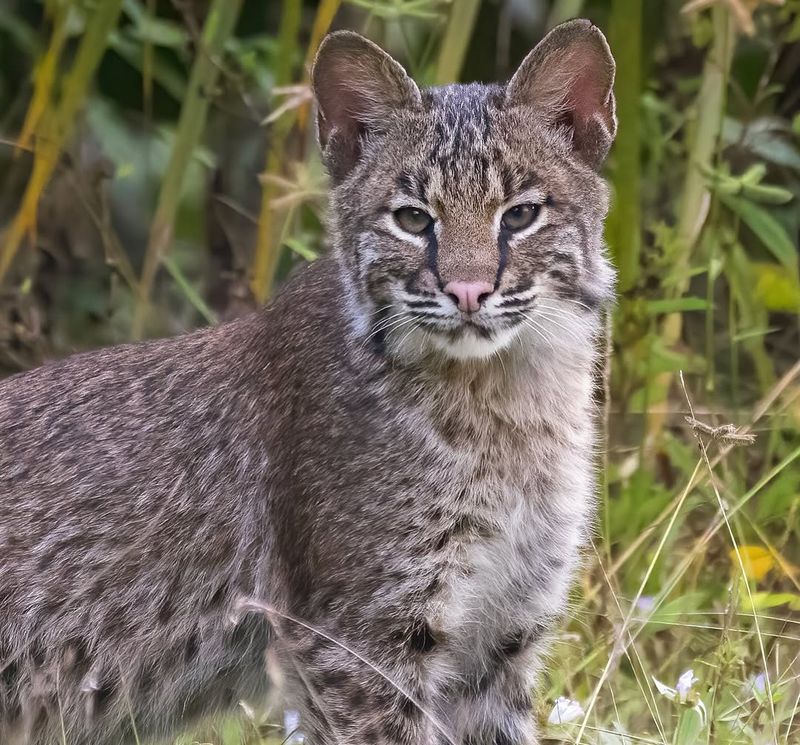
Bobcats roaming through Arizona neighborhoods fall under strict wildlife regulations that prevent homeowners from trapping or removing them without permits.
These medium-sized wild cats with distinctive spotted coats and short tails increasingly appear in residential areas as development encroaches on their habitat.
Their presence often startles homeowners unfamiliar with sharing space with predators.
Arizona classifies bobcats as regulated wildlife, meaning only licensed trappers with specific permits can legally capture them.
Homeowners cannot set traps, use poison, or attempt removal even when bobcats visit regularly.
These solitary hunters primarily target rabbits, rodents, and other small animals rather than pets or livestock.
Most bobcat encounters involve the animal simply passing through yards during nighttime hunting activities.
Securing pet food, trash cans, and small animals prevents attracting bobcats to your property.
These intelligent predators quickly learn where easy meals appear regularly.
If a bobcat becomes a persistent concern, contact Arizona Game and Fish for advice on legal deterrents.
Harassment techniques like motion-activated lights or sprinklers sometimes encourage bobcats to adjust their routes.
Never approach or attempt to capture a bobcat, as they can defend themselves aggressively when cornered.
Appreciating these beautiful wild cats from a distance allows safe coexistence while respecting their protected status.
Javelina
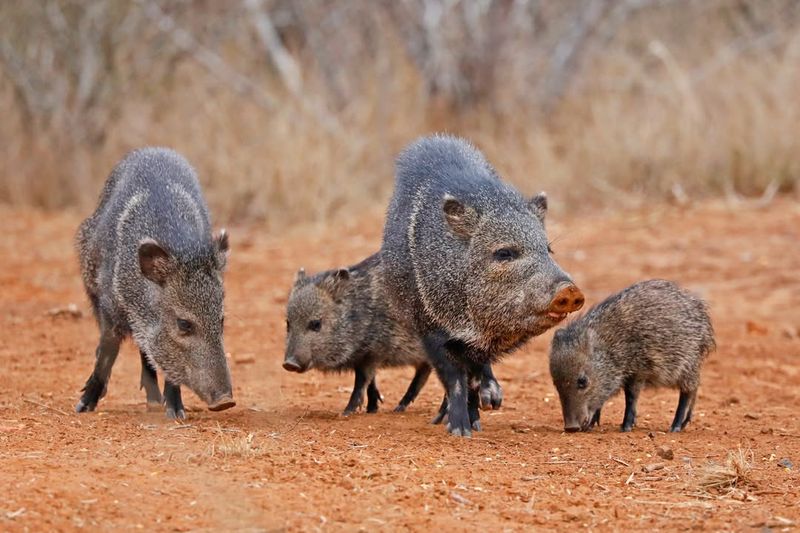
Javelina herds destroying landscaping remain legally protected despite the frustration and expense they cause Arizona homeowners.
These pig-like animals with bristly fur travel in family groups, often decimating gardens and yards overnight.
Their powerful jaws and voracious appetites make them particularly destructive to ornamental plants and vegetable gardens.
Arizona law prohibits harassing, relocating, or harming javelina even when they cause significant property damage.
Homeowners must use non-harmful deterrents and accept that wildlife sometimes impacts residential areas.
Javelina possess excellent memories and return repeatedly to locations offering food and water.
Removing attractants like pet food, fallen fruit, and accessible garbage prevents establishing problem behavior patterns.
Installing sturdy fencing at least three feet high with buried barriers stops most javelina intrusions.
Choosing javelina-resistant plants like rosemary, lantana, and Texas ranger reduces landscape damage.
Motion-activated sprinklers and lights often discourage nighttime visits without violating wildlife protection laws.
Making loud noises when spotting javelina teaches them to avoid your property during active hours.
Never feed javelina intentionally, as this habituates them to human presence and increases dangerous encounters.
These animals can become aggressive when protecting young or feeling threatened, making respectful distance essential for safety.
Kit Foxes
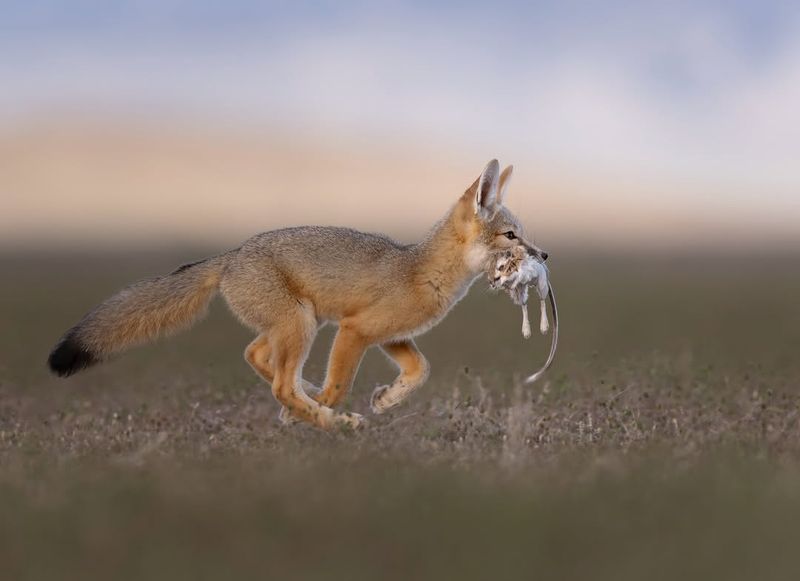
Kit foxes, the smallest wild canids in Arizona, receive full legal protection that prevents homeowners from trapping or relocating them.
These adorable foxes with oversized ears and petite frames sometimes den under sheds or in quiet yard corners.
Their presence delights some homeowners while concerning others worried about pets or property.
State wildlife regulations classify kit foxes as protected native species that cannot be disturbed without special permits.
Their populations face pressure from habitat loss and competition with larger predators.
Kit foxes primarily hunt insects, rodents, and rabbits rather than threatening pets or livestock.
These shy animals typically avoid human contact and remain active mainly during nighttime hours.
If kit foxes den on your property, consider it temporary as they often move locations seasonally.
Waiting until they naturally relocate avoids legal complications and respects their protected status.
Never attempt to capture or relocate kit foxes, even when they choose inconvenient denning spots.
Contact Arizona Game and Fish if foxes remain in problematic locations beyond typical denning periods.
Installing motion-activated lights near potential den sites discourages foxes from settling too close to homes.
Securing trash, pet food, and compost eliminates food sources that might attract them initially.
Observing these graceful little predators from respectful distances offers memorable wildlife encounters.
Ringtail Cats
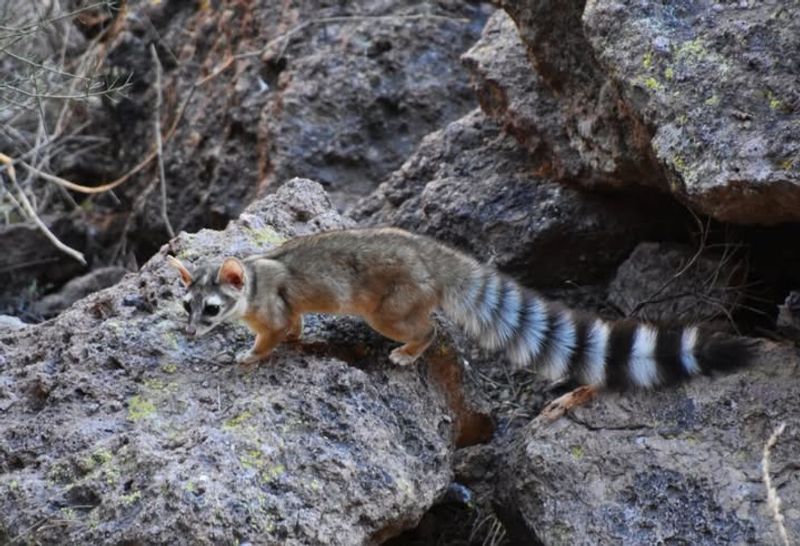
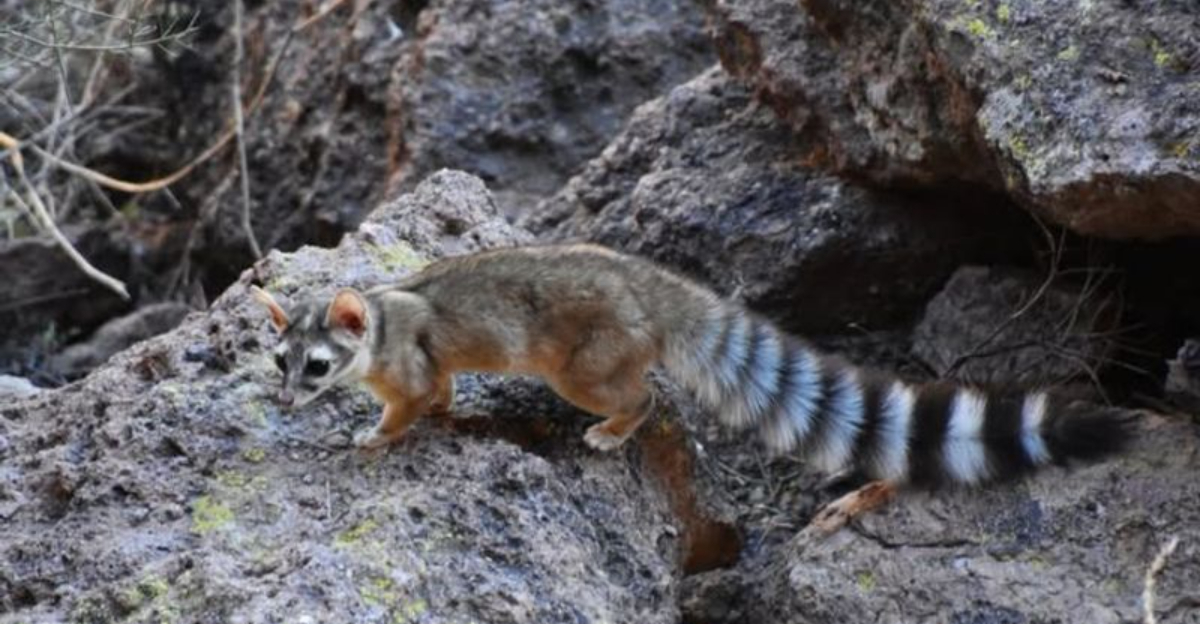
Ringtail cats, despite their misleading name, are actually relatives of raccoons and receive complete legal protection in Arizona.
These nocturnal animals with enormous eyes and spectacularly striped tails sometimes take up residence in attics, sheds, or garages.
Homeowners often mistake them for pests and attempt illegal removal.
Arizona law prohibits trapping, harming, or relocating ringtails without proper authorization from wildlife authorities.
Their protected status reflects their importance to desert ecosystems and relatively small populations.
Ringtails consume large quantities of insects, rodents, and other pests, providing valuable natural control around homes.
Their presence often indicates existing mouse or rat problems they’re helping address.
If ringtails den in your structure, wait until they leave naturally, then seal entry points to prevent return.
These animals rarely cause significant damage and typically move on within weeks.
Never use poison or aggressive trapping methods, as these violate wildlife protection laws and harm beneficial creatures.
Installing one-way exits allows ringtails to leave while preventing reentry.
Contact licensed wildlife professionals if ringtails persist in problematic locations beyond reasonable timeframes.
These experts understand legal exclusion techniques that protect both homeowners and wildlife.
Learning about these secretive animals helps appreciate their unique place in Arizona’s diverse wildlife community.
Native Lizards
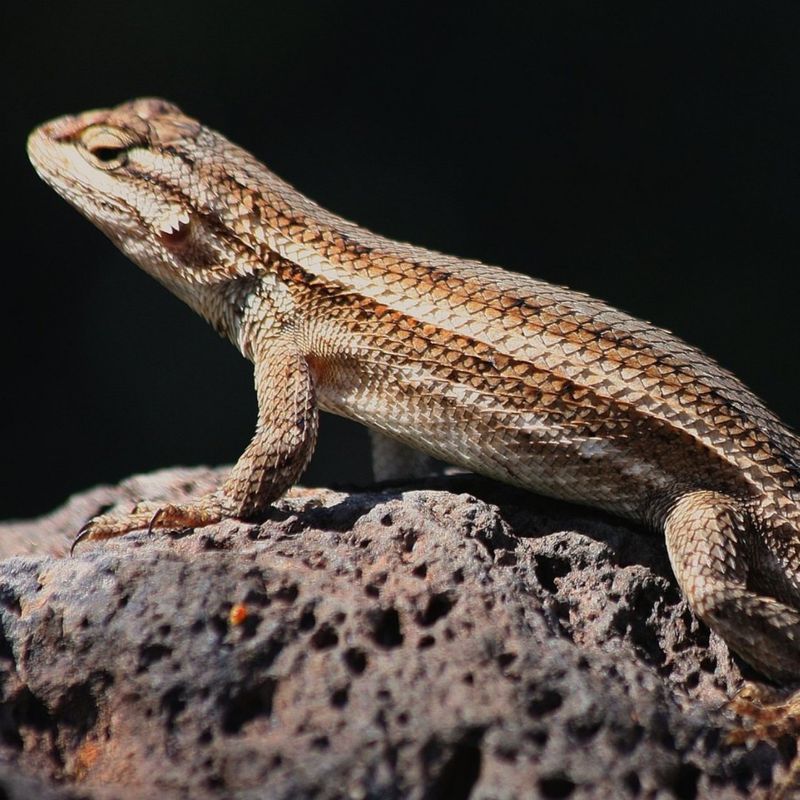
Arizona’s diverse native lizard species, from tiny geckos to impressive chuckwallas, receive legal protection against collection and harm.
Many homeowners enjoy watching lizards scurry across walls and bask on warm rocks throughout their yards.
However, capturing these reptiles for pets or removing them from property violates state wildlife regulations.
State law prohibits collecting native lizards without proper permits, even from your own backyard.
This protection helps maintain wild populations threatened by habitat loss and illegal pet trade.
Lizards provide tremendous benefits by consuming vast quantities of insects, spiders, and other arthropods around homes.
A healthy lizard population indicates good habitat quality and balanced ecosystems.
Desert spiny lizards, collared lizards, and whiptails commonly inhabit residential areas with appropriate rocky habitat and native vegetation.
Their presence should be celebrated rather than discouraged.
Never attempt to capture lizards for pets or relocation, as stress from handling often harms these delicate creatures.
Teaching children to observe rather than touch helps instill respect for protected wildlife.
Creating lizard-friendly habitat with rock piles, native plants, and water sources enhances your yard’s ecological value.
These fascinating reptiles require no feeding or care while providing endless entertainment and natural pest control.
Appreciating their diversity and protected status enriches your understanding of Arizona’s remarkable wildlife heritage.
Native Frogs And Toads
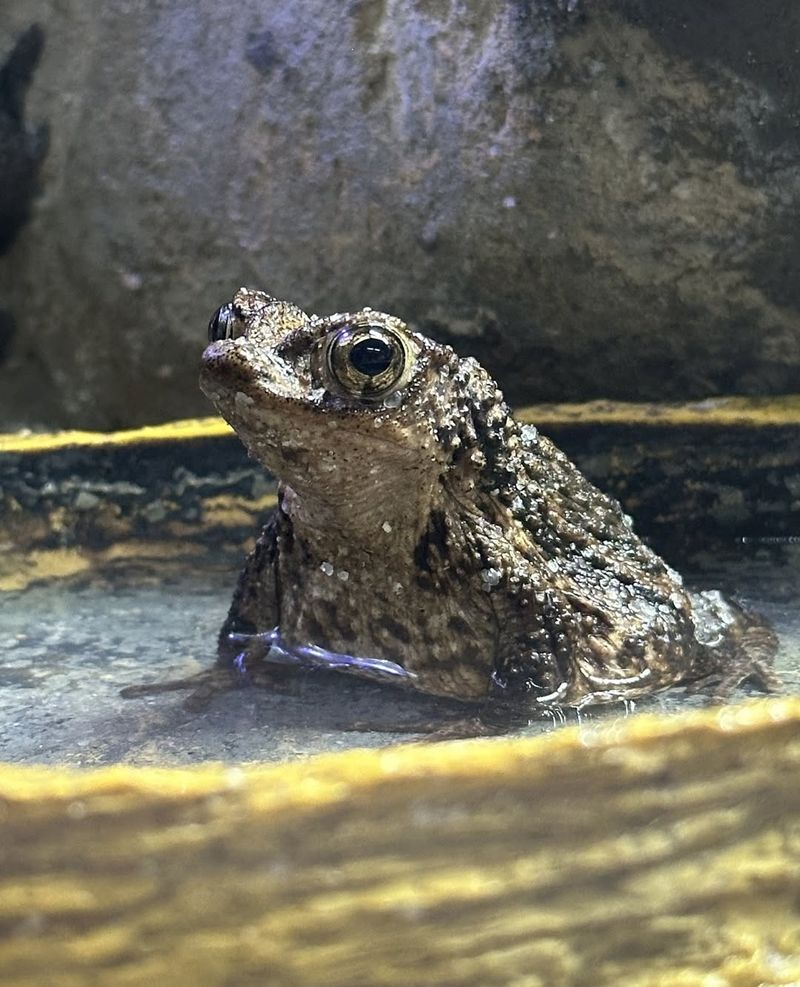
Native frogs and toads calling from Arizona yards and water features receive legal protection that prevents collection and relocation.
Sonoran Desert toads, canyon tree frogs, and other native amphibians face serious population declines across their ranges.
State regulations protect these species from collection even when they congregate around residential water sources.
Arizona law prohibits capturing, relocating, or harming native amphibians without specific permits.
These protections help preserve remaining populations threatened by habitat loss, disease, and climate change.
Amphibians serve as important indicators of environmental health while consuming enormous quantities of insects around homes.
Their nighttime choruses signal healthy ecosystems with adequate moisture and habitat quality.
If frogs or toads colonize your pond or irrigation system, consider yourself fortunate to host these declining creatures.
Their presence benefits your yard through natural pest control and biodiversity enhancement.
Never relocate amphibians to different water sources, as this spreads diseases and disrupts established populations.
Each species has specific habitat requirements that random relocation rarely satisfies.
Creating amphibian-friendly features like shallow water dishes and moist hiding spots supports these protected creatures.
Avoiding pesticides near water sources protects sensitive amphibian skin from toxic chemicals.
Teaching children about amphibian conservation helps develop environmental stewardship while respecting wildlife protection laws that benefit Arizona’s unique desert species.