11 Protected Creatures New Mexico Law Prohibits Homeowners From Removing
Think you can just remove any animal you find in your yard?
Not in New Mexico.
State wildlife laws strictly protect a surprising number of creatures—even when they show up on private property.
From feathered neighbors to secretive amphibians, these protected species are off-limits for homeowners to trap, relocate, or remove without proper permits.
Ignoring those laws can lead to hefty fines and legal trouble, and many people are caught off guard simply because they didn’t realize the rules applied to their own backyard.
Whether you’re gardening, building, or just trying to enjoy your outdoor space, it’s important to know which animals are legally protected and what that really means for you.
In this article, we break down 11 creatures that New Mexico law says you cannot remove—and explain why these protections exist, and how to share your space responsibly and safely.
1. Bats
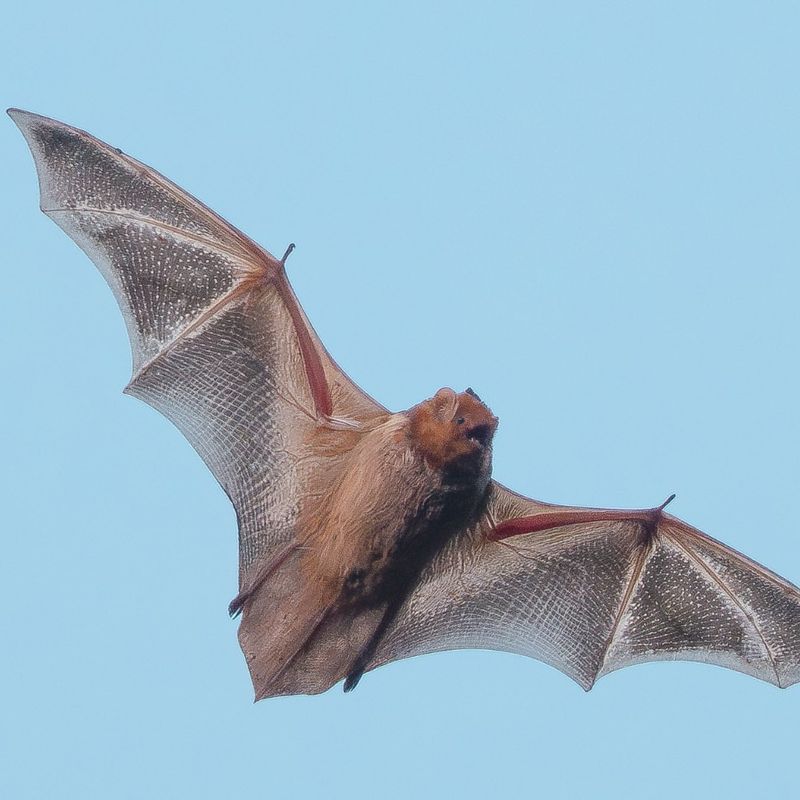
Flying mammals with leathery wings might seem scary when they roost in your attic, but New Mexico law protects these incredible insect eaters.
Bats consume thousands of mosquitoes and agricultural pests every single night, making them valuable allies for farmers and homeowners across the state.
Many bat species face population decline due to habitat loss and disease, which is why state regulations prohibit their removal without permits.
If bats take up residence in your home, you must contact licensed wildlife professionals who follow humane exclusion methods approved by authorities.
These experts wait until baby bats can fly before sealing entry points, ensuring no animals become trapped inside walls or attic spaces.
Violating bat protection laws in New Mexico can result in hefty fines ranging from hundreds to thousands of dollars depending on circumstances.
Learning to coexist with these nighttime flyers benefits both your property and the broader ecosystem that depends on their pest control services.
Appreciate their presence from a distance and let professionals handle any conflicts that arise between bats and your living space safely.
2. Eagles
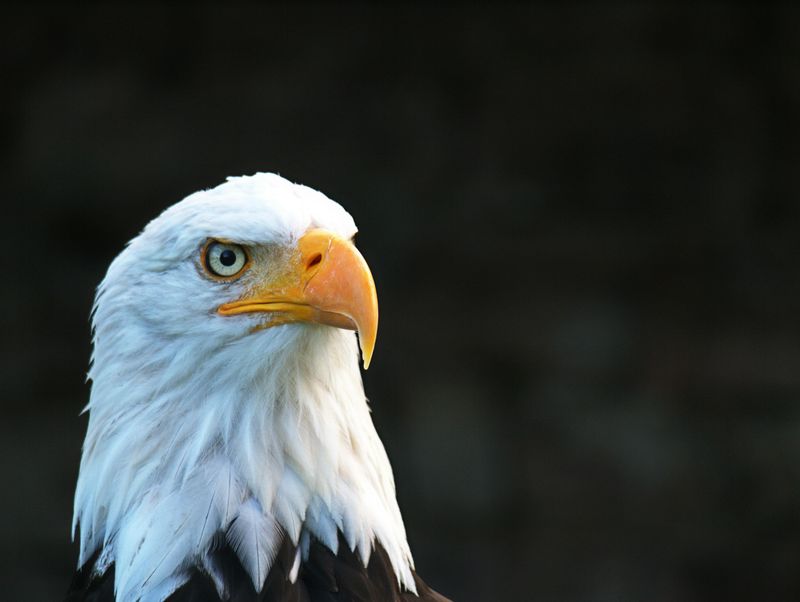
Majestic raptors with powerful wingspans soar above New Mexico skies, and federal plus state laws make them completely off-limits to homeowners everywhere.
Both bald and golden eagles receive maximum legal protection under the Bald and Golden Eagle Protection Act, which carries severe penalties.
These birds symbolize strength and freedom, but their populations once dropped dangerously low due to pesticide use and habitat destruction decades ago.
Conservation efforts brought them back from the brink, and now strict regulations ensure their continued survival across all fifty United States today.
Homeowners who find eagle nests on their property cannot touch them, move them, or disturb the birds in any way whatsoever.
Even possessing a single eagle feather without proper permits violates federal law and can lead to criminal charges with imprisonment possibilities attached.
If eagles nest near your home, maintain a respectful distance and avoid activities that might cause stress or abandonment of eggs.
Contact state wildlife officials immediately for guidance on how to proceed while staying compliant with all applicable regulations protecting these symbols.
3. Hawks
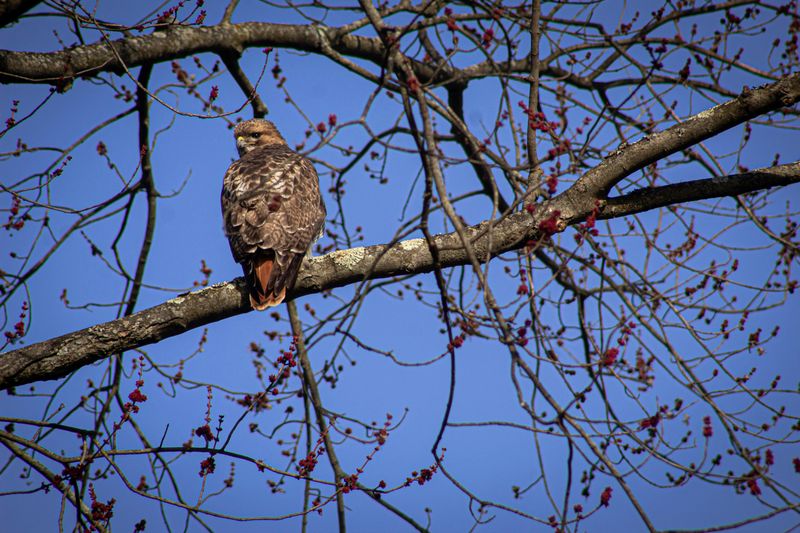
Sharp-eyed predators circle overhead hunting rodents and small animals, providing natural pest control that benefits New Mexico homeowners significantly every single day.
Red-tailed hawks, Cooper’s hawks, and other species enjoy protection under the Migratory Bird Treaty Act, making their removal completely illegal statewide.
These raptors help control mouse and rat populations around homes, barns, and agricultural areas without requiring poison or traps from humans.
Sometimes hawks mistake small pets for prey, which understandably concerns homeowners, but harming them remains prohibited under all circumstances regardless of worry.
Instead of removing hawks, protect vulnerable pets by supervising outdoor time and providing covered spaces where small animals can retreat safely quickly.
Hawks often perch on fences, poles, or trees while scanning for prey, and their presence indicates a healthy ecosystem functioning properly nearby.
Disturbing hawk nests during breeding season can result in abandonment of eggs or chicks, causing population declines that conservation laws aim to prevent.
Appreciate these skilled hunters from afar and contact wildlife authorities if conflicts arise that require professional intervention and expert guidance immediately.
4. Owls
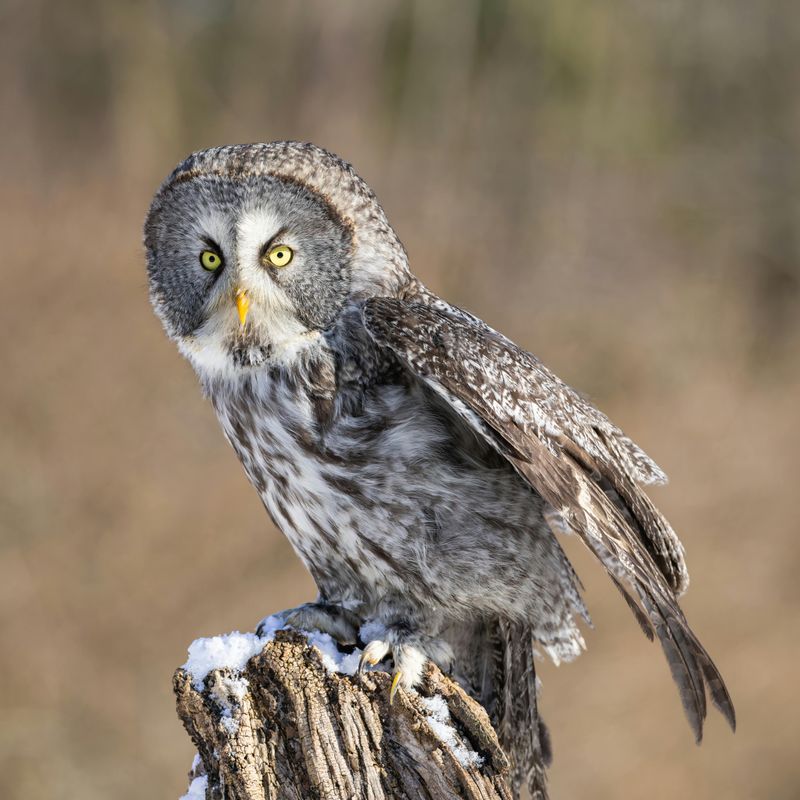
Nocturnal hunters with haunting calls might nest in your trees or barn, but New Mexico law forbids homeowners from disturbing these remarkable birds.
Great horned owls, barn owls, and screech owls all receive protection because they control rodent populations that would otherwise damage crops and property.
Their silent flight and exceptional night vision make them incredibly effective predators that naturally balance ecosystems without human intervention or chemical use.
Owls sometimes make unsettling noises at night, hooting and screeching in ways that startle people unfamiliar with their communication patterns and behaviors.
Despite any discomfort their sounds cause, removing owls or their nests violates state and federal wildlife protection laws with serious consequences attached.
If an owl takes up residence near your home, consider it free pest control that works tirelessly throughout the night hours.
These birds rarely pose threats to humans and typically avoid contact, preferring to hunt mice, rats, and other small creatures instead consistently.
Should you discover an owl nest on your property, leave it undisturbed and enjoy observing these magnificent creatures from a safe distance.
5. Hummingbirds
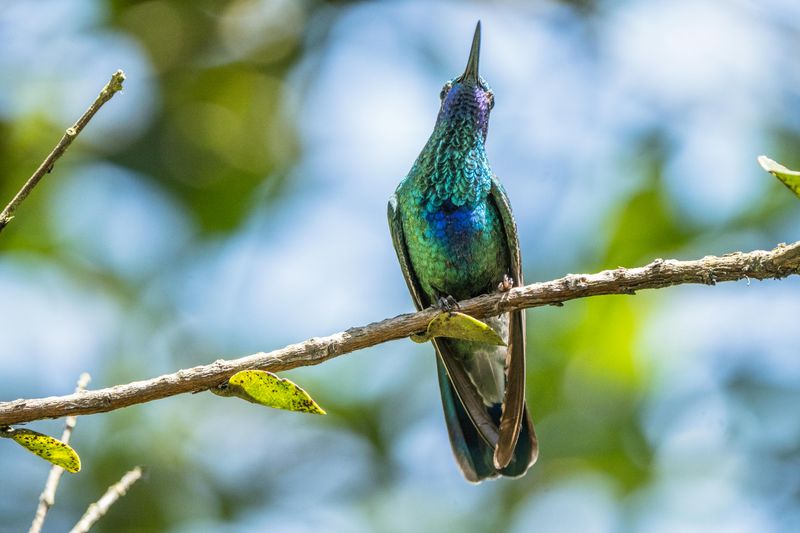
Tiny jewels with rapidly beating wings visit New Mexico gardens seeking nectar, and their diminutive size belies the strong legal protections they enjoy.
Hummingbirds migrate thousands of miles annually, crossing borders and facing numerous threats that make international conservation agreements essential for their survival rates.
The Migratory Bird Treaty Act covers all hummingbird species, meaning homeowners cannot capture, harm, or interfere with them under any circumstances.
These smallest birds pollinate native plants while feeding, contributing to ecosystem health in ways that benefit wildflowers and agricultural crops throughout regions.
Attracting hummingbirds to your yard with feeders and flowers enhances your outdoor space while supporting these protected travelers on their long journeys.
Never attempt to catch or handle hummingbirds, even if one appears injured or disoriented near your home or garden area today.
Instead, contact licensed wildlife rehabilitators who possess proper permits and training to care for these delicate creatures according to legal requirements established.
Watching hummingbirds hover and dart among blossoms provides endless entertainment while respecting the laws designed to keep their populations thriving successfully everywhere.
6. Woodpeckers
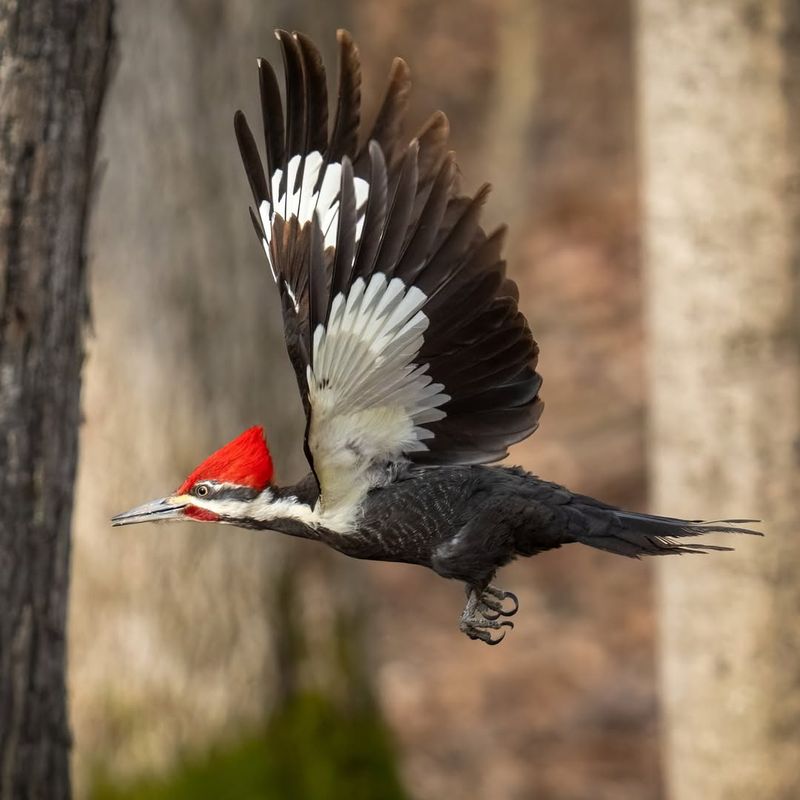
Drumming sounds echo through neighborhoods when these persistent birds hammer on trees, siding, or gutters searching for insects hiding beneath surfaces everywhere.
Woodpeckers serve important ecological roles by controlling wood-boring beetles and other pests that would otherwise damage forests and wooden structures significantly over time.
All woodpecker species receive federal protection, which means homeowners cannot trap, relocate, or harm them even when they cause property damage unfortunately.
Sometimes woodpeckers peck on houses because they hear insects inside walls or simply find the sound attractive for territorial drumming displays.
While frustrating for homeowners, this behavior rarely causes serious structural damage and usually stops once breeding season ends naturally each year.
Deterring woodpeckers requires non-harmful methods like hanging reflective tape, installing netting, or filling cavities that attract them to certain spots repeatedly.
Removing these birds or destroying their nests violates the Migratory Bird Treaty Act and can result in substantial fines plus legal action.
Patience and approved deterrent strategies help homeowners coexist with woodpeckers while staying compliant with wildlife protection laws that safeguard these species permanently.
7. Swallows

Graceful aerial acrobats swoop and glide catching insects mid-flight, often building mud nests under eaves and porches where homeowners notice them quickly.
Barn swallows and cliff swallows return to the same nesting sites year after year, showing remarkable loyalty to locations they consider safe.
These birds consume enormous quantities of flying insects including mosquitoes, flies, and gnats that would otherwise make outdoor activities miserable for people.
New Mexico law protects swallows under the Migratory Bird Treaty Act, prohibiting nest removal during breeding season when eggs or chicks are present.
Homeowners frustrated by nest droppings must wait until birds finish nesting and migrate away before cleaning and blocking access to prevent returns.
Installing barriers before swallows arrive in spring prevents nesting without violating laws, but timing this correctly requires understanding their migration schedule precisely.
Once nests contain eggs or young birds, they become legally protected until the babies fledge and leave naturally on their own time.
Appreciate the free insect control swallows provide and plan preventative measures for next season rather than risking violations of wildlife protection regulations.
8. Songbirds
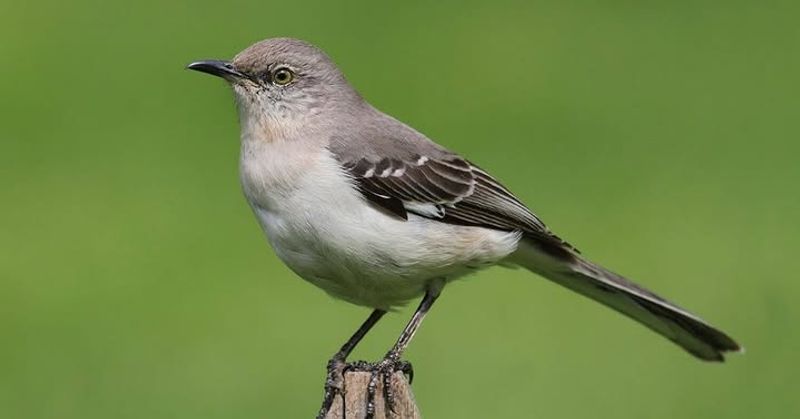
Melodious voices fill New Mexico mornings as countless songbird species greet the day, and nearly all of them enjoy legal protection from harm.
Robins, bluebirds, warblers, finches, and sparrows all fall under the Migratory Bird Treaty Act, making them completely off-limits to homeowners everywhere.
These cheerful birds provide natural pest control by eating caterpillars, beetles, and other insects that damage gardens and ornamental plants throughout growing seasons.
Songbirds also disperse seeds across landscapes, helping native plants spread and regenerate in areas where natural processes have been disrupted by development.
Homeowners who enjoy birdsong can encourage visits by providing native plants, water sources, and nesting boxes designed for specific species preferences carefully.
Cats pose significant threats to songbird populations, so keeping pets indoors protects these vulnerable creatures while respecting conservation laws simultaneously and effectively.
Never capture songbirds or disturb their nests, even if curiosity tempts you to peek at eggs or observe baby birds up close.
Violations carry penalties including fines and potential criminal charges depending on circumstances, so admire these singers from appropriate distances always and respectfully.
9. Shorebirds
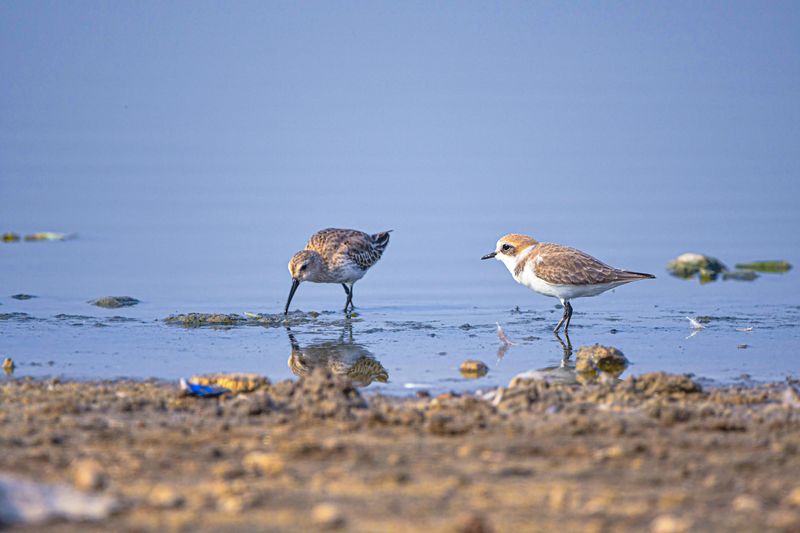
Long-legged waders probe mudflats and shallow waters seeking invertebrates, and many species stop in New Mexico during epic migrations spanning entire continents.
Sandpipers, plovers, and avocets all receive protection because their populations have declined dramatically due to habitat loss along migration routes they depend on.
These birds nest on beaches and mudflats that increasingly face development pressure, making undisturbed areas critical for their breeding success and survival.
Homeowners with property near rivers, lakes, or wetlands might encounter shorebirds resting or feeding during migration periods each spring and fall regularly.
Disturbing these tired travelers can force them to expend precious energy reserves needed for completing journeys that sometimes exceed thousands of miles total.
New Mexico law prohibits harassing or displacing shorebirds, especially during nesting season when ground nests become vulnerable to disturbance from humans or pets.
If shorebirds appear on your property, maintain distance and keep dogs leashed to prevent chasing that stresses birds already facing numerous challenges.
These remarkable athletes connect ecosystems across hemispheres, and protecting them requires cooperation from everyone along their migration pathways including individual homeowners consistently.
10. Waterfowl

Ducks and geese paddle across ponds and lakes throughout New Mexico, and state regulations protect them outside of designated hunting seasons strictly enforced.
Mallards, pintails, teal, and Canada geese all fall under protections that prevent homeowners from removing them from private property without proper authorization.
Waterfowl provide ecological benefits by controlling aquatic vegetation and invertebrates while serving as indicators of wetland health and water quality levels.
Sometimes large flocks of geese create messes on lawns and docks, frustrating homeowners who dislike the droppings they leave behind everywhere.
Despite this nuisance, harming or harassing waterfowl violates federal and state laws designed to maintain healthy populations for future generations to enjoy.
Non-lethal deterrents like motion-activated sprinklers, border collies, or visual scare devices can discourage waterfowl from settling in unwanted areas effectively and legally.
During nesting season, mother ducks often lead ducklings across roads and yards, requiring patience and protection from well-meaning homeowners observing them.
Respect waterfowl by giving them space and using approved methods to manage conflicts rather than taking actions that could violate conservation laws.
11. Burrowing Owls
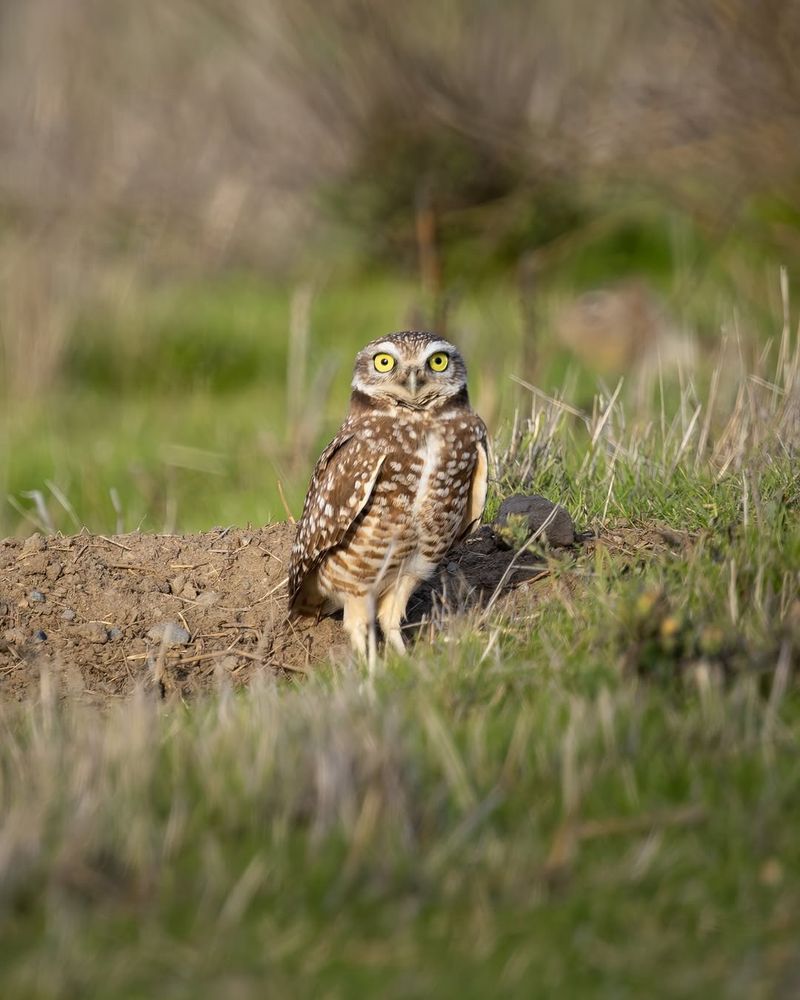
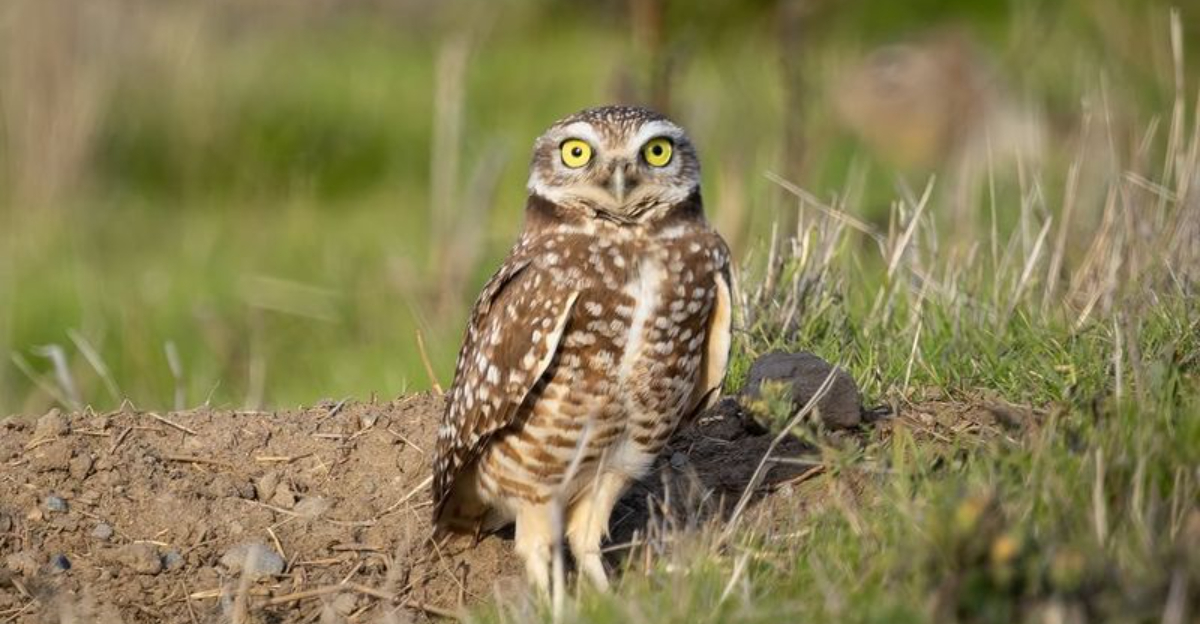
Ground-dwelling owls with long legs nest in abandoned burrows across New Mexico grasslands, and their unique lifestyle makes them particularly vulnerable to development impacts.
Unlike tree-nesting relatives, burrowing owls depend on prairie dog colonies and other digging animals to create the underground homes they occupy year-round.
These small owls face habitat loss as grasslands convert to housing developments, making legal protections essential for preventing further population declines statewide.
Homeowners who discover burrowing owls on their property cannot fill burrows, relocate birds, or disturb nests under any circumstances according to regulations.
Active burrows often show telltale signs like white droppings, feathers, and small prey remains scattered near entrance holes in bare ground areas.
Burrowing owls hunt insects and small rodents during daylight hours, making them easier to observe than their nocturnal cousins that hunt exclusively at night.
If construction or landscaping projects threaten burrowing owl habitat, homeowners must contact wildlife officials to obtain guidance on legal procedures for proceeding safely.
Protecting these charismatic little owls helps preserve New Mexico’s grassland ecosystems that support numerous other species dependent on open spaces remaining intact permanently.