10 Protected Creatures Oregon Law Says Homeowners Are Not Allowed To Remove
Think you can clear anything from your own backyard?
Think again.
In Oregon, some unexpected creatures come with built-in legal protection—and homeowners don’t get the final say.
From tiny winged visitors to slow-moving surprise guests, state law draws a firm line between nuisance and nature.
Before you trap, relocate, or remove what’s sharing your space, you’ll want to know who’s off-limits.
These 10 protected creatures might already be closer than you think—and removing them could land you in serious trouble.
1. Gray Wolf
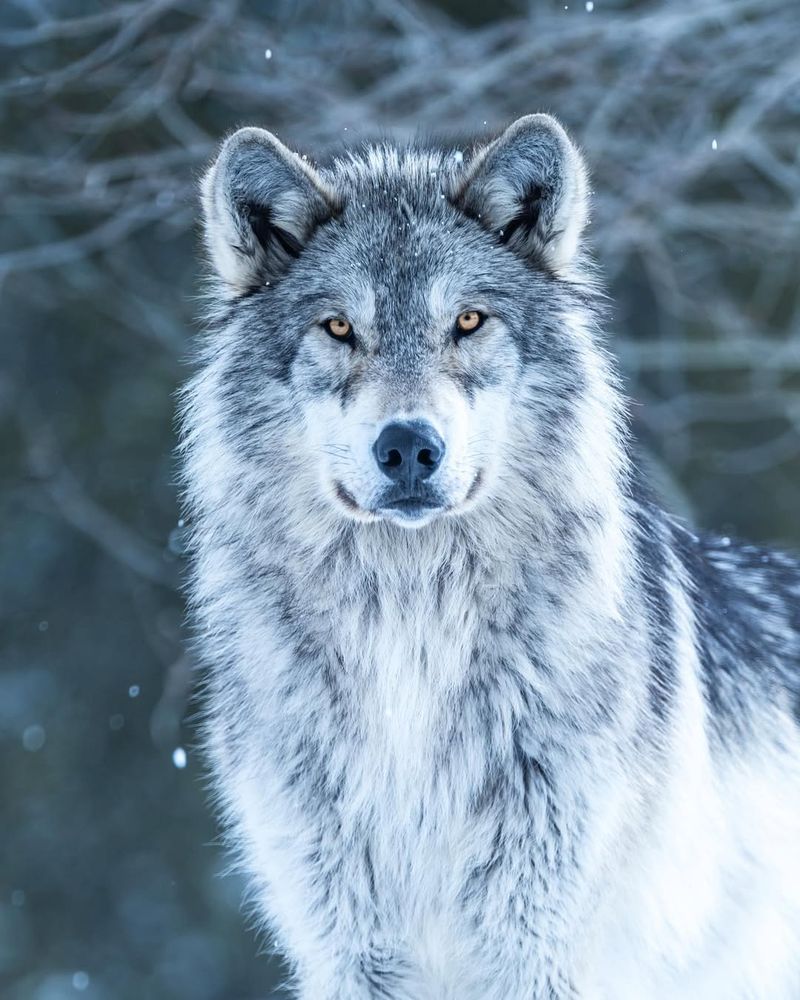
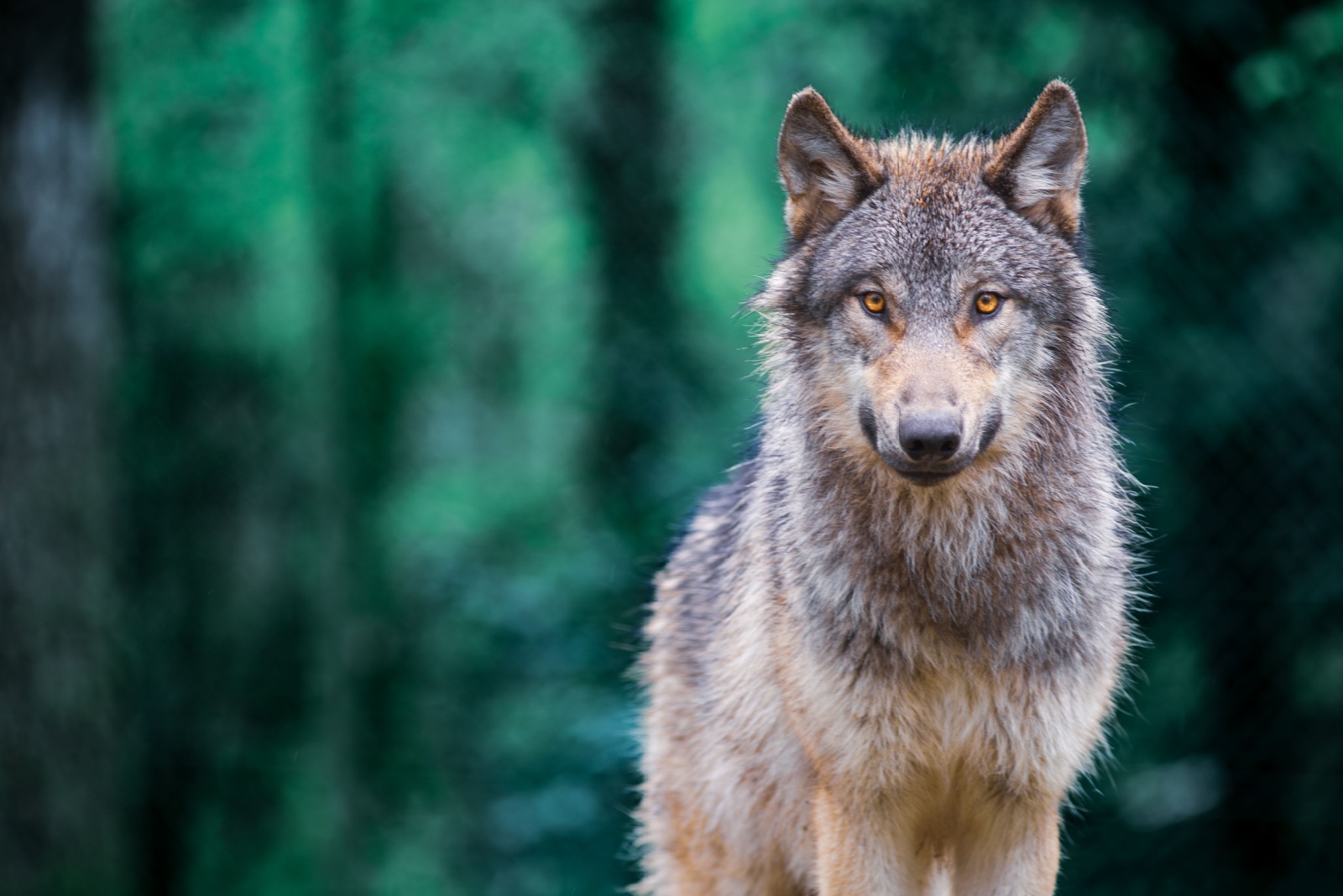
Majestic predators once roamed freely across Oregon until they were nearly wiped out, but now they are making a remarkable comeback here.
Gray wolves are protected under state law in Oregon, which means homeowners cannot harm, trap, or remove them from their property without permission.
These intelligent animals play a crucial role in maintaining healthy ecosystems by controlling populations of deer and elk throughout the region.
Wolves typically avoid humans and prefer remote wilderness areas, so encounters with them near homes are relatively rare but can happen occasionally.
If you spot a wolf on your property, contact the Oregon Department of Fish and Wildlife immediately for guidance and assistance.
Removing or harming a wolf can result in hefty fines and potential criminal charges under both state and federal wildlife protection laws.
Wolves are social animals that live in packs, and their presence indicates a healthy, balanced ecosystem in your area today.
Protecting these creatures helps restore natural balance to Oregon’s forests and ensures future generations can witness their beauty and ecological importance.
Coexisting with wolves means securing livestock, keeping pets indoors at night, and respecting their space when you encounter them outdoors.
2. Oregon Silverspot Butterfly
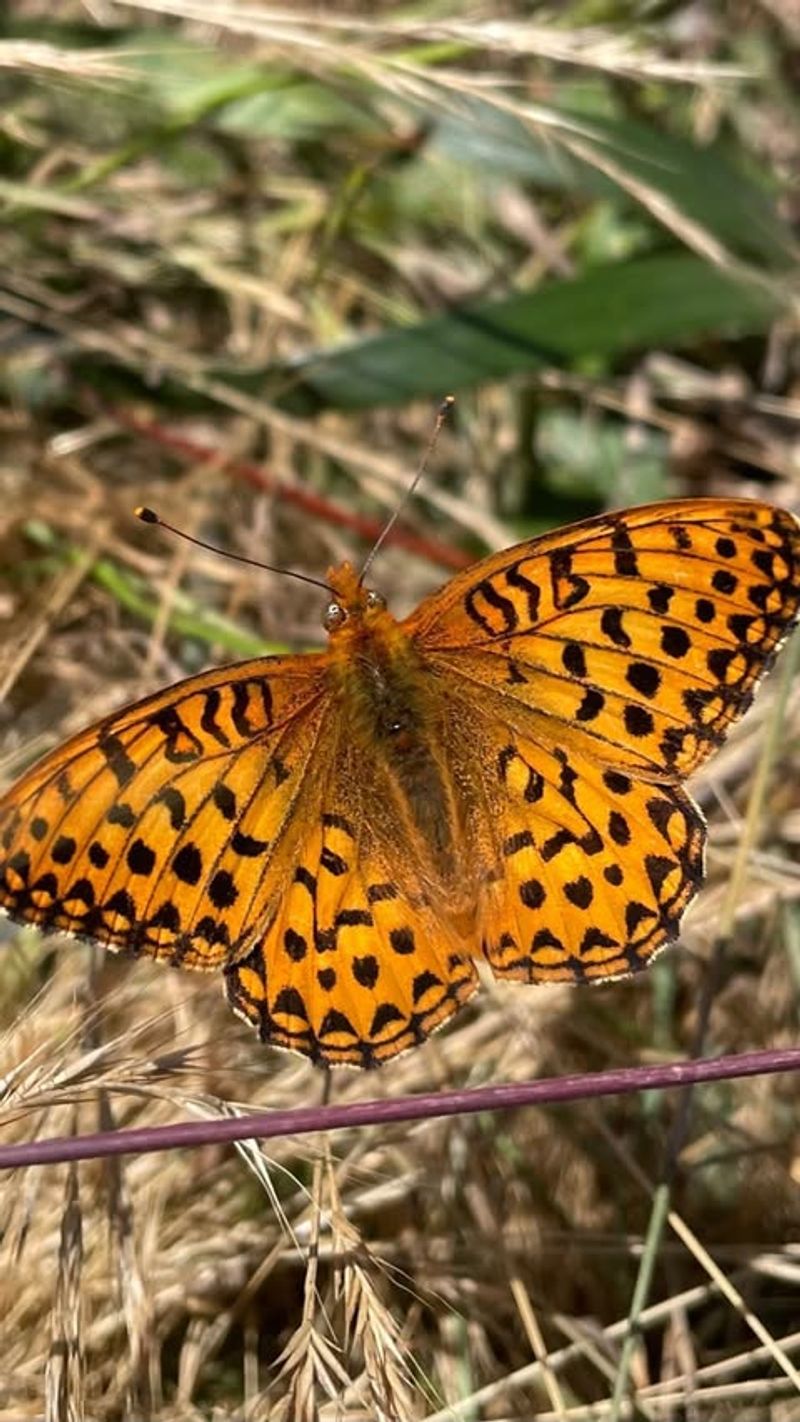
Fluttering through coastal meadows, this rare butterfly species is one of Oregon’s most endangered insects and is strictly protected by law.
Oregon Silverspot Butterflies have beautiful orange wings adorned with silver spots underneath, making them easy to identify if you know what to look for.
Their populations have declined dramatically due to habitat loss, and they now exist in only a few coastal locations throughout the state.
Homeowners living near coastal areas might occasionally see these delicate insects, but they must never attempt to capture or harm them intentionally.
Federal and state laws protect this butterfly because it is listed as threatened under the Endangered Species Act across the nation.
Removing or disturbing their habitat can result in serious legal consequences, including fines that can reach thousands of dollars for violations.
These butterflies rely on native violets for their caterpillars to feed on, making habitat preservation absolutely essential for their survival today.
If you have coastal property, consider planting native wildflowers to support these butterflies and other pollinators that need our help desperately.
Protecting the Oregon Silverspot means preserving the unique coastal prairie ecosystems that are rapidly disappearing from the Pacific Northwest landscape.
3. Fender’s Blue Butterfly
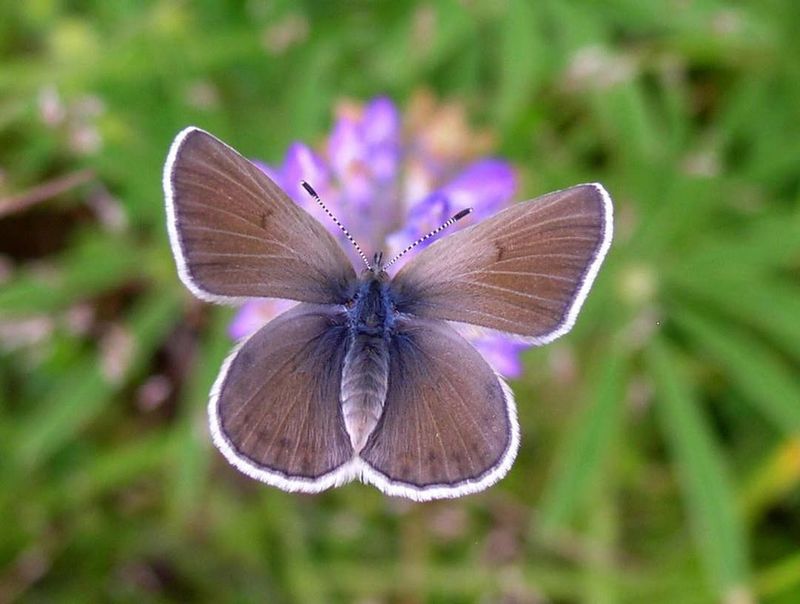
Tiny but mighty, this brilliant blue butterfly is found only in Oregon’s Willamette Valley and is protected under federal endangered species regulations.
Fender’s Blue Butterfly populations have dwindled to critically low numbers, making every individual incredibly important for the species’ survival and recovery.
Males display stunning blue wings, while females have brownish wings with blue near the body, creating a beautiful natural variation.
Homeowners in the Willamette Valley might encounter these butterflies in areas with native lupine plants, which are essential for their lifecycle.
Removing or disturbing Fender’s Blue Butterflies is illegal and can lead to prosecution under the Endangered Species Act and state regulations.
Their caterpillars feed exclusively on Kincaid’s lupine, another endangered plant species, making habitat protection doubly important for conservation efforts today.
Loss of prairie habitat to agriculture and development has pushed this butterfly to the brink of disappearing forever from Oregon.
Property owners can help by preserving native prairie plants and avoiding pesticide use that could harm these fragile insects accidentally.
Creating butterfly-friendly gardens with native plants supports not only Fender’s Blue but also many other declining pollinator species in the region.
4. Franklin’s Bumblebee
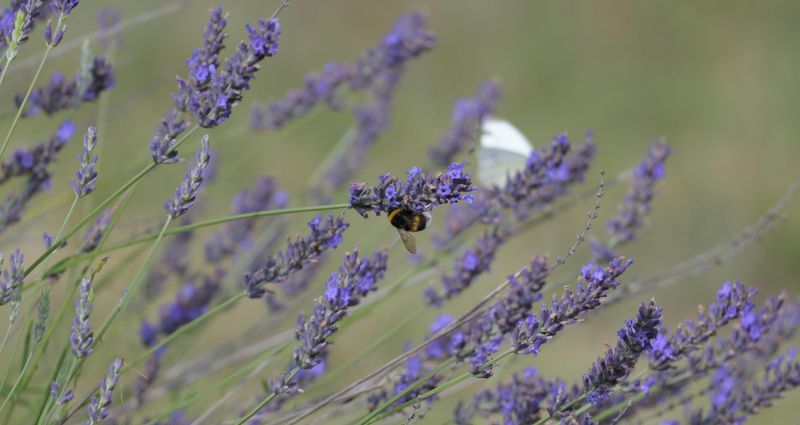
Buzzing through southern Oregon’s mountains, this rare bumblebee has one of the smallest ranges of any bumblebee species in the world.
Franklin’s Bumblebee is critically endangered and possibly extinct, with no confirmed sightings in recent years despite extensive searches by researchers.
This species once thrived in a small area between southern Oregon and northern California, making it unique to this specific region.
Homeowners in Josephine, Jackson, and surrounding counties might have once seen these bees, but their populations have mysteriously collapsed dramatically.
Any sighting of Franklin’s Bumblebee should be reported immediately to wildlife authorities, as it could provide crucial information for conservation efforts.
Harming or removing this species is illegal under state and federal protections, with severe penalties for anyone who violates these laws.
Scientists believe disease, habitat loss, and pesticide use may have contributed to the decline of this once-common pollinator species.
Protecting native wildflowers and avoiding chemical pesticides can help support remaining bumblebee populations that still exist in Oregon’s diverse landscapes.
Bumblebees are essential pollinators for many crops and wild plants, making their conservation critical for ecosystem health and agricultural productivity.
5. Taylor’s Checkerspot Butterfly
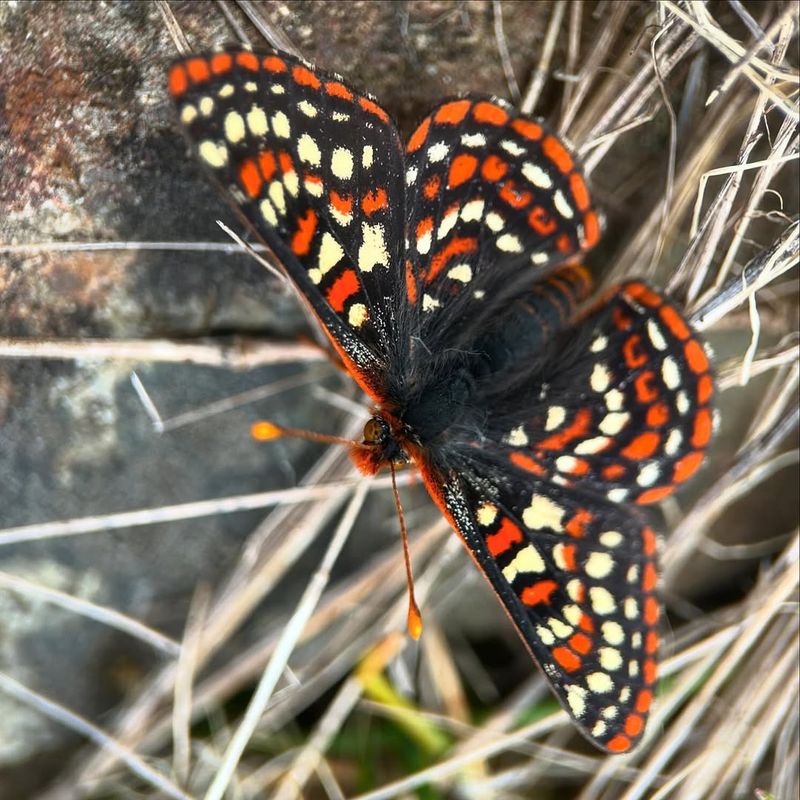
Sporting a striking checkered pattern, this butterfly is one of Oregon’s most beautiful and most endangered insects protected by federal law.
Taylor’s Checkerspot Butterfly lives in native prairies and oak woodlands, habitats that have become increasingly rare throughout the Pacific Northwest region.
Only a few small populations remain in Oregon, making this species extremely vulnerable to extinction without continued protection and habitat restoration.
Homeowners near remaining prairie habitats might occasionally spot these butterflies during spring and early summer when they are most active.
Federal law prohibits harming, capturing, or disturbing Taylor’s Checkerspot Butterflies, with violations resulting in substantial fines and possible criminal prosecution.
Their caterpillars feed on native plantain species, so preserving these plants is essential for the butterfly’s survival and successful reproduction.
Habitat fragmentation and invasive plant species have greatly reduced the areas where these butterflies can successfully live and reproduce today.
Landowners can contribute to conservation by maintaining native prairie plants and participating in habitat restoration projects organized by conservation groups statewide.
Protecting Taylor’s Checkerspot means preserving the unique prairie ecosystems that support hundreds of other native plant and animal species too.
6. Marbled Murrelet
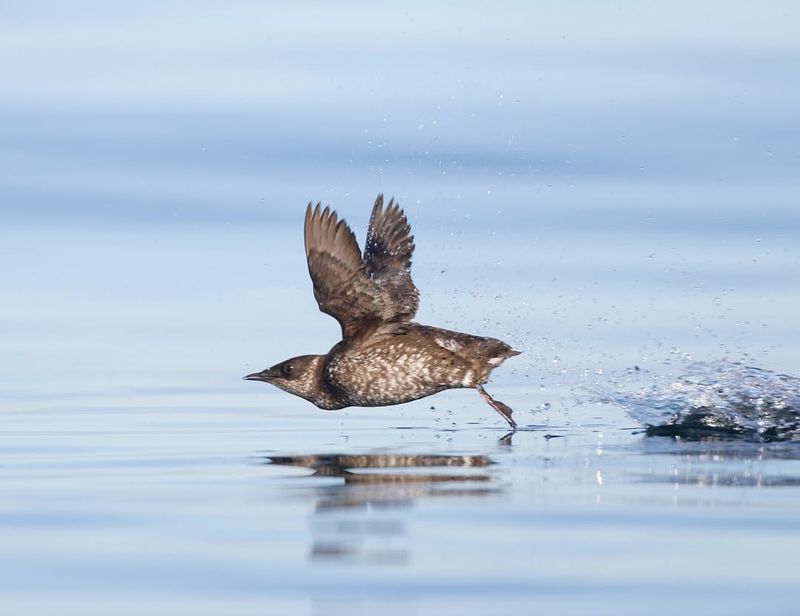
This small seabird has an unusual lifestyle, nesting high in old-growth forest trees but feeding exclusively in coastal ocean waters daily.
Marbled Murrelets are listed as threatened under federal law, making it illegal for homeowners to disturb their nests or habitat anywhere.
These birds rely on ancient forests with large, moss-covered branches for nesting, which are becoming increasingly scarce due to logging activities.
Coastal property owners might see these birds flying rapidly between the ocean and inland forests during breeding season each year.
Removing old-growth trees that could serve as nesting sites is prohibited if Marbled Murrelets are present in your area today.
The birds are difficult to study because they nest so high in trees and travel long distances between nesting and feeding areas.
Conservation efforts focus on protecting remaining old-growth forests and restoring coastal forest habitats that these unique seabirds desperately need now.
If you own forested property near the coast, preserving large trees with mossy branches can provide critical habitat for these birds.
Marbled Murrelets face threats from habitat loss, oil spills, and fishing net entanglement, making every protected nesting site valuable for survival.
7. Oregon Spotted Frog
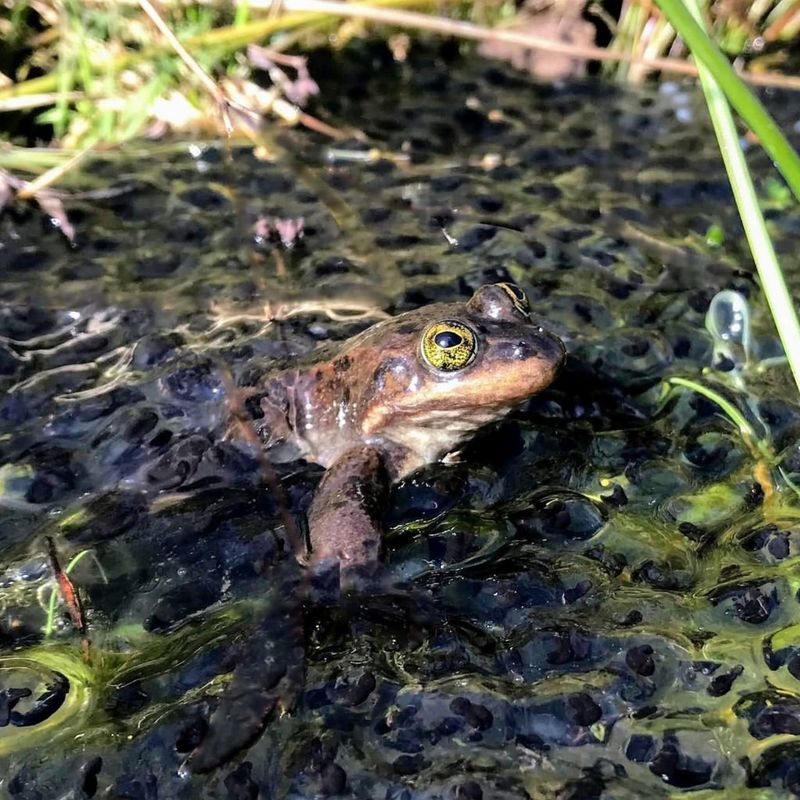
Splashing through wetlands, this colorful frog is Oregon’s most endangered amphibian and is protected by both state and federal regulations today.
Oregon Spotted Frogs have declined dramatically due to wetland drainage, invasive species, and disease, leaving only a few scattered populations remaining.
These frogs prefer shallow, marshy areas with plenty of aquatic vegetation where they can breed and find food throughout the year.
Homeowners with ponds or wetlands on their property might encounter these frogs, but removing or harming them is strictly illegal now.
Federal law protects Oregon Spotted Frogs as a threatened species, meaning violations can result in hefty fines and criminal charges today.
The frogs have distinctive black spots on their backs and reddish coloring on their undersides, making them relatively easy to identify.
Draining wetlands or filling in ponds that contain these frogs can result in severe legal consequences under environmental protection laws.
Property owners can help by preserving natural wetlands and creating frog-friendly habitats with native aquatic plants and shallow water areas.
Oregon Spotted Frogs are important indicators of wetland health, and their presence suggests a thriving ecosystem that supports many other species.
8. Vernal Pool Fairy Shrimp
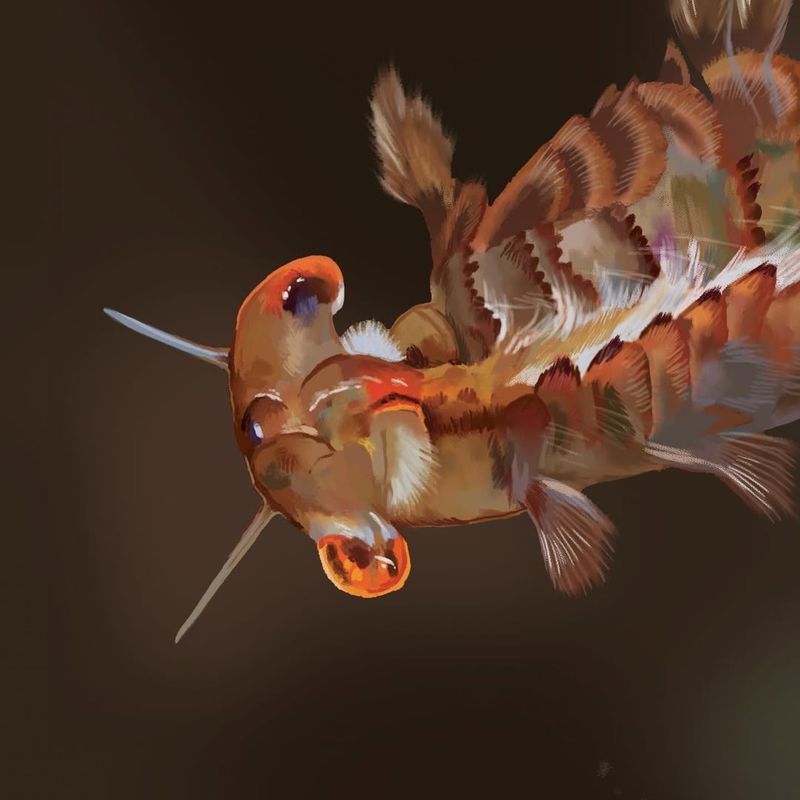
Swimming upside-down in temporary pools, these tiny crustaceans are among Oregon’s strangest and most protected aquatic creatures found in specific habitats.
Vernal Pool Fairy Shrimp live in seasonal pools that fill with winter rains and dry up in summer, creating unique ecosystems.
These fascinating creatures have adapted to survive dry periods as drought-resistant eggs that can remain dormant for years until conditions improve.
Homeowners with low-lying areas that flood seasonally might unknowingly have vernal pools containing these protected shrimp on their property today.
Federal law prohibits disturbing or destroying vernal pools that contain Fairy Shrimp, with severe penalties for violations of these protections.
The shrimp are translucent and small, often going unnoticed unless you look carefully at water in temporary pools during spring.
Filling in vernal pools or altering their hydrology can result in legal action under the Endangered Species Act and state regulations.
Landowners should consult with wildlife experts before modifying any seasonal wetlands or temporary pools on their property to avoid violations.
Vernal Pool Fairy Shrimp are important food sources for migrating birds and other wildlife that depend on these ephemeral habitats.
9. Monarch Butterfly
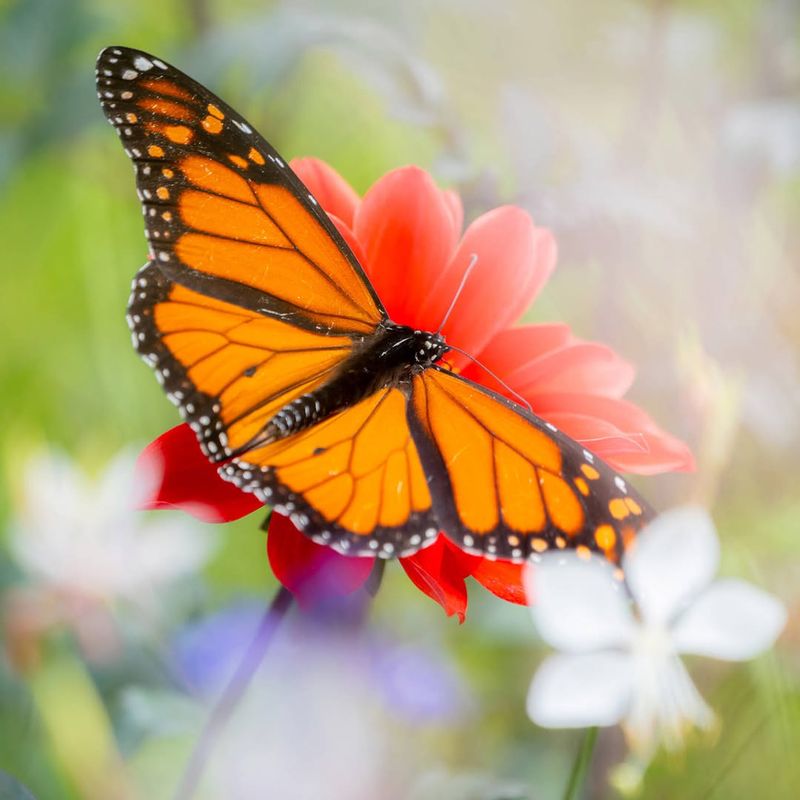
Famous for their incredible migration journeys, Monarch Butterflies are now protected in Oregon due to dramatic population declines across North America.
Monarchs travel thousands of miles between breeding grounds and overwintering sites, making them one of nature’s most remarkable insect migrants.
Oregon populations are part of the western migration route, and their numbers have plummeted by over ninety percent in decades.
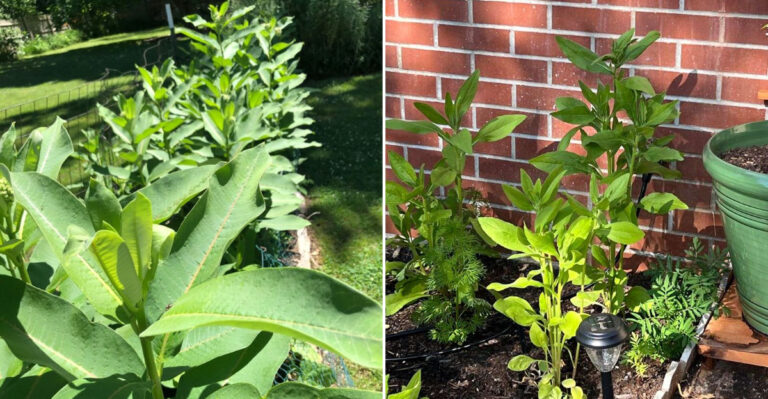
Homeowners throughout Oregon might see these iconic butterflies during migration periods, especially in areas with milkweed plants growing naturally nearby.
While not yet federally listed, Oregon has implemented state protections making it illegal to harm Monarchs or destroy their habitat intentionally.
Milkweed is the only plant Monarch caterpillars can eat, so preserving and planting milkweed is critical for their survival today.
Pesticide use, especially neonicotinoids, has been linked to declining Monarch populations and should be avoided by concerned property owners everywhere.
Creating Monarch-friendly gardens with native milkweed and nectar plants can provide essential stopover habitat for migrating butterflies passing through Oregon.
Protecting Monarchs means preserving the incredible natural phenomenon of migration that has fascinated people for generations and inspires conservation efforts.
10. Northern Spotted Owl
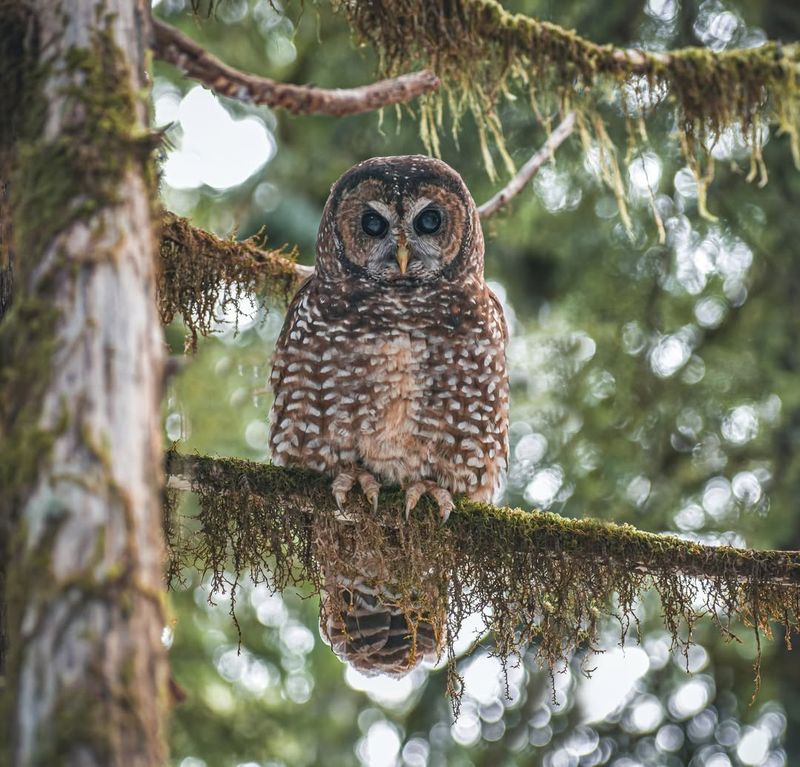
Hooting softly in ancient forests, this iconic owl became the symbol of old-growth forest conservation battles throughout the Pacific Northwest region.
Northern Spotted Owls are listed as threatened under federal law, making it illegal to harm them or disturb their nesting sites.
These owls require large territories of old-growth forest to survive, with each pair needing thousands of acres for hunting and breeding.
Homeowners living near forested areas might hear their distinctive calls at night but should never attempt to capture or disturb them.
Removing large trees that could serve as nesting sites is prohibited in areas where Northern Spotted Owls are known to live.
The owls face competition from invasive Barred Owls, which have expanded into their territory and compete for food and nesting sites.
Conservation efforts include habitat protection, forest management changes, and research into managing competing owl species to help Spotted Owls recover successfully.
Property owners with forested land can help by preserving old trees and maintaining forest structure that provides suitable owl habitat today.
Northern Spotted Owls are an indicator species, meaning their presence suggests a healthy, intact forest ecosystem supporting diverse wildlife communities.