10 Protected Trees In Pennsylvania That Can Lead To Heavy Fines If You Cut Them Down
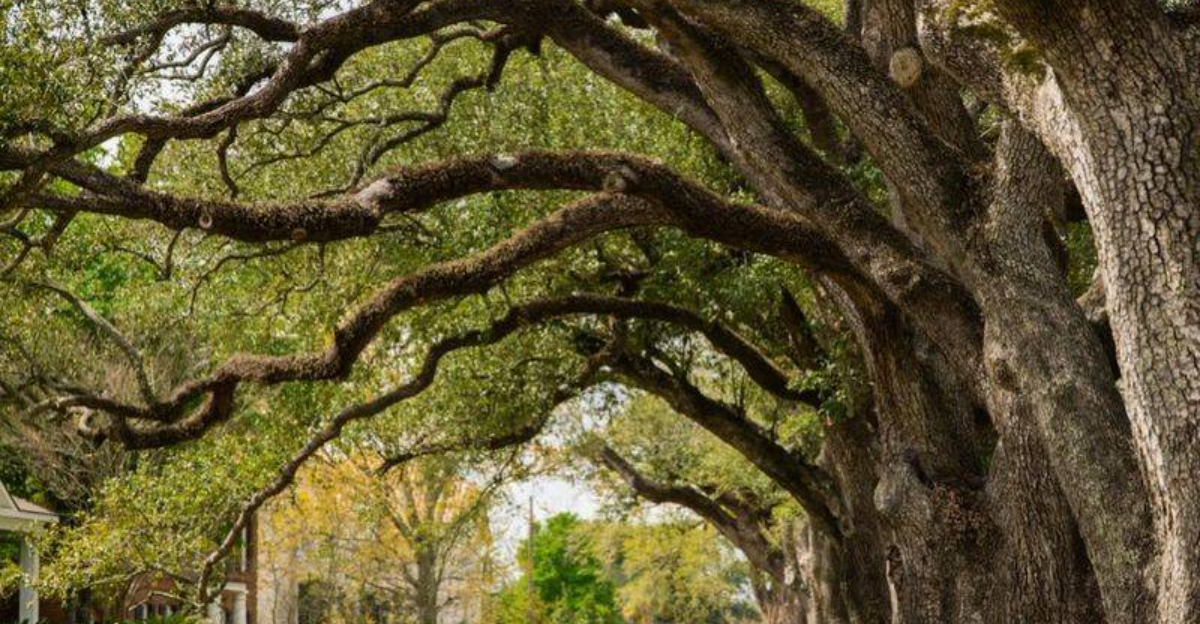
Not every tree in your Pennsylvania yard is just a scenic backdrop—some are legally protected, and cutting them down without permission can cost you serious money.
From towering oaks to rare native species, these trees are part of the state’s effort to preserve biodiversity, prevent soil erosion, and protect local ecosystems.
In Pennsylvania, one wrong cut can mean thousands in fines.
Whether it’s a tree on your property or one bordering public land, homeowners need to know which species are off-limits.
Ignorance isn’t a defense—the law treats protected trees seriously.
Violating these regulations can lead to penalties, mandatory restoration, and legal headaches that far outweigh any landscaping inconvenience.
Not every tree is yours to remove—some are legally untouchable.
By learning which trees are protected, how to get permits when necessary, and how to safely maintain your property, Pennsylvania residents can avoid fines while still enjoying a beautiful, thriving landscape.
Protect your property, the environment, and your wallet by knowing the rules.
1. Heritage Or Landmark Trees Protected By Local Ordinances
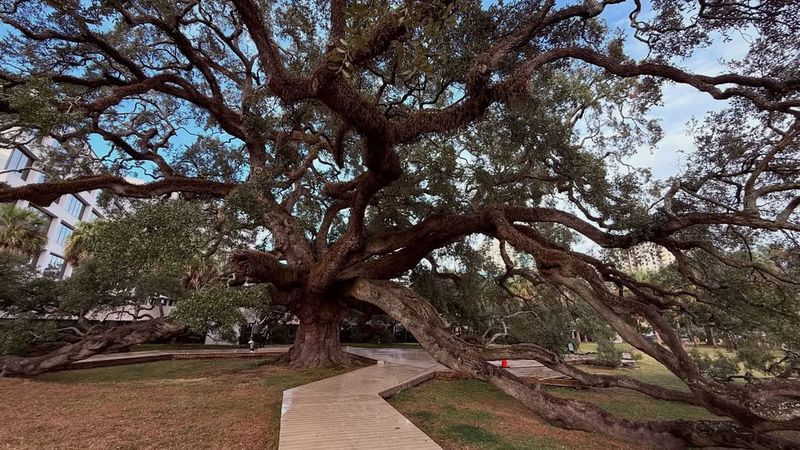
Some trees become living monuments in Pennsylvania communities because of their impressive age, enormous size, or connection to local history.
These heritage or landmark trees often receive special legal protection through municipal ordinances that recognize their cultural and environmental value.
A tree might qualify for this status if it witnessed significant historical events, reaches exceptional dimensions, or represents a rare species in the area.
Many townships maintain official registries of these special trees, and property owners must apply for permits before performing any work on them.
Cutting down a heritage tree without approval can trigger fines ranging from several hundred to tens of thousands of dollars, depending on the tree’s assessed value.
Some ordinances also require violators to plant multiple replacement trees or pay into community forestry funds.
Local tree commissions typically review applications to remove heritage trees and only grant permission when the tree poses a genuine safety hazard or suffers from irreversible decline.
Even trimming branches may require advance notice and professional arborist reports.
Homeowners should check with their municipal offices to learn if any trees on their property carry heritage designation.
Respecting these natural landmarks helps preserve community character for future generations while keeping your wallet safe from penalty fees.
2. Trees Located In Designated Conservation Or Overlay Zones
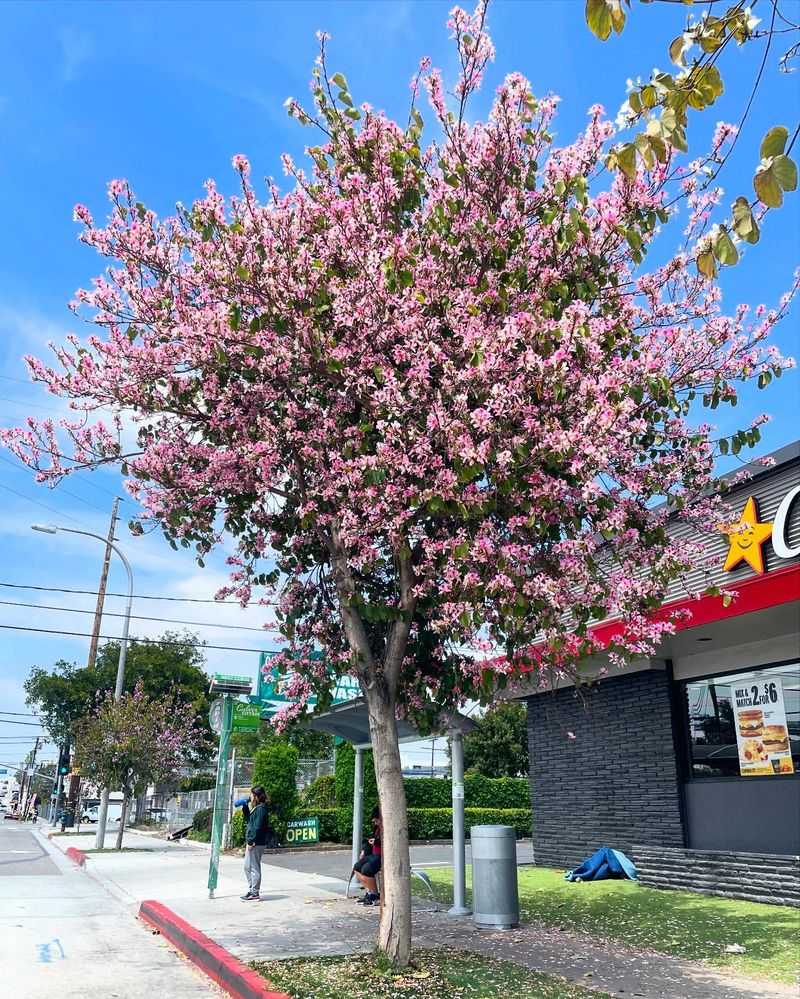
Pennsylvania communities often establish conservation districts and environmental overlay zones to protect ecologically sensitive areas from development and habitat loss.
Trees growing within these designated zones receive automatic protection regardless of their species or individual characteristics.
The regulations exist because these areas provide critical wildlife habitat, prevent soil erosion, maintain air quality, and support biodiversity.
Overlay zones might include steep slopes, floodplains, ridgelines, or areas with unique geological features that require careful management.
Property owners who want to remove trees in these zones must typically submit detailed plans showing how the removal fits into responsible land stewardship.
Violations can result in stop-work orders, mandatory restoration requirements, and substantial fines that increase with the number of trees removed.
Some municipalities calculate penalties based on the diameter of removed trees, with larger specimens carrying higher financial consequences.
Before purchasing property, buyers should research whether conservation restrictions apply, as these rules can significantly limit landscaping options.
Working with environmental planners and obtaining proper permits ensures compliance while still allowing reasonable property use.
These protections balance private ownership rights with community-wide environmental goals that benefit everyone through cleaner water and healthier ecosystems.
3. Trees Growing Along Streams, Creeks, Or Wetlands
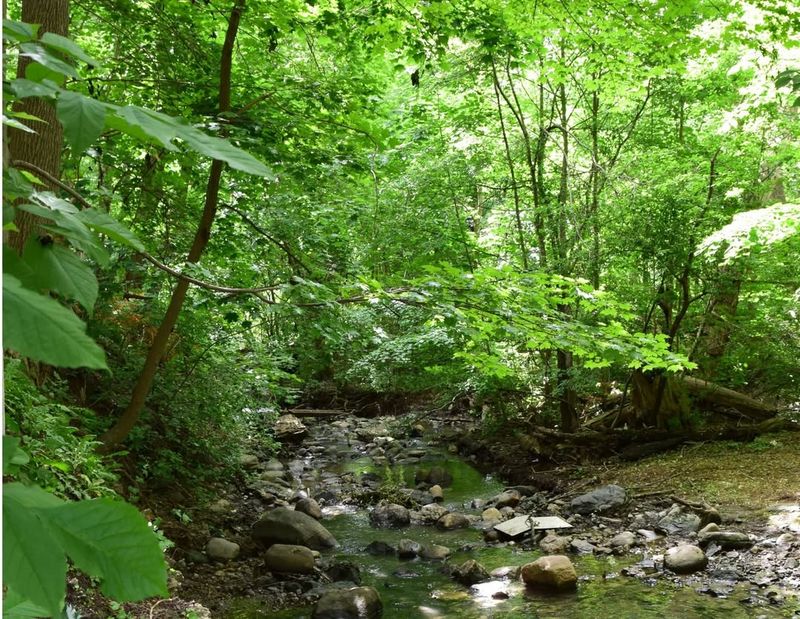
Riparian buffers are vegetated areas along waterways that play a vital role in protecting water quality throughout Pennsylvania.
Trees in these zones filter pollutants, stabilize banks against erosion, provide shade that keeps water temperatures healthy for aquatic life, and create wildlife corridors.
State and local regulations strictly control tree removal near streams, creeks, rivers, and wetlands because losing this vegetation can cause serious environmental damage downstream.
The Pennsylvania Department of Environmental Protection requires permits for most activities within riparian areas, and unauthorized tree cutting can trigger enforcement actions.
Penalties may include restoration orders requiring property owners to replant native species at their own expense, plus fines that reflect the ecological harm caused.
Many townships have additional ordinances that extend protection beyond state minimums, sometimes requiring buffers of fifty feet or more from the water’s edge.
Even selective tree removal often needs professional review to ensure stream bank stability remains intact.
Property owners concerned about flooding or maintenance issues should consult with environmental agencies before taking action.
Approved alternatives like strategic pruning or planting appropriate species can address concerns while maintaining legal compliance.
Protecting streamside trees benefits not just your property but entire watersheds that supply drinking water to communities across the region.
4. Street Trees Owned Or Managed By Municipalities
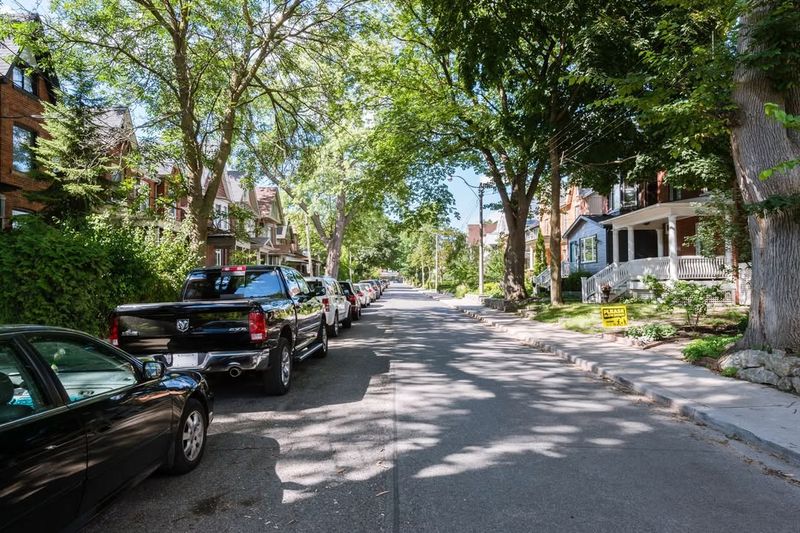
That beautiful maple shading your front yard might not actually belong to you, even if it sits on what looks like your property.
Street trees typically grow within the public right-of-way, the strip of land between the sidewalk and curb that municipalities own and manage.
These trees provide community-wide benefits like cooling neighborhoods, reducing stormwater runoff, and improving property values for entire blocks.
Because they serve public purposes, local governments maintain legal ownership and control over their care, pruning, and removal.
Homeowners who cut down a street tree without permission face replacement costs that can easily exceed several thousand dollars for mature specimens.
Municipalities calculate these costs based on trunk diameter, species value, and the expense of planting and establishing a comparable replacement.
Some towns also impose separate fines on top of replacement fees, especially for repeat offenders or particularly valuable trees.
If a street tree causes problems like sidewalk damage or branch interference, property owners should contact their local public works or forestry department.
Officials can assess whether removal or pruning is appropriate and handle the work through proper channels.
Taking matters into your own hands with street trees almost always leads to expensive consequences and strained relationships with municipal authorities.
5. Mature Oak Trees Covered By Local Tree Preservation Codes
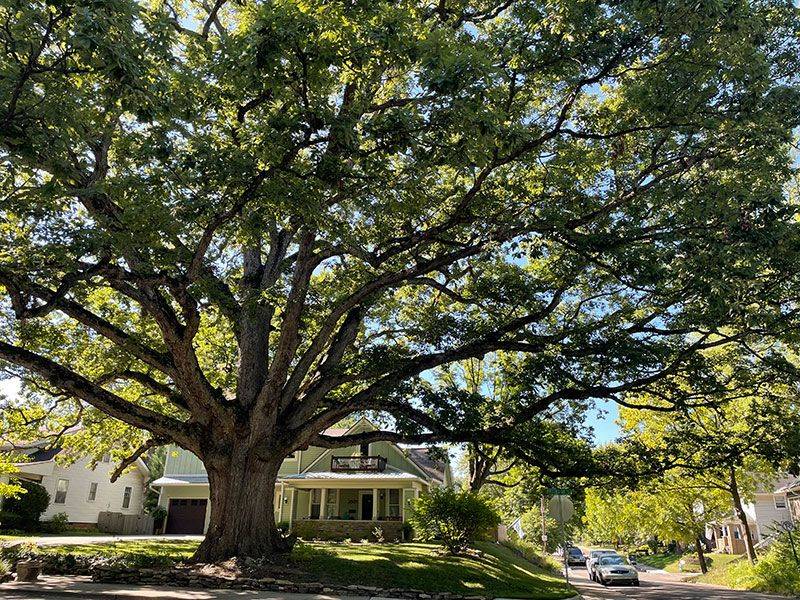
Oak trees earn special recognition in Pennsylvania tree preservation ordinances because of their exceptional environmental contributions and longevity.
These hardwood giants can live for centuries, providing wildlife habitat, storing massive amounts of carbon, and managing stormwater through their extensive root systems.
A single mature oak supports hundreds of insect species, which in turn feed birds and other animals throughout the ecosystem.
Many townships specifically protect oaks above certain diameter thresholds, recognizing that replacing their ecological functions would take decades.
Property owners must often prove that an oak presents imminent danger or suffers from untreatable disease before receiving removal approval.
Cutting a protected oak without permits can result in fines calculated by trunk diameter, sometimes reaching tens of thousands of dollars for the largest specimens.
Some ordinances require property owners who remove approved oaks to plant multiple replacement trees of specific native species.
Real estate developers face particularly strict scrutiny, with requirements to design projects around existing oaks whenever feasible.
Homeowners who inherit properties with large oaks should view them as valuable assets rather than obstacles to landscaping plans.
Professional arborists can help maintain oak health through proper pruning and care, preserving these magnificent trees for future generations while avoiding legal troubles.
6. American Beech Trees In Regulated Areas
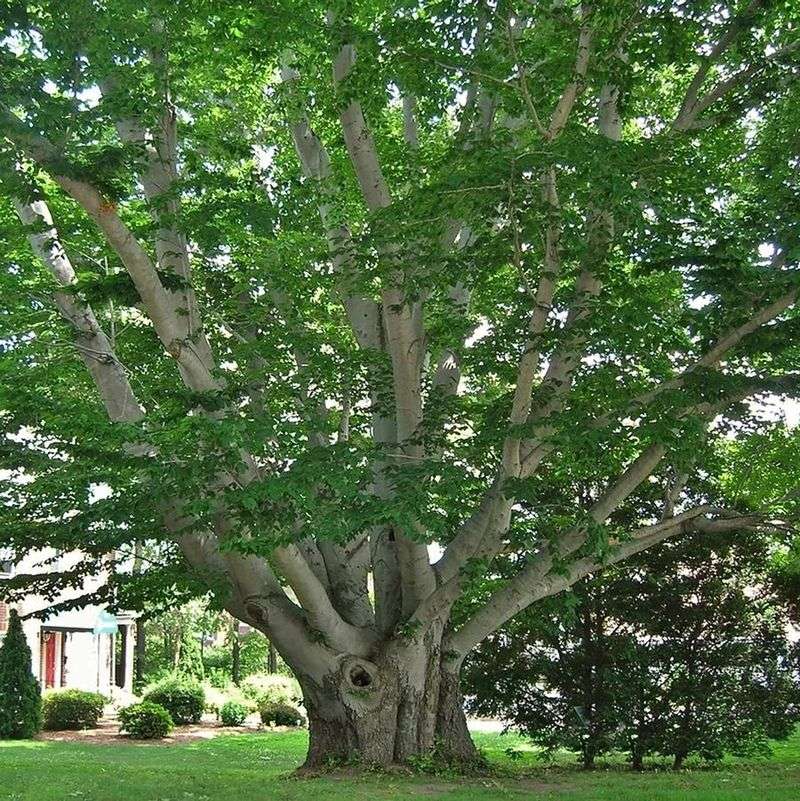
American beech trees bring distinctive beauty to Pennsylvania landscapes with their smooth silvery bark and graceful branching patterns.
These native trees often receive protection in established neighborhoods where they contribute to the mature tree canopy that defines community character.
Beeches grow slowly and can reach impressive ages, making them irreplaceable elements of older properties and park-adjacent areas.
Their ecological value includes providing beechnuts that feed wildlife and creating dense shade that supports understory plant communities.
Many municipalities include American beech in lists of protected species, especially specimens exceeding certain size measurements.
The smooth bark that makes beeches attractive also makes them vulnerable to damage, so preservation ordinances help ensure their survival.
Property owners planning landscaping changes should identify beech trees early in the process and design around them rather than assuming removal will be approved.
Unauthorized cutting can trigger fines based on the tree’s appraised value, which considers age, condition, location, and species.
For beeches in historic districts or conservation zones, penalties may include additional restoration requirements.
Working with certified arborists helps property owners understand their obligations regarding beech trees and explore options for addressing legitimate concerns without resorting to removal that could bring legal and financial consequences.
7. Sycamore Trees Near Public Land Or Waterways
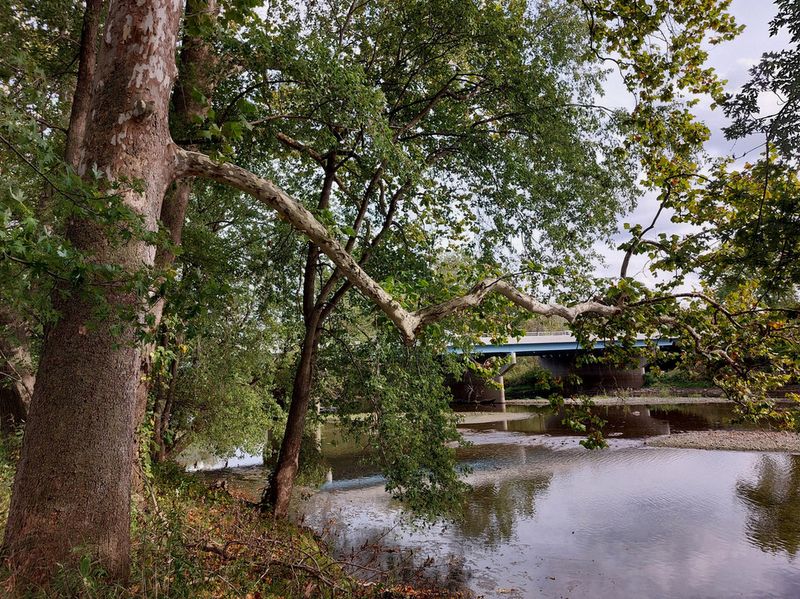
Sycamores stand out in Pennsylvania landscapes with their massive trunks covered in peeling bark that creates beautiful mottled patterns of white, gray, and brown.
These native trees naturally thrive along streams and rivers where their extensive root systems help prevent erosion and stabilize banks.
Because sycamores provide such important functions in riparian areas, they frequently receive protection under watershed management regulations.
Properties bordering parks, greenways, or public lands often face restrictions on removing sycamores that contribute to the shared natural environment.
Their large size and rapid growth make sycamores valuable for stormwater management, as their roots and canopy process enormous quantities of water.
Municipalities recognize these benefits by including sycamores in protected species lists or by regulating their removal through permit systems.
Cutting a sycamore without authorization near waterways or public spaces can result in violations from multiple agencies with overlapping jurisdiction.
Fines may come from local tree ordinances, state environmental regulations, and requirements to restore damaged riparian buffers.
Property owners who find sycamores inconvenient due to their size or leaf drop should explore management alternatives before considering removal.
Professional tree care can address specific concerns while keeping these important native trees in place and property owners in compliance with protective regulations.
8. Trees Located In Historic Districts
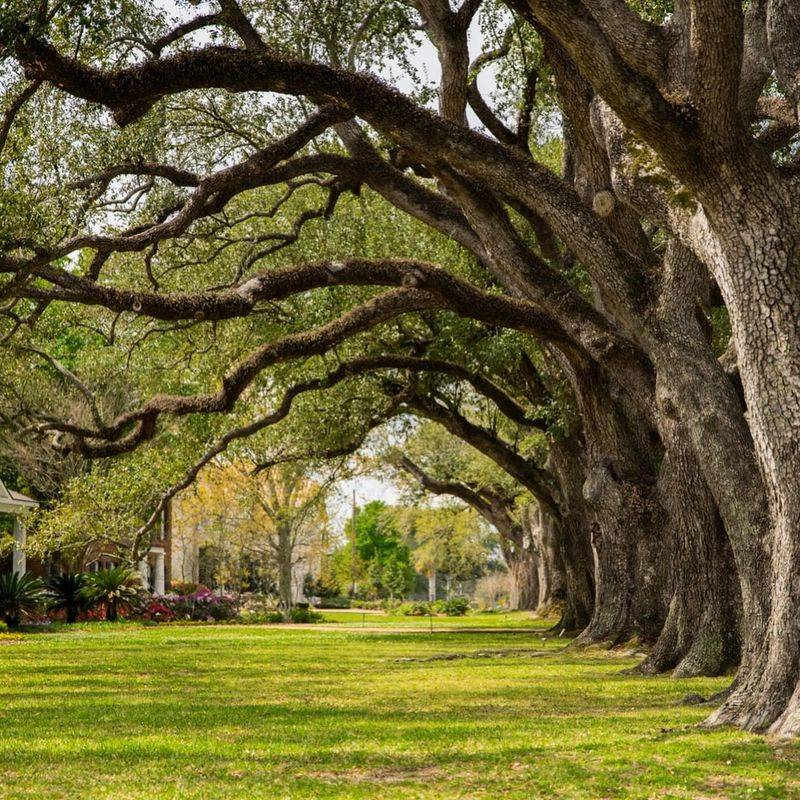
Historic districts preserve not just buildings but the entire character of neighborhoods that represent Pennsylvania’s architectural and cultural heritage.
Mature trees often contribute as much to historic atmosphere as the structures themselves, providing the established landscape that defines these special areas.
Historic district regulations typically require property owners to obtain approval from preservation commissions before removing trees, especially mature specimens visible from public streets.
These review processes consider whether trees contribute to the district’s historic character, even if they weren’t present during the original period of significance.
Commissioners evaluate how tree removal would affect streetscapes, property relationships, and the overall visual harmony that makes historic districts worth preserving.
Unauthorized tree removal in historic districts can result in fines from both preservation authorities and separate tree ordinance violations.
Some communities require property owners to replant with period-appropriate species if removal is approved, ensuring the historic landscape continues.
Real estate investors who purchase properties in historic districts should research tree protection requirements before planning renovations or landscaping changes.
The approval process may seem burdensome, but it protects property values by maintaining the cohesive character that attracts people to historic neighborhoods.
Working cooperatively with preservation commissions and documenting legitimate concerns helps property owners navigate requirements while respecting community heritage.
9. Trees Protected By HOA Or Development Agreements
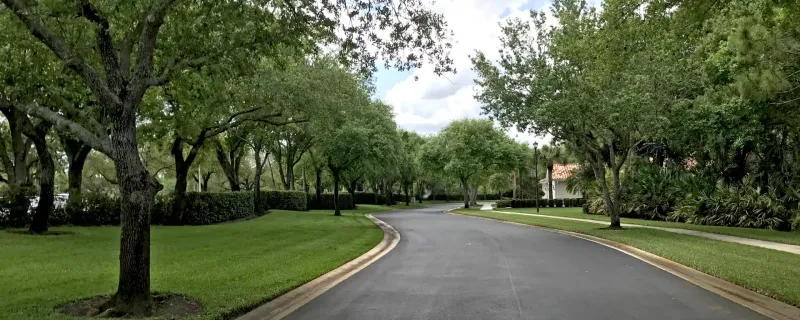
Homeowners associations and subdivision covenants frequently include provisions that protect trees as part of maintaining community standards and property values.
These private agreements can be just as legally binding as municipal ordinances, giving HOAs enforcement power to impose fines for unauthorized tree removal.
Developers often include tree preservation requirements in community covenants to ensure the mature landscape character that attracted buyers remains intact.
HOA rules might protect all trees above certain sizes, specific species, or trees in designated common areas and sight lines.
Before removing any tree, homeowners in planned communities should review their HOA documents and submit requests through proper architectural review procedures.
Failure to follow these processes can result in fines that accumulate daily until the violation is resolved, potentially reaching thousands of dollars.
Some HOAs also require violators to plant replacement trees at their own expense or pay into community landscaping funds.
Because HOA covenants are private contracts, they can sometimes impose stricter requirements than local government regulations.
Property owners who disagree with HOA tree rules must work through internal appeal processes or legal channels rather than simply ignoring the requirements.
Understanding and respecting these community agreements helps maintain neighborhood harmony and protects homeowners from financial penalties and potential liens against their property.
10. What Pennsylvania Homeowners Must Do Before Cutting Any Tree
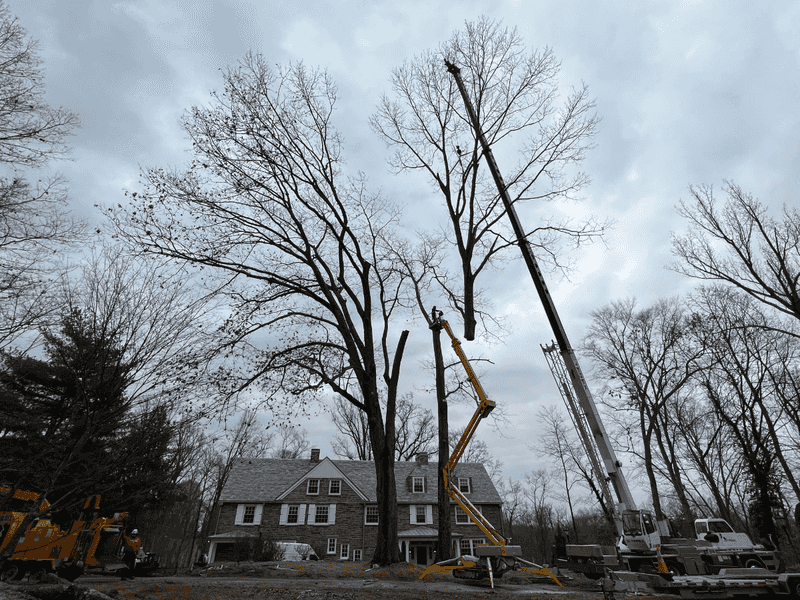
Smart Pennsylvania homeowners take several important steps before removing any tree to avoid fines that can range from hundreds to tens of thousands of dollars.
Start by checking with your municipal planning or zoning office to learn about local tree ordinances and whether your property falls within any special protection zones.
Request information about permit requirements, protected species lists, and size thresholds that trigger review processes.
Review your property survey to determine whether trees sit within public rights-of-way or on your land, as this affects who controls removal decisions.
If you live in an HOA community or historic district, examine your governing documents for tree protection provisions and approval procedures.
Consider hiring a certified arborist to assess tree health and explore alternatives to removal, as many ordinances require professional documentation for permit applications.
Submit permit applications well in advance of planned work, as review processes can take weeks or months depending on local procedures.
Keep all documentation, approvals, and correspondence in case questions arise later about your compliance.
When in doubt, ask questions rather than assuming removal is acceptable, as ignorance of regulations provides no defense against penalties.
Taking time to follow proper procedures protects you from costly fines while demonstrating respect for the environmental and aesthetic values that tree protection ordinances aim to preserve.