9 Proven Companion Planting Tips For Vegetable Gardens In Virginia
Plants need good neighbors.
Virginia’s warm summers, humid air, and fertile soil make it a fantastic place to grow vegetables. But great gardens are not just about sunlight and good dirt.
What you plant next to your crops can make a big difference.
Companion planting is the simple idea of pairing plants so they help each other thrive. Some combinations repel pests.
Others improve growth, boost flavor, or increase harvests.
Shenandoah Valley farms and backyard plots in Richmond prove the same point. The right plant partnerships can completely change how a vegetable garden grows and performs through the season.
Plant Tomatoes With Basil For A Powerful Duo
Tomatoes and basil are a classic pair.
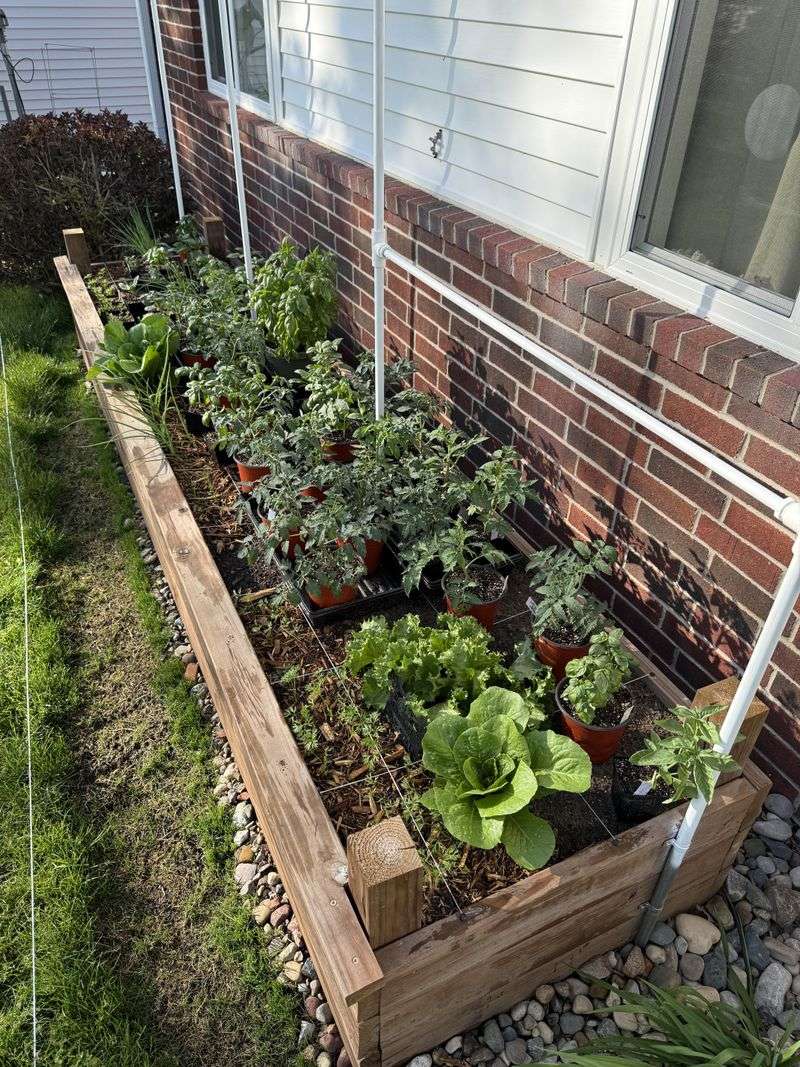
Virginia gardeners have trusted this companion planting combination for generations because the two plants grow beautifully side by side.
Basil releases a natural scent that confuses and repels common tomato pests like aphids and hornworms, which are a real headache during Virginia’s humid summers.
The aromatic oils in basil act almost like a natural shield around your tomato plants.
Beyond pest control, many gardeners claim that basil actually improves the flavor of nearby tomatoes.
While science is still debating that one, the anecdotal evidence from countless home gardeners is hard to ignore.
Planting basil about 12 inches away from your tomato plants gives both crops enough room to thrive without competing for nutrients.
Virginia’s long growing season, which stretches from late spring through early fall, gives this pair plenty of time to work their magic together.Make sure both plants get at least six hours of full sun daily.
Water consistently at the base rather than overhead to prevent fungal issues that Virginia’s humidity can encourage.
This simple pairing can boost your tomato yield while keeping your herb garden productive all season long.
Grow The Three Sisters Together Like Native Virginians Did
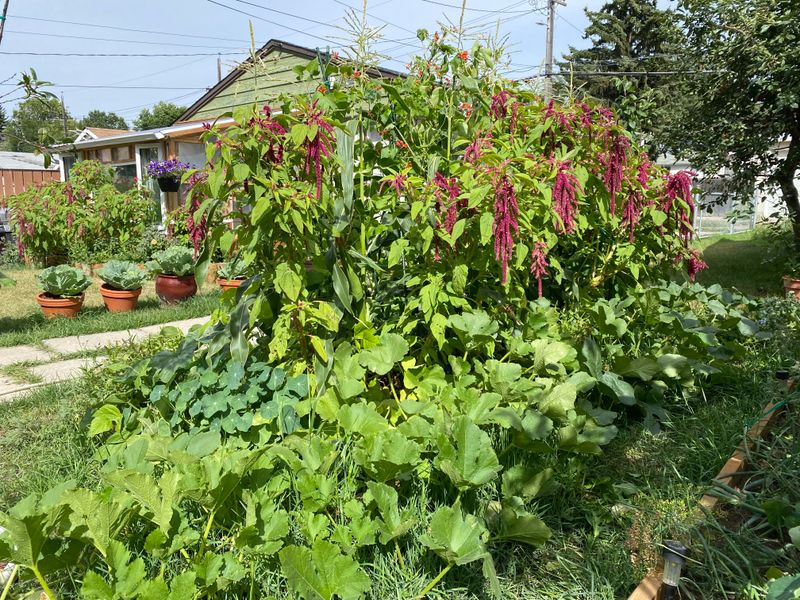
Long before modern gardening books existed, Indigenous peoples across Virginia were already mastering one of the most brilliant companion planting systems ever developed.
The Three Sisters method pairs corn, beans, and squash in a way that makes each plant stronger than it would ever be alone.
Corn grows tall and gives beans something to climb, while beans pull nitrogen from the air and feed it back into the soil.
Squash spreads low along the ground, creating a natural living mulch that keeps moisture in and weeds out.
The large squash leaves also shade the soil, keeping roots cool during Virginia’s hot July and August afternoons.
Together, these three plants form a self-supporting ecosystem that reduces the need for fertilizer, watering, and weeding.
To try this in your Virginia garden, plant corn first and wait until it reaches about five inches tall before adding beans and squash around it.
Give the whole group a spot with full sun and well-drained soil.
This method works beautifully in raised beds or traditional in-ground gardens across Virginia’s Piedmont and coastal plain regions.
It is a genuinely satisfying way to connect with the land’s deep agricultural history.
Marigolds Are Your Garden’s Best Pest Bodyguard
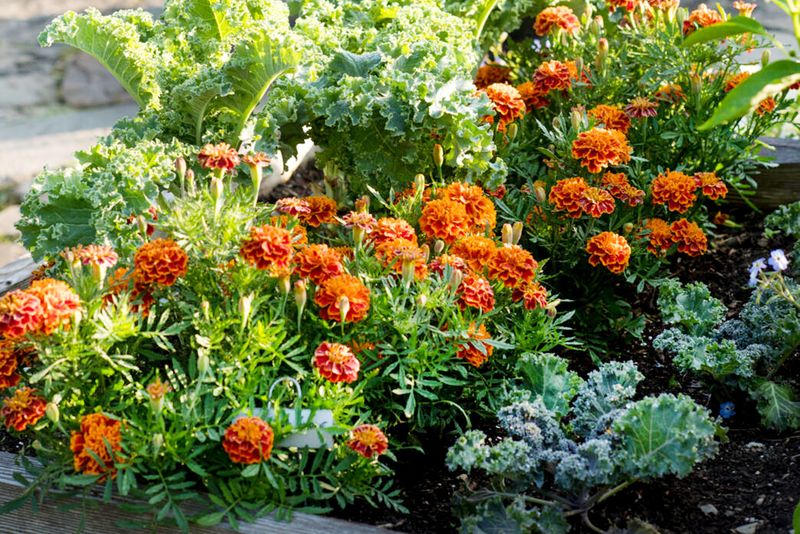
Marigolds look like simple cheerful flowers.
Underneath that sunny exterior lies one of the most effective natural pest deterrents available to any gardener.
These hardy blooms release a compound called alpha-terthienyl from their roots, which is toxic to nematodes, tiny soil-dwelling pests that wreak havoc on Virginia vegetable gardens.
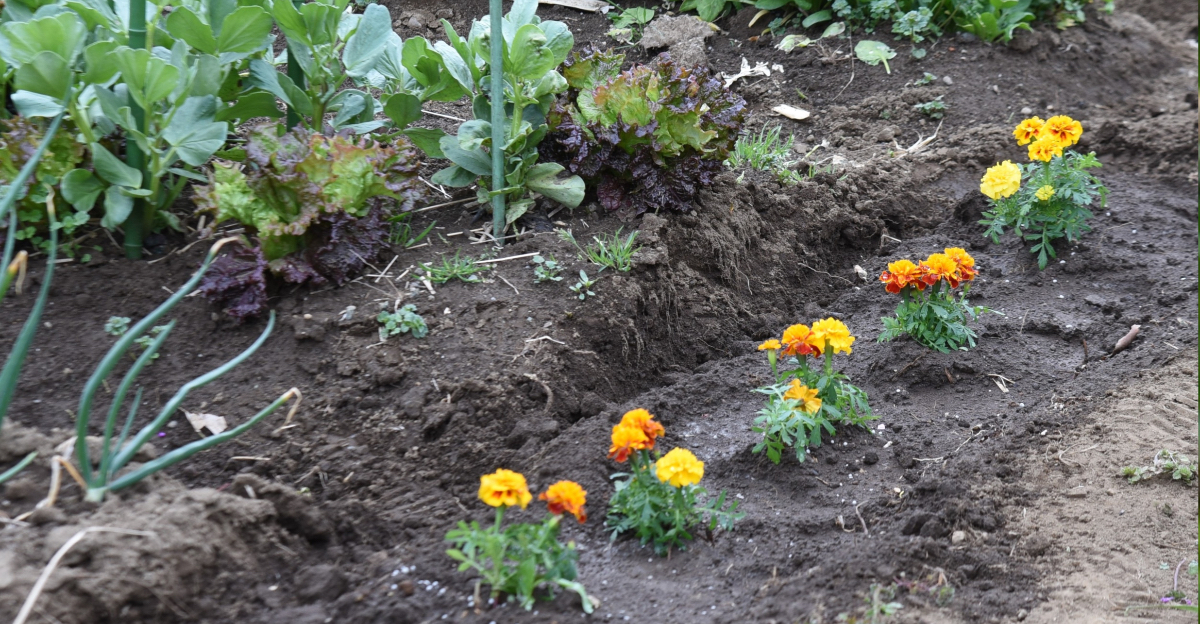
Planting marigolds around the border of your garden creates a protective ring that pests simply do not want to cross.
French marigolds, in particular, are the go-to variety for Virginia gardeners because they are compact, heat-tolerant, and bloom all season long without much fuss.
They pair brilliantly with peppers, tomatoes, eggplants, and beans.
Whiteflies, one of the most frustrating pests in Virginia gardens, are also known to avoid areas where marigolds are planted in abundance.
Scatter them generously between your vegetable rows rather than just at the edges for maximum protection.
Make sure to deadhead spent blooms regularly so the plants keep producing fresh flowers throughout the season.
Marigolds thrive in Virginia’s full sun and are drought-tolerant once established, making them a low-maintenance addition to any productive garden patch.
Beauty and function rarely come in one package this good.
Carrots And Onions Make A Surprisingly Smart Team
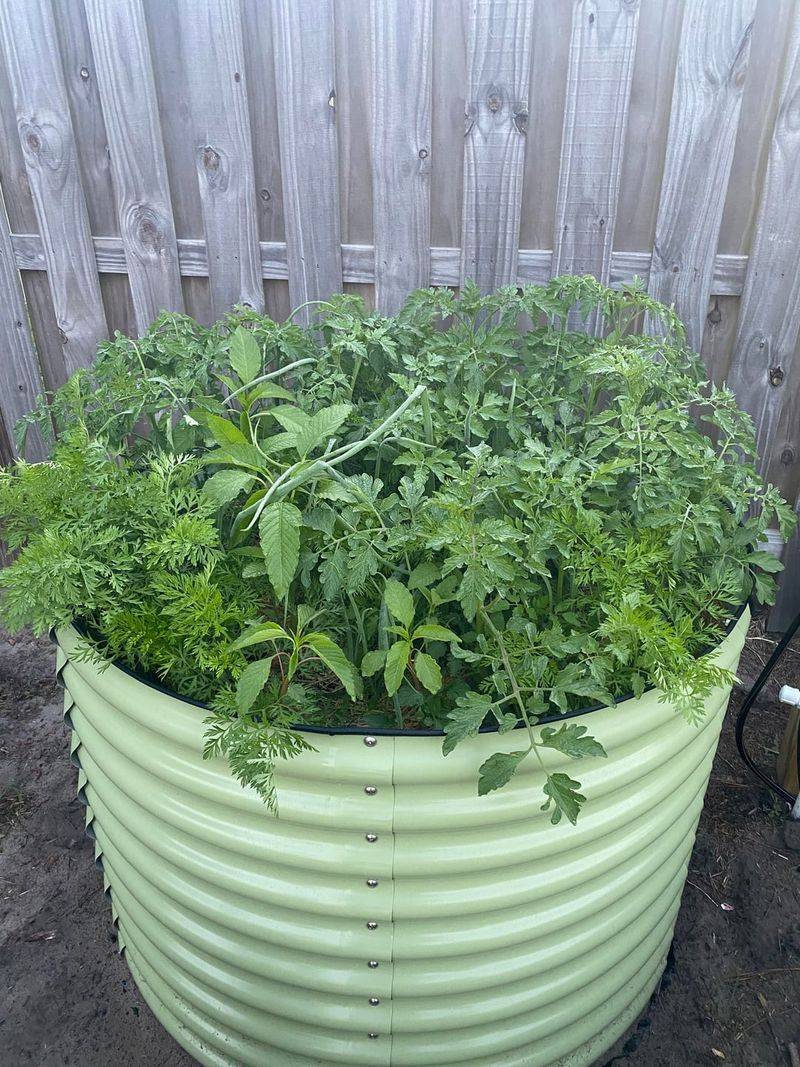
Carrots and onions have a quirky little relationship that makes them one of the cleverest pairings in the companion planting world.
The strong scent of onions confuses and repels carrot flies, while the smell of carrots does the same for onion flies.
Essentially, they cover for each other in a way that keeps both crops healthier without any chemical intervention.
Virginia’s spring and fall seasons are ideal for growing both crops since neither likes extreme summer heat.
Planting them in alternating rows or mixed patches maximizes the pest-repelling effect and makes the most of your available garden space.
Both vegetables prefer loose, well-drained soil, so amending Virginia’s clay-heavy soil with compost before planting will make a significant difference in root development.
One thing to keep in mind is that onions can slow the growth of nearby beans and peas, so plan your garden layout carefully.
Carrots and onions, however, have no such conflict and genuinely support each other’s growth.
Virginia gardeners who plant these two together often report cleaner, more uniform harvests with far fewer pest-damaged roots. It is one of those low-effort, high-reward combinations that makes companion planting feel almost like a cheat code.
Give it a try this season.
Nasturtiums Act As A Trap Crop To Lure Aphids Away
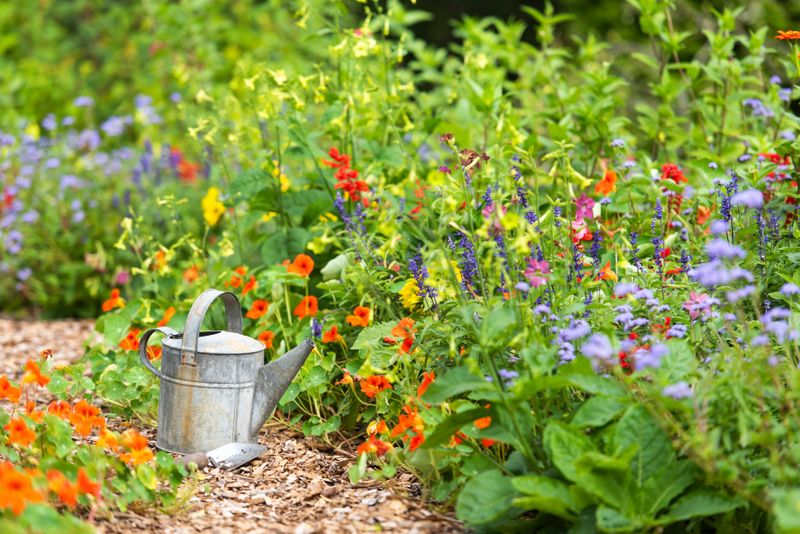
Nasturtiums are the ultimate decoy plant, and once you understand how they work, you will want them in every corner of your Virginia garden.
Aphids absolutely love nasturtiums, which makes them the perfect trap crop to draw these pests away from your precious vegetables.
By planting nasturtiums near plants like beans, brassicas, and cucumbers, you give aphids a preferred target that is not your food supply.
Once the aphids congregate on the nasturtiums, you can simply remove and compost those plants or use a strong stream of water to knock the pests off.
This strategy keeps your main vegetable crops clean without reaching for any pesticides.
Nasturtiums also attract beneficial insects like hoverflies and predatory wasps that naturally manage pest populations across your garden.
Virginia’s warm springs and summers suit nasturtiums perfectly, and they thrive in both full sun and partial shade.
They prefer poor to average soil, meaning they actually do better when you do not over-fertilize them.
Both the flowers and leaves are edible, with a peppery flavor that is wonderful in salads, so even if they attract some pests, you still get a harvest from them.
Nasturtiums are truly a multi-purpose plant every Virginia gardener should embrace.
Pair Cucumbers With Sunflowers For Shade And Support
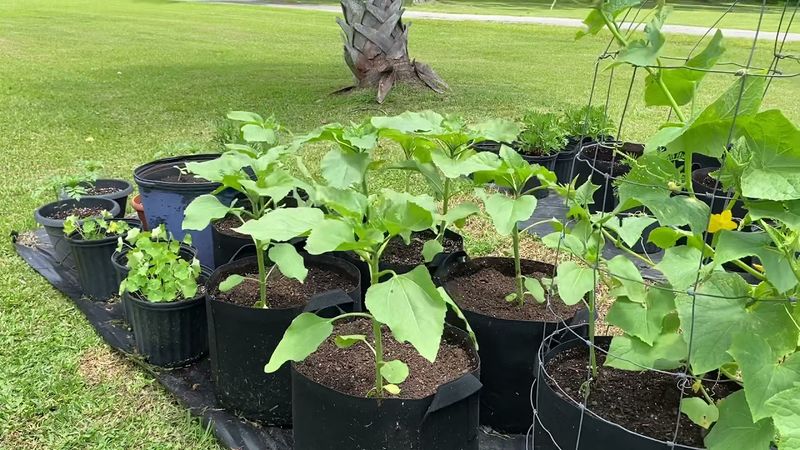
Sunflowers and cucumbers might not be the first pairing that comes to mind, but Virginia gardeners who have tried this combination often become instant converts.
Sunflowers grow tall and strong, providing a natural trellis for cucumber vines to climb without you having to build any additional structure.
This vertical growing approach saves space, improves air circulation, and keeps cucumbers off the ground where soil-borne diseases can take hold.
Sunflowers also attract pollinators like bees in impressive numbers, and cucumbers absolutely depend on good pollination to produce fruit.
More bees visiting your garden means more cucumbers forming on the vine, which is exactly what every home gardener is hoping for.
Virginia’s warm, pollinator-friendly summers make this pairing especially productive from late June through September.
Plant sunflowers on the north side of your cucumber bed so they do not block sunlight from reaching the cucumber vines as they grow. Choose tall sunflower varieties like Mammoth or Skyscraper for the best support structure.
Cucumbers prefer consistent moisture, so mulch around the base of both plants to help retain water during Virginia’s occasional summer dry spells.
This pairing turns two already-productive plants into a powerhouse gardening team that makes your vegetable patch look stunning while working harder than ever.
Lettuce Loves Growing In The Shadow Of Tall Vegetables
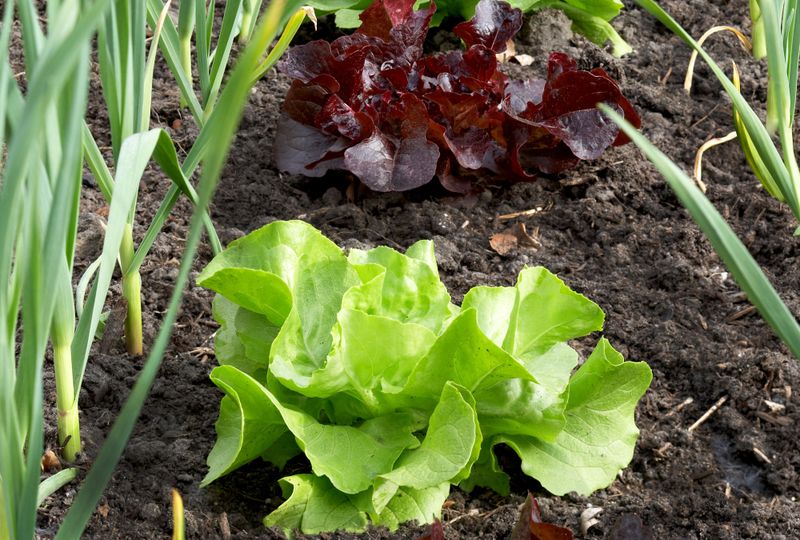
Virginia summers can get brutally hot, and lettuce is not exactly a fan of scorching afternoon sun.
But here is the good news, lettuce actually thrives when it is tucked in the partial shade of taller plants like tomatoes, peppers, or trellised beans.
This clever use of space means you can keep growing lettuce well into Virginia’s summer months instead of watching it bolt and turn bitter in the heat.
Planting lettuce underneath taller crops also makes excellent use of vertical garden space.
While the tall plants reach for the sun above, lettuce fills in the shaded zone below, creating a two-layer garden that produces more food from the same square footage.
This approach is especially useful for smaller Virginia backyard gardens where space is limited.
Loose-leaf lettuce varieties like Red Sails or Black-Seeded Simpson are ideal for this kind of understory planting because they mature quickly and tolerate shade well.
Keep the soil consistently moist since the taller plants may block some rainfall from reaching the lettuce below.
Virginia gardeners in the Piedmont region especially benefit from this trick, as summer temperatures there can spike dramatically in July and August.
Shade-grown lettuce stays tender, flavorful, and productive far longer than lettuce left exposed to full sun all day.
Borage Supports Strawberries And Keeps Tomato Worms Away
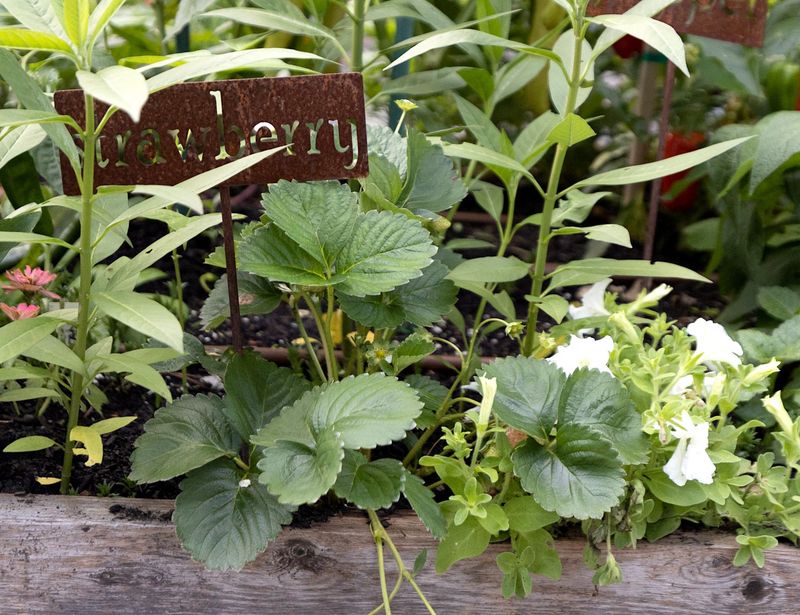
Borage is one of those plants that experienced gardeners quietly rely on while beginners overlook it entirely.
This striking herb with its star-shaped blue flowers has a well-earned reputation for improving the growth and flavor of nearby strawberries, making it a beloved companion in Virginia’s many productive strawberry patches.
It also repels tomato hornworms, one of the most destructive caterpillars that Virginia tomato growers face every summer.
Beyond pest control, borage is an incredible pollinator magnet.
Bees are drawn to its vivid blue blooms from early summer all the way through fall, and a garden full of busy bees means better fruit set across all your vegetable plants.
Borage also self-seeds freely, meaning once you plant it, it tends to come back year after year with very little effort on your part.
Borage grows best in full sun with well-drained soil, which suits most Virginia garden conditions nicely.
It is drought-tolerant once established and grows to about two to three feet tall, so give it enough room to spread without crowding its neighbors.
The young leaves and flowers are edible and carry a mild cucumber-like flavor, wonderful in salads or as a garnish.
Borage earns its place in any Virginia vegetable garden many times over throughout the growing season.
Dill And Fennel Should Be Kept Away From Most Vegetables
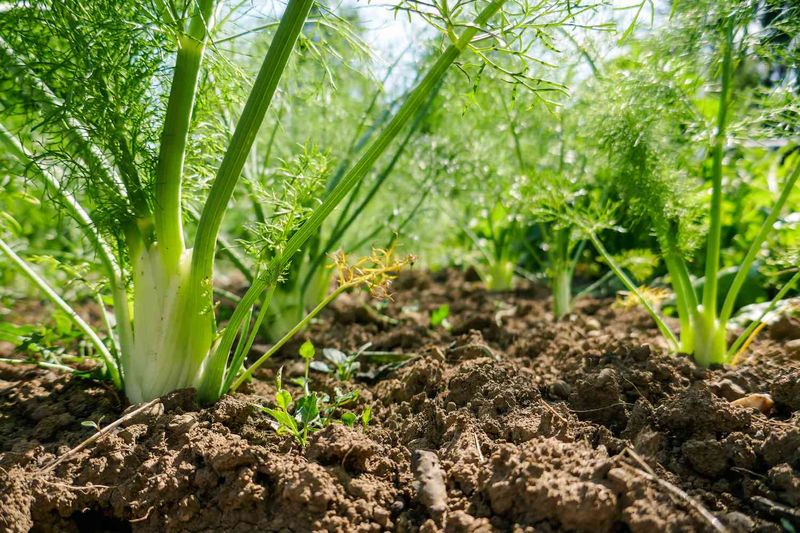
Not every companion planting tip is about which plants love each other. Sometimes the most valuable advice is knowing which plants to keep apart.
Dill and fennel are two of the most problematic plants in a mixed vegetable garden because they release chemicals that inhibit the growth of many common crops.
Fennel, in particular, is notoriously unfriendly to tomatoes, peppers, eggplants, and most other vegetables grown across Virginia gardens.
Dill is slightly less aggressive but still causes problems if planted too close to carrots or tomatoes once it matures and goes to seed.
When dill is young, it can actually benefit tomatoes by attracting predatory wasps, but once it flowers, the relationship turns competitive and harmful.
The key is to either remove dill before it bolts or plant it in a completely separate area of your garden.
Both dill and fennel do best when grown in containers or in an isolated herb section away from your main vegetable beds.
This way, you still get the culinary and pollinator benefits of these aromatic herbs without sacrificing your vegetable harvest.
Virginia gardeners with larger properties can dedicate a separate herb garden bed to these two plants.
Understanding which plants clash is just as important as knowing which ones cooperate and this knowledge alone can save an entire season’s worth of hard work.