Proven Methods Michigan Gardeners Use To Overwinter Geraniums
Michigan winters push gardeners to make careful decisions about which plants are worth saving once frost settles in.
Geraniums often top that list because they respond well to simple overwintering methods when handled early.
Cold temperatures arrive fast in Michigan, leaving little room for hesitation once nights start dipping. Acting at the right moment makes overwintering far more successful.
Many Michigan gardeners choose to overwinter geraniums because these plants reward the effort with strong growth the following spring.
That payoff feels especially satisfying after months of snow and gray skies.
Overwintering does not require advanced tools or complicated setups. It relies more on timing, consistency, and understanding how geraniums rest through winter.
Some methods focus on keeping plants actively growing indoors, while others allow geraniums to stay dormant. Both approaches are widely used across Michigan homes and basements.
Indoor conditions like light, temperature, and airflow play a larger role than most gardeners expect.
Small adjustments can prevent stress and keep plants stable through long winter months.
Michigan gardeners often learn these methods through trial and seasonal experience.
Over time, the process becomes routine rather than intimidating.
Using proven overwintering techniques helps geraniums transition smoothly into spring. That smooth transition leads to fuller plants and earlier blooms once outdoor planting returns.
1. Bringing Potted Geraniums Indoors as Houseplants
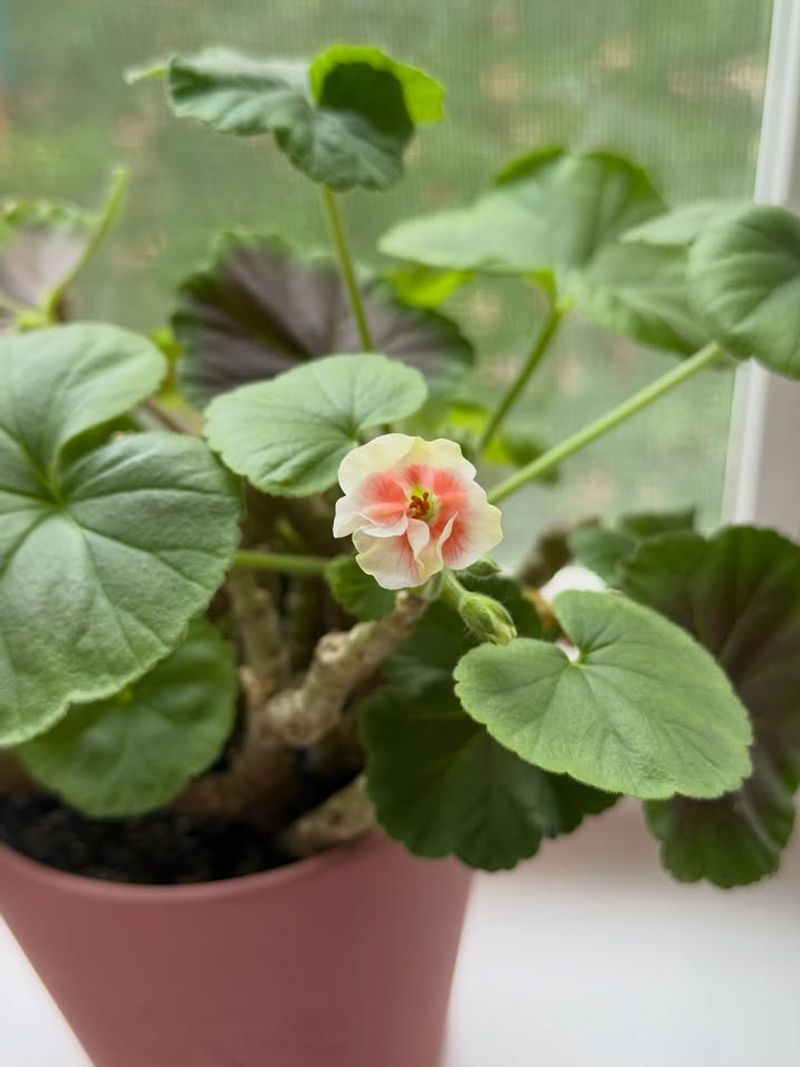
Many Michigan gardeners find success by simply moving their potted geraniums inside before the first frost arrives.
This approach works especially well if you already have your plants in containers rather than garden beds. The key is finding a spot with plenty of bright light, preferably a south-facing window where they can soak up winter sunshine.
Before bringing them inside, inspect each plant carefully for pests like aphids or whiteflies that might have hitchhiked onto the leaves.
Give the foliage a gentle rinse with water and trim away any damaged or yellowing stems to keep the plant tidy. Once indoors, water sparingly since geraniums need less moisture during their slower winter growth period.
Homes in Michigan tend to have dry indoor air during heating season, so placing a small tray of pebbles and water beneath the pots can help maintain humidity.
Rotate the plants every few days so all sides receive equal light exposure.
By late February or early March, you can start fertilizing lightly to encourage fresh growth.
This method keeps your geraniums blooming throughout winter if conditions are right, giving you a cheerful splash of color during those long, gray Michigan months.
2. Storing Bare-Root Geraniums in a Cool, Dark Place
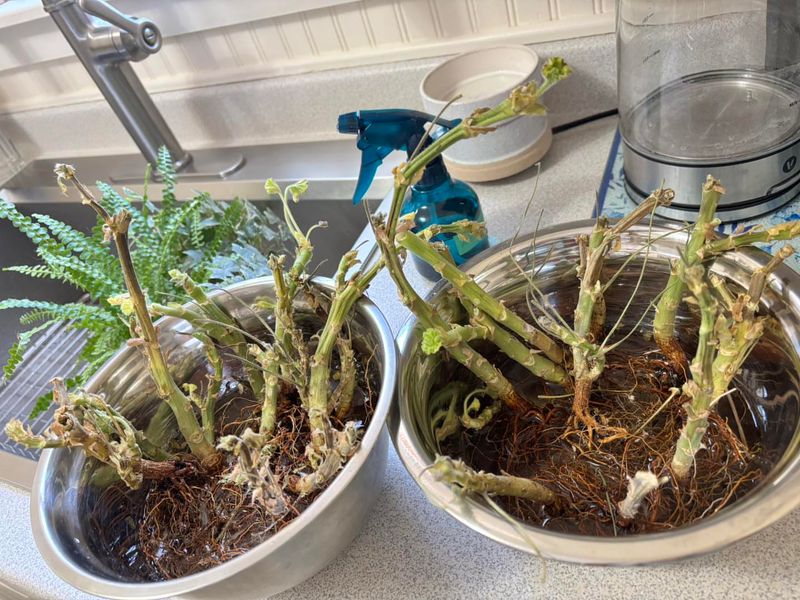
Gardeners throughout Michigan have used this old-fashioned technique for generations with remarkable results.
You start by digging up your geraniums before frost, shaking off the soil from the roots, and hanging them upside down in a cool basement or garage.
The temperature should stay between 40 and 50 degrees Fahrenheit, which many Michigan basements naturally maintain during winter months.
Remove most of the leaves but keep the main stems intact so the plant can survive in a dormant state. Some people tie the plants together in small bundles and hang them from rafters or hooks.
Others lay them on newspaper in cardboard boxes, checking them monthly to make sure they aren’t shriveling too much or developing mold.
If the roots look too dry, you can lightly mist them with water, but avoid soaking them completely.
Come spring, usually around mid-April in Michigan, cut the stems back to about five inches and pot them up in fresh soil. Place them in a bright location and water thoroughly.
Within a few weeks, new green shoots will emerge from the stems, and your geraniums will be ready to go back outside after the last frost date passes.
3. Taking Stem Cuttings to Propagate New Plants
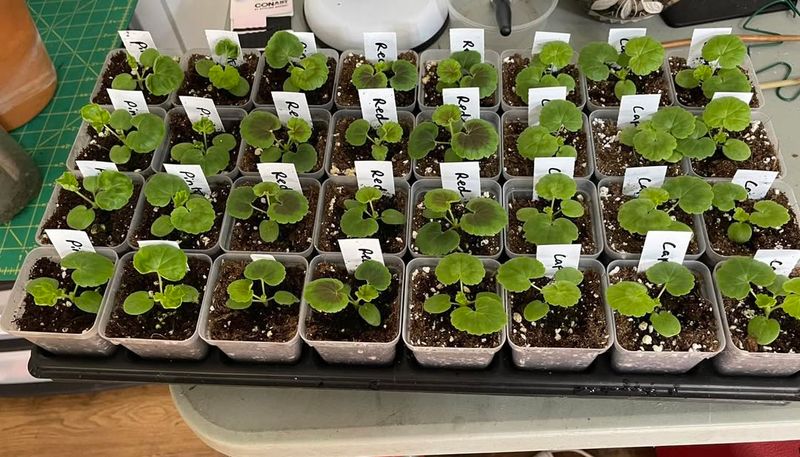
Creating new geraniums from cuttings is a favorite strategy among Michigan gardeners who want to multiply their collection without spending extra money.
Late summer or early fall is the perfect time to snip four-to-six-inch pieces from healthy stems.
Choose stems that haven’t flowered yet, as these root more successfully than older, woody growth.
Remove the lower leaves and any flower buds, leaving just two or three leaves at the top of each cutting. Dip the cut end in rooting hormone powder if you have it, though many cuttings will root without it.
Stick the stems into small pots filled with moist potting mix or perlite, then place them in a bright spot away from direct sunlight.
Keep the soil consistently moist but not waterlogged, and within three to four weeks, roots should develop. Michigan gardeners often start dozens of cuttings at once, knowing that not every single one will succeed.
Once rooted, the young plants can be grown on a sunny windowsill throughout winter.
By spring, you’ll have vigorous new geraniums ready to plant outdoors. This method also preserves your favorite colors and varieties, ensuring they return year after year without any guessing about what you’ll get from the garden center.
4. Keeping Geraniums in a Bright, Unheated Sunroom
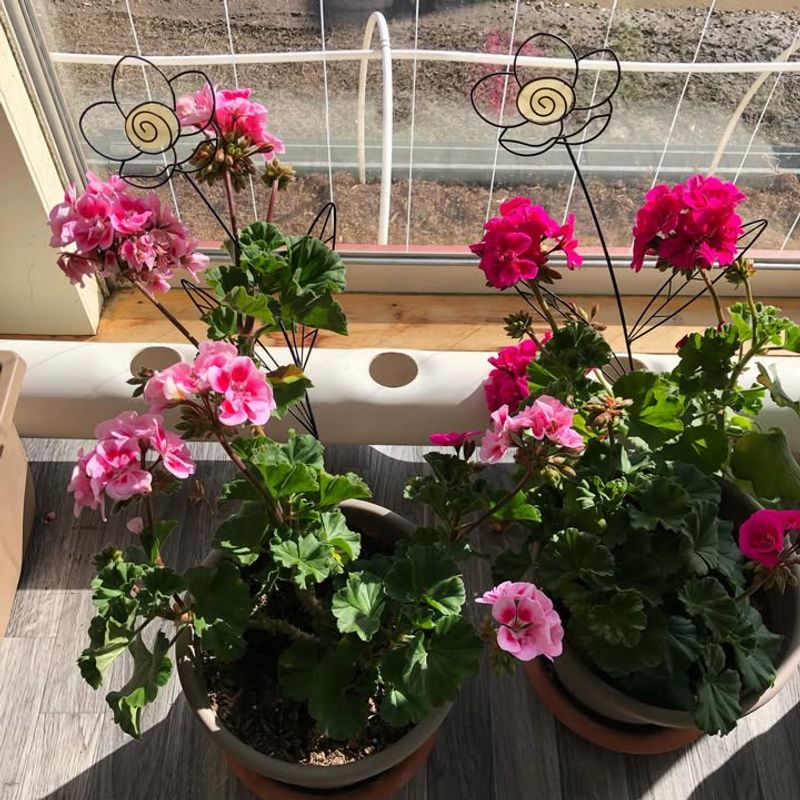
If you’re lucky enough to have a sunroom or enclosed porch in Michigan, this space can become the perfect winter haven for your geraniums.
The cooler temperatures combined with abundant natural light create ideal conditions for these plants to rest without going completely dormant.
Geraniums can tolerate temperatures down to about 40 degrees, making an unheated but protected space just right.
Arrange your potted geraniums where they’ll receive maximum sunlight, checking that none are shaded by taller plants.
Water them only when the top inch of soil feels dry to the touch, which might be once every two weeks depending on how warm the room stays.
Overwatering in cool conditions can lead to root problems, so it’s better to err on the side of dryness.
Throughout winter, pinch back any leggy growth to encourage bushier plants come spring.
Michigan’s variable winter weather means some days will be sunny and relatively warm, while others are cloudy and frigid. On particularly cold nights, you might want to cover the plants with old sheets or move them temporarily to a warmer spot.
By keeping them semi-dormant in bright, cool conditions, your geraniums will stay healthy without requiring much attention, then burst into vigorous growth when spring arrives.
5. Storing Potted Geraniums in a Cool Basement with Minimal Water
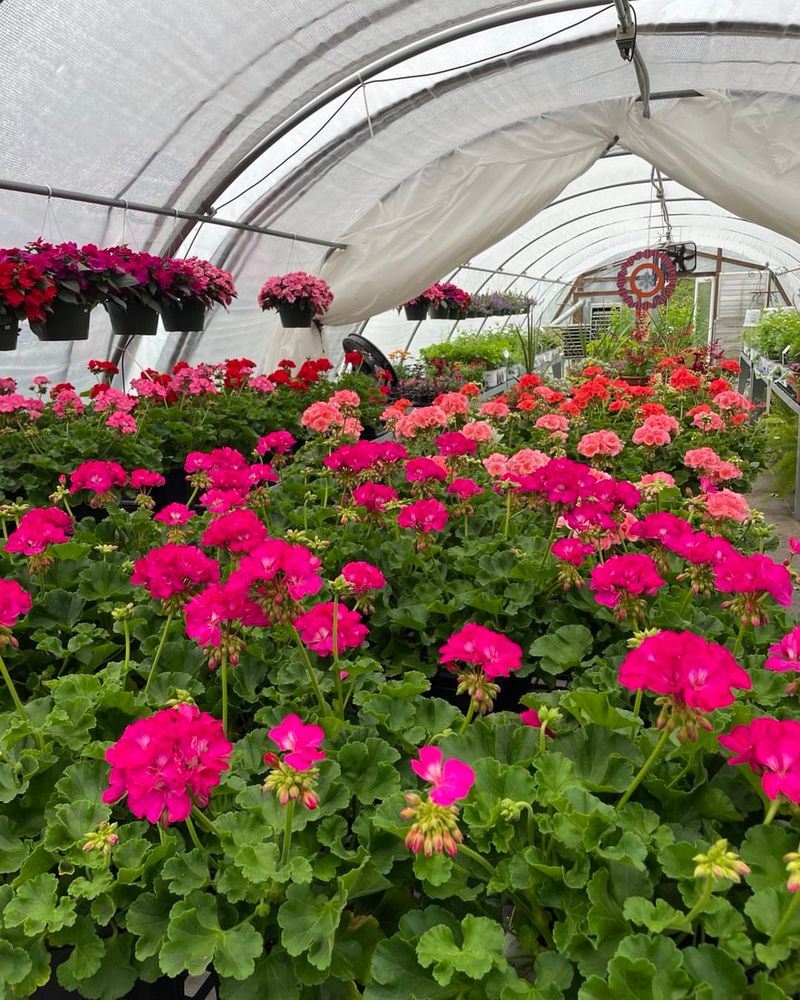
Michigan basements offer another excellent option for overwintering geraniums, especially if you don’t have enough window space upstairs.
The naturally cool, stable temperatures found in most basements keep the plants alive in a semi-dormant state without requiring bright light.
Before moving them downstairs, trim your geraniums back by about one-third to reduce their water needs and make them more compact.
Place the pots in the coolest part of your basement where temperatures hover between 45 and 55 degrees. The plants won’t grow much during this period, so they need very little water—perhaps just a small drink once a month to keep the roots from completely drying out.
Check the soil occasionally by sticking your finger an inch down; if it feels bone-dry, add a small amount of water.
Don’t be alarmed if the leaves turn yellow and drop off during storage. This is completely normal when geraniums are kept in low light and cool temperatures.
Come late winter, around February or March in Michigan, move the pots to a brighter location and gradually increase watering.
Fresh green growth will appear within a few weeks, and you can start fertilizing to encourage stronger stems and leaves before transplanting outdoors after the frost-free date.
6. Using a Paper Bag Method for Dormant Storage
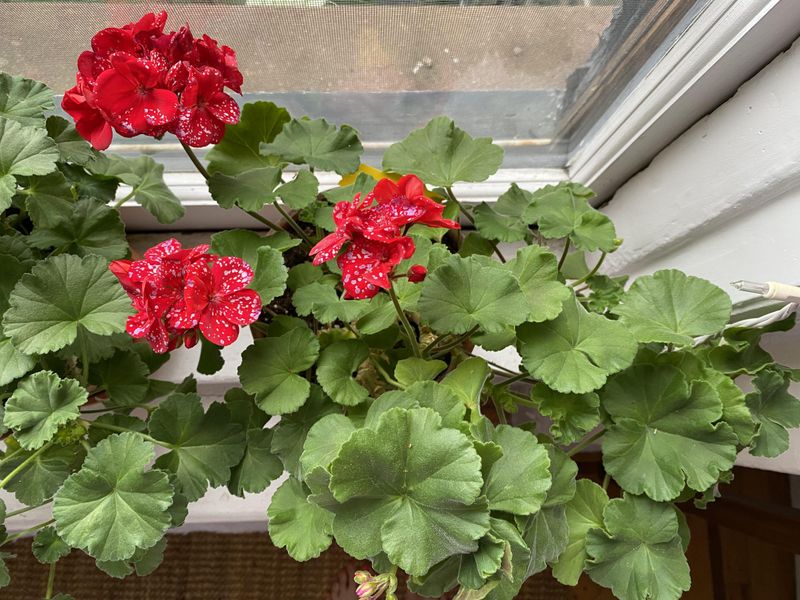
This simple technique has been passed down through generations of Michigan gardeners and requires almost no special equipment.
Dig up your geraniums before frost, shake off excess soil, and trim the stems back to about six inches.
Remove most of the leaves, leaving just a few at the top, then place each plant in a brown paper bag.
Fold the top of the bag loosely and store the bags in a cool, dark place like a basement, garage, or unheated closet.
The paper allows some air circulation while preventing the roots from drying out too quickly. Check your plants once a month, giving the roots a very light misting if they appear shriveled or crispy.
Michigan winters can last a long time, so don’t be surprised if your geraniums look pretty rough by March.
That’s perfectly normal with this method. When spring approaches, remove the plants from the bags, cut the stems back to healthy green tissue, and pot them up in fresh soil.
Water well and place them in a sunny spot indoors. Within two to three weeks, you should see new shoots emerging from the stems.
This method takes up very little space and works well if you have dozens of plants to store, making it popular among Michigan gardeners with extensive geranium collections.
7. Growing Geraniums Under Artificial Lights
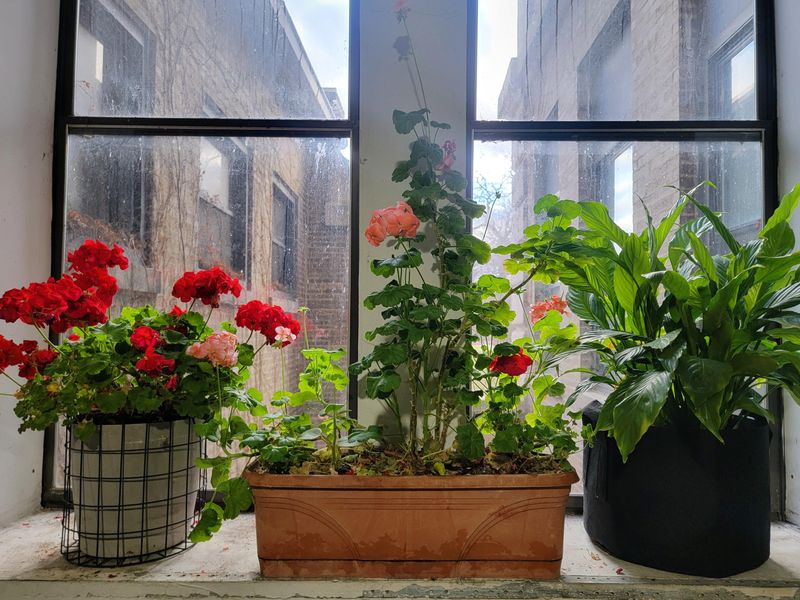
Michigan’s short winter days don’t provide enough natural light for active plant growth, but supplemental lighting solves this problem beautifully.
Many gardeners set up simple grow light systems in their basements or spare rooms to keep geraniums thriving all winter long.
You don’t need expensive equipment—basic LED or fluorescent shop lights work perfectly well and use minimal electricity.
Position the lights about six to twelve inches above the plants and keep them on for 12 to 14 hours daily. This mimics the longer days of spring and summer, encouraging your geraniums to continue growing and sometimes even blooming.
Water the plants when the top inch of soil becomes dry, and fertilize monthly with a diluted liquid fertilizer.
The controlled environment means you can maintain consistent temperatures between 65 and 75 degrees, which geraniums love.
Rotate the pots regularly so all sides receive equal light exposure and the plants grow evenly. Michigan gardeners who use this method often enjoy colorful blooms throughout winter, bringing a touch of summer indoors during the coldest months.
Come spring, these plants are already in active growth and transition easily back to outdoor conditions, giving you a head start on the growing season compared to plants stored in dormant states.
8. Repotting and Root Pruning Before Winter Storage
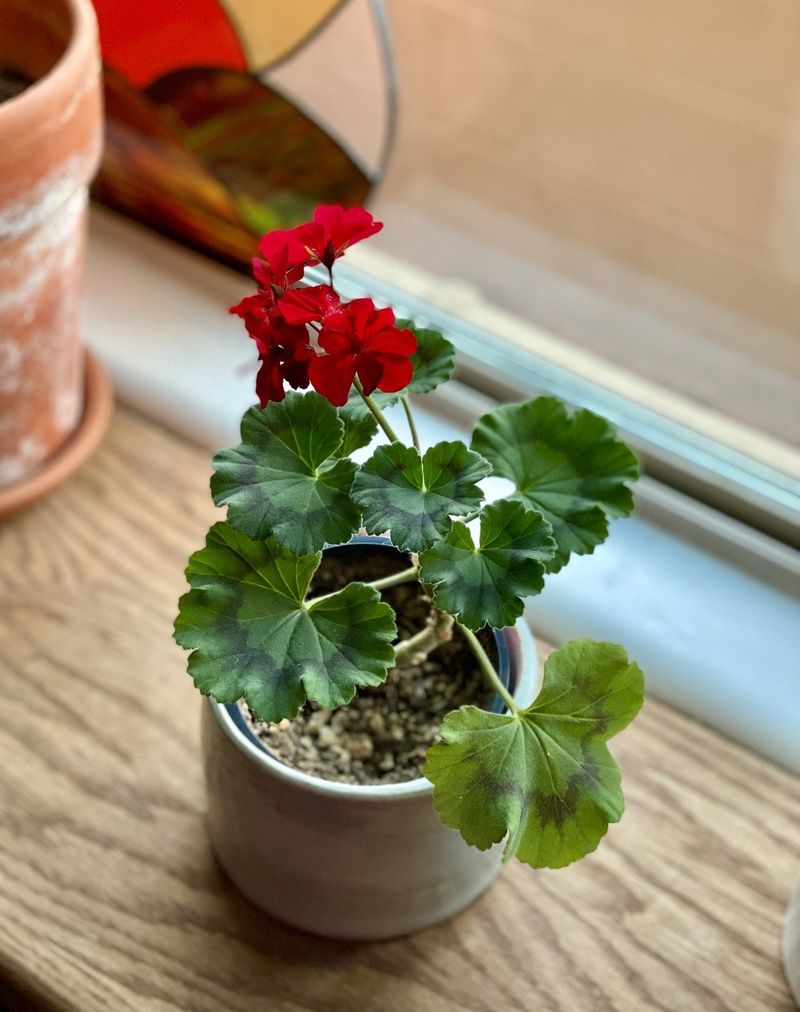
Preparing your geraniums properly before storage makes a huge difference in their survival rates, something experienced Michigan gardeners have learned over years of trial and error.
If your plants have been in the same pots all summer, their roots might be crowded and circling the container.
Taking time to refresh the root system sets them up for success during winter dormancy.
Carefully remove each plant from its pot and gently shake off the old soil.
Examine the roots and trim away any that look brown, mushy, or damaged, keeping only the healthy white or tan ones. Cut back the top growth by about one-third to balance the reduced root system.
Repot in fresh, well-draining potting mix in clean containers with drainage holes.
Water thoroughly after repotting, then place the plants in your chosen winter storage location. This process might seem like extra work, but it prevents root rot during the low-light, low-water period ahead.
Michigan winters are long enough that plants stored in old, depleted soil often struggle to revive in spring. Fresh soil provides better drainage and reduces the risk of fungal problems.
By investing a few hours in fall preparation, you’ll have stronger, healthier geraniums ready to explode with growth when warmer weather returns to Michigan gardens.
9. Maintaining Semi-Dormant Plants in a Garage
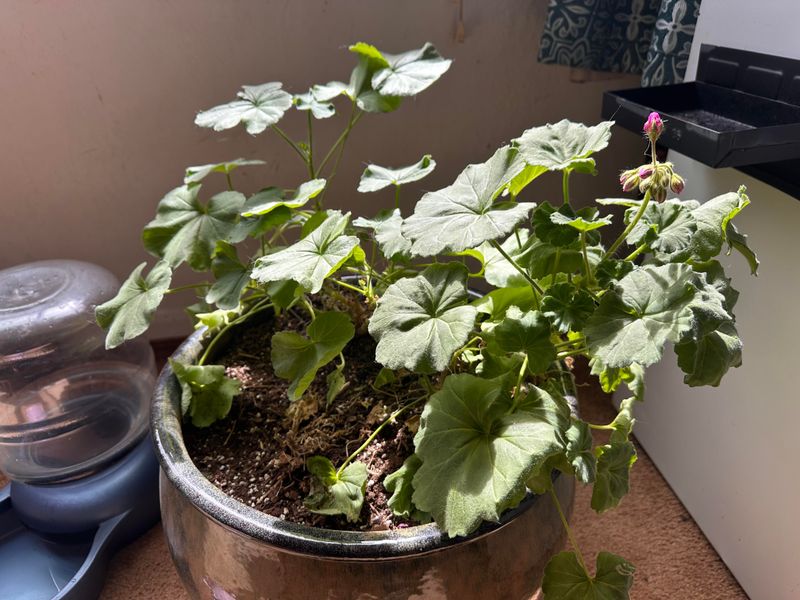
Attached garages in Michigan often maintain temperatures just above freezing throughout winter, creating a suitable environment for semi-dormant geranium storage.
This method works best if your garage has at least one small window that provides some natural light, though complete darkness can work if you’re willing to accept fully dormant plants.
Before the first hard freeze, bring your potted geraniums into the garage and place them near the window if possible.
Cut them back by about half to reduce their water requirements and make them more compact.
Throughout winter, check the plants every two to three weeks and water very sparingly—just enough to keep the stems from shriveling completely.
Michigan garage temperatures can fluctuate quite a bit, especially during extreme cold snaps or unusually warm spells.
On nights when temperatures are forecast to drop below 30 degrees, cover your plants with old blankets or move them temporarily into a warmer space.
The plants will likely lose most of their leaves and look quite sad by February, but don’t give up on them. As days lengthen and temperatures moderate in late winter, move the pots to a brighter, warmer location indoors.
Resume regular watering and watch for new growth to emerge.
This low-maintenance method works well for Michigan gardeners who want to save their geraniums without devoting indoor space to them.
10. Creating a Cold Frame for Extended Outdoor Protection
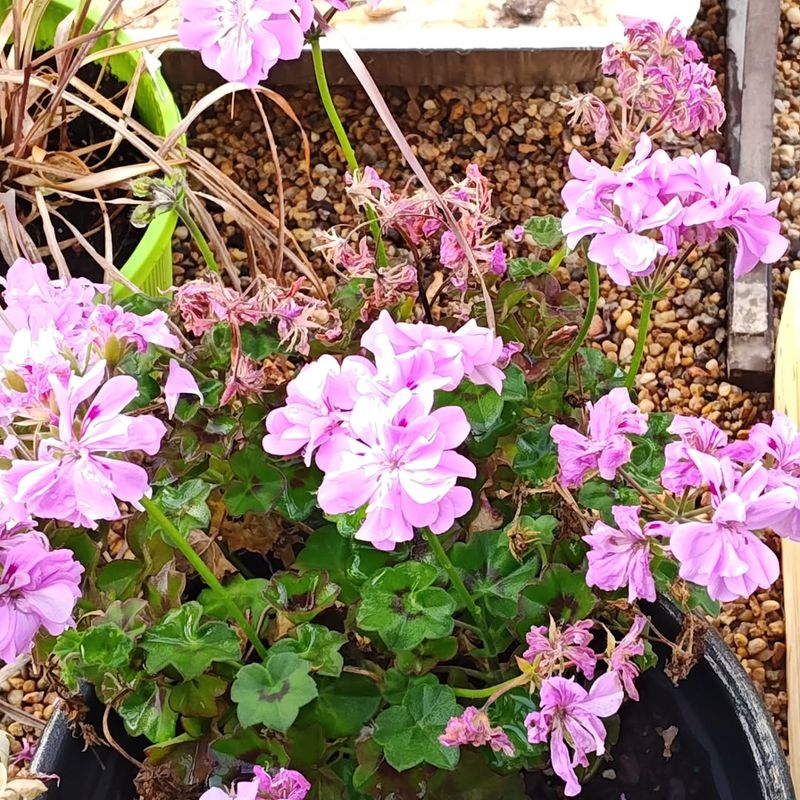
Resourceful Michigan gardeners sometimes build or buy cold frames to extend the growing season and protect tender plants like geraniums well into fall and even early winter.
A cold frame is essentially a bottomless box with a transparent lid that traps solar heat while shielding plants from wind and frost.
You can construct one from old windows and scrap lumber, or purchase ready-made versions from garden suppliers.
Place your potted geraniums inside the cold frame before nighttime temperatures regularly drop below 40 degrees.
The structure will keep them several degrees warmer than the outside air, especially on sunny days when the greenhouse effect kicks in.
Open the lid during warm afternoons to prevent overheating, then close it again before evening.
As Michigan winter deepens and temperatures plummet, you’ll eventually need to move the plants to true indoor storage, but a cold frame can buy you several extra weeks of outdoor time.
Some gardeners pile straw bales around the frame for additional insulation or drape old blankets over the top on the coldest nights.
This method works particularly well in milder parts of Michigan or during unusually warm winters
Come spring, the cold frame becomes the perfect place to harden off your geraniums before transplanting them back into the garden, giving them a gradual transition to outdoor conditions.