9 Proven Tips For Growing Cherry Tomatoes Successfully In Idaho
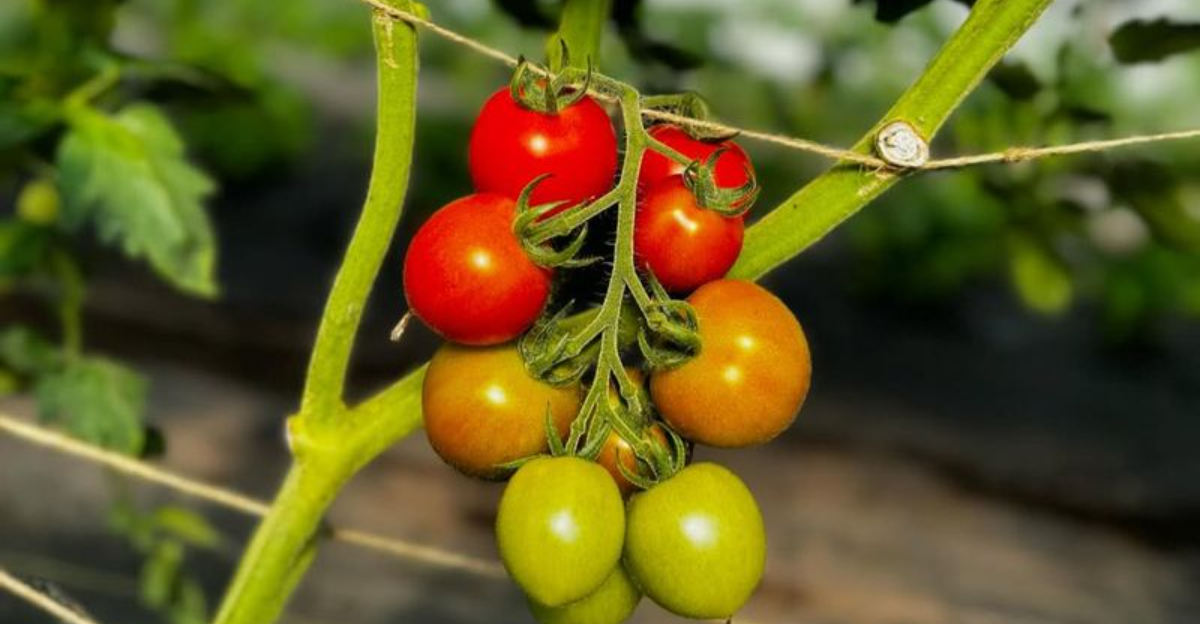
Cherry tomatoes can be a challenge in Idaho gardens with short summers and fluctuating temperatures. I remember my first attempt at growing them and being frustrated when the fruits stayed small and sparse.
With a few proven strategies, though, you can grow juicy, flavorful cherry tomatoes right in your own yard. Cherry tomatoes can thrive even in cooler climates with the right care.
These tips cover choosing the best cold-tolerant varieties, starting seeds indoors, using trellises for support, proper watering, fertilizing at the right time, and controlling pests naturally.
Attention to soil quality and sunlight placement ensures stronger plants and larger, more abundant fruits. Simple, careful steps turn struggling seedlings into a thriving crop.
Idaho gardeners who follow these tips enjoy productive cherry tomato plants that produce plenty of delicious fruits all season. Grow cherry tomatoes successfully and savor every sweet bite.
1. Start Seeds Indoors Early
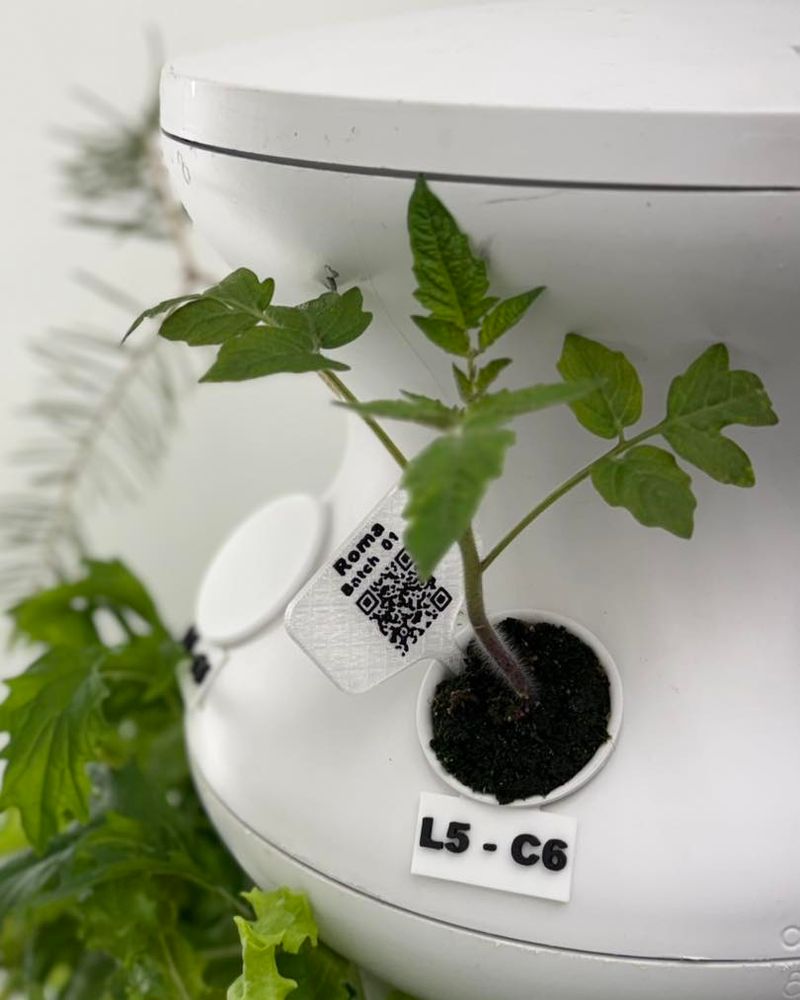
Idaho’s growing season is notoriously short, which means outdoor planting time is limited and precious.
Starting your cherry tomato seeds indoors about six to eight weeks before the average last frost date gives your plants a significant head start, allowing them to develop strong root systems and sturdy stems before they face the challenges of outdoor conditions.
Most areas in Idaho experience their last spring frost somewhere between mid-May and early June, so counting backward from that date helps you determine the perfect indoor seeding window.
Seedlings need plenty of light to grow healthy and avoid becoming leggy or weak. Placing them near a south-facing window can work, but supplemental grow lights are often necessary to provide the 12 to 16 hours of bright light that young tomato plants crave.
Keep the soil consistently moist but not waterlogged, and maintain temperatures around 70 to 75 degrees Fahrenheit for optimal germination and growth.
This early indoor start extends your effective growing season by several weeks, which is crucial in a state where summer can feel fleeting.
By the time outdoor conditions are safe and warm enough for transplanting, your seedlings will already be several inches tall and ready to thrive, giving you a better chance at a bountiful harvest before autumn’s chill arrives.
2. Choose Short-Season And Cold-Tolerant Varieties
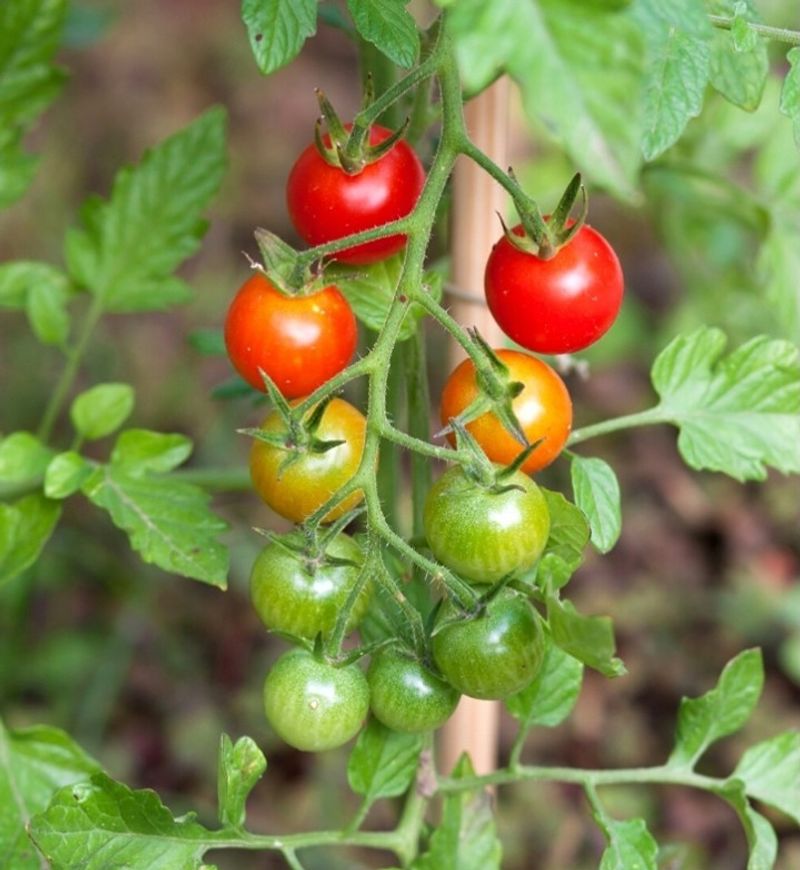
Not all cherry tomato varieties are created equal, especially when it comes to thriving in cooler climates with abbreviated growing seasons.
Idaho gardeners should prioritize varieties that mature quickly and can handle temperature fluctuations better than their warm-weather cousins.
Varieties like Sungold, known for its sweet, golden-orange fruits and exceptional flavor, typically ripen in about 55 to 65 days, making it an excellent choice for shorter summers.
Sweet Million is another reliable performer, producing abundant clusters of red, bite-sized tomatoes that are both delicious and productive.
Tumbling Tom works wonderfully in containers or hanging baskets, offering compact growth and early maturation that suits Idaho’s climate perfectly.
Stupice, a Czechoslovakian heirloom, is particularly cold-tolerant and sets fruit even when nighttime temperatures dip lower than many other varieties can handle.
Selecting varieties with days-to-maturity ratings of 70 or fewer ensures that your plants have enough time to produce ripe fruit before the first fall frost threatens your harvest.
Reading seed catalogs carefully and choosing varieties specifically bred for northern or high-altitude gardens increases your chances of success significantly.
These thoughtful variety choices can make the difference between a disappointing season and baskets overflowing with sweet, sun-warmed cherry tomatoes all summer long.
3. Transplant Only After Soil Warms
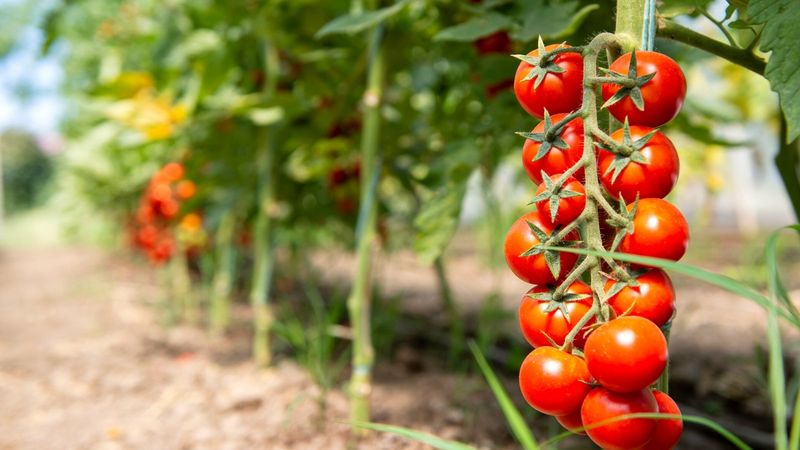
Patience is one of the most valuable virtues an Idaho gardener can cultivate, especially when it comes to transplanting tender tomato seedlings outdoors.
Even if the air temperature feels pleasant and the calendar says it’s spring, cold soil can stunt root development and stress young plants, setting them back weeks or even causing permanent damage.
Waiting until soil temperatures consistently reach about 60 degrees Fahrenheit ensures that roots can establish quickly and plants can begin growing vigorously right away.
You can check soil temperature using an inexpensive soil thermometer inserted a few inches below the surface in the morning.
Most Idaho regions reach this threshold sometime in late May or early June, though microclimates and elevation differences can shift this window.
Rushing the process and transplanting too early often results in plants that sit dormant, turning pale or purple from cold stress, and become more susceptible to disease and pest problems.
If you’re eager to get plants outside earlier, consider using protective measures like row covers, cloches, or even simple plastic milk jugs with the bottoms cut off to create mini-greenhouses around individual plants.
These tools trap warmth around your tomatoes during chilly nights and help moderate temperature swings, giving you a bit more flexibility with your planting schedule without risking your precious seedlings to unexpected cold snaps.
4. Plant In Full Sun Locations
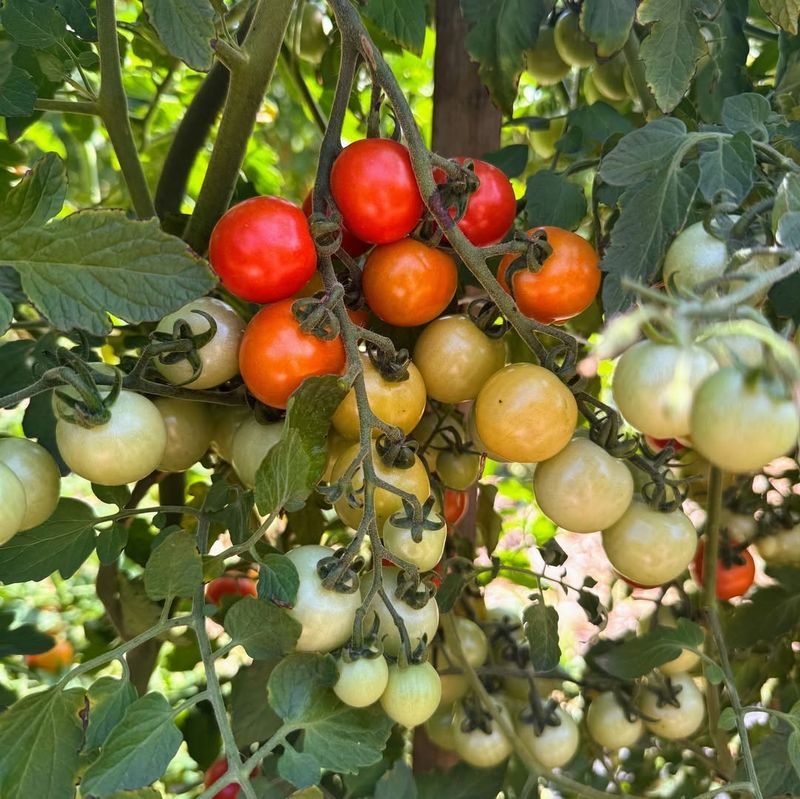
Cherry tomatoes are sun-loving plants that need abundant light to produce the energy required for flowering and fruiting.
In Idaho, where the growing season is already compressed, maximizing sunlight exposure becomes even more critical for achieving a successful harvest.
Your tomato plants should receive at least six to eight hours of direct, unfiltered sunlight each day, though more is always better if your garden layout allows it.
Idaho’s northern latitude and mountainous terrain can create unique challenges with shadows cast by buildings, trees, or even nearby peaks that shift throughout the day.
Observing your garden space at different times during the growing season helps you identify the sunniest spots where your tomatoes will truly thrive.
South-facing locations typically receive the most consistent and intense sunlight, making them ideal for heat-loving crops like tomatoes.
If your yard has limited sunny areas, consider using containers that can be moved throughout the day to follow the sun’s path, or trimming back overhanging branches that create unwanted shade.
Reflective surfaces like light-colored fences or walls can also help bounce additional light onto your plants.
Remember that insufficient sunlight often results in leggy growth, fewer flowers, and disappointing fruit production, so prioritizing sun exposure from the start sets your cherry tomatoes up for the best possible performance throughout the season.
5. Improve Soil Drainage And Fertility
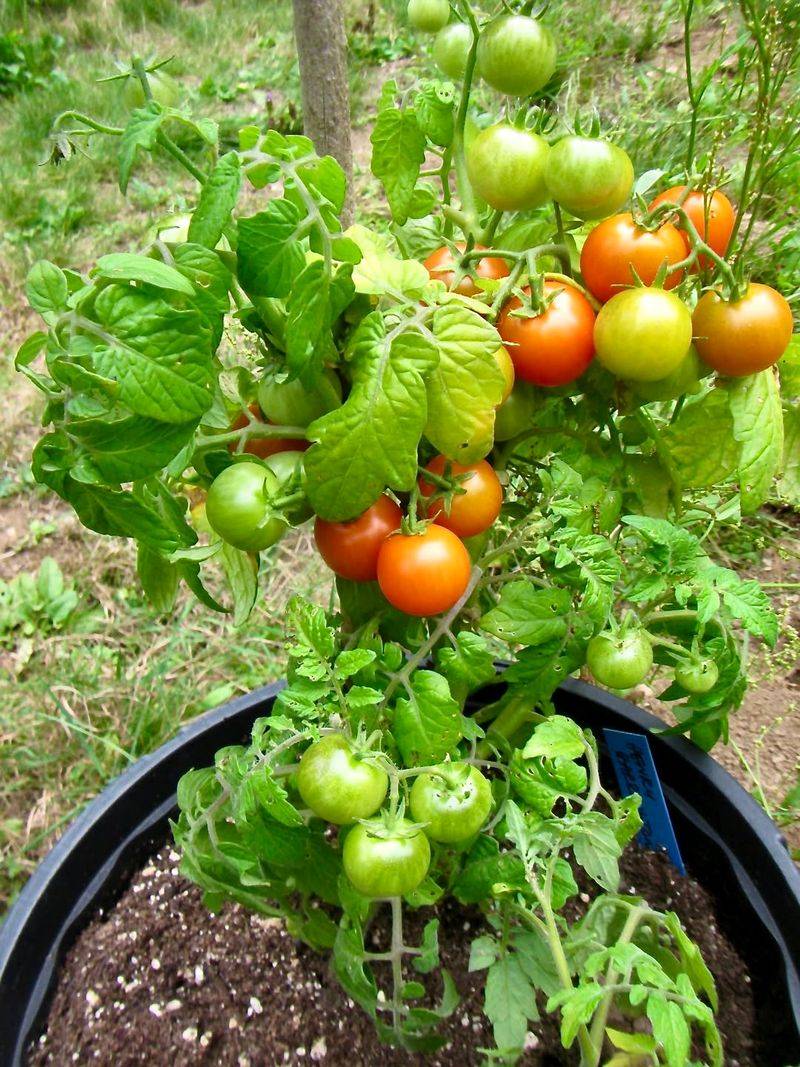
Idaho soils vary dramatically depending on your location, ranging from sandy compositions that drain too quickly to heavy clay that holds water and becomes compacted.
Cherry tomatoes prefer soil that strikes a balance, offering good drainage to prevent root rot while retaining enough moisture and nutrients to support vigorous growth and fruit production.
Amending your native soil with generous amounts of compost or well-aged organic matter dramatically improves both drainage and fertility, creating an ideal environment for healthy root development.
Compost adds beneficial microorganisms, improves soil structure, and provides a slow-release source of nutrients that tomato plants can access throughout the growing season.
Working in several inches of compost before planting, and adding a layer as mulch after transplanting, gives your plants the best possible foundation.
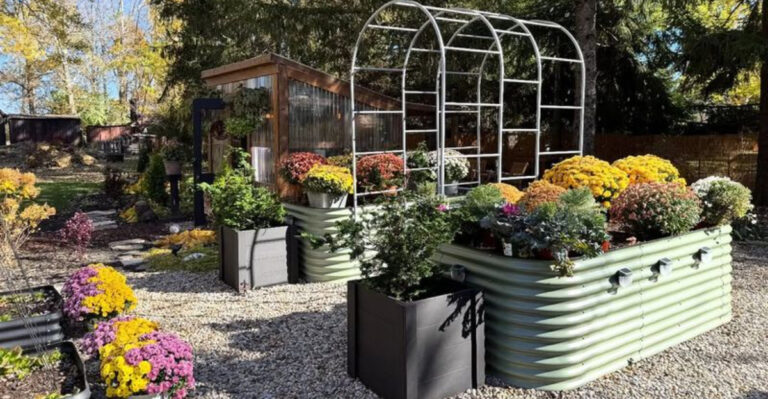
If your soil is particularly challenging, raised beds offer an excellent solution, allowing you to create custom soil blends that drain well while providing the fertility tomatoes need.
Raised beds also warm up faster in spring, extending your effective growing season by allowing earlier planting.
Testing your soil’s pH is also worthwhile, as tomatoes prefer slightly acidic conditions between 6.0 and 6.8.
If your soil is too alkaline, which is common in some Idaho regions, adding sulfur or acidic organic materials can help adjust the pH to more favorable levels for optimal nutrient uptake and plant health.
6. Use Vertical Support Systems
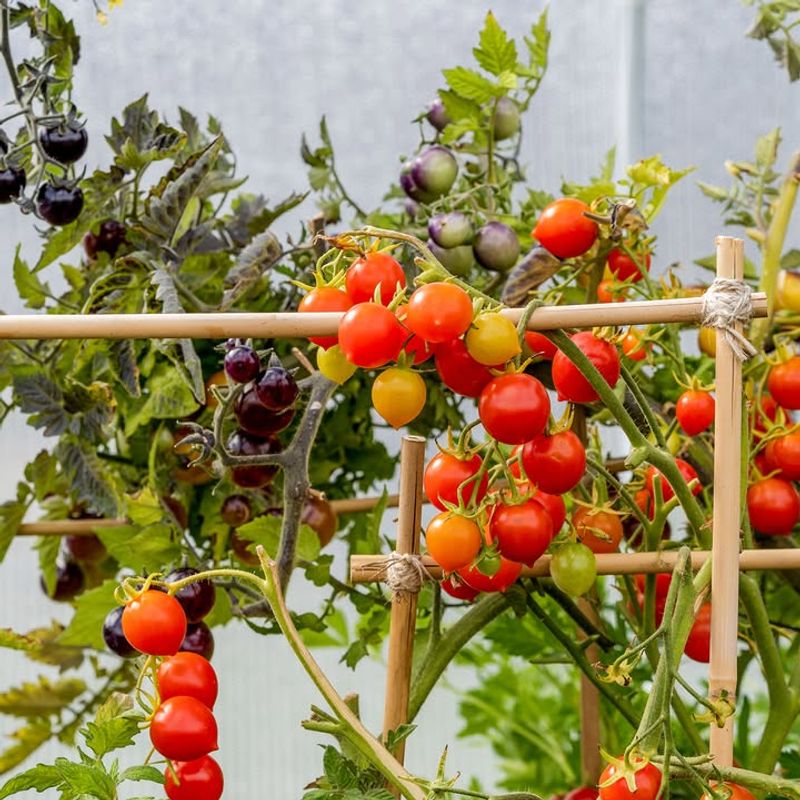
Allowing cherry tomato plants to sprawl across the ground might seem natural, but providing vertical support offers numerous advantages that are especially valuable in Idaho’s climate.
Cages, stakes, and trellises keep plants upright, improving air circulation around leaves and stems, which reduces the risk of fungal diseases that thrive in damp, crowded conditions.
Better airflow also helps foliage dry more quickly after morning dew or irrigation, further protecting plant health throughout the season.
Vertical growing keeps developing fruits off the soil, preventing rot and reducing pest problems from slugs and other ground-dwelling insects that can damage your harvest.
This approach also makes picking easier and more efficient, and it maximizes garden space by growing upward rather than outward.
In Idaho’s cool mornings, vertical plants warm up faster as the sun rises because more leaf surface is exposed to direct light, helping your tomatoes reach optimal growing temperatures sooner each day.
Choose sturdy support systems that can handle the weight of heavily laden plants as fruits mature. Tomato cages should be at least four feet tall, while stakes should be driven at least a foot into the ground for stability.
Installing supports at planting time prevents root disturbance later and allows you to train plants as they grow, creating an organized, productive garden that’s easier to maintain and harvest throughout the season.
7. Water Deeply And Consistently
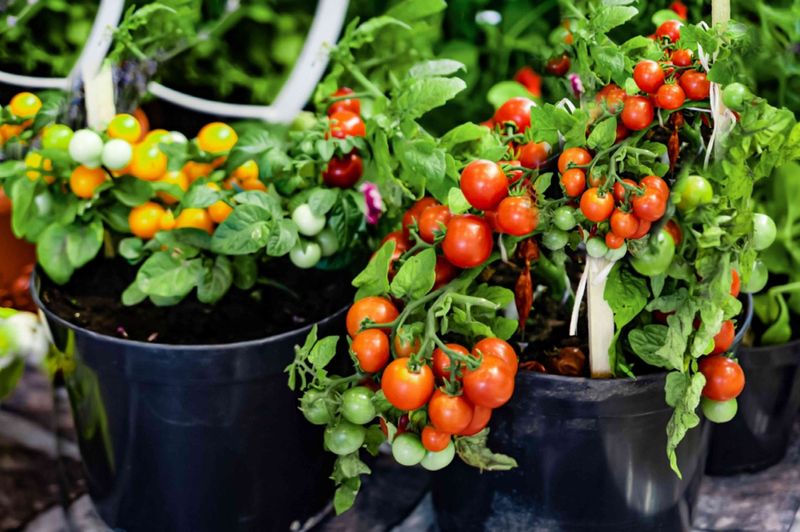
Proper watering is one of the most critical factors in growing healthy, productive cherry tomato plants, yet it’s also one of the most commonly misunderstood aspects of gardening.
Tomatoes need consistent moisture to support steady growth and prevent problems like blossom-end rot, which occurs when calcium uptake is disrupted by irregular watering patterns.
Rather than frequent shallow watering that encourages weak surface roots, deep watering promotes strong root systems that can access moisture and nutrients deeper in the soil profile.
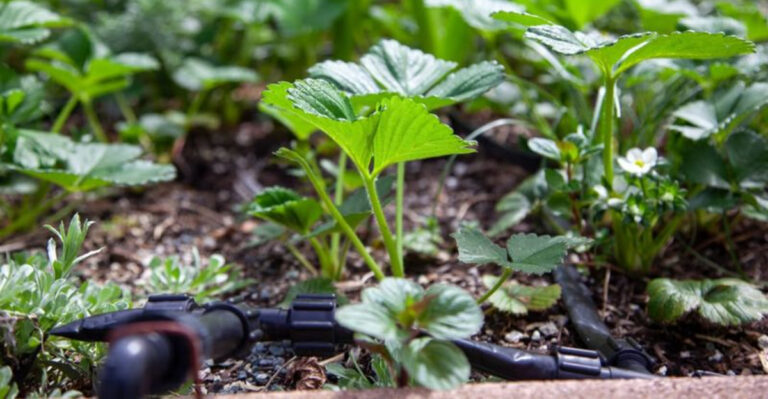
Drip irrigation systems or soaker hoses are ideal for tomatoes because they deliver water directly to the root zone without wetting foliage, which can promote disease.
These systems also conserve water by reducing evaporation and runoff. Watering in the morning allows foliage to dry quickly as temperatures rise, minimizing fungal disease risks that increase when plants remain wet overnight.
During Idaho’s hot summer days, which can arrive suddenly after cool spring weather, maintaining consistent soil moisture becomes especially important.
Mulching around plants with straw, grass clippings, or shredded leaves helps retain moisture, moderate soil temperatures, and reduce watering frequency.
Aim to provide about one to two inches of water per week, adjusting based on rainfall and temperature.
Checking soil moisture by feeling the soil a few inches below the surface helps you water when needed rather than following a rigid schedule that might not match your plants’ actual needs.
8. Feed With Balanced Nutrients
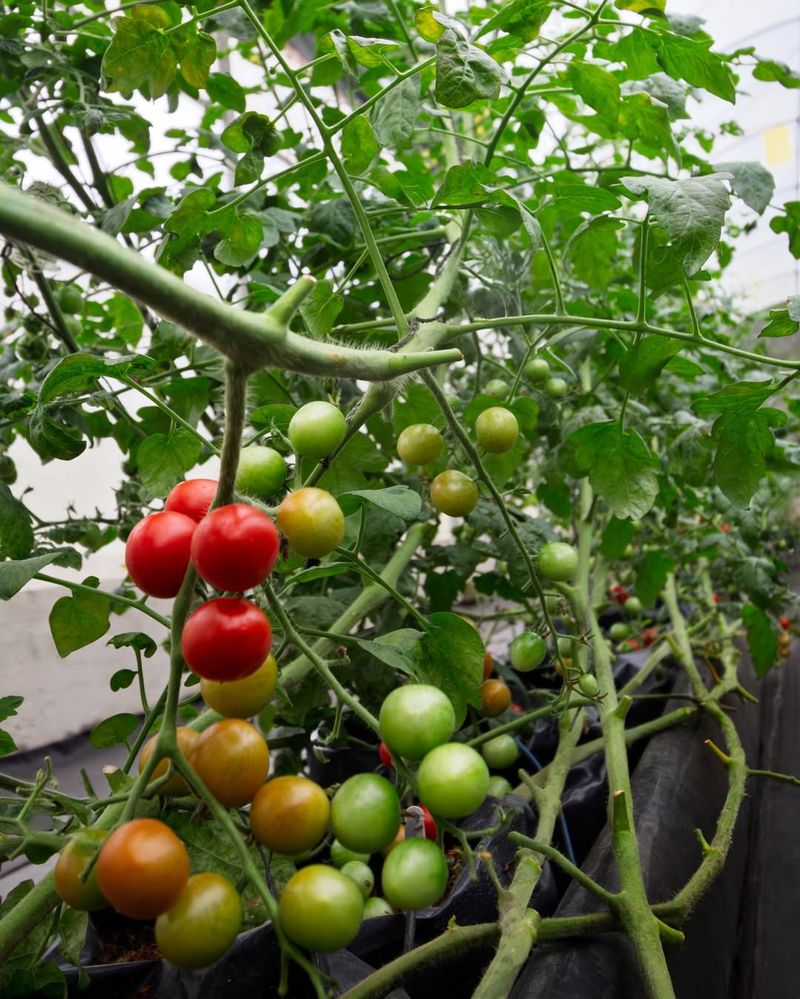
Cherry tomato plants are hungry feeders that benefit from regular nutrient supplementation throughout the growing season, but finding the right balance is essential for optimal fruit production.
While nitrogen is necessary for healthy leaf growth, too much encourages lush foliage at the expense of flowers and fruits, leaving you with beautiful green plants but disappointing harvests.
Phosphorus and potassium, on the other hand, support root development, flowering, and fruit production, making them especially important once plants begin setting fruit.
Starting with compost-enriched soil provides a solid nutritional foundation, but most tomato plants benefit from additional feeding as the season progresses.
Balanced vegetable fertilizers with ratios like 5-10-10 or 10-10-10 work well, providing necessary nitrogen while emphasizing the phosphorus and potassium that fruiting plants need.
Organic options like fish emulsion, compost tea, or aged manure offer slow-release nutrition that’s gentle on plants and improves soil health over time.
Idaho’s diverse soil types influence nutrient availability, so observing your plants for signs of deficiency helps you adjust your feeding program accordingly.
Yellowing lower leaves might indicate nitrogen deficiency, while poor fruit set could suggest inadequate phosphorus.
Applying fertilizer every two to three weeks during active growth supports consistent production, but always follow package directions to avoid overfeeding, which can damage roots and reduce fruit quality.
Balanced nutrition keeps your plants vigorous and productive from first bloom to final harvest.
9. Protect Plants From Early Fall Cold Events
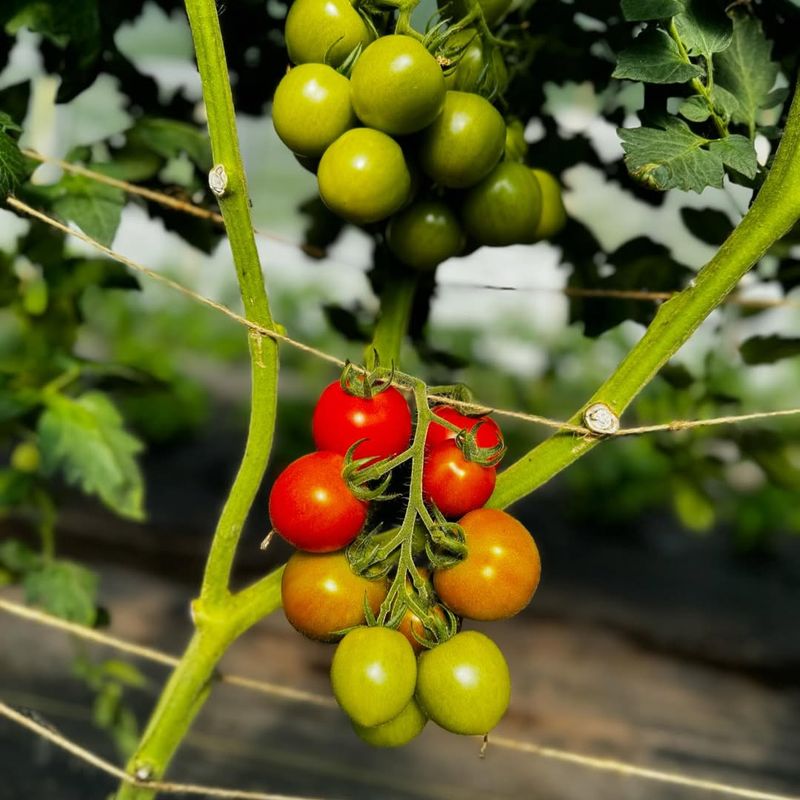
Idaho’s autumn arrives quickly and often unpredictably, with temperature drops that can threaten your cherry tomato harvest just when plants are loaded with ripening fruit.
Early fall frosts can occur in some regions as early as late August or September, cutting short the productive season and leaving gardeners frustrated.
Planning ahead with protection strategies allows you to extend your harvest window by several weeks, maximizing the return on all your careful growing efforts throughout the season.
Row covers made from lightweight frost fabric can be draped over plants on cold nights and removed during warm days, providing several degrees of temperature protection without blocking sunlight.
Portable cold frames constructed from simple materials like PVC pipe and clear plastic sheeting create mini-greenhouses that trap warmth and shield plants from frost.
These structures are especially effective when placed over raised beds or individual plants in the ground.
Container-grown cherry tomatoes offer the ultimate flexibility for cold protection because they can be moved to sheltered locations like covered porches, garages, or even indoors during cold snaps, then returned outside when temperatures moderate.
Harvesting green tomatoes before a hard freeze and ripening them indoors is another option, though vine-ripened fruit always tastes better.
Monitoring weather forecasts closely as autumn approaches and having protection materials ready ensures you can act quickly when cold threatens, preserving your harvest and enjoying homegrown cherry tomatoes well into fall.