9 Proven Tips For Growing Healthy Rhubarb In Western Oregon

Rhubarb is one of those plants that feels almost nostalgic. It shows up early, often when the rest of the garden is still waking up, and once it gets going, it doesn’t ask for much.
Still, growing really healthy rhubarb in Western Oregon can feel a little hit-or-miss. Some years it’s thick, bold, and generous.
Other years it looks tired, slow, or strangely thin.
Our cool, damp climate can be a gift for rhubarb, but it also comes with a few quirks. Heavy winter rain, slow-warming soil, and uneven spring weather all play a role in how well plants perform.
It’s easy to assume rhubarb will just take care of itself, especially since it’s known for being tough. But small choices early in the season can make a big difference later on.
Maybe you’ve wondered why a neighbor’s rhubarb patch looks amazing while yours struggles, even though you planted it at the same time. You’re not doing anything wrong, there are just a few details that matter more in this region.
With the right approach, rhubarb can thrive year after year in Western Oregon. These proven tips focus on simple, practical steps that support strong growth, healthier stalks, and a plant that keeps coming back better each season.
Why Rhubarb Thrives In Western Oregon
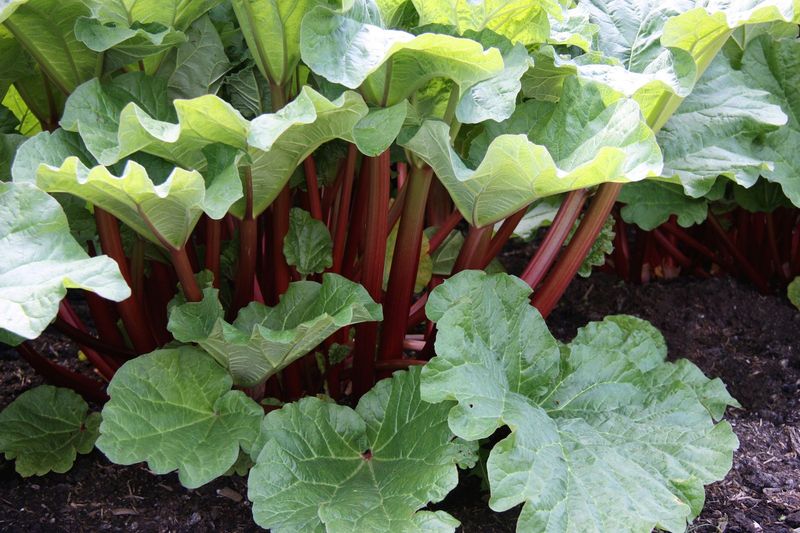
Our cool, wet springs are exactly what rhubarb crowns wake up to in their happiest dreams. Most vegetables struggle with our unpredictable weather patterns, but rhubarb actually prefers the kind of mild, moist conditions that define the Willamette Valley and coastal zones.
You do not need to baby this plant through frost or worry about late-season cold snaps because rhubarb handles temperatures down to the teens without blinking.
Western Oregon gardeners also benefit from naturally acidic soils, which rhubarb tolerates better than many crops. Our long, gentle growing season means stalks develop slowly and stay tender instead of turning woody in sudden heat.
You will notice that rhubarb planted here often outlives the gardener, with some crowns producing for twenty years or more when left undisturbed.
One common mistake is assuming rhubarb needs full blazing sun all day long. In our region, partial afternoon shade actually helps prevent stress during those occasional warm spells in June and July.
Another advantage is our winter rain, which keeps crowns hydrated during dormancy without any effort on your part. Rhubarb truly belongs in Western Oregon gardens, and once you see how effortlessly it returns each spring, you will wonder why you did not plant it sooner.
Choosing The Right Spot For Long-Term Success
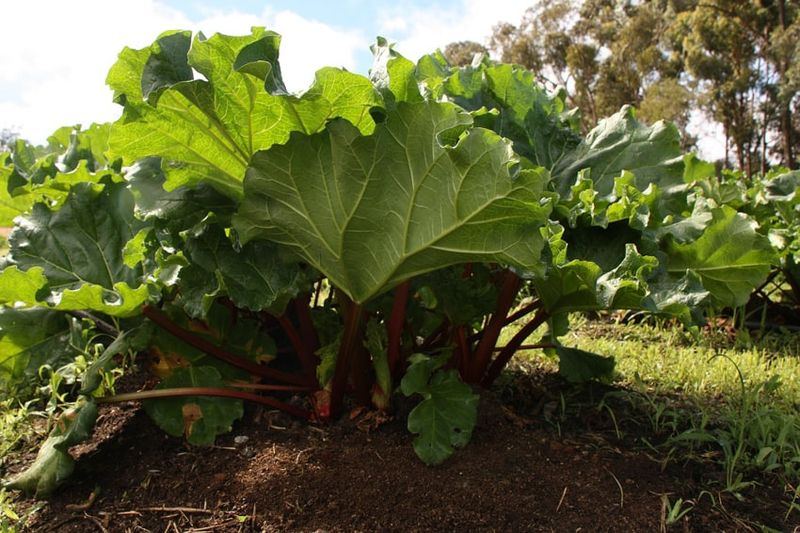
Rhubarb is not a plant you move around every few years, so choosing the right spot from the start saves you headaches down the road. Look for an area that gets at least six hours of sunlight during spring and early summer, but do not worry if trees cast some afternoon shade later in the season.
Rhubarb crowns spread wide over time, so give each plant a circle at least three feet across to stretch out without crowding neighbors.
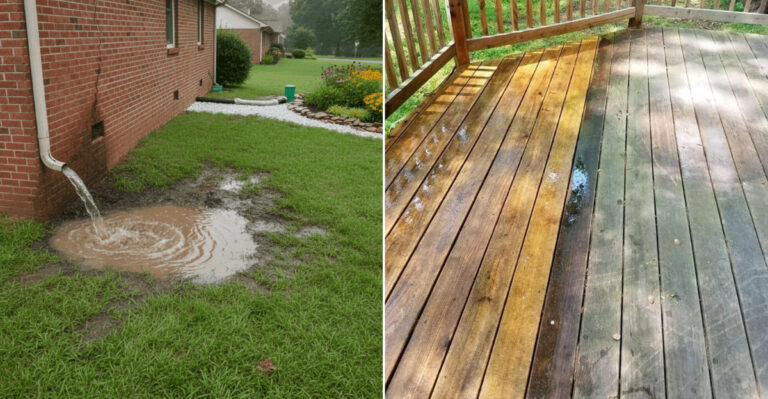
Avoid low-lying areas where water pools after heavy rain, which is common in Western Oregon from November through March. Standing water around the crown invites rot, and once that sets in, you lose the whole plant.
Raised beds work beautifully if your yard has drainage issues, or you can mound up soil to create a slight slope that sheds excess moisture naturally.
Many gardeners tuck rhubarb along fence lines or at the edge of vegetable beds, where the big leaves add structure without shading out sun-loving crops. Just make sure you leave room to walk around the plant for weeding and harvesting.
One mistake to avoid is planting rhubarb under the drip line of evergreens, where soil stays too dry and acidic even for this tough perennial. Choose a permanent home thoughtfully, and your rhubarb will reward you for decades.
Soil Conditions Rhubarb Loves
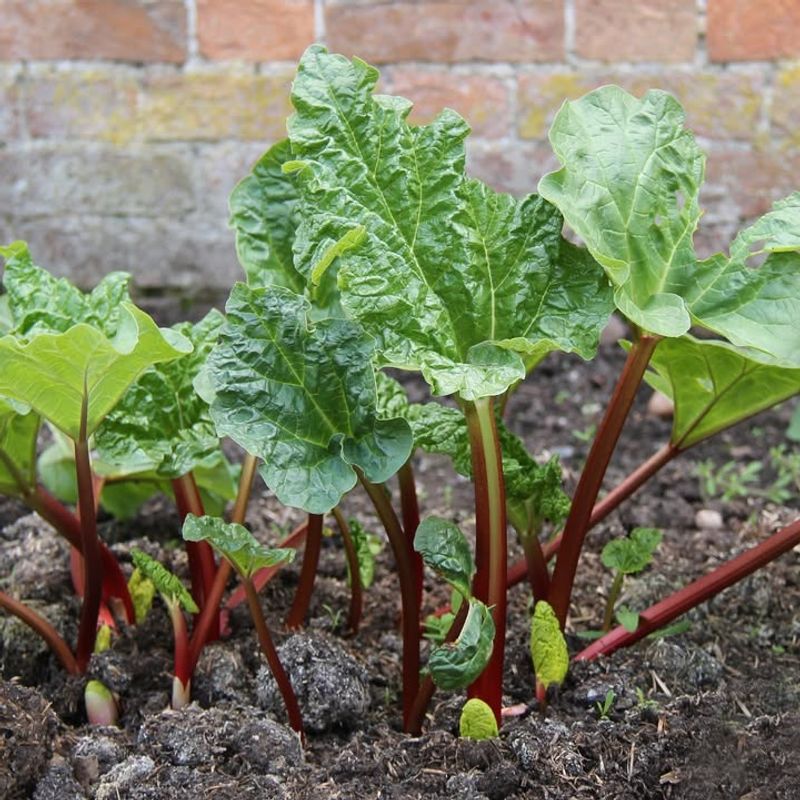
Rich, loose soil makes all the difference when you want thick, tender stalks instead of thin, stringy ones. Rhubarb sends down deep roots, so working compost or aged manure into the top twelve inches before planting gives those roots plenty to feast on.
Western Oregon soils tend to be heavy clay in many areas, which holds moisture but drains slowly and compacts easily under winter rain.
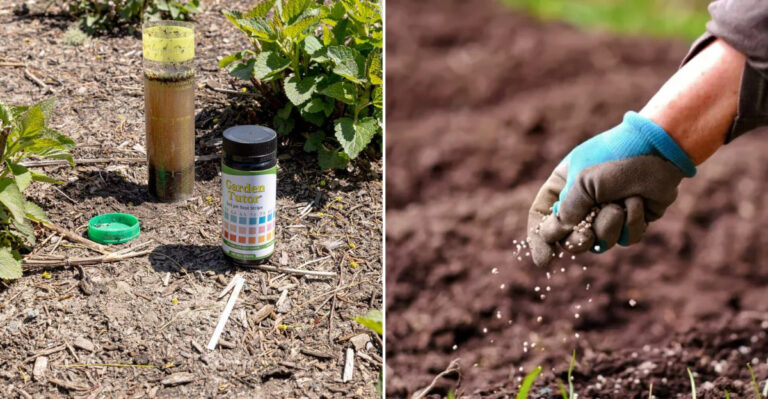
Breaking up clay with compost improves both drainage and fertility, and rhubarb responds with vigorous growth. Aim for a soil pH between 6.0 and 6.8, which is slightly acidic and common in our region without any amendments.
If your soil is extremely acidic below 5.5, a light application of lime in fall will bring the pH up gradually without shocking the plant.
One mistake gardeners make is adding fresh manure right at planting time, which can burn tender roots and delay establishment. Always use aged or composted manure, and mix it thoroughly into the soil rather than piling it around the crown.
Another tip is to avoid tilling or digging near established rhubarb plants, since disturbing the root zone stresses the crown and reduces the next harvest. Prepare the soil well at the start, and rhubarb will dig deep and produce abundantly for years without much fuss from you.
When And How To Plant Rhubarb
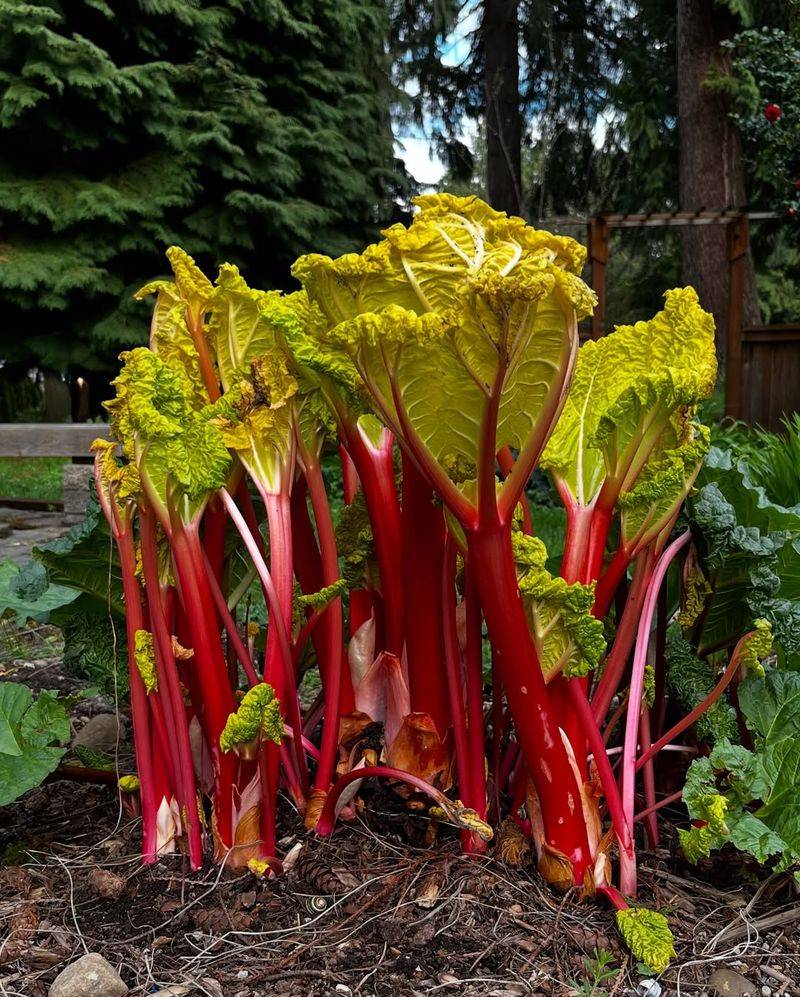
Fall planting works beautifully in Western Oregon because our mild, wet winters give crowns time to settle in before spring growth begins. October through early November is ideal, since the soil is still workable and rain does the watering for you.
You can also plant in early spring around March, but fall-planted crowns often produce a few stalks the following year, while spring-planted ones usually need a full season to establish.
Dig a hole about twelve inches deep and twice as wide as the crown, then set the crown so the buds sit just below the soil surface, roughly one to two inches down. Planting too deep smothers the buds and delays sprouting, while planting too shallow exposes the crown to drying winds and temperature swings.
Backfill with the soil you removed, mixing in a generous shovelful of compost as you go.
Water the newly planted crown thoroughly to settle soil around the roots and eliminate air pockets. Mulch lightly with straw or shredded leaves to protect the crown through winter, but keep mulch a few inches away from the center to prevent rot.
One common mistake is planting crowns in spring and then harvesting heavily the first summer, which weakens the plant before it has a chance to build energy reserves. Patience pays off with rhubarb, so resist the urge to harvest much during the first year.
Watering Without Overdoing It

Western Oregon rain handles most of your watering duties from October through May, so you rarely need to lift a hose during the cool months. Rhubarb crowns go dormant in winter, and the steady drizzle keeps them hydrated without any help from you.
Problems start when gardeners water too much during dormancy or let soil stay soggy around the crown, which invites fungal rot and weakens the plant before spring even arrives.
Once growth starts in March or April, rhubarb appreciates consistent moisture to fuel those big leaves and thick stalks. If spring turns dry, water deeply once a week rather than sprinkling lightly every day, since deep watering encourages roots to reach down instead of staying near the surface.
During summer, especially in July and August when rain stops, check the soil every few days and water when the top two inches feel dry.
One mistake is watering right at the crown, which keeps the base too wet and can cause rot. Instead, water in a circle around the plant, soaking the root zone without drenching the center.
Mulch helps retain moisture during dry spells, but avoid piling it against the crown itself. Rhubarb tolerates brief dry periods better than constant wetness, so when in doubt, water less rather than more and let our natural rainfall do the heavy lifting.
Feeding Rhubarb For Strong Stalks
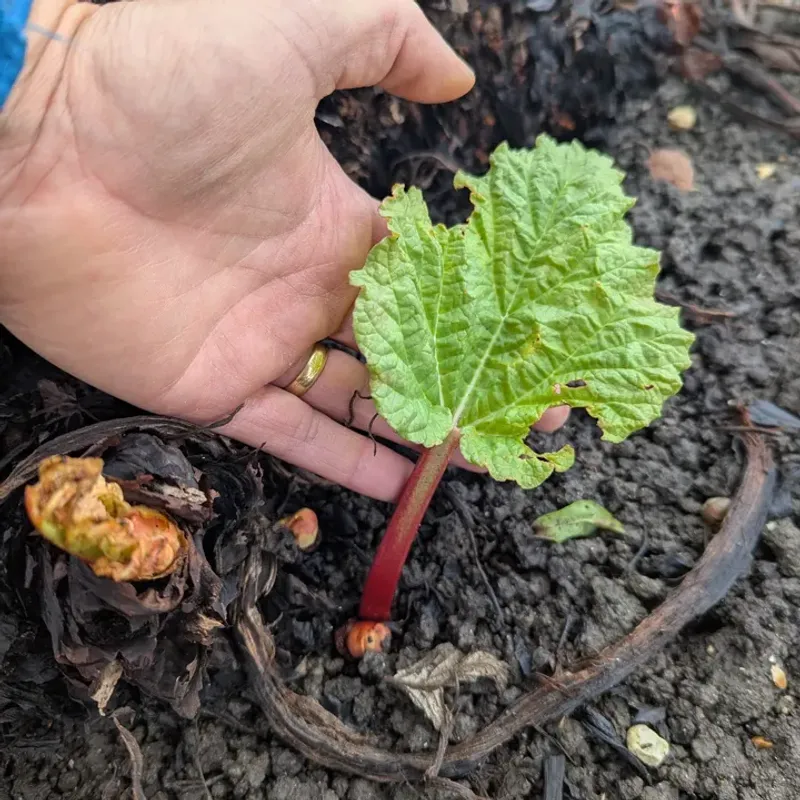
Rhubarb is a heavy feeder, and those big leaves and thick stalks demand plenty of nutrients to stay productive year after year. A generous layer of compost spread around the plant each fall or early spring provides slow-release nutrition that feeds the crown as it wakes up.
Western Oregon gardeners often have access to aged manure from local farms, which works wonderfully when applied in late autumn after the leaves have died back.
Spread a two-inch layer of compost or aged manure in a ring around the crown, starting a few inches out from the center and extending to the drip line where the leaves reach. Avoid piling material directly on top of the crown, since this can trap moisture and encourage rot.
In early spring, you can also apply a balanced organic fertilizer with equal parts nitrogen, phosphorus, and potassium, following package directions for perennial vegetables.
One mistake is over-fertilizing with high-nitrogen synthetic fertilizers, which push lush leaf growth at the expense of stalk quality and can make plants more susceptible to disease. Rhubarb prefers gentle, steady feeding rather than big doses all at once.
Another tip is to leave the leaves in place when you harvest stalks, since the plant needs foliage to build energy reserves for next year. Feed consistently each season, and your rhubarb will produce thick, tender stalks that make your neighbors jealous.
Managing Weeds And Mulch The Right Way

Weeds love the same rich, moist soil that rhubarb thrives in, and they pop up fast in Western Oregon gardens during spring and early summer. Hand-pulling weeds while they are small prevents them from stealing nutrients and water from your rhubarb crown.
Avoid using a hoe or cultivator close to the plant, since rhubarb roots spread wide and shallow disturbance can damage them and stress the crown.
Mulch is your best friend for weed control, and a three-inch layer of straw, shredded leaves, or arborist chips keeps the soil cool and moist while smothering weed seeds before they sprout. Apply mulch in early spring after the soil warms up, and refresh it each fall when you add compost.
Keep mulch a few inches away from the crown itself to allow air circulation and prevent rot, which can develop quickly in our damp climate.
One mistake is using fresh wood chips or sawdust, which tie up nitrogen as they decompose and can stunt rhubarb growth. Aged or composted mulch is always safer and breaks down into valuable organic matter over time.
Another tip is to mulch generously around the entire root zone, extending out at least two feet from the crown, since this is where feeder roots do most of their work. Consistent mulching cuts your weeding time in half and keeps your rhubarb patch looking tidy and productive.
Common Problems And How To Avoid Them
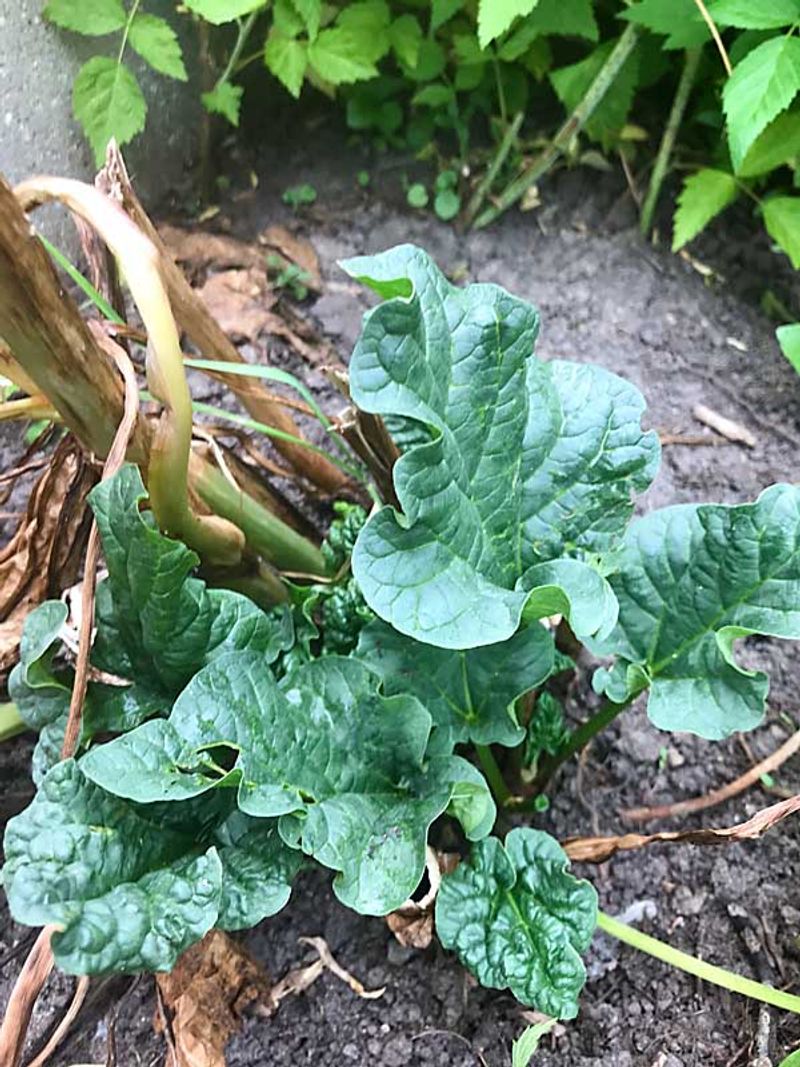
Crown rot is the biggest threat to rhubarb in Western Oregon, caused by soggy soil and poor drainage during our long, wet winters. You will notice soft, mushy tissue at the base of the plant and stalks that collapse instead of standing firm.
Prevention is the only real cure, so plant in well-drained soil or raised beds and avoid overwatering during dormancy. If rot sets in, dig up the crown, cut away diseased tissue, and replant in fresh soil with better drainage.
Rhubarb curculio, a small beetle, sometimes bores into stalks and crowns, leaving sawdust-like frass and weakening the plant. Hand-picking beetles and cleaning up plant debris in fall reduces their numbers, and healthy, well-fed plants resist damage better than stressed ones.
Slugs love our damp climate and will chew ragged holes in young leaves, but they rarely cause serious harm to established rhubarb. Beer traps or organic slug bait work well if populations get out of hand.
One mistake is ignoring flower stalks when they appear, which divert energy away from stalk production. Cut flower stalks off at the base as soon as you spot them, unless you want to save seeds for a specific reason.
Another issue is harvesting too much too soon, which exhausts the crown and reduces future yields. Always leave at least half the stalks on the plant so it can build strength for the next season.
Harvesting Rhubarb Without Weakening The Plant
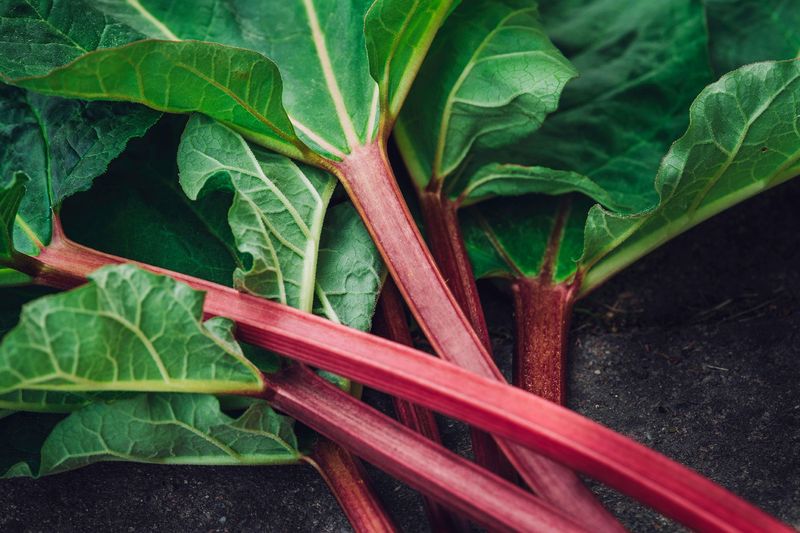
Knowing when and how to harvest makes the difference between a rhubarb patch that produces for decades and one that fizzles out after a few years. Wait until stalks are at least ten inches long and as thick as your thumb before you start harvesting, which usually happens in April or May here in Western Oregon.
Thin, spindly stalks mean the plant needs more time to build energy, so leave them alone and focus on the thick, vigorous ones.
Always pull stalks instead of cutting them, since cutting leaves a stub that can rot and invite disease into the crown. Grip the stalk near the base, twist gently, and pull upward until it releases with a satisfying snap.
Harvest no more than half the stalks at any one time, and stop harvesting entirely by mid-July to give the plant time to store energy for next spring. New gardeners often get excited and strip the plant bare, which weakens the crown and reduces the following year’s crop.
Remove the leaves immediately after harvest, since they contain toxic oxalic acid and should never be eaten. Toss leaves into the compost pile, where they break down quickly and return nutrients to your garden.
One tip is to harvest regularly during peak season rather than waiting for stalks to grow huge, since younger stalks are more tender and flavorful. Treat your rhubarb with respect, and it will fill your kitchen with tart, delicious stalks every spring for years to come.