8 Proven Tips For Growing Juicy Strawberries In Your Georgia Garden
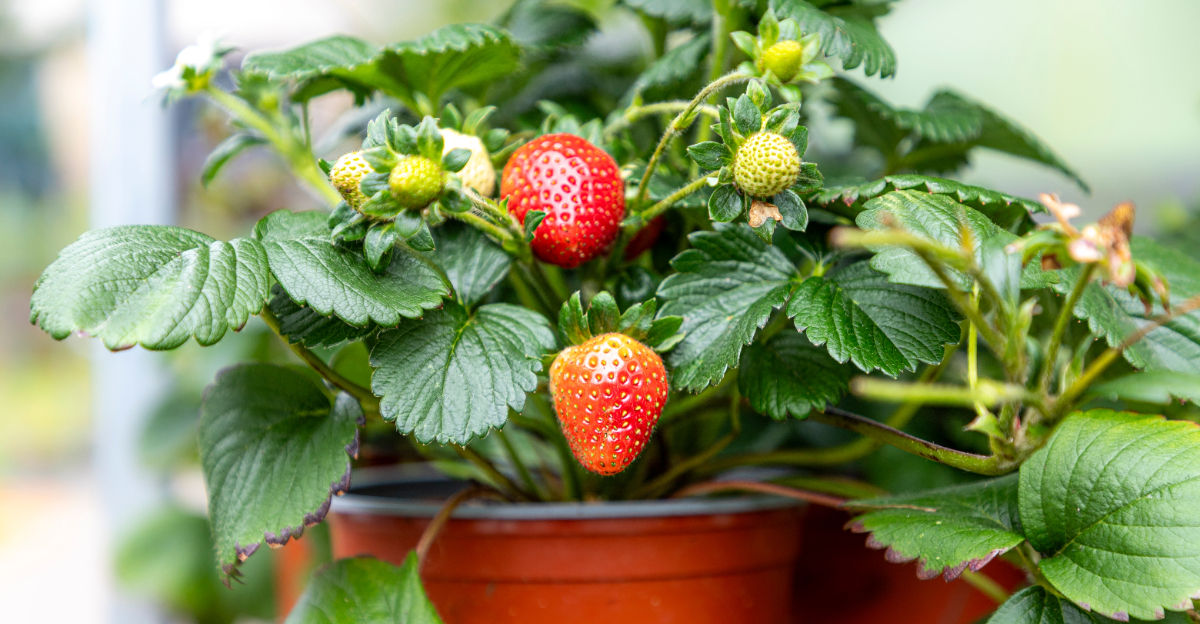
You plant strawberries in a Georgia garden expecting sweet, juicy fruit, not berries that taste bland or never quite size up. It can feel confusing when the plants look healthy but the results fall short.
Georgia’s weather gives strawberries real potential, but it also leaves little room for guesswork. Early decisions around placement, soil prep, and care shape how plants develop long before fruit appears.
Small missteps at the start often show up later as weak flavor or uneven harvests. Getting those basics right makes a noticeable difference.
The most effective strawberry tips are not complicated or fussy. They focus on timing, consistency, and habits that suit Georgia conditions.
When those pieces fall into place, plants grow stronger, fruit develops better, and harvesting feels rewarding instead of disappointing.
1. Right Timing Makes A Bigger Difference Than Variety
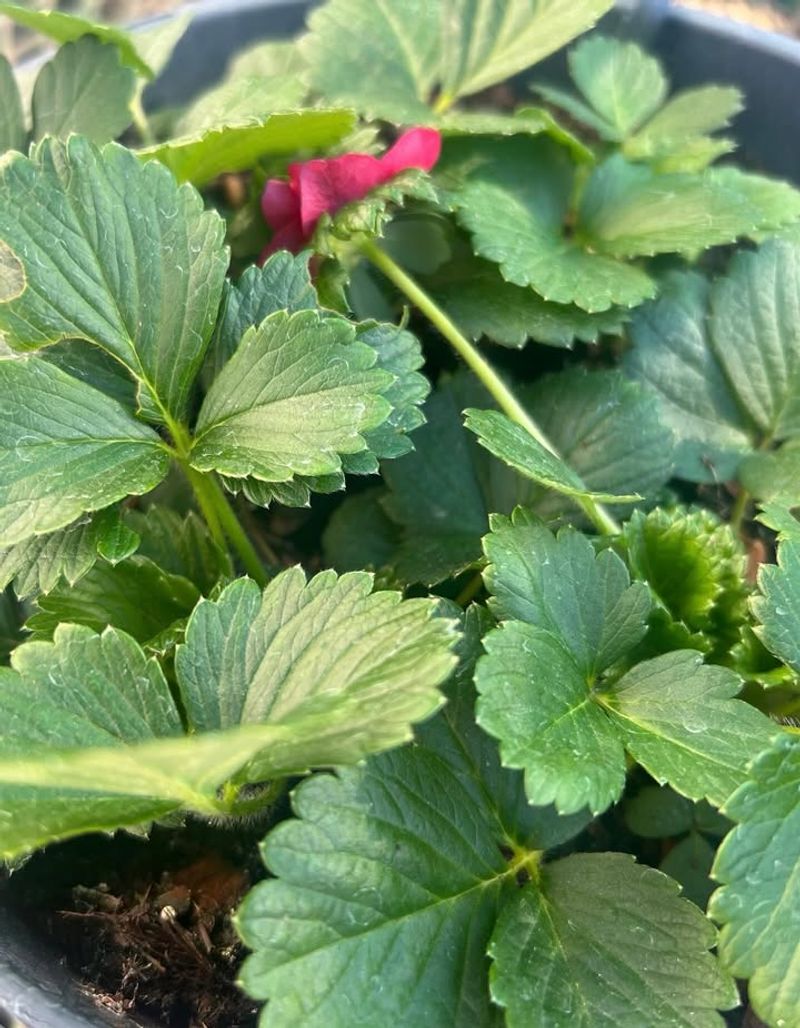
Planting at the correct time sets the foundation for everything that follows in your strawberry growing journey. In Georgia, the optimal window for planting strawberries runs from late September through early November, when temperatures have cooled but the soil remains warm enough for root development.
This timing allows plants to establish strong root systems before winter arrives, positioning them perfectly for vigorous spring growth and abundant fruiting.
Many gardeners make the mistake of waiting until spring to plant, but fall planting gives strawberries a critical head start. The cooler weather reduces transplant shock while still providing enough warmth for roots to spread and anchor themselves.
By the time spring temperatures rise, your plants will already have mature root systems ready to support heavy fruit production.
Short-day varieties like Chandler, Camarosa, and Festival perform exceptionally well across Georgia because they set fruit in response to the shorter days of fall and winter. These varieties begin flowering in early spring when conditions are ideal, producing the sweetest berries before summer heat arrives.
Day-neutral varieties can also work in Georgia, especially in northern regions where summers are slightly cooler, but they typically produce smaller yields in the intense heat.
Temperature matters more than calendar dates when deciding your exact planting day. Soil temperatures between 60 and 70 degrees Fahrenheit create perfect conditions for root growth without encouraging excessive top growth that could be damaged by winter cold.
2. Full Sun Exposure Drives Better Flavor And Yield
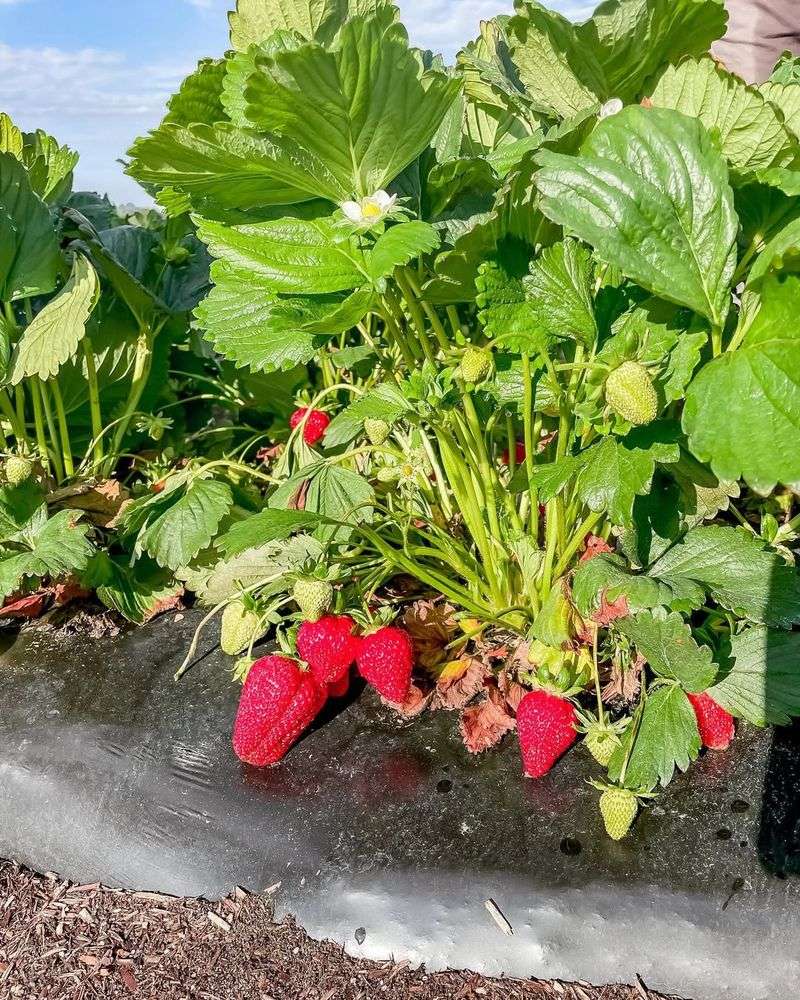
Sunlight directly influences how much sugar your strawberries produce, which determines both sweetness and overall flavor intensity. Strawberry plants need at least six to eight hours of direct sunlight daily to generate the energy required for maximum fruit production.
In Georgia’s climate, positioning your plants where they receive morning and midday sun provides the best results, as this timing allows them to photosynthesize efficiently while avoiding the most intense afternoon heat during summer months.
Plants grown in partial shade may survive and even produce some fruit, but the berries will taste noticeably less sweet and the overall harvest will be significantly reduced. Insufficient light causes plants to put more energy into leaf production rather than fruit development, resulting in lush foliage but disappointing yields.
The difference in flavor between sun-grown and shade-grown berries is dramatic enough that most people notice it immediately.
When selecting a planting location in your Georgia yard, observe how sunlight moves across different areas throughout the day. South-facing spots typically receive the most consistent light, though east-facing locations also work well by capturing gentler morning rays.
Avoid planting near large trees or structures that cast shadows during peak sunlight hours.
Container-grown strawberries offer flexibility if your yard lacks ideal sun exposure. You can move pots to follow the sun or relocate them seasonally as the sun’s angle changes, ensuring your plants always receive optimal light for producing the sweetest possible berries.
3. Well-Drained Soil Prevents The Most Common Problems
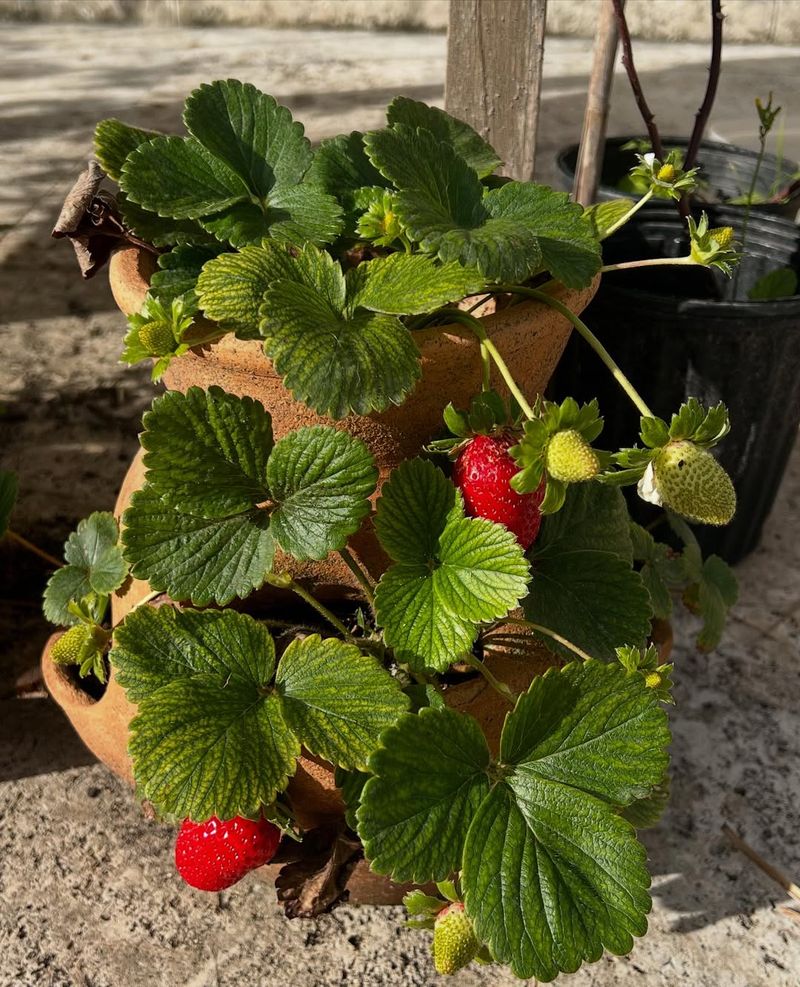
Soil drainage determines whether your strawberry plants thrive or struggle with diseases that plague poorly drained locations. Strawberries have relatively shallow root systems that need consistent moisture but absolutely cannot tolerate standing water or constantly soggy conditions.
In Georgia, where heavy rains are common, especially during spring and summer, ensuring proper drainage becomes even more critical for plant health and productivity.
Clay-heavy soils, which are prevalent throughout much of Georgia, naturally drain slowly and compact easily, creating challenging conditions for strawberries. These soils benefit tremendously from amendment with organic matter like compost, aged manure, or peat moss, which improves both drainage and soil structure.
Working in two to three inches of compost before planting transforms heavy clay into a more hospitable growing medium.
Sandy soils present the opposite challenge, draining so quickly that they struggle to retain adequate moisture and nutrients. Adding organic matter to sandy soil increases water retention while still maintaining the drainage strawberries require.
The goal is achieving a loamy texture that allows water to percolate through while holding enough moisture for roots to access between waterings.
Testing drainage is simple: dig a hole about twelve inches deep, fill it with water, and observe how quickly it empties. If water remains after four hours, drainage is insufficient and you should either amend the soil extensively or consider raised beds.
Root rot and crown rot, two devastating strawberry diseases common in Georgia’s humid climate, develop primarily in poorly drained soils.
4. Raised Beds Or Containers Improve Consistency
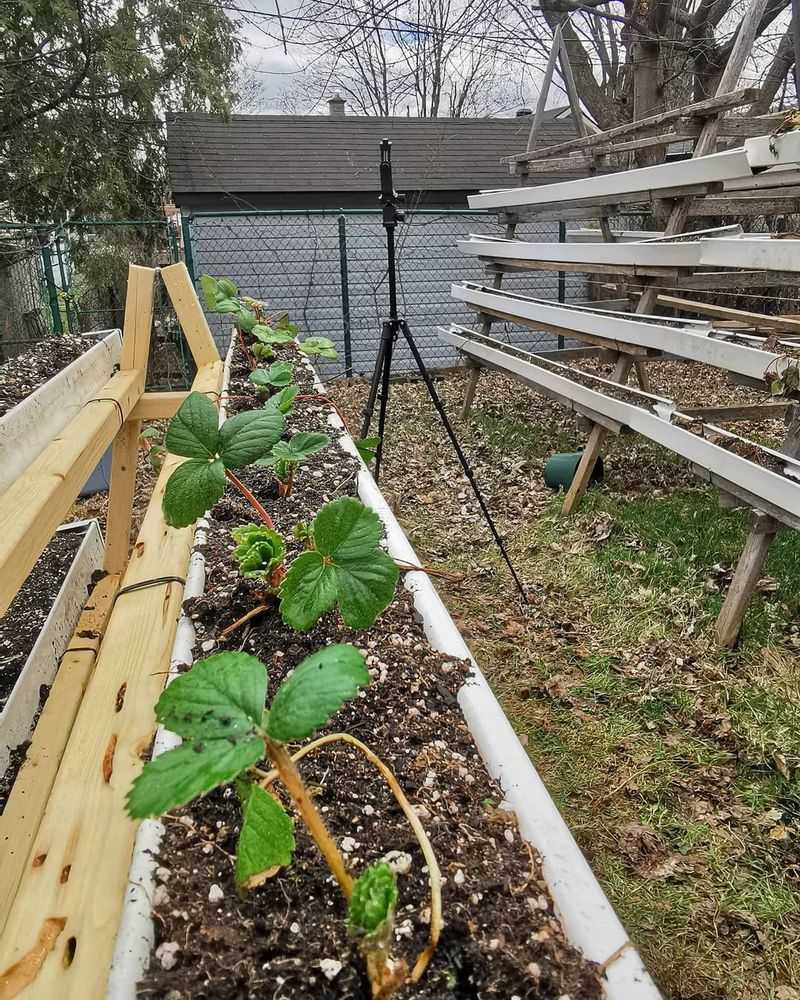
Elevated growing spaces solve multiple challenges simultaneously while giving you greater control over growing conditions. Raised beds lift your strawberries above problematic ground-level issues like poor drainage, heavy clay soil, and certain soil-borne diseases that persist in Georgia gardens.
The improved drainage alone makes raised beds worthwhile, but the benefits extend far beyond that single advantage.
Building beds eight to twelve inches high provides enough soil depth for strawberry roots while creating the drainage they need. Filling beds with a custom soil mix lets you create ideal growing conditions regardless of your native soil quality.
A blend of equal parts topsoil, compost, and peat moss or coconut coir creates the perfect balance of drainage, moisture retention, and nutrients that strawberries crave.
Containers work beautifully for Georgia gardeners with limited space or those dealing with extremely poor soil. Strawberry pots, hanging baskets, and even repurposed containers like whiskey barrels all produce excellent results when filled with quality potting mix.
Containers also allow you to position plants exactly where they receive optimal sunlight and move them if needed to protect from extreme weather.
Temperature management becomes easier with raised beds and containers because the soil warms faster in spring, encouraging earlier growth and fruiting. However, this same characteristic means they also dry out more quickly during Georgia’s hot summers, requiring more frequent watering than in-ground plantings.
Installing drip irrigation or soaker hoses in raised beds ensures consistent moisture without daily hand-watering.
5. Steady Moisture Keeps Fruit Plump And Sweet
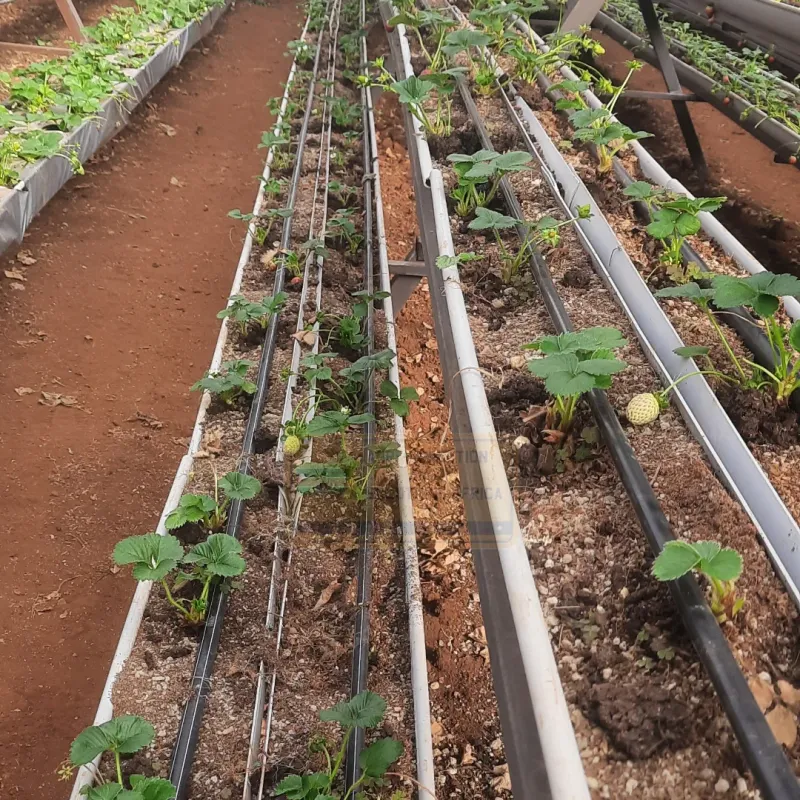
Water management directly affects fruit size, texture, and sweetness, making consistent moisture one of your most important responsibilities. Strawberries are approximately 90 percent water, so the berries themselves depend entirely on steady hydration to develop properly.
Irregular watering creates stressed plants that produce small, seedy berries with disappointing flavor, while consistent moisture yields plump, juicy fruit that tastes exactly as strawberries should.
During fruit development, strawberries need about one to one and a half inches of water weekly, delivered through rainfall or irrigation. In Georgia, spring rains often provide adequate moisture early in the growing season, but you may need to supplement during dry spells.
Summer plantings and fall-planted beds during their first year require particularly close attention to watering since their root systems are still establishing.
Drip irrigation or soaker hoses deliver water directly to the soil, keeping foliage dry and reducing disease risk in Georgia’s humid climate. Overhead watering encourages fungal diseases by leaving moisture on leaves and fruit, creating perfect conditions for problems like gray mold and leaf spot.
Morning watering, if you must water from above, allows foliage to dry before nightfall when fungal spores become most active.
Mulch helps tremendously with moisture management by reducing evaporation from the soil surface and moderating soil temperature fluctuations. A two to three inch layer of straw or pine needles keeps soil consistently moist between waterings while preventing berries from touching damp ground where they could rot.
6. Mulching Protects Berries And Stabilizes Soil
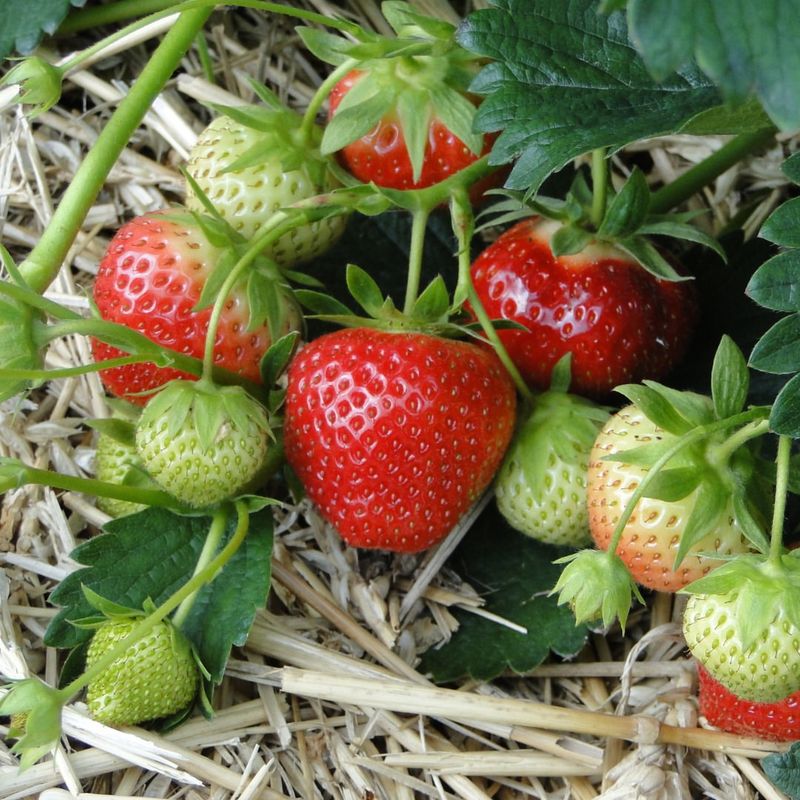
Applying the right mulch creates a protective barrier that addresses several challenges Georgia strawberry growers face throughout the growing season.
Organic mulches like wheat straw, pine straw, or shredded leaves serve multiple purposes, from conserving soil moisture to preventing weeds and keeping developing berries clean and dry.
The simple act of mulching can dramatically improve both plant health and fruit quality with minimal effort.
Straw makes an ideal mulch for strawberries because it stays loose and light, allowing air circulation while still providing coverage. Spread a two to three inch layer around plants after they become established, keeping mulch a few inches away from crowns to prevent rot.
As berries begin forming, they rest on clean straw instead of soil, preventing the muddy, dirt-covered fruit that results from ground contact, especially after Georgia’s heavy spring rains.
Temperature regulation represents another crucial benefit of mulching in Georgia’s variable climate. Mulch insulates soil, keeping it cooler during summer heat waves and warmer during unexpected late-spring cold snaps.
This temperature buffering reduces plant stress and protects shallow strawberry roots from temperature extremes that can damage them and reduce productivity.
Pine straw, abundantly available throughout Georgia, works equally well and often costs less than wheat straw. Its needles interlock naturally, staying in place during heavy rains better than some other mulch materials.
Avoid using grass clippings, which mat down when wet and can introduce weed seeds or harbor pests that damage strawberry plants and fruit.
7. Proper Spacing Reduces Disease In Humid Conditions
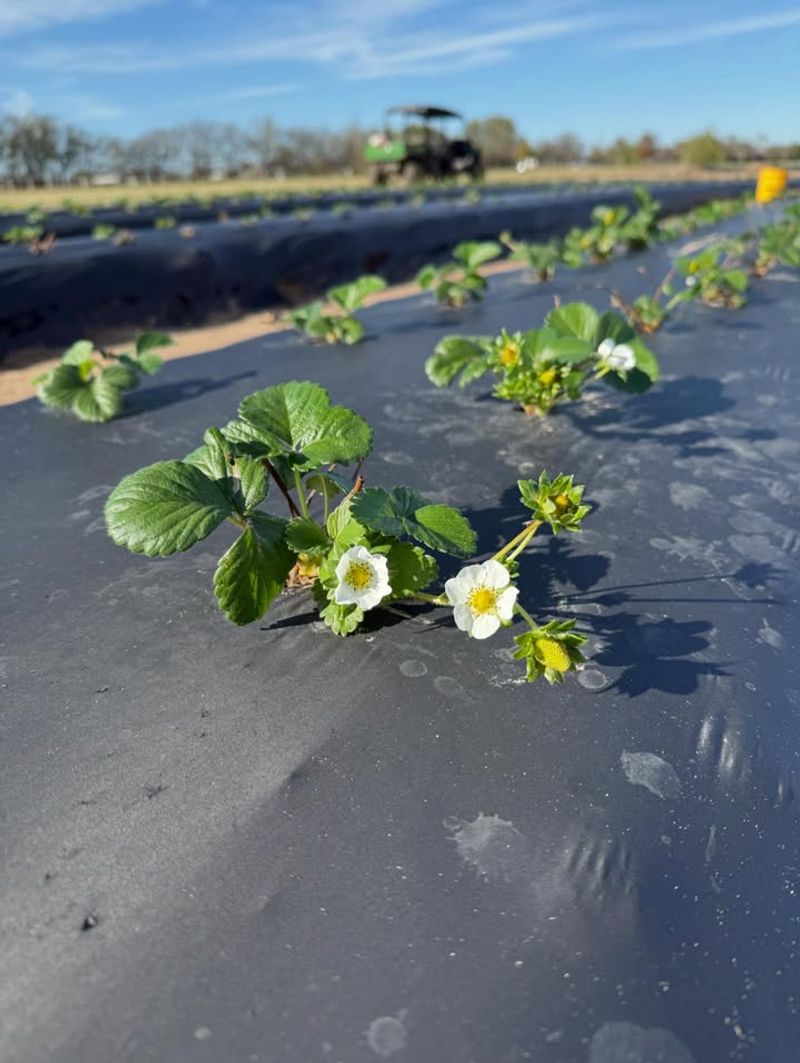
Air circulation around your plants serves as a natural disease prevention strategy, especially important in Georgia where humidity creates ideal conditions for fungal problems.
Crowded plants trap moisture around leaves and fruit, encouraging diseases like powdery mildew, gray mold, and leaf blight that can devastate entire plantings.
Proper spacing allows air to flow freely through your strawberry bed, drying foliage quickly after rain or morning dew and making the environment less hospitable to disease organisms.
Space strawberry plants twelve to eighteen inches apart in rows that are at least two feet apart for optimal air movement and plant development. This spacing seems excessive when you first plant small transplants, but strawberries spread rapidly through runners and quickly fill available space.
Crowding plants closer together to maximize initial density backfires within a single season as plants compete for resources and disease pressure increases dramatically.
Matted row systems, where you allow some runners to fill in between mother plants, work well in Georgia but require discipline to prevent overcrowding. Thin plants regularly by removing excess runners and older, less productive plants, maintaining that critical spacing even as your bed matures.
A properly managed matted row provides good yields while still allowing adequate air circulation.
Hill systems, where you remove all runners and maintain individual plants at wider spacing, offer even better air circulation and work particularly well for gardeners dealing with persistent disease issues. This method produces larger berries and makes harvesting easier, though total yield per square foot may be slightly lower than well-managed matted rows.
8. Runner Management Directs Energy Into Fruit
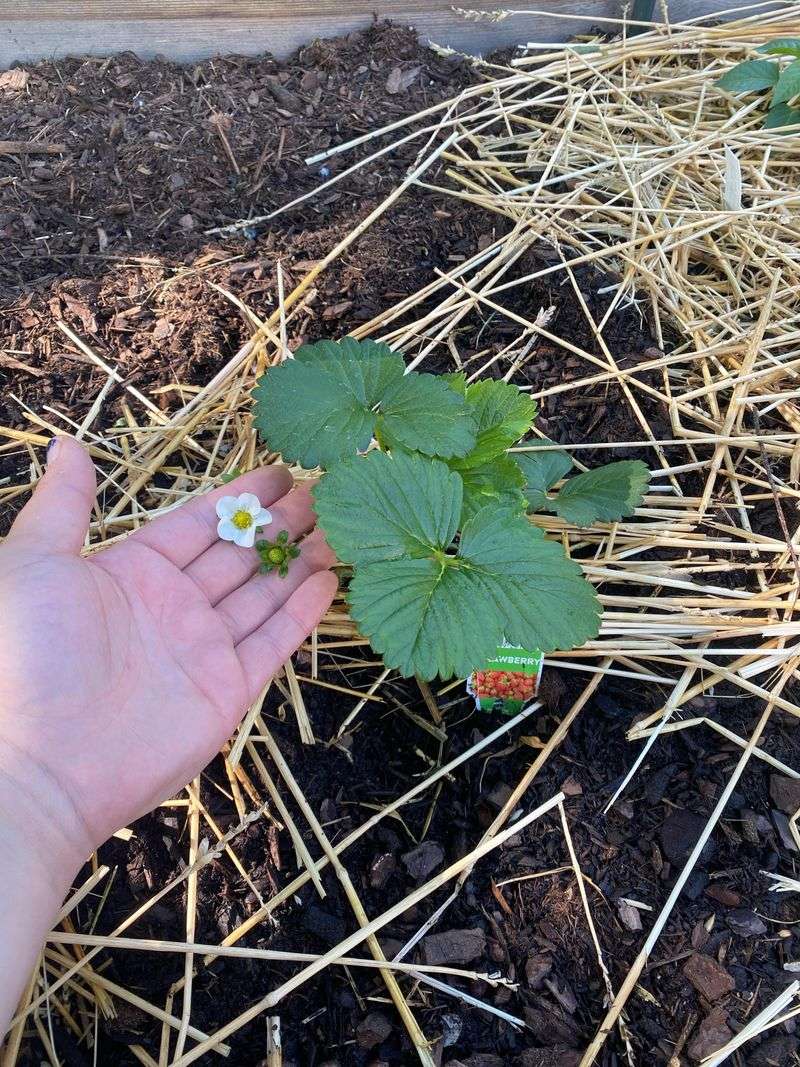
Strawberry runners represent the plant’s natural reproduction strategy, but allowing unlimited runner production comes at the expense of fruit quantity and quality.
Each runner a plant produces requires significant energy and resources that could otherwise go toward developing larger, sweeter berries.
In Georgia’s favorable growing conditions, strawberry plants produce runners enthusiastically, especially during the long, warm growing season, making runner management essential for maintaining productive plants.
During the first growing season after planting, removing all runners forces plants to focus energy on establishing strong root systems and building robust crowns. This investment pays dividends in subsequent years when those well-established plants produce abundant fruit.
Many gardeners skip this step, eager to see their planting expand, but patience during year one results in significantly better long-term productivity.
In established beds, runner management depends on your chosen growing system. For hill systems, remove all runners throughout the season by cutting or pinching them off as they appear.
This constant removal seems tedious but results in the largest berries and simplifies bed maintenance. For matted row systems, allow a controlled number of runners to establish during summer, spacing new plants appropriately, then remove any additional runners to prevent overcrowding.
Timing matters when managing runners in Georgia. Allow runner production after harvest is complete if you want to fill in sparse areas or establish new plants.
The warm late summer and early fall provide perfect conditions for runners to root and establish before winter, creating productive new plants for the following season.