Prune These 7 Oregon Trees Before March Arrives
Late winter in Oregon is that calm, in between moment when trees are still resting and spring is just around the corner.
Before March arrives, there is a perfect opportunity to head outside, pick up your pruners, and give your trees the attention that helps them thrive in the coming season.
With branches bare and easy to see, shaping and tidying becomes simpler and more effective. A few careful cuts now can support stronger growth, healthier structure, and fuller foliage once warmer days return.
The cool air and slower garden rhythm make this an ideal time to focus on pruning. Put in a little effort now and your trees will step into spring looking balanced, refreshed, and ready to grow with new energy across your landscape.
1. Apple Tree
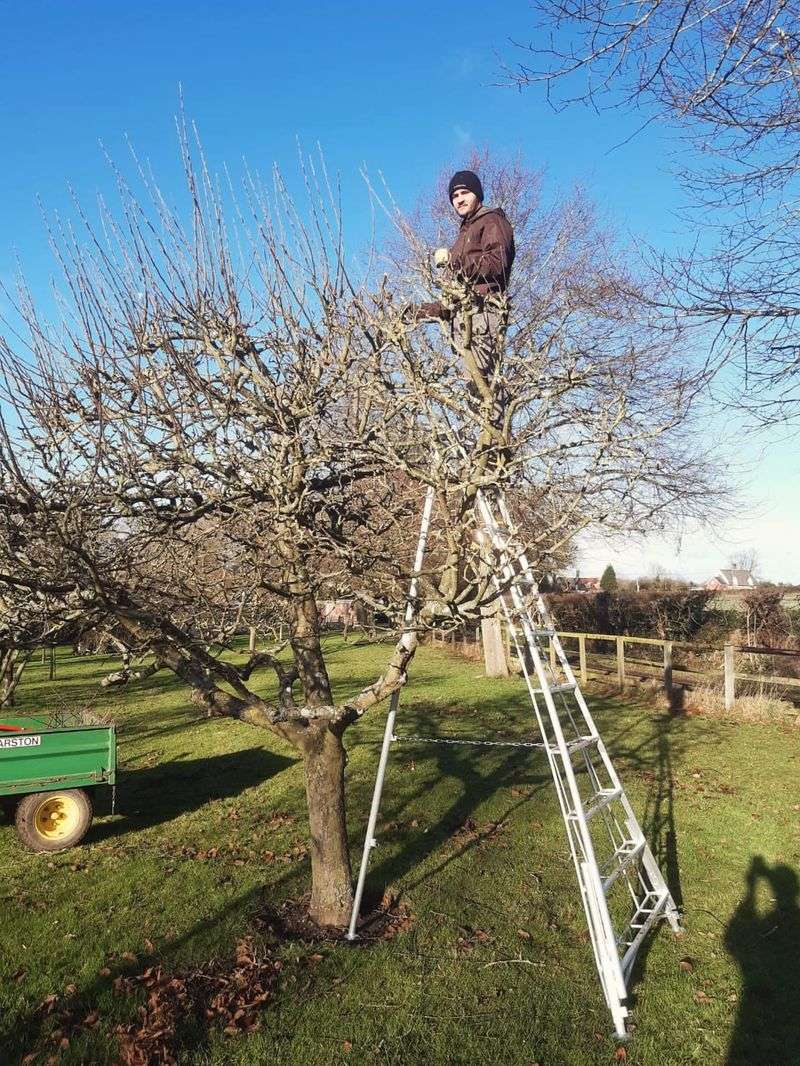
Rain-soaked branches in February might not look inviting, but your apple tree is quietly waiting for this exact moment. Dormant pruning before March gives you a clear view of the tree’s structure without leaves blocking your vision.
You can spot crossing branches, water sprouts, and crowded areas that need opening up.
Oregon’s damp springs create perfect conditions for fungal diseases like apple scab. When you prune now, removing dense growth before buds break, you improve air circulation through the canopy.
Better airflow means leaves dry faster after rain, and that simple change dramatically reduces disease pressure throughout the growing season.
Focus on removing any branches that grow straight up or directly down, these rarely produce good fruit. Cut back to an outward-facing bud to encourage the tree to spread rather than grow tall and tangled.
Remove about twenty to thirty percent of last year’s growth, paying special attention to the center of the tree where moisture tends to linger.
Many gardeners wait too long, thinking they’ll tackle pruning when the weather improves. By then, sap is running and cuts weep, attracting pests and inviting infection.
February’s chill is your friend here, keeping the tree dormant while you shape its future.
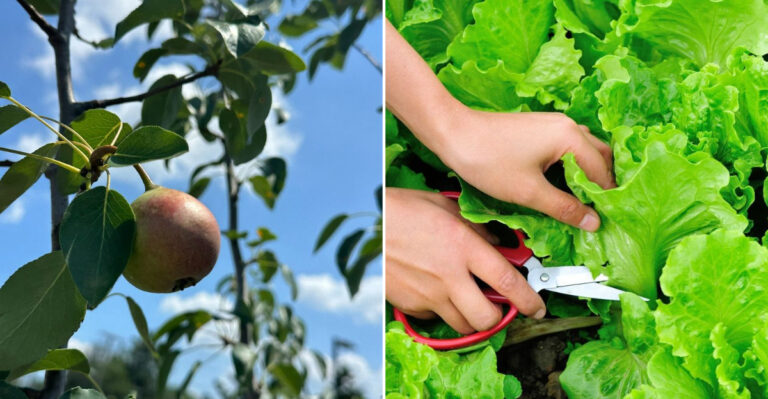
2. Pear Tree
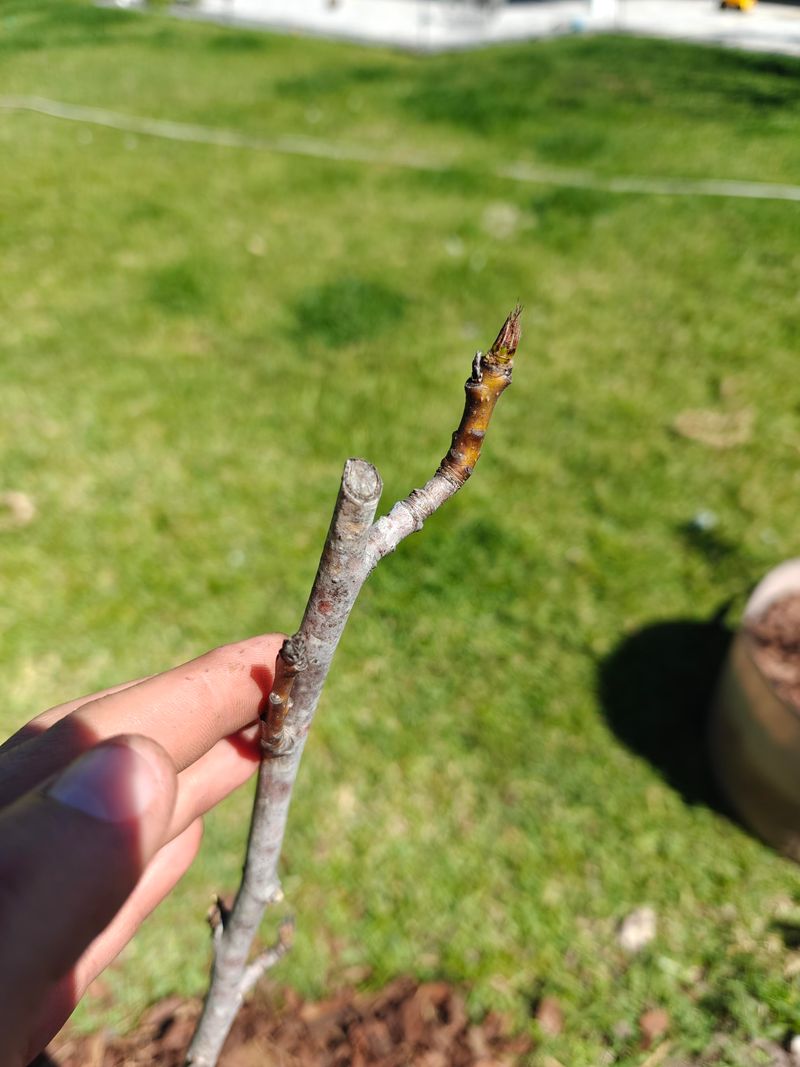
Pears grow differently than most fruit trees, sending up vigorous vertical shoots that look productive but rarely bear well. These water sprouts drain energy from fruiting wood, and in Oregon’s fertile, moist soil, they appear with enthusiasm.
Late winter is when you reclaim control before the tree wastes another season feeding unproductive growth.
Fire blight poses a serious threat to pears in our region, and pruning strategy matters enormously. You want an open, vase-shaped center that allows light penetration and air movement.
Dense canopies stay wet longer after our frequent rains, creating ideal conditions for bacterial spread. Remove inward-growing branches and anything that crosses through the center.
Pear wood is brittle, so proper pruning now prevents storm damage later. Look for narrow crotch angles where branches meet the trunk, these weak joints often split under heavy fruit loads or winter ice.
Cut them back to stronger, wider-angled branches that can handle weight without breaking.
Unlike apples, pears fruit on spurs that live for years, so avoid removing too many short, stubby branches along main limbs. These gnarled little growths are your future harvest.
Instead, thin out the whippy new growth and crossing branches, leaving a balanced framework that light can reach throughout.
3. Plum Tree
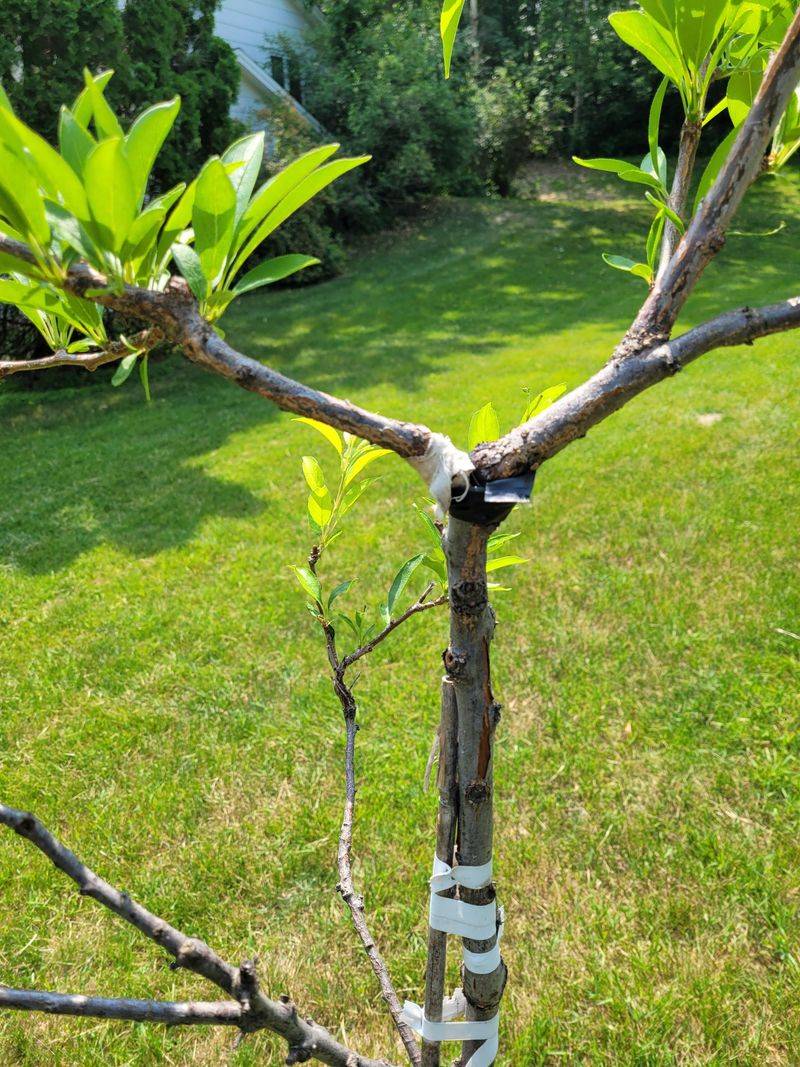
Plum trees in Oregon grow with almost reckless enthusiasm, especially European varieties that thrive in our cool, moist climate. By February, you’re looking at a tangle of last year’s growth that needs serious thinning.
Left unpruned, plums produce masses of small fruit that never fully ripen, quantity without quality.
The goal is reducing fruit load before it even sets. When you thin branches now, you’re essentially pre-thinning the crop, allowing the tree to channel energy into fewer, larger, sweeter plums.
Remove about a third of last year’s growth, focusing on crowded areas where branches compete for the same space and sunlight.
Brown rot and other fungal diseases love the dense, humid conditions inside an unpruned plum canopy. Oregon springs practically guarantee extended wet periods, so creating space between branches becomes crucial disease prevention.
Good air circulation means faster drying, and faster drying means healthier fruit come summer.
Watch for branches rubbing against each other, the friction creates wounds that invite infection. Cut the weaker or more poorly positioned branch cleanly at its base.
Also remove any dead or diseased wood you spot, cutting back to healthy tissue. These trees heal quickly when pruned dormant, sealing cuts before active growth begins in March.
4. Cherry Tree (especially sour cherry)
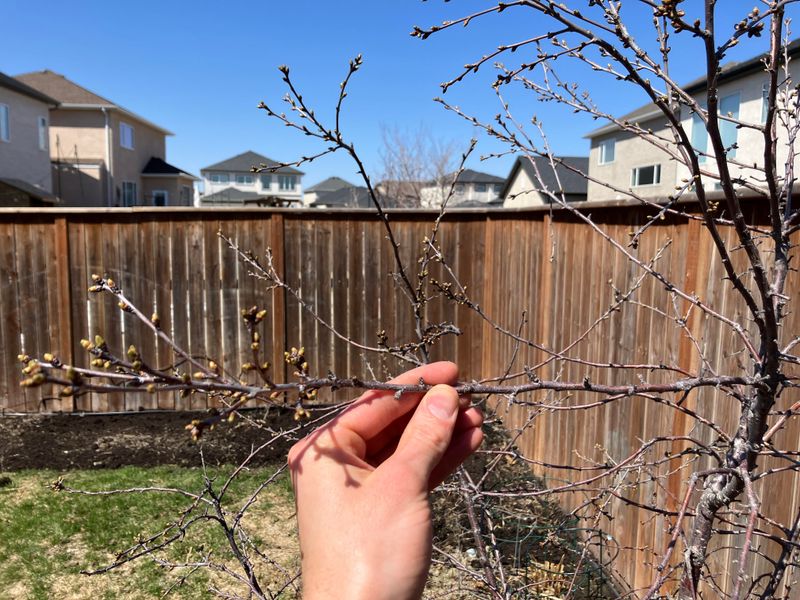
Sour cherries produce fruit on younger wood, which means annual pruning directly impacts your pie supply. These trees naturally form a more open shape than sweet cherries, but they still need guidance to maintain productive structure.
February pruning keeps them compact and fruitful rather than tall and sparse.
Oregon’s wet climate makes bacterial canker a constant threat to cherry trees, and pruning timing matters enormously for disease prevention. Dormant winter pruning while trees are fully asleep minimizes sap flow and reduces infection risk.
Clean cuts made now heal before spring rains arrive with their bacterial loads.
Remove branches growing toward the tree’s center and any that angle downward, cherries need light reaching throughout the canopy.
Sour cherries particularly benefit from a modified central leader system that keeps the tree at a manageable height for netting and harvesting.
Cut back overly vigorous upright shoots to outward-facing buds.
Unlike sweet cherries, sour varieties handle aggressive pruning well and often respond with better fruiting. You can remove up to a quarter of the canopy if needed, focusing on older, less productive branches.
The tree will replace them with fresh growth that bears heavily in just a couple of seasons, giving you abundant harvests without excessive height.
5. Peach Tree
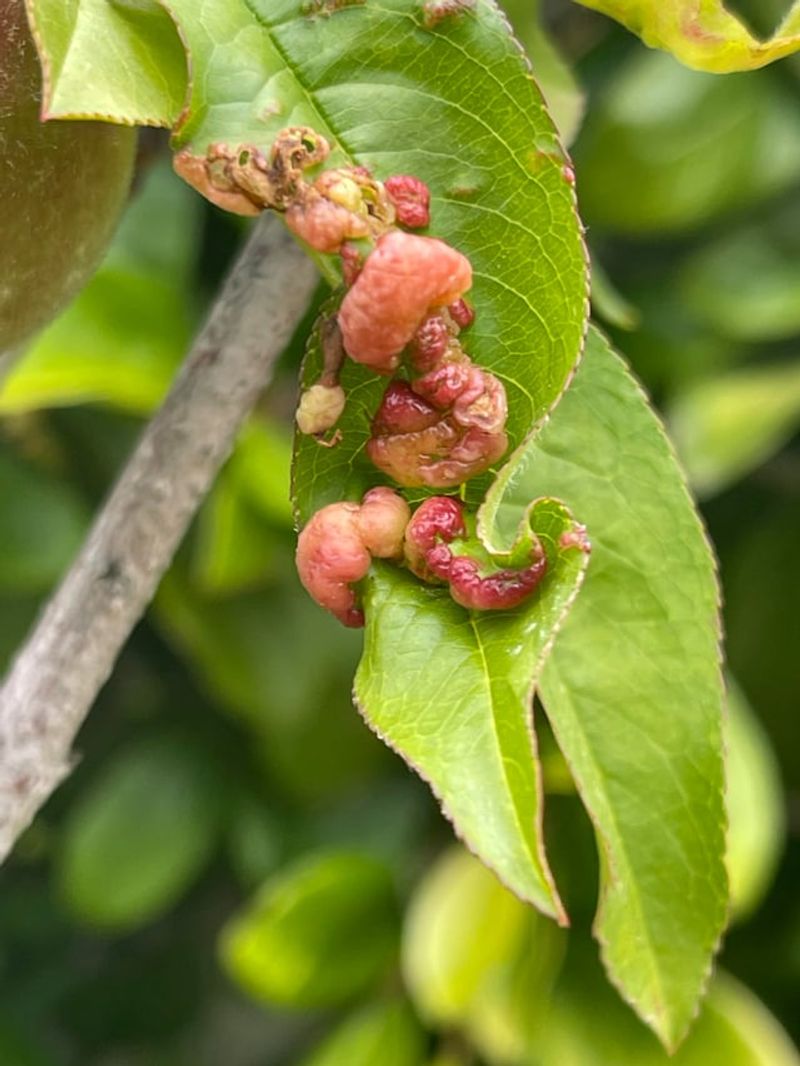
Walk past your peach tree in February and you’ll notice those buds already swelling slightly, hinting at the explosion of bloom coming in just weeks. That subtle change is your signal, prune now, because once those buds break, you’ve missed the window.
Peaches fruit only on last year’s wood, so understanding what to keep and what to remove makes the difference between a few fruits and a genuine harvest.
Peach leaf curl dominates Oregon peach growing, and pruning plays a supporting role in disease management. Opening up the canopy improves spray coverage and air circulation, helping preventive treatments work more effectively.
Remove crossing branches and inward growth, creating a bowl shape that light and air can penetrate easily.
These trees grow vigorously in our region when properly sited, often producing far more fruiting wood than they can support. Aggressive thinning now prevents the need for heavy fruit thinning later.
Remove about forty percent of last year’s growth, keeping branches that radiate outward from the center at pleasant angles.
Peaches are short-lived compared to apples or pears, typically productive for twelve to fifteen years. Annual pruning extends that productive window by encouraging fresh growth and preventing the tree from exhausting itself.
Cut back to strong, healthy wood, and your tree rewards you with years of reliable harvests.
6. Nectarine Tree
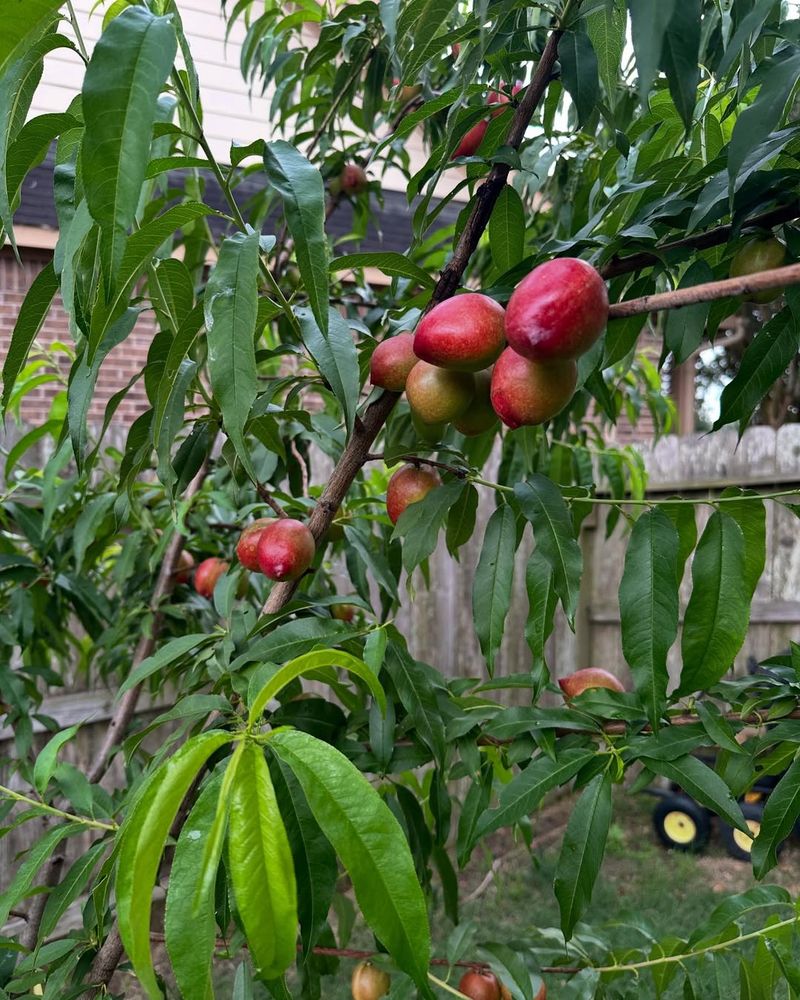
Nectarines are essentially fuzzless peaches, and they share the same pruning needs and timing. The difference is that nectarines show even less cold tolerance and greater disease susceptibility, making proper pruning more critical in Oregon’s challenging climate.
Late winter pruning sets up the tree for success before spring rains test its defenses.
These trees need aggressive annual pruning to remain productive and healthy. Without it, they quickly become dense, twiggy tangles that produce tiny fruit and harbor disease.
Remove half of last year’s growth if the tree is young and vigorous, focusing on creating an open center with well-spaced scaffold branches.
Nectarines suffer from the same peach leaf curl issues that plague their fuzzy cousins, and good canopy structure helps fungicide applications reach all surfaces. Prune to eliminate overlapping branches and areas where moisture collects.
The goal is a tree that sheds rain quickly and dries fast between storms.
Pay attention to branch angles, nectarines often produce narrow, weak crotches that split under fruit load. Remove branches with angles less than forty-five degrees, keeping only those with strong, wide attachments.
This structural pruning prevents heartbreaking branch failures just as fruit reaches maturity. Your February work now saves tears in July.
7. Fig Tree
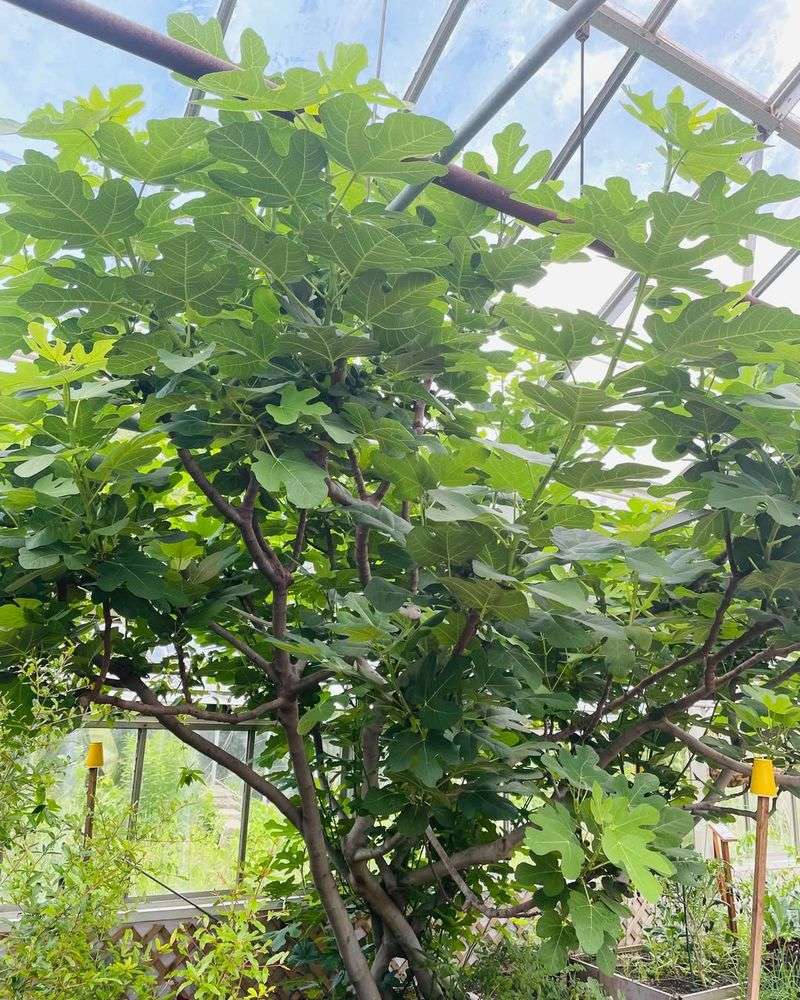
Figs occupy a unique space in Oregon gardening, they’re technically too tender for our winters but survive beautifully in protected spots west of the Cascades.
Late winter pruning removes any freeze-damaged wood from occasional cold snaps while shaping the tree for productive growth.
You’re balancing winter survival with summer fruiting, a careful dance that pays off in August.
Most Oregon-grown figs produce on both old and new wood, depending on variety. Pruning strategy depends on which type you’re growing.
For varieties that fruit on new growth, you can prune more aggressively, knowing the tree will produce fruiting wood this season. For types that fruit on old wood, preserve last year’s growth while removing only damaged or crossing branches.
Figs respond to pruning by sending out vigorous new shoots, and in our long, mild growing season, they often produce multiple flushes of growth. Light pruning now encourages branching without sacrificing too much potential fruit.
Remove dead tips, thin crowded areas, and maintain an open shape that light can penetrate.
Container-grown figs need annual root and top pruning to remain productive in pots. If yours lives in a container, late winter is when you tip it out, trim roots, refresh soil, and cut back top growth proportionally.
This renewal keeps the tree vigorous and fruiting despite confined roots, letting you enjoy fresh figs even without orchard space.