Prune These Plants In Your Georgia Garden Before February Ends
February is a short but powerful window for Georgia gardeners. What you prune now can shape how your plants grow, bloom, and produce later in the season.
Waiting too long can lead to weak growth, fewer flowers, and messy plants that struggle in spring. Early pruning helps remove damaged branches, improve airflow, and encourage strong new shoots.
It also gives plants time to recover before warmer weather arrives. Many popular garden plants benefit from a late winter trim, but timing and technique matter.
Cutting the wrong plant at the wrong time can do more harm than good. Knowing which plants to prune before February ends helps you avoid costly mistakes and sets your garden up for a healthier, more productive growing season.
With a little planning and the right cuts, your Georgia garden can enter spring stronger and better prepared.
1. Crape Myrtles
Georgia’s beloved crape myrtles deserve thoughtful attention before spring growth begins. These stunning trees line streets throughout the state, from Savannah to Athens, providing summer color that defines Southern landscapes.
Late February represents the ideal moment to shape these beauties before their leaves emerge and obscure the branch structure you need to evaluate.
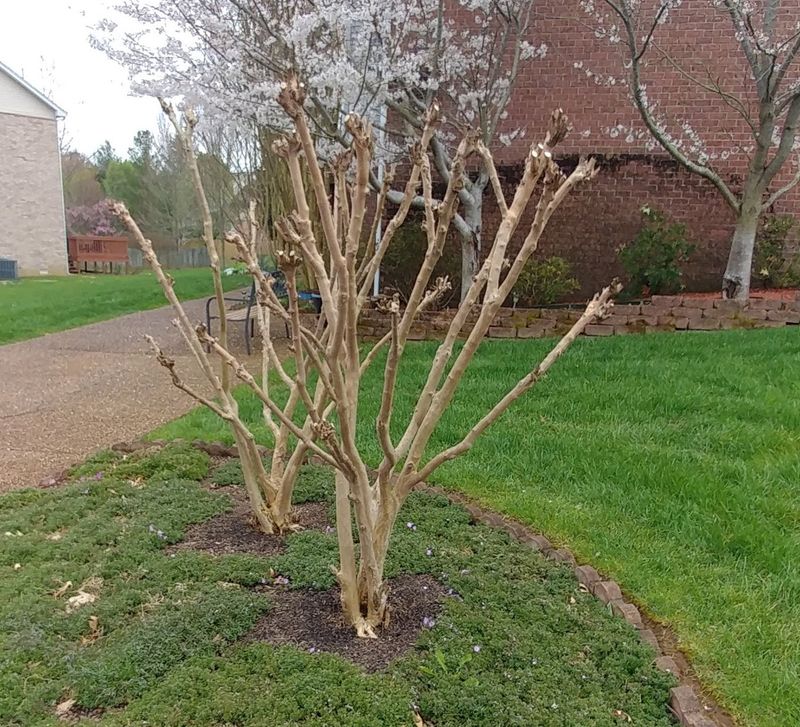
Many gardeners make the mistake of topping their crape myrtles, creating unsightly knobs that weaken the tree’s natural form. Instead, focus on removing crossing branches, suckers growing from the base, and any stems smaller than a pencil’s width.
Select three to five main trunks and eliminate everything else at ground level to showcase the attractive bark that makes these trees gorgeous even in winter.
The technique called selective pruning preserves the graceful vase shape that makes crape myrtles so elegant. Cut branches back to a main limb or trunk rather than leaving stubs that invite disease and look terrible.
Remove any growth pointing toward the center of the tree to improve air circulation, which helps prevent powdery mildew during Georgia’s humid summers.
Height control matters for many homeowners, but resist the urge to hack off the tops. If your crape myrtle has outgrown its space, you can reduce height by cutting branches back to a side branch that’s at least one-third the diameter of the branch you’re removing.
This method maintains the tree’s natural beauty while keeping it at a manageable size for your Atlanta or Macon garden. Proper pruning now means spectacular blooms from June through September.
2. Blueberry Bushes
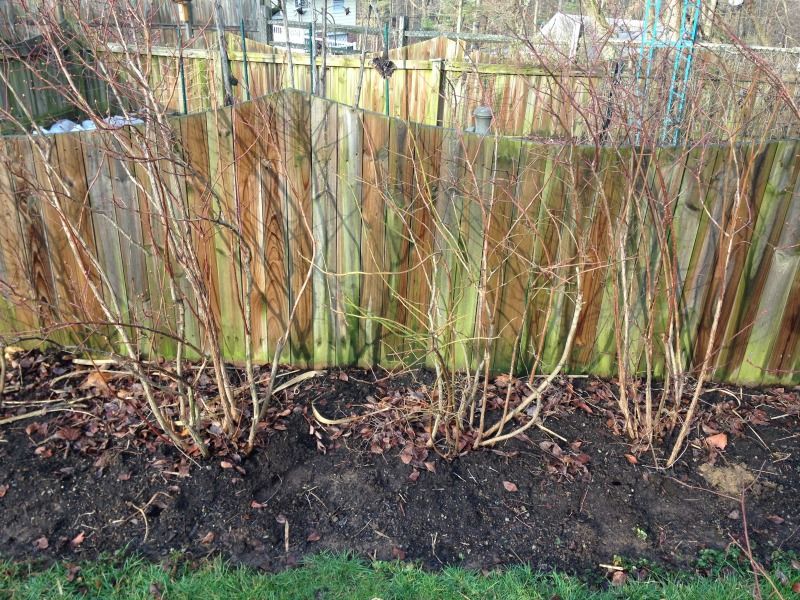
Blueberry bushes thrive across Georgia’s diverse climate zones, making them a favorite among home gardeners seeking fresh fruit. Before the buds swell and break dormancy in early March, take time to prune these productive shrubs for maximum harvest.
Mature bushes benefit tremendously from removing older canes that no longer produce well, directing the plant’s energy toward younger, more vigorous growth.
Start by cutting out any canes that are more than six years old, as these thick, grayish stems produce fewer berries and smaller fruit. Look for younger canes with smooth, reddish bark that will give you the best crops.
Remove about one-third of the oldest wood each year to keep your bushes productive for decades. This gradual renewal system works perfectly for Georgia gardeners who want consistent harvests without shocking their plants.
Pay attention to low-hanging branches that will touch the ground when loaded with berries this summer. Cut these back to an upward-growing bud to keep fruit off the soil where it can rot or attract pests.
Thin out twiggy growth in the center of the bush to improve sunlight penetration and air movement, both crucial for preventing fungal diseases in Georgia’s warm, humid climate.
Don’t forget to remove any damaged or broken branches you spot during your inspection. Clean cuts heal faster than ragged tears, so use sharp bypass pruners for stems up to three-quarters of an inch thick and loppers for anything larger.
Your blueberry bushes in North Georgia mountains or South Georgia plains will reward your February efforts with plump, sweet berries come June and July.
3. Roses
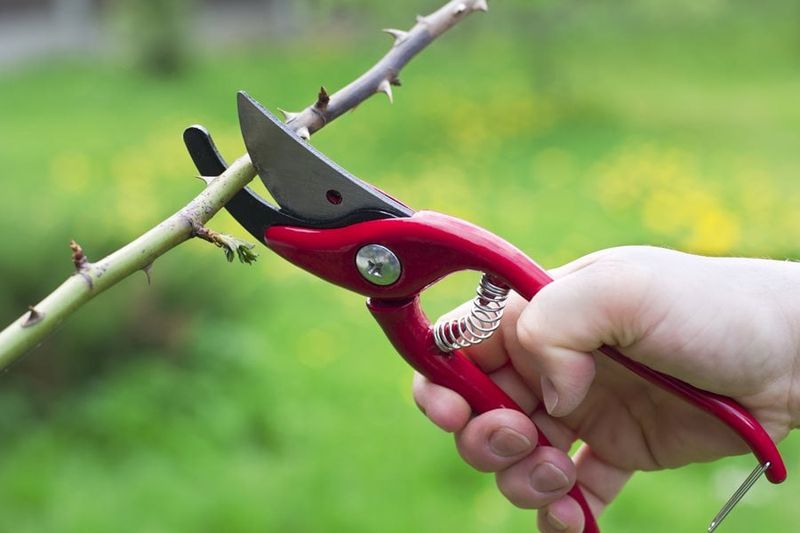
February brings the perfect opportunity to prepare your Georgia roses for their spring show. As temperatures begin their gradual climb across the state, dormant rose bushes await the pruning that will shape their performance for the entire growing season.
Whether you grow hybrid teas in Columbus or climbing roses in Decatur, late winter pruning encourages strong new growth and abundant blooms.
Begin by removing any canes that look blackened, shriveled, or diseased, cutting all the way back to healthy white or light green tissue. Next, eliminate canes thinner than a pencil, as these weak stems rarely produce quality flowers and simply crowd the plant.
Aim to leave three to five strong, healthy canes on hybrid teas and floribundas, creating an open vase shape that allows sunlight to reach the center.
Cut each remaining cane back to about 12 to 18 inches tall, making your cuts at a 45-degree angle about a quarter-inch above an outward-facing bud.
This technique directs new growth away from the plant’s center, improving air circulation that helps prevent black spot and other fungal problems common in Georgia’s climate.
Remove any growth originating below the graft union, as these suckers come from the rootstock and won’t produce the flowers you want.
Climbing roses require a different approach since they bloom on older wood. For these beauties, remove only damaged or extremely old canes, and trim side shoots back to two or three buds.
This method preserves the framework while encouraging flowering laterals. Clean your pruning tools with rubbing alcohol between plants to avoid spreading disease throughout your rose garden.
4. Fruit Trees (Apples And Peaches)
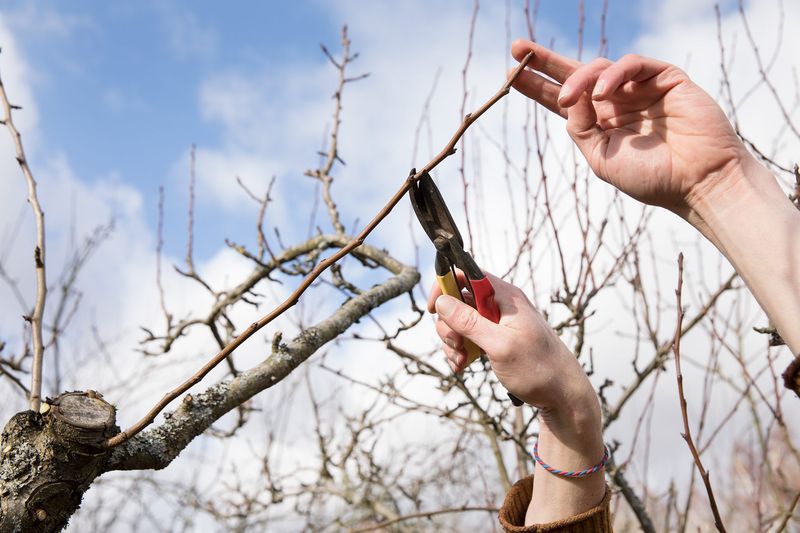
Peach trees practically define Georgia’s agricultural heritage, and apple trees flourish in the northern counties where cooler winters satisfy their chilling requirements.
Both benefit enormously from pruning during February’s dormant period, when you can clearly see the branch structure and make strategic cuts.
Proper pruning now translates directly to better fruit quality and easier harvesting when summer arrives.
For peach trees, aggressive pruning actually improves fruit size and sweetness. Remove about 40 percent of last year’s growth, focusing on creating an open center that resembles a bowl or vase.
This shape allows sunlight to reach all parts of the tree, ensuring even ripening and reducing disease pressure. Cut out any branches growing straight up or toward the tree’s center, as these create shade and crowding.
Apple trees need a modified central leader form, with one main trunk and several well-spaced lateral branches. Remove water sprouts, those vigorous vertical shoots that rarely produce fruit and drain energy from productive wood.
Thin out crossing branches and any limbs that rub against each other, as the friction creates wounds where disease can enter. Space remaining branches so sunlight can filter throughout the canopy.
Both tree types need attention to branch angles, with the ideal being about 45 to 60 degrees from the trunk. Branches growing at narrower angles often break under fruit load, while those at wider angles produce less fruit.
You can train younger branches to better angles using spreaders or weights. Georgia gardeners who prune their fruit trees properly in February enjoy harvests that are not only larger but also easier to pick and less prone to pest problems throughout the growing season.
5. Butterfly Bush (Buddleia)
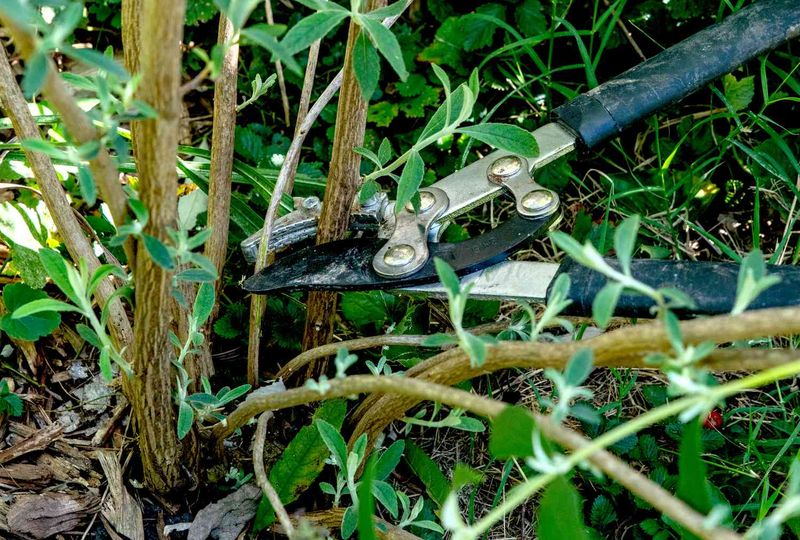
Butterfly bushes bring pollinator magic to Georgia gardens from spring through fall, but they can become leggy and overgrown without annual pruning. These fast-growing shrubs bloom on new wood, meaning you can cut them back hard in late February without sacrificing a single flower.
In fact, aggressive pruning creates fuller plants with more blooms and keeps them at a manageable size for most landscapes.
Cut your butterfly bush back to about 12 to 24 inches from the ground, leaving a low framework of main stems. This might seem extreme, but these vigorous plants will quickly regrow and produce abundant flower spikes starting in late spring.
Make your cuts just above a set of healthy buds, using sharp pruners to create clean wounds that heal quickly as temperatures warm across Georgia.
Removing all the previous year’s growth eliminates overwintering pests and disease spores that might otherwise plague your plants. It also prevents the woody, bare-stemmed look that unpruned butterfly bushes develop over time.
The compact new growth that emerges from your February pruning will be covered in the fragrant purple, pink, or white flowers that attract butterflies, bees, and hummingbirds throughout the growing season.
While you’re pruning, take a moment to clear away dry leaves and debris from around the base of the plant. This housekeeping step further reduces disease risk and makes it easier to spot new growth as it emerges.
Georgia gardeners from Dalton to Brunswick can enjoy butterfly bushes that stay attractive and bloom-covered rather than becoming the overgrown tangles that result from neglected pruning.
Your local butterflies will thank you for the abundant nectar sources your well-pruned bushes provide all summer long.
6. Hydrangeas (Certain Varieties)
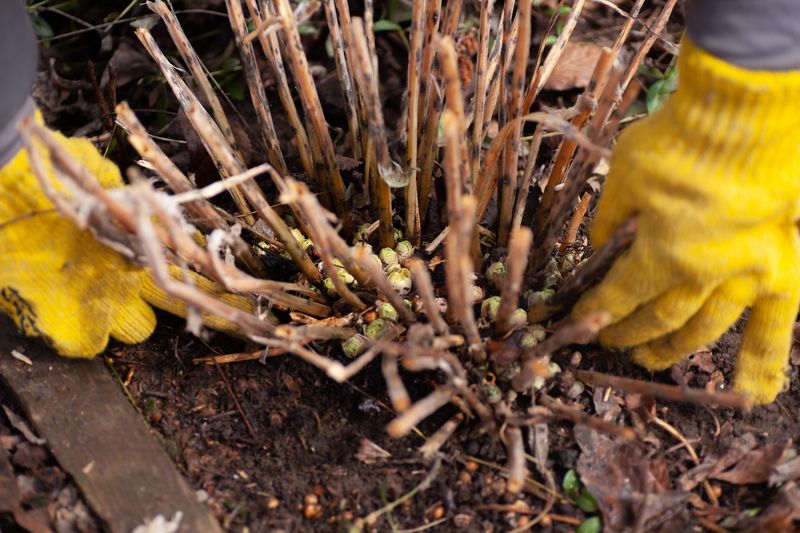
Hydrangeas present a pruning puzzle because different types require completely different approaches. In Georgia gardens, you’ll find several varieties, and knowing which ones to prune in February prevents the heartbreak of removing this summer’s flower buds.
Smooth hydrangeas (Annabelle types) and panicle hydrangeas (like Limelight) bloom on new wood, making them perfect candidates for late winter pruning.
Smooth hydrangeas benefit from being cut back to about 12 to 18 inches tall in late February. These reliable performers produce huge white blooms on the current season’s growth, so you can’t hurt their flowering potential by pruning now.
In fact, cutting them back prevents the floppy, sprawling habit that develops when heavy flower heads weigh down unpruned stems. Make your cuts just above a pair of healthy buds to encourage multiple stems and more flowers.
Panicle hydrangeas also bloom on new wood but don’t require pruning as severe as smooth types. Reduce their height by about one-third to one-half, shaping the plant and removing any weak or damaged branches.
This moderate approach maintains a larger framework while still promoting vigorous new growth covered in the cone-shaped flower clusters that make these hydrangeas so distinctive. Focus on creating an attractive shape and removing crossing branches that create congestion.
Whatever you do, avoid pruning bigleaf hydrangeas (the ones with blue or pink mophead or lacecap flowers) in February. These popular varieties bloom on old wood formed last summer, and pruning now removes all your flowers.
For those types, wait until right after they finish blooming in summer. Georgia gardeners who understand these differences can enjoy spectacular hydrangea displays rather than wondering why their bushes never bloom despite faithful pruning efforts.
7. Ornamental Grasses
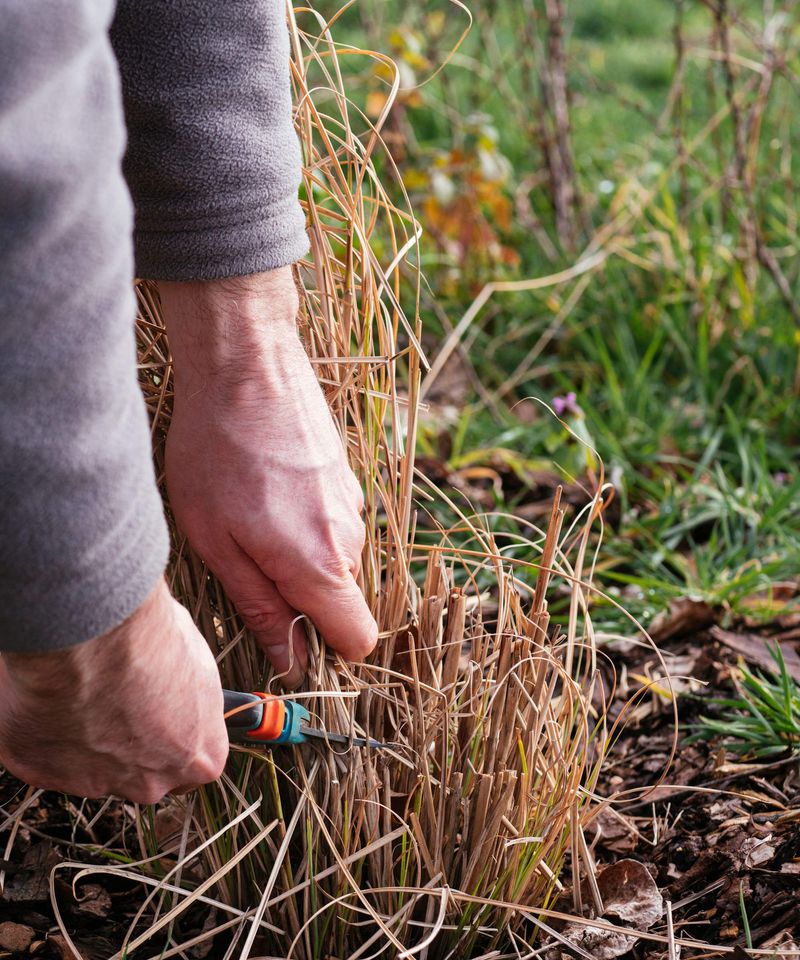
Ornamental grasses add texture, movement, and winter interest to Georgia landscapes, but they need tidying before new growth emerges in spring. Late February offers the last chance to cut back these plants before fresh green blades start appearing at the base.
Waiting too long means you’ll accidentally trim off new growth, setting back the plant’s spring performance and leaving it looking choppy rather than lush.
Use hedge shears, string trimmers, or even a sharp machete to cut your grasses back to about 4 to 6 inches from the ground. The exact height matters less than making sure you cut above the crown where new growth originates.
Bundle the old foliage with twine before cutting if you’re dealing with large clumps, as this makes cleanup much easier and prevents the cut blades from scattering across your garden.
Some gardeners prefer leaving ornamental grasses standing all winter for their attractive seed heads and tawny color, and that’s perfectly fine for plant health.
However, cutting them back before new growth starts gives you the cleanest look and prevents the messy appearance of old and new foliage mixed together.
The timing is especially important in Georgia’s relatively warm climate, where grasses break dormancy earlier than they do further north.
While you’re working, take a moment to divide any clumps that have become too large or developed dry centers. Dig up the entire clump, split it into sections using a sharp spade or saw, and replant the vigorous outer portions.
This rejuvenation keeps your grasses healthy and gives you extras to plant elsewhere or share with friends.
Whether you’re tending maiden grass in Augusta or muhly grass in Valdosta, proper February maintenance ensures your ornamental grasses look their absolute best throughout the coming growing season.