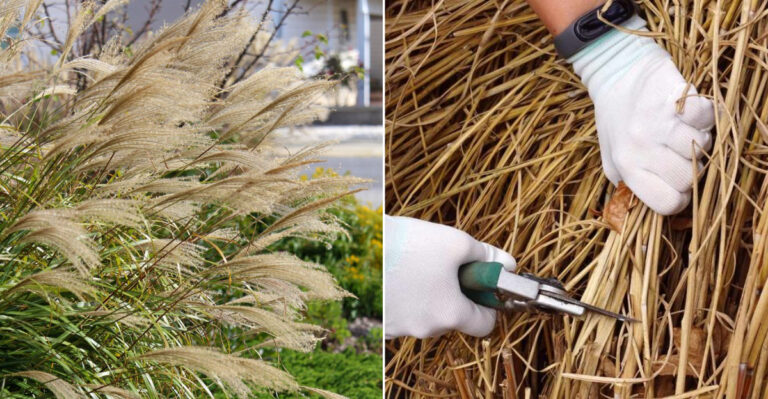
Prune These Shrubs Now For Bigger Blooms In Oregon
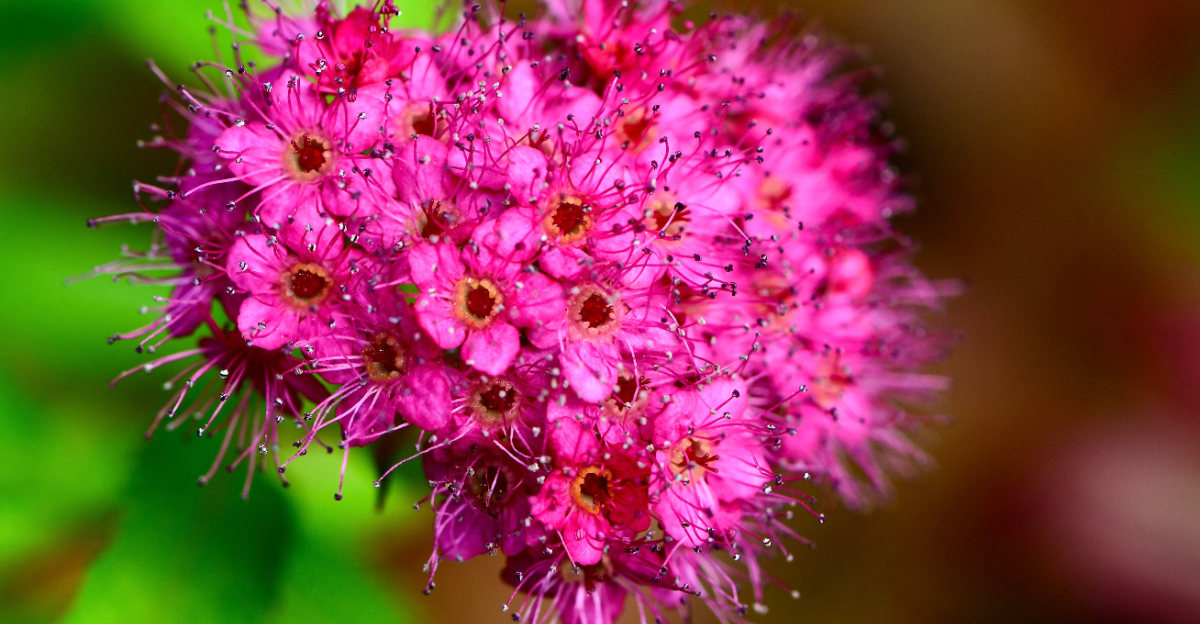
Bigger, brighter blooms often start with one simple step: picking up the pruners at the right moment.
Many popular Oregon shrubs respond beautifully to a timely trim, sending out fresh growth that leads to fuller plants and a far more impressive flower show.
Removing older, tired stems helps redirect energy into vigorous new shoots, improves air flow, and keeps shrubs from becoming dense or overgrown. It is also the perfect chance to tidy winter damage and shape plants for a balanced, natural look.
A thoughtful pruning session now can mean stronger color, longer bloom periods, and healthier shrubs throughout the season.
With just a bit of effort and good timing, your garden can reward you with waves of vibrant flowers that feel bigger, richer, and more abundant than ever, turning ordinary shrubs into true standouts in the Oregon landscape.
1. Hydrangea Paniculata (Panicle Hydrangea)
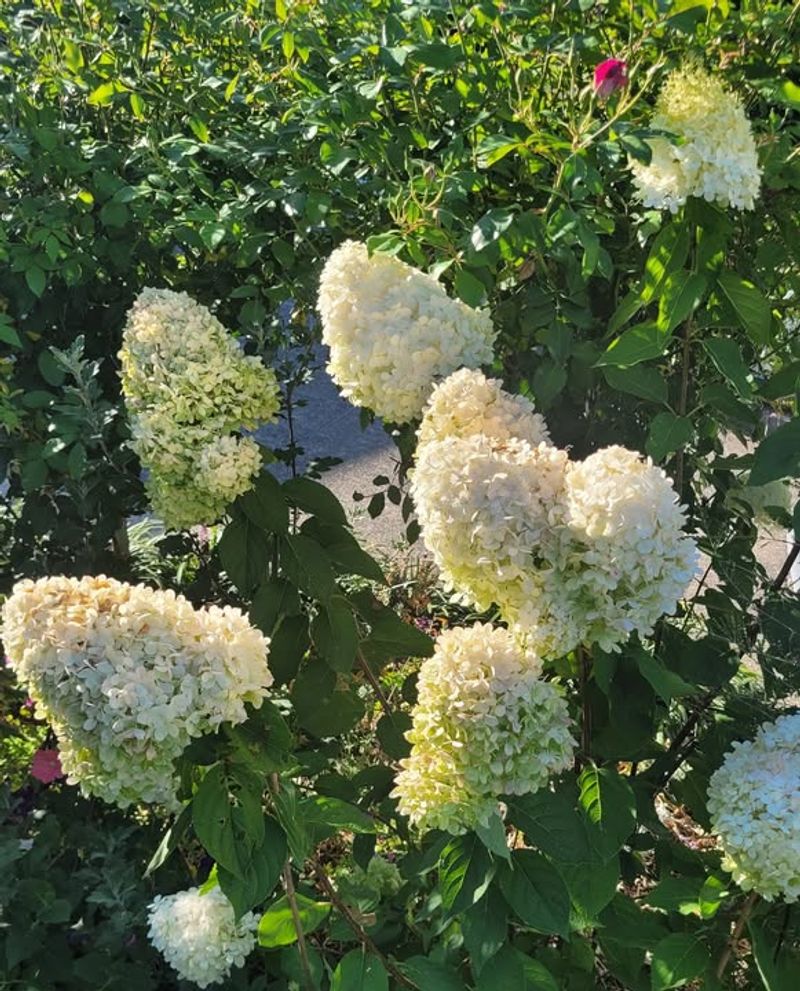
Panicle hydrangeas are some of the most rewarding shrubs you can grow in Oregon. They bloom on new wood, which means the flowers grow on stems that sprout fresh each spring.
That is great news because it means you can prune them back hard without worrying about losing this year’s blooms.
The best time to prune panicle hydrangeas in Oregon is in late winter or very early spring, before new growth begins. Cut stems back by about one-third to one-half.
This encourages the plant to push out strong new shoots that will carry bigger flower heads.
If you skip pruning, the plant gets woody and crowded. The blooms get smaller each year.
A good trim keeps the shape tidy and the flowers impressive. Panicle hydrangeas can handle Oregon’s rainy winters well and bounce back quickly after pruning.
Varieties like ‘Limelight’ and ‘Quick Fire’ are especially popular in the Pacific Northwest for their showy, cone-shaped blooms that shift from white to pink as summer fades into fall. Gardeners across Oregon love them for good reason.
2. Hydrangea Arborescens (Smooth Hydrangea / Annabelle)
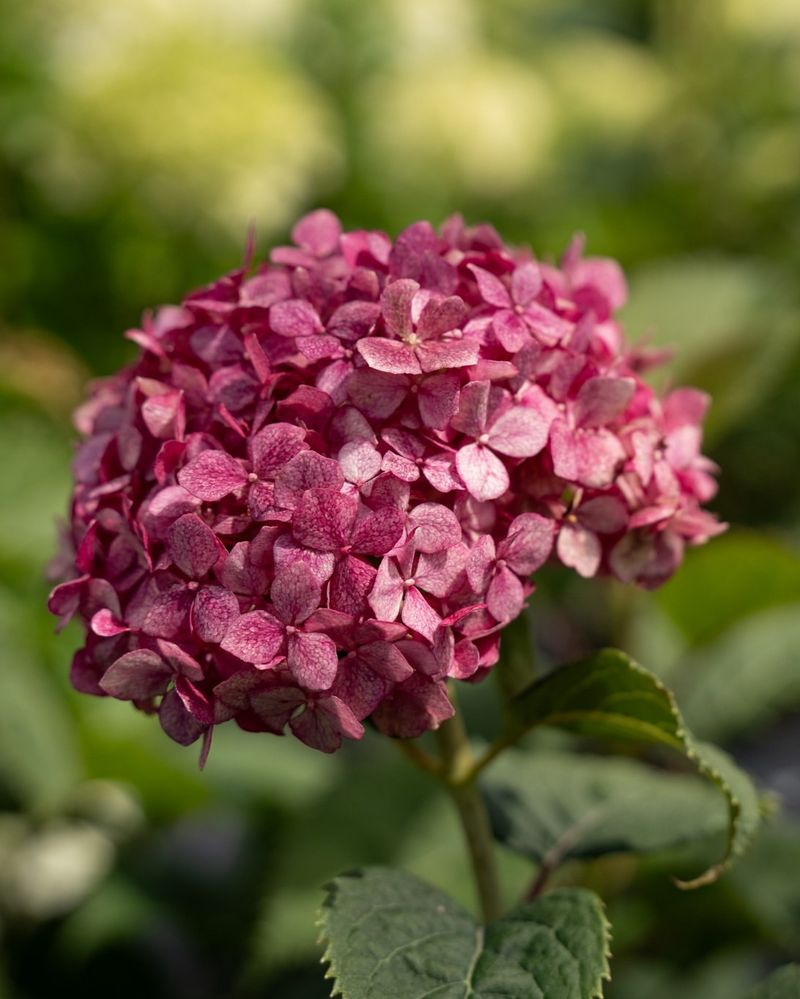
Few shrubs deliver that classic, storybook garden look quite like Annabelle hydrangea. Those giant, round, white flower heads are hard to miss, and they can grow as large as a dinner plate when the plant is pruned properly.
This shrub is a favorite across Oregon, especially in shaded or partly shaded garden spots.
Like panicle hydrangeas, smooth hydrangeas bloom on new wood. That means you can cut them back pretty hard each spring and still get a stunning flower show.
In Oregon, aim to prune in late February or early March before the buds start to swell. Cut stems down to about 12 to 18 inches from the ground.
Cutting too low can sometimes cause weak, floppy stems that struggle to hold up those heavy blooms. Leaving a bit of height gives the new growth a sturdy base to build from.
Annabelle is tough, forgiving, and grows well in Oregon’s cool, moist climate. She comes back strong every single year.
Add a layer of mulch after pruning to help retain soil moisture and protect the roots during any late cold snaps that Oregon springs can sometimes surprise you with.
3. Spirea Japonica (Japanese Spirea)
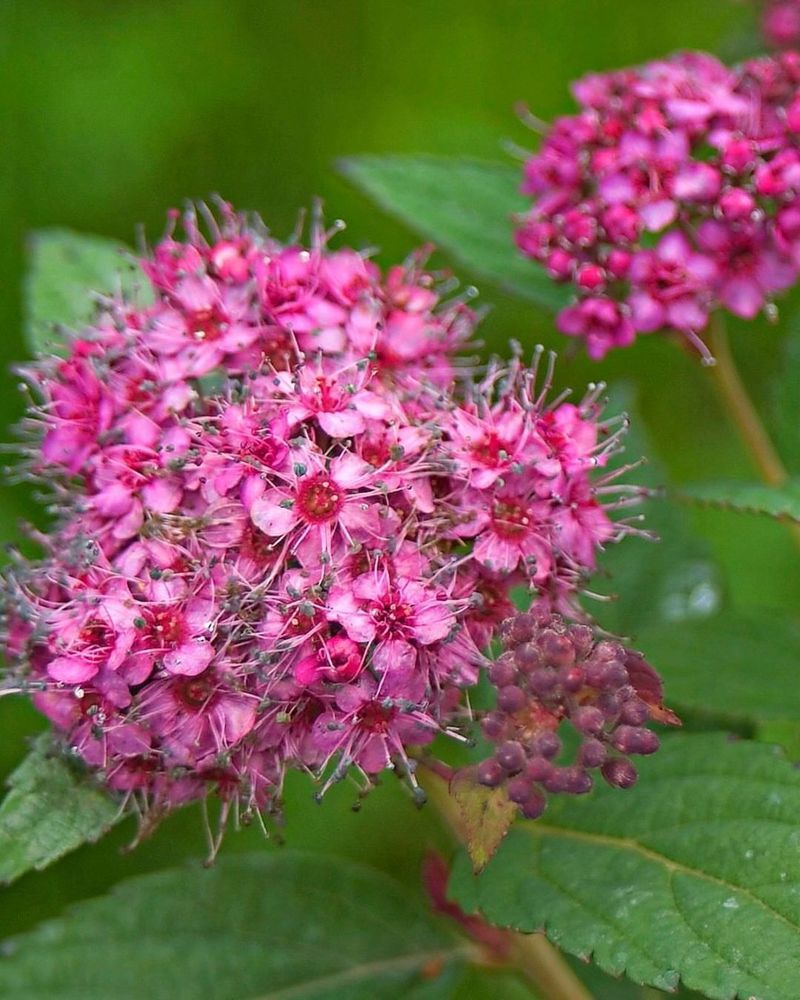
Walk through almost any neighborhood in Oregon and you will likely spot a Japanese spirea. These compact, easy-care shrubs produce clusters of bright pink, red, or white flowers, and they are incredibly tough.
But here is the thing: without regular pruning, they get leggy and the blooms shrink over time.
Japanese spirea blooms on new wood, so spring pruning is the way to go. In Oregon, cut them back by about one-third in early spring before leaves emerge.
You can also do a light deadheading trim after the first flush of flowers fades in early summer to encourage a second round of blooms later in the season.
Every few years, consider doing a hard renewal pruning by cutting the whole shrub down to about six inches from the ground. This sounds drastic, but it completely refreshes the plant and brings back thick, vigorous growth loaded with flowers.
Japanese spirea handles Oregon’s climate like a champ. It tolerates wet winters and dry summers equally well.
Varieties like ‘Anthony Waterer’ and ‘Gold Mound’ are especially popular in Oregon gardens for their colorful foliage and reliable flower displays throughout the growing season.
4. Potentilla (Shrubby Cinquefoil)
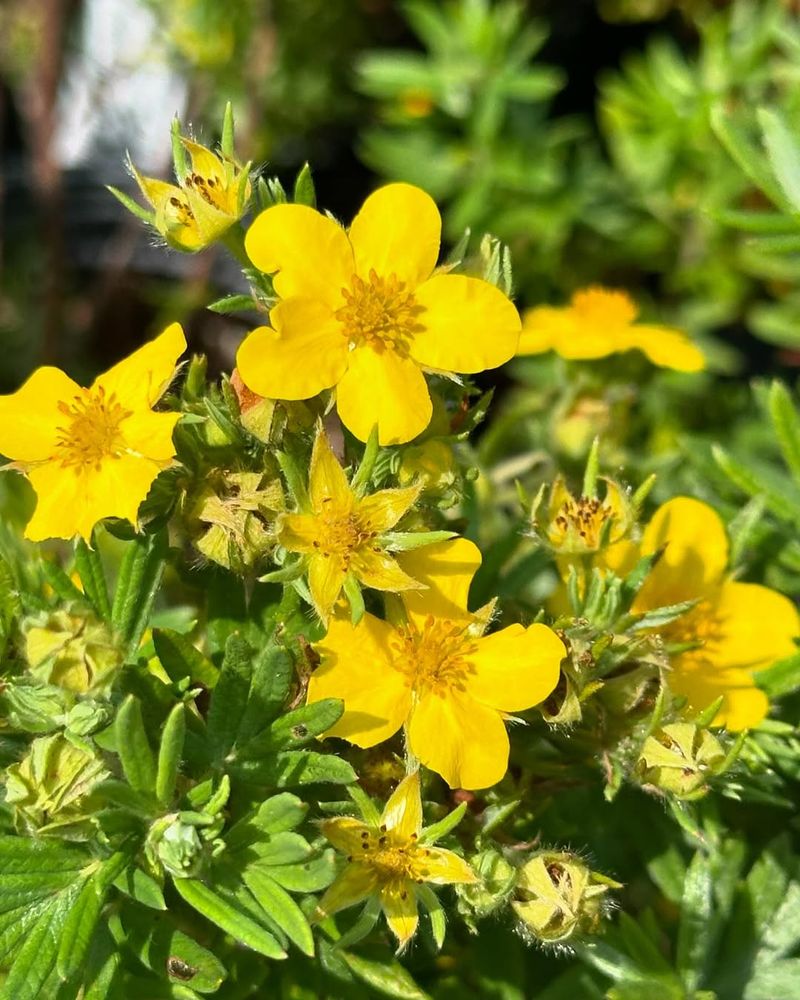
Potentilla is one of those underrated shrubs that quietly puts on a flower show from late spring all the way through fall. The small, cheerful blooms come in yellow, white, orange, or pink, and the plant asks for very little in return.
It is a great fit for Oregon gardens, especially in drier eastern Oregon areas where other shrubs might struggle.
Pruning potentilla in early spring helps keep it from getting too woody and scraggly. Cut out any dead or crossing branches first.
Then trim the whole shrub back by about one-third to open it up and encourage fresh new growth. This is where the best blooms will come from.
One thing that makes potentilla stand out is its long blooming season. Pruning at the right time stretches that season even further.
You can also do a light trim mid-summer to tidy things up and push out another wave of flowers. In Oregon, potentilla is a reliable performer in full sun locations.
It handles the region’s clay-heavy soils surprisingly well with good drainage. If you want a low-maintenance shrub that blooms generously without constant attention, potentilla absolutely delivers the goods every season.
5. Bluebeard (Caryopteris)
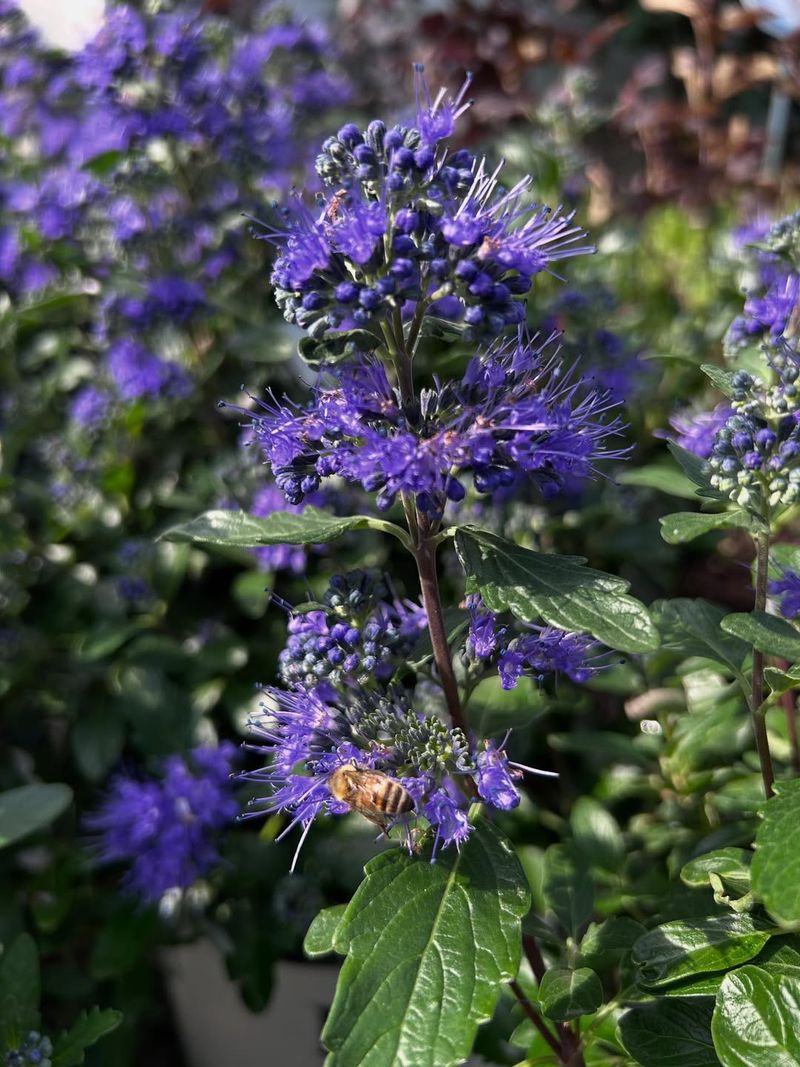
There is something almost magical about the electric blue-purple flowers that bluebeard produces in late summer. When most other shrubs have finished blooming, Caryopteris is just hitting its stride.
It is a late-season showstopper that pollinators absolutely love, and it grows beautifully in Oregon’s sunny spots.
Bluebeard blooms on new wood, so cutting it back hard in early spring is exactly the right move. In Oregon, wait until you see the first tiny green buds starting to appear on the stems, usually in March or early April.
Then cut the whole shrub back to about six to eight inches from the ground. This sounds severe, but the plant responds with vigorous new growth.
Skipping the annual pruning leads to a woody, unproductive shrub with fewer flowers. A hard spring prune keeps bluebeard compact, tidy, and absolutely loaded with blooms.
It also prevents the plant from flopping over under the weight of its own stems. Caryopteris thrives in well-drained soil and full sun, making it a smart choice for Oregon’s warmer, drier garden spots.
Varieties like ‘Dark Knight’ and ‘Sunshine Blue’ are especially eye-catching and perform exceptionally well throughout the Pacific Northwest growing season.
6. Butterfly Bush (Buddleia) – Prune Hard
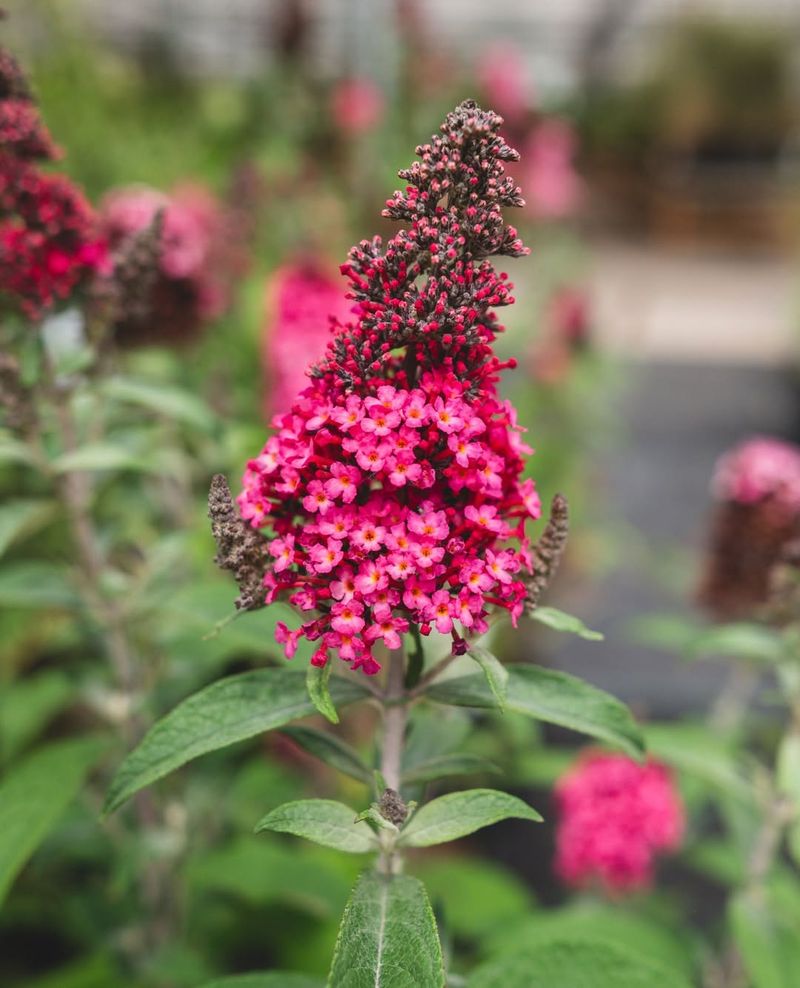
Butterfly bush has earned its name honestly. On a warm Oregon summer day, a well-pruned Buddleia can attract dozens of butterflies at once.
The long, fragrant flower spikes come in purple, pink, white, and red, and they just keep coming all season long when the plant is managed correctly.
Here is where many gardeners hesitate: butterfly bush needs a hard prune, and it needs it every year. In Oregon, cut the whole shrub back to about 12 inches from the ground in early spring, right before new growth begins.
It feels aggressive, but this plant is a powerhouse and will shoot back up quickly.
Without a hard prune, butterfly bush becomes a tangled, woody mess with smaller and fewer blooms each year. Cutting it back hard resets the plant and sends energy into producing strong new stems packed with flowers.
One important note for Oregon gardeners: Buddleia davidii is considered invasive in parts of the Pacific Northwest. Choose sterile or non-seeding varieties like ‘Miss Molly’ or ‘Pugster’ to enjoy the blooms without contributing to spread.
These newer varieties are just as beautiful and far more garden-responsible choices for Oregon landscapes.
7. Rose Of Sharon (Hibiscus Syriacus)
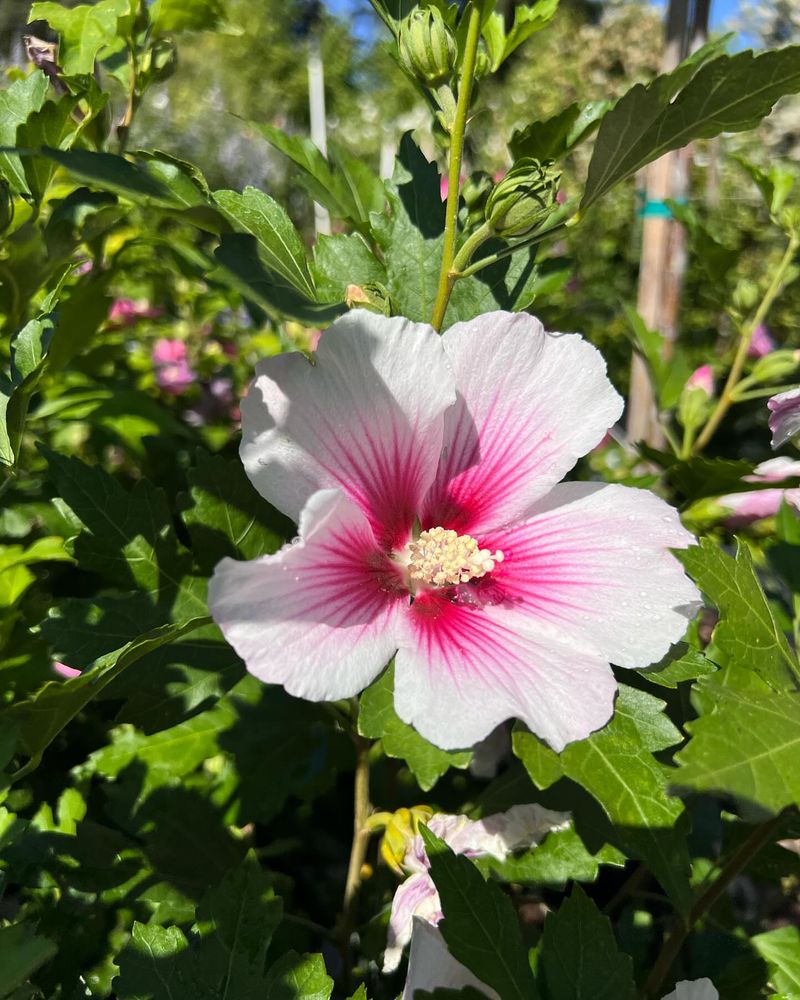
Rose of Sharon is a late-summer bloomer that brings a tropical flair to Oregon gardens without needing tropical weather. The large, showy flowers resemble hibiscus blooms and come in shades of white, pink, purple, and blue.
This shrub can grow quite tall, so pruning helps keep it at a manageable size while boosting flower production.
Because Rose of Sharon blooms on new wood, pruning in early spring is the way to go. In Oregon, aim to prune in March before the buds break.
Cut back last year’s growth to two or three buds per stem. This concentrates the plant’s energy into fewer, larger blooms rather than many small ones scattered across lots of stems.
For a more dramatic flower display, some gardeners do a harder prune, removing up to two-thirds of the previous year’s growth. The result is fewer stems but noticeably bigger, bolder blooms.
Rose of Sharon is a slow starter in spring, so do not panic if it takes a while to leaf out after pruning. It is simply taking its time.
This shrub thrives in Oregon’s mild western valleys and is a gorgeous late-season anchor for mixed garden borders when most other flowering shrubs have already finished for the year.