Prune This Tree In Late Winter For A Stunning Early Spring Display In Georgia
If you want your Georgia landscape to steal the show in early spring, the secret isn’t planting something new—it’s knowing exactly when to prune what you already have.
One mistimed cut can mean fewer blooms, weak growth, or a tree that never quite lives up to its potential.
But get the timing right, and the payoff is spectacular.
Few trees reward late-winter pruning like the eastern redbud, whose vibrant pink blossoms signal the start of spring across Georgia.
Pruned correctly, it erupts in color just when gardens are waking up from winter.
In this article, you’ll learn why late winter is the perfect moment to prune—and how a few smart cuts can transform your redbud into a breathtaking spring centerpiece.
Why Late Winter Is The Best Time To Prune Redbuds In Georgia

Pruning during late winter protects your redbud from stress because the tree is completely dormant and not actively growing new tissue.
Dormant trees handle cuts better since sap flow is minimal, which reduces the risk of disease entering through fresh pruning wounds.
Georgia winters are mild enough that you can safely work outdoors without harming the tree during its natural resting phase each year.
Late winter timing in Georgia typically falls between mid-January and early March, depending on your specific location within the state’s climate zones.
Pruning before buds swell allows you to see the tree’s structure clearly and make precise cuts that enhance its natural branching pattern.
Waiting until after the coldest weather passes prevents frost damage to newly exposed wood, which could weaken the tree’s overall health.
This timing also ensures that your redbud will have enough energy stored to produce abundant flowers when spring arrives in Georgia.
Avoiding pruning during active growth seasons prevents excessive sap loss and allows the tree to focus energy on blooming instead of healing.
How Proper Pruning Encourages More Spring Blooms
Strategic cuts redirect the tree’s energy toward producing flower buds rather than supporting weak or overcrowded branches that waste valuable resources.
Removing withered wood allows sunlight to penetrate deeper into the canopy, which stimulates dormant buds to develop into beautiful spring flowers.
Thinning crowded areas improves air circulation around branches, creating healthier conditions that encourage more vigorous blooming when temperatures warm up in Georgia.
Redbuds bloom on old wood, so preserving last year’s growth while removing only damaged sections ensures maximum flower production each spring.
Opening up the center of the tree allows light to reach interior branches, which often produce stunning clusters of blooms once exposed.
Pruning also stimulates the tree to produce new lateral shoots that will carry next year’s flowers, creating a cycle of abundant blooming.
Proper cuts made at the right angle help wounds heal quickly, allowing the tree to conserve energy for flower development instead of repair.
Balanced pruning creates an attractive shape that showcases blooms from every angle, making your redbud the star of your Georgia landscape each spring.
What To Cut And What To Leave On An Eastern Redbud
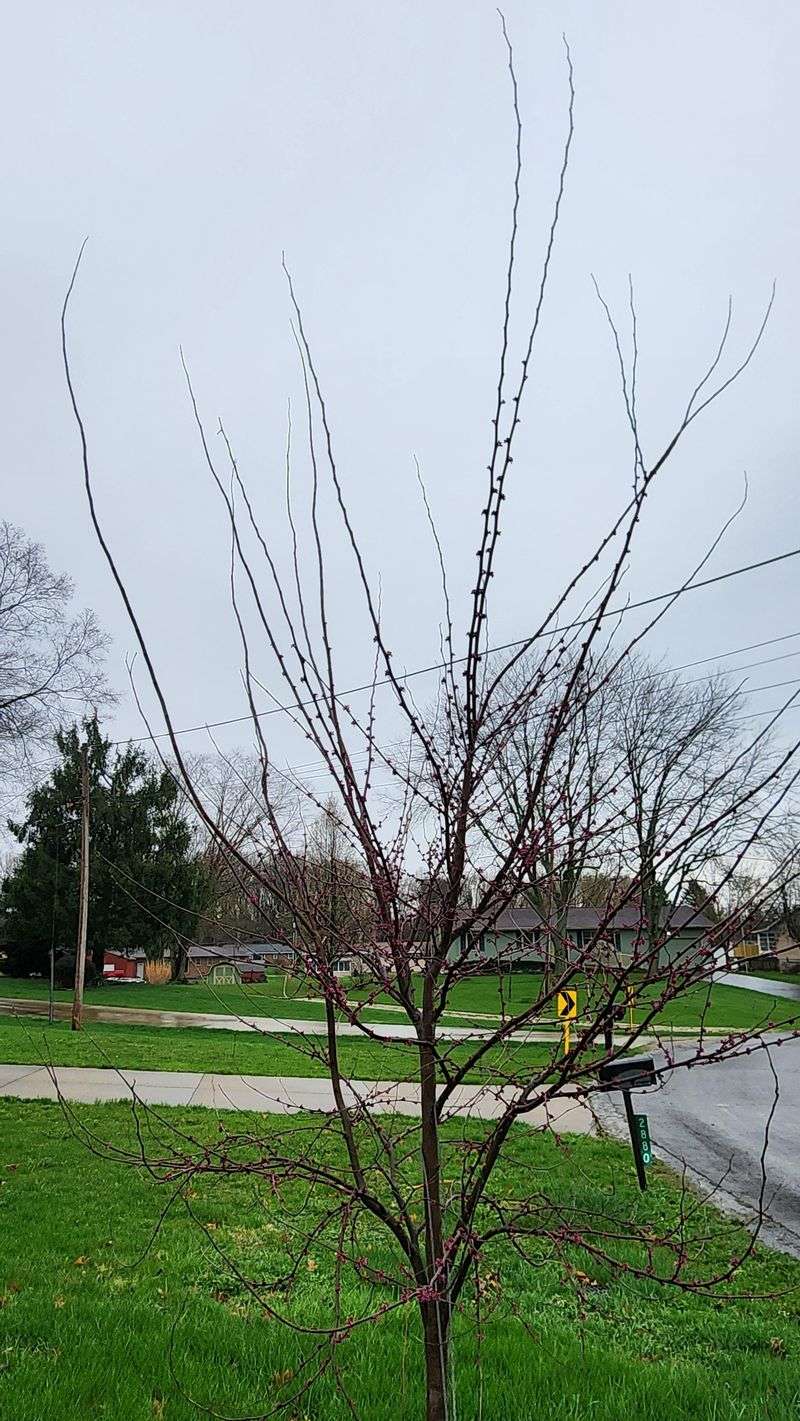
Always remove branches that are damaged, diseased, or showing signs of decay since these sections drain energy without contributing to tree health.
Cut away any crossing branches that rub against each other because friction creates wounds that invite pests and diseases into your redbud.
Eliminate suckers growing from the base of the trunk because these shoots steal nutrients meant for the main tree’s growth and flowering.
Water sprouts that shoot straight up from branches should be removed since they rarely produce flowers and disrupt the tree’s natural shape.
Keep branches that grow outward at gentle angles because these sections typically carry the most flower buds and create attractive canopy spread.
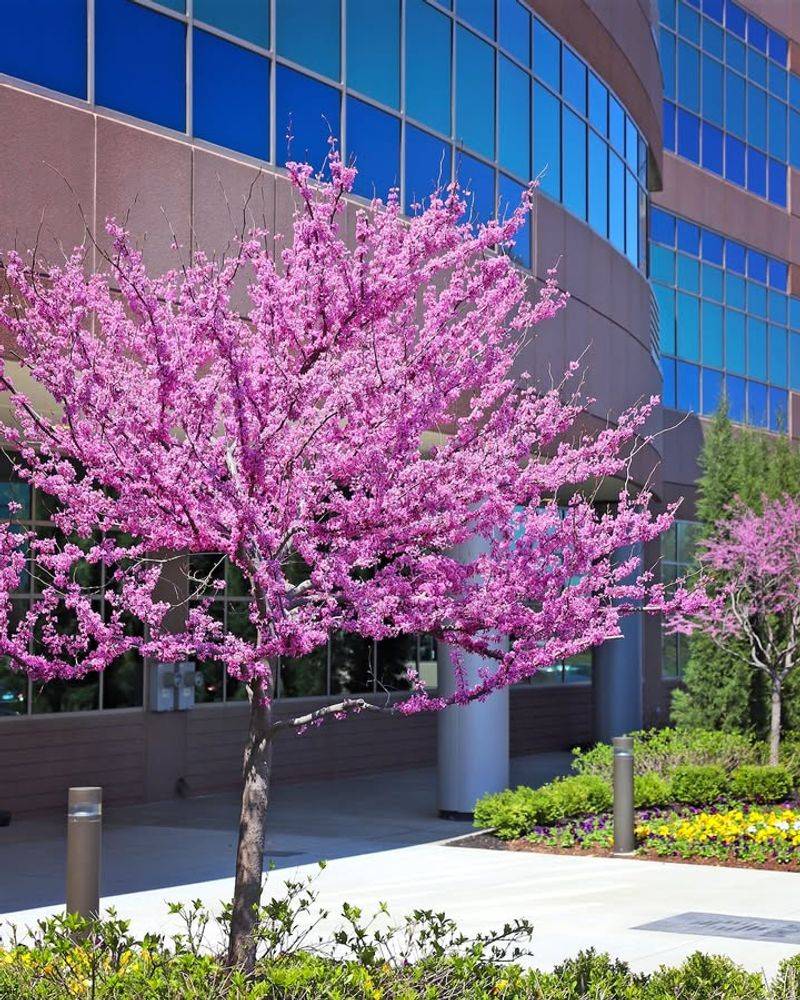
Preserve the tree’s natural vase shape by maintaining several main trunks or a single leader with well-spaced lateral branches radiating outward gracefully.
Leave smaller twigs and spurs on older wood intact because redbuds bloom directly on these structures, creating those stunning floral displays each spring.
Avoid cutting more than twenty-five percent of the tree’s total canopy in one season to prevent shocking the tree’s system unnecessarily.
Common Pruning Mistakes That Reduce Flowering
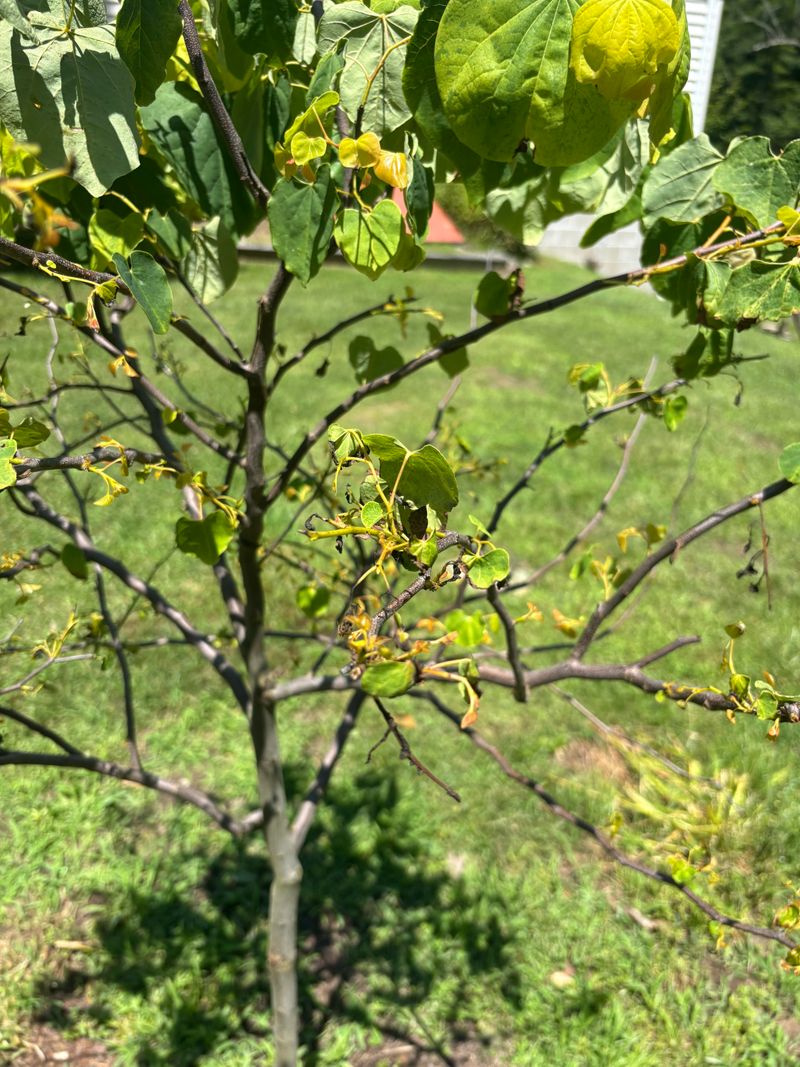
Topping your redbud by cutting main branches back severely destroys the tree’s natural form and removes most of the flowering wood permanently.
Making flush cuts too close to the trunk removes the branch collar, which is essential for proper wound healing and future health.
Leaving long stubs beyond the branch collar creates entry points for decay organisms that can spread into the main trunk over time.
Pruning too late in spring removes swollen flower buds that would have opened into blooms, leaving you with disappointing bare branches instead.
Cutting too much growth in one session shocks the tree’s system, forcing it to focus on survival rather than flower production next season.
Using dull or dirty tools creates ragged cuts that heal slowly and increase the risk of infection entering through damaged wood tissue.
Removing too many interior branches eliminates the small twigs where most flowers form, resulting in sparse blooming despite a healthy-looking tree.
Ignoring the tree’s natural growth pattern and forcing an unnatural shape stresses the redbud and reduces its ability to produce abundant spring flowers.
How Georgia’s Climate Affects Redbud Pruning Timing
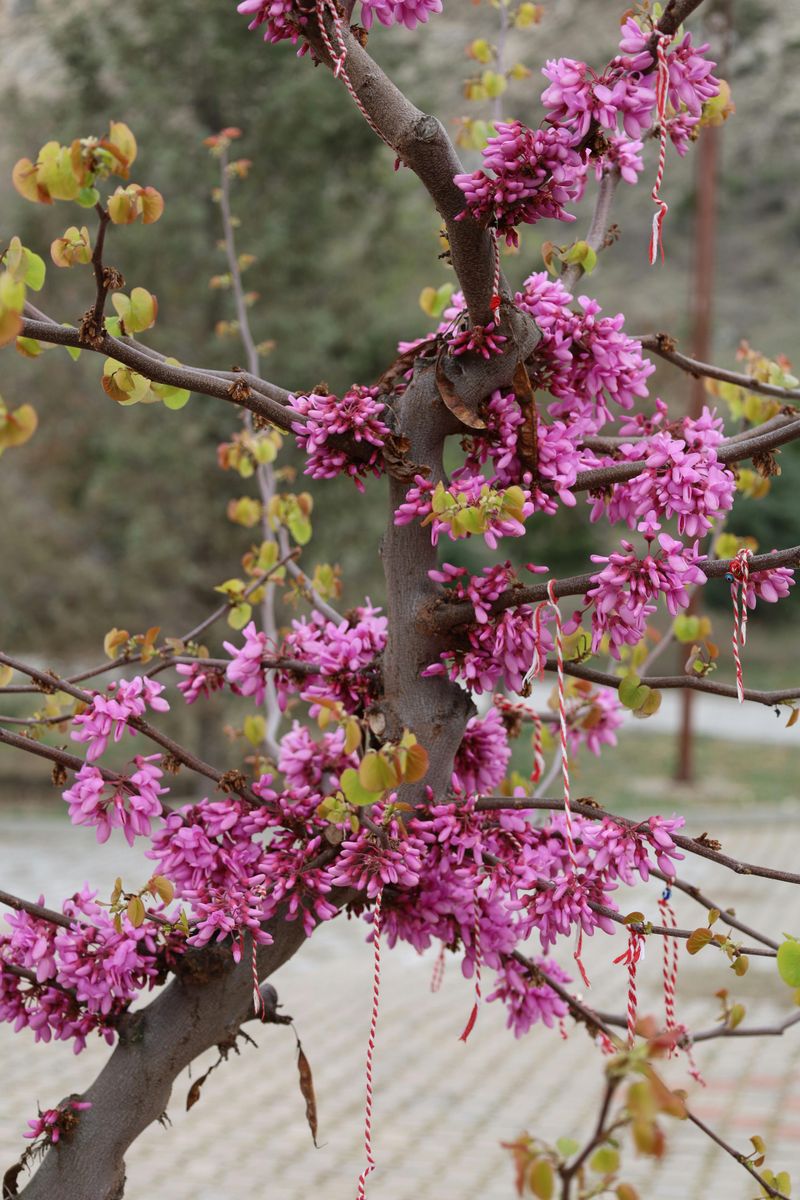
Georgia’s mild winters allow for a longer pruning window compared to northern states where extreme cold limits outdoor work on trees significantly.
Northern Georgia experiences colder temperatures and later frosts, so residents there should wait until late February or early March for safest pruning.
Central Georgia’s moderate climate permits pruning as early as mid-January when temperatures consistently stay above freezing during daylight hours most days.
Southern Georgia’s warmer zones may see buds swelling earlier, so pruning should be completed by late February to avoid removing developing flowers.
Unexpected late freezes can occasionally damage fresh cuts, so monitoring weather forecasts helps you choose the safest days for pruning work outdoors.
Georgia’s variable spring weather means some years warm up quickly while others have extended cool periods that affect optimal pruning timing annually.
Paying attention to your specific tree’s bud development matters more than calendar dates since individual trees respond differently to local microclimates.
Coastal Georgia areas rarely face hard freezes, giving gardeners more flexibility with pruning schedules compared to mountainous regions with harsher winter conditions.
Tools And Techniques For Clean Healthy Pruning Cuts

Bypass pruners work best for branches smaller than three-quarters of an inch in diameter, creating clean cuts that heal quickly without crushing tissue.
Loppers with long handles provide extra leverage for branches up to two inches thick, allowing you to make smooth cuts without straining.
Pruning saws with curved blades handle larger branches efficiently, cutting through wood cleanly without tearing bark or leaving ragged edges behind messy work.
Sharpening your tools before each pruning session ensures clean cuts that close properly, reducing healing time and preventing disease entry through wounds.
Disinfecting blades between cuts with rubbing alcohol or bleach solution prevents spreading diseases from one branch to another throughout the tree canopy.
Making cuts at a slight angle just beyond the branch collar allows water to run off while preserving the tree’s natural healing mechanism.
Avoid cutting too close or leaving long stubs because both mistakes interfere with proper wound closure and increase vulnerability to pests and pathogens.
Supporting larger branches with your free hand while cutting prevents bark from tearing down the trunk, which creates larger wounds than necessary.
How To Shape Redbuds Without Stressing The Tree
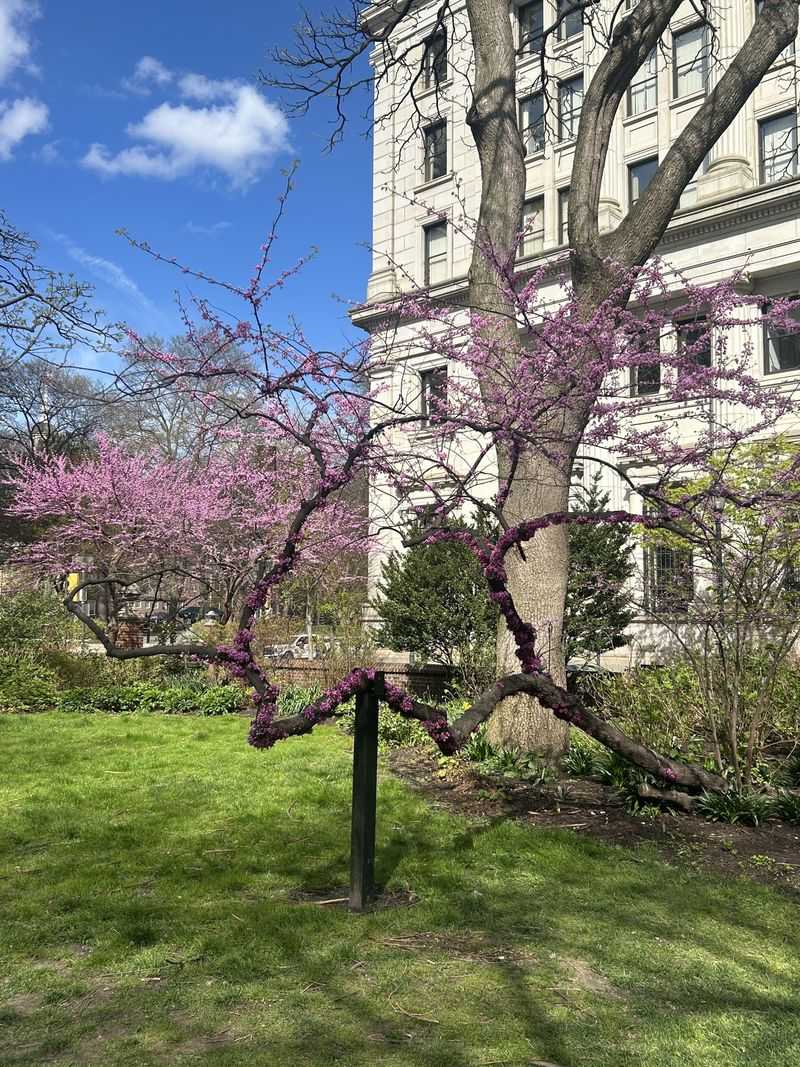
Start by stepping back and observing your tree’s natural growth pattern before making any cuts to understand its inherent shape and structure.
Work gradually over several years rather than attempting dramatic reshaping in one session, which allows the tree to adjust without excessive stress.
Focus on enhancing the redbud’s natural vase or umbrella shape by removing inward-growing branches that crowd the center of the canopy unnecessarily.
Maintain a balanced canopy by removing branches selectively from all sides rather than concentrating cuts in one area that creates lopsided growth patterns.
Lower branches can be gradually removed over time to raise the canopy for walking clearance, but never remove more than necessary.
Preserve the tree’s graceful horizontal branching habit that makes redbuds distinctive by avoiding upward-angled cuts that encourage vertical growth instead of spreading.
Young trees benefit from light shaping to establish good structure, but mature trees need minimal pruning beyond removing damaged or diseased wood.
Always respect the tree’s natural size and form rather than fighting against it, which creates ongoing maintenance problems and reduces flowering potential.
What To Expect From Your Redbud In Early Spring
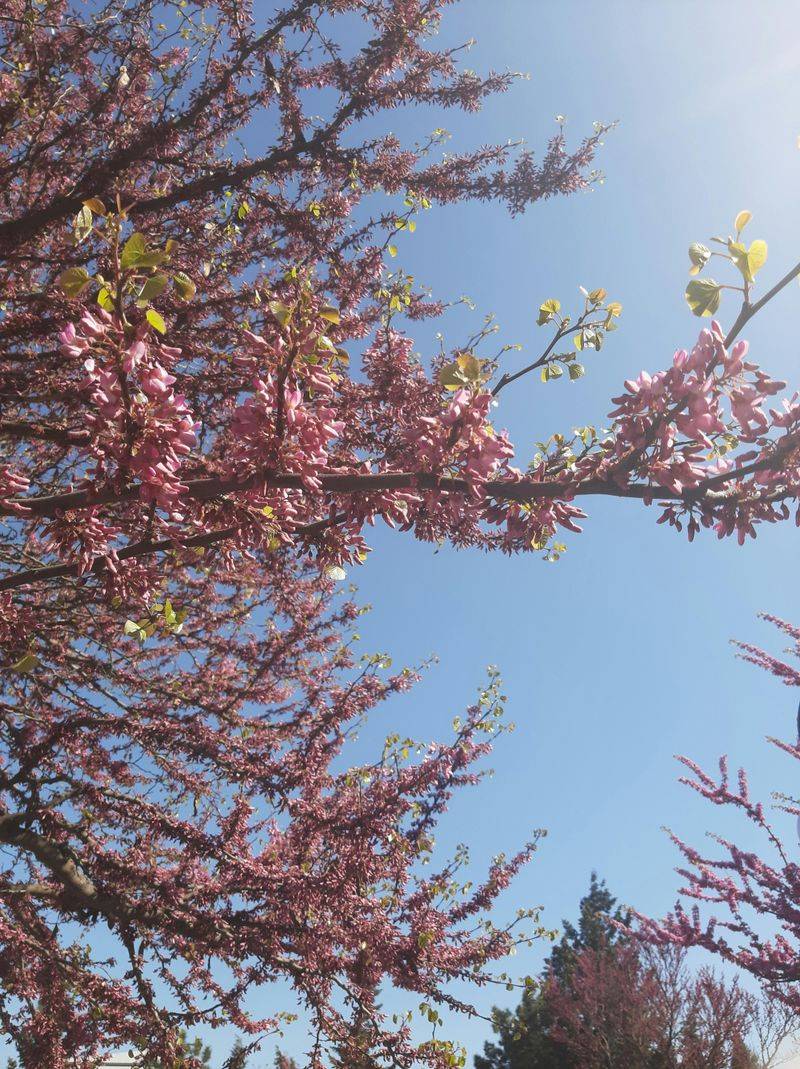
Properly pruned redbuds typically begin blooming in late March or early April throughout Georgia, depending on your location and yearly weather patterns.
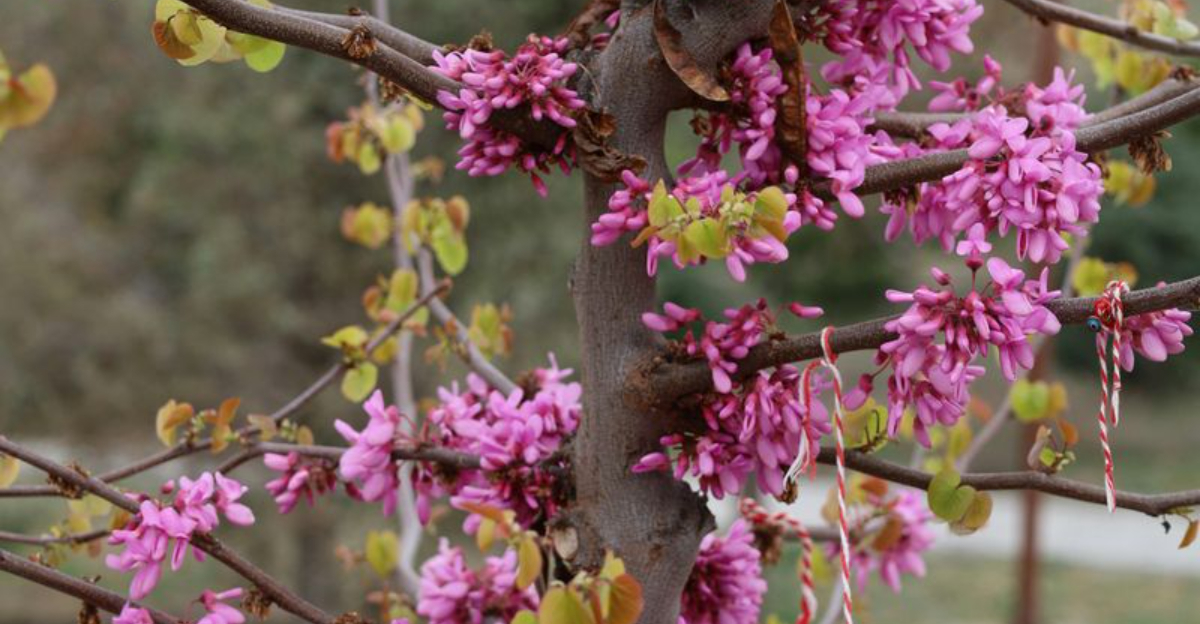
Flowers emerge directly from branches and even the trunk before leaves appear, creating a stunning display of pink and purple covering bare wood.
Blooms last approximately two to three weeks under ideal conditions, providing extended enjoyment before leaves gradually unfold and hide remaining flowers slowly.
Well-pruned trees produce more abundant flowers because energy is concentrated in healthy branches rather than wasted supporting damaged or overcrowded sections unnecessarily.
The increased sunlight penetration from proper pruning creates blooms throughout the canopy instead of just on outer edges where light reaches easily.
Improved air circulation from thinning reduces disease pressure, resulting in healthier blooms that last longer and display more vibrant colors throughout their flowering period.
Your redbud’s enhanced shape from careful pruning showcases flowers from every viewing angle, making the tree a true focal point in your landscape.
Watching your pruning efforts pay off with spectacular spring blooms brings satisfaction and encourages you to maintain this beneficial practice each year.