Prune This Tree In Late Winter For A Stunning Early Spring Display In Michigan
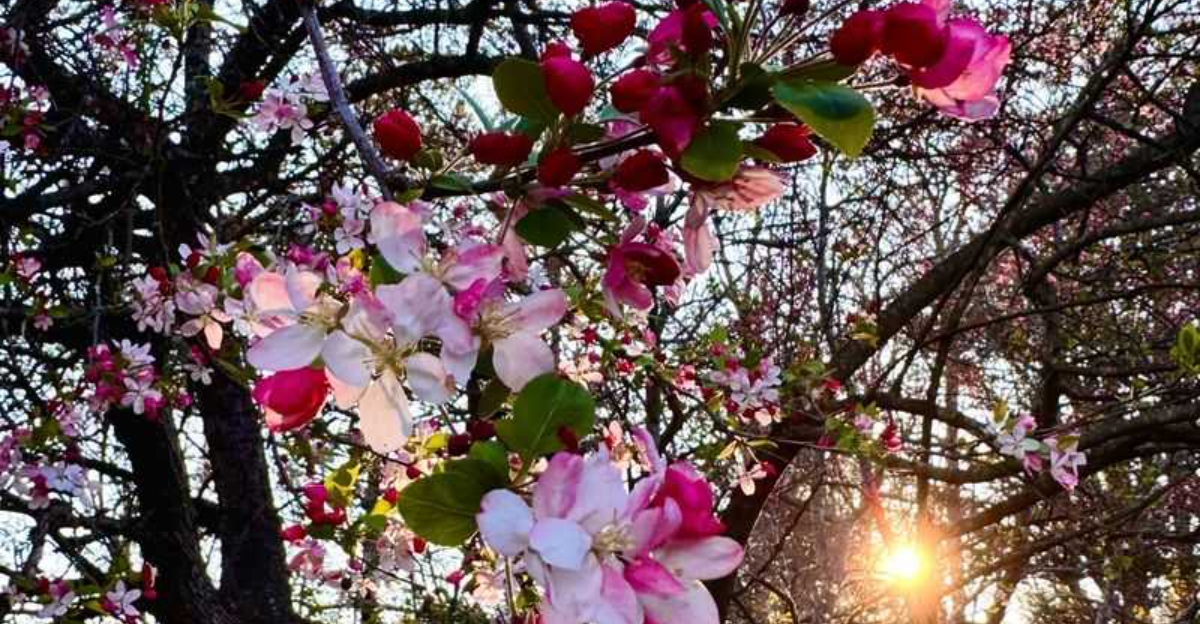
Michigan gardeners know winter pruning takes nerve—but for this tree, it’s the key to jaw-dropping spring blooms.
Late winter cuts encourage vigorous new growth just as the season turns.
Timing is everything. Prune too early or too late, and you miss the show.
Done correctly, the reward is a burst of color when the landscape is still waking up.
A little confidence with the pruners now leads to big beauty later.
It’s The Flowering Crabapple (Malus Species)
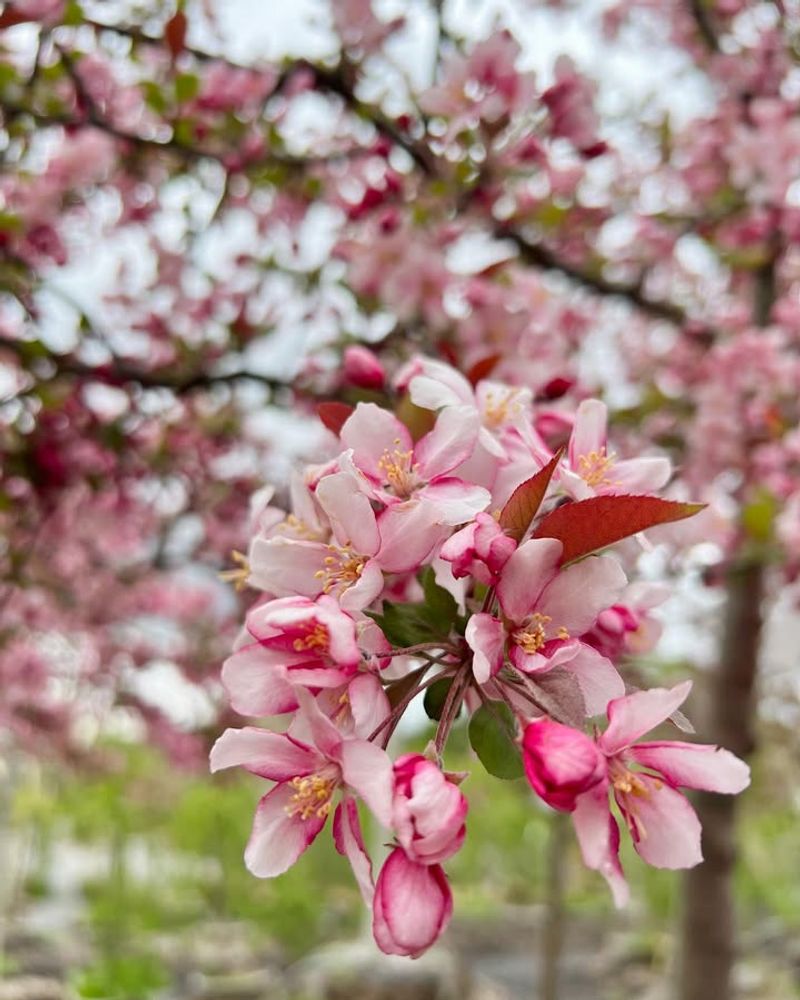
Flowering crabapples belong to the Malus genus and are among Michigan’s most cherished ornamental trees for good reason.
They offer spectacular spring blooms, attractive fruit, and a manageable size that fits beautifully into residential landscapes.
Late winter is the ideal pruning window for these trees because they remain dormant, conserving energy and avoiding the shock that comes with cutting during active growth.
Pruning while the tree sleeps allows you to shape its structure without interfering with the flower buds that have already formed on older wood.
This timing ensures that when temperatures warm and daylight increases, the tree channels all its stored energy directly into a breathtaking floral display.
Michigan’s unpredictable spring weather makes this strategy even more important, as a well-pruned crabapple can handle late frosts better than an overgrown or stressed specimen.
Choosing the right pruning window also minimizes sap flow, which can attract pests and create entry points for disease.
By working with the tree’s natural dormancy cycle, you’re respecting its biology and setting it up for long-term health.
The result is a stunning early spring showcase that turns heads in every neighborhood across the Great Lakes State.
Late-Winter Pruning Protects Spring Flower Buds
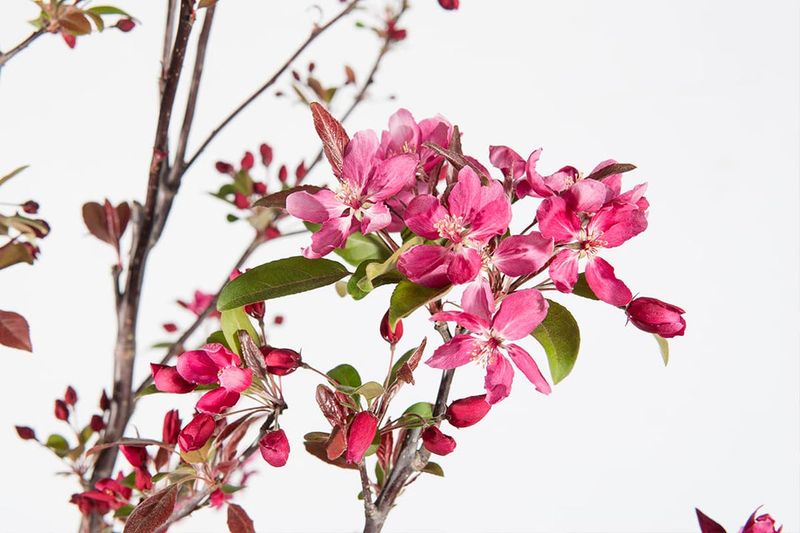
Crabapples are unique because they produce their flowers on spurs and older wood, not on brand-new growth.
This means the buds you see in late winter are already set and ready to burst open as soon as conditions allow.
Pruning during this narrow window lets you make corrective cuts without accidentally removing the very branches that will deliver the most color.
Timing is everything when it comes to preserving those precious buds.
If you prune too early in the season, you risk exposing fresh cuts to extreme cold, which can cause dieback and reduce flowering.
Wait too long, and the tree begins to wake up, diverting energy into new shoots rather than into the blooms you’re hoping to maximize.
Late winter strikes the perfect balance, allowing you to thin out crowded areas, remove awkward angles, and improve overall form without sacrificing floral impact.
You’ll notice that even after selective pruning, the remaining buds swell with vigor, producing larger and more vibrant blossoms.
This approach respects the tree’s natural rhythm while giving you the control needed to sculpt a truly eye-catching specimen that becomes the centerpiece of your yard each spring.
Dormant Pruning Reduces Disease Pressure
Michigan’s humid summers create a breeding ground for apple scab, fire blight, and other fungal diseases that love to attack crabapples.
Pruning during dormancy significantly reduces the risk of spreading these pathogens because the tree isn’t actively moving nutrients and water through its tissues.
Insects and disease spores are also far less active in the cold, meaning your cuts are less likely to become infected.
When you prune in late winter, you’re also removing potential problem areas before they have a chance to harbor disease.
Crossing branches, dense clusters, and poorly angled limbs often trap moisture and block airflow, creating ideal conditions for fungal growth once the weather warms.
By eliminating these trouble spots early, you’re giving your crabapple a cleaner slate and a better chance at staying healthy throughout the growing season.
Always use sharp, sterilized tools to make clean cuts that heal quickly and seal naturally.
Ragged or torn edges take longer to close and invite opportunistic infections that can weaken the tree over time.
Pairing smart pruning timing with good sanitation practices gives your flowering crabapple the best defense against Michigan’s most common tree diseases, ensuring it remains vigorous and full of life year after year.
Branch Structure Is Easier To See Without Leaves
One of the biggest advantages of winter pruning is visibility.
Without a canopy of leaves blocking your view, you can clearly see the tree’s skeleton and identify structural issues that would be hidden during the growing season.
Crossing branches, narrow crotch angles, and competing leaders all become obvious, making it easier to decide which cuts will improve both form and function.
This clarity is especially helpful for flowering crabapples, where proper branch spacing directly impacts bloom density and airflow.
Crowded branches compete for light and nutrients, leading to sparse flowering and weak growth.
By thinning strategically in late winter, you create a framework that allows each remaining branch to receive ample sunlight and develop strong, flower-bearing spurs.
You’ll also spot potential problems like rubbing limbs or branches growing inward toward the trunk, both of which can cause wounds and invite disease.
Removing these issues now prevents bigger headaches down the road and keeps your tree looking balanced and graceful.
A well-structured crabapple not only blooms more reliably but also ages more gracefully, maintaining its shape and vitality for decades with minimal intervention.
Improves Airflow And Light Penetration
Sunlight and fresh air are essential ingredients for a heavy bloom and healthy foliage.
When branches are too dense, the interior of the tree becomes shaded and stagnant, limiting photosynthesis and creating a humid microclimate that favors disease.
Late-winter pruning opens up the canopy, allowing light to reach every part of the tree and encouraging more uniform bud development.
Improved airflow also helps leaves dry quickly after rain or morning dew, reducing the likelihood of fungal infections like powdery mildew and apple scab.
In Michigan’s spring, where wet weather is common, this benefit cannot be overstated.
A tree that dries quickly stays healthier and directs more energy into producing flowers rather than fighting off pathogens.
Thinning cuts are the key to achieving this balance.
Rather than simply shortening branches, remove entire limbs back to their point of origin to maintain a natural shape while reducing density.
This technique preserves the tree’s elegant form while maximizing the conditions needed for spectacular flowering.
The result is a crabapple that not only looks stunning in bloom but also stays vigorous and resilient throughout the entire growing season.
Encourages Balanced, Even Blooming
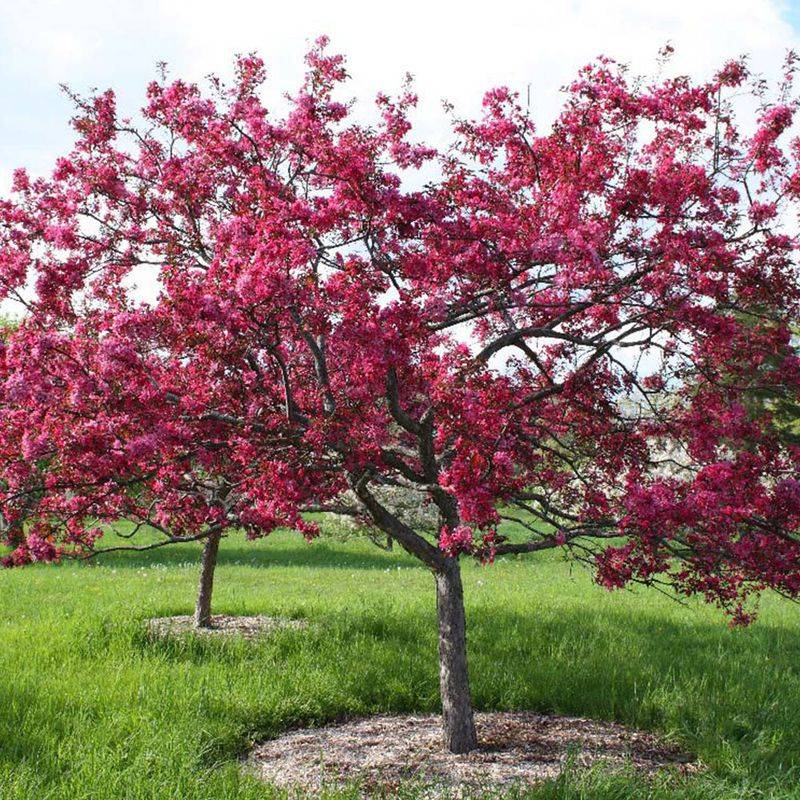
A lopsided crabapple can be a real eyesore, especially when one side bursts into bloom while the other remains sparse.
This uneven growth often results from poor pruning habits or neglect, where certain branches dominate and others languish in the shade.
Late-winter pruning gives you the chance to correct these imbalances by selectively removing aggressive limbs and encouraging weaker areas to catch up.
By distributing the tree’s energy more evenly, you ensure that every section of the canopy receives its fair share of resources.
This leads to a fuller, more symmetrical bloom that looks intentional and professionally maintained.
In Michigan landscapes, where crabapples are often used as focal points, this visual balance makes a huge difference in curb appeal.
Pruning for symmetry also improves the tree’s long-term structure, preventing it from becoming top-heavy or prone to leaning.
A well-balanced tree is more stable in wind and better able to support the weight of a heavy bloom without breaking.
Taking the time to step back and assess the overall shape during your late-winter pruning session pays off every spring when your crabapple becomes the most admired tree on the block.
Prevents Storm Damage From Snow And Ice
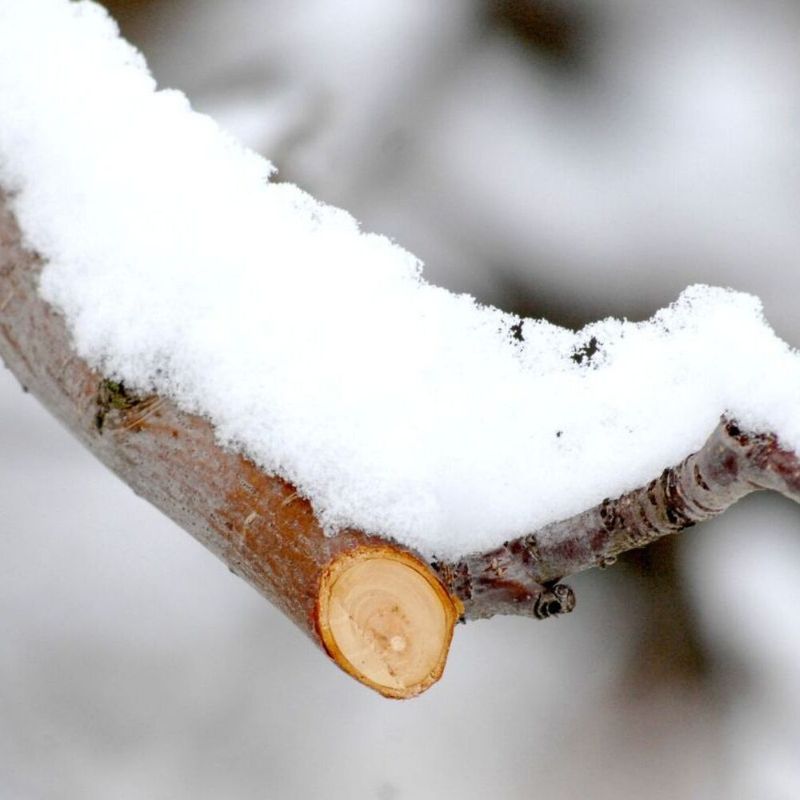
Michigan winters can be brutal, and late-season snowstorms or ice events are notorious for snapping weak or poorly angled branches.
Flowering crabapples are particularly vulnerable because their dense branching can catch and hold heavy accumulations of ice.
Pruning in late winter allows you to identify and remove these at-risk limbs before the next storm rolls through.
Focus on branches with narrow crotch angles, which are more likely to split under pressure, and any limbs that cross or rub against each other.
These weak points become stress fractures waiting to happen when weighted down by ice.
By eliminating them proactively, you protect the tree’s overall structure and reduce the chance of costly or unsightly damage.
A well-pruned crabapple is not only safer but also more beautiful after a winter storm.
Instead of broken limbs and torn bark, you’ll find an elegant silhouette dusted with snow, ready to transition seamlessly into spring.
This preventive approach saves you the heartbreak of watching a beloved tree suffer and ensures that your late-winter efforts pay off with a spectacular, uninterrupted bloom display when the weather finally warms.
Reduces The Need For Summer Pruning
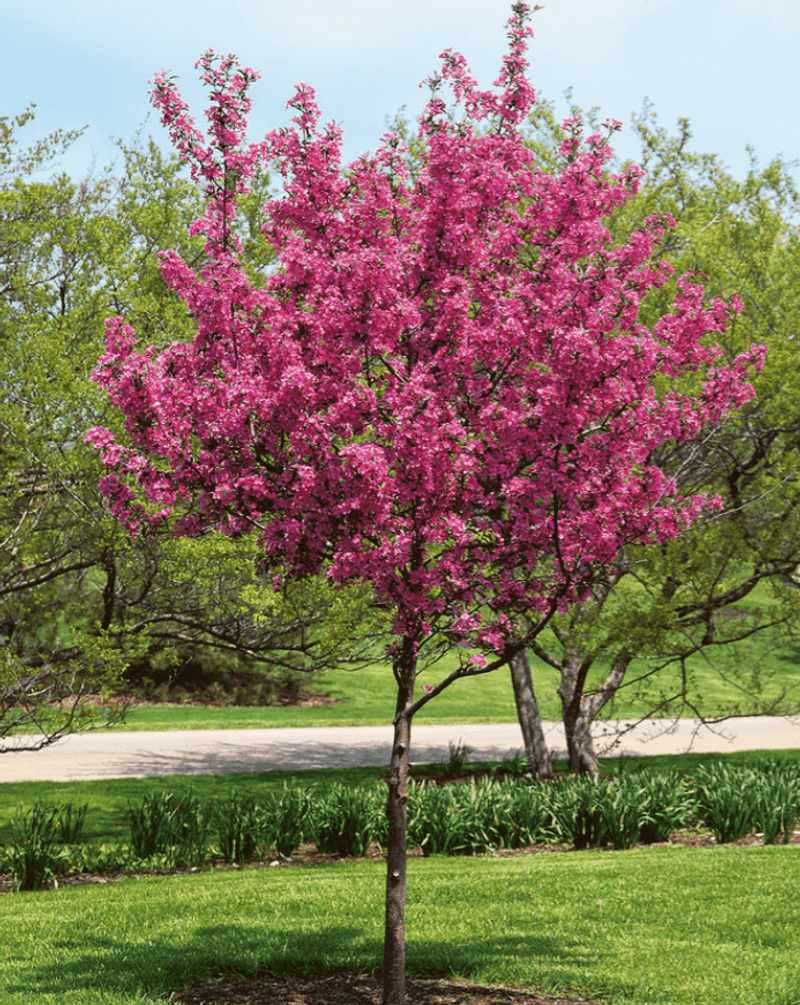
Pruning during the growing season often backfires, especially with flowering crabapples.
Cutting branches in late spring or summer removes wood that has already invested energy into leaf and flower production, essentially wasting the tree’s hard work.
It can also stimulate a flush of new growth that diverts resources away from next year’s flower buds, leading to a disappointing bloom the following spring.
By handling all your major pruning in late winter, you eliminate the need for corrective cuts later in the year.
The tree enters the growing season with a clean, well-structured canopy that requires minimal maintenance beyond watering and mulching.
This hands-off approach allows the crabapple to focus entirely on flowering and fruit development, which is exactly what you want.
Summer pruning is also more stressful for the tree because it’s actively photosynthesizing and moving nutrients.
Wounds take longer to heal, and the risk of disease transmission increases significantly.
Sticking to a late-winter schedule respects the tree’s biology and maximizes your return on effort, giving you a healthier, more floriferous specimen with less ongoing work required throughout the rest of the year.
Avoids Stimulating Tender Growth Too Early
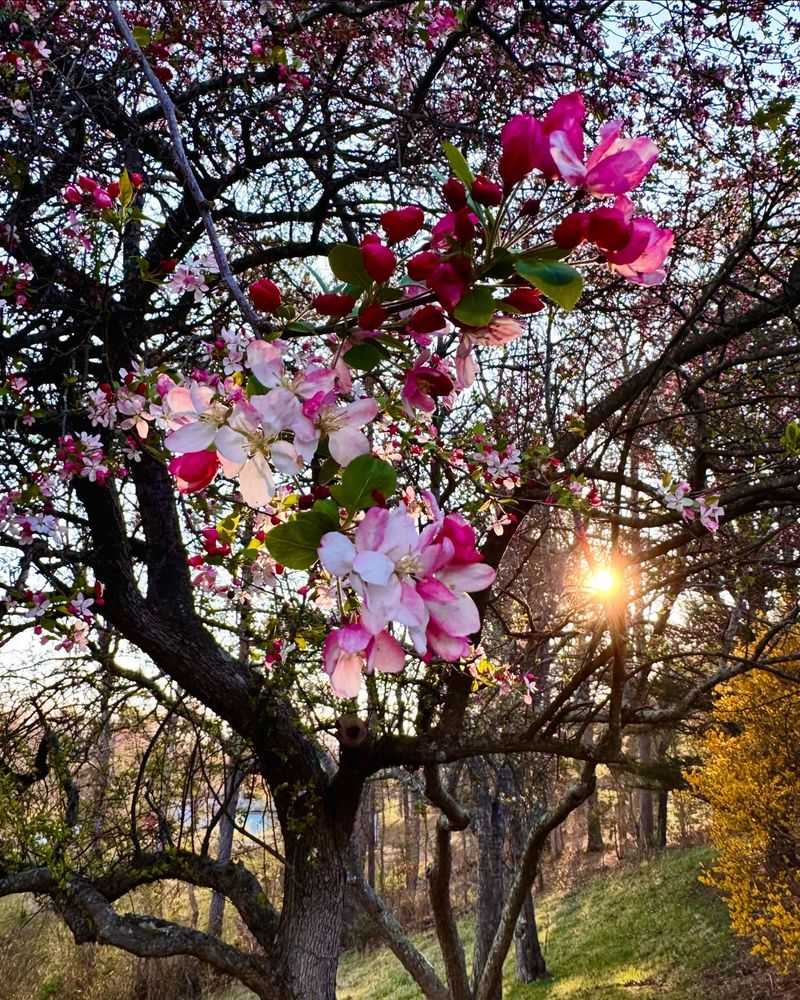
Timing your pruning too early in winter can trick the tree into thinking spring has arrived, prompting it to push out tender new shoots.
In Michigan, where late frosts are common well into April, this premature growth is highly vulnerable to cold damage.
Late-winter pruning—ideally in late February or early March—minimizes this risk by waiting until the worst of the cold has passed.
Pruning just before bud swell is the sweet spot.
The tree is still dormant enough to avoid stress, but close enough to spring that it won’t have time to generate vulnerable new growth before the weather stabilizes.
This careful timing protects your investment and ensures that the energy stored in the tree’s roots goes directly into producing flowers rather than replacing frost-damaged shoots.
Watch for signs that buds are beginning to swell and turn slightly fuzzy, a signal that it’s time to finish up your pruning work.
Once buds start to open, you’ve missed the ideal window, and any cuts you make will reduce the current year’s bloom.
By respecting this narrow timeframe, you give your flowering crabapple the best possible start to the growing season and set the stage for a truly unforgettable spring display.
Creates One Of The Earliest Spring Highlights In The Yard
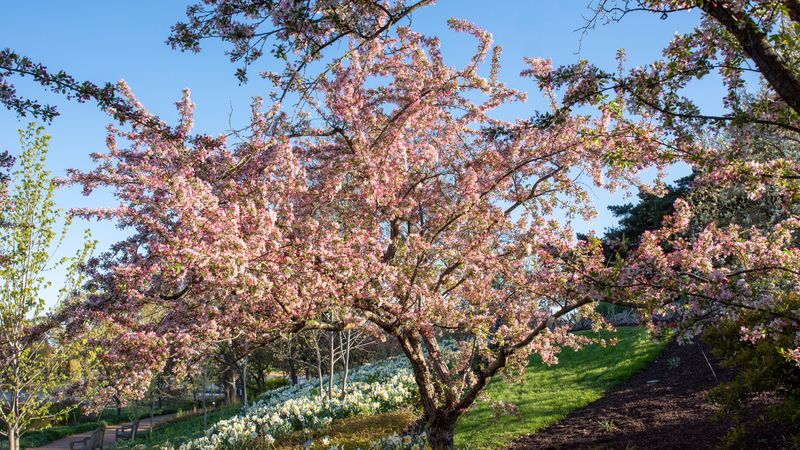
Few trees can rival the flowering crabapple when it comes to early spring impact.
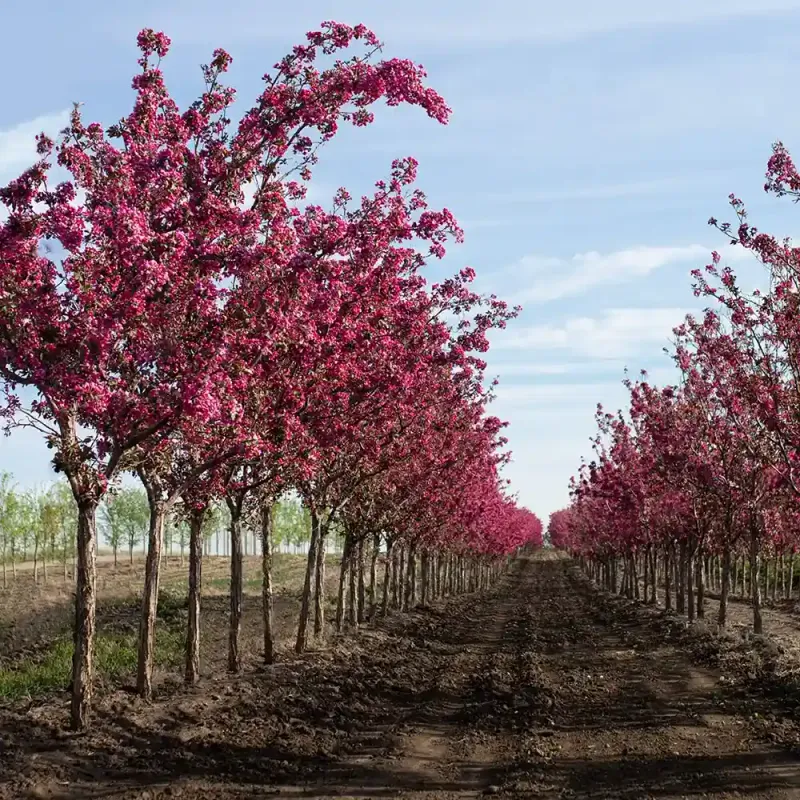
While many perennials and shrubs are just beginning to wake up, a well-pruned crabapple explodes into a riot of pink, white, or red blossoms that signal the end of winter and the arrival of warmer days.
This early timing makes it a garden superstar and a favorite among Michigan homeowners.
Proper late-winter pruning amplifies this natural advantage by ensuring that every branch is loaded with buds and positioned to show off its flowers to maximum effect.
The result is a dense, colorful canopy that can be seen from blocks away and becomes a gathering point for pollinators and admirers alike.
In neighborhoods across the state, these trees mark the unofficial start of outdoor living season.
Beyond the visual spectacle, a flowering crabapple in full bloom lifts spirits and provides a much-needed dose of beauty after months of gray skies and bare branches.
By investing a few hours in thoughtful pruning each late winter, you create an annual tradition that brings joy not only to your own household but to everyone who passes by.
It’s a simple act of care that yields outsized rewards and transforms your yard into a destination every spring.