7 Pruning Mistakes That Cost Ohio Gardeners Their Spring Blooms
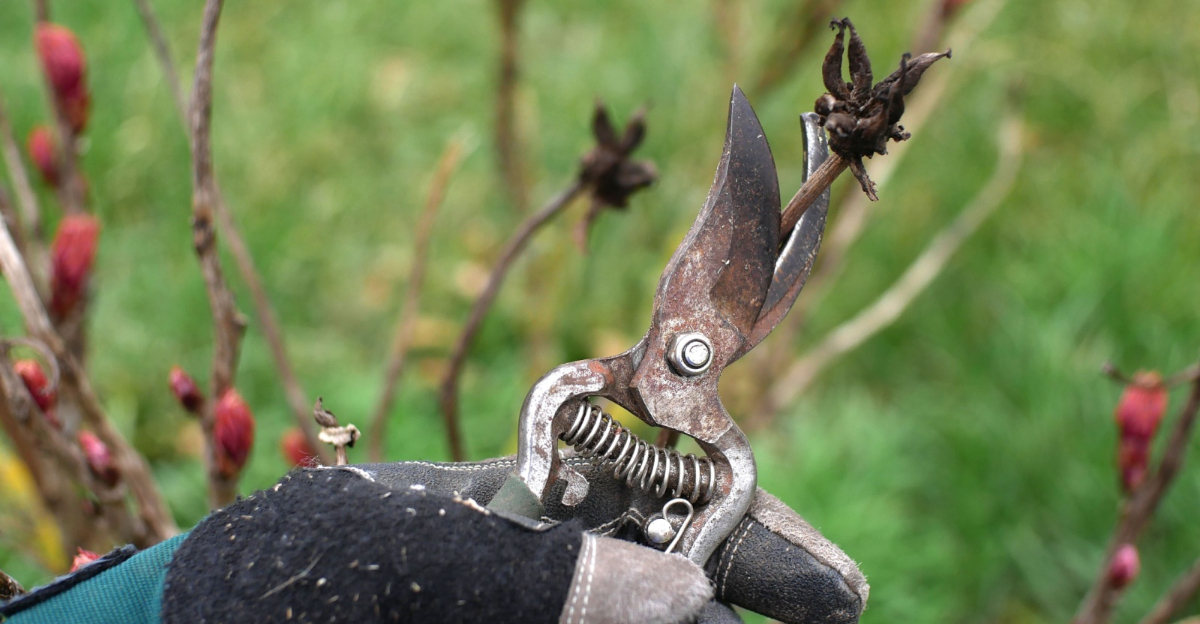
In Ohio, spring blooms can disappear long before the season even starts, and the damage often happens with pruners in hand. A shrub looks overgrown, a warm day arrives, and cutting it back feels like the right move.
Then spring comes, and the flowers never do. It is one of the most common frustrations gardeners face, especially with plants that set buds well before bloom time.
The mistake is not always pruning itself. More often, it is pruning at the wrong time, cutting too much, or treating every shrub like it follows the same rules.
Ohio’s shifting seasons only make that easier to get wrong. A late trim, a hard cut, or one bad assumption can wipe out weeks of color without any warning.
Before you shape up your yard for the season, it helps to know which pruning mistakes are most likely to cost Ohio gardeners the spring blooms they waited all year to see.
1. Pruning Too Early Can Snip Off Blooms Before Spring Starts
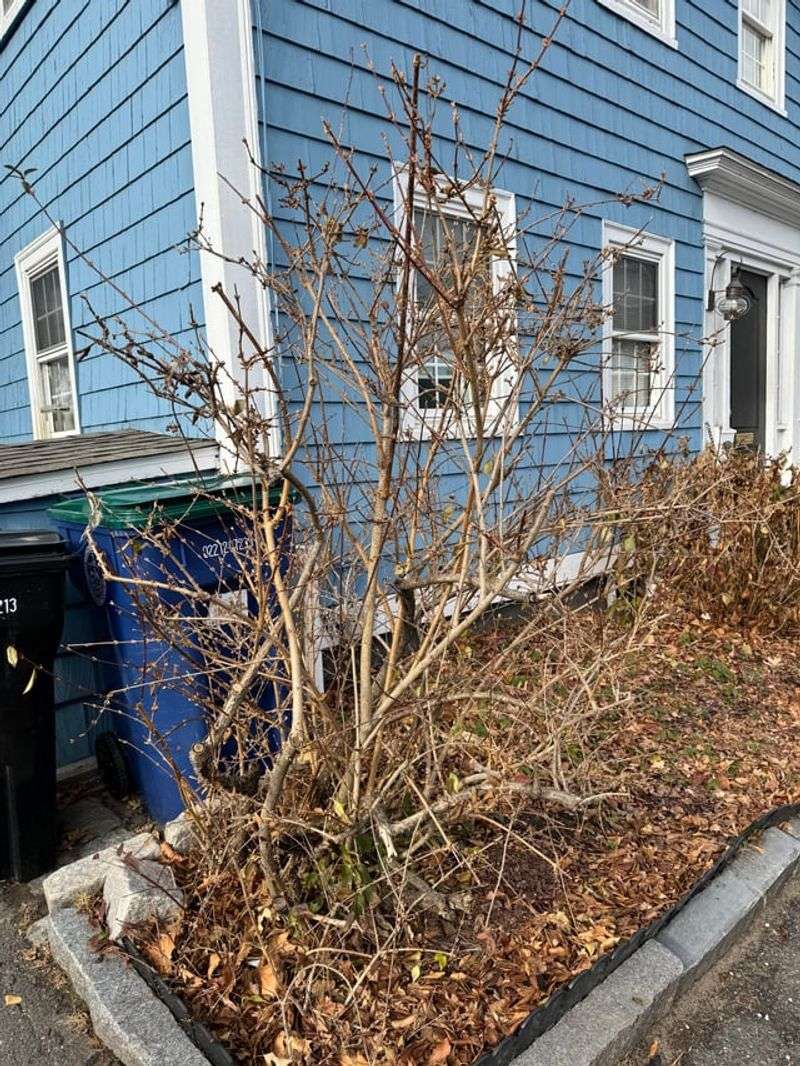
Reaching for the pruning shears in late February can feel productive, especially after a long Ohio winter with not much to do outside. The problem is that many spring-blooming shrubs have already done the hard work of setting their flower buds months earlier, and those buds are quietly tucked inside the branches, ready to open as soon as temperatures rise.
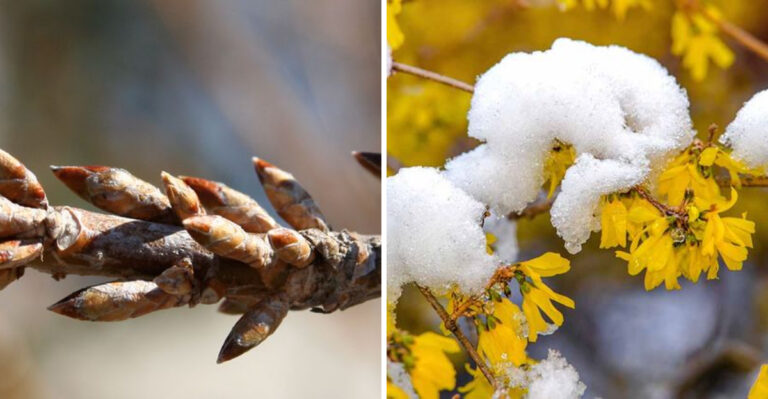
Forsythia, lilac, and flowering quince are classic examples of plants that set buds on growth from the previous season. Cutting those branches in late winter means cutting off the very thing you have been waiting all season to see.
The plant does not get a chance to replace those buds before bloom time arrives.
Ohio gardeners often prune early because the shrubs look scraggly and bare, and it seems like the perfect moment to clean things up. A better approach is to wait until you can actually see the swollen buds or, even better, until the plant has finished blooming.
Pruning right after bloom gives the shrub the entire growing season to produce new growth and set fresh buds for next year. Patience here pays off with armfuls of color come spring.
2. Old Wood Is Where Many Ohio Spring Flowers Are Already Waiting
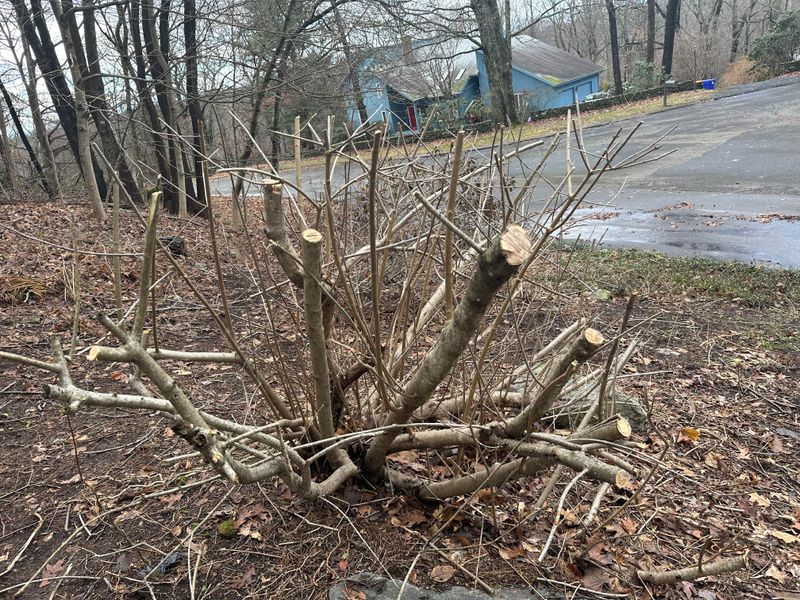
Not every shrub operates on the same schedule, and that difference matters more than most gardeners realize. Some plants produce flowers on brand-new growth that sprouts in spring, but many beloved spring bloomers do something entirely different.
They form their flower buds on old wood, meaning growth that was already there from the previous year.
Lilacs are a perfect example. By the time summer ends in Ohio, a healthy lilac has already begun developing the buds that will become next May’s fragrant clusters.
Those buds sit on the woody stems through fall, through winter, and right up until warm weather coaxes them open. Any pruning that removes those stems removes the flowers along with them.
Understanding this concept changes how you approach the whole garden. Before picking up your shears, it helps to ask one simple question: does this plant bloom on old wood or new wood?
Shrubs like forsythia, azalea, rhododendron, and weigela all bloom on old wood. Ohio State University Extension resources confirm that knowing this distinction is one of the most effective ways to protect spring blooms and keep flowering shrubs performing at their best year after year.
3. A Fall Cleanup Can Cost More Flowers Than Gardeners Realize
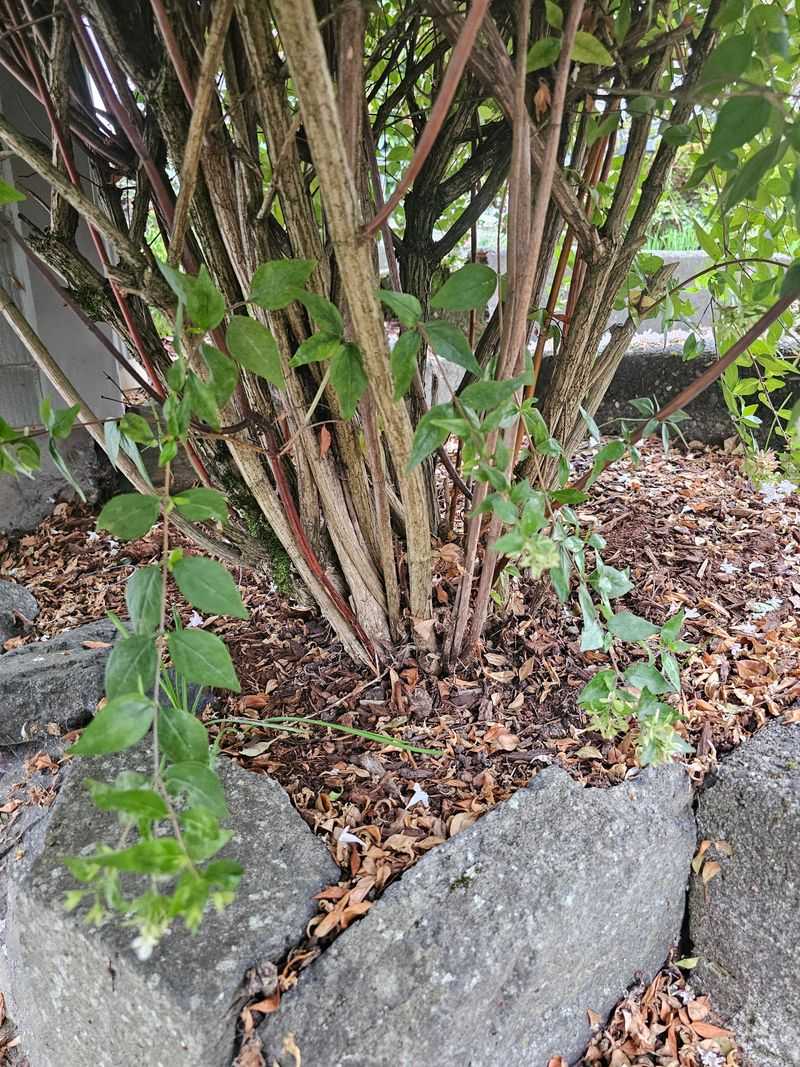
Fall cleanup has a satisfying rhythm to it. Raking leaves, cutting things back, and putting the garden to bed feels like responsible gardening.
For many plants, it absolutely is. But for spring-blooming shrubs, an autumn trim can quietly erase months of bud development in just a few minutes.
By the time Ohio gardens shift into fall, shrubs like forsythia and lilac have already set their buds for the following spring. Those buds are not obvious or flashy at that point, which makes it easy to mistake them for plain old stems that need cutting.
Removing them in October or November means waiting until the following fall before new buds can form again, giving up an entire bloom season.
A useful rule to keep in mind: if a shrub blooms before June in Ohio, fall is almost never the right time to prune it. Save the shears for plants that bloom on new wood, like butterfly bush or smooth hydrangea, which genuinely benefit from fall or late-winter cutbacks.
For everything else that lights up the yard in April and May, leave it alone until the flowers have finished and the petals have dropped. Your patience will show up as a yard full of color next spring.
4. Shearing Everything The Same Way Is A Fast Route To Fewer Blooms
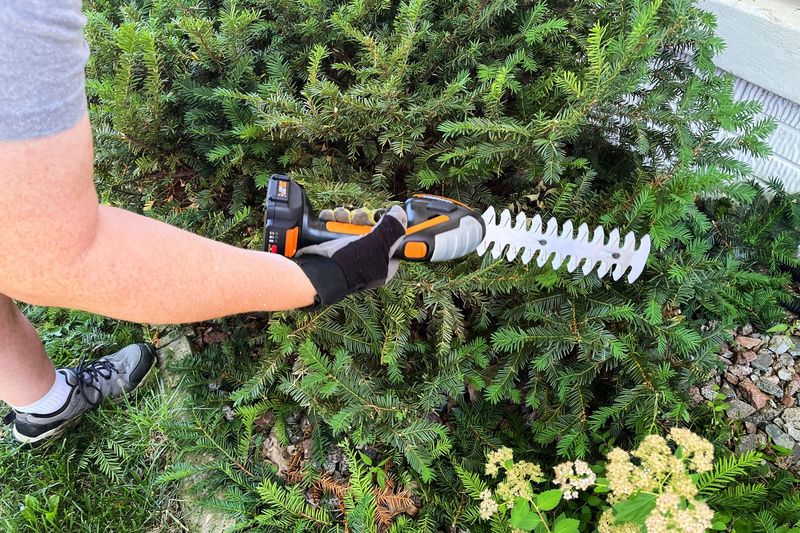
Hedge trimmers make quick work of unruly shrubs, and that speed can feel like efficiency. But running electric shears across a flowering shrub the same way you would trim a boxwood hedge is one of the fastest ways to lose a season of blooms, and sometimes several seasons in a row.
Formal shearing cuts branches at the outer surface, creating a tidy geometric shape. The problem is that it removes growing tips indiscriminately, including the ones that carry flower buds.
Over time, sheared shrubs also develop a dense outer shell of twiggy growth that blocks light from reaching the interior, weakening the plant from the inside out.
Selective hand pruning is a much better technique for flowering shrubs. Instead of cutting everything at the same length, you remove specific branches at their origin or just above a healthy outward-facing bud.
This preserves the plant’s natural shape, allows light into the canopy, and keeps the bud-bearing wood intact. For Ohio gardeners dealing with overgrown lilacs or forsythia, renewal pruning, which involves removing a few of the oldest stems at the base each year, restores vigor without sacrificing the bloom wood that makes spring so rewarding.
Taking time with the right tool makes a real difference.
5. Cutting Back After Buds Swell Leaves Little Room For Mistakes
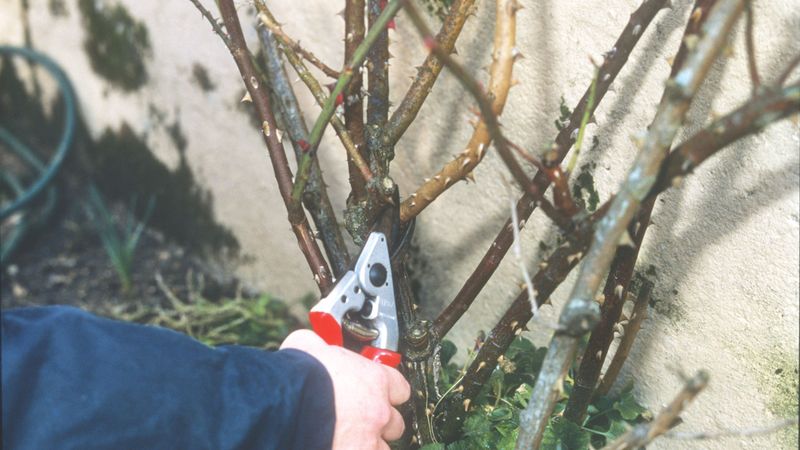
There is a narrow and unforgiving window in early spring when buds on flowering shrubs begin to swell and show the first hints of color. At this stage, the plant is practically announcing what it is about to do.
Pruning right now, even with good intentions, can remove an enormous amount of visible bloom potential in one pass.
Swollen buds are easy to spot once you know what to look for. On forsythia, the buds plump up and start showing yellow before the branches even leaf out.
On lilacs, the buds turn a deeper color and begin to separate. Cutting into branches at this stage is like clearing a table right before dinner is served.
Ohio springs can arrive quickly after a cold stretch, and gardeners sometimes feel rushed to tidy things up before the season gets away from them. If the buds are already swelling, the best move is simply to wait.
Let the plant bloom fully, enjoy the show, and then prune within a few weeks after the flowers fade. That post-bloom window is the sweet spot for spring bloomers, giving the plant maximum time to grow new wood and set next year’s buds before summer heat arrives.
6. Skipping The Right Timing Can Turn Healthy Shrubs Into Bloomless Ones
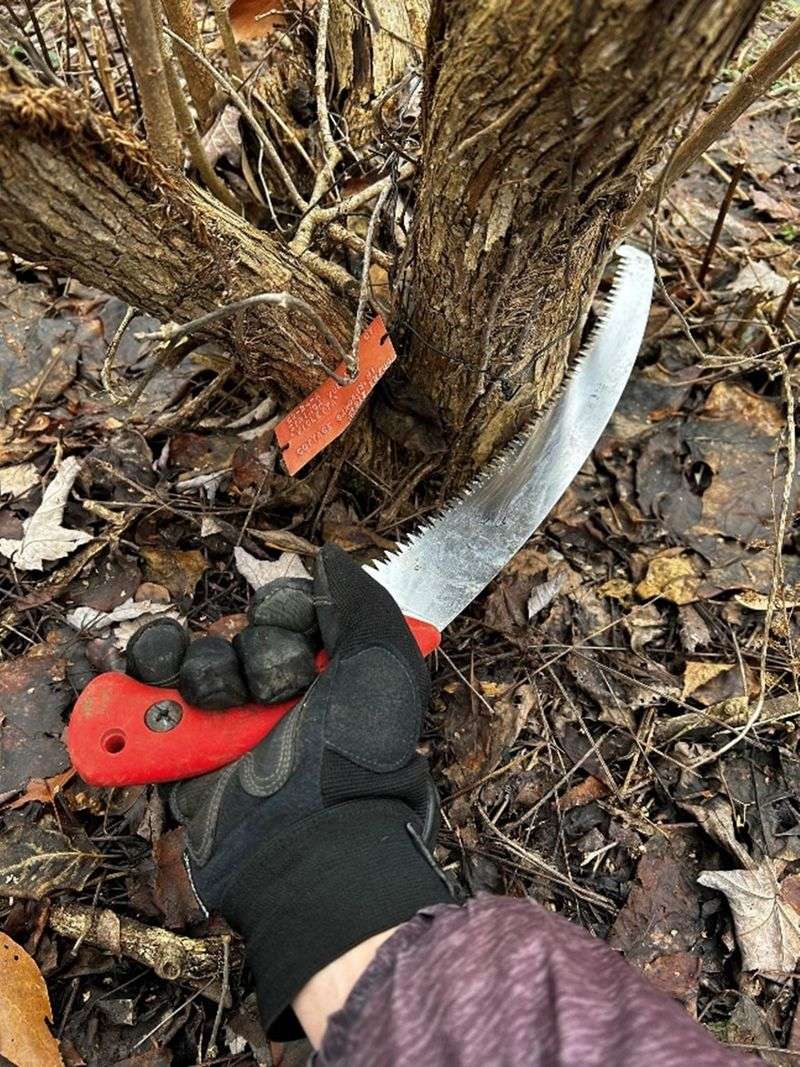
Getting the timing right is not just about avoiding the wrong moments. Equally important is acting during the correct window, and for spring bloomers, that window closes faster than most gardeners expect.
Many spring-flowering shrubs should be pruned within four to six weeks after they finish blooming, and waiting beyond that point can interfere with next year’s bud development.
Here is why the timing matters so much. After blooming, the shrub immediately begins growing new shoots that will eventually carry next spring’s flower buds.
The longer you wait to prune, the more of that new growth you risk cutting away. Pruning in late summer or early fall on a lilac, for example, can remove the very shoots that were just beginning to form buds for the following May.
Ohio gardeners who miss the post-bloom window often wonder why their shrubs look healthy and full but produce almost no flowers. The answer is usually that pruning happened too late in the season, after bud set was already underway.
A simple calendar reminder set for two to three weeks after your spring bloomers finish can make a significant difference. Catching that window consistently, year after year, is one of the most reliable habits for keeping flowering shrubs at their most productive.
7. Knowing What Flowers On Old Wood Changes Everything In Spring
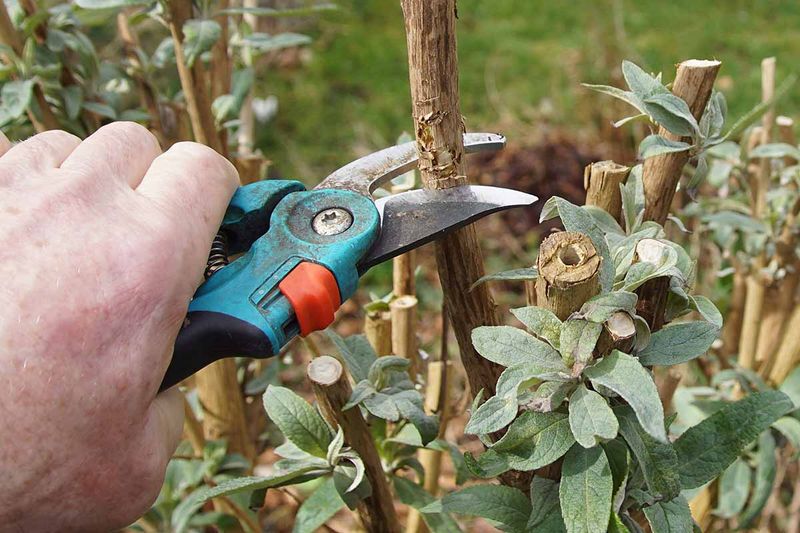
All of the pruning mistakes in this article share a common root: not knowing exactly what kind of plant you are working with before you start cutting. That single gap in knowledge leads to more lost blooms in Ohio gardens than any other factor.
The good news is that fixing it requires only a little research done once.
Start by making a simple list of every flowering shrub in your yard. For each one, look up whether it blooms on old wood or new wood.
Ohio State University Extension and the Ohioline database are excellent starting points with reliable, Ohio-specific guidance. Plants like azalea, rhododendron, forsythia, weigela, lilac, and viburnum all bloom on old wood and need post-bloom pruning.
Shrubs like panicle hydrangea and butterfly bush bloom on new wood and can handle late-winter cuts.
Once you have that list, tape it near your tool storage or take a photo of it on your phone. Before you prune anything in your yard, check the list first.
This small habit removes the guesswork that causes most bloom losses. Gardening in Ohio is already full of weather surprises and seasonal variables.
Knowing your plants before you prune them is the one thing entirely within your control, and it pays off every single spring.