Pruning Neighbor Shrub Branches That Cross Property Lines In Washington
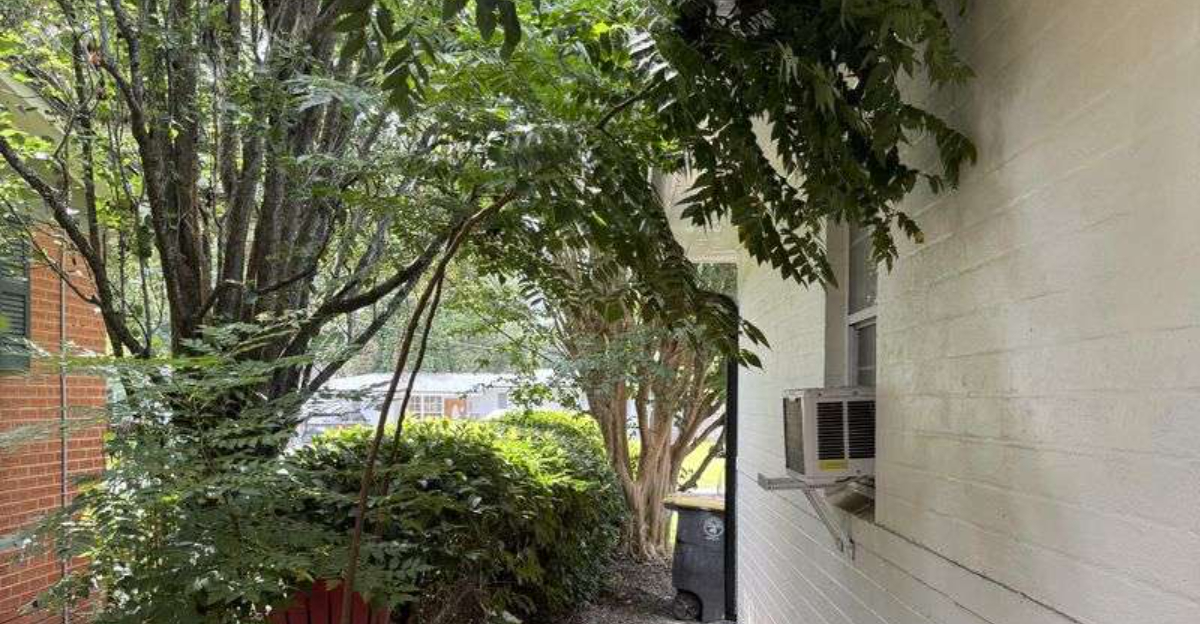
Few things spark tension faster than a neighbor’s shrub creeping across the property line.
What starts as a stray branch can feel like a slow invasion, testing patience one leaf at a time.
In Washington, lush growth and long growing seasons only fuel the problem, with hedges and bushes that seem to stretch overnight.
Homeowners often face a tough call: trim back the overgrowth or risk stirring up a hornet’s nest next door.
Yard pride, personal space, and local law all collide in this common dispute.
One wrong snip can cut more than branches and turn a quiet street cold.
At the same time, letting the issue slide can invite damage, blocked paths, or lost sunlight.
Washington Law Allows Self-Help Trimming
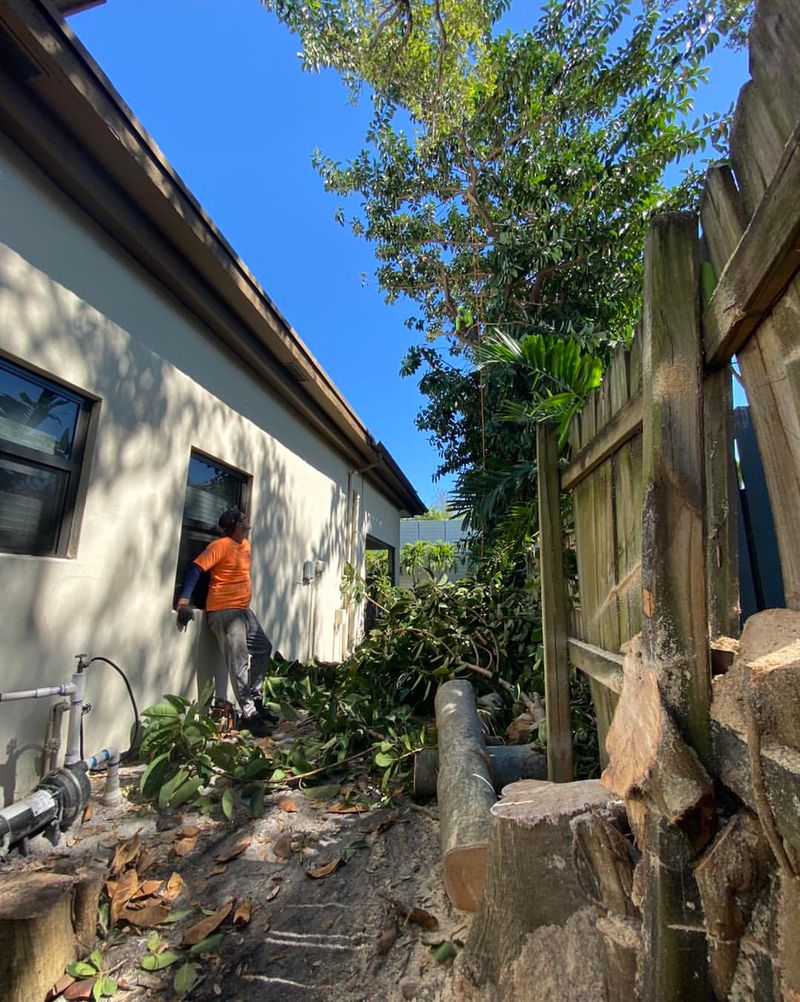
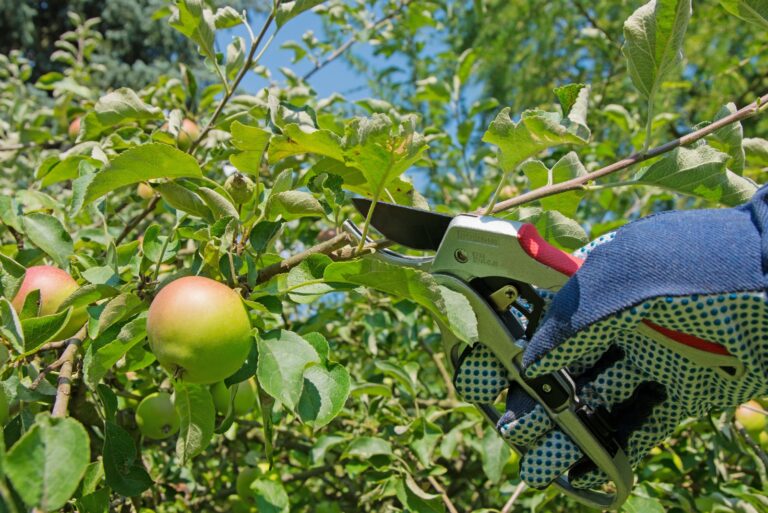
Washington State grants property owners the right to trim branches and roots that cross onto their land.
This legal principle, known as self-help, means you can take action without asking your neighbor for permission first.
Courts have supported this right for many years, recognizing that property owners should control what happens within their boundaries.
However, this right comes with important limits.
You can only cut the portions that extend onto your property, not reach over the line to trim parts still on your neighbor’s side.
Any cutting must stop exactly at the property boundary.
Going beyond that line could make you liable for damages.
Before you start cutting, consider talking to your neighbor.
A friendly conversation often prevents misunderstandings and keeps relationships positive.
Some neighbors appreciate the heads-up, while others might even offer to do the trimming themselves.
Communication can turn a potentially tense situation into a cooperative effort.
Remember that exercising your legal right does not mean you should ignore courtesy.
Being a good neighbor means balancing your rights with respect for others.
You Must Not Harm The Plant
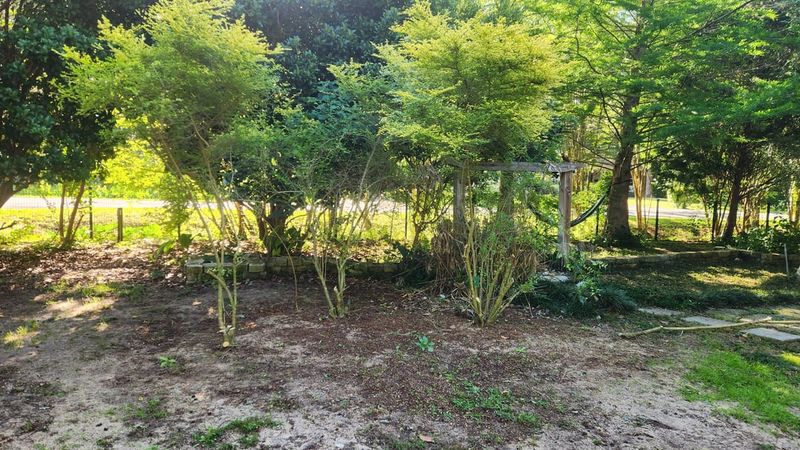
Trimming branches that cross your property line seems straightforward, but you must avoid causing serious harm to the plant.
Washington courts have ruled that property owners who damage or destroy a neighbor’s tree through excessive trimming can be held financially responsible.
This means you cannot cut so much that the shrub or tree becomes unhealthy or unstable.
Before making any cuts, think about how your actions might affect the overall health of the plant.
Removing too many branches at once can stress a tree or shrub, making it vulnerable to disease and weather damage.
Some plants need their branches for balance and structural support.
If you cut major limbs on one side, the plant might become lopsided and dangerous.
When in doubt, consult an arborist or tree care professional.
These experts can advise you on how much you can safely trim without causing lasting harm.
Their guidance protects both you and the plant.
Taking a cautious approach shows respect for your neighbor’s property while still protecting your own interests.
Careful trimming maintains peace and prevents legal disputes that could cost far more than professional advice.
Property Line Location Must Be Accurate
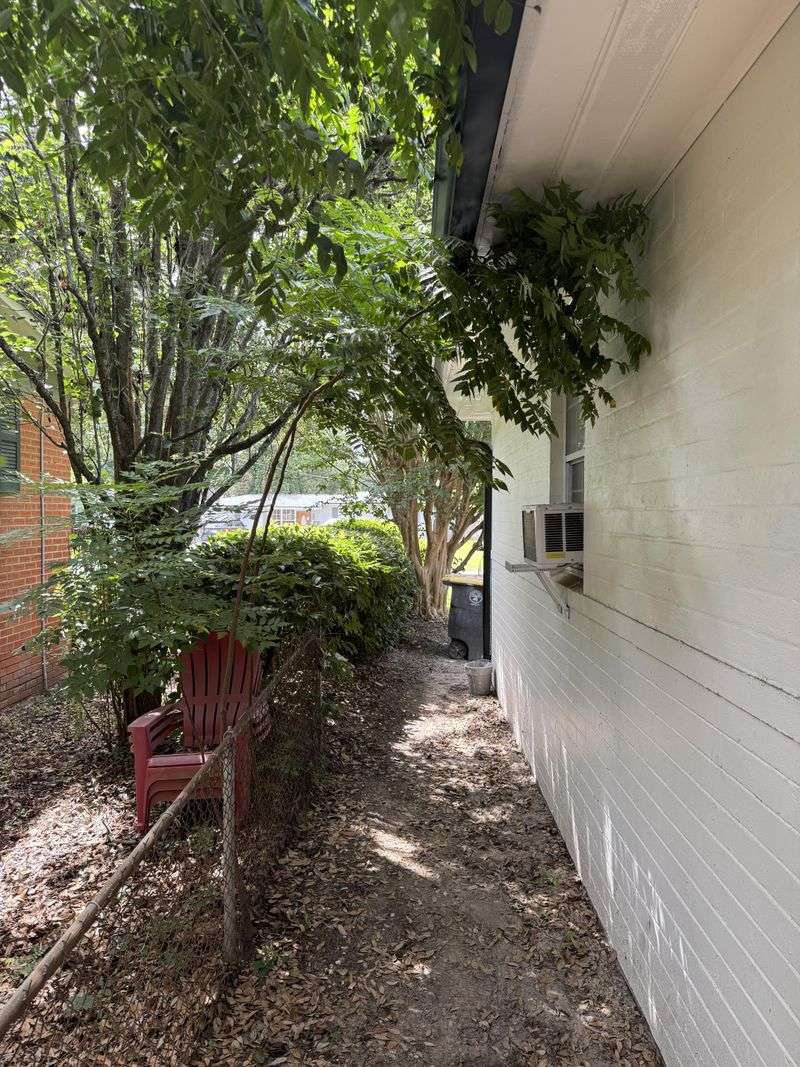
Many property disputes start because neighbors disagree about where the boundary actually sits.
Fences, hedges, and other markers do not always follow the true legal property line.
Previous owners might have placed a fence in the wrong spot, or natural landmarks might have shifted over time.
Before you trim anything, make absolutely certain you know the exact location of your property boundary.
The best way to confirm this is by reviewing your property survey or hiring a licensed surveyor.
A survey provides an official map showing precisely where your land ends and your neighbor’s begins.
This document can prevent costly mistakes and legal problems.
If you trim branches that are actually on your neighbor’s side of the line, you could face a lawsuit for trespassing or property damage.
Even a few inches can matter in legal disputes.
Investing in a survey now can save you thousands of dollars later.
Once you have accurate information, mark the boundary clearly before starting any trimming work.
This simple step protects you from accidentally crossing the line and gives you confidence that your actions are legal and justified.
Fruit And Branches Belong To The Tree Owner
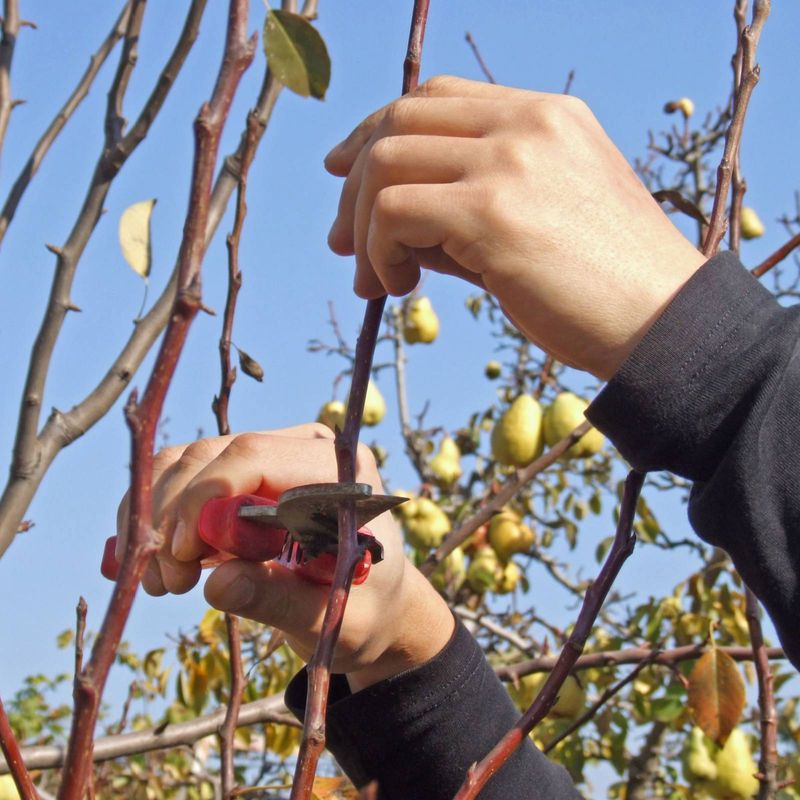
Branches hanging over your property line might seem like fair game, but the law sees things differently.
In Washington, the tree or shrub still belongs entirely to the person on whose property the trunk stands.
This means any fruit, flowers, or nuts that grow on overhanging branches remain your neighbor’s property, even if they dangle above your yard.
You cannot legally pick and keep fruit from branches that cross the boundary.
Taking produce from those branches could be considered theft, no matter where the fruit hangs.
The same rule applies to branches you trim.
After cutting branches on your side of the line, you should offer them back to your neighbor or at least notify them.
Some people want the wood for firewood or mulch.
Others might prefer you dispose of it yourself.
Asking first shows consideration and respect.
This principle reinforces that your right to trim is limited to protecting your property, not claiming ownership of your neighbor’s plants.
Understanding these boundaries helps you stay within legal limits while maintaining good relationships.
Simple courtesy can prevent conflicts that might otherwise escalate into legal battles over seemingly small matters.
Communication Prevents Most Disputes
Legal rights matter, but neighborly communication often works better than any law.
Most conflicts over boundary plants start because people do not talk to each other before taking action.
A simple conversation can clear up misunderstandings and lead to solutions that satisfy everyone involved.
Before you start trimming, knock on your neighbor’s door or send a friendly note explaining the situation.
Describe which branches concern you and why they are causing problems.
Maybe they block your view, drop debris on your car, or prevent sunlight from reaching your vegetable garden.
Most neighbors respond positively when approached with respect and honesty.
Your neighbor might volunteer to do the trimming themselves, which can result in a better-looking job that maintains the plant’s appearance.
They might also share information about the plant species or explain why they planted it in that location.
This exchange builds understanding and cooperation.
Even if your neighbor disagrees or refuses to help, you have created a record of attempting to resolve the issue peacefully.
This documentation can be valuable if the situation later requires mediation or legal action.
Courts and mediators appreciate parties who try to work things out before filing complaints.
Timing Your Trimming Matters
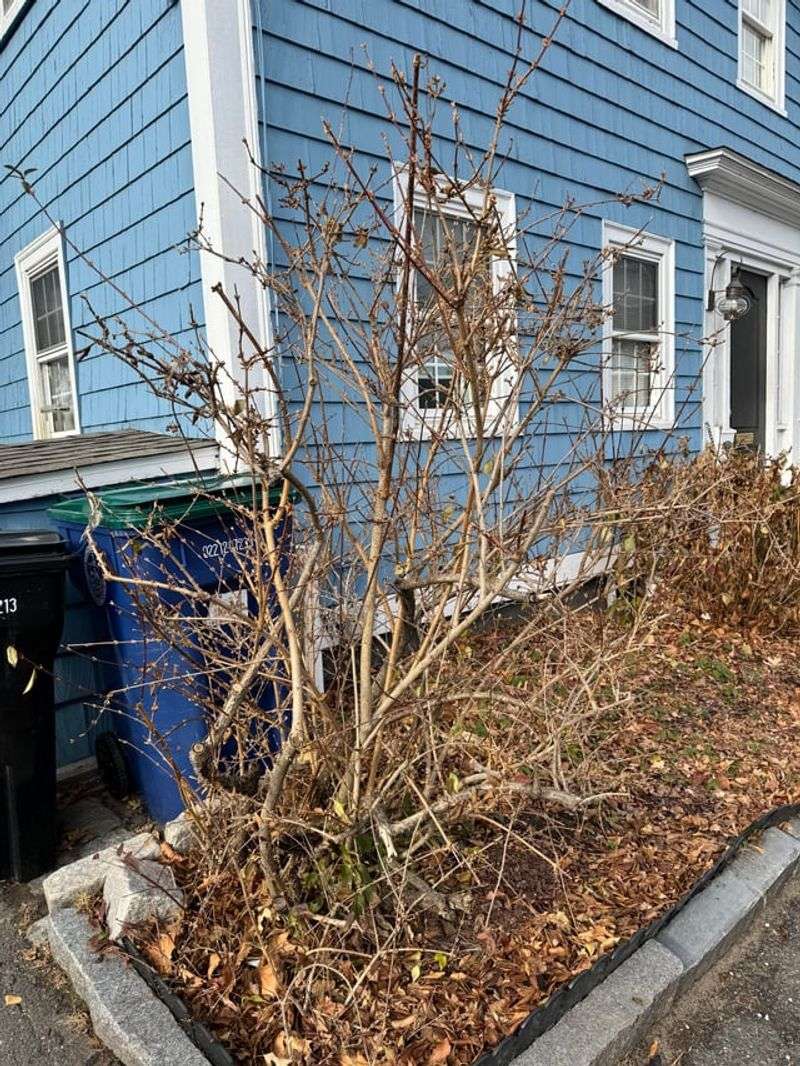
When you decide to trim matters almost as much as how you trim.
Different plants respond better to pruning at specific times of year, and choosing the right season can minimize stress on the shrub or tree.
Spring and fall typically offer the best conditions for most species in Washington.
Trimming during the growing season in late spring or early summer can help plants recover quickly.
Their natural growth patterns allow them to seal wounds and produce new growth that covers the cuts.
However, some flowering shrubs should be trimmed right after they bloom to avoid removing next year’s flower buds.
Winter trimming works well for deciduous plants because you can see the branch structure clearly without leaves blocking your view.
Cold weather also means fewer insects and diseases that might infect fresh cuts.
But avoid trimming during extreme cold snaps, as frozen branches can shatter rather than cut cleanly.
Consider the weather forecast before starting your project.
Rain can make branches slippery and dangerous to cut.
Wind can cause cut branches to fall unpredictably.
Choosing calm, dry conditions makes the work safer and more effective while showing respect for the plant’s health and your neighbor’s property.
Professional Help Reduces Risk
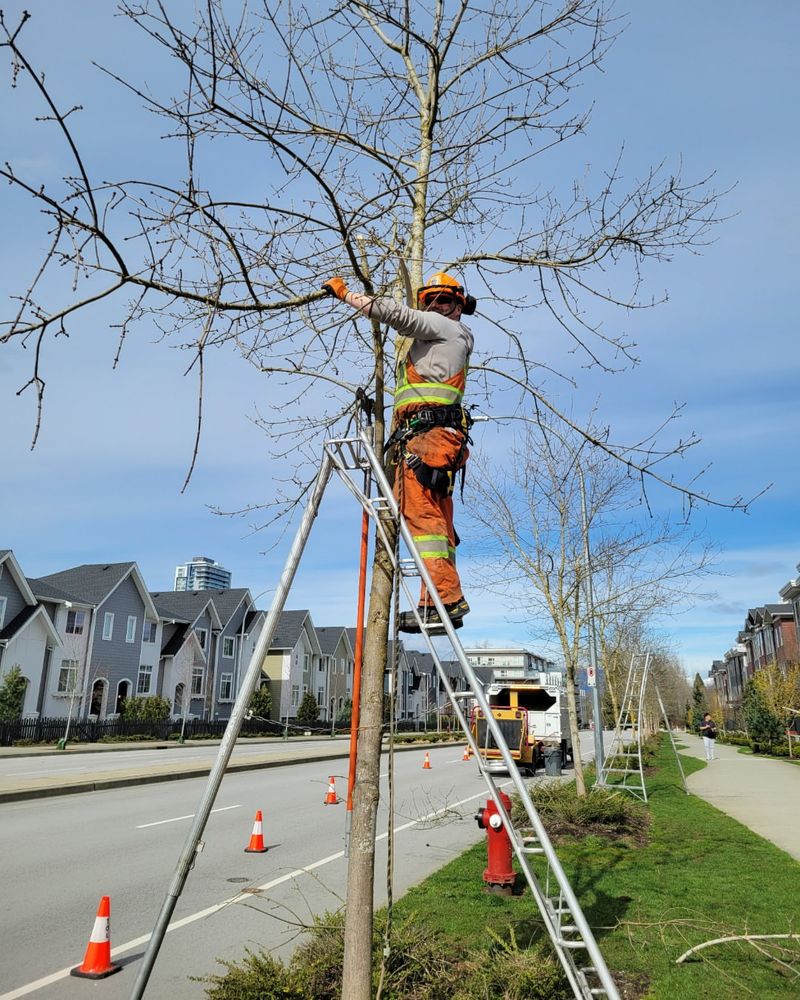
Sometimes the smartest decision is to hire someone with experience and proper equipment.
Professional arborists and tree services understand plant biology, safety procedures, and local regulations.
They can trim branches efficiently while minimizing risk to both the plant and surrounding property.
Large branches pose particular dangers.
They can be heavy, unpredictable, and capable of causing serious injury or property damage when they fall.
Professionals have the tools and training to handle these situations safely.
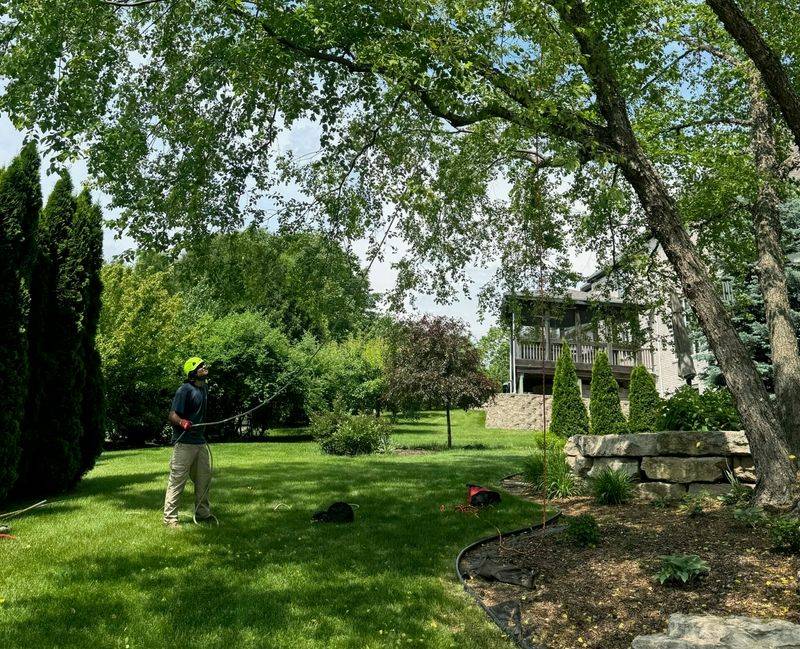
They use ropes, rigging systems, and specialized cutting techniques to control how branches descend.
Hiring an expert also provides documentation that the work was done properly.
If your neighbor later claims you damaged their plant, you can point to the professional’s credentials and methods as evidence of reasonable care.
This protection can be invaluable if a dispute goes to court.
The cost of professional service often proves less expensive than dealing with injuries, property damage, or legal fees from a trimming project gone wrong.
Many tree services offer free estimates, so you can learn your options without commitment.
Investing in professional help demonstrates responsibility and protects everyone involved.