Pruning Wisteria In January In Alabama Is Essential Before Spring Growth Starts
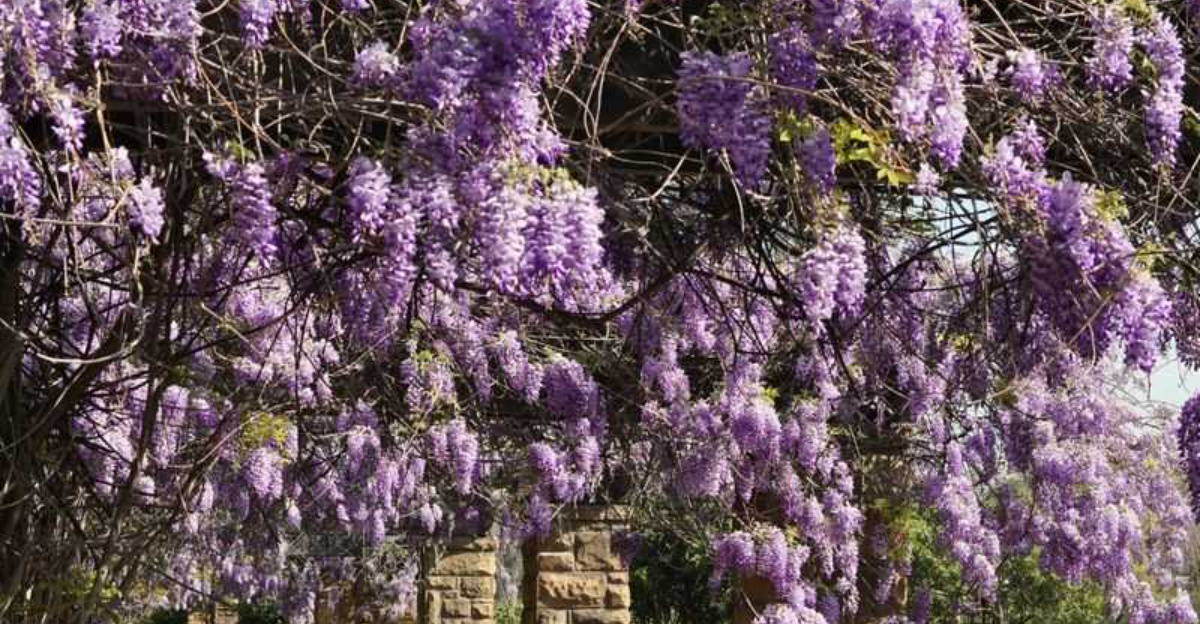
Wisteria vines are stunning in Alabama gardens, but without proper pruning, they can become overgrown, unruly, and produce fewer flowers. January is the ideal time to prune, giving the vine a strong foundation for spring growth.
Prune at the right time and enjoy healthier vines and more blooms. Effective pruning involves removing dead or overcrowded stems, cutting back last year’s growth, and shaping the plant for better airflow and sunlight penetration.
This encourages vigorous growth, reduces disease risk, and promotes abundant flowering. Alabama gardeners know that winter pruning sets the stage for a spectacular spring display.
Smart pruning now leads to stronger, healthier, and more vibrant wisteria. By following these steps, Alabama gardeners can maintain well-mannered vines that produce dramatic, fragrant blooms year after year.
Prune now to ensure a thriving and beautiful wisteria this spring.
Identify The Main Trunk And Primary Lateral Stems
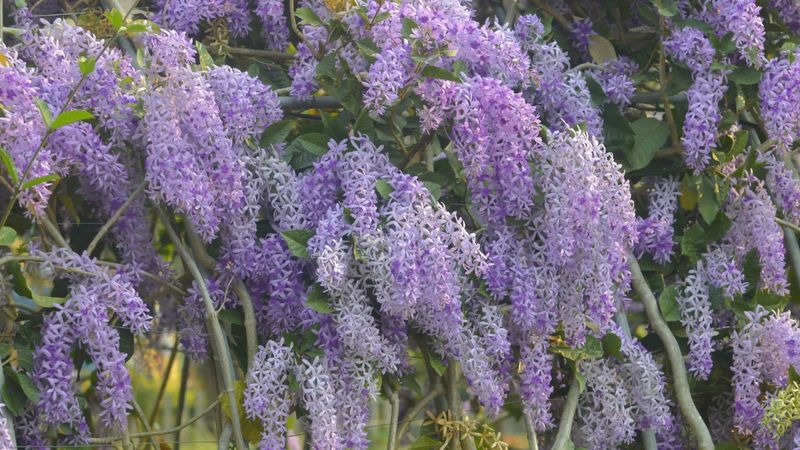
Understanding your wisteria’s basic architecture before you start snipping away is absolutely crucial for long-term success.
The main trunk serves as the plant’s highway, delivering water and nutrients to every branch and bloom that will emerge in spring.
Primary lateral stems branch off from this trunk and form the skeleton that supports the entire vine structure throughout the growing season.
When you can clearly see these foundational elements during January’s dormancy, you gain the power to make informed decisions about what stays and what goes.
Look for the thickest, most established stems that run along your trellis or arbor, as these are your plant’s lifelines.
Marking them mentally or even with colored tape can prevent accidental removal during the pruning process.
Preserving this framework ensures that spring growth emerges vigorously from the right places, channeling the plant’s energy into flowering rather than recovering from structural damage.
Many gardeners make the mistake of cutting into these main stems, which can set the plant back significantly.
By respecting the primary structure, you create a strong foundation that supports abundant blooms and healthy foliage for years to come, making your January efforts truly worthwhile.
Remove Damaged Or Diseased Wood
Winter weather in Alabama can be unpredictable, bringing occasional freezes that leave certain stems looking worse for wear by January.
Branches that have suffered damage from cold snaps, ice, or wind often show discoloration, cracks, or brittle texture that distinguishes them from healthy wood.
Getting these compromised sections out of your wisteria early prevents problems from spreading as temperatures warm up.
Fungal infections love to take hold in damaged tissue, especially when spring moisture creates ideal conditions for spores to multiply.
Removing these vulnerable areas now improves air circulation throughout the vine, which naturally discourages disease development.
Better airflow means leaves and stems dry faster after rain, reducing the damp environments where pathogens thrive.
As you inspect each branch, look for unusual spots, mushy areas, or bark that peels away easily, all telltale signs that something is amiss.
Cut back to healthy tissue where the wood appears firm and shows normal coloring for your variety.
This proactive approach not only protects your wisteria’s health but also redirects the plant’s energy toward producing those gorgeous flower clusters rather than trying to heal compromised stems, giving you a much more rewarding spring display.
Cut Back Long, Whippy Shoots
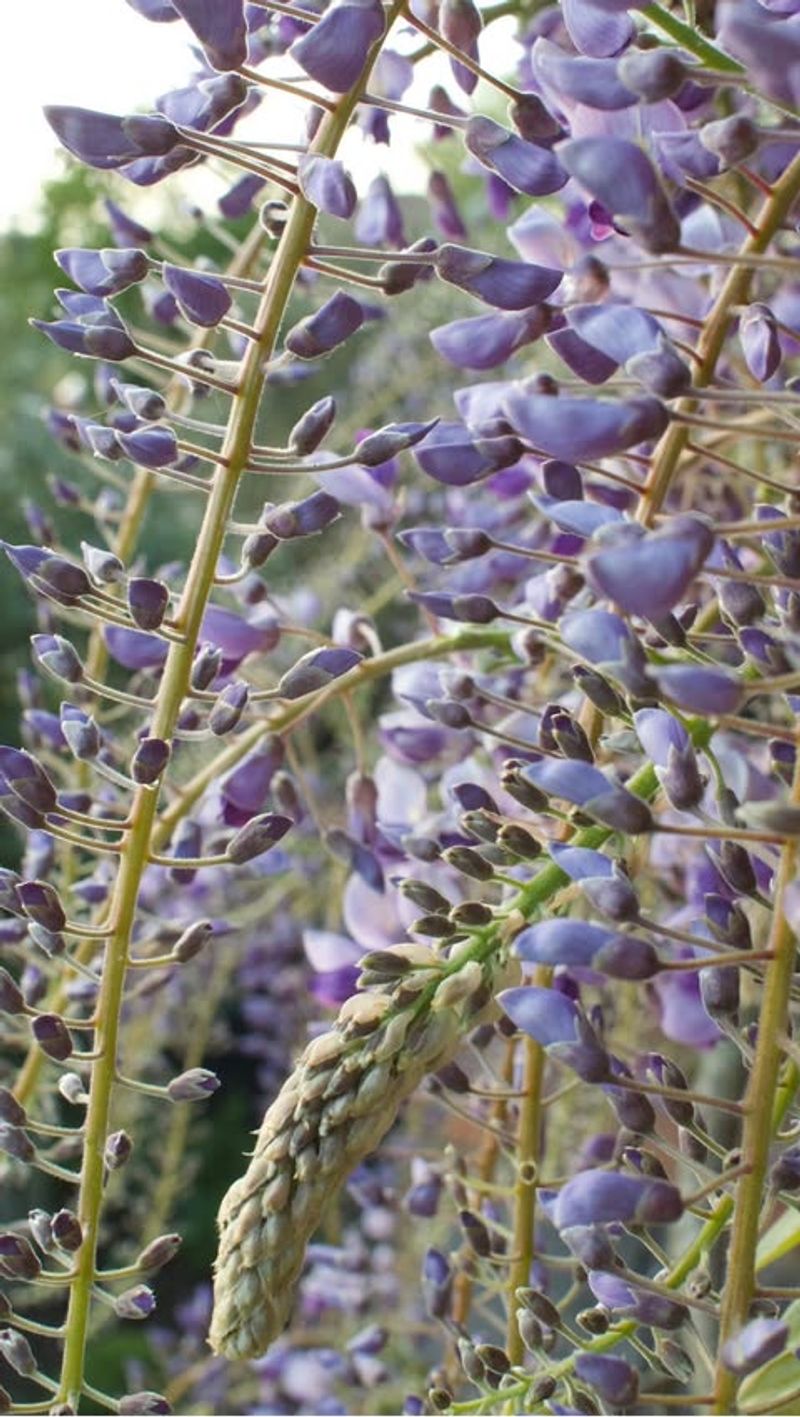
Wisteria is famous for producing those long, wild shoots that seem to grow several feet in just weeks during the growing season.
These vigorous stems, often called whips, can look impressive in their enthusiasm, but they rarely produce the flower buds you actually want.
Shortening them to about six to twelve inches during your January pruning session encourages the plant to develop lateral branches where blooms typically form.
When you trim these shoots back, you’re essentially telling the plant to redirect its energy from vertical growth to horizontal branching.
This lateral growth is exactly where next season’s flower spurs will develop, giving you far more blooms per square foot of vine.
The shorter length also makes the plant more manageable and keeps it within the bounds of your support structure.
Use your sharpest pruners to make clean cuts just above a healthy bud, angling the cut slightly to encourage proper healing.
You might feel like you’re cutting away a lot of growth, but trust the process—wisteria responds beautifully to confident pruning.
By spring, those shortened stems will burst with new side branches covered in the flower buds you’ve been hoping for, transforming your vine into a spectacular focal point.
Thin Crowded Areas To Prevent Tangling
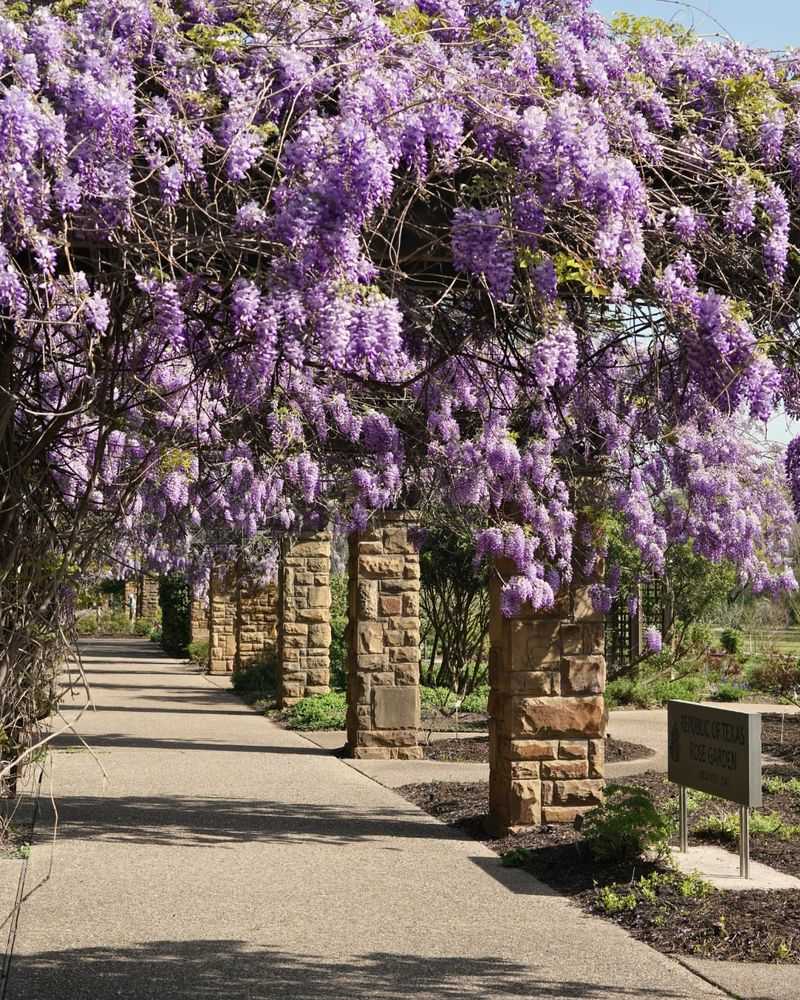
Over time, wisteria vines develop dense sections where multiple stems compete for the same space, creating a tangled mess that blocks sunlight and traps moisture.
These crowded zones become problem areas where pests can hide and diseases can flourish without you even noticing until it’s too late.
Thinning out these congested spots during January opens up the plant’s interior and promotes healthier growth patterns.
Start by identifying stems that cross over one another or grow in awkward directions that don’t follow your intended design.
Remove the weaker or less favorably positioned stem at its base, leaving the stronger one to thrive.
This selective removal allows sunlight to penetrate deeper into the vine, reaching leaves and buds that would otherwise remain shaded.
Improved air circulation is another major benefit of thinning, as it helps foliage dry quickly after rain or morning dew.
When leaves stay wet for extended periods, fungal problems become much more likely, especially in Alabama’s humid climate.
By creating space between stems now, you’re setting up conditions that naturally discourage disease while encouraging the plant to put energy into flowering rather than supporting unnecessary foliage, resulting in a more attractive and productive vine come springtime.
Maintain Trellis Or Arbor Shape
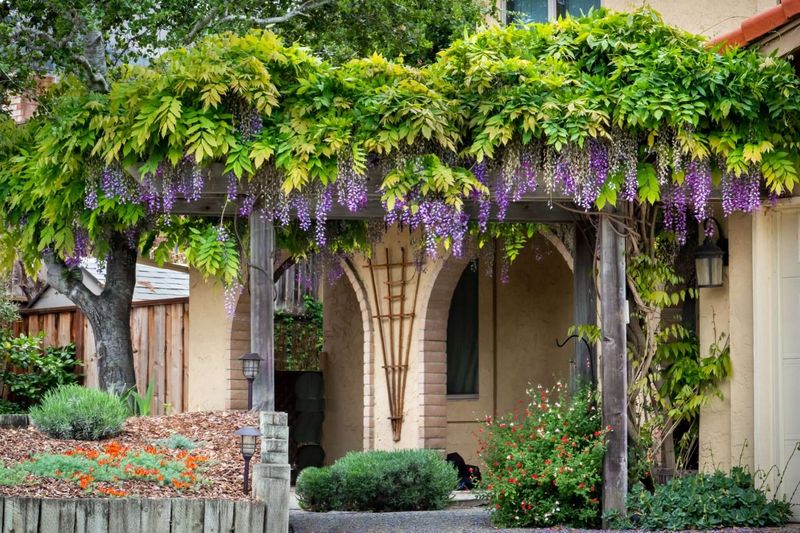
Your support structure exists for a reason, and January pruning is the perfect opportunity to reinforce your wisteria’s relationship with its trellis or arbor.
Training the vine to follow the lines of your support not only creates a visually pleasing display but also positions flower clusters where they’ll be most visible and appreciated.
Without regular guidance, wisteria tends to wander off in unexpected directions, sometimes even pulling away from supports entirely.
Walk around your structure and identify stems that have strayed from the intended pattern or grown in directions that don’t complement your design.
Gently redirect flexible stems back toward the support, securing them with soft ties if needed.
For stems that can’t be redirected, consider removing them entirely to maintain the clean lines of your intended shape.
Focus especially on training stems along horizontal supports, as these positions encourage the development of flowering spurs that dangle downward for maximum visual impact.
Vertical growth tends to produce more foliage than flowers, so redirecting energy horizontally pays off beautifully.
By maintaining your chosen shape now, you ensure that spring’s blooms appear exactly where you want them, creating that picture-perfect cascading effect that makes wisteria such a beloved addition to Alabama gardens and landscapes.
Make Clean Cuts With Sharp Tools
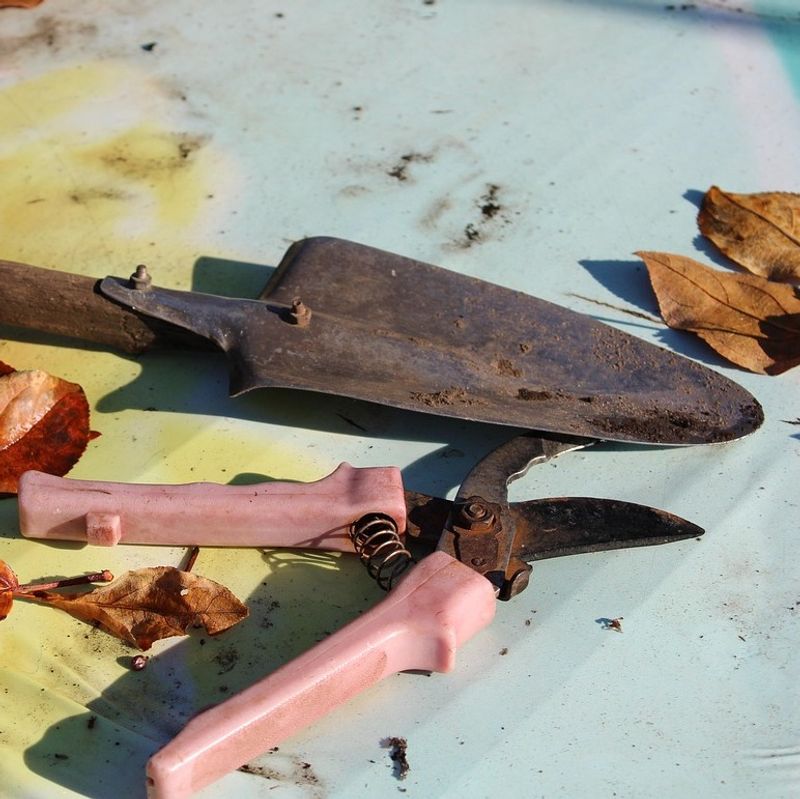
The quality of your pruning cuts directly impacts how quickly your wisteria heals and how vulnerable it becomes to disease.
Dull blades crush and tear plant tissue rather than slicing cleanly through it, creating ragged wounds that take much longer to seal over.
These rough edges provide entry points for bacteria and fungi that can compromise the entire branch or even spread throughout the vine.
Before you begin your January pruning session, take time to sharpen your bypass pruners, loppers, and pruning saw if you’ll be tackling thicker branches.
A few minutes with a sharpening stone or file makes an enormous difference in cut quality.
Equally important is sanitizing your tools between cuts, especially if you’re removing any questionable material that might carry disease.
A simple wipe with rubbing alcohol or a dip in a diluted bleach solution prevents you from accidentally spreading problems from one part of the plant to another.
When you make each cut, position your blade just above a bud at a slight angle, allowing water to run off rather than pooling on the wound.
Clean cuts heal faster, resist infection better, and help your wisteria bounce back stronger when spring arrives, making proper tool maintenance one of the simplest yet most effective practices you can adopt.
Retain Some Flowering Spurs From Last Season
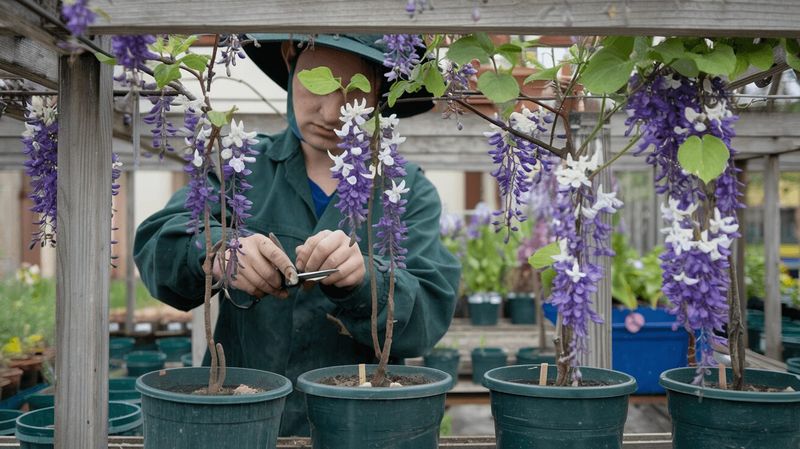
While you’re busy trimming back all that vigorous growth, it’s essential to recognize and preserve the short, stubby lateral branches that will actually produce your spring flowers.
These flowering spurs typically measure just a few inches long and often have slightly swollen buds along their length, distinguishing them from the long, smooth whips you’re cutting back.
Accidentally removing these precious spurs means sacrificing blooms you’ve been waiting for all winter.
Last season’s spurs already have flower buds formed and ready to burst open when conditions are right in spring.
These established structures give you the earliest and often most abundant flowering, so protecting them during your January pruning session is absolutely critical.
Look for spurs growing off the main lateral stems, usually positioned along horizontal sections where they’ll display their blooms to best advantage.
As you work through the vine, make a conscious effort to prune around these spurs rather than removing them in your enthusiasm to tidy up the plant.
Some gardeners mark spurs with small ribbons before they start pruning to avoid accidental removal.
This careful approach ensures that your hard work in January translates directly into the spectacular floral display that makes all the effort worthwhile when spring finally arrives in Alabama.
Dispose Of Cuttings Properly
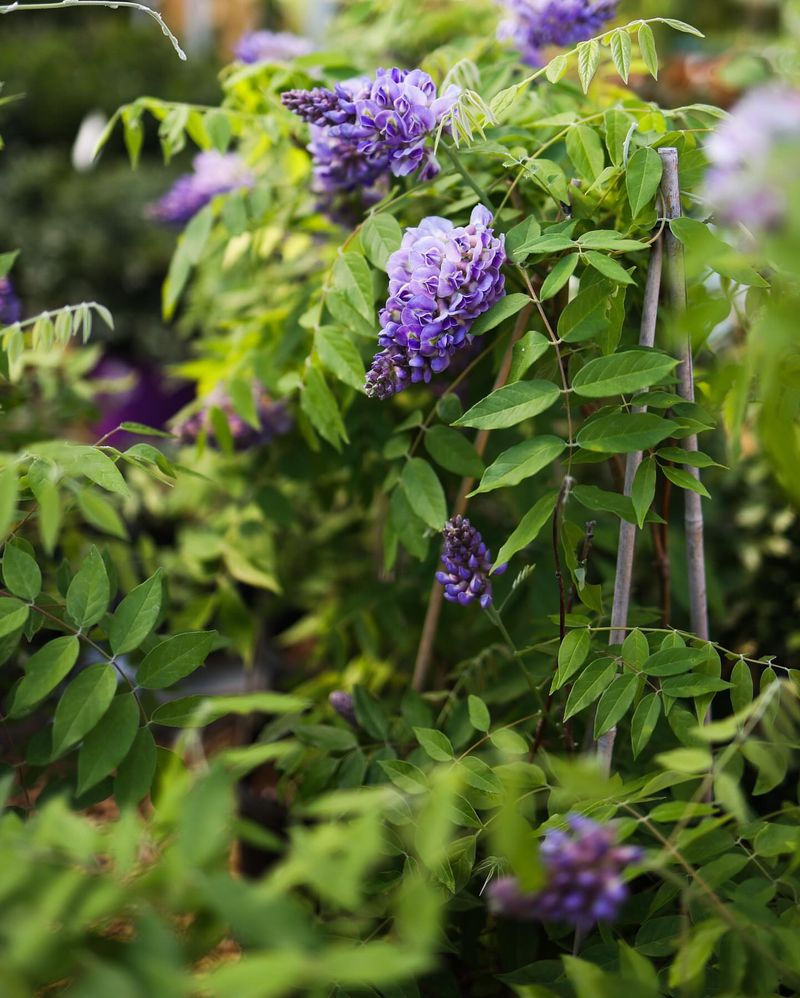
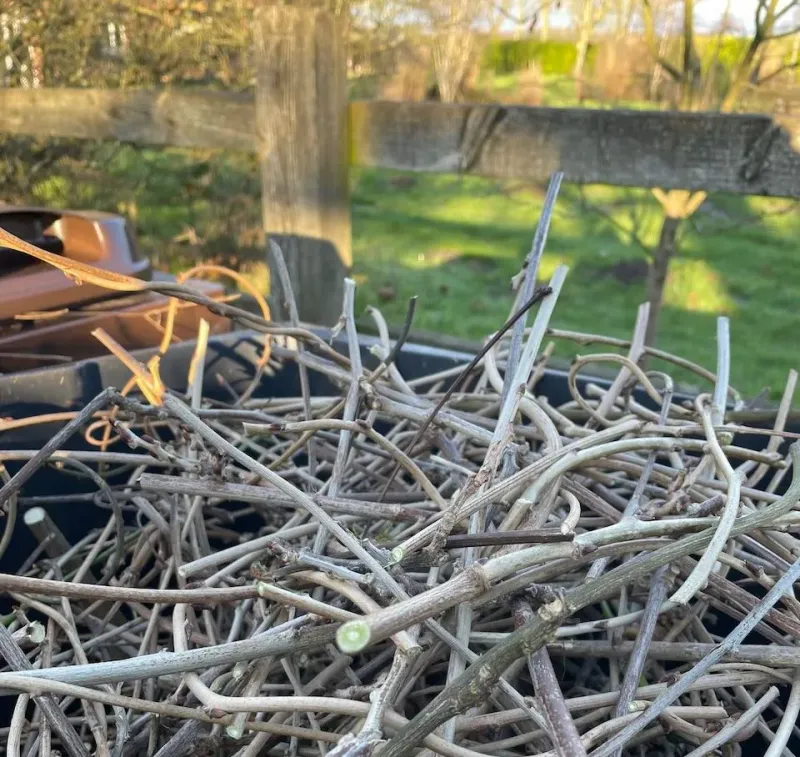
Once you’ve finished pruning, you’ll likely have a substantial pile of cut branches and stems scattered around your work area.
Leaving this material on the ground creates an inviting habitat for pests and can harbor disease spores that might reinfect your newly pruned wisteria when spring arrives.
Taking the time to clean up thoroughly is just as important as the pruning itself for maintaining plant health.
Healthy prunings can go straight into your compost pile, where they’ll break down over time and eventually return valuable nutrients to your garden.
However, any material that showed signs of disease or severe damage should be bagged and disposed of separately to prevent problems from spreading.
Some gardeners prefer to burn diseased material if local regulations allow, as the high temperatures ensure complete elimination of pathogens.
Clearing away debris also improves the appearance of your garden and makes it easier to see what you’ve accomplished with your pruning efforts.
A tidy work area reduces trip hazards and prevents stems from getting tangled in other plants or garden features.
By the time you’re finished with cleanup, your wisteria should look intentionally sculpted rather than haphazardly attacked, and your garden will be ready to shine when spring growth begins in earnest throughout Alabama.
Step Back And Review Growth Patterns
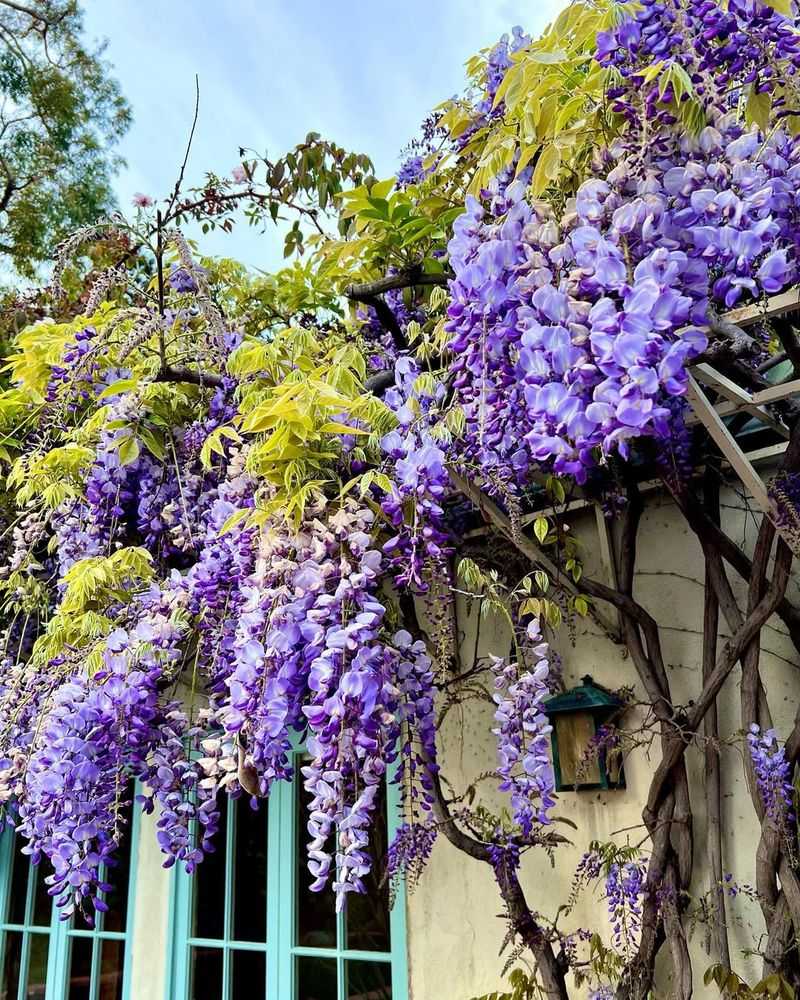
After you’ve made all your cuts and cleaned up the debris, resist the urge to immediately pack up your tools and call it a day.
Taking a few minutes to step back and really look at what you’ve done provides valuable perspective on the overall shape and balance of your wisteria.
From a distance, you can spot areas that might need additional attention or sections that ended up thinner than intended.
Walk around the entire plant, viewing it from multiple angles to ensure you’ve created a structure that looks good from every direction.
Check that you haven’t accidentally over-pruned one side while leaving another too dense, as unbalanced growth patterns can lead to structural problems down the road.
This is also the perfect time to evaluate how well the vine follows its support structure and whether any additional training will be needed as new growth emerges.
Making small adjustments now is much easier than trying to correct problems once spring growth is underway and the plant is covered in leaves and flowers.
Some gardeners even take photos at this stage to document their work and track how the plant responds over the growing season.
This final review step ensures that your January pruning efforts will result in the balanced, beautiful wisteria display you’ve been envisioning for your Alabama garden.