Pull These 11 California Weeds Now Before They Take Over Your Yard
California gardens don’t stay weed-free for long, especially once spring kicks in. A little warmth, a bit of moisture, and suddenly those fast-growing invaders are popping up everywhere you look.
Ignore them for even a short stretch and they can spread like crazy, crowding out your plants and stealing water and nutrients.
The tricky part is how quickly they get established. Some of the most common weeds start small and easy to miss, then take off almost overnight.
By the time they’re obvious, they’re already tougher to remove and often dropping seeds for the next round.
Getting ahead of them now saves a lot of effort later. A quick sweep through your yard while they’re still young can stop them before they dig in and take over.
Stay on top of it early and your garden stays cleaner, healthier, and much easier to manage all season.
1. Crabgrass
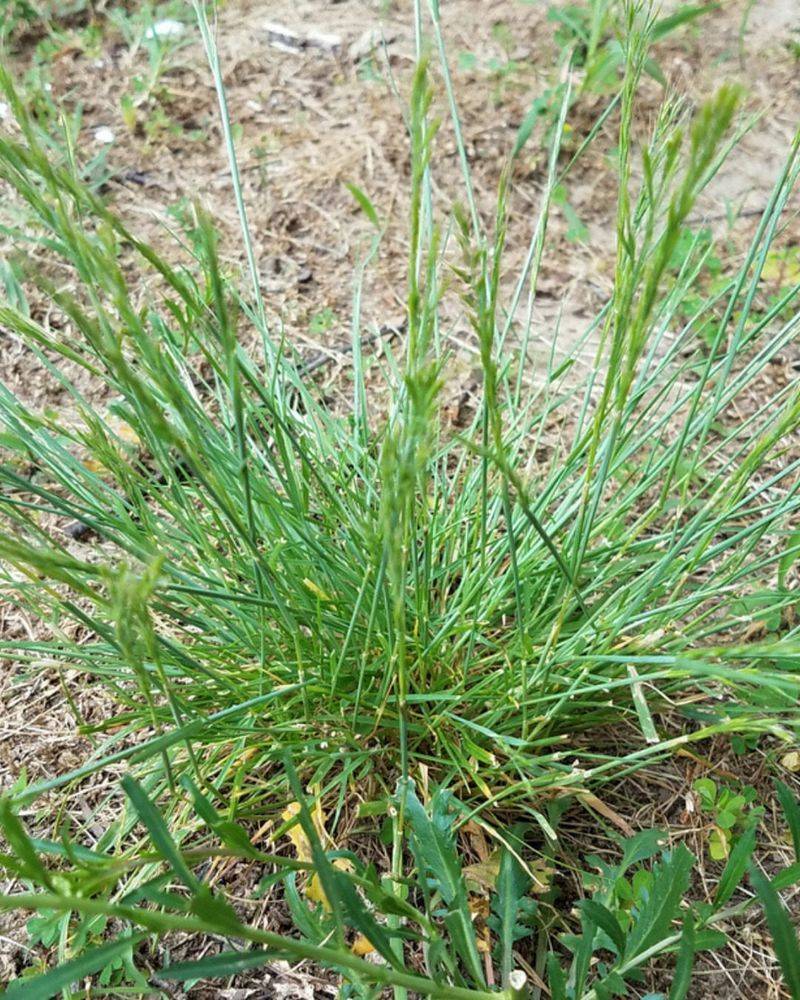
Ever look down at your lawn and notice clumps of thick, flat grass spreading out like a star? That is most likely crabgrass, and it loves California summers.
This annual weed thrives in warm, dry conditions and can take over a lawn fast if left alone.
Crabgrass grows low to the ground and spreads outward, making it hard for your regular grass to compete. It germinates in spring when soil temperatures warm up, so early action is key.
Pulling it out before it goes to seed is the best move you can make.
One crabgrass plant can produce thousands of seeds, so letting even one go unchecked is a big mistake. Hand-pulling works well when the soil is moist, and getting the roots out fully matters a lot.
Applying a pre-emergent herbicide in early spring is also a smart preventive step for California homeowners. Keeping your lawn thick and healthy through regular watering and mowing at the right height naturally crowds crabgrass out.
A healthy lawn is your best long-term defense against this stubborn weed taking over your outdoor space.
2. Chickweed
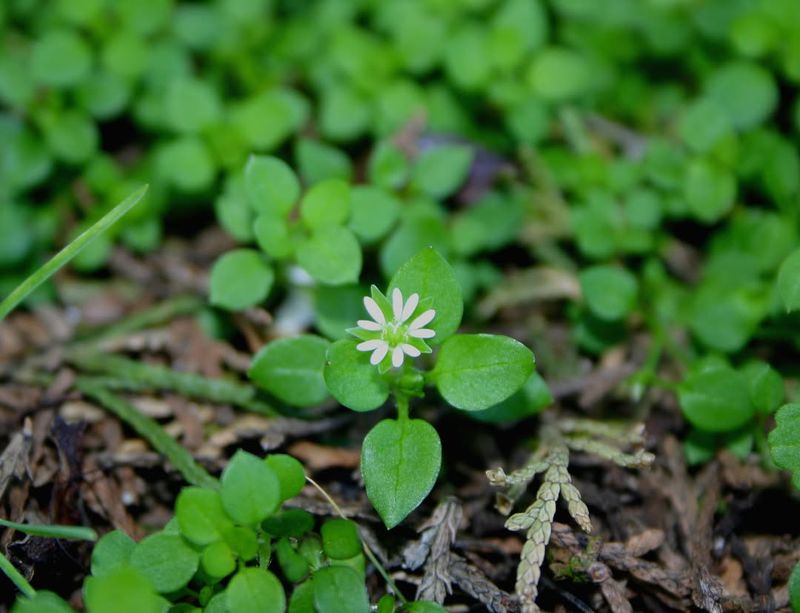
Chickweed might look harmless with its tiny white flowers and soft green leaves, but do not let that fool you. This cool-season weed spreads fast and can blanket your garden beds before spring even gets going.
It loves the mild, moist winters that many parts of California experience.
You will usually find chickweed growing in shaded or partially shaded areas with rich, moist soil. It forms dense mats that smother smaller plants and seedlings underneath.
The good news is that it is fairly easy to pull out by hand because its roots are shallow.
The tricky part is that chickweed produces seeds very quickly, sometimes before you even notice the plant is flowering. One plant can drop hundreds of seeds in a single season.
Pulling it out early, before flowering, is the smartest approach for California gardeners. Mulching your garden beds with a thick layer of organic material helps block sunlight and stops seeds from sprouting.
Staying on top of chickweed in late winter and early spring gives your garden a much better chance of staying clean and weed-free throughout the growing season ahead.
3. Oxalis (Sourgrass)
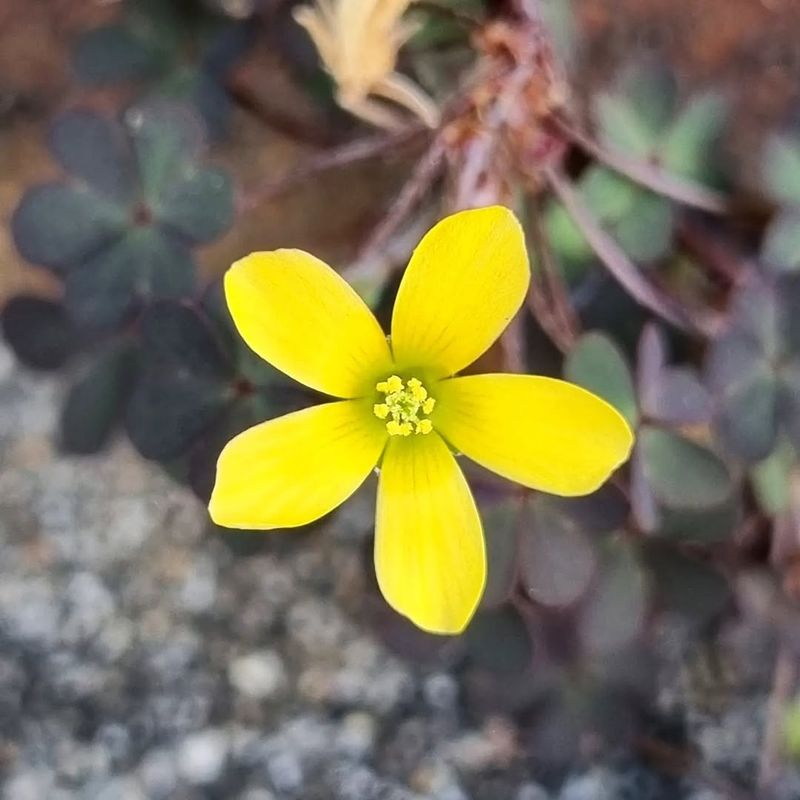
Walk barefoot through a California yard and you might notice small clover-shaped plants with cheerful yellow flowers. That is oxalis, also called sourgrass, and while it looks cute, it is one of the most persistent weeds in the state.
Kids sometimes chew on the sour leaves, which is where the nickname comes from.
Oxalis spreads through underground bulbs called corms, and that is what makes it so hard to get rid of. Pulling the plant above ground without getting those tiny corms out just means it will grow back.
Each corm left in the soil will sprout a new plant, sometimes within weeks.
The best approach is to dig carefully around the plant and remove as many of the small bulbs as possible. This takes patience, but it is worth it.
Avoid tilling the soil too aggressively because that can break the corms apart and spread them further through your yard. In California, oxalis is especially active in fall and winter when the soil stays moist.
Consistent removal over multiple seasons is usually needed to fully clear a heavy infestation. Staying persistent is the real secret to winning against sourgrass in your garden.
4. Spurge
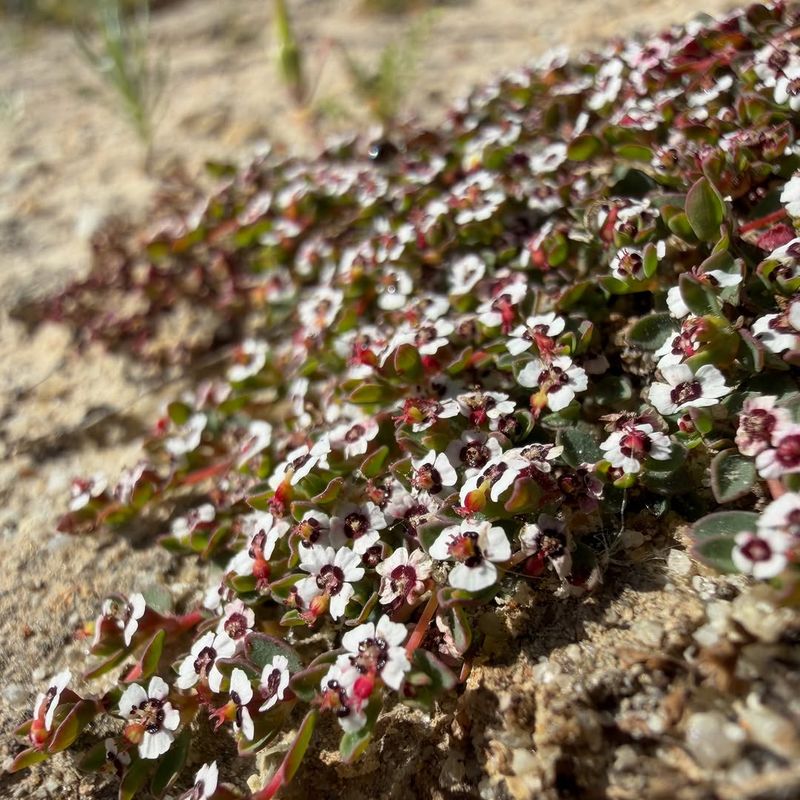
Spotted spurge is a summer weed that seems to appear out of nowhere in California yards. It grows flat against the ground, hugging soil and pavement edges, and spreads outward in a circular mat.
If you have ever noticed a low-growing plant with small reddish stems and tiny oval leaves near your driveway or garden beds, that was probably spurge.
One thing that stands out about spurge is its milky white sap. When you break a stem, that white liquid oozes out, and it can irritate skin and eyes.
Always wear gloves when pulling this one. It is a good habit to get into whenever you are weeding anyway.
Spurge seeds germinate quickly in warm soil, which means California summers create perfect conditions for it to spread rapidly. A single plant can produce thousands of seeds in one season.
Pulling it young, before it goes to seed, makes removal much more manageable. Hand-pulling works well in loose or moist soil.
For stubborn patches, a hoe or hand cultivator helps loosen the roots. Keeping your lawn and garden beds dense and healthy is one of the best ways to stop spurge from finding bare soil to move into across your yard.
5. Purslane
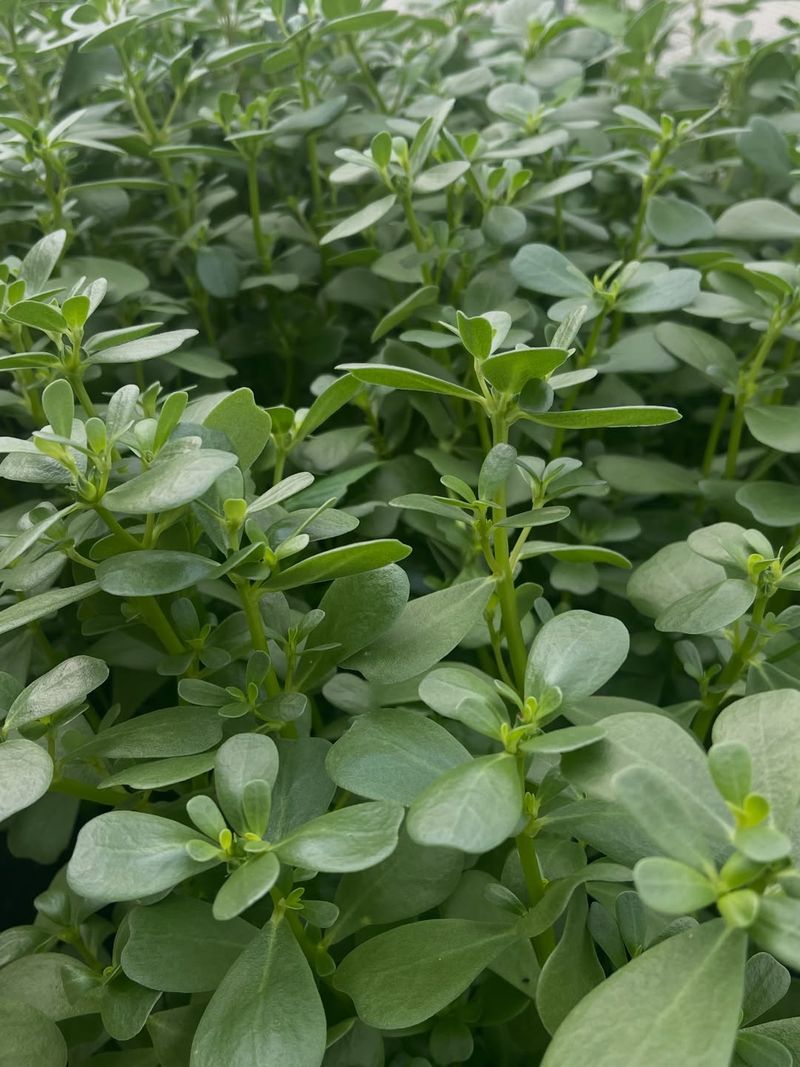
Purslane is one of those weeds that surprises people when they find out it is actually edible. It is packed with omega-3 fatty acids and has been eaten in many cultures around the world for centuries.
But in a California yard, it can still become a serious problem if left unchecked.
This succulent weed loves hot, dry conditions, which makes it perfectly suited for California summers. It stores water in its thick, fleshy leaves, allowing it to survive even when other plants struggle.
You will often find it popping up in vegetable gardens, flower beds, and along sidewalk edges.
The tricky thing about purslane is that even after you pull it, the plant can continue to ripen its seeds if left on the ground. That means you need to bag it or remove it from your yard entirely after pulling, not just leave it on the soil surface.
It also re-roots easily from broken stem pieces, so handle it carefully. Pulling after rain or watering makes removal easier since the roots slide out more cleanly.
Regular monitoring through the warm months keeps purslane from building up into a larger problem across your California garden and landscape areas.
6. Bindweed (Morning Glory Weed)
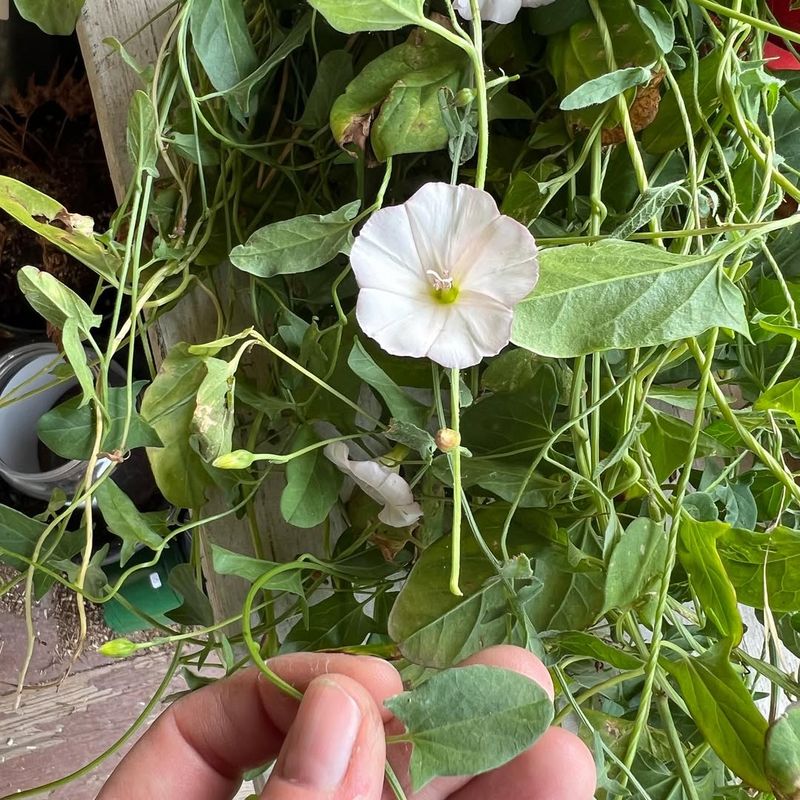
Few weeds are as frustrating as bindweed, sometimes called morning glory weed. It twists and climbs around other plants, fences, and garden stakes, wrapping itself tightly and smothering whatever it grabs onto.
The white or pale pink funnel-shaped flowers might look pretty, but do not be distracted by them.
Bindweed is a perennial, which means it comes back year after year from a deep, extensive root system. Those roots can reach several feet down into the soil, making complete removal very difficult.
Pulling the tops off without getting the roots just slows it down temporarily. It will be back before you know it.
Consistent, repeated removal is the most effective approach for California homeowners dealing with bindweed. Every time new growth appears, pull or cut it back.
Over time, this weakens the root system and reduces regrowth. Avoid letting it go to seed, as seeds can remain viable in the soil for many years.
Covering affected areas with thick mulch or cardboard can help block new growth. Staying patient and persistent is the real key with bindweed.
It rarely disappears after just one round of removal, but regular effort over a season or two makes a noticeable difference in your yard.
7. Nutsedge
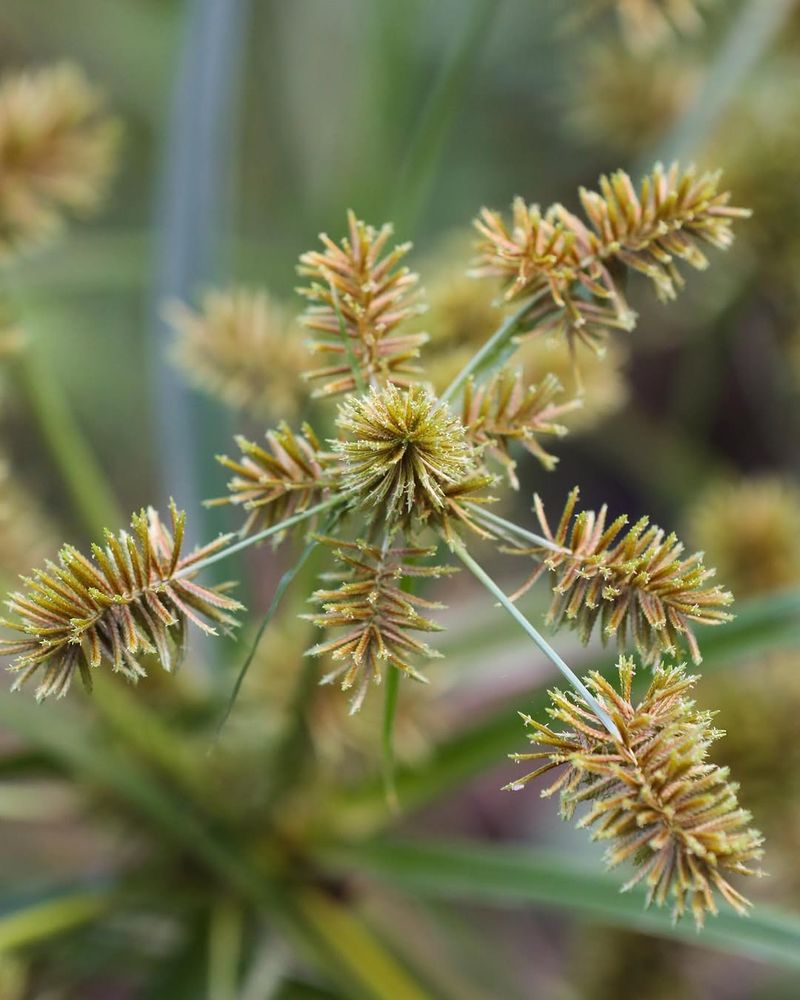
At first glance, nutsedge looks just like regular grass, but look a little closer and you will notice its stems are triangular instead of round. That little detail is a dead giveaway.
Nutsedge is one of the most stubborn weeds you can have in a California yard, and it spreads underground through small tubers called nutlets.
Yellow nutsedge is the most common type found in California, and it loves wet or poorly drained soil. Overwatering your lawn can actually encourage it to take hold and spread quickly.
Improving drainage and adjusting your watering schedule is a smart first step in managing it.
The underground nutlets are what make nutsedge so difficult to fully remove. Each nutlet left in the soil can sprout a new plant.
Hand-pulling is only partially effective because the nutlets often break off and stay behind. For large infestations, a targeted herbicide labeled for nutsedge is often the most practical solution.
For smaller patches, digging deeply around the plant and removing as many nutlets as possible is worthwhile. California homeowners dealing with nutsedge should start treatment early in the season before the weed establishes a strong underground network that becomes much harder to manage later on.
8. Foxtail
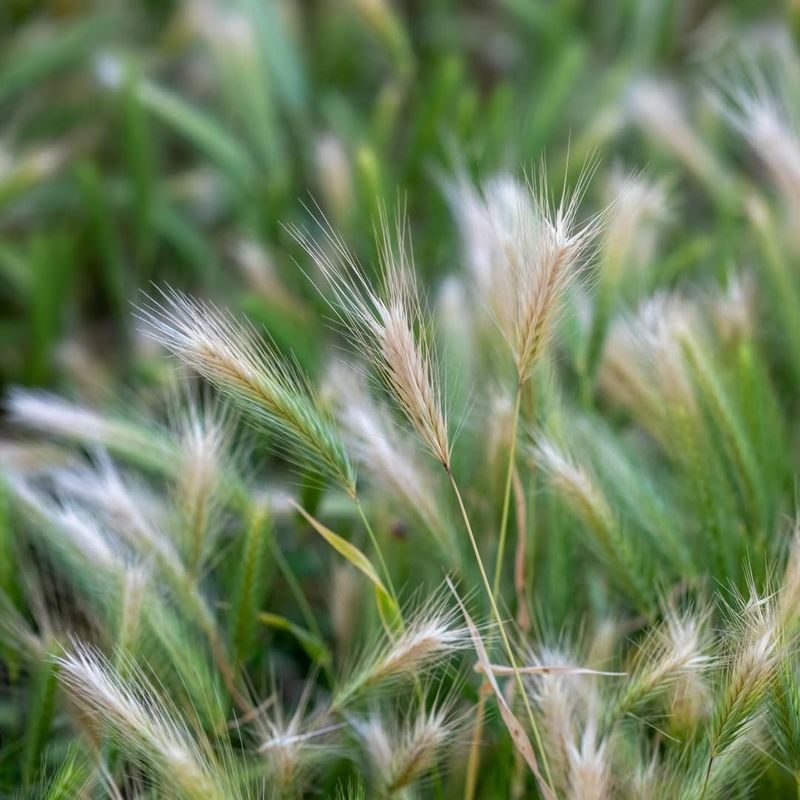
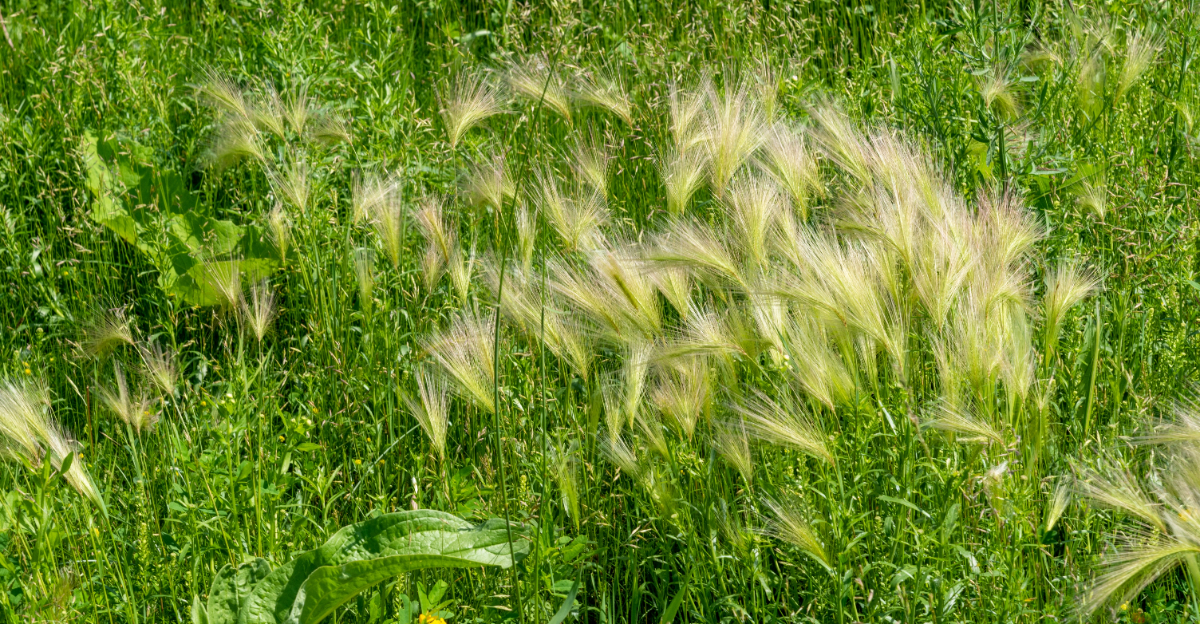
Foxtail gets its name from the bushy, bristled seed heads that look just like a fox’s tail. They might seem harmless, but those seed heads are actually a real hazard, especially for pets.
The barbed seeds can work their way into a dog’s fur, ears, paws, and even skin, causing painful injuries.
In California, foxtail is a very common summer annual that grows quickly in disturbed soils, along roadsides, and in dry, neglected yard areas. It tends to show up in spots where the lawn is thin or bare soil is exposed.
Once it goes to seed, those bristly heads break apart easily and spread everywhere.
Removing foxtail before it produces seed heads is critically important, especially if you have pets. Young plants pull out fairly easily by hand when the soil is moist.
For larger patches, a hoe works well to cut the plants off at the base. Mowing regularly helps prevent foxtail from reaching the seeding stage in lawn areas.
Reseeding bare or thin lawn patches also reduces the open soil where foxtail loves to germinate. California pet owners especially should stay on top of foxtail removal throughout the summer to keep their yards safe and manageable for everyone using the outdoor space.
9. Mustard Weed
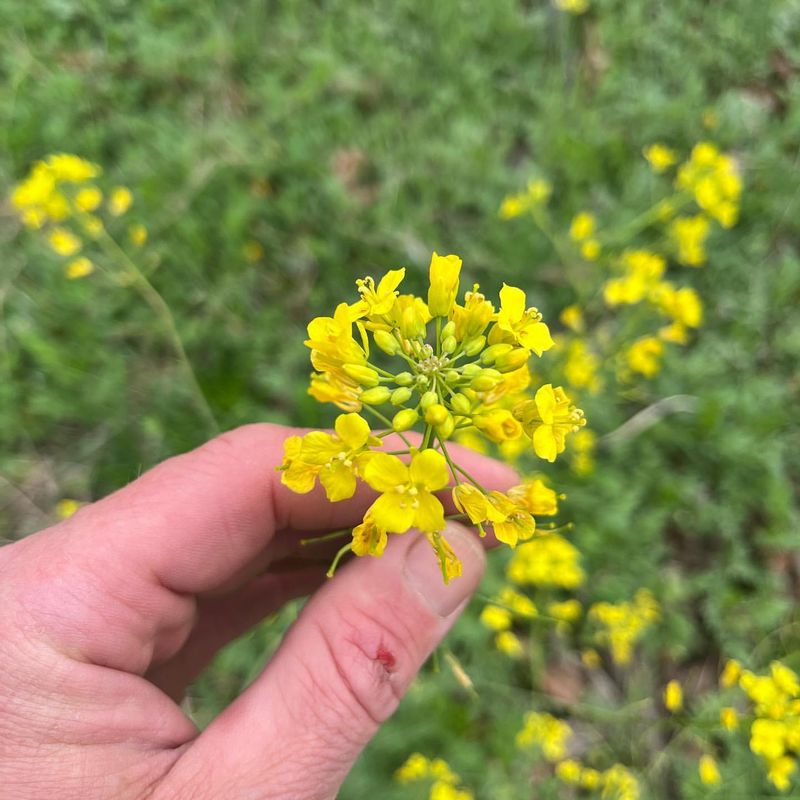
Drive through the California hills in spring and you will see entire hillsides covered in bright yellow mustard flowers. It looks almost magical from a distance, but in your own yard or garden, mustard weed is a different story.
It grows tall fast and competes aggressively with other plants for water and nutrients.
Wild mustard is an annual weed that germinates in fall and winter, grows through spring, and goes to seed before summer heat arrives. Each plant can produce a large number of seeds that stay viable in the soil for years.
That long seed bank is what makes it come back reliably season after season.
Pulling mustard weed while it is still young and before it flowers is the most effective strategy. Once flowers appear, seeds are not far behind.
Removing the entire plant, including the taproot, prevents regrowth. Bagging the pulled plants keeps seeds from falling back into the soil.
In California vegetable gardens and raised beds, mustard weed can be especially competitive, so early spring monitoring is a smart habit to develop. Mulching bare soil in fall and winter reduces germination rates and gives you a much cleaner start when the growing season gets underway each year.
10. Pigweed
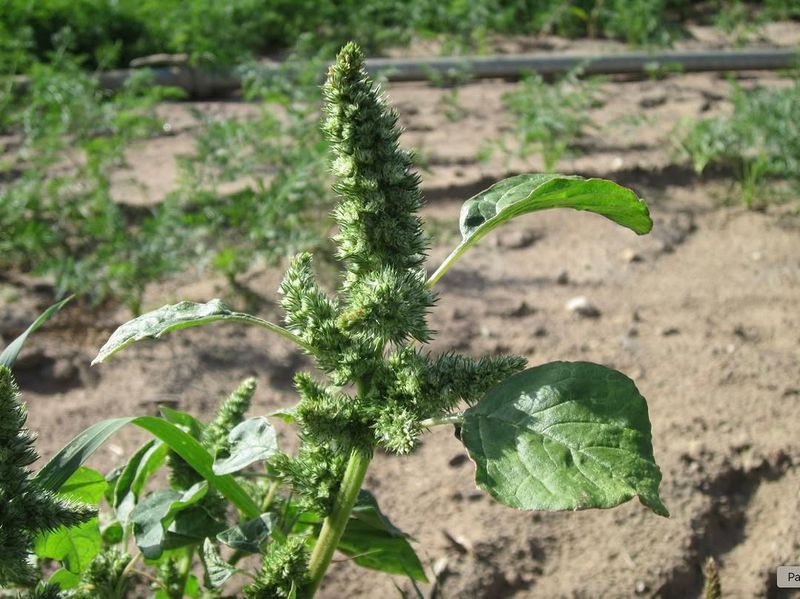
Pigweed is one of those weeds that seems to double in size overnight during a California summer. It is a fast-growing annual that can reach several feet tall if left alone.
You will often find it popping up in vegetable gardens, compost areas, and along sunny fence lines where the soil is rich and disturbed.
Technically part of the amaranth family, pigweed is actually edible and has been used as a food source in many cultures. But in your yard, it is a tough competitor that pulls water and nutrients away from your wanted plants.
It also produces an enormous number of seeds, sometimes tens of thousands per plant, making early removal very important.
Young pigweed plants pull out easily by hand, roots and all. Older plants develop a thicker taproot that takes more effort to remove completely.
Pulling after watering or rain makes the job much easier. Avoid letting plants reach the flowering or seeding stage, as the seeds drop quickly and create a new batch of problems.
In California, pigweed is most active from late spring through summer. Checking your garden beds weekly during warm months helps you catch new seedlings before they grow large and become harder to manage across your outdoor spaces.
11. Thistle
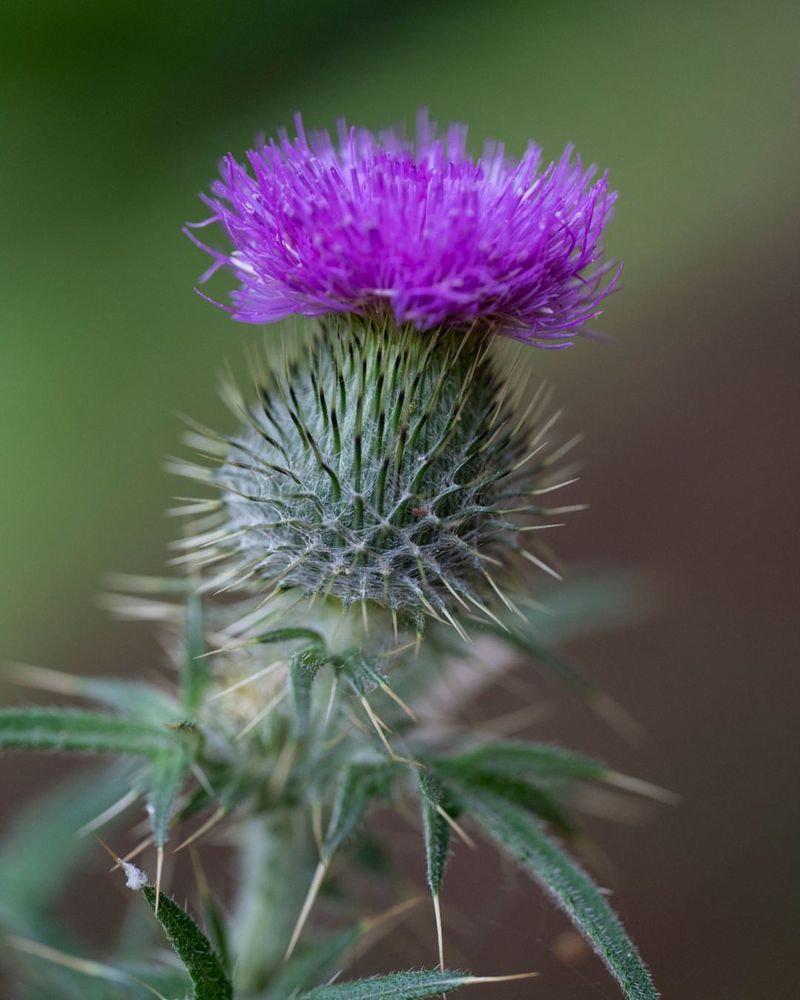
Thistles are hard to miss. Their sharp, spiny leaves and bold purple flower heads make them one of the most recognizable weeds in any California yard.
They look dramatic, almost intentional, but they are incredibly invasive and can spread rapidly through wind-carried seeds that float on fluffy white fibers.
Several thistle species grow throughout California, including bull thistle and Italian thistle. They tend to show up in disturbed soil, along fence lines, and in areas where the lawn is thin.
Once established, thistles develop a deep taproot that makes them difficult to remove without the right tools.
Wearing thick gloves is a must when dealing with thistles. The spines are sharp enough to puncture thin gloves.
A long-handled weeding tool or dandelion fork works well to dig down and loosen the taproot before pulling. Removing thistles before they flower is the priority because once those purple blooms appear, seeds are close behind.
A single thistle can release hundreds of seeds that travel far on the breeze. In California, thistles are most aggressive in spring and early summer.
Staying consistent with removal and checking your yard regularly keeps them from establishing the kind of deep root systems that make them so difficult to clear out completely.