8 Purple Flowers Pennsylvania Gardeners Can’t Get Enough Of
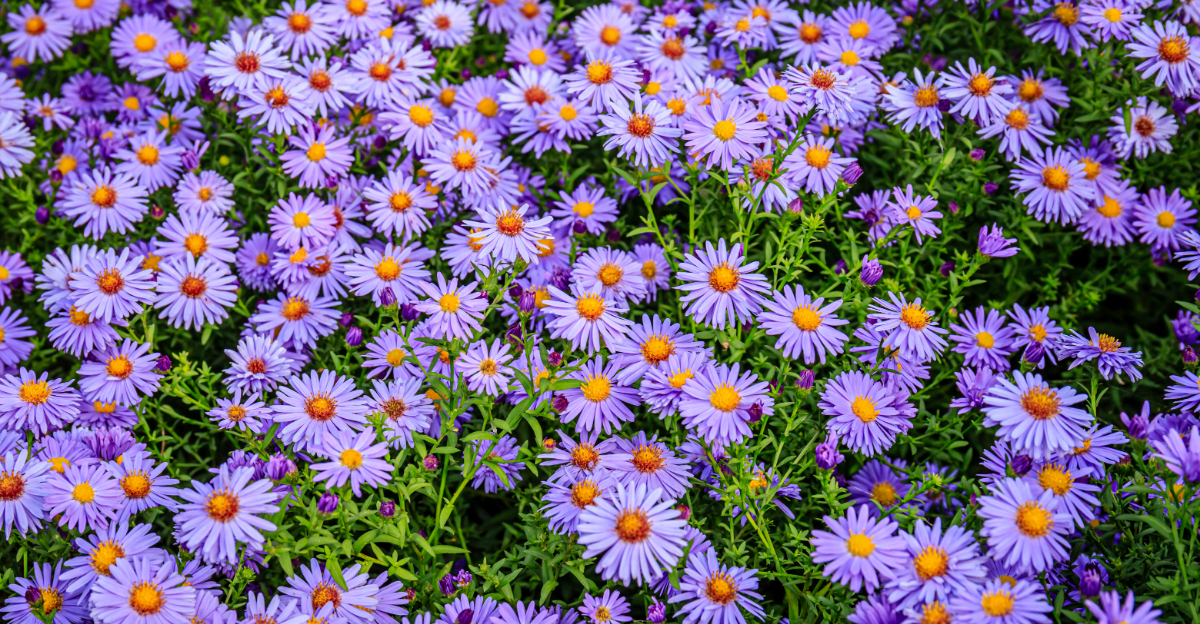
Spring mornings in Pennsylvania bring a familiar sense of excitement, especially for those who’ve spent years tending gardens and watching familiar perennials return.
There’s something deeply satisfying about seeing a splash of color appear where just days ago there was bare soil, and it reminds you of afternoons spent planting alongside family or sharing garden tips with neighbors.
Purple flowers have a special appeal in Pennsylvania gardens, adding elegance, vibrancy, and a touch of whimsy without overwhelming the space.
From attracting pollinators to creating soft contrast against green foliage, these plants fit neatly into established routines, whether you’re tending a front yard, a patio container, or a perennial border.
With a few carefully chosen purple blooms, your garden can start turning heads and drawing pollinators right away. The next selections will show which varieties truly stand out and how to make them thrive in your outdoor spaces.
1. Purple Coneflower That Turns Heads
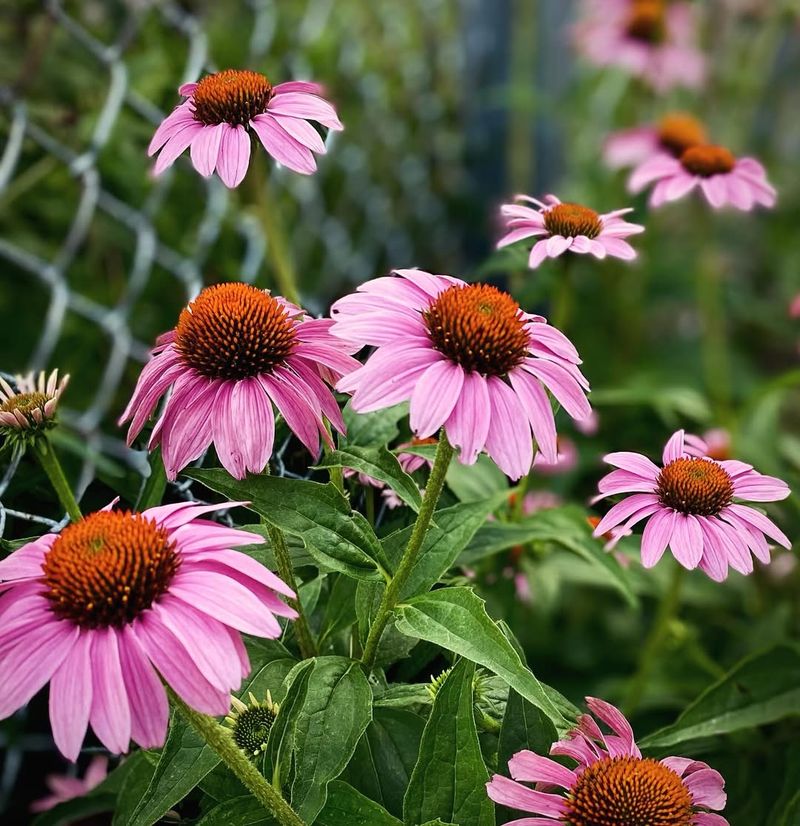
Few flowers say “Pennsylvania summer” quite like the Purple Coneflower. Known scientifically as Echinacea purpurea, this cheerful native perennial has been a garden favorite across the state for generations.
Its daisy-like blooms feature sweeping purple-pink petals that droop slightly around a bold, spiky orange center, making it instantly recognizable and beloved by both gardeners and nature enthusiasts alike. The plant’s durability and adaptability also make it ideal for both small backyard plots and larger perennial beds.
Purple Coneflower thrives in full sun and well-drained soil, which makes it a great fit for many Pennsylvania yards and garden beds. Once established, it tolerates dry conditions reasonably well but benefits from occasional watering during extended hot or dry periods.
That low-maintenance quality is a huge bonus for busy gardeners, and its long bloom period keeps landscapes colorful for months, drawing attention throughout summer and early fall.
Bees and butterflies absolutely flock to these blooms, making your garden a lively and buzzing hangout from midsummer through early fall. Even after the petals fade, the seed heads stay on the plant and attract goldfinches, finches, and other birds during the cooler months.
It provides blooms, seed heads, and wildlife value across multiple seasons, adding ongoing interest to the garden.
You can plant Purple Coneflower in groups of three or more for maximum visual impact. It pairs beautifully with black-eyed Susans, ornamental grasses, and other native perennials, creating that classic Pennsylvania wildflower look that never goes out of style and offers continuous seasonal charm.
2. New England Aster Lighting Up Borders
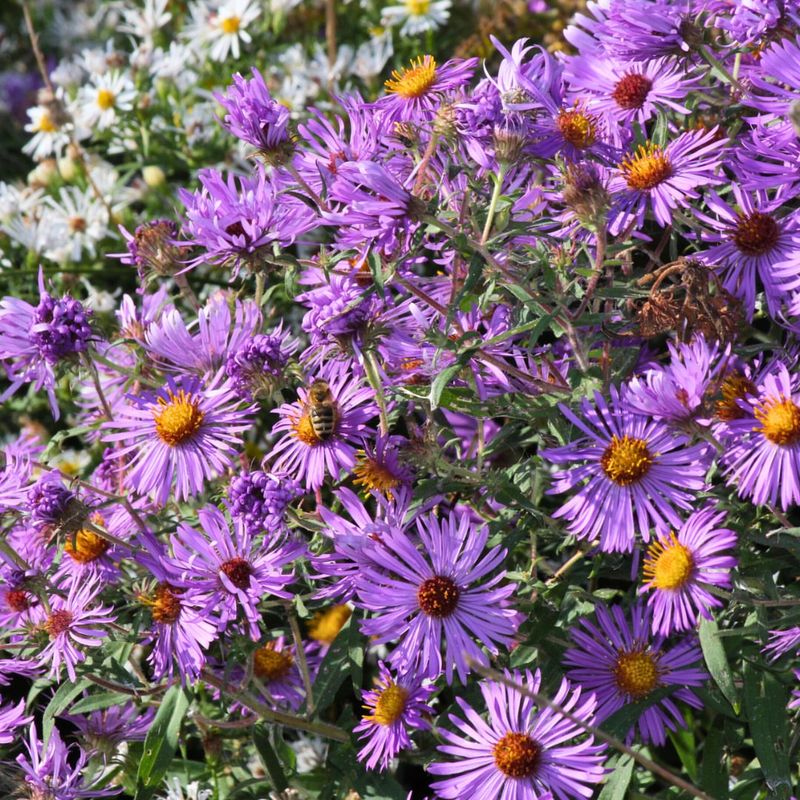
When most flowers are winding down for the year, the New England Aster is just getting started. This bold perennial bursts into bloom in late summer and keeps going well into fall, filling Pennsylvania gardens with rich shades of purple, lavender, and violet just when everything else is fading.
It is like the encore performance nobody expected but everyone loves, providing color and interest even as cooler temperatures arrive.
Growing anywhere from three to six feet tall, New England Aster adds serious height and structure to garden beds. The flowers have bright yellow centers that contrast beautifully with the purple petals, creating a warm and inviting look.
Planting it near shorter perennials helps create a layered, professional-looking garden design without much effort, and it pairs wonderfully with ornamental grasses for movement.
This plant is a lifesaver for pollinators in Pennsylvania. Monarch butterflies, bumblebees, and native bees depend on late-season nectar sources, and New England Aster delivers in a big way.
Supporting pollinators at the end of the growing season is one of the most helpful things a Pennsylvania gardener can do for the local ecosystem.
New England Aster prefers full sun to light shade and moist, well-drained soil. It spreads gradually over time, so you can divide clumps every few years to keep the plant healthy and share extras with neighbors.
It is a plant that genuinely rewards a little attention with years of reliable beauty and adds a dramatic, long-lasting pop of color to late-season landscapes.
3. Wild Bergamot Attracting Buzzing Pollinators
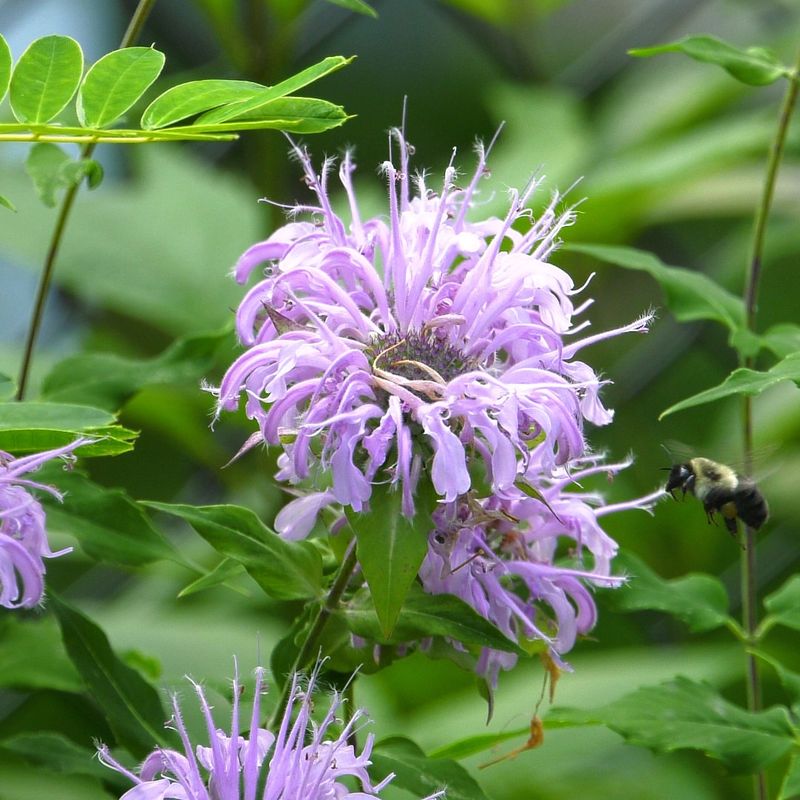
Walk past a patch of Wild Bergamot on a warm Pennsylvania afternoon and you will immediately notice the scent. Also called Bee Balm, this native perennial releases a wonderful herbal fragrance from its leaves and flowers that is both refreshing and unmistakably wild.
The blooms are shaggy and soft-looking, with lavender-pink petals that radiate outward in a playful, almost messy way that gardeners find completely irresistible, making it a favorite for cutting gardens and pollinator-friendly landscapes.
Wild Bergamot is a magnet for pollinators. Bees, butterflies, and even hummingbirds regularly visit its flowers throughout the summer months.
If you have ever wanted to turn your Pennsylvania backyard into a lively wildlife habitat, adding a few clumps of Wild Bergamot is one of the quickest ways to make that happen.
It is generally deer-resistant, though young plants may still be occasionally browsed. Wild Bergamot’s aromatic foliage tends to keep deer at a distance, so your blooms stay intact even when neighborhood deer are on the prowl.
Plant it in full sun with well-drained soil for the best results. It spreads steadily through underground rhizomes, so give it some room to roam.
Dividing it every three years or so keeps the plant vigorous, encourages stronger blooms, and prevents it from overtaking neighboring plants. It is an easygoing, fragrant, and wildly productive addition to any Pennsylvania garden.
4. Creeping Phlox That Spreads Cheer
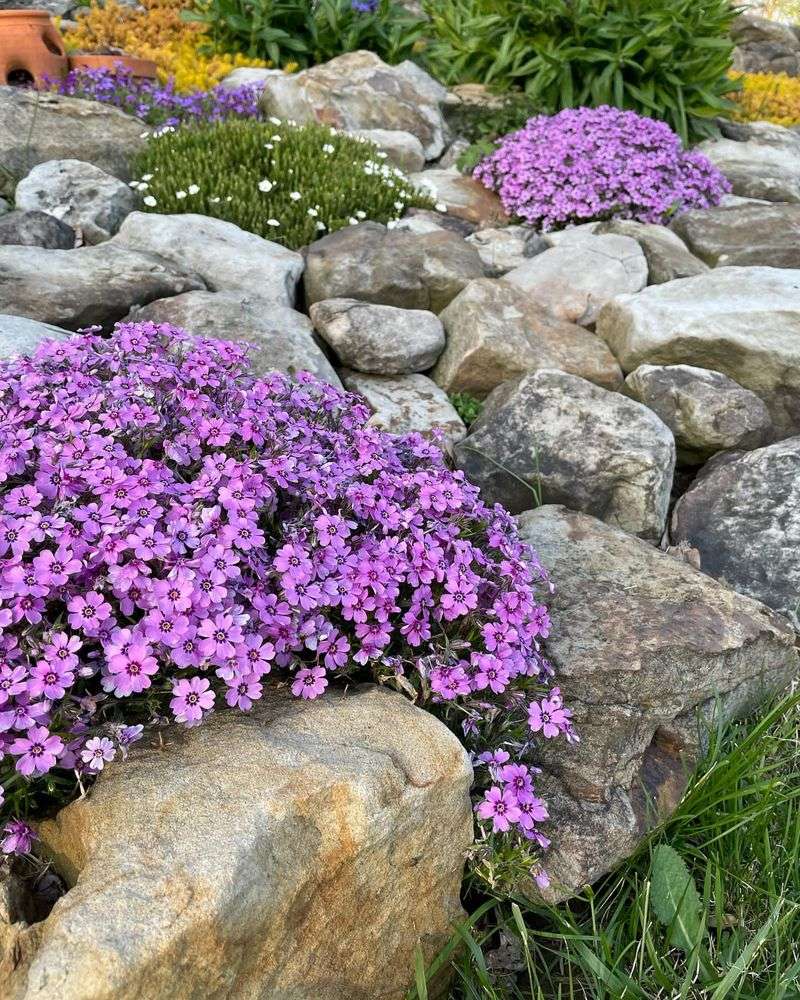
Every spring, Pennsylvania hillsides and rock gardens come alive with the vibrant color of Creeping Phlox. This low-growing groundcover is one of the earliest purple bloomers of the season, carpeting the ground with a thick mat of tiny star-shaped flowers in shades of purple, lavender, and violet.
The effect is so dramatic that it looks almost painted on.
Creeping Phlox grows only four to six inches tall, making it perfect for slopes, rock walls, and garden borders where other plants might struggle to hold the soil. Its evergreen foliage stays green through most of the year in Pennsylvania, giving the garden structure and color even when nothing else is blooming.
That is a real advantage during the gray winter months.
This plant is incredibly tough once established. It handles heat, drought, and rocky soil without much complaint, and it comes back reliably year after year.
Pennsylvania gardeners who plant it along pathways or over retaining walls often find it becomes one of their most admired features come April and May.
Full sun is where Creeping Phlox shines brightest. After blooming, give it a light trim to keep the foliage tidy and encourage a denser mat of growth.
It pairs wonderfully with spring bulbs like tulips and daffodils, creating a layered spring display that will have your neighbors stopping to take a second look.
5. Blazing Star Shooting Up Color
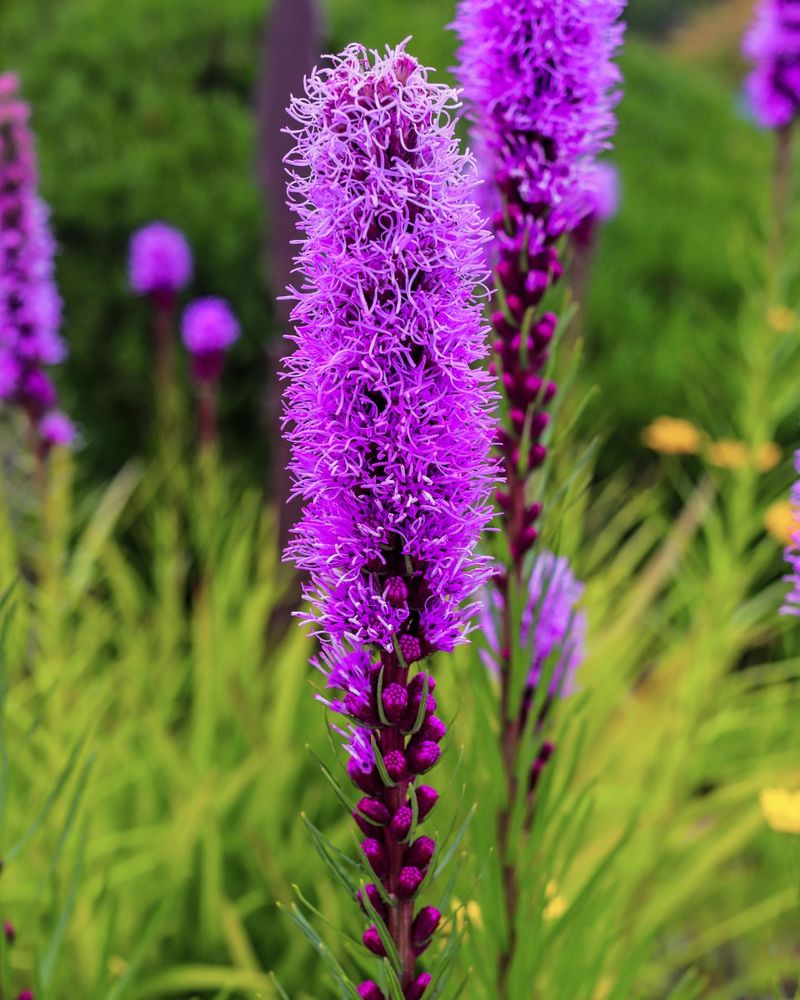
It’s the kind of plant that makes you stop and stare. Also known as Liatris spicata, blazing star sends up tall, wand-like spikes covered in fluffy, vivid purple flowers that bloom from the top down, which is actually the opposite of most flowering plants.
That quirky blooming habit makes it a fascinating conversation starter in any Pennsylvania garden.
Standing anywhere from two to four feet tall, Blazing Star adds strong vertical interest to flower beds and meadow plantings. It looks stunning when grouped together in large drifts, creating a purple haze effect that is hard to forget.
It also works beautifully as a cut flower, so you can bring some of that garden magic indoors.
Pollinators go absolutely wild for Blazing Star. Monarch butterflies, swallowtails, and native bees are regular visitors throughout its midsummer to early fall bloom period.
For Pennsylvania gardeners who want to support migrating monarchs on their journey south, this plant is an important and rewarding choice.
Plant Blazing Star in full sun with well-drained soil and it will reward you with very little fuss. It grows from a corm, which is a small bulb-like structure, and multiplies slowly over time.
Once established, it is drought-tolerant and does not need much fertilizing. It is one of those plants that simply gets better with every passing year.
6. Purple Milkweed Drawing Butterflies In
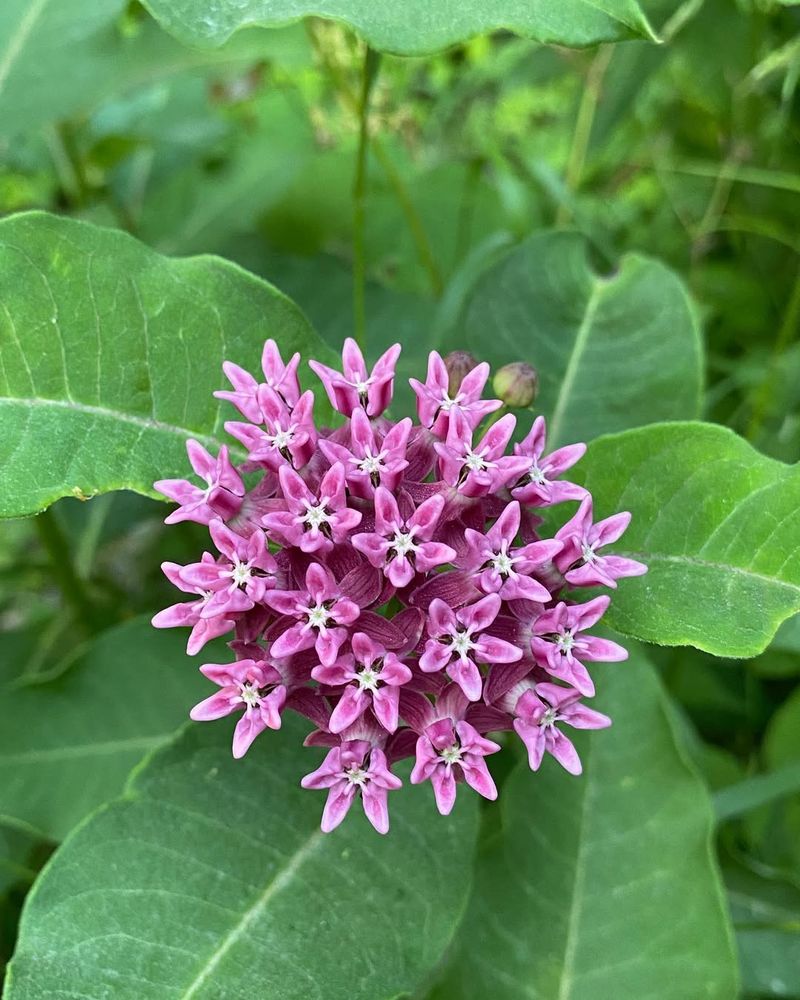
Purple Milkweed might just be the most important flower a Pennsylvania gardener can grow right now. Asclepias purpurascens produces gorgeous clusters of deep rose-purple flowers that are not only beautiful but also serve as a critical host plant for monarch butterfly caterpillars.
Without milkweed, monarchs cannot complete their life cycle, and populations across the country have been declining for years.
Unlike its more common cousin, Swamp Milkweed, Purple Milkweed prefers drier, well-drained soil and thrives in open woodlands, meadow edges, and sunny garden borders throughout Pennsylvania. It grows about two to three feet tall and blooms in early to midsummer, filling that mid-season gap when many other native plants are still gearing up.
The flowers have a subtle, sweet fragrance that attracts not just monarchs but also fritillary butterflies, bumblebees, and a wide range of native bee species. After blooming, the plant produces interesting elongated seed pods that split open in fall to release silky-tailed seeds that drift on the breeze.
Those seed pods add a nice textural element to late-season garden displays.
Purple Milkweed can be tricky to establish from seed, so starting with nursery transplants is a smart move. Give it full sun and avoid overly rich or wet soil.
Once settled in, it spreads slowly by rhizomes and becomes a reliable, low-care perennial that supports local pollinators, including monarch butterflies.
7. Joe-Pye Weed That Commands Attention
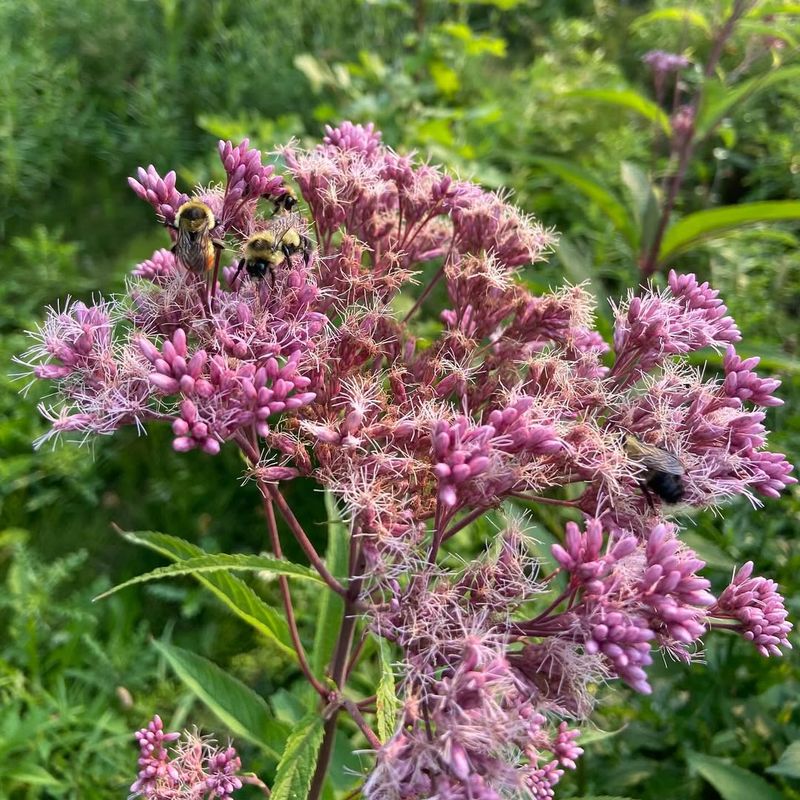
Do not let the name fool you. Joe-Pye Weed is anything but a weed in the traditional sense.
Known botanically as Eutrochium purpureum, this towering native perennial can reach six to eight feet tall in Pennsylvania gardens, creating a dramatic, architectural presence that few other plants can match. Its large, domed clusters of dusty mauve-purple flowers are a late summer showstopper.
Joe-Pye Weed has a rich history in North America. Indigenous communities used it medicinally for centuries, and it was named after a folk healer who reportedly used the plant to treat fevers.
That long story of usefulness adds a layer of meaning to growing it in your Pennsylvania yard today.
From late summer through early fall, Joe-Pye Weed becomes a butterfly buffet. Swallowtails, fritillaries, and painted ladies are among the many species that flock to its nectar-rich blooms.
If you want to create a genuine pollinator haven in Pennsylvania, this plant earns its place at the back of the border every single time.
It grows best in full sun to partial shade and prefers moist, fertile soil, making it an excellent choice for rain gardens or low spots in the yard where water tends to collect. Cutting the stems back by half in late spring encourages bushier growth and more flowers.
It is bold, beautiful, and built for Pennsylvania summers.
8. Siberian Iris Adding Elegant Flair
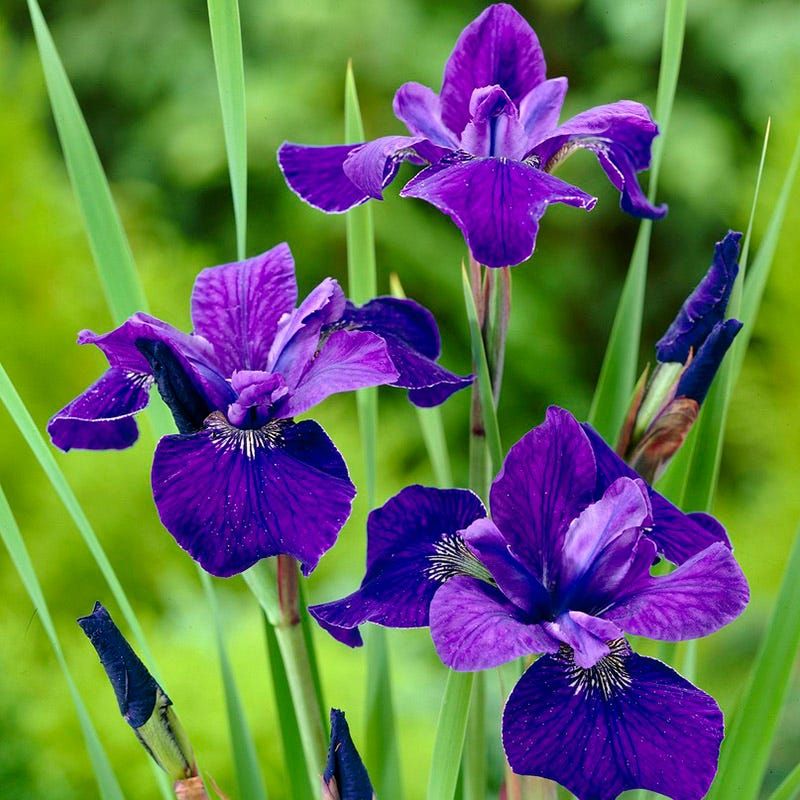
There is something undeniably elegant about a Siberian Iris in full bloom. With its slender, upright foliage and richly colored flowers in shades of deep purple, blue-violet, and royal indigo, this perennial brings a refined, almost artistic quality to Pennsylvania gardens in late spring and early summer.
It looks like something you would find painted on a pottery piece from centuries ago.
Siberian Iris is more adaptable than many people realize. While it loves moisture and thrives near ponds or rain gardens, it also handles average garden soil quite well once established.
It is more resistant to pests and diseases than bearded iris varieties, and its clumping habit stays tidy without a lot of intervention from the gardener.
Each flower lasts only a few days, but the plant produces multiple blooms per stem, extending the show over several weeks. After the flowers fade, the tall, arching foliage remains attractive throughout the growing season, adding graceful texture to the garden bed well into fall.
That extended ornamental value is something Pennsylvania gardeners really appreciate.
Plant Siberian Iris in full sun to partial shade in Pennsylvania for the best bloom production. Divide clumps every four to five years to keep the plants flowering vigorously.
The divisions transplant easily and establish quickly, making this one of the most shareable and garden-friendly perennials you can grow across the state.