7 Purple Flowers That Thrive In Michigan Gardens All Summer
Some flowers start strong in June and fade fast once Michigan’s summer settles in. That’s when the difference between a good plant and a reliable one really shows.
Warm days, humidity, and occasional dry stretches can wear down varieties that aren’t suited to local conditions. Purple blooms, though, tend to stand out and hold their own when you choose the right ones.
Across Michigan gardens, a few dependable picks continue flowering through the season without demanding much extra care.
With the right mix, you can keep beds and borders looking full while also drawing in steady pollinator activity all summer long.
1. Bee Balm Draws Pollinators With Bold Purple Blooms
Walk past a patch of bee balm in full bloom and it’s almost impossible not to stop.
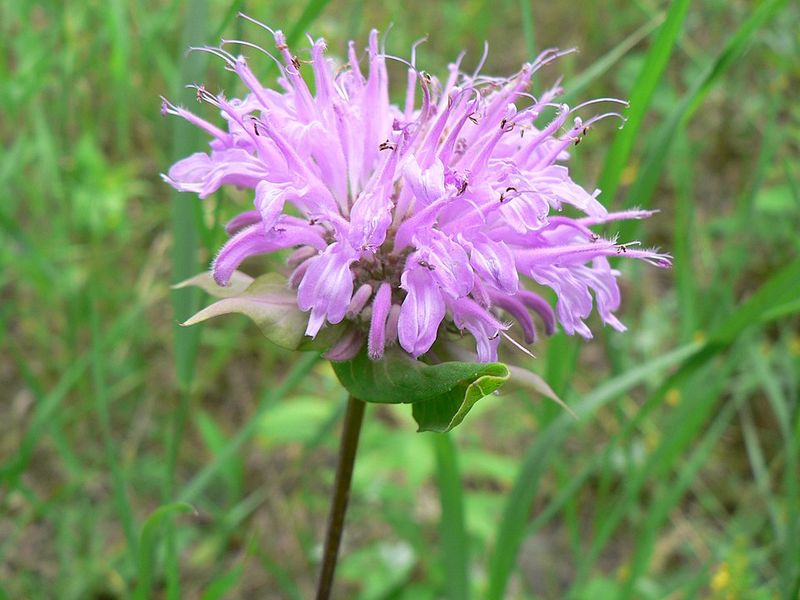
The shaggy, crown-like flower heads of Monarda come in shades ranging from soft lavender to deep purple-violet, and they light up a garden bed from July into August with a boldness that few summer perennials can match.
Michigan’s warm, humid summers actually suit bee balm well, as long as plants get enough air circulation to stay healthy.
Good spacing matters with bee balm. Crowded plants in humid Michigan summers can develop powdery mildew on their leaves, so planting in full sun with space between clumps helps keep foliage looking clean through the season.
Several mildew-resistant cultivars are available, and selecting one of those makes summer maintenance noticeably easier for Michigan gardeners.
Bee balm spreads by underground rhizomes, forming wider clumps each year. Dividing it every few seasons keeps it vigorous and prevents it from outcompeting neighboring plants.
It prefers consistently moist, moderately fertile soil, so gardeners in sandy Michigan areas may need to water during dry spells to keep it performing well.
Pollinators respond to bee balm with enthusiasm. Hummingbirds, bumblebees, and several butterfly species visit the tubular florets regularly.
Growing it near other native perennials creates a thriving pollinator corridor right in the backyard, which benefits the broader Michigan garden ecosystem throughout the summer months.
2. Catmint Keeps Flowering Through Warm Michigan Days
Catmint has built a loyal following among Michigan gardeners, and it’s easy to see why once you watch it perform through a full summer.
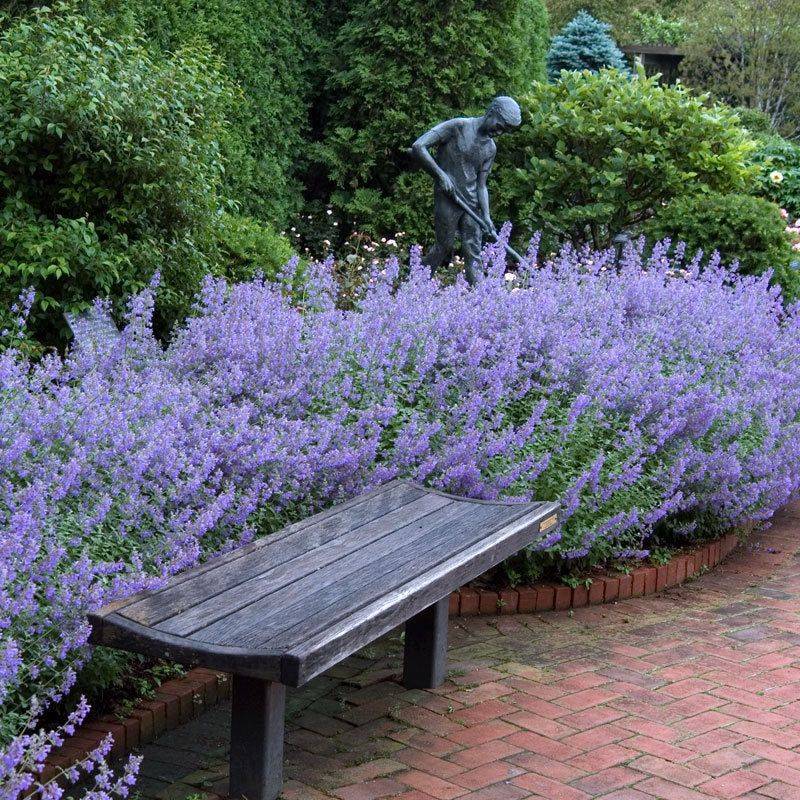
Unlike some perennials that put on a single dramatic show and then go quiet, catmint produces waves of small lavender-purple flowers from late spring through summer, often reblooming generously after a light trim.
That repeat-flowering habit alone makes it one of the most valuable plants for maintaining continuous color in Michigan beds and borders.
Heat and dry conditions don’t slow catmint down much. Once established in well-drained soil, it handles Michigan’s warmer stretches without wilting or dropping flower production.
Full sun brings out the best bloom density, though it tolerates light shade without much complaint. The silvery-green foliage also stays attractive between bloom cycles, so the plant earns its space even when flowers are between flushes.
Shearing plants back by about one-third after the first heavy bloom flush encourages a strong rebloom in late summer. This simple step keeps catmint looking tidy and prevents it from flopping open in the center, a common habit in older or unpruned plants.
Most varieties stay compact enough for edging paths or softening the front of a border.
Bees are particularly fond of catmint, visiting consistently throughout the bloom season.
Michigan gardeners who want to support native bee populations while maintaining a low-maintenance, long-blooming garden find catmint to be a genuinely reliable contributor from early summer onward.
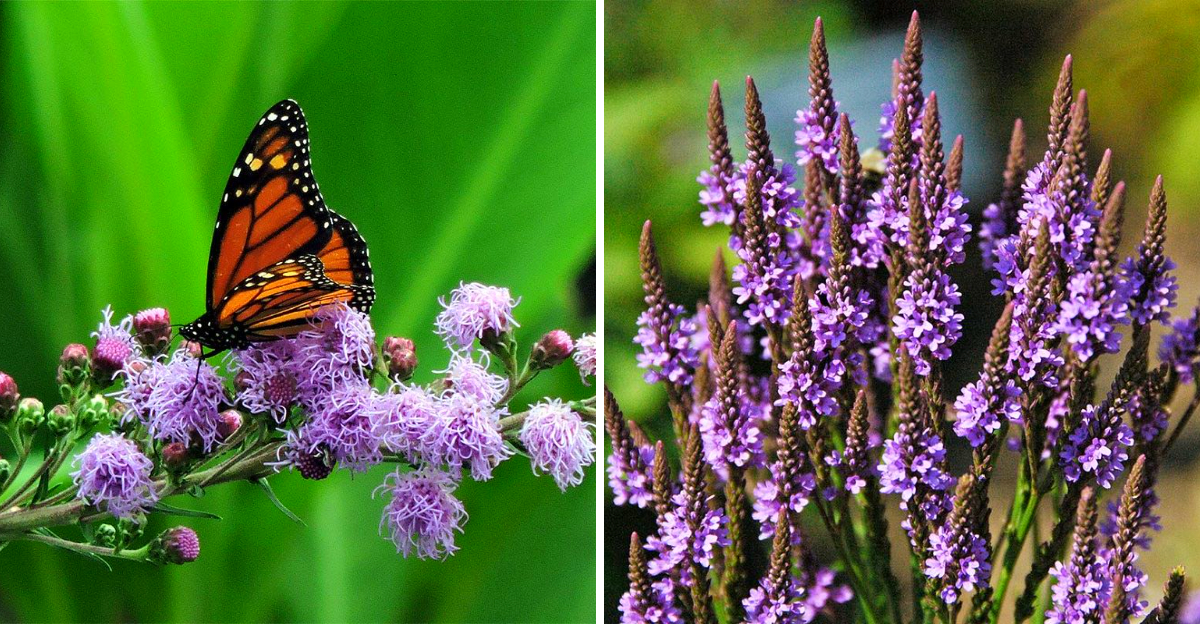
3. Meadow Blazing Star Adds Upright Purple Spikes
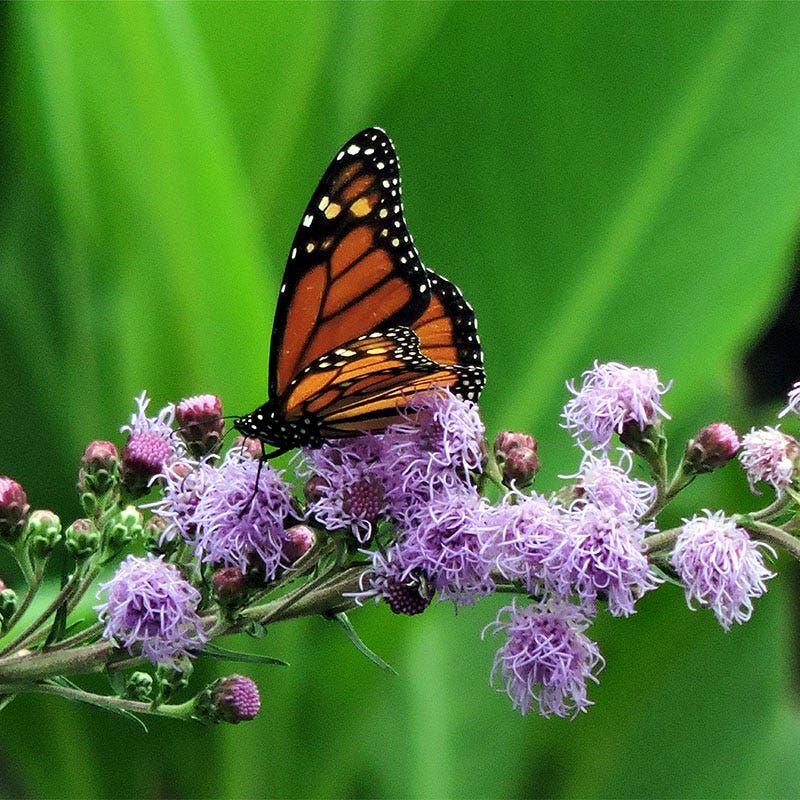
There’s something unmistakably dramatic about a blazing star in full bloom.
Liatris ligulistylis, commonly called meadow blazing star, sends up tall, slender spikes covered in fluffy purple-magenta flower heads that open from the top down, a sequence that gives the plant weeks of bloom time rather than a single burst.
In Michigan gardens, peak bloom typically falls in mid to late summer, right when many other perennials are starting to fade.
Michigan’s native prairies and open meadows are natural habitat for blazing star, which means this plant is genuinely adapted to the state’s growing conditions.
It handles summer heat without stress and tolerates moderately dry soil once its corm-like roots are established.
Full sun is ideal, and well-drained soil prevents the root system from sitting in excess moisture during Michigan’s wetter periods.
Heights can reach three to five feet depending on growing conditions, making meadow blazing star a natural candidate for the back of a border or the center of an island bed.
The vertical form contrasts beautifully with mounding plants like catmint or coneflower, creating layered visual interest without requiring complicated design work.
Monarch butterflies are particularly drawn to meadow blazing star, often gathering on the spikes during their late-summer migration through Michigan.
Planting several clumps together amplifies the visual impact and creates an even stronger magnet for passing pollinators.
Few plants deliver this combination of native toughness, summer color, and wildlife value so reliably across Michigan landscapes.
4. Hardy Geranium Fills Gaps With Soft Purple Flowers
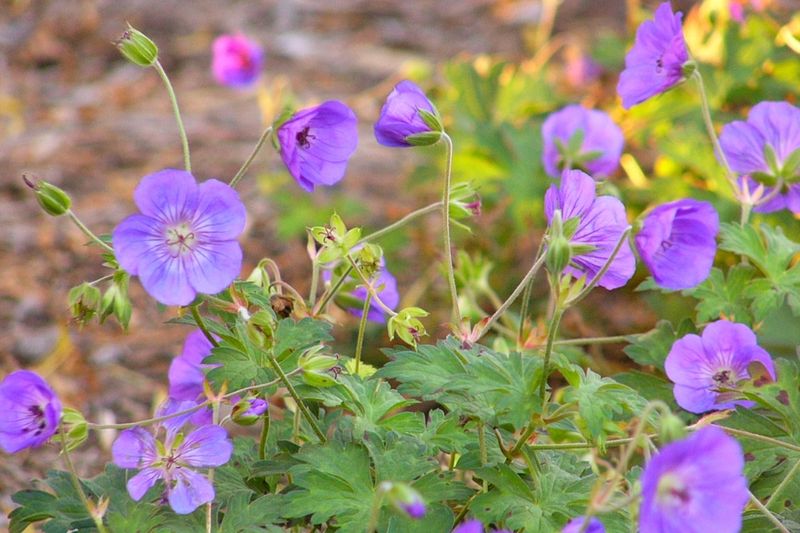
Hardy geraniums are the unsung workhorses of the Michigan perennial garden.
Unlike their annual cousins sold in hanging baskets, true hardy geraniums are cold-tolerant perennials that return reliably each spring and produce a steady flow of soft purple or violet flowers across a long summer season.
Geranium Rozanne, one of the most popular cultivars, blooms from late spring through fall without much encouragement, covering itself in violet-blue flowers that brighten shady spots and sunny edges alike.
One of the most useful qualities of hardy geranium is its ability to fill in gaps between larger perennials.
The low, spreading mounds of deeply lobed foliage weave between taller neighbors, suppressing weeds and creating a cohesive look throughout the border.
Michigan gardeners with mixed beds often rely on hardy geranium to knit the planting together visually, especially during the transition periods between early and midsummer bloomers.
Adaptability is another strong point. Hardy geraniums perform well in full sun and partial shade, tolerating a wider range of Michigan soil types than many other flowering perennials.
They appreciate moderate moisture but handle brief dry spells without losing flower production noticeably. Cutting plants back lightly after the first flush of bloom often triggers a fresh round of flowering in late summer.
Foliage frequently takes on warm reddish tones in autumn before frost arrives, giving hardy geranium a secondary seasonal display.
For Michigan gardeners seeking a low-effort plant that contributes soft color across multiple months, hardy geranium is a genuinely satisfying choice.
5. Lavender Thrives In Sunny Well Drained Michigan Spots
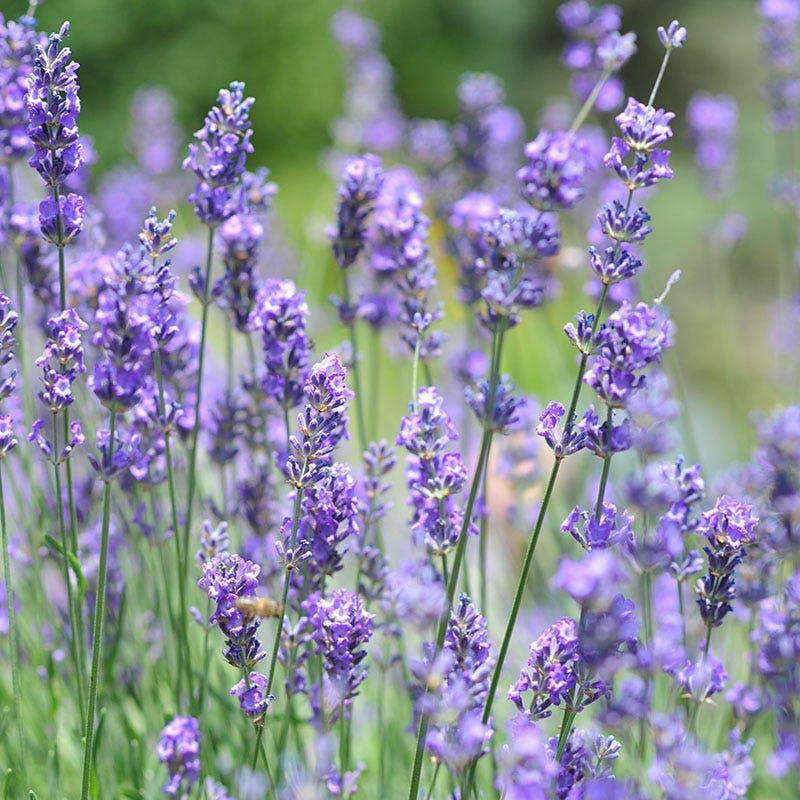
Lavender carries a reputation for being finicky, but in the right Michigan location it settles in and performs beautifully through the summer. The key is drainage.
Lavender struggles in heavy clay soils that hold moisture around its roots, which is a common challenge in parts of Michigan.
Raised beds, sandy loam, or amended planting areas with sharp drainage give it the foundation it needs to thrive through warm, humid Michigan summers without developing root problems.
Full sun is non-negotiable for lavender. Six or more hours of direct sunlight daily keeps plants compact, encourages strong bloom production, and helps foliage dry out quickly after rain or heavy dew.
In Michigan, lavender typically blooms in late June and July, filling the garden with slender purple-blue spikes and the unmistakable fragrance that makes it one of the most recognized plants in the world.
English lavender varieties, particularly Hidcote and Munstead, tend to show the strongest cold hardiness for Michigan winters, which matters for gardeners hoping to enjoy the plant as a long-lived perennial rather than replanting each season.
Mulching lightly around the base in late autumn helps protect roots during cold Michigan winters without trapping excess moisture.
Trimming plants back by about one-third after bloom encourages a tidy shape and sometimes triggers a lighter second flush of flowers in late summer.
Bees flock to lavender spikes with notable enthusiasm, making it a rewarding addition to any Michigan pollinator garden throughout the sunny summer months.
6. Blue Vervain Adds Height And Native Summer Color
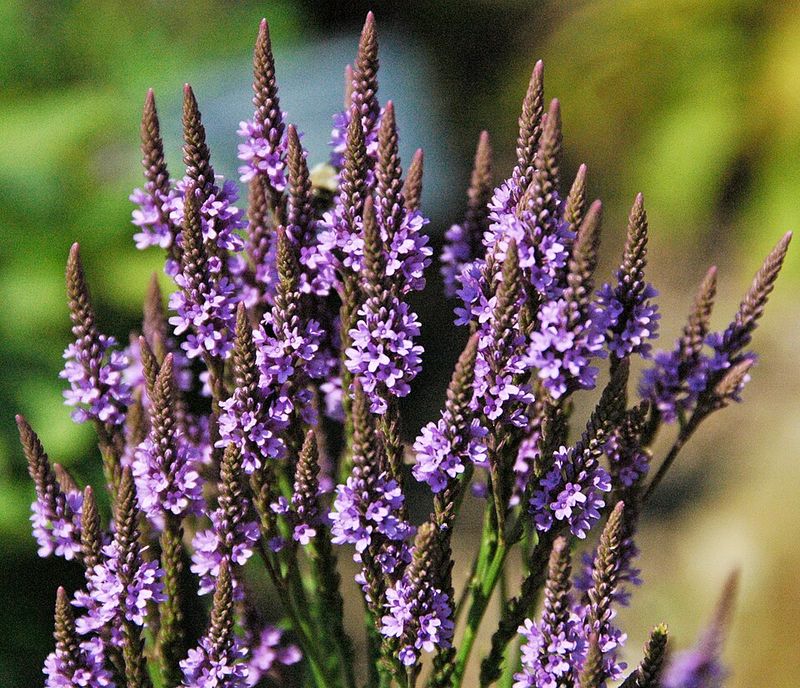
Michigan’s wetter garden spots often go unplanted simply because most flowering perennials dislike sitting in moist or poorly draining soil.
Blue vervain, Verbena hastata, is a native wildflower that actually welcomes those conditions, making it one of the most practical choices for rain gardens, low spots near downspouts, or areas near Michigan ponds and stream edges.
Slender candelabra-like spikes of small violet-purple flowers emerge in midsummer and continue blooming into early fall.
Heights range from three to six feet, giving blue vervain genuine presence in a naturalistic planting.
The flower spikes open gradually from the bottom upward, creating a prolonged bloom sequence that extends the color display well beyond what a single-flush perennial can offer.
Planting it in groups of three or more creates a stronger visual effect and provides a more substantial resource for visiting pollinators.
Native bees, sweat bees, and small butterflies visit blue vervain consistently through its bloom period. The plant also provides seeds that songbirds harvest in late summer and fall, adding ecological value that extends well beyond the flowering season.
For Michigan gardeners interested in supporting native wildlife throughout the year, blue vervain offers a meaningful contribution.
It grows naturally across much of Michigan in open, moist habitats, which means it’s genuinely adapted to the state’s climate without requiring special soil amendments or fertilizers.
Established plants spread modestly by self-seeding, gradually naturalizing into a low-maintenance colony that brings reliable late-summer color to Michigan landscapes year after year.
7. Purple Coneflower Brings Long Lasting Summer Color
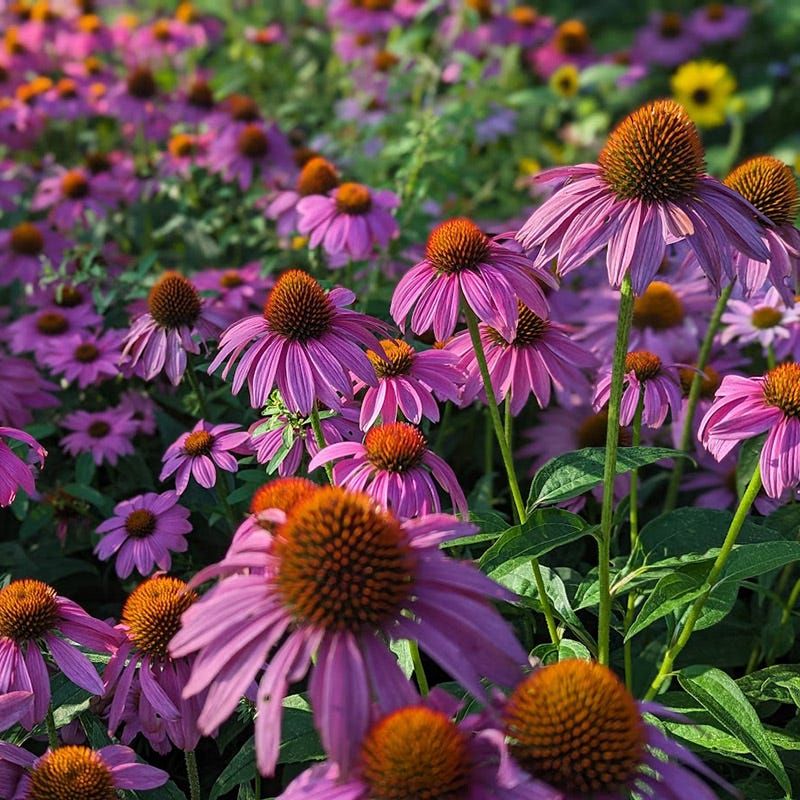
Few plants earn their place in a Michigan garden quite like purple coneflower.
Known botanically as Echinacea purpurea, this tough perennial pushes out bold, rosy-purple blooms from midsummer well into early autumn, giving gardeners one of the longest display windows of any flowering plant in the state.
Its raised, copper-toned central cone gives each flower a distinctive look that stands out even from a distance.
Michigan’s warm summers suit coneflower well. It grows best in full sun and handles the occasional dry stretch without much complaint, making it a dependable choice for gardeners who want color without constant watering.
Well-drained soil helps it settle in quickly, and once established, it spreads gradually to fill in bare spots over time.
Pollinators absolutely love it. Bees, butterflies, and goldfinches visit regularly, making it one of the hardest-working plants in any Michigan landscape.
Removing spent blooms can encourage more flowers, but leaving seed heads standing through late summer and fall provides food for birds and adds winter structure to the garden.
Heights typically range from two to four feet, so coneflower works well toward the middle or back of a mixed border. It pairs naturally with ornamental grasses and other native perennials.
Gardeners across Michigan, from the Lower Peninsula to areas closer to the Great Lakes, report strong, consistent performance year after year with minimal intervention needed.