6 Purple Flowers That Thrive In North Carolina Heat All Summer
By the time July rolls around in North Carolina, a lot of gardens start to look a little tired. The early spring color fades, the heat settles in, and suddenly those once-promising flower beds are not putting on much of a show.
It is a familiar pattern, especially in areas where humidity hangs in the air and afternoon sun feels relentless.
That is exactly where the right plant choices can change everything. Some flowers are built to handle these conditions without slowing down, and purple varieties tend to stand out in a way that feels bold without being overwhelming.
They keep their color, hold their shape, and bring life back into spaces that might otherwise fade into the background.
A few well-chosen plants can carry your garden straight through the toughest stretch of summer, and the difference becomes obvious fast.
1. Angelonia Built For Heat And Long Summer Blooms
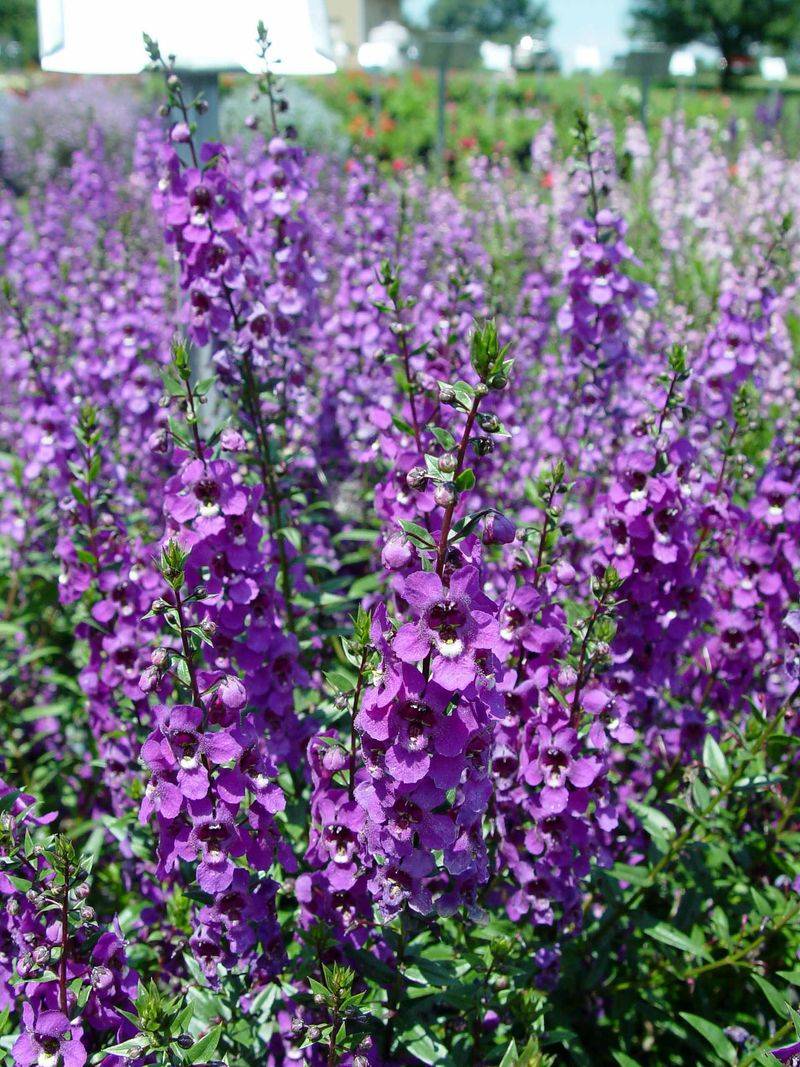
Sometimes called the summer snapdragon, Angelonia is one of those plants that makes you wonder why every North Carolina gardener isn’t already growing it. The slender spikes of purple blooms rise up like little torches, and they just keep coming all summer long without any fuss.
Even when temperatures climb into the 90s, Angelonia continues blooming well in the heat.
What makes Angelonia stand out is its strong heat and humidity tolerance. North Carolina summers can feel intense, but this plant is well-suited to those conditions.
It performs especially well in hot weather compared to cooler conditions. You’ll notice it slows down a bit in spring and then absolutely explodes with color once the real heat arrives.
Angelonia prefers full sun, meaning it needs at least six hours of direct sunlight each day. Plant it in well-draining soil and water it regularly until it gets established.
After that, it becomes surprisingly drought-tolerant and can handle short dry spells without missing a beat. A light layer of mulch around the base helps keep moisture in and roots cool during the hottest weeks.
One fun fact about Angelonia is that the flowers have a faint, sweet scent that some people describe as similar to grape candy. It’s subtle but lovely, especially on a warm evening when you’re walking through your garden.
Pollinators like bees and butterflies absolutely love it, so you’ll be doing the local ecosystem a favor by planting it.
In North Carolina, Angelonia is typically grown as an annual, meaning it blooms hard for one season and then needs to be replanted the following year. You can find transplants at most garden centers in spring.
Plant them about 12 inches apart and pair them with other summer annuals for a colorful, low-maintenance border that stays beautiful from Memorial Day straight through the first cool nights of fall.
2. Mealycup Sage A Reliable Pollinator Favorite
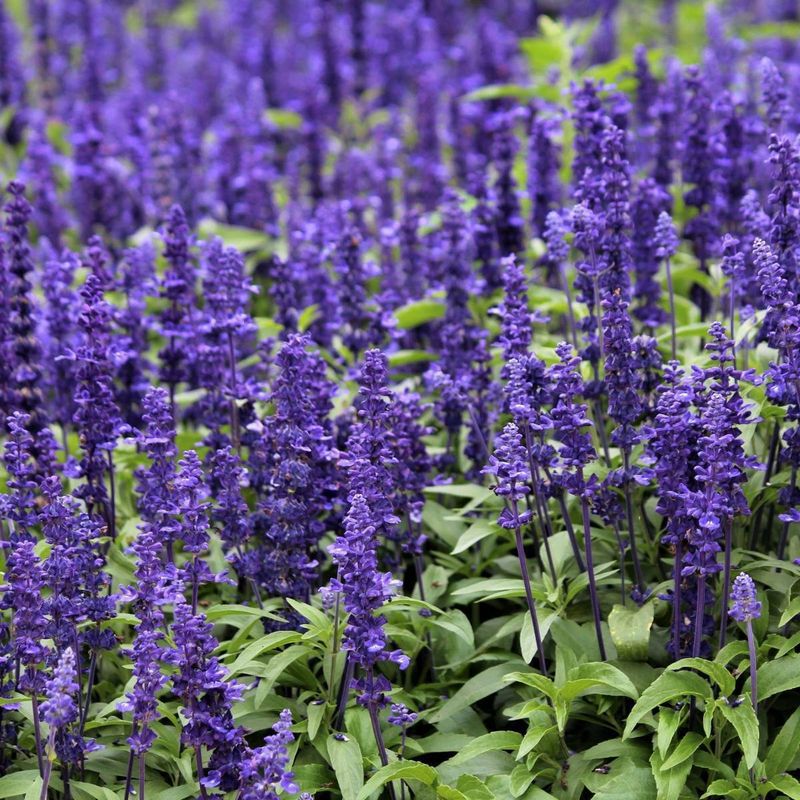
Walk past a patch of Mealycup Sage on a hot July afternoon in North Carolina, and you’ll immediately notice how alive the whole area feels. Bees buzz around it constantly, butterflies drift from spike to spike, and the deep violet-blue blooms stand tall like little flags waving in the summer breeze.
Few plants put on such a reliable show when the heat is at its worst.
Mealycup Sage, known botanically as Salvia farinacea, is a Texas native that has found a perfect second home in the warm, sunny gardens of North Carolina. It thrives in full sun and well-drained soil, and once it gets going in early summer, it rarely stops blooming until frost.
The name comes from the mealy or powdery coating on the calyx, the little cup that holds each flower, which gives the plant a slightly silvery look that complements the vivid purple blooms beautifully.
Growing Mealycup Sage in North Carolina is genuinely straightforward. Plant it in a spot that gets at least six to eight hours of sun, amend your soil with a little compost if it’s heavy clay, and water it well during the first few weeks.
After that, it’s remarkably self-sufficient. Deadheading, which means snipping off spent flower spikes, encourages fresh new blooms to form and keeps the plant looking tidy all season long.
One of the best things about this plant is how well it pairs with other summer flowers. Try planting it alongside white zinnias or yellow marigolds for a bold, patriotic color combination that looks stunning in any North Carolina yard.
It also works beautifully in containers on patios and decks where you want reliable color without a lot of daily maintenance.
Did you know that Mealycup Sage is deer-resistant? In many parts of North Carolina, deer browsing is a real gardening challenge.
Having a plant that deer tend to avoid while still attracting all the good pollinators is a serious win for any home gardener looking to protect their summer garden investment.
3. Purple Verbena Spreading Color All Season Long
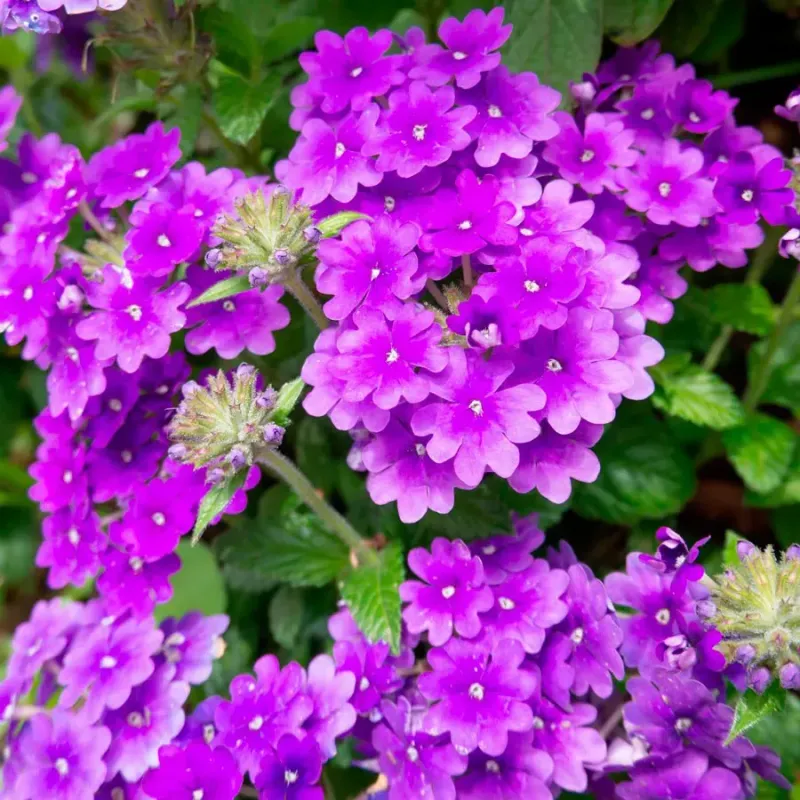
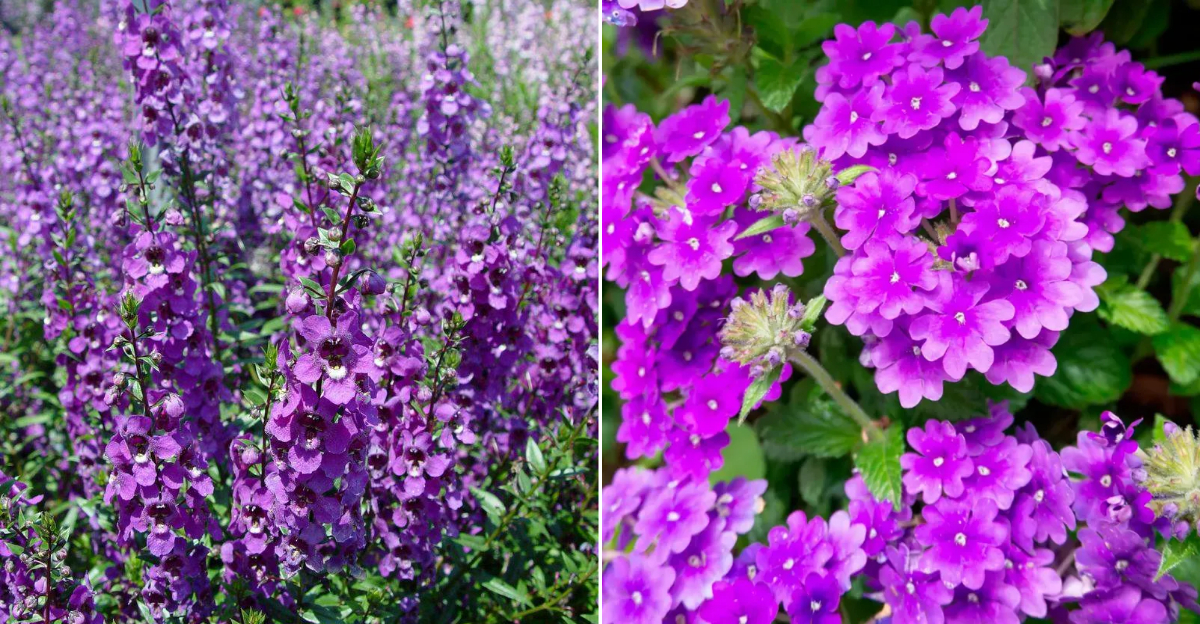
There’s something almost cheerful about Purple Verbena. The little clusters of bright blooms spread out in every direction, covering the ground or spilling over the edges of containers like a colorful carpet that just refuses to quit.
In North Carolina’s long, hot summers, that kind of reliable enthusiasm is exactly what gardeners need.
Verbena is a classic choice for Southern gardens, tolerates heat well, handles moderate drought once established, and produces steady color from late spring through fall. The flowers come in a rich, saturated purple that looks almost jewel-like when the sunlight hits them in the late afternoon.
Whether you plant it in garden beds, hanging baskets, or window boxes, it delivers a stunning visual punch without asking for much in return.
For the best results in North Carolina, choose a spot with full sun and good drainage. Verbena does not like wet feet, so avoid low spots in the yard where water tends to collect after rain.
If you’re planting in containers, make sure the pots have drainage holes and use a quality potting mix. Water the plants when the top inch of soil feels dry, but don’t overdo it.
Too much moisture is actually harder on verbena than too little.
Trimming verbena back by about one-third in midsummer gives it a fresh burst of energy and encourages a whole new wave of blooms. It might seem a little drastic to cut back a plant that’s already flowering, but verbena responds beautifully to this treatment.
Within a week or two, you’ll see new growth and fresh buds forming, and the plant will look better than ever heading into August and September.
Verbena is also a magnet for butterflies, especially swallowtails and skippers that are common throughout North Carolina. Planting a mass of purple verbena near a patio or seating area means you’ll get to enjoy the show up close all summer long.
It’s one of those plants that gives back far more than you put in.
4. Gomphrena ‘Pinball Purple’ Bright Blooms That Keep Going
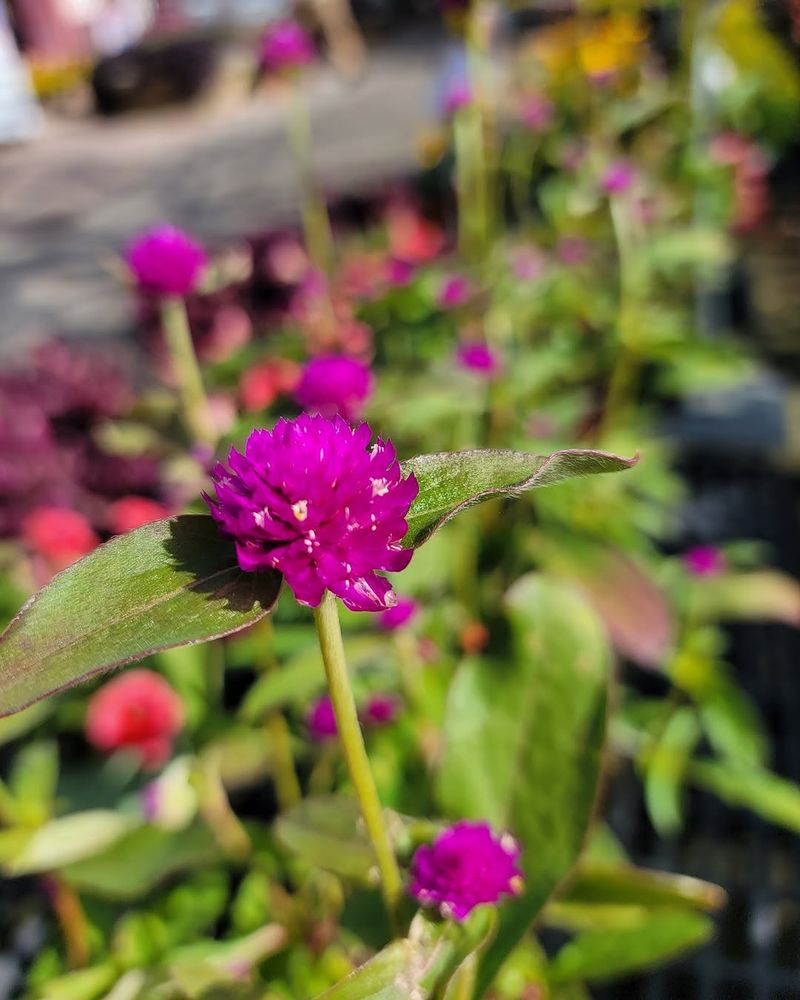
If you’ve never grown Gomphrena before, the first time you see those perfectly round, clover-like purple blooms bobbing in the summer breeze, you might do a double take. They look almost too perfect, like little purple pom-poms that someone placed in the garden as decoration.
But they’re completely real, and they’re some of the toughest, most heat-loving flowers you can grow in North Carolina.
Gomphrena ‘Pinball Purple’ is a compact, bushy variety that typically grows about 12 to 15 inches tall, making it ideal for borders, mass plantings, or the front of a flower bed. The deep magenta-purple blooms appear in early summer and just keep going, week after week, without skipping a beat.
Even during hot periods in a North Carolina August, when other annuals may slow down, Gomphrena continues producing flowers consistently.
Part of what makes this plant so tough is its deep taproot system, which allows it to pull moisture from lower in the soil during dry spells. Plant it in full sun and average, well-drained soil for the best performance.
It doesn’t need rich or heavily amended soil to thrive. In fact, too much fertilizer can push excessive leafy growth at the expense of flowers, so go easy on the plant food and let it do its thing naturally.
Gomphrena flowers are also excellent for cutting and drying. The blooms hold their color and shape beautifully when dried, making them a popular choice for wreaths, dried flower arrangements, and crafts.
North Carolina gardeners who enjoy bringing the garden indoors will love having a steady supply of these long-lasting blooms throughout the summer months.
Another great quality is that deer and rabbits tend to leave Gomphrena alone, which is a genuine bonus for gardeners in suburban and rural parts of North Carolina. Pair it with yellow lantana or white angelonia for a bold, eye-catching combination that thrives through the entire summer season without requiring constant attention or care.
5. Trailing Lantana Tough And Constantly Flowering
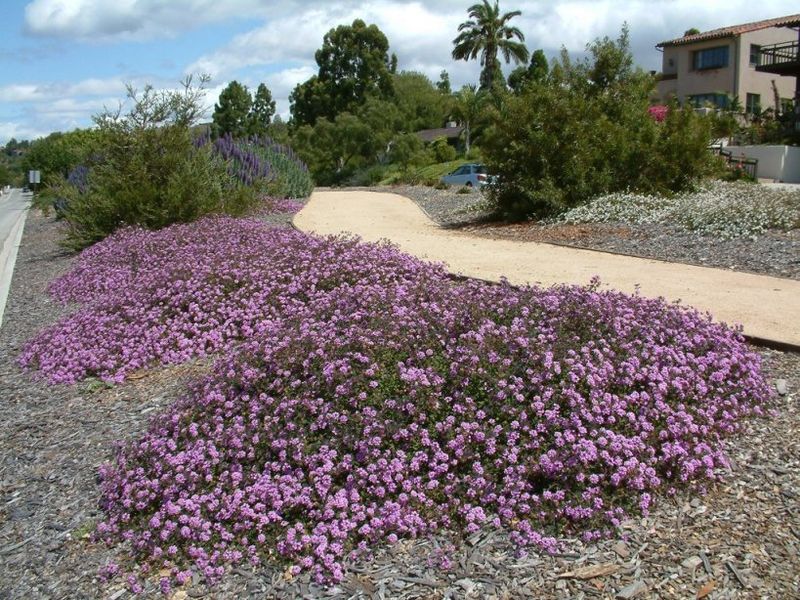
Trailing Lantana is the kind of plant that earns its keep every single summer. Once it gets established in a sunny North Carolina garden, it spreads outward in long, graceful arcs covered in small clusters of purple and lavender flowers.
It tumbles over retaining walls, spills from containers, and carpets the ground in a way that looks both wild and intentional at the same time.
Unlike the more upright varieties of lantana, the trailing form stays low to the ground, rarely getting more than 18 inches tall, but it can spread several feet in every direction throughout the growing season. That spreading habit makes it fantastic for covering bare spots in the garden, controlling erosion on slopes, or adding cascading color to raised beds and patio containers.
In North Carolina, where summer sun can be intense, trailing lantana tolerates those conditions and produces continuous blooms.
Watering needs are minimal once the plant is established, which is one of the reasons North Carolina gardeners love it so much. During the hottest weeks of summer, a deep watering once or twice a week is usually plenty.
Lantana is actually more stressed by overwatering than by drought, so err on the side of less rather than more. Good drainage is essential, so avoid planting it in spots where puddles tend to form after rain.
Pollinators go absolutely wild for trailing lantana. Monarch butterflies, tiger swallowtails, skippers, and hummingbirds are all frequent visitors, making this plant a powerhouse for supporting local wildlife.
If you’re trying to create a pollinator-friendly yard anywhere in North Carolina, trailing lantana deserves a prominent spot in your plan.
One thing to keep in mind is that lantana berries are toxic if eaten, so plant it away from areas where small children play unsupervised. Beyond that caution, it’s a remarkably forgiving, low-maintenance plant that delivers stunning color and ecological value from late spring all the way through the first cool nights of autumn across North Carolina.
6. Chastetree ‘Montrose Purple’ A Bold Summer Showstopper
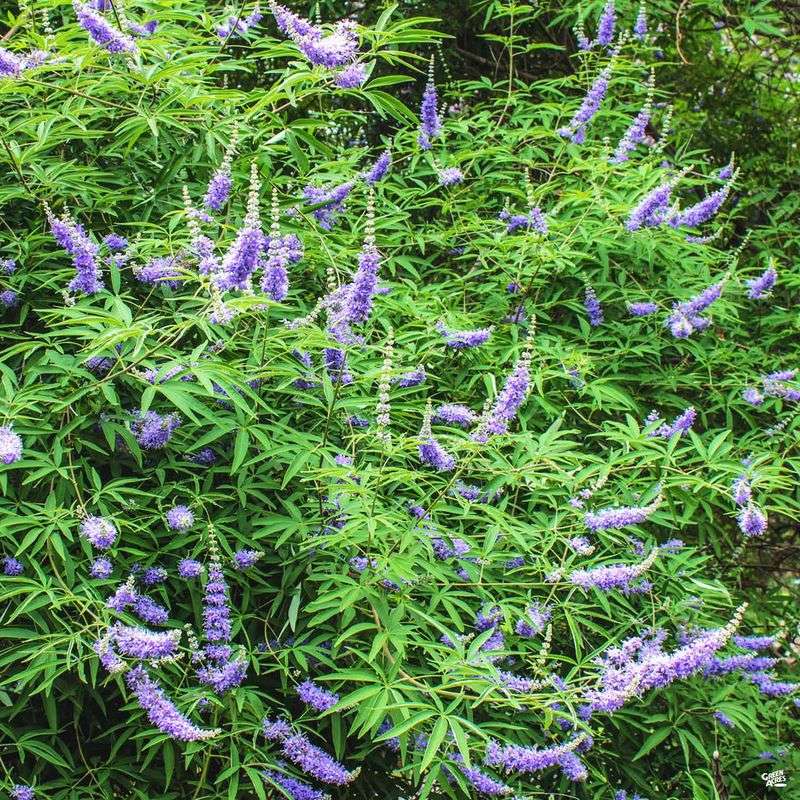
Many flowering shrubs can struggle during a North Carolina summer, but Chastetree ‘Montrose Purple’ performs well even during peak heat. Long spikes of deep, rich purple flowers rise above the silvery-green foliage in midsummer, creating a display that looks almost tropical in its boldness.
The fragrance alone is worth planting it for, a clean, herbal scent that carries on warm summer evenings in a way that feels both calming and invigorating.
Chastetree, or Vitex agnus-castus, has a fascinating history. It was used medicinally for centuries in Europe and the Mediterranean, and gardeners have been growing it in the American South for generations.
The ‘Montrose Purple’ variety was actually selected at Montrose Garden in Hillsborough, North Carolina, which gives it a special connection to the state. It was chosen specifically for its exceptionally deep flower color and reliable summer performance, making it a perfect fit for North Carolina landscapes.
In terms of size, ‘Montrose Purple’ typically grows into a large shrub or small tree, reaching anywhere from 8 to 15 feet tall and wide if left to grow freely. You can prune it hard in late winter to keep it more compact and encourage vigorous new growth, which is where the best flower production happens.
Plant it in full sun with well-drained soil, and it will reward you with spectacular blooms year after year.
Butterflies and bees are drawn to the flowers in impressive numbers. On a sunny July or August morning in a North Carolina yard, a large Chastetree in full bloom can look like it’s vibrating with pollinator activity.
It’s one of those plants that makes the whole garden feel more alive.
Because it’s a woody perennial in most of North Carolina, Chastetree comes back reliably every year without needing to be replanted. That combination of beauty, fragrance, pollinator appeal, and long-term durability makes ‘Montrose Purple’ one of the most rewarding purple-flowering plants any North Carolina gardener can choose for their summer landscape.