10 Purple Perennials That Add Color To Gardens In Georgia
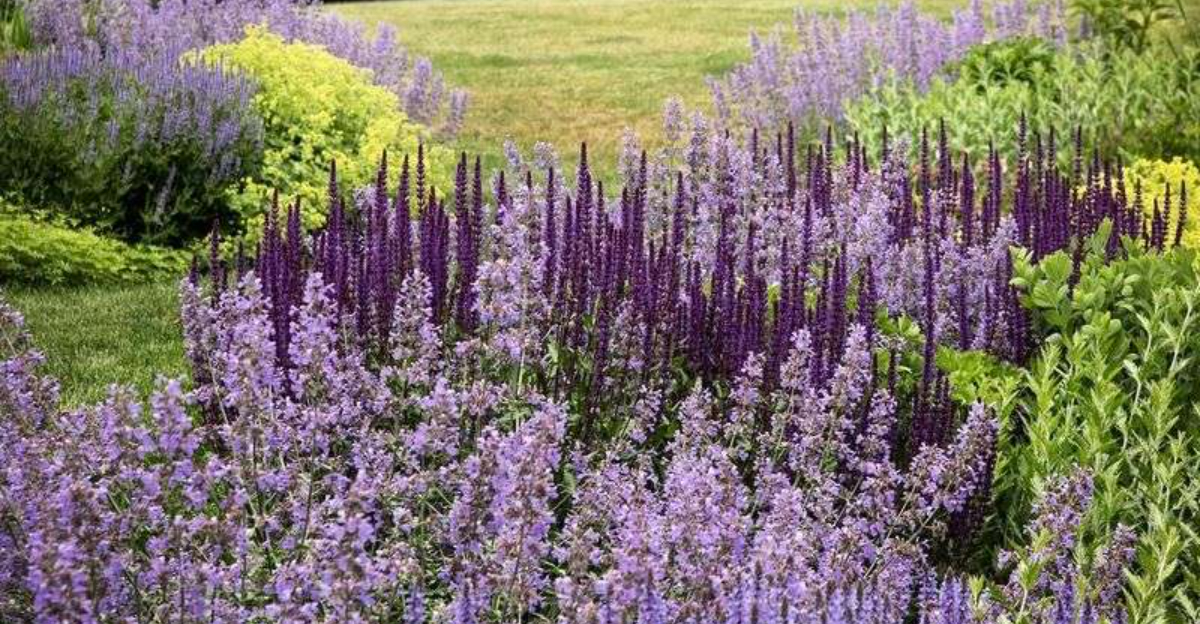
Georgia gardens are full of color, yet purple has a way of standing out without shouting.
From soft lavender shades to deep violet tones, purple perennials bring elegance, depth, and a touch of drama to borders, beds, and pathways.
They attract pollinators, provide contrast against greenery, and anchor landscapes with a sense of continuity through the seasons.
Some bloom early to chase winter’s gray away, while others extend their show well into fall, keeping gardens lively when other colors fade.
Careful placement turns these perennials into visual highlights, whether mixed with bright companions or set alone for maximum impact.
Georgia’s climate, with its warm summers and mild winters, allows many purple favorites to thrive year after year, rewarding gardeners with steady color and minimal fuss.
1. Salvia
Hummingbirds flock to salvia like kids to an ice cream truck on a summer day.
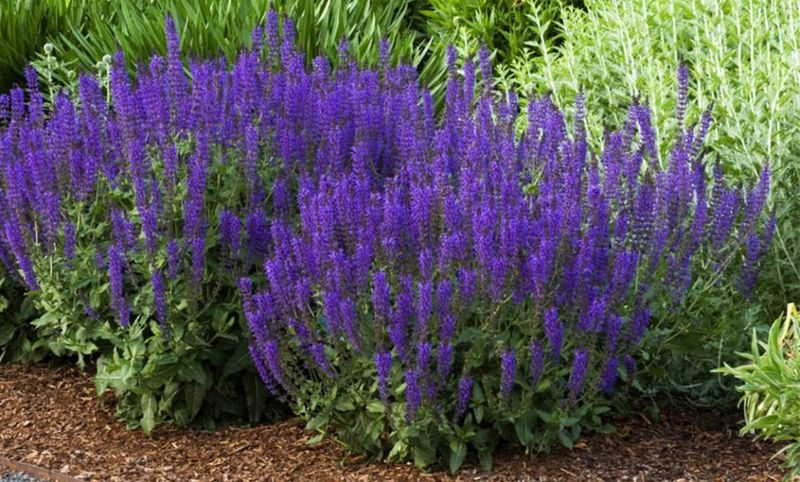
This tough perennial produces tall spikes covered in tubular purple flowers that bloom from late spring through fall.
Salvia handles Georgia’s heat with ease and actually prefers full sun, making it ideal for those sunny spots where other plants struggle.
Deer tend to leave it alone, which is a huge bonus if you live near wooded areas.
The plant grows between two and four feet tall, depending on the variety you choose.
Once established, salvia needs very little water, so it’s perfect for gardeners who want beauty without constant maintenance.
You can cut back the spent flower spikes to encourage a second round of blooms.
Butterflies and bees also visit salvia regularly, adding even more life to your garden.
Plant it in well-drained soil and watch it thrive year after year.
Salvia pairs beautifully with yellow coreopsis or white shasta daisies for a striking color combination.
This perennial truly earns its place in any Georgia garden with its long bloom time and low demands.
2. Russian Sage

Imagine a plant that looks like a soft purple cloud floating in your garden.
Russian sage delivers exactly that effect with its delicate, airy flowers and silvery-gray leaves.
This perennial thrives in Georgia’s summer heat and drought conditions, making it a smart choice for water-wise landscapes.
The aromatic foliage releases a pleasant scent when you brush against it, adding a sensory dimension to your garden.
Russian sage grows three to five feet tall and spreads about the same width, so give it plenty of room.
It blooms from midsummer through fall, providing color when many other plants have finished their show.
Deer and rabbits avoid this plant, which means your hard work stays protected.
The fine texture of Russian sage creates a beautiful contrast when planted near bold-leaved perennials like hostas or cannas.
Cut the stems back to about six inches in late winter to keep the plant compact and healthy.
Butterflies and bees appreciate the nectar-rich flowers throughout the blooming season.
Russian sage works wonderfully in xeriscapes or naturalized garden settings where a relaxed, informal look is desired.
3. Catmint

Despite its name, catmint attracts far more pollinators than felines.
This cheerful perennial forms mounds of gray-green foliage topped with clouds of lavender-purple flowers.
Catmint blooms heavily in late spring and continues sporadically throughout summer if you trim off the faded flowers.
Georgia’s heat doesn’t faze this tough plant, and it handles both sun and partial shade with equal grace.
The plant typically reaches one to two feet in height and spreads about two feet wide.
Catmint makes an excellent edging plant along pathways or garden borders because of its compact, mounding habit.
The aromatic leaves smell minty when crushed, and deer find the scent unappealing, so they leave it alone.
Bees, butterflies, and other beneficial insects visit catmint constantly, making your garden a pollinator paradise.
You can shear the plant back by one-third after the first flush of blooms to encourage fresh growth and more flowers.
Catmint combines beautifully with roses, offering a soft purple skirt around the base of larger plants.
Once established, this perennial tolerates dry spells remarkably well, reducing your watering chores considerably.
4. Coneflower
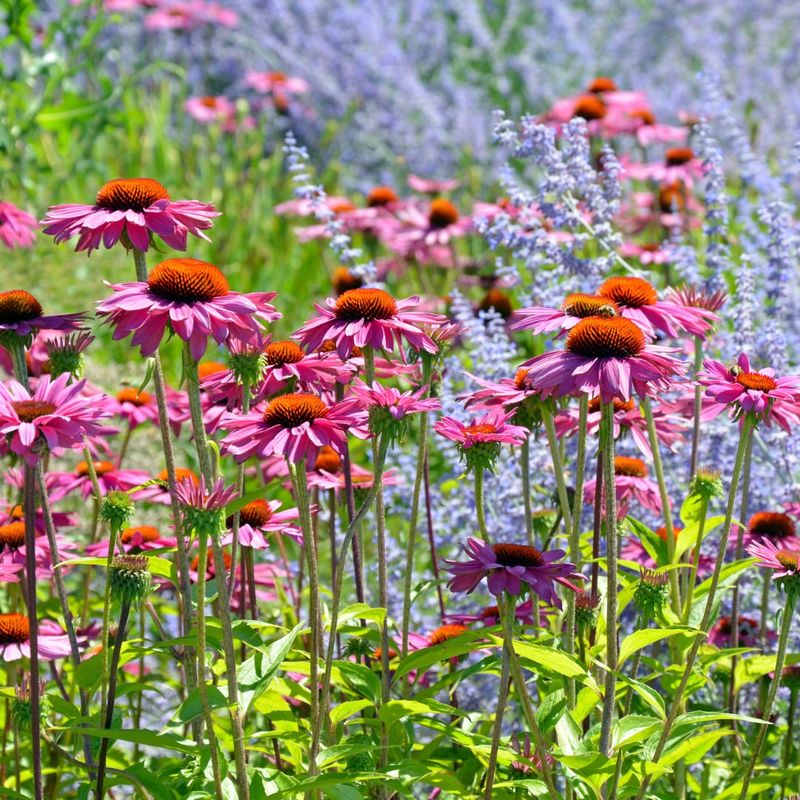
Few perennials match the cheerful presence of purple coneflower in a summer garden.
The bold, daisy-like blooms feature drooping purple petals surrounding a prominent orange center cone.
Coneflowers bloom from early summer through fall, providing months of color and attracting butterflies by the dozens.
This native perennial feels right at home in Georgia’s climate and handles heat, humidity, and occasional drought without complaint.
Plants grow two to four feet tall with a spread of about two feet.
Goldfinches love the seed heads, so consider leaving some spent flowers standing through winter to feed these charming birds.
Coneflowers prefer full sun but tolerate light shade, making them versatile for various garden locations.
The thick taproot helps the plant survive dry periods once established.
You can deadhead regularly to keep the blooms coming, or let some go to seed for wildlife value.
Purple coneflower combines wonderfully with ornamental grasses, black-eyed Susans, and other prairie-style plants.
This perennial has been used traditionally for medicinal purposes, though gardeners mainly grow it for its beauty and pollinator appeal.
5. Aster
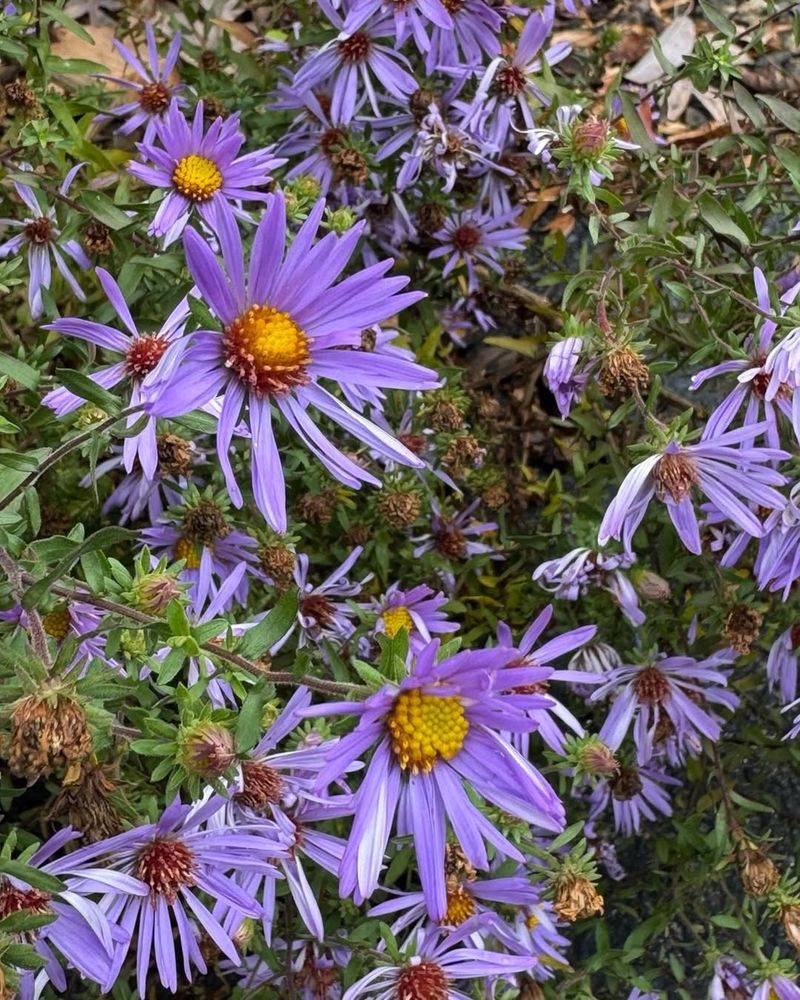
When most flowers have called it quits for the season, asters burst into bloom with fresh energy.
These late-season stars produce masses of small, daisy-like purple flowers in late summer and fall.
Asters bring much-needed color to Georgia gardens just when things start looking tired and worn.
Butterflies, especially migrating monarchs, rely on asters for nectar during their long journey south.
The plants range from one to four feet tall, depending on the variety you select.
Asters prefer full sun to partial shade and appreciate regular moisture, though they tolerate short dry spells once established.
Pinching back the stems in early summer encourages bushier growth and more flowers.
Some varieties may need staking if grown in rich soil or partial shade.
Asters spread slowly over time, forming nice clumps that can be divided every few years.
Pair them with ornamental grasses or goldenrod for a stunning autumn display.
Native aster varieties tend to perform better in Georgia than some of the fussier hybrid types.
This perennial truly shines when many other plants have faded away.
6. Verbena
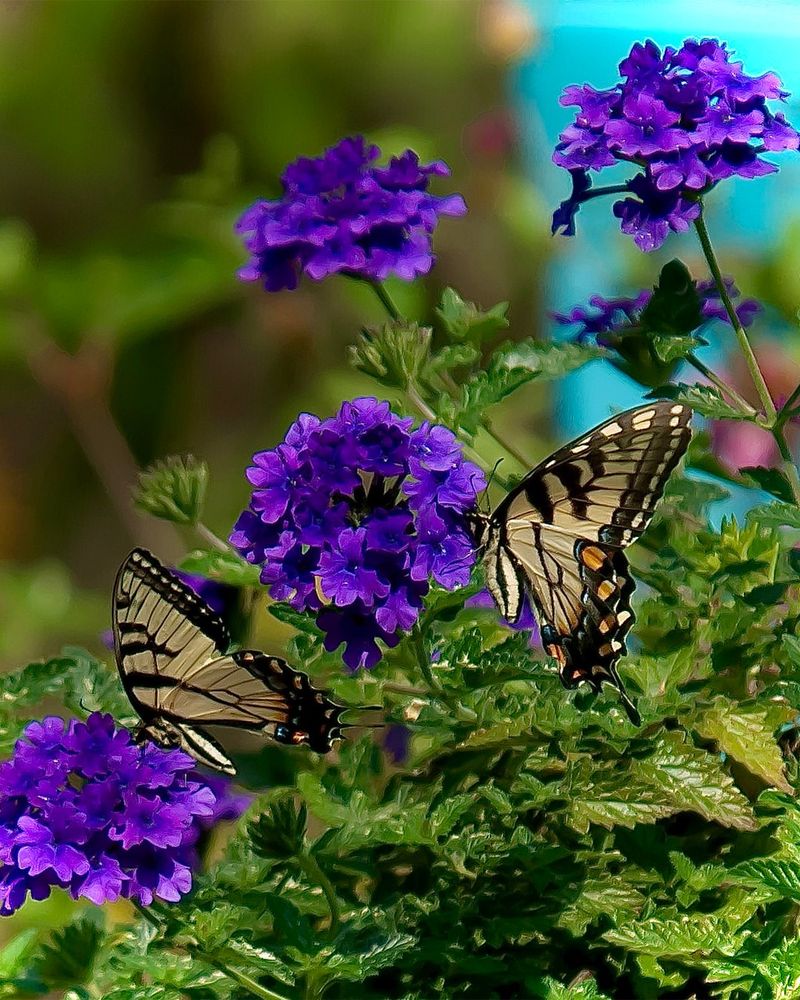
Verbena brings a cottage garden charm with its clusters of small purple flowers that seem to float above the foliage.
This low-growing perennial works beautifully as a groundcover or spilling over the edges of containers and raised beds.
Verbena blooms from late spring through the first frost, offering an incredibly long season of color.
Butterflies adore verbena and visit constantly throughout the day, adding movement and interest to your garden.
The plant typically grows six to twelve inches tall but can spread two to three feet wide.
Verbena handles Georgia’s heat exceptionally well and actually blooms more profusely in hot weather.
It prefers full sun and well-drained soil, making it ideal for sunny slopes or rock gardens.
Once established, verbena tolerates dry conditions better than many other flowering perennials.
The fine-textured foliage provides a nice contrast to bold-leaved plants like hostas or elephant ears.
Deadheading isn’t necessary, though you can trim back leggy stems midsummer to encourage fresh growth.
Verbena combines wonderfully with salvias, coreopsis, and other sun-loving perennials for a vibrant, pollinator-friendly border.
This hardworking perennial delivers maximum impact with minimal care requirements.
7. Balloon Flower
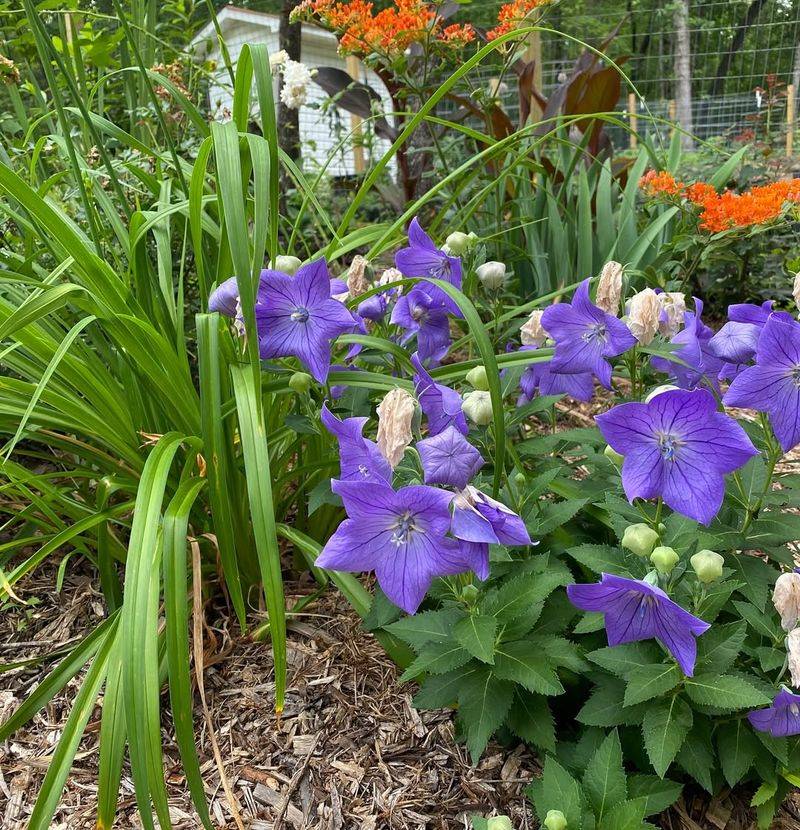
Kids and adults alike find balloon flower fascinating because of its unique inflated buds that pop open into star-shaped blooms.
The plant gets its common name from these puffy buds that really do look like tiny balloons.
Balloon flower produces deep purple blooms from early summer through late summer, offering weeks of color.
This perennial grows one to three feet tall with a compact, upright habit that works well in borders or mixed beds.
Balloon flower prefers full sun to partial shade and performs best with consistent moisture, though it tolerates some drought once established.
The plant emerges late in spring, so mark its location to avoid accidentally digging it up during early spring cleanup.
Deadheading spent blooms encourages more flowers and keeps the plant looking tidy.
Balloon flower has a long taproot that makes it drought-tolerant but also means it doesn’t like being moved once established.
The blue-purple color is intense and pairs beautifully with yellow daylilies or white phlox.
This perennial rarely suffers from pest or disease problems, making it a low-maintenance choice for Georgia gardens.
Balloon flower adds an element of whimsy and charm that few other perennials can match.
8. Phlox
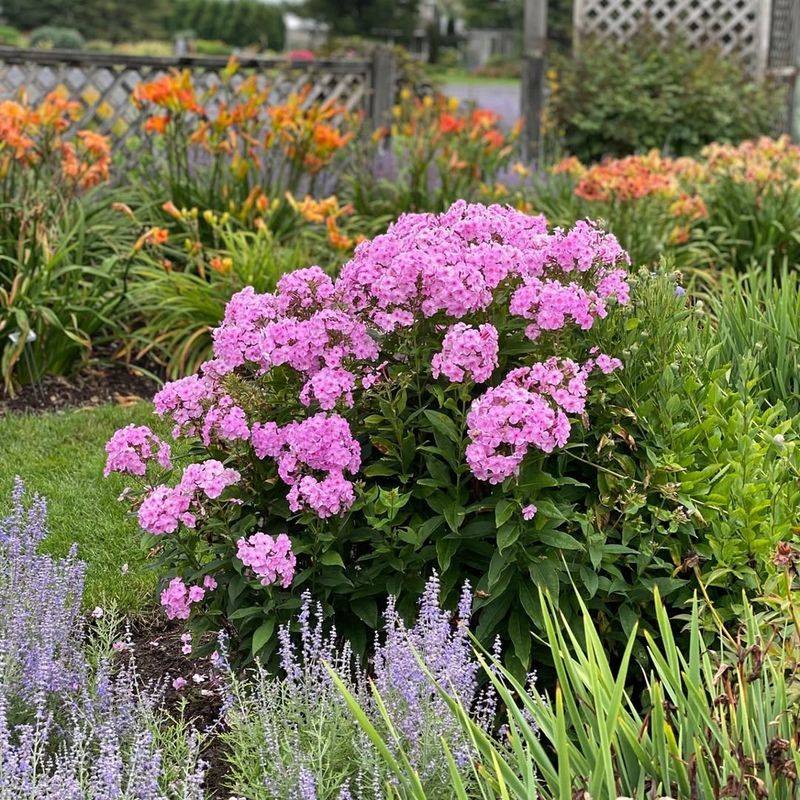
Garden phlox brings old-fashioned charm with its large, fragrant flower clusters that perfume the evening air.
The sweetly scented blooms appear in midsummer and continue for several weeks, creating a stunning display.
Phlox grows two to four feet tall with sturdy stems that rarely need staking.
This perennial prefers full sun to light shade and appreciates consistent moisture, especially during Georgia’s hot summers.
Good air circulation helps prevent powdery mildew, a common issue with phlox, so space plants properly.
Butterflies and hummingbirds visit phlox regularly, drawn by the nectar-rich flowers.
Deadheading spent blooms prevents self-seeding and may encourage a lighter second flush of flowers.
Phlox looks wonderful in cottage-style gardens or mixed perennial borders where its upright form adds structure.
The plant spreads slowly over time and can be divided every few years to maintain vigor.
Choose mildew-resistant varieties if possible, as these perform much better in humid Georgia summers.
Phlox combines beautifully with daylilies, black-eyed Susans, and ornamental grasses for a classic summer border.
The evening fragrance alone makes this perennial worth growing near patios or seating areas.
9. Ironweed
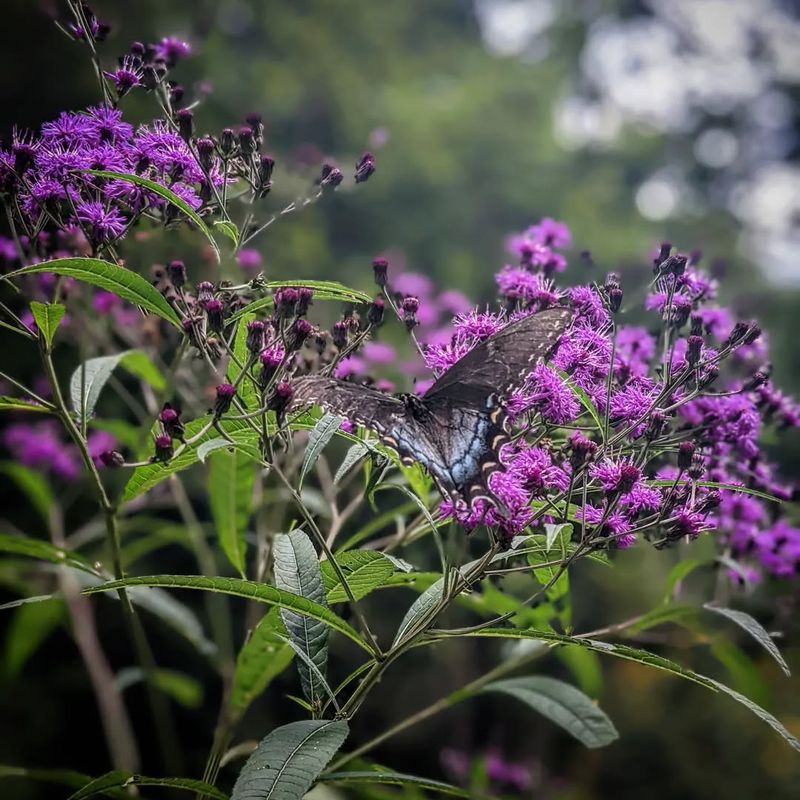
Ironweed stands tall and proud in late summer gardens, reaching heights of four to six feet with ease.
This Georgia native perennial produces fluffy clusters of deep purple flowers that monarchs and other butterflies find irresistible.
The common name comes from the plant’s tough stems, which early settlers found difficult to cut.
Ironweed thrives in full sun to partial shade and tolerates a wide range of soil conditions, from moist to moderately dry.
This perennial works beautifully in the back of borders or in naturalized areas where its height can be appreciated.
The flowers bloom from late July through September, providing crucial nectar for pollinators during the late-season migration period.
Ironweed rarely suffers from pest or disease problems and requires virtually no maintenance once established.
You can cut the plants back by half in early June to reduce their height if needed, though this may delay blooming slightly.
The deep purple color creates a striking contrast against ornamental grasses or yellow goldenrod.
Ironweed self-seeds modestly, so you may find new plants appearing nearby over time.
This tough native perennial deserves more attention from Georgia gardeners looking for low-maintenance, wildlife-friendly plants.
10. Liatris
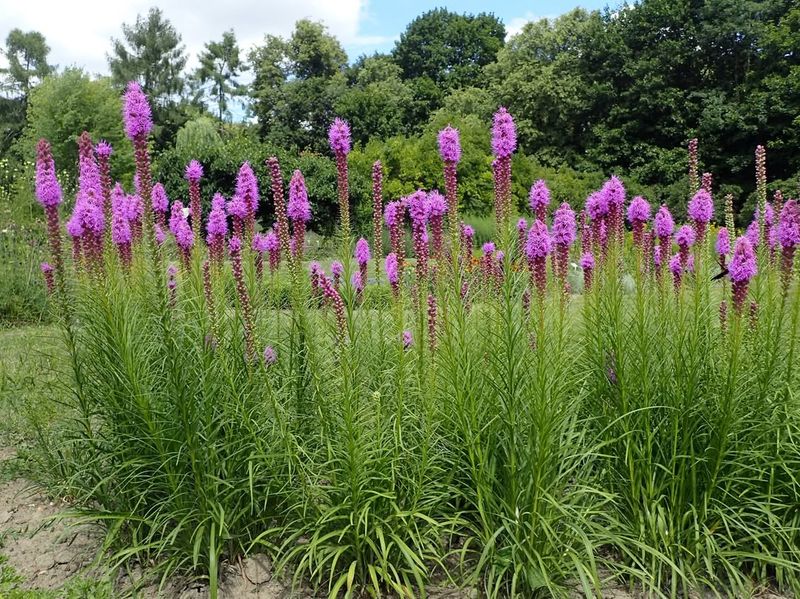
Liatris breaks the rules by opening its flowers from the top down instead of bottom up like most spike-flowered plants.
The dramatic purple flower spikes stand two to four feet tall and create bold vertical accents in summer gardens.
Butterflies mob liatris when it blooms in midsummer, making it one of the best perennials for attracting these beautiful insects.
This native perennial handles Georgia’s heat and humidity with ease and tolerates drought once established.
Liatris grows from corms and prefers full sun with well-drained soil.
The grass-like foliage remains tidy at the base while the flower spikes shoot up dramatically in July and August.
Goldfinches enjoy the seeds in fall, so consider leaving some spent flowers standing for wildlife value.
Liatris works wonderfully in cut flower arrangements and lasts well in the vase.
The plant rarely needs staking despite its height, and deer typically leave it alone.
Combine liatris with black-eyed Susans, purple coneflowers, and ornamental grasses for a prairie-style garden.
This perennial multiplies slowly over time and can be divided every few years if desired.
Liatris brings both beauty and wildlife value to Georgia gardens with minimal effort required.