12 Purple Perennials That Deliver Gorgeous Blooms In North Carolina
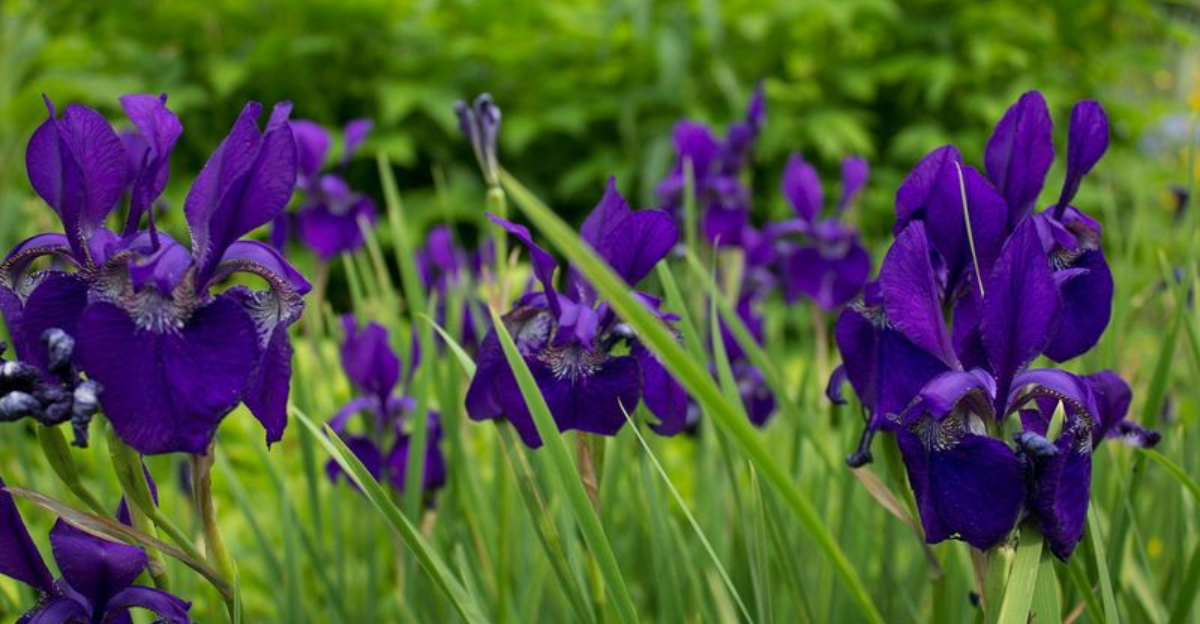
Purple flowers bring a magical touch to any garden, especially when they come back year after year without needing replanting each spring.
North Carolina gardeners enjoy a climate that supports many beautiful purple perennials, making it easier to create stunning landscapes with lasting color.
These hardy plants thrive in the state’s warm summers and mild winters, offering blooms from early spring through late fall seasons.
Choosing the right purple perennials means less work for you and more time enjoying your yard’s beauty throughout the growing season.
1. Salvia (Meadow Sage)
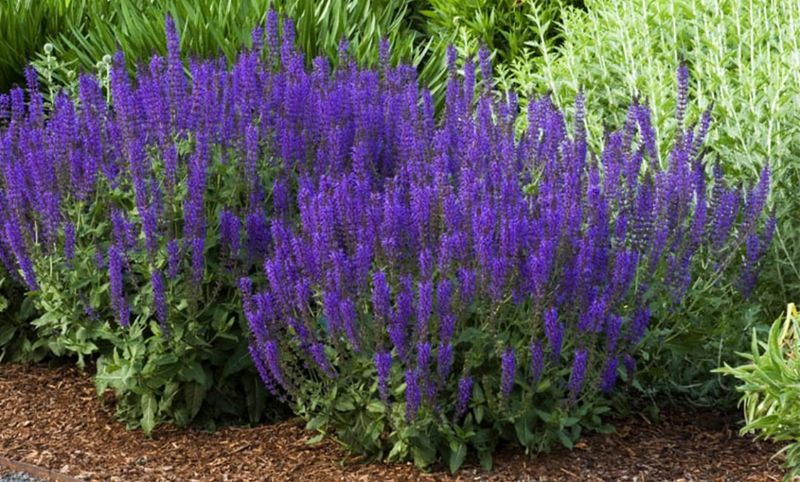
Salvia produces tall spikes covered in vibrant purple flowers that hummingbirds and butterflies absolutely adore visiting throughout the warm growing months.
This plant tolerates North Carolina’s hot summers remarkably well, continuing to bloom even when temperatures climb into the high nineties during July.
Gardeners appreciate how little maintenance salvia requires once established, needing only occasional watering during extended dry spells to stay healthy and productive.
The foliage releases a pleasant herbal scent when brushed against, adding another sensory dimension to your outdoor space beyond just visual appeal.
Deadheading spent blooms encourages fresh flower production, keeping your garden colorful from late spring all the way through the first autumn frosts.
Salvia grows best in full sun locations with well-draining soil, making it perfect for sunny borders or cottage-style garden arrangements.
Different varieties offer varying shades of purple, from deep violet to soft lavender, allowing creative color combinations within your landscape design plans.
This perennial spreads gradually over time, filling in bare spots naturally without becoming invasive or overwhelming neighboring plants in your beds.
2. Coneflower (Echinacea)
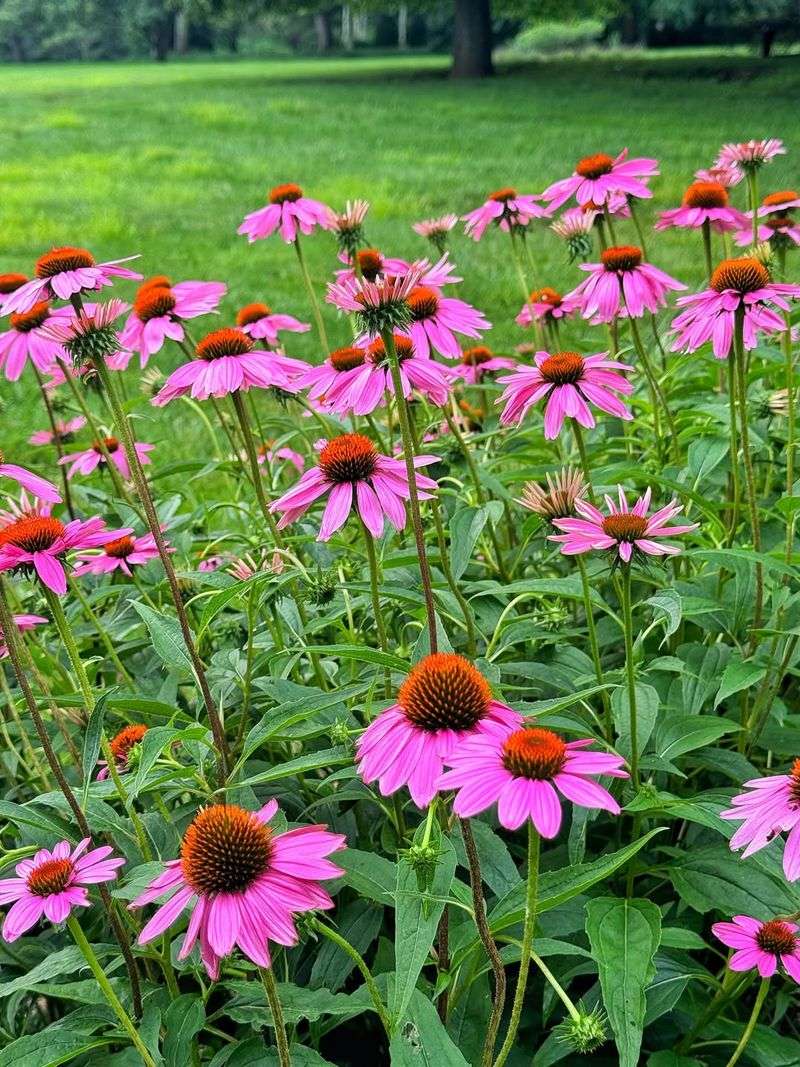
Coneflowers display distinctive cone-shaped centers surrounded by petals in shades ranging from pale lavender to rich purple, creating eye-catching focal points.
Native to North America, these tough plants handle the state’s weather extremes beautifully, thriving through both humid summers and occasional winter cold snaps.
Goldfinches flock to mature seed heads in fall, providing entertainment as they perch and feed while you watch from your window or patio.
The long blooming period stretches from early summer into autumn, giving you months of continuous color with minimal effort or special care required.
Echinacea tolerates drought conditions once roots establish deeply, making it ideal for water-conscious gardeners who want beauty without constant irrigation needs.
Cutting flowers for indoor arrangements doesn’t harm the plant; instead, it encourages more blooms to form, extending the flowering season even longer.
These perennials grow anywhere from two to four feet tall, depending on variety, making them versatile for both front and back border placements.
Deer typically avoid browsing on coneflowers, which proves helpful for North Carolina gardeners dealing with wildlife challenges in suburban or rural settings.
3. Russian Sage (Perovskia)
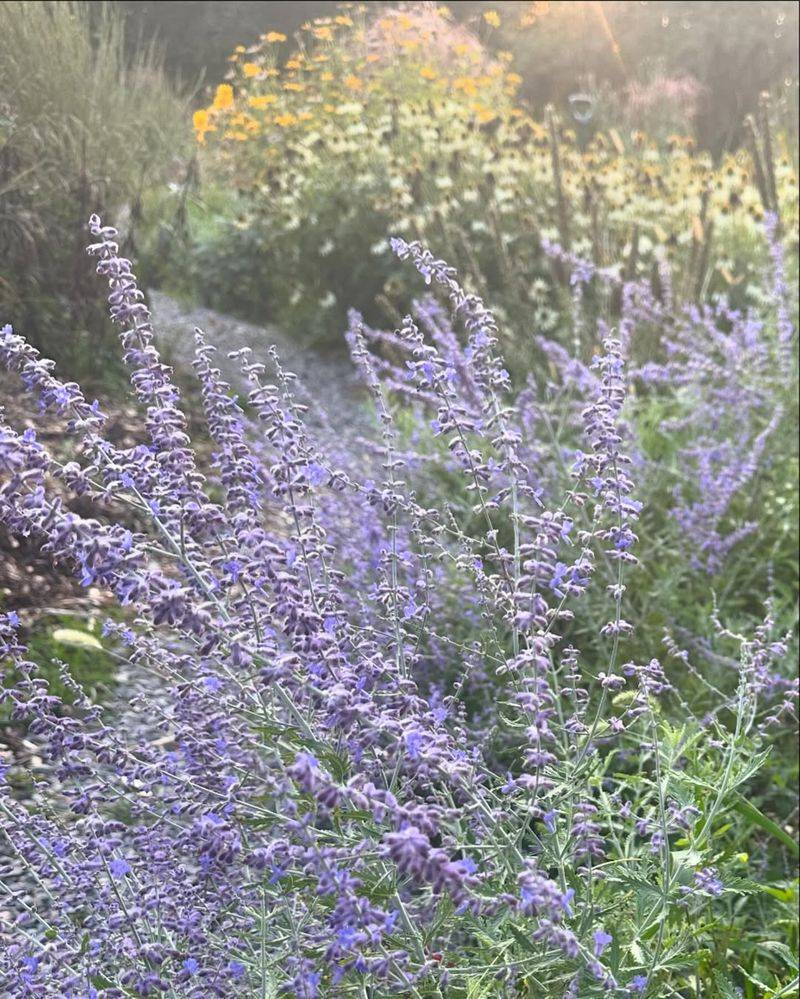
Russian sage creates clouds of delicate purple-blue flowers atop silvery foliage, giving gardens an ethereal, almost dreamlike quality during peak blooming months.
The aromatic leaves smell wonderful when touched, releasing a sage-like fragrance that many gardeners find relaxing and pleasant on warm summer evenings.
This perennial handles North Carolina’s clay soil better than many plants, thriving even in less-than-ideal conditions that challenge more finicky garden specimens.
Heat and humidity don’t bother Russian sage at all; it actually seems to flourish when temperatures soar, looking fresh while other plants wilt.
The woody stems provide winter interest after blooms fade, standing tall through cold months and offering architectural structure to otherwise dormant garden beds.
Cutting back stems in early spring promotes bushier growth and more abundant flowering, though the plant performs adequately even without this maintenance step.
Bees visit the flowers constantly, making Russian sage an excellent choice for pollinator gardens or anyone wanting to support beneficial insect populations naturally.
Full sun exposure brings out the best performance, though the plant tolerates partial shade reasonably well in hotter regions of the state.
4. Catmint (Nepeta)
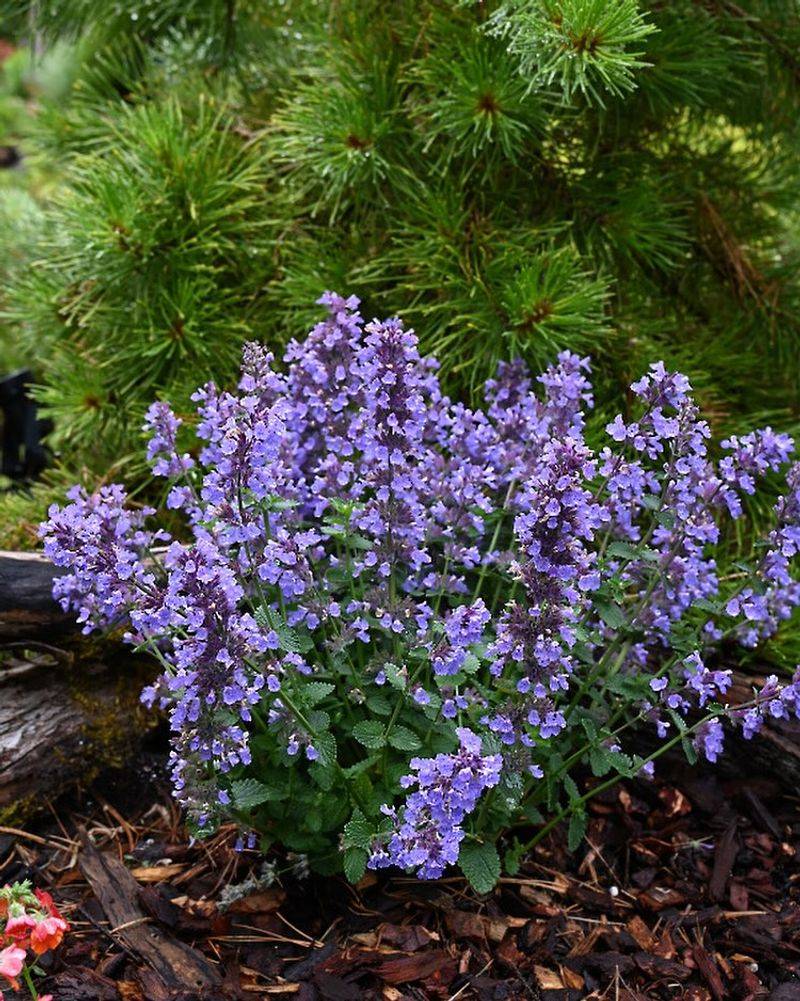
Catmint forms rounded mounds covered in small purple-blue flowers that bloom repeatedly throughout the season, creating soft, billowy textures in landscape designs.
The gray-green foliage provides nice contrast against darker green plants, adding depth and visual interest even when flowers aren’t at their peak display.
Unlike its cousin catnip, most catmint varieties don’t attract cats excessively, though felines may occasionally show mild interest in the aromatic leaves.
This low-maintenance perennial rebounds quickly after shearing, allowing gardeners to shape plants or remove faded blooms for fresh growth and renewed flowering.
Catmint edges pathways beautifully, softening hard lines of walkways and driveways while tolerating occasional foot traffic without suffering permanent damage or decline.
North Carolina’s spring and fall seasons bring the heaviest bloom periods, though sporadic flowers appear throughout summer with adequate moisture and deadheading.
The plant spreads slowly to form larger clumps over several years, filling spaces naturally without aggressive spreading that requires constant control efforts.
Drought tolerance develops after establishment, making catmint suitable for rain gardens or areas where supplemental watering isn’t always practical or convenient.
5. Lavender (Lavandula)
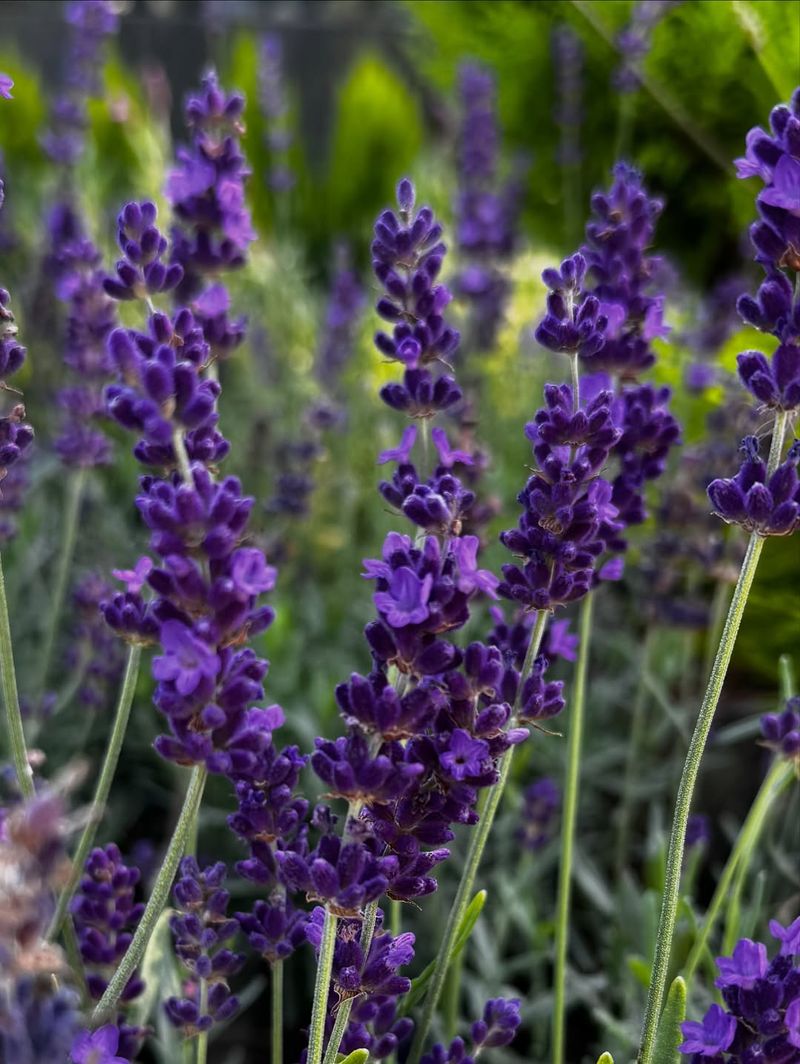
Lavender’s intoxicating fragrance fills the air around blooming plants, creating a sensory experience that goes far beyond simple visual appeal in your garden.
While traditionally associated with Mediterranean climates, certain varieties adapt well to North Carolina’s conditions when planted in well-draining soil with excellent sun exposure.
Harvesting flower spikes at peak bloom preserves the fragrance beautifully for sachets, potpourri, or culinary uses, adding practical value to ornamental beauty.
The silvery-gray foliage remains attractive year-round in milder parts of the state, providing evergreen interest when many other perennials go dormant completely.
Lavender requires minimal fertilization and actually prefers lean soil conditions, making it perfect for gardeners who want low-input plants that thrive on neglect.
Bees and butterflies visit lavender flowers constantly, creating a lively, buzzing atmosphere that signals a healthy, thriving ecosystem in your outdoor space.
Proper drainage proves essential for success; raised beds or amended clay soil helps prevent root rot during North Carolina’s occasional heavy rainfall periods.
Pruning after flowering maintains compact shape and encourages dense growth, preventing the woody, sparse appearance that develops in untrimmed older plants.
6. Aster (Symphyotrichum)
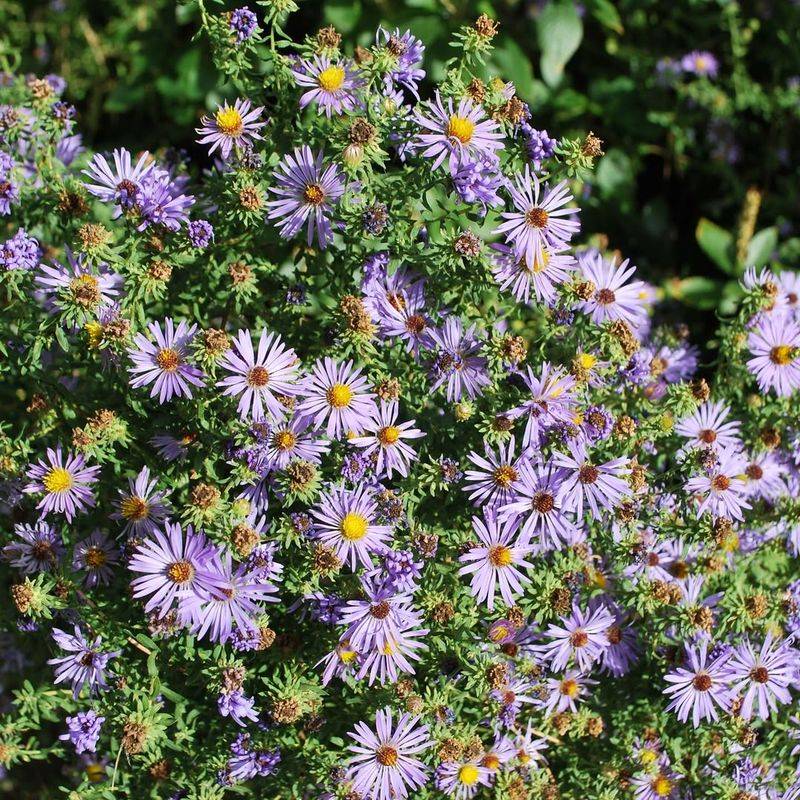
Asters burst into bloom just when many other perennials finish flowering, painting autumn gardens with vibrant purple hues that rival spring displays.
Native varieties perform exceptionally well in North Carolina, having evolved specifically to handle the region’s climate, soil conditions, and seasonal weather patterns.
The daisy-like flowers appear in such abundance that they nearly hide the foliage, creating solid masses of color that attract attention from streets away.
Butterflies, especially migrating Monarchs, rely heavily on fall asters for nectar during their journey south, making these plants crucial for wildlife conservation efforts.
Pinching back stems in early summer produces bushier plants with more flowers, though unpinched asters still bloom beautifully with less intervention required.
Asters tolerate partial shade better than many purple perennials, offering options for woodland edges or spots that receive only morning sun exposure.
Different species bloom at varying times from late summer through November, allowing gardeners to orchestrate extended color shows with strategic variety selection.
These perennials spread gradually through underground rhizomes, filling in areas naturally while remaining manageable and easy to control through simple division techniques.
7. Verbena (Verbena bonariensis)

Verbena sends up tall, slender stems topped with clusters of tiny purple flowers that seem to float above other plants like colorful clouds.
The airy growth habit allows you to plant verbena toward the front of borders without blocking views of plants behind it, maximizing space.
Butterflies find verbena irresistible, often covering blooming plants completely as multiple species feed simultaneously on the abundant nectar offered by each flower cluster.
This perennial self-seeds reliably in North Carolina gardens, producing volunteer seedlings that fill gaps naturally without becoming weedy or problematic for maintenance.
Blooming begins in early summer and continues nonstop until hard frost arrives, providing one of the longest flowering periods of any perennial.
Verbena tolerates both heat and humidity remarkably well, never flagging or looking stressed even during the most challenging weather conditions summer brings.
The plant requires virtually no deadheading or special care, making it perfect for busy gardeners who want maximum impact with minimum time investment.
Combining verbena with lower-growing perennials creates layered effects that add depth and dimension to flat landscape beds or boring garden spaces.
8. Balloon Flower (Platycodon)
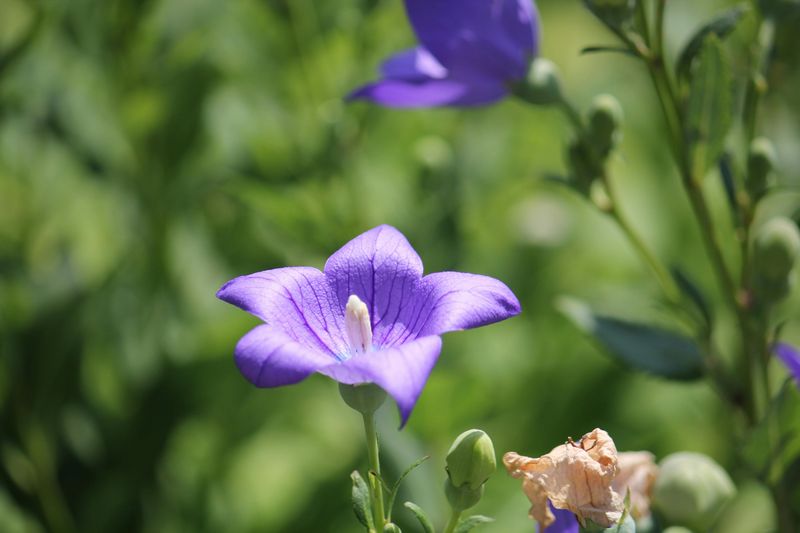
Balloon flowers earn their name from puffy buds that resemble tiny balloons before opening into star-shaped blooms in shades from pale to deep purple.
Children especially love these flowers, often gently squeezing unopened buds to hear the satisfying pop sound they make, adding interactive fun to gardens.
The plant emerges late in spring, so marking its location prevents accidental digging during early season cleanup when you’ve forgotten where it grows.
Once blooming starts in early summer, flowers continue appearing for months, especially when spent blooms get removed regularly to encourage continued bud formation.
Balloon flowers develop deep taproots that make them extremely drought-tolerant once established but also difficult to transplant successfully after several growing seasons.
North Carolina’s climate suits these perennials perfectly, providing the cold winter dormancy they need while offering warm summers for robust growth and flowering.
The flowers attract bumblebees particularly, which are large enough to force open the blooms and access pollen inside the star-shaped flower structure.
Compact varieties stay under twelve inches tall, while standard types reach two feet, offering flexibility for different garden positions and design needs.
9. Blazing Star (Liatris)
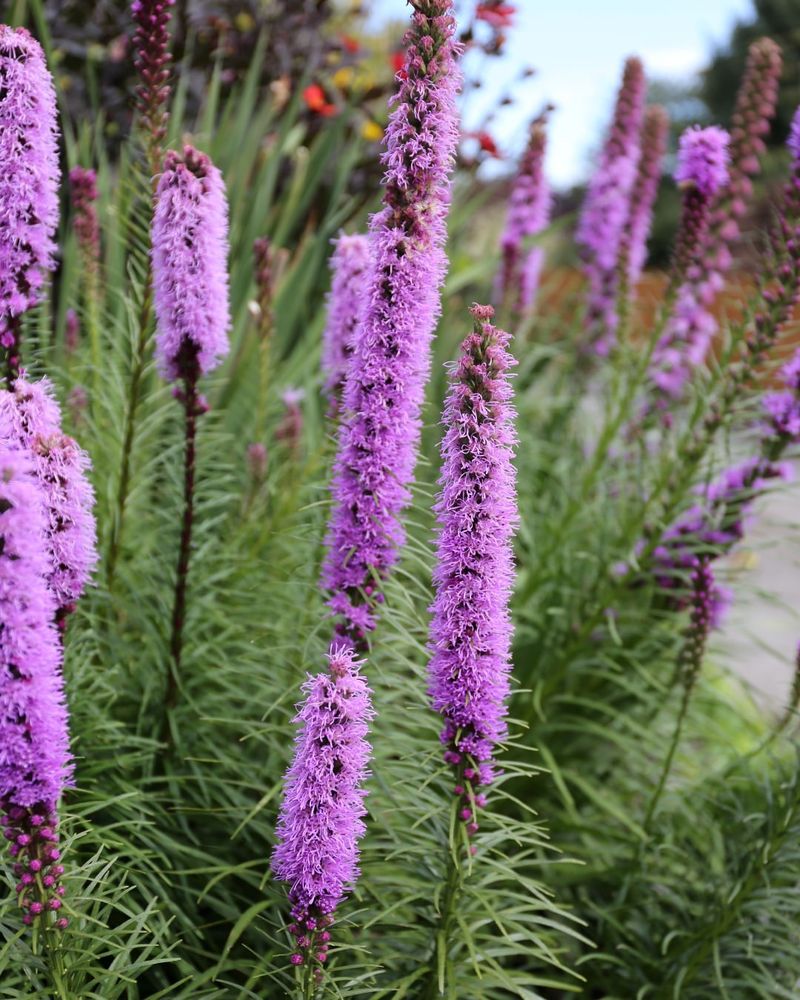
Blazing star produces unusual flower spikes that bloom from top to bottom, opposite of most spike-forming flowers that open from bottom upward.
The distinctive flowering pattern creates visual interest and serves as a conversation starter when garden visitors notice the unique top-down bloom progression.
Butterflies adore liatris, often perching on the fuzzy flower spikes for extended periods while feeding, providing excellent opportunities for close observation and photography.
Native to North American prairies, these plants handle North Carolina’s conditions effortlessly, requiring almost no care once roots establish in your garden beds.
The grass-like foliage remains neat and tidy throughout the growing season, never flopping or requiring staking even when flower spikes reach full height.
Blazing star makes excellent cut flowers that last well in vases, and the spikes dry beautifully for permanent arrangements if harvested at peak bloom.
Planting liatris corms in fall or early spring ensures blooms the same year, with plants strengthening and producing more flower spikes annually thereafter.
These perennials prefer full sun but tolerate light shade, though flowering may be reduced slightly in spots receiving less than six hours of direct sunlight.
10. Iris (Bearded Iris)
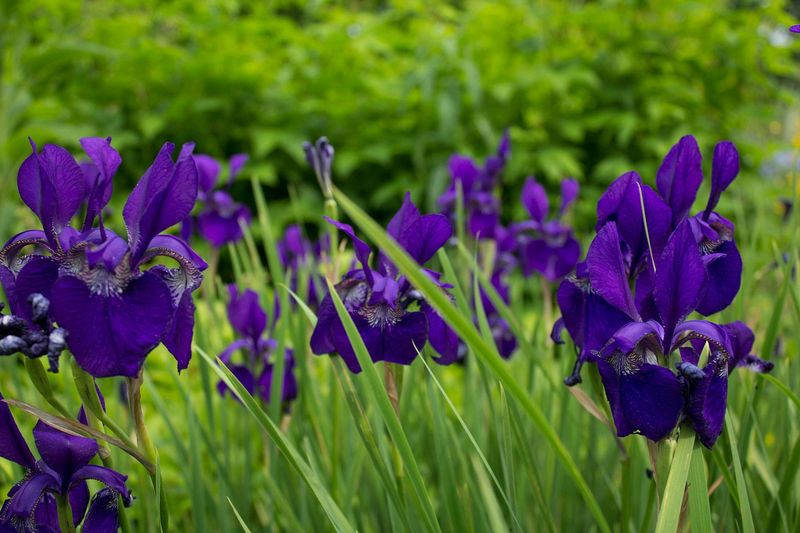
Bearded iris flowers showcase elaborate ruffles, dramatic color patterns, and fuzzy beards that make each bloom a masterpiece worthy of close inspection and admiration.
The rhizomes multiply quickly in North Carolina’s climate, forming large clumps that produce dozens of flower stalks within just a few growing seasons.
Spring brings the main flowering period, with blooms appearing in succession over several weeks, providing extended color rather than a brief show.
Sword-shaped foliage adds vertical interest to gardens even after flowers fade, contrasting nicely with rounded or mounding plants in mixed perennial borders.
Dividing crowded clumps every three to four years maintains vigorous flowering and prevents the center from becoming bare and unproductive over time.
Purple iris varieties range from pale lavender to nearly black-purple, allowing gardeners to create monochromatic displays or combine multiple shades for depth.
These perennials tolerate North Carolina’s clay soil reasonably well, though adding organic matter improves drainage and promotes healthier, more robust rhizome development.
Planting rhizomes with tops partially exposed ensures proper growth; burying them too deeply often results in lush foliage but disappointing flower production.
11. Phlox (Garden Phlox)

Garden phlox produces large, rounded flower clusters that release sweet fragrance on summer evenings, perfuming outdoor living spaces naturally without artificial scents.
The tall stems topped with colorful blooms create cottage garden charm, evoking nostalgic feelings of grandmother’s garden and simpler times from decades past.
North Carolina gardeners should select mildew-resistant varieties, as the state’s humidity can encourage powdery mildew on susceptible types during muggy weather periods.
Providing good air circulation by spacing plants adequately and avoiding overhead watering helps minimize disease problems and keeps foliage looking clean and attractive.
Butterflies and hummingbirds both visit phlox flowers regularly, making these perennials valuable additions to wildlife gardens focused on supporting beneficial pollinator populations.
Deadheading spent flower clusters prevents self-seeding and encourages additional blooms, though seedlings often revert to less desirable magenta colors if allowed to grow.
The blooming period spans mid-summer through early fall, bridging the gap between spring perennials and autumn bloomers for continuous garden color progression.
Dividing clumps every few years rejuvenates plants and maintains vigorous growth, preventing the decline that occurs when phlox becomes overcrowded in garden beds.
12. Monkshood (Aconitum)
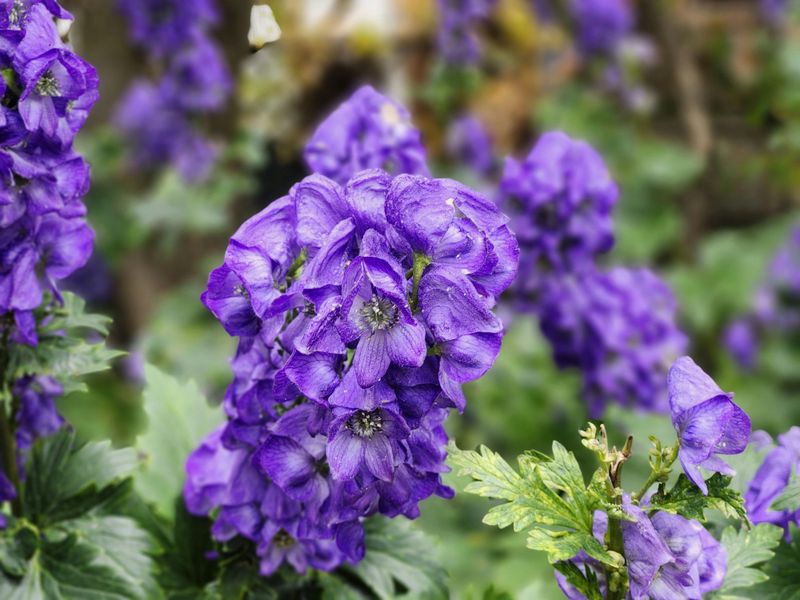
Monkshood produces distinctive hooded flowers that resemble medieval monk’s cowls, creating architectural interest and unique shapes rarely seen in other garden perennials.
This shade-tolerant perennial thrives in North Carolina’s woodland gardens where many purple-flowering plants struggle due to insufficient light for proper bloom production.
The deep purple flowers appear in late summer, providing color when shade gardens often look tired and past their prime after spring’s flush.
All parts contain toxic compounds, so planting monkshood away from areas where children play frequently prevents accidental ingestion, though serious incidents remain extremely rare.
The tall flower spikes reach four to five feet in ideal conditions, creating vertical drama in shaded borders where height options are limited.
Monkshood prefers consistently moist soil rich in organic matter, making it perfect for low spots or areas near downspouts where drainage moves slowly.
Once established, these perennials live for many years without needing division, unlike many perennials that require frequent splitting to maintain health and vigor.
The dark green, deeply lobed foliage provides textural contrast against hostas and ferns, enhancing the overall appearance of shaded garden areas significantly.