14 Purple Perennials That Deliver Stunning Blooms In Virginia Gardens Year After Year
Purple has a quiet power in the garden. It’s bold without being loud, rich without overwhelming, and endlessly versatile.
In Virginia landscapes, purple perennials shine across seasons, returning year after year with reliable color and structure.
Perennials are an investment, and choosing the right ones pays off in longevity and ease.
Purple varieties often attract pollinators, pair beautifully with native plants, and hold their own through Virginia’s changing seasons.
These fourteen purple perennials aren’t just pretty—they’re dependable.
They come back stronger each year, filling beds with confidence and consistency.
For gardeners who want lasting beauty without constant replanting, purple perennials deliver big rewards with surprisingly little effort.
1. Lavender For Fragrant, Long-Lasting Purple Color
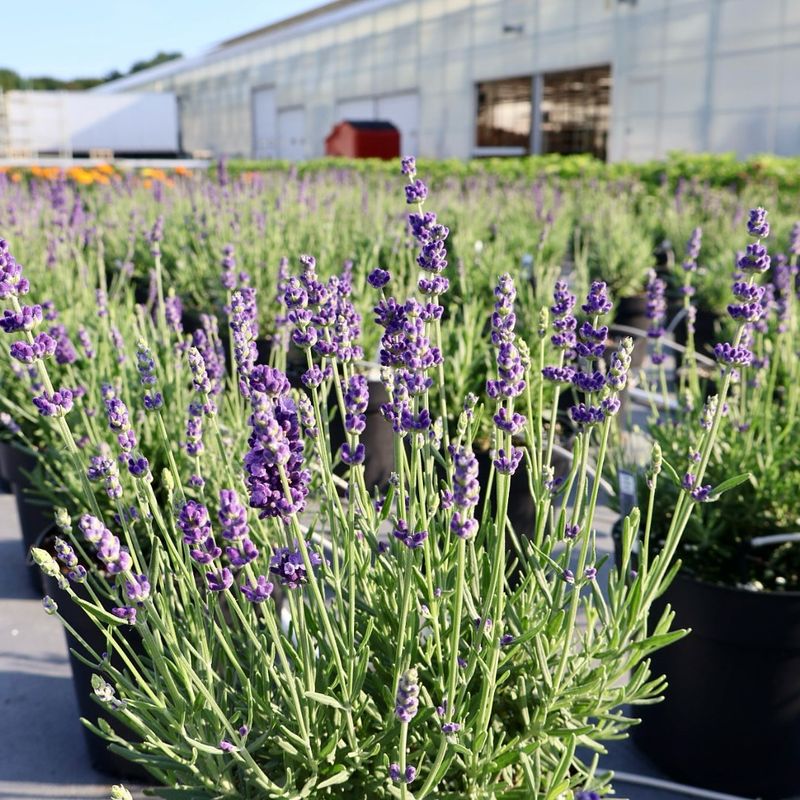
Few plants combine beauty and fragrance quite like lavender, which thrives in Virginia gardens when given the right conditions.
This Mediterranean native loves full sun and well-drained soil, making it perfect for sunny borders and raised beds where water doesn’t collect.
Lavender typically blooms from late spring through midsummer, filling the air with its calming scent that attracts butterflies and bees.
Virginia’s humid summers can challenge lavender, but selecting varieties like English lavender (Lavandula angustifolia) helps ensure success.
Planting in areas with good air circulation reduces humidity-related issues, and adding gravel or sand to heavy clay soil improves drainage significantly.
Pruning spent flowers encourages additional blooms and keeps plants compact and tidy throughout the growing season.
Regular trimming in early spring before new growth appears maintains plant vigor and prevents woody stems from taking over.
Lavender’s silvery-green foliage provides year-round interest even when flowers fade, creating texture and contrast in garden beds.
This perennial requires minimal fertilizer and actually prefers lean soil, making it an economical choice for gardeners seeking low-maintenance beauty.
Harvesting stems for drying brings the garden’s fragrance indoors, extending enjoyment beyond the blooming season.
2. Coneflower (Echinacea) For Reliable Summer Blooms

Native to North America, purple coneflowers have earned their reputation as one of the most dependable perennials for Virginia landscapes.
These cheerful bloomers produce large daisy-like flowers with prominent raised centers that birds and butterflies find irresistible throughout summer.
Coneflowers tolerate Virginia’s heat and humidity with ease, continuing to bloom even during dry spells when other plants struggle.
Once established, these perennials develop deep root systems that access moisture far below the surface, reducing watering needs considerably.
Purple coneflowers adapt to various soil types, from sandy loam to heavier clay, though they prefer well-drained locations with moderate fertility.
Blooming begins in early summer and continues for weeks, with flowers that make excellent cuts for indoor arrangements that last surprisingly long.
Leaving spent flower heads on plants through winter provides food for finches and other seed-eating birds while adding architectural interest to dormant gardens.
Dividing clumps every three to four years rejuvenates plants and creates additional specimens to spread throughout the landscape.
These tough perennials resist most pests and diseases, requiring little intervention beyond occasional watering during extended dry periods.
Their upright growth habit and sturdy stems mean no staking is necessary, simplifying care for busy gardeners.
3. Salvia For Extended Bloom Seasons And Pollinators
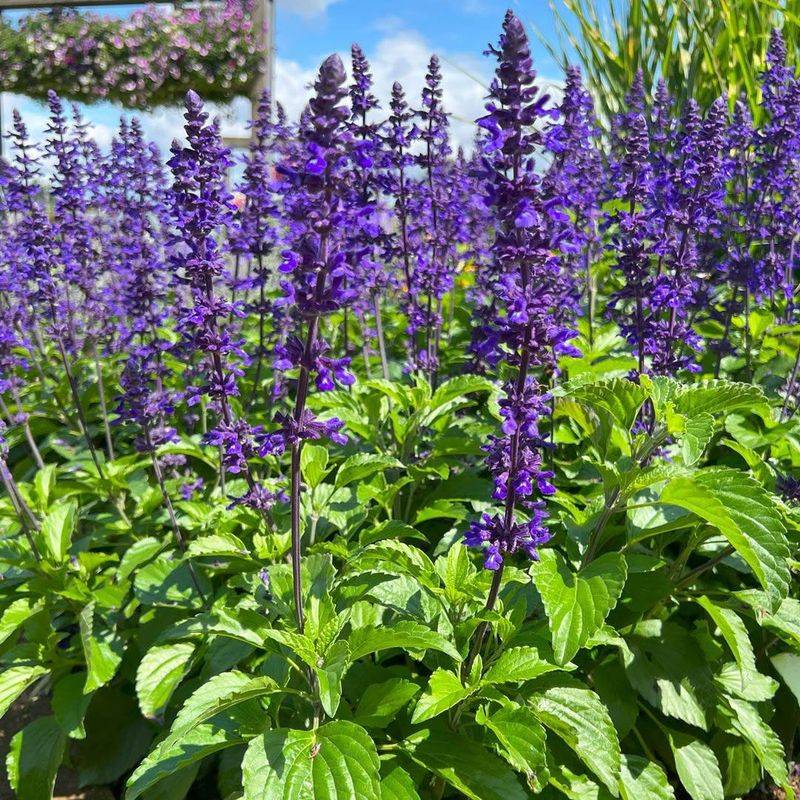
Salvia stands out among perennials for its ability to produce waves of purple blooms from late spring through the first frost.
Multiple varieties thrive in Virginia, including May Night salvia and woodland sage, each offering slightly different bloom times and heights.
These plants feature tubular flowers arranged along upright spikes that hummingbirds and bees visit constantly, bringing movement and life to garden spaces.
Full sun exposure encourages the most prolific blooming, though some varieties tolerate partial shade in hotter areas of the state.
Cutting back spent flower stalks by one-third after the first bloom flush encourages fresh growth and a second round of flowers.
This simple pruning technique extends the bloom season significantly, providing continuous color when many other perennials take summer breaks.
Salvia’s aromatic foliage releases pleasant scents when brushed against, adding another sensory dimension to garden paths and borders.
These perennials prefer moderately fertile soil with good drainage and perform best when not overfed with nitrogen-rich fertilizers.
Excessive nutrients produce leafy growth at the expense of flowers, so a light feeding in spring provides sufficient nourishment.
Winter hardiness varies by species, but most salvias recommended for Virginia return reliably year after year with minimal protection.
Their vertical form creates excellent contrast against mounding plants and fills middle-layer positions beautifully in mixed borders.
4. Catmint For Soft Purple Waves And Easy Care
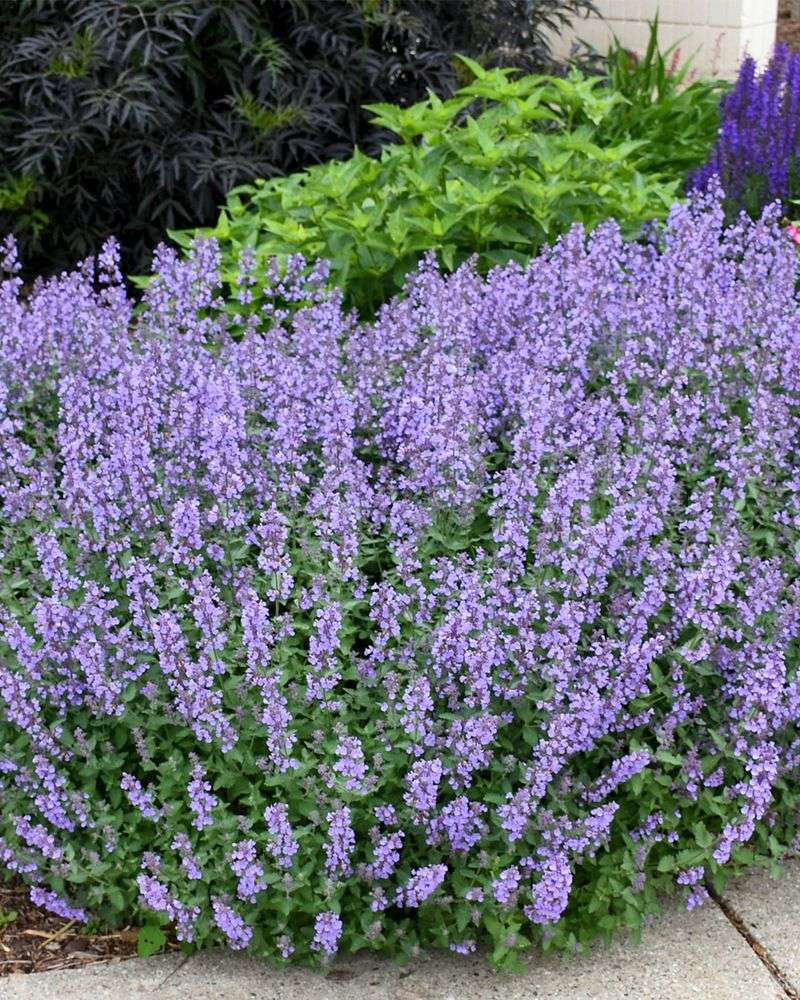
Catmint creates clouds of soft purple-blue flowers that billow gracefully along pathways and garden edges from late spring through summer.
This forgiving perennial tolerates heat, drought, and less-than-perfect soil while maintaining its attractive appearance throughout the growing season.
Unlike its cousin catnip, most ornamental catmint varieties don’t drive cats wild, though they still attract beneficial pollinators in impressive numbers.
The plant’s mounding habit makes it perfect for edging beds or planting in masses where its soft texture can shine.
Catmint reaches heights between twelve and thirty inches depending on variety, creating gentle transitions between taller perennials and ground-level plantings.
Shearing plants back by half after the first bloom encourages compact regrowth and a second flush of flowers in late summer.
This low-maintenance perennial requires little fertilizer and actually blooms more profusely in average soil conditions rather than rich, amended beds.
Gray-green foliage provides subtle color even when flowers fade, maintaining visual interest throughout the entire year.
Catmint spreads slowly to fill assigned spaces without becoming aggressive or requiring frequent division to keep it in bounds.
Deer and rabbits typically avoid this aromatic plant, making it valuable in areas where wildlife browsing presents challenges.
Its drought tolerance once established means less watering and more time enjoying the garden rather than maintaining it.
5. Russian Sage For Tall, Airy Purple Drama
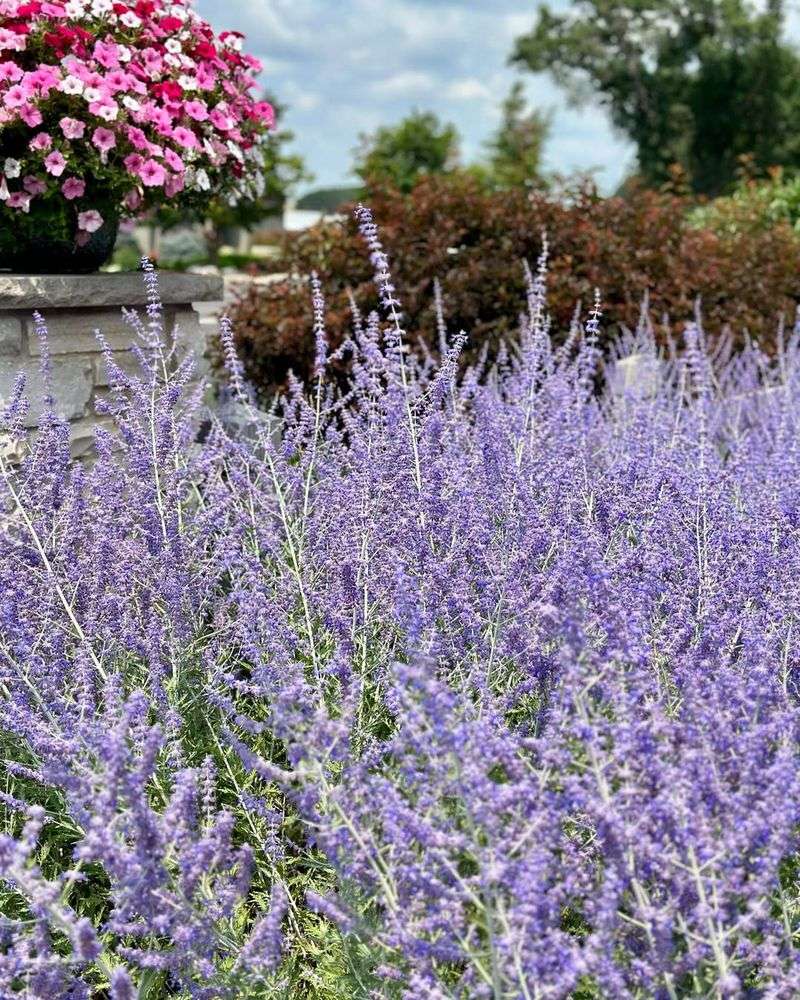
Russian sage brings vertical drama to Virginia gardens with its tall stems clothed in fine silvery foliage and topped with airy purple flower panicles.
This substantial perennial can reach three to five feet in height, creating impressive presence in the back of borders or as standalone specimens.
Blooming begins in midsummer and continues well into fall, providing color when many spring bloomers have finished their show.
Virginia’s hot summers suit Russian sage perfectly, as this tough plant actually thrives in heat and handles drought conditions with remarkable resilience.
Full sun exposure produces the most flowers and prevents the floppy growth that can occur in shadier locations.
The plant’s fine texture contrasts beautifully with bold-leafed perennials like hostas or large ornamental grasses, creating dynamic visual combinations.
Cutting Russian sage back to twelve inches in late winter or early spring encourages strong new growth and prevents woodiness at the base.
This hard pruning might seem severe, but the plant responds vigorously, producing sturdy stems that support abundant flowers without staking.
Russian sage requires minimal fertilizer and actually prefers lean, well-drained soil over rich, moisture-retentive conditions.
Its aromatic foliage releases pleasant scents on warm days and deters deer and rabbits from browsing nearby plants.
The silvery stems remain attractive through winter, adding structure and interest to dormant gardens until spring pruning time arrives.
6. Phlox For Classic Purple Cottage-Garden Charm
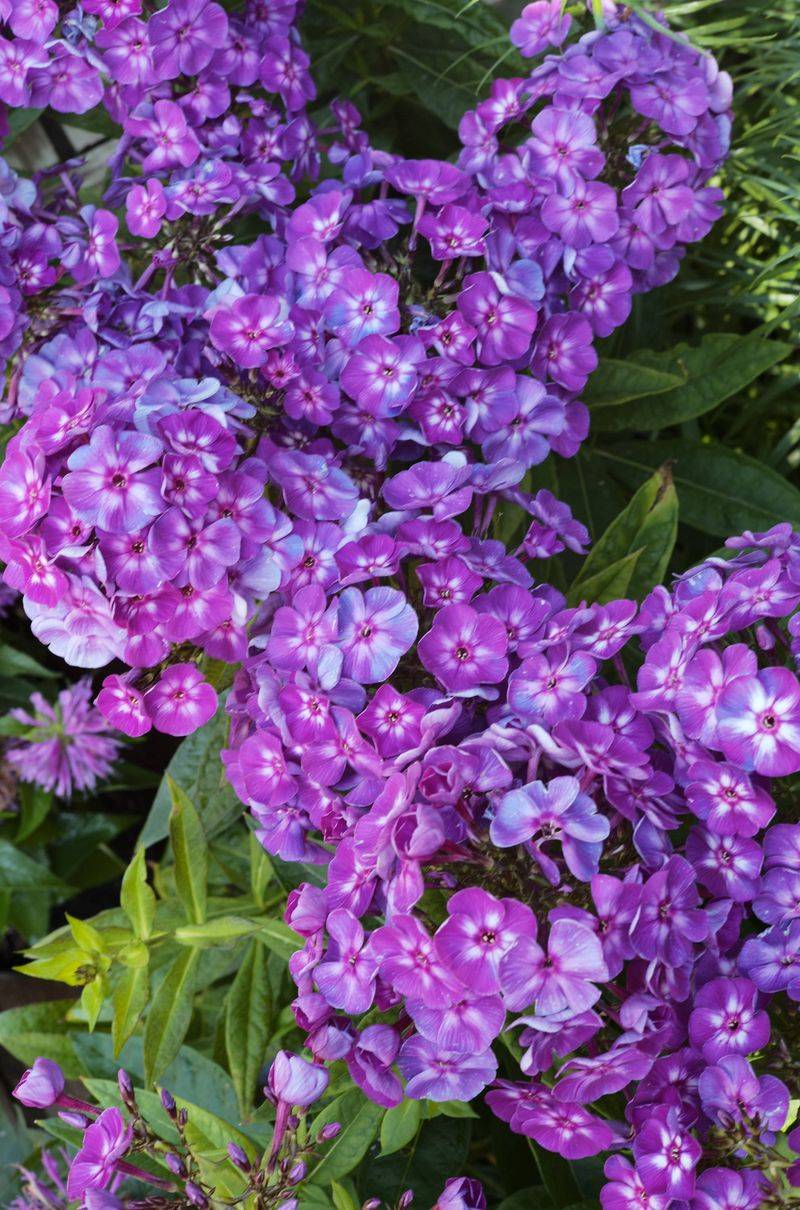
Garden phlox brings old-fashioned charm and sweet fragrance to Virginia landscapes with its large flower clusters that bloom throughout summer.
These classic perennials have graced American gardens for generations, offering reliable color and nostalgic appeal that never goes out of style.
Purple varieties range from deep violet to soft lavender, providing options for various color schemes and garden designs.
Phlox performs best in locations with morning sun and afternoon shade, though it tolerates full sun if given consistent moisture.
Virginia’s humid summers can encourage powdery mildew on susceptible varieties, but selecting resistant cultivars minimizes this frustrating issue.
Planting in areas with good air circulation and avoiding overhead watering helps keep foliage clean and healthy throughout the season.
Removing spent flower clusters promptly encourages additional blooming and prevents self-seeding, which often produces inferior offspring with washed-out colors.
Dividing clumps every three years maintains vigor and prevents overcrowding that can lead to reduced flowering and increased disease pressure.
Garden phlox reaches heights between two and four feet, making it suitable for middle to back positions in mixed borders.
Its upright habit requires no staking, and sturdy stems support heavy flower clusters even during summer thunderstorms.
Butterflies and hummingbirds visit phlox blooms frequently, adding movement and life to the garden during peak summer months when activity brings gardens alive.
7. Bearded Iris For Bold Spring Color
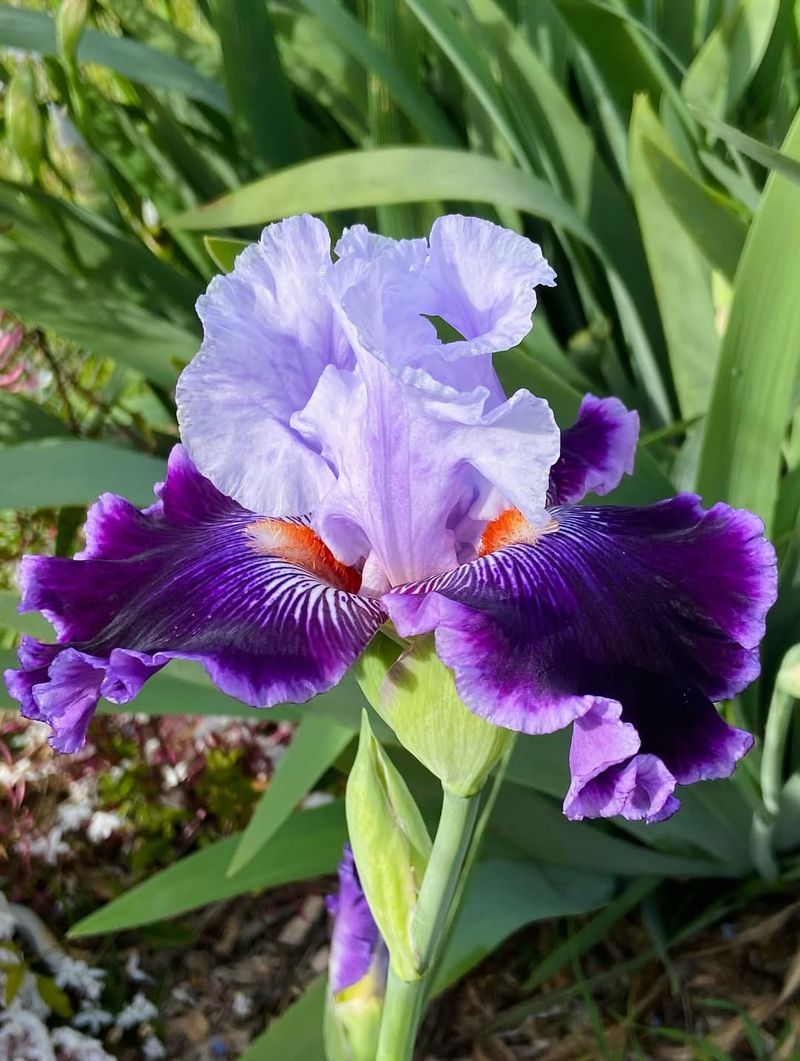
Bearded iris announces spring’s arrival with spectacular flowers featuring ruffled petals and distinctive fuzzy beards that give these perennials their common name.
These aristocratic bloomers produce some of the boldest purple flowers available, with colors ranging from pale lilac to deep royal purple.
Iris blooms typically appear in May across Virginia, providing stunning color just as tulips and daffodils finish their displays.
Planting bearded iris requires attention to proper depth, with rhizomes positioned partially above soil level to prevent rot in humid conditions.
Full sun exposure produces the most flowers, though iris tolerates light afternoon shade in hotter regions of the state.
Well-drained soil is absolutely essential for success, making raised beds or amended clay soil necessary in areas with poor drainage.
Bearded iris foliage remains attractive after blooming, providing vertical accents with sword-like leaves that contrast nicely with rounded plant forms.
Dividing crowded clumps every three to four years maintains flowering vigor and prevents the center from becoming bare and unproductive.
This simple maintenance task, performed in late summer, rejuvenates plants and provides extras to share with fellow gardeners or expand plantings.
Removing spent flower stalks after blooming directs energy back into rhizomes for next year’s display rather than seed production.
Iris borers can occasionally cause problems, but proper sanitation and removing old foliage in fall reduces pest issues significantly in most gardens.
8. Veronica For Vertical Purple Accents
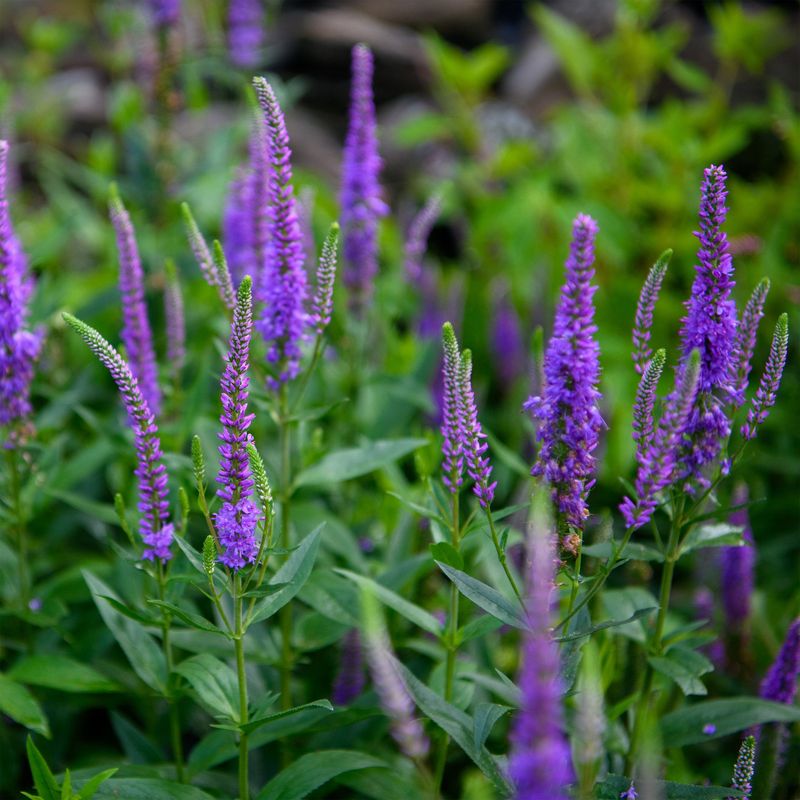
Veronica adds vertical interest to Virginia gardens with its distinctive flower spikes that rise above neat mounds of foliage from late spring through summer.
Also called speedwell, this reliable perennial produces slender flower stalks densely packed with tiny purple blooms that attract butterflies and beneficial insects.
Various species offer different heights and bloom times, allowing gardeners to select varieties that fit specific design needs and extend the flowering season.
Full sun produces the most abundant flowering, though veronica tolerates partial shade in areas with intense afternoon heat.
These adaptable perennials grow well in average garden soil and don’t require rich conditions or frequent fertilization to perform beautifully.
Veronica’s compact growth habit makes it suitable for front-to-middle border positions where its vertical flower spikes create appealing contrast.
Cutting back spent flower stalks encourages additional blooming and keeps plants looking tidy throughout the growing season.
Most varieties reach heights between twelve and twenty-four inches, creating perfect transitions between low ground covers and taller perennials.
Veronica spreads slowly to form substantial clumps without becoming invasive or requiring frequent division to control its spread.
The foliage remains attractive even when flowers fade, maintaining visual interest with its fine texture and neat appearance.
This perennial handles Virginia’s summer heat well once established and requires only occasional watering during extended dry periods to maintain good health and flowering.
9. Allium For Striking Purple Spheres
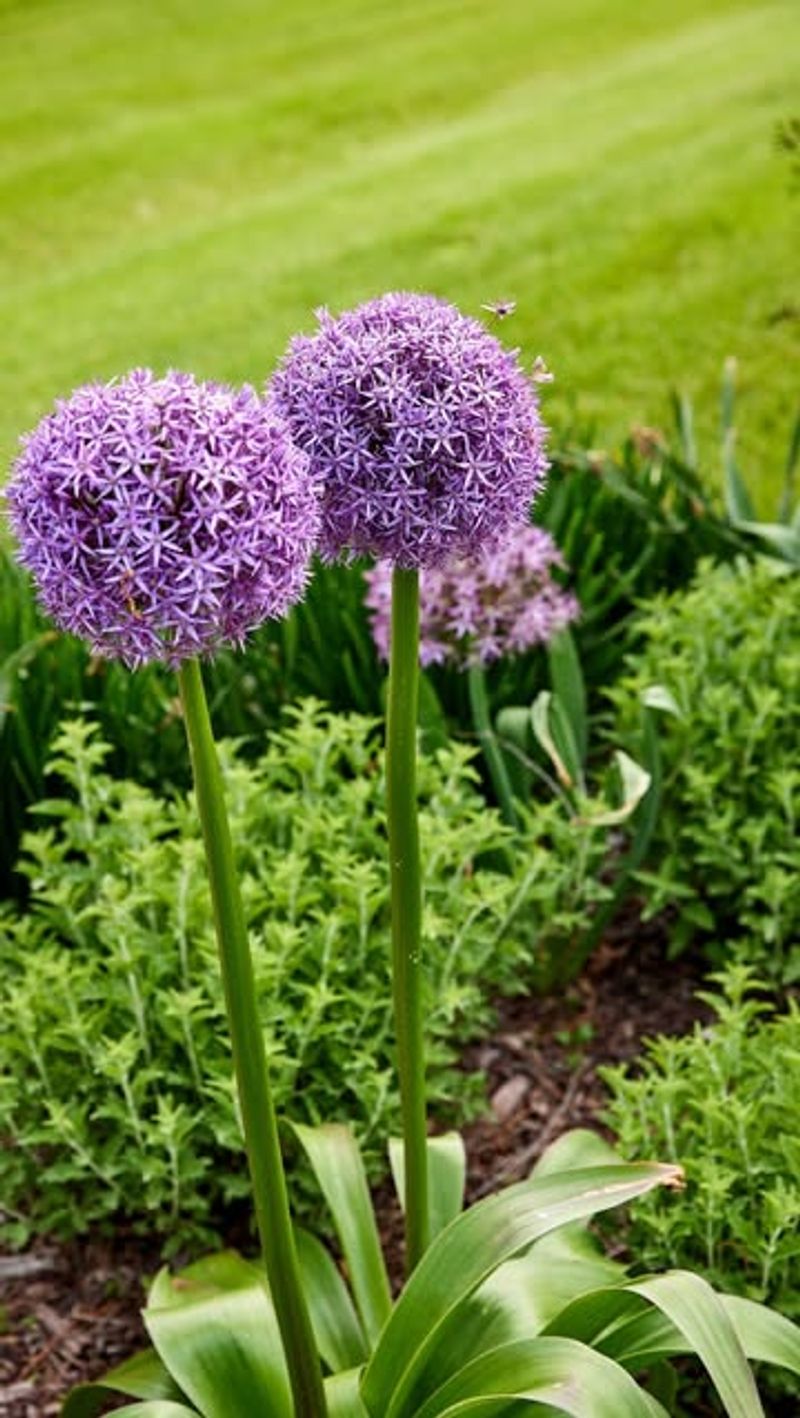
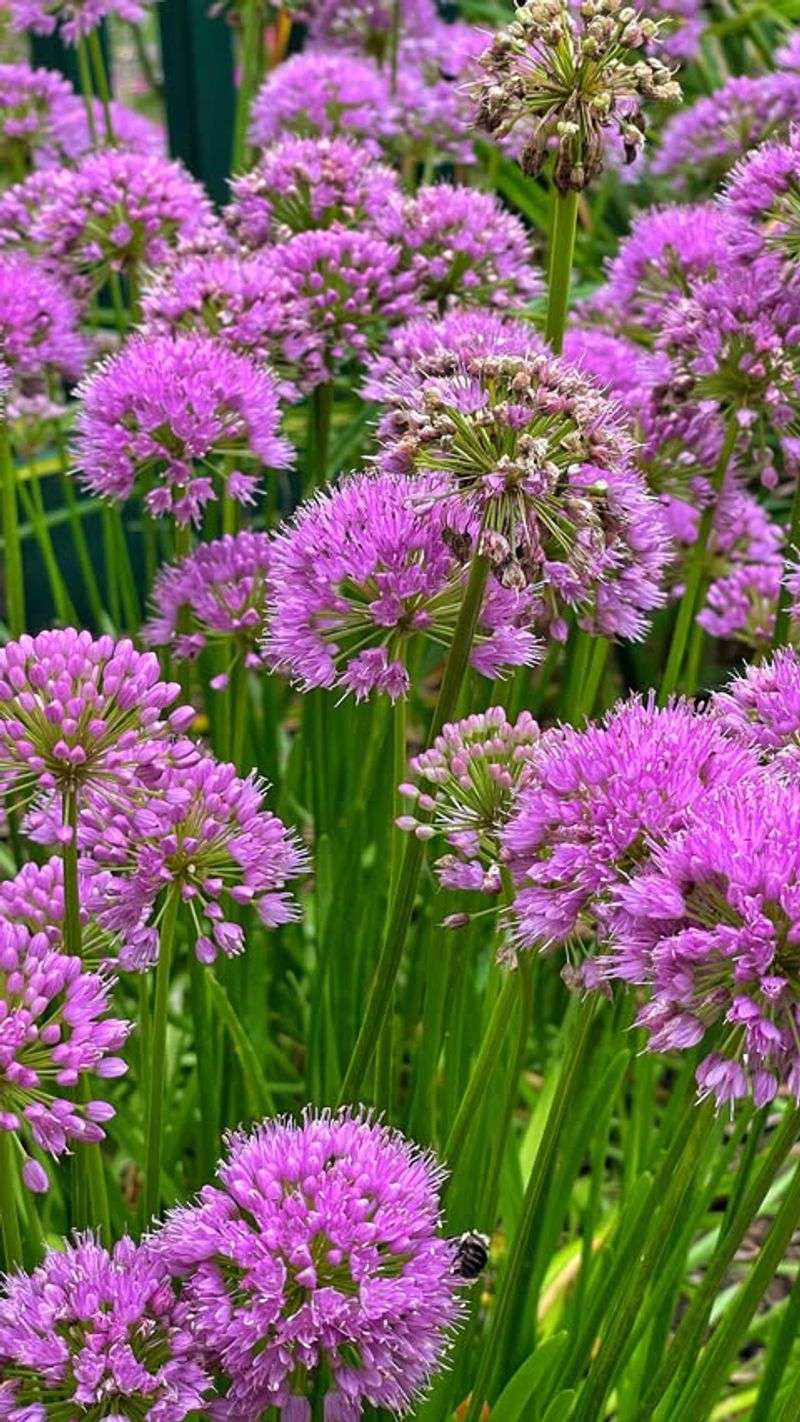
Ornamental allium creates unforgettable garden moments with its perfectly spherical purple flower heads that seem to float above foliage on slender stems.
These architectural perennials bloom in late spring to early summer, bridging the gap between spring bulbs and summer perennials with spectacular style.
Allium flowers range from softball-sized globes to smaller clusters, all featuring star-shaped individual florets arranged in geometric perfection.
Planting allium bulbs in fall allows them to establish roots before winter and emerge reliably each spring with minimal care required.
Full sun and well-drained soil suit these members of the onion family, which tolerate Virginia’s summer heat remarkably well.
The plant’s strappy foliage emerges early in spring but often yellows and fades as flowers bloom, so planting among later-emerging perennials disguises this natural process.
Allium makes exceptional cut flowers, lasting up to two weeks in arrangements and adding unique form that complements traditional blooms beautifully.
After flowers fade, the dried seed heads remain attractive and provide interesting structure in the garden through summer and into fall.
These perennials multiply slowly over time, gradually creating more impressive displays without requiring division or special intervention.
Deer and rabbits avoid allium due to its onion-family heritage, making it valuable in areas where wildlife browsing limits plant choices.
Companion planting with roses, peonies, or other late-spring bloomers creates stunning combinations that showcase allium’s unique architectural qualities perfectly.
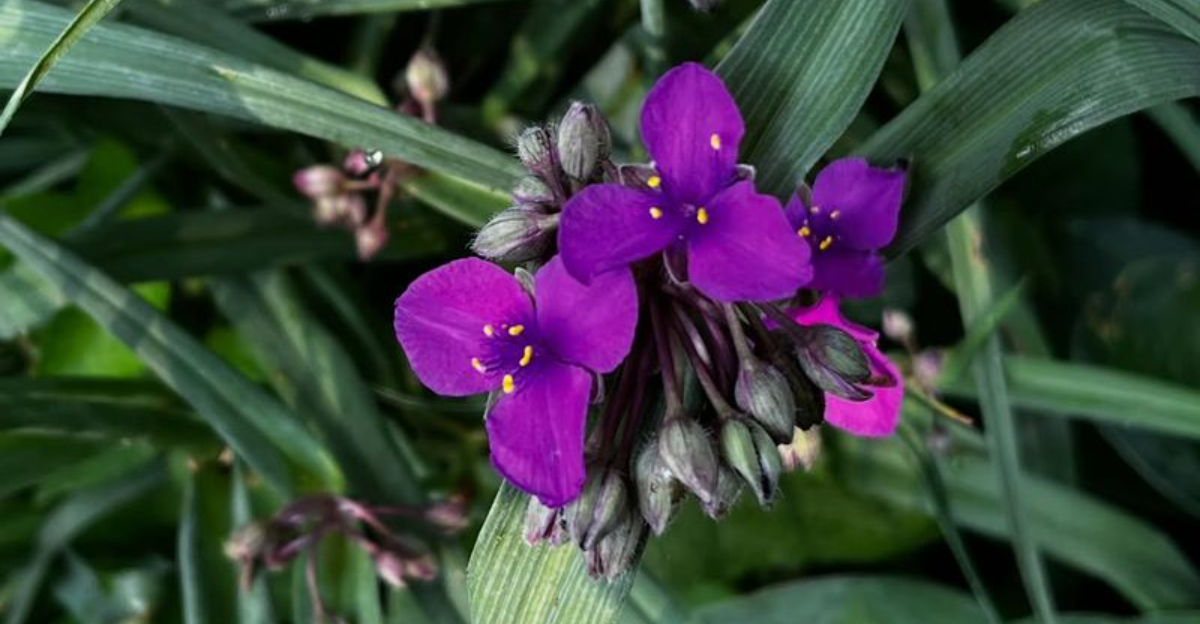
10. Spiderwort For Shade-Friendly Purple Blooms
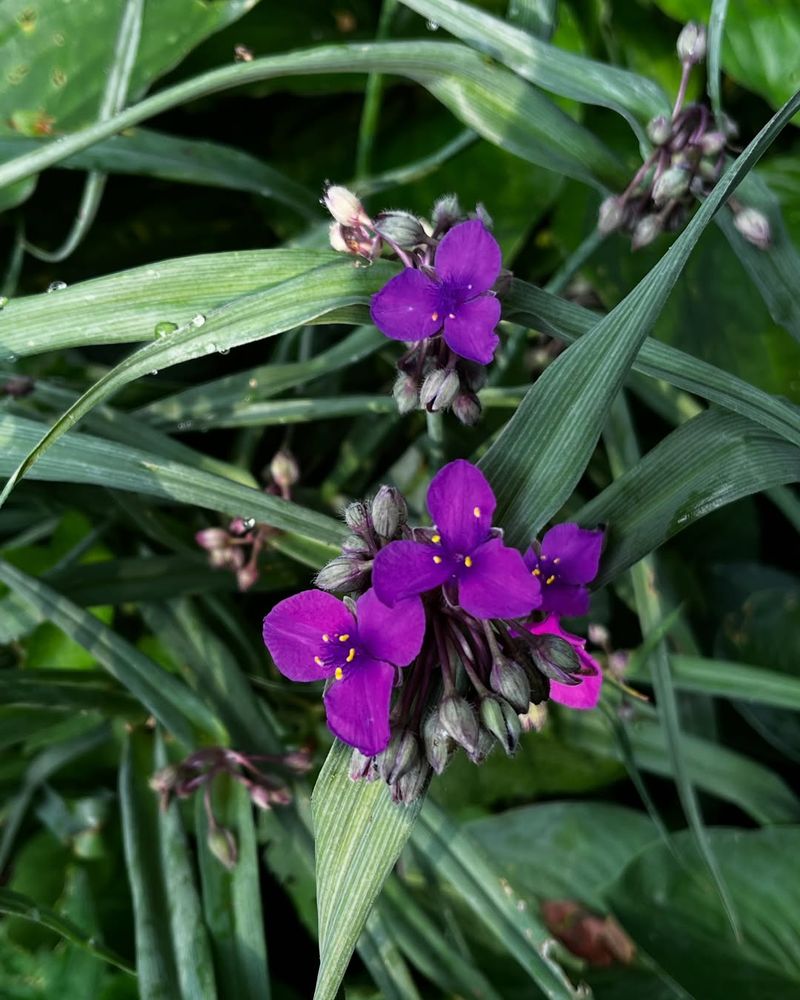
Spiderwort offers a solution for gardeners seeking purple blooms in partially shaded areas where sun-loving perennials struggle to perform.
This North American native produces charming three-petaled flowers that open in morning and close by afternoon, creating a daily rhythm in the garden.
Individual blooms last only one day, but plants produce new flowers continuously from late spring through midsummer, ensuring constant color.
Virginia’s native spiderwort varieties grow naturally in woodland edges and meadows, making them perfectly adapted to local growing conditions.
These tough perennials handle various soil types and moisture levels, from average garden conditions to slightly damp areas near ponds or streams.
The grass-like foliage creates attractive clumps that fill spaces effectively and suppress weeds once established in the landscape.
Spiderwort spreads gradually through self-seeding and creeping roots, eventually forming substantial colonies that require minimal maintenance.
Cutting plants back by half after the first bloom flush encourages fresh foliage and often produces a second round of flowers in late summer.
This perennial pairs beautifully with ferns, hostas, and other shade-loving plants, creating layered plantings with varied textures and forms.
The flowers attract bees and other pollinators despite their brief daily opening period, supporting beneficial insects in shaded garden areas.
Spiderwort tolerates competition from tree roots better than many perennials, making it valuable for challenging spots beneath established trees where other plants fail.
11. Clematis (Perennial Varieties) For Vertical Purple Impact
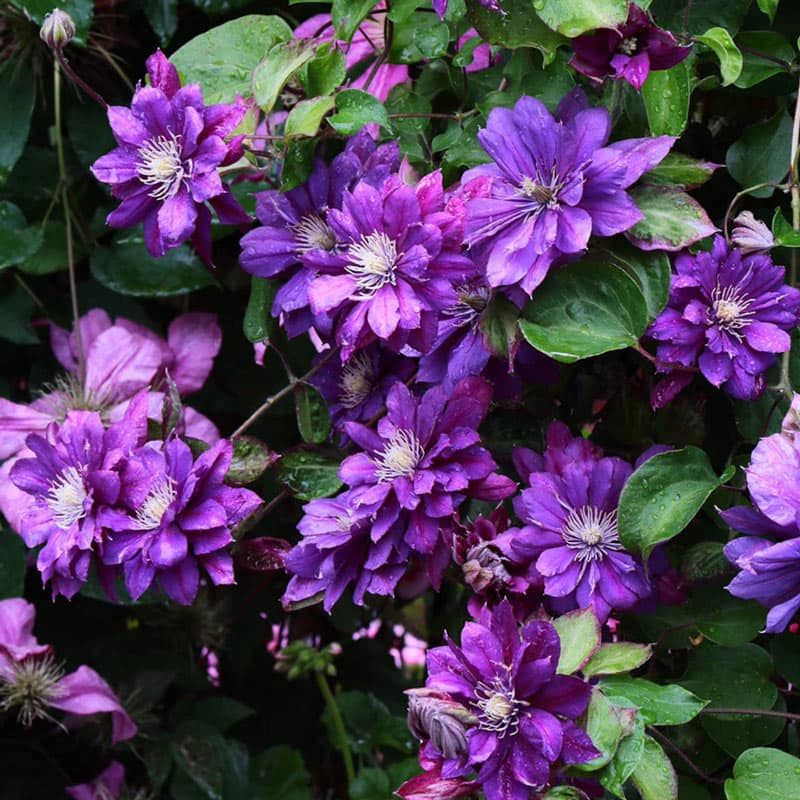
Perennial clematis vines return faithfully each year to clothe vertical surfaces with spectacular purple flowers that rival any annual climber.
Unlike woody clematis varieties, herbaceous types grow from the ground each spring, eliminating confusion about pruning and winter care.
These vigorous vines can reach six to twelve feet in a single season, covering trellises, arbors, or fences with lush foliage and abundant blooms.
Clematis famously prefers cool roots and sunny tops, so mulching the root zone heavily or planting low perennials nearby provides ideal conditions.
Virginia’s climate suits many clematis varieties, though selecting disease-resistant types reduces problems with wilt and other frustrating issues.
Different pruning groups require specific timing, but herbaceous varieties simply get cut to ground level in late winter, making them beginner-friendly choices.
Planting clematis with its crown two inches below soil level encourages multiple stems to emerge and provides insurance against potential stem damage.
These vines require sturdy support structures they can grasp with their twining leaf stems, so providing appropriate trellises ensures successful vertical growth.
Clematis blooms appear on new growth, meaning spring pruning doesn’t sacrifice flowers as it does with some spring-blooming woody vines.
Regular watering during establishment helps vines develop the strong root systems necessary for producing abundant flowers in subsequent years.
Pairing clematis with climbing roses or growing it through shrubs creates stunning combinations that maximize vertical space and extend seasonal interest beautifully.
12. Anise Hyssop For Purple Flowers And Wildlife Appeal
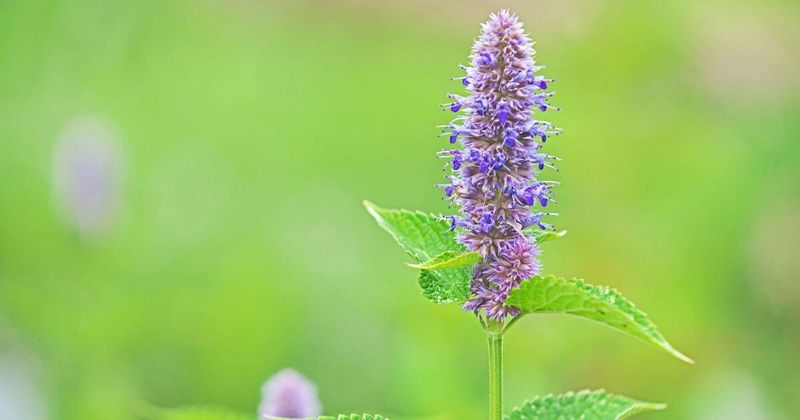
Anise hyssop combines beauty, fragrance, and wildlife value in one outstanding perennial that thrives in Virginia’s growing conditions.
This native plant produces upright spikes of purple flowers from midsummer through fall, providing color when many spring bloomers have finished.
The foliage releases a pleasant licorice-mint scent when touched, adding aromatic interest along garden paths or near seating areas.
Pollinators visit anise hyssop in remarkable numbers, with honeybees, bumblebees, and butterflies covering flower spikes throughout the day.
This makes it an essential plant for gardeners interested in supporting beneficial insects and creating habitat for native wildlife.
Anise hyssop tolerates heat and humidity well, continuing to bloom vigorously even during Virginia’s hottest summer weeks when other perennials slow down.
Full sun produces the most flowers, though plants tolerate light shade and adapt to various soil types from sandy to clay.
The upright growth habit reaches three to four feet, creating substantial presence in middle to back border positions without requiring staking.
Anise hyssop self-seeds moderately, producing new plants that are easily transplanted or removed if they appear in unwanted locations.
Leaving flower stalks standing through winter provides seeds for goldfinches and other birds while adding vertical interest to dormant gardens.
This perennial requires minimal care beyond occasional watering during dry spells and light pruning in early spring to remove old stems and encourage fresh growth.
13. Pasque Flower For Early-Season Purple Interest
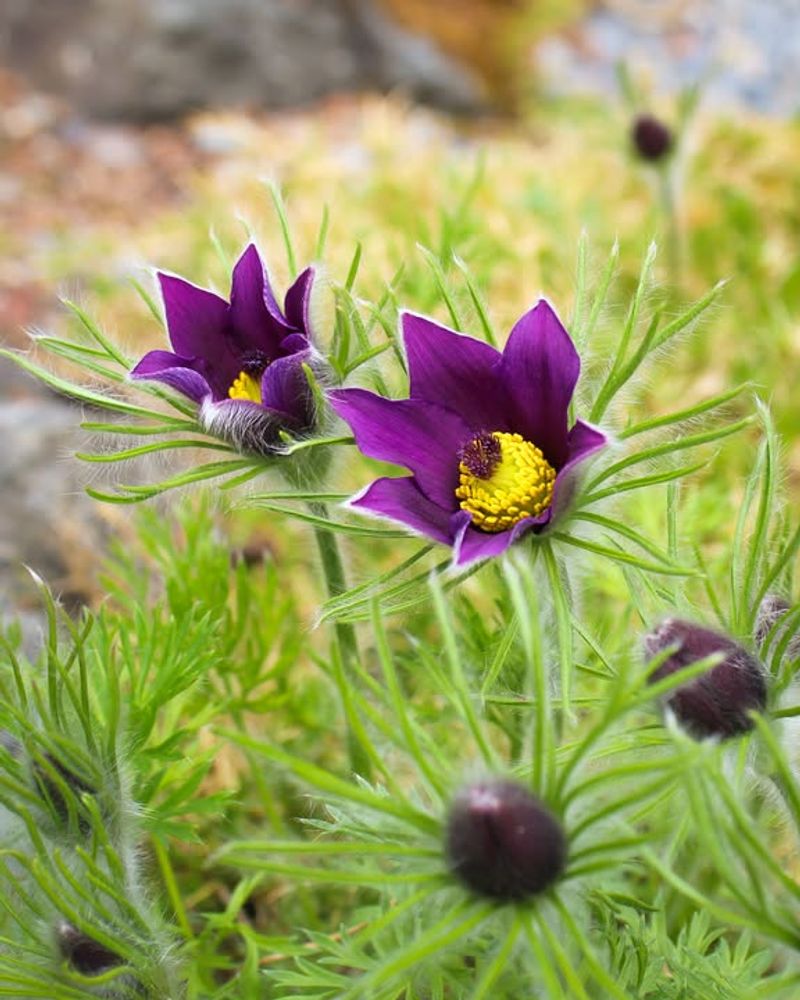
Pasque flower brings purple blooms to Virginia gardens remarkably early, often flowering in late winter or very early spring before most perennials emerge.
These low-growing plants produce silky, cup-shaped flowers surrounded by soft, fuzzy buds that add textural interest during the coldest months.
The ferny foliage appears alongside flowers and remains attractive throughout the growing season, providing fine texture in rock gardens or front-of-border positions.
Cold tolerance is exceptional, with pasque flower handling Virginia’s occasional late freezes without damage to flowers or foliage.
This alpine native prefers well-drained soil and sunny locations, making it perfect for rock gardens, raised beds, or slopes where drainage is naturally good.
Pasque flower reaches only six to twelve inches in height, creating charming displays that don’t overwhelm small spaces or delicate companion plants.
After flowering, attractive seed heads develop with long, feathery plumes that catch light beautifully and provide continued interest through late spring.
These perennials establish slowly but become long-lived once settled, requiring minimal care beyond occasional watering during extended dry periods.
Pasque flower resents disturbance, so choosing permanent locations carefully avoids the need for transplanting later when plants have matured.
Pairing this early bloomer with spring bulbs like crocus or miniature daffodils creates delightful combinations that celebrate the season’s arrival.
Its compact size and early flowering make pasque flower perfect for containers placed near entryways where its charming blooms can be appreciated up close daily.
14. How To Design A Long-Lasting Purple Perennial Garden In Virginia
Creating a purple perennial garden that blooms continuously requires thoughtful planning and understanding of each plant’s flowering time and growth habits.
Starting with early bloomers like pasque flower and bearded iris provides spring interest, while summer performers like coneflower and salvia maintain color through hot months.
Adding late-season bloomers such as Russian sage and anise hyssop extends the display well into fall, ensuring purple hues grace the garden for maximum months.
Layering plants by height creates depth and visual interest, with tall varieties like Russian sage and phlox anchoring the back of borders.
Middle-height plants such as catmint and veronica fill transitional zones, while low growers like pasque flower edge beds and soften hard landscape lines.
This vertical layering ensures all plants receive adequate light while creating a full, lush appearance that looks professionally designed.
Combining different purple shades adds richness and prevents monotony, mixing deep violets with soft lavenders and blue-purples for sophisticated color schemes.
Repeating key plants throughout the garden creates rhythm and unity, tying disparate areas together into a cohesive design.
Including plants with varying textures, from fine Russian sage to bold allium spheres, adds visual interest beyond color alone and creates dynamic combinations.
Virginia’s climate supports diverse purple perennials, making it possible to achieve year-round interest with proper selection and placement strategies that maximize each plant’s unique contributions.