8 Purple Plants That Steal The Spotlight In Georgia Flower Beds
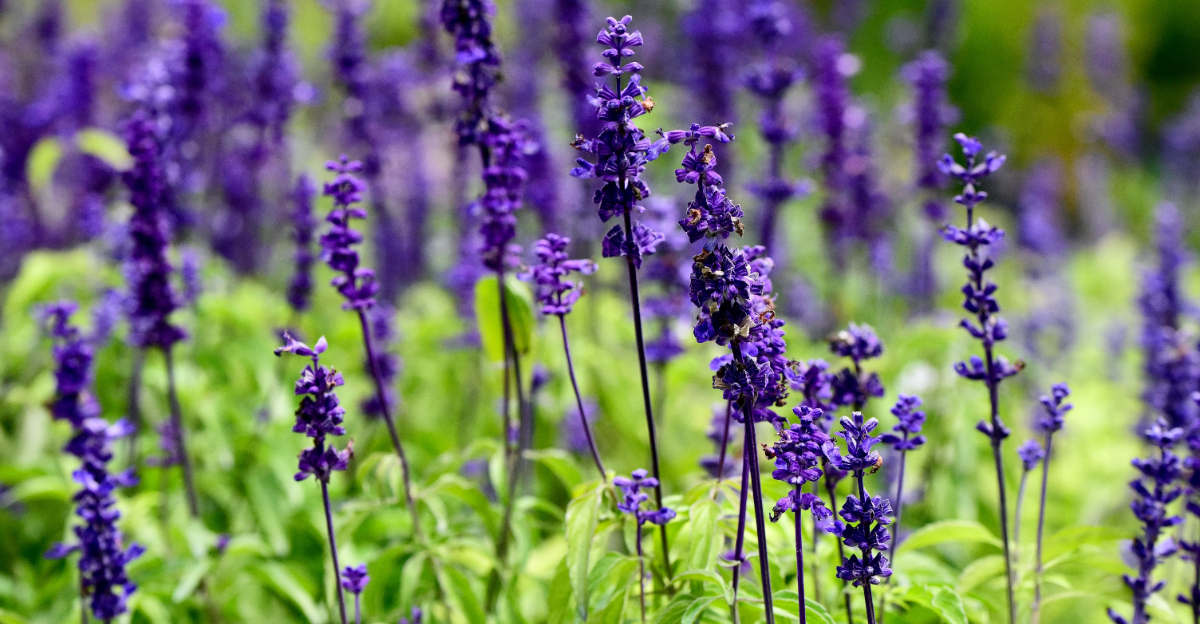
Purple adds drama and depth to any Georgia flower bed, instantly drawing attention and making surrounding colors pop. If you want your garden to feel vibrant and intentionally designed, choosing bold purple plants is one of the easiest ways to do it.
Their rich hues create natural focal points that catch the eye from every angle.
In Georgia’s long growing season, selecting varieties that tolerate heat, humidity, and occasional cold ensures blooms stay strong and leaves remain vibrant.
From deep eggplant tones to soft lavender shades, purple plants bring contrast and texture that elevate any planting scheme.
Placing these show-stopping plants strategically gives your flower beds structure and personality. With the right choices, your Georgia garden looks layered, polished, and effortlessly captivating from spring through fall.
1. Salvia Sends Up Bold Purple Spikes That Thrive In Georgia Heat
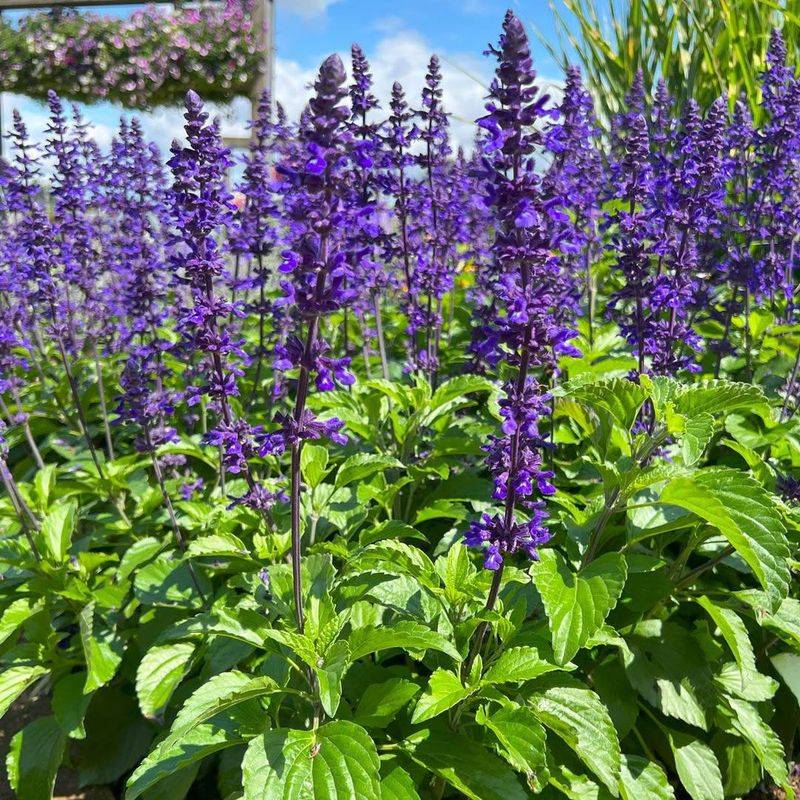
Few plants match salvia’s ability to punch through Georgia’s summer humidity with vibrant color. Those vertical purple flower spikes rise like exclamation points above compact foliage, demanding attention from across the yard.
Hummingbirds spot these tubular blooms from remarkable distances and visit repeatedly throughout the day.
Different salvia varieties perform exceptionally well in Georgia’s varied climate zones. ‘Black and Blue’ produces deep purple-blue flowers on plants reaching three feet tall.
‘Victoria Blue’ stays more compact while delivering intense color from late spring through fall. Both types shrug off heat that would stress less adapted plants.
Water needs stay moderate once roots establish themselves in garden beds. Morning watering helps prevent fungal issues that occasionally develop during Georgia’s humid stretches.
Mulching around plants conserves moisture and keeps roots cooler during peak summer temperatures.
Cutting back spent flower spikes by one-third encourages fresh blooms and prevents plants from looking tired by August. This simple maintenance step extends the flowering season well into October across most of Georgia.
Salvias pair beautifully with yellow coreopsis or white zinnias, creating combinations that pop in afternoon sunlight.
Pinching young plants early in the season encourages fuller growth and more flower spikes as summer progresses. Most salvias prefer full sun in Georgia, though a little afternoon shade can help them stay fresh during extreme heat waves.
With minimal care and reliable performance, they remain one of the easiest ways to keep steady color flowing through a Georgia garden all season long.
2. Purple Coneflower Stands Tall And Draws Pollinators All Summer In Georgia
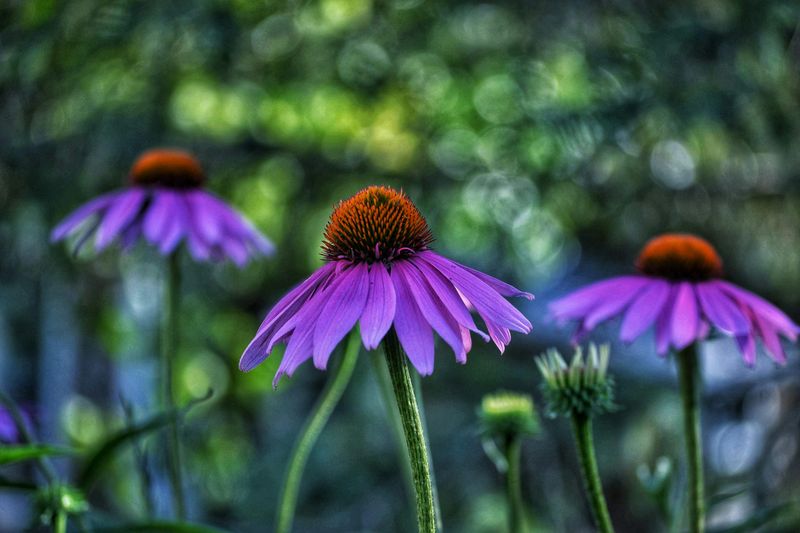
Butterflies flock to purple coneflowers like kids to ice cream trucks on summer afternoons. These sturdy perennials bloom from June through September across Georgia, offering nectar-rich flowers that keep pollinators coming back for more.
The distinctive raised center cone surrounded by drooping petals creates an unmistakable profile in any flower bed.
Purple coneflowers handle Georgia’s summer heat without wilting or requiring constant attention. Once established in well-draining soil, they tolerate dry spells better than many garden favorites.
Full sun brings out the best blooms, though they’ll manage with four to six hours of direct light daily.
Height ranges from two to five feet depending on variety, making them excellent choices for middle or back border positions. Their upright growth habit means they won’t flop over during afternoon thunderstorms.
Deadheading spent blooms encourages additional flowering, but leaving some seed heads provides winter food for finches and other birds.
Dividing clumps every three to four years keeps plants vigorous and prevents overcrowding. Spring or fall works well for division in Georgia’s climate.
These native perennials resist most pests and diseases naturally, reducing the need for chemical treatments in home gardens.
3. Verbena Spreads Color Through Georgia Flower Beds Without Slowing Down
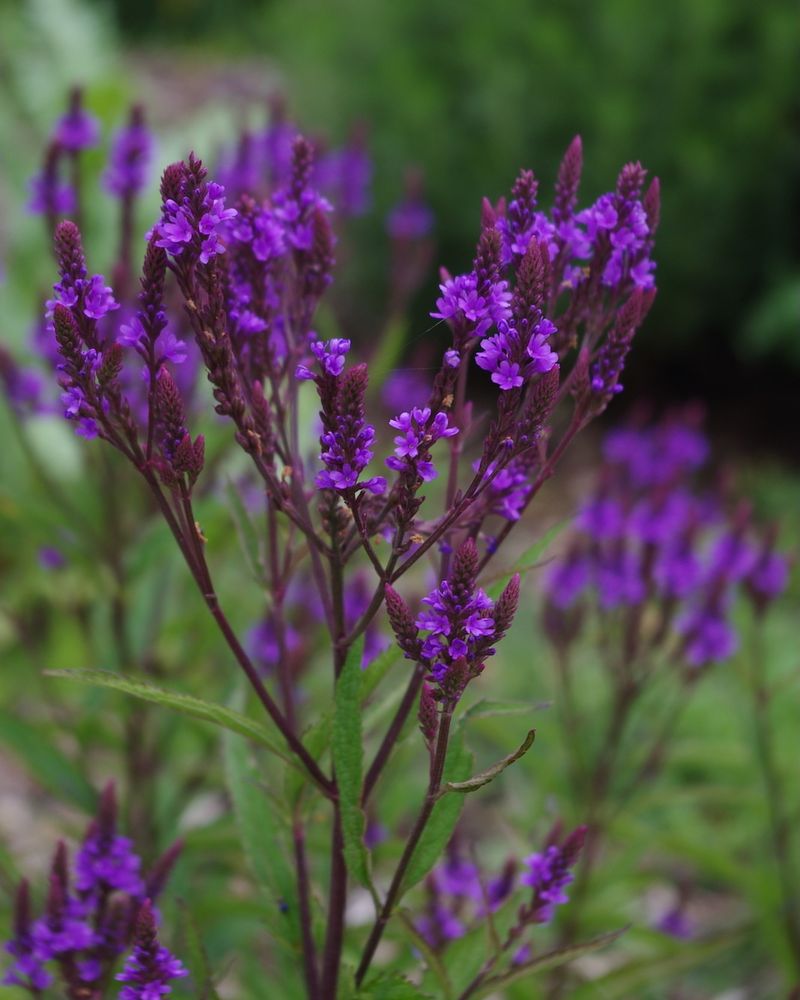
Verbena keeps producing flower clusters when other plants call it quits for the season. This low-growing spreader fills gaps between taller perennials while delivering continuous purple color from spring through fall.
Each plant can spread two to three feet across, making it an efficient choice for covering ground quickly in Georgia gardens.
Heat tolerance ranks among verbena’s strongest qualities for Georgia conditions. Temperatures that send petunias into decline barely faze these tough performers.
They bloom most heavily in full sun but adapt to spots receiving five to six hours of daily light. Afternoon shade actually helps in Georgia’s hottest inland areas.
Drainage matters more than soil richness for verbena success. Clay soils benefit from amendment with compost or sand to prevent water from pooling around roots.
Container plantings work wonderfully since pots naturally provide the drainage verbena prefers. Hanging baskets showcase the plant’s cascading growth habit beautifully.
Fertilizing every four to six weeks with balanced plant food keeps blooms coming steadily. Verbena rarely needs deadheading since flowers drop cleanly and new buds form continuously.
Occasional trimming back by a few inches reinvigorates plants that start looking leggy by midsummer in Georgia’s long growing season.
Powdery mildew can appear during stretches of high humidity, so giving plants good air circulation helps prevent problems before they start. Choosing mildew-resistant varieties makes a noticeable difference in Georgia gardens where moisture lingers overnight.
4. Russian Sage Brings Airy Purple Clouds To Sunny Georgia Gardens
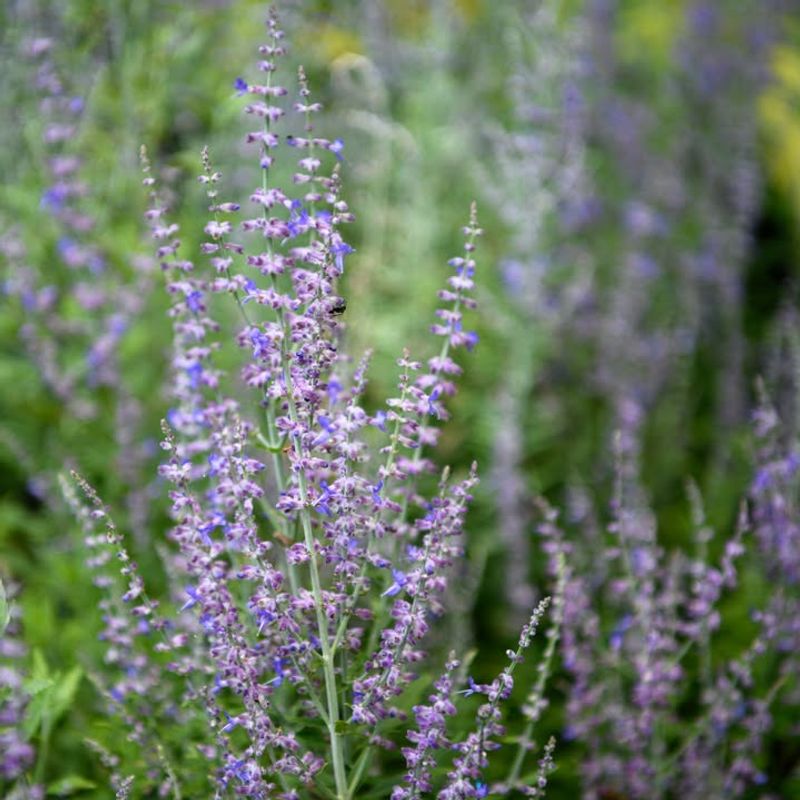
Silver-gray foliage topped with hazy purple blooms gives Russian sage an almost ethereal quality in garden settings. This tough perennial thrives in Georgia’s full sun conditions that would overwhelm more delicate plants.
The woody stems grow three to five feet tall, creating substantial presence without requiring staking or support.
Drought tolerance makes Russian sage ideal for water-conscious Georgia landscapes. Once roots establish during the first growing season, plants handle dry spells with minimal supplemental watering.
The aromatic foliage smells pleasantly herbal when brushed against, adding sensory interest beyond visual appeal. Deer typically avoid it, which solves problems for rural Georgia gardeners.
Late spring through early fall brings the peak flowering period across Georgia’s climate zones. The misty purple blooms attract numerous bee species and butterflies seeking nectar sources.
Cutting plants back to twelve inches in late winter or early spring promotes bushier growth and prevents them from becoming woody and sparse at the base.
Russian sage combines effectively with ornamental grasses, black-eyed Susans, and other prairie-style plants. Its soft texture contrasts nicely with bold foliage plants like cannas or elephant ears.
Well-draining soil is essential since root rot can develop in heavy clay that stays waterlogged during Georgia’s rainy periods.
Strong afternoon sun deepens the silvery tones in the foliage, helping the plant stand out against darker green backdrops. Good spacing improves airflow and keeps stems upright after heavy summer storms roll through.
Once settled in the right spot, it delivers a long season of color with very little intervention.
5. Purple Heart Creates Rich Groundcover Color In Warm Georgia Zones
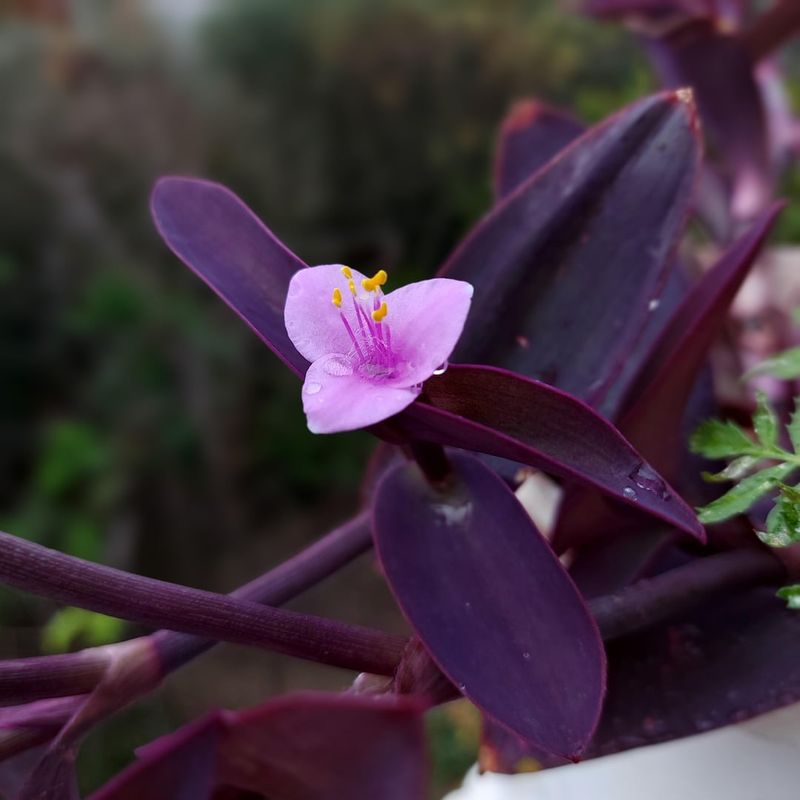
Deep purple foliage that looks almost black in certain light makes purple heart impossible to ignore. This tropical groundcover thrives in Georgia’s southern zones where frost rarely threatens.
The trailing stems spread quickly across open ground, creating dense mats of color that suppress weeds naturally while adding dramatic contrast to green-dominated landscapes.
Small pink flowers appear sporadically throughout warm months, though the stunning foliage provides the main attraction. Purple heart handles full sun to partial shade, though colors intensify with more direct light exposure.
In shadier spots, the purple tones lighten somewhat but remain attractive. Georgia’s humid summers suit this plant perfectly since it originates from similar climates.
Containers, hanging baskets, and border edges all work well for purple heart placement. The cascading growth habit looks especially effective spilling over retaining walls or raised bed edges.
Pinching back stem tips encourages fuller, bushier growth rather than long, sparse runners.
Cold sensitivity means purple heart functions as an annual in north Georgia areas that experience regular freezes. Taking cuttings before first frost and rooting them indoors preserves plants for next season.
In south Georgia’s warmer zones, it returns reliably each spring from roots that survive mild winters. Moderate watering keeps plants looking their best through summer heat.
Good drainage also helps prevent stem rot during periods of heavy Georgia rainfall, especially in consistently humid conditions.
6. Society Garlic Pops With Lavender Blooms In Georgia Landscapes
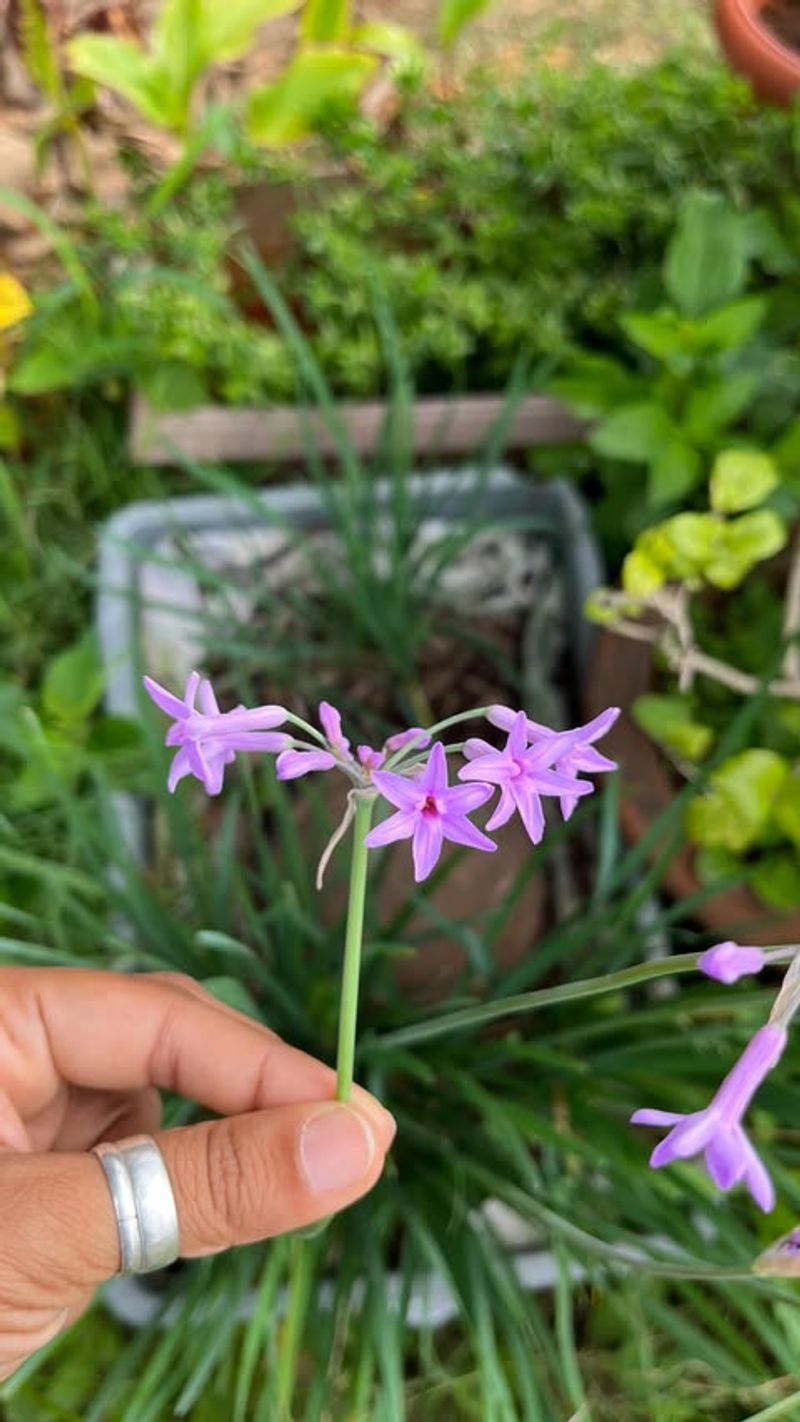
Clusters of star-shaped lavender flowers rise above grass-like foliage from spring through fall in Georgia gardens. Society garlic earns its name from leaves that smell mildly of garlic when crushed, though the scent isn’t overwhelming in landscape settings.
This South African native adapts remarkably well to Georgia’s climate across all zones.
Versatility ranks high among society garlic’s strengths for Georgia gardeners. It grows equally well in borders, containers, or as edging along pathways.
The clumping growth habit stays neat without spreading aggressively into neighboring plants. Height reaches twelve to eighteen inches, making it suitable for front or middle border positions depending on companion plants.
Full sun produces the most prolific blooming, though society garlic tolerates partial shade reasonably well. Soil preferences lean toward well-draining conditions, but this plant adapts to various soil types found across Georgia.
Established clumps handle dry periods without complaint, making them low-maintenance additions to busy gardeners’ landscapes.
Dividing clumps every three to four years prevents overcrowding and maintains vigorous blooming. Spring division works best in Georgia, giving plants the full growing season to reestablish before winter.
The flowers attract butterflies while deer generally leave plants alone. Removing spent flower stalks keeps plants looking tidy, though it isn’t strictly necessary for continued blooming throughout Georgia’s long growing season.
In colder parts of north Georgia, a light layer of mulch helps protect roots during occasional winter freezes. Container specimens benefit from slightly reduced watering in late fall as growth slows with cooler temperatures.
7. Lavender Adds Fragrance And Soft Purple Tones To Georgia Beds
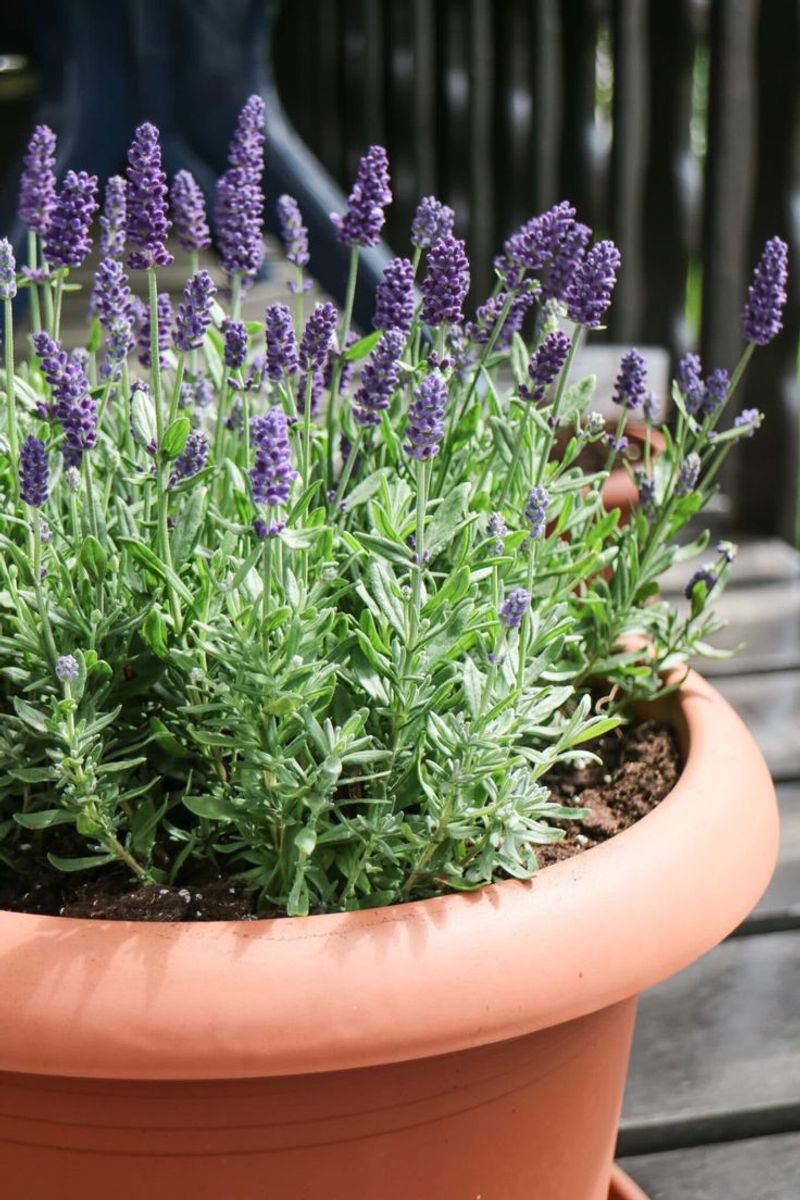
That unmistakable fragrance of lavender transforms ordinary garden spaces into sensory experiences. While lavender originated in Mediterranean climates, certain varieties adapt successfully to Georgia’s conditions with proper site selection and care.
Spanish lavender and ‘Phenomenal’ cultivar handle Georgia’s humidity better than traditional English types.
Site selection determines lavender success or failure in Georgia gardens. Choose the sunniest, best-draining spots available, preferably on slopes or in raised beds where water never pools.
Amending heavy clay soil with sand and compost improves drainage significantly. Avoid low-lying areas where cold air settles during winter months.
Overwatering causes more lavender failures than any other factor in Georgia landscapes. Let soil dry between waterings once plants establish themselves.
Mulching with gravel or small stones around plants improves drainage while reflecting heat upward, which lavender appreciates. Organic mulches that retain moisture can promote root rot issues.
Pruning after the spring bloom cycle encourages compact growth and may trigger a second flowering in fall. Cut back about one-third of the plant’s height, removing spent flower stems and shaping the overall form.
Georgia’s winters rarely harm properly sited lavender, though covering plants during rare severe freezes provides insurance. Harvesting flowers for sachets or culinary use adds practical value beyond ornamental appeal in home gardens.
8. Garden Phlox Fills Georgia Summers With Full Clusters Of Purple Blooms
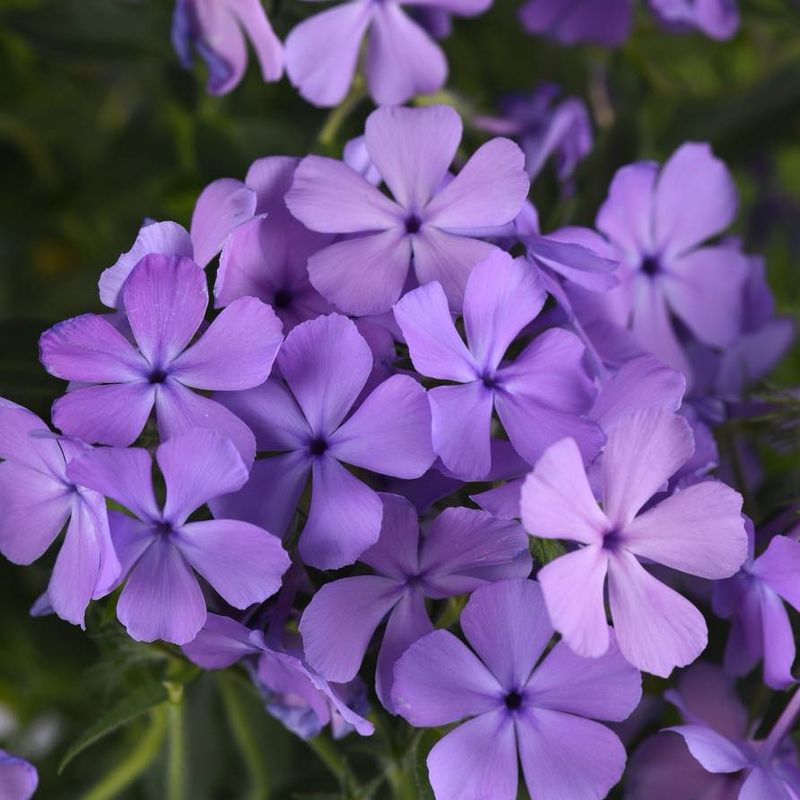
Garden phlox delivers old-fashioned charm with modern performance in Georgia landscapes. Those dense flower clusters top three to four-foot stems from July through September, bringing color when many spring bloomers have finished.
The sweet fragrance attracts butterflies and hummingbirds while adding pleasant scent to outdoor living areas.
Powdery mildew sometimes affects phlox in Georgia’s humid climate, but newer disease-resistant varieties minimize this concern.
‘David’ produces white blooms with excellent mildew resistance, while ‘Robert Poore’ offers magenta-purple flowers on similarly resistant plants.
Spacing plants adequately allows air circulation that reduces fungal disease pressure naturally.
Morning sun with afternoon shade works ideally for garden phlox in Georgia’s hotter regions. Full sun locations succeed in north Georgia where summer temperatures stay somewhat cooler.
Consistent moisture during blooming season produces the fullest flower clusters, though established plants tolerate brief dry spells. Mulching conserves soil moisture and moderates root zone temperatures.
Deadheading spent flower clusters prevents self-seeding and often encourages additional blooms. Cutting back plants by half after the main flowering period sometimes triggers a modest fall rebloom.
Dividing clumps every three to four years maintains plant vigor and provides extras for expanding garden beds or sharing with neighbors.
Garden phlox combines beautifully with daylilies, coneflowers, and ornamental grasses in Georgia’s cottage-style gardens.