11 Quick-Growing Tall Indoor Plants That Thrive In New York Apartment Living
New York apartments may be short on square footage, but they never lack personality.
Every corner works overtime, and every bit of free space carries the chance to add life and style.
Tall indoor plants step into that role with flair.
They grow fast, stretch upward with purpose, and turn bare rooms into cozy, polished retreats.
A single plant can soften harsh edges, brighten a dull wall, or make a tight living area feel a touch more open.
In a city that moves at lightning speed, these plants keep pace without missing a beat.
Many of them thrive in the exact conditions apartment dwellers know well.
Warm rooms, indirect light, and steady indoor temps suit their nature.
They shoot up like rising stars, adding height where little exists and bringing a breath of calm into a space that never seems to sleep.
Their lush leaves create texture, their growth fills vertical gaps, and their presence brings a natural rhythm into everyday life.
A tall plant becomes more than decoration in a New York apartment.
It becomes a statement.
With the right fast growing varieties, any home gains a touch of green drama that stands strong through busy days and quiet nights.
1. Fiddle Leaf Fig
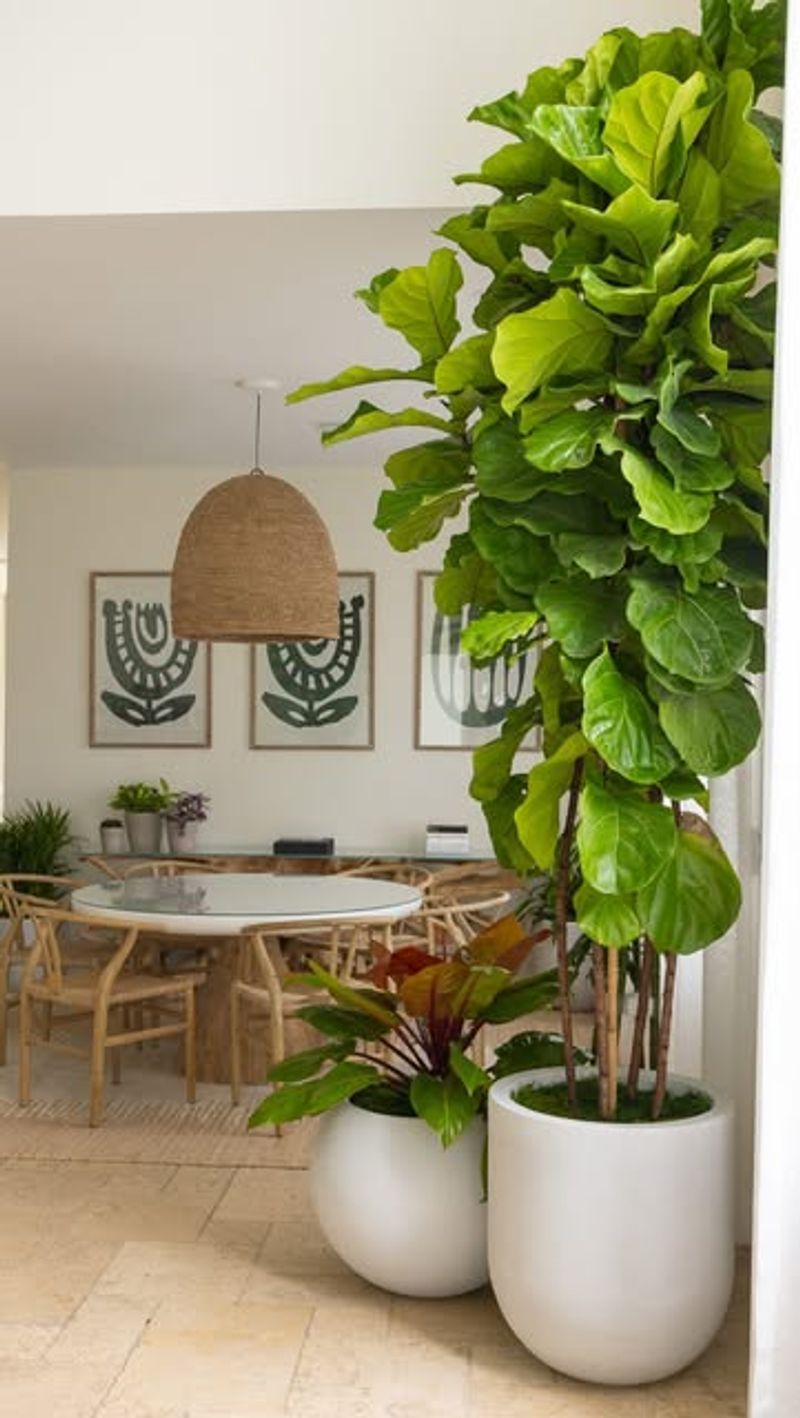
Fiddle leaf figs have become incredibly popular in recent years, and for good reason.
Their large, violin-shaped leaves make a bold statement in any room, and they can reach impressive heights of six to ten feet indoors when given proper care.
New York apartment dwellers love them because they add instant drama and sophistication to living spaces.
These plants grow surprisingly fast when placed near bright, indirect light, which many NYC apartments offer through large windows.
They prefer consistent watering schedules, so letting the top inch of soil dry out between waterings works best.
Rotating your fiddle leaf fig every few weeks ensures even growth and prevents it from leaning toward the light source.
Humidity can be a challenge during New York winters when radiators dry out the air.
Misting the leaves occasionally or placing a humidifier nearby helps keep your fiddle leaf fig happy and healthy.
Watch for brown spots on leaves, which usually signal overwatering or inconsistent care.
The vertical growth pattern makes fiddle leaf figs perfect for corners or narrow spaces where you want height without taking up too much floor area.
With patience and attention, your fiddle leaf fig will become a stunning focal point that grows noticeably taller each season.
2. Rubber Plant
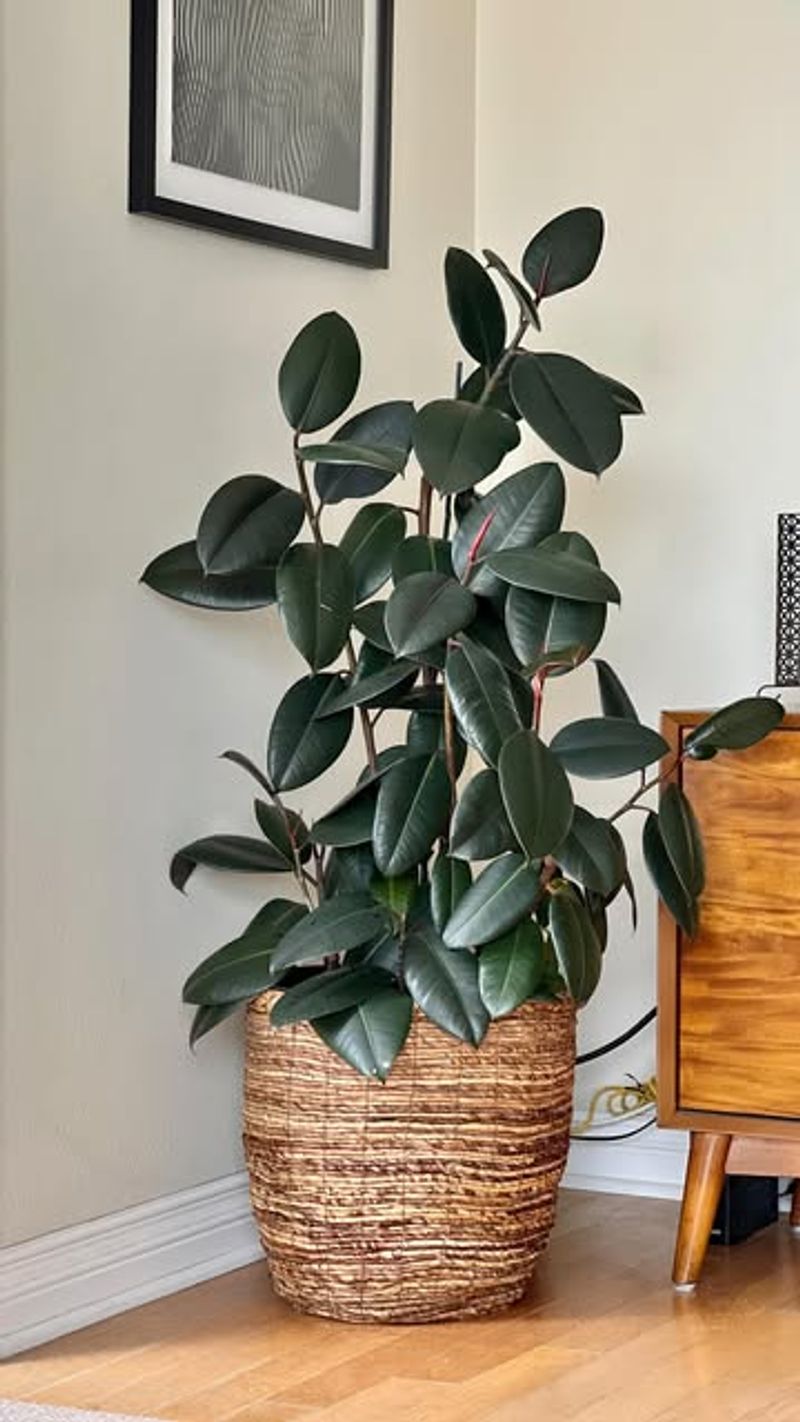
Rubber plants are champions when it comes to forgiving care and rapid upward growth.
Their thick, glossy leaves come in deep green or variegated patterns, and they can shoot up several feet in just one growing season.
Many New York plant enthusiasts choose rubber plants as their first tall indoor plant because they tolerate a range of light conditions.
Bright, indirect light encourages the fastest growth, but rubber plants can also handle medium light situations common in city apartments.
Water thoroughly when the soil feels dry a couple inches down, and always ensure good drainage to prevent root problems.
These plants actually prefer slightly drier conditions over being waterlogged.
Rubber plants naturally grow tall and straight, making them ideal for tight spaces or alongside furniture.
You can encourage bushier growth by pruning the top, but most people prefer the elegant, tree-like shape they develop naturally.
Wiping down the large leaves with a damp cloth every few weeks removes dust and helps the plant breathe better.
Temperature fluctuations near windows during New York winters rarely bother rubber plants, as they’re quite adaptable.
Their sturdy nature and quick growth make them perfect for anyone wanting to add vertical interest without constant fussing or worry about delicate care requirements.
3. Dracaena Marginata
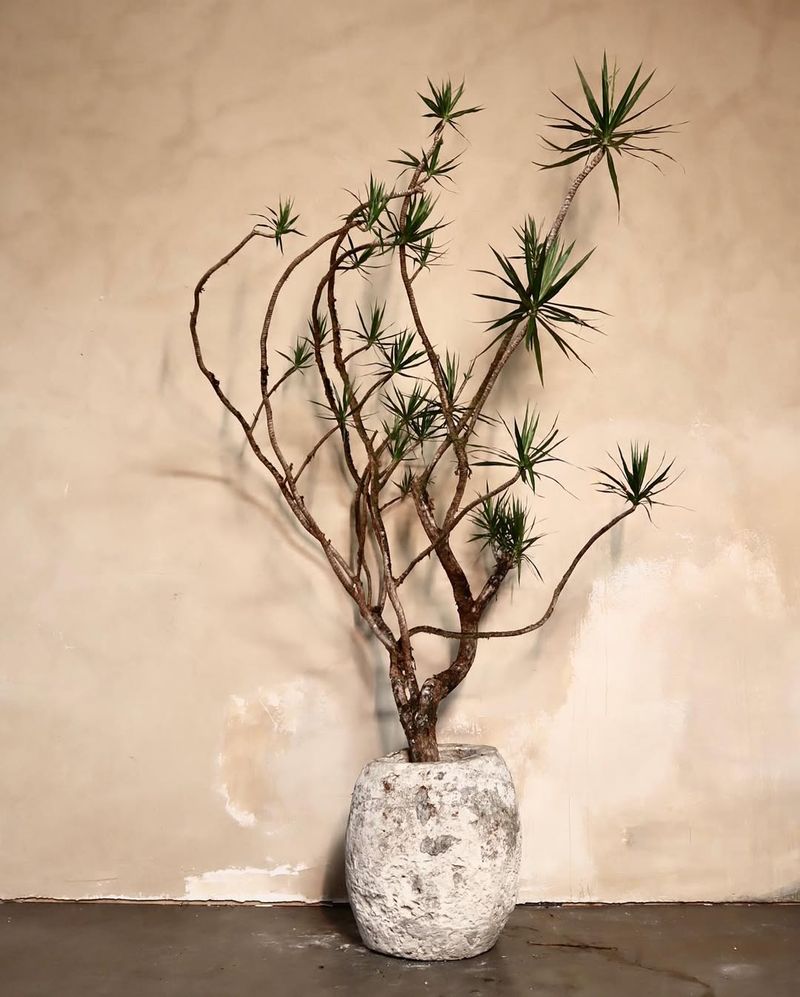
Also known as the dragon tree, Dracaena marginata brings an architectural quality to apartment spaces with its thin, spiky leaves and slender stems.
This plant grows steadily upward and can reach six to eight feet tall indoors, creating a striking vertical accent.
The narrow leaf structure means it doesn’t spread wide, making it perfect for tight New York apartment corners.
Dracaena marginata is remarkably low-maintenance and tolerates lower light conditions better than many tall plants.
It grows well in the indirect light that filters through city apartment windows, even those facing north.
Watering needs are minimal; letting the soil dry out between waterings prevents root issues and keeps the plant thriving.
The red-edged leaves add a pop of color without being overwhelming, and the plant’s sculptural appearance works with virtually any decor style.
Multiple stems often grow from one pot, creating an interesting layered look as the plant matures.
New York apartment dwellers appreciate that dracaena marginata doesn’t demand high humidity levels.
As the plant grows taller, lower leaves naturally drop off, revealing attractive woody stems that add character.
You can propagate new plants from stem cuttings, which root easily in water.
This hardy plant keeps growing steadily year-round, bringing tropical vibes to urban spaces without requiring tropical-level care or attention.
4. Monstera Deliciosa
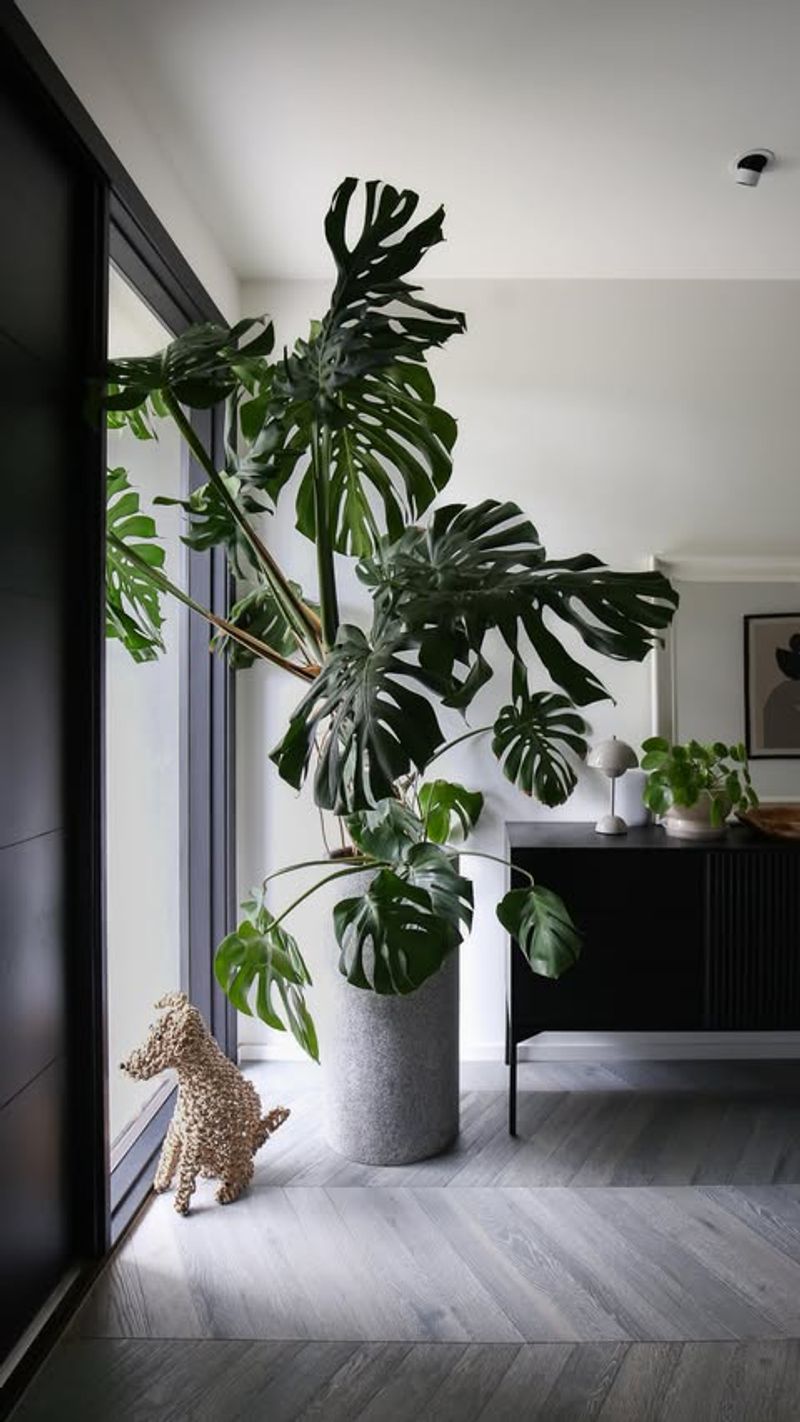
Monstera deliciosa, also called the Swiss cheese plant, has taken the plant world by storm with its dramatic split leaves and vigorous growth habit.
Young plants start with solid leaves, but as they mature and climb, those iconic holes and splits develop.
In New York apartments with decent light, monsteras can grow several feet per year.
Providing a moss pole or support structure encourages upward growth and larger, more fenestrated leaves.
The climbing nature mimics how monsteras grow in their native rainforest habitat, reaching toward tree canopies.
Bright, indirect light near east or west-facing windows works perfectly for these tropical beauties.
Watering when the top two inches of soil feel dry keeps monsteras happy without causing root rot.
They appreciate humidity, which can be challenging in heated New York apartments during winter months.
Grouping plants together or using a pebble tray with water underneath helps create a more humid microclimate.
The large leaves collect dust quickly in city environments, so wiping them down monthly keeps them looking fresh and photosynthesizing efficiently.
Aerial roots often develop as the plant matures, which you can tuck into the soil or leave hanging for an authentic jungle appearance.
Monsteras are conversation starters that bring bold, tropical energy to compact urban living spaces.
5. Snake Plant
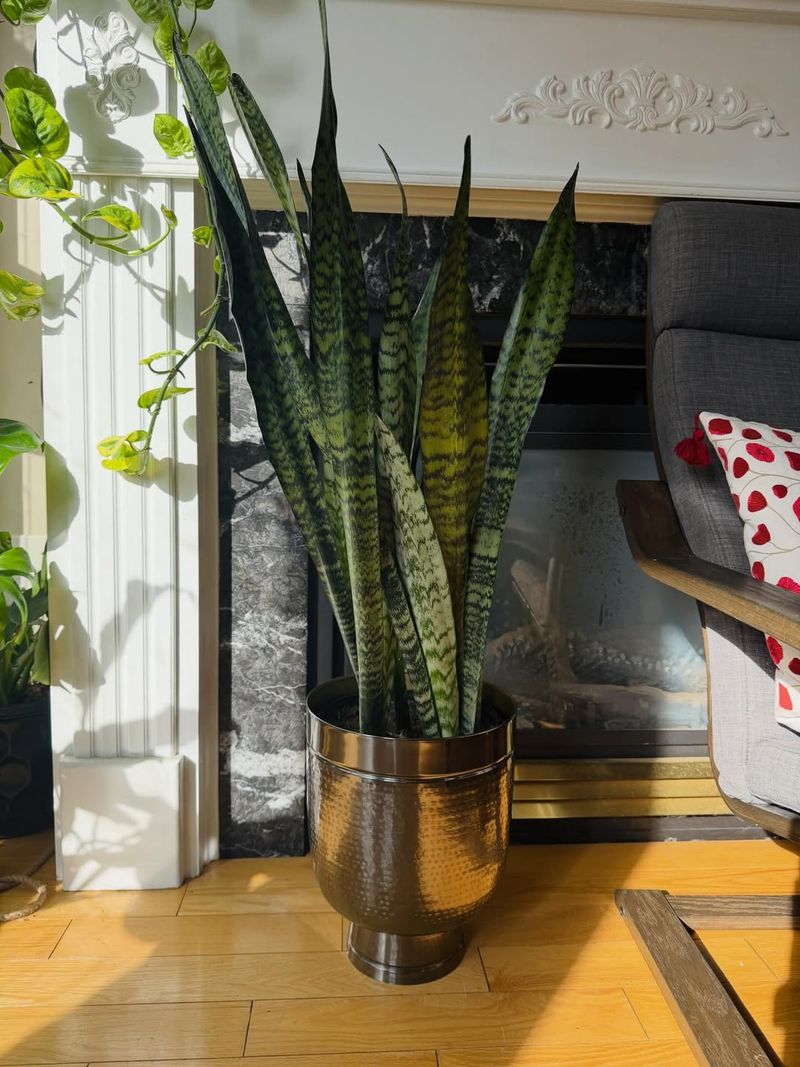
Snake plants rank among the most indestructible houseplants you can grow, and the tall varieties like Sansevieria trifasciata can reach three to four feet in height.
Their sword-like leaves grow straight up, taking minimal floor space while adding significant vertical interest.
New York apartment owners who travel frequently or forget to water plants find snake plants incredibly forgiving.
These plants actually thrive on neglect and prefer dry conditions over frequent watering.
Watering once every two to three weeks during growing season and even less in winter keeps them healthy.
Snake plants tolerate low light conditions remarkably well, though they grow faster in brighter indirect light.
The architectural quality of snake plants makes them versatile for any room, from bedrooms to bathrooms to living areas.
Their upright growth habit creates clean lines that complement modern decor styles popular in city apartments.
Different varieties offer various leaf patterns, from solid green to yellow-edged to silvery-blue tones.
Snake plants are known for air-purifying qualities, removing toxins from indoor environments according to NASA research.
They’re also one of the few plants that release oxygen at night, making them excellent bedroom companions.
Propagation is simple through leaf cuttings or division, allowing you to expand your collection or share with friends throughout New York.
6. Bird Of Paradise
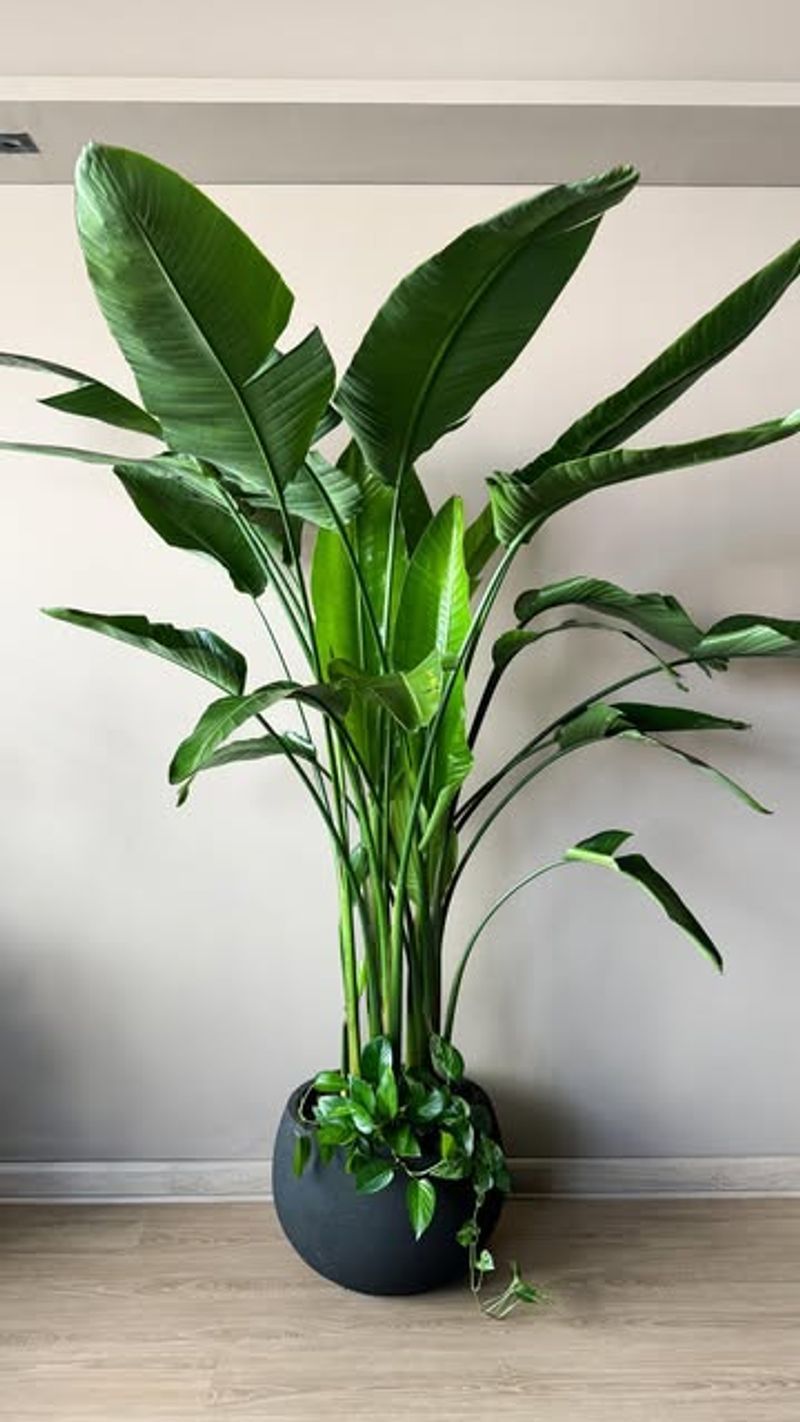
Bird of paradise plants bring tropical paradise vibes to New York apartments with their large, paddle-shaped leaves that resemble banana plant foliage.
These plants grow quickly when given bright light and can reach five to six feet tall indoors.
The dramatic foliage creates an instant focal point and makes small spaces feel lush and exotic.
Bright, direct light from south-facing windows encourages the fastest growth and healthiest leaves.
Bird of paradise plants are more light-hungry than many houseplants, so placement near your brightest window yields best results.
They appreciate regular watering during growing season, with the soil staying slightly moist but never waterlogged.
New York apartment dwellers should know that bird of paradise plants need space for their large leaves to unfurl properly.
Crowding them against walls or furniture can damage new growth.
Wiping down the broad leaves removes city dust and keeps them looking glossy and vibrant.
While these plants can flower indoors, it typically requires several years of growth and ideal conditions.
Most people grow them purely for the stunning foliage, which alone justifies the space they occupy.
Fertilizing monthly during spring and summer supports vigorous growth.
The plant’s upright form and spreading leaves create a sculptural presence that transforms any room into a tropical retreat.
7. Corn Plant
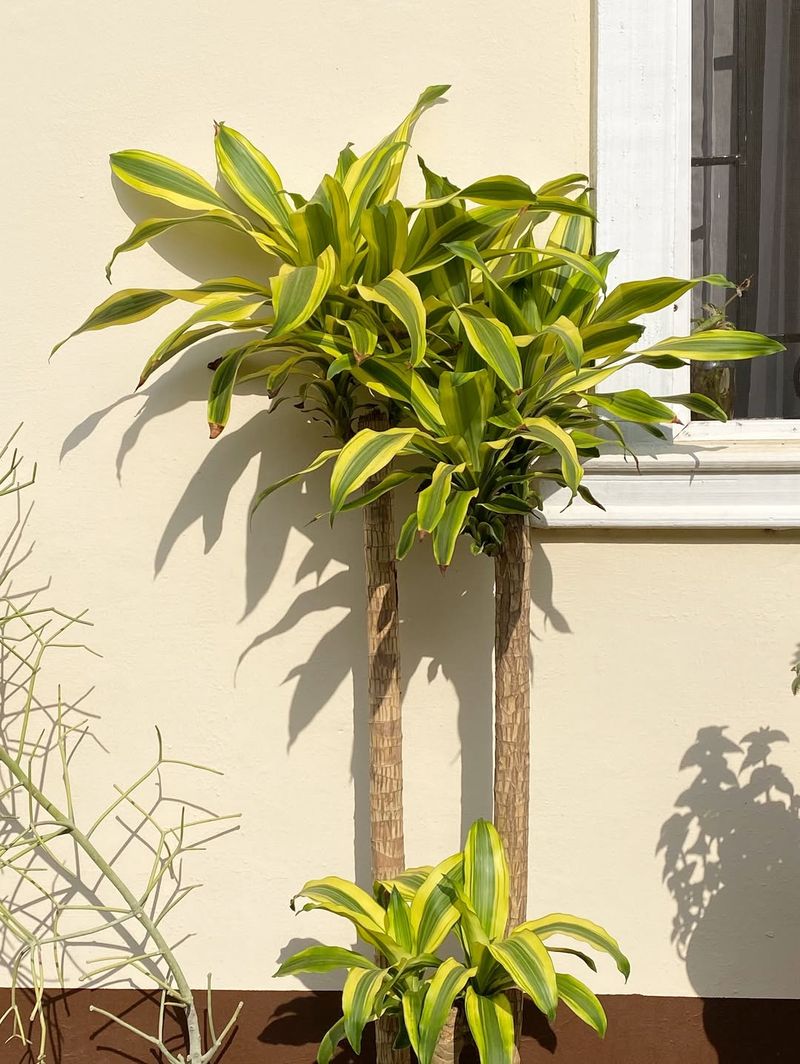
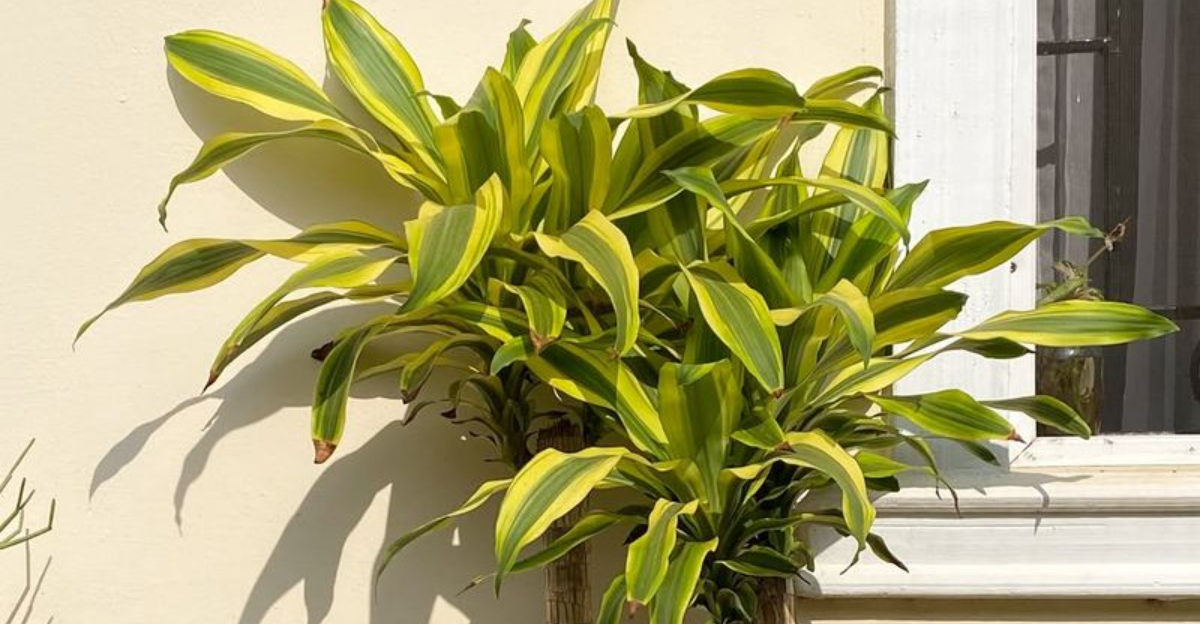
Corn plants, scientifically known as Dracaena fragrans, earned their common name from leaves that resemble corn stalks.
These plants grow reliably upward and can reach six feet or more indoors with minimal effort.
The thick, woody stems topped with clusters of arching leaves create an attractive, palm-like appearance perfect for New York apartments.
Low to medium light conditions don’t slow down corn plants, making them ideal for apartments without abundant natural light.
They’re extremely tolerant of typical indoor conditions and don’t complain about the dry air from radiators.
Watering when the top inch of soil dries out prevents overwatering issues.
The variegated varieties with yellow or white stripes down the center of leaves add visual interest and brighten darker corners.
Corn plants grow steadily throughout the year, though growth slows during shorter winter days.
They rarely need pruning, naturally maintaining an attractive shape as they mature.
Occasionally, mature corn plants produce fragrant white flowers, though this is uncommon indoors.
The plants are quite forgiving if you forget to water occasionally, bouncing back quickly once watered.
Brown leaf tips sometimes appear due to fluoride in tap water; using filtered water or letting tap water sit overnight before watering helps prevent this.
For New York renters wanting impressive height without high maintenance, corn plants deliver reliably year after year.
8. Yucca
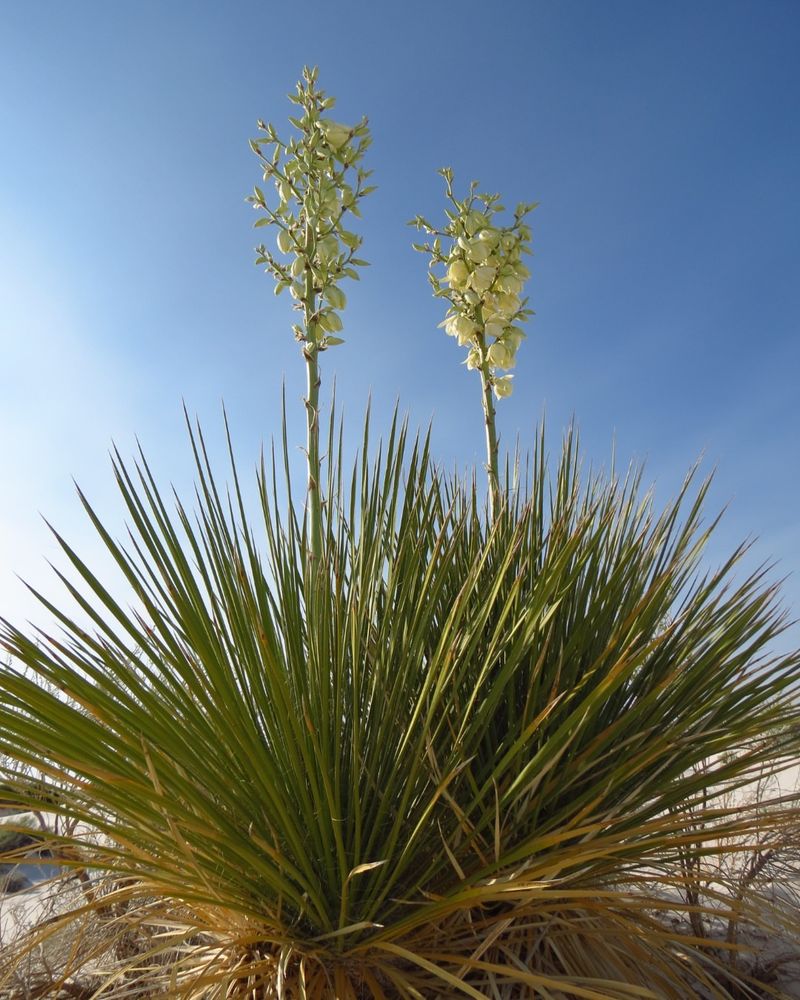
Yucca plants bring desert drama to urban apartments with their spiky, sword-like leaves radiating from central stems.
These plants can grow quite tall, reaching five to seven feet indoors, and their architectural form makes a bold statement.
New York apartment residents who want something different from typical leafy houseplants often gravitate toward yuccas.
Bright light is essential for yuccas, so placing them near south or west-facing windows ensures healthy growth.
They’re drought-tolerant and prefer infrequent watering, making them perfect for busy city dwellers.
Let the soil dry out completely between waterings, and reduce watering even further during winter months.
The stiff, pointed leaves create dramatic shadows and interesting silhouettes against walls.
Yuccas grow slowly but steadily, adding new leaves from the top while older lower leaves gradually brown and can be removed.
They tolerate the temperature fluctuations near windows that occur in New York apartments throughout the seasons.
These plants need minimal fertilizing and rarely suffer from pest problems.
Their sculptural quality works especially well in modern or minimalist interiors.
Yuccas can live for many years with proper care, becoming increasingly impressive as their trunks thicken and develop character.
Just be mindful of the sharp leaf tips when placing them in high-traffic areas or homes with curious pets and children.
9. Bamboo Palm
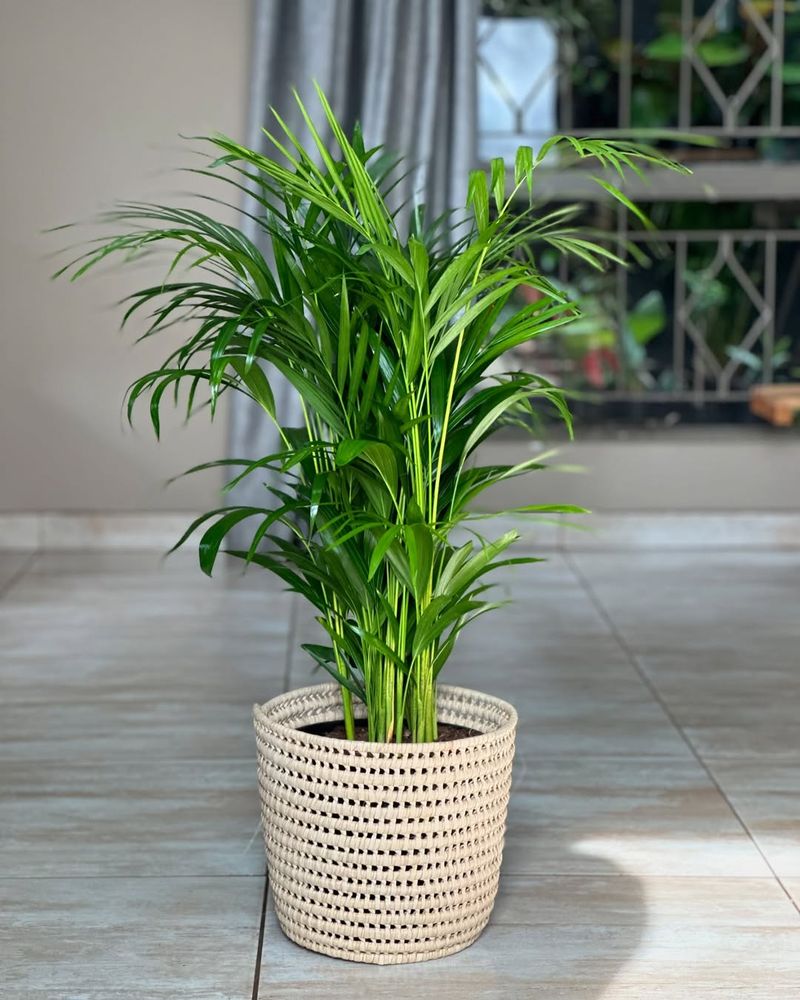
Bamboo palms, also called Chamaedorea seifrizii, bring tropical elegance to New York apartments with their feathery fronds and clumping growth habit.
Multiple stems emerge from the soil, each topped with delicate, arching leaves that create a lush, full appearance.
These palms can reach six to eight feet indoors and grow at a moderate to fast pace.
Medium to bright indirect light keeps bamboo palms happy, though they tolerate lower light better than many palms.
They prefer consistently moist soil during growing season but not soggy conditions.
New York apartment humidity levels during winter can be challenging, so misting occasionally or using a humidifier benefits these moisture-loving plants.
The graceful, fountain-like form softens hard edges and adds movement to indoor spaces.
Bamboo palms are excellent air purifiers, removing indoor pollutants and improving air quality in closed apartment environments.
Their non-invasive root systems mean they grow well in pots without becoming root-bound quickly.
Brown leaf tips sometimes develop from dry air or fluoride in tap water, but this rarely affects overall plant health.
Fertilizing every few months during spring and summer supports steady growth.
The gentle rustling sound of palm fronds creates a calming atmosphere.
Bamboo palms require minimal pruning, just removing any brown fronds at the base to maintain appearance and encourage new growth from the center.
10. Parlor Palm
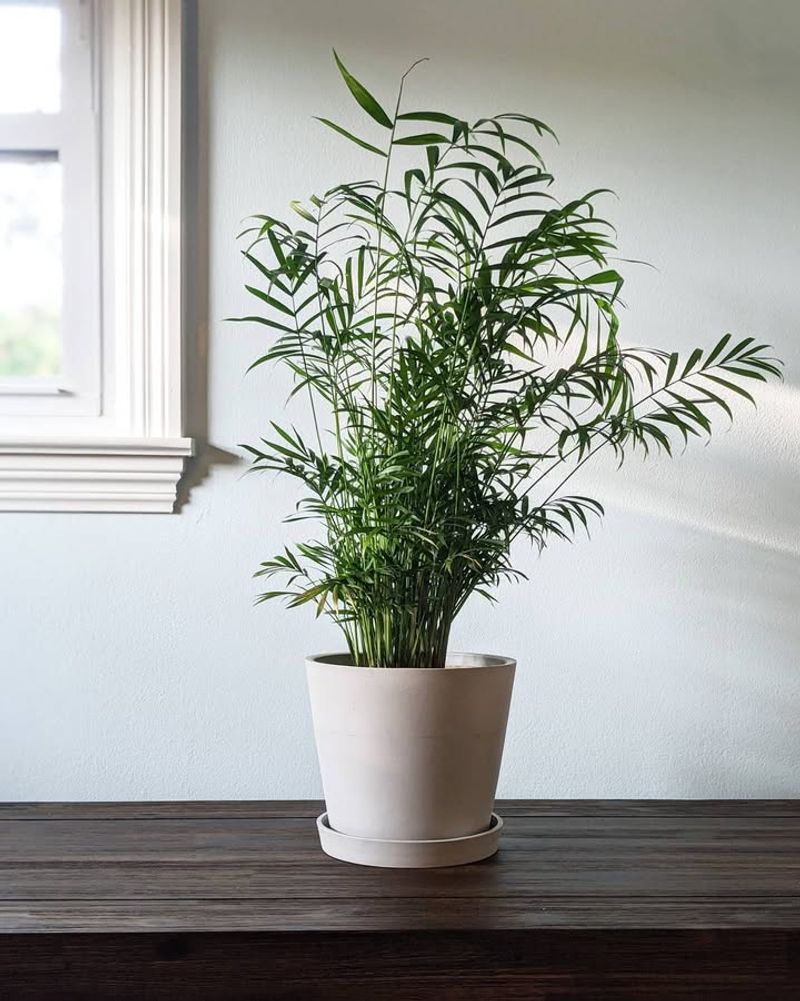
Parlor palms have been beloved houseplants since Victorian times, and they remain popular in New York apartments today for good reason.
These compact palms grow to about four to six feet tall indoors and adapt well to typical apartment conditions.
Their fine-textured fronds create an airy, delicate appearance that doesn’t overwhelm small spaces.
Low to medium light conditions suit parlor palms perfectly, making them ideal for apartments without bright southern exposure.
They grow slowly but steadily, gradually adding height and fullness over time.
Watering when the top inch of soil feels dry maintains healthy growth without risking root problems.
These palms tolerate cooler temperatures better than many tropical plants, handling drafty New York windows during winter months.
They rarely suffer from pest issues and don’t require frequent fertilizing.
The compact root system means parlor palms stay happy in relatively small pots for years.
Parlor palms work beautifully grouped with other plants or standing alone as understated accent pieces.
Their soft, graceful appearance complements virtually any decorating style from traditional to contemporary.
Occasionally wiping down the fronds removes accumulated dust and keeps them looking fresh.
These palms are safe around pets, unlike many houseplants.
For apartment dwellers seeking easygoing elegance and reliable vertical growth without demanding care routines, parlor palms deliver consistent satisfaction year after year in city living conditions.
11. Umbrella Plant
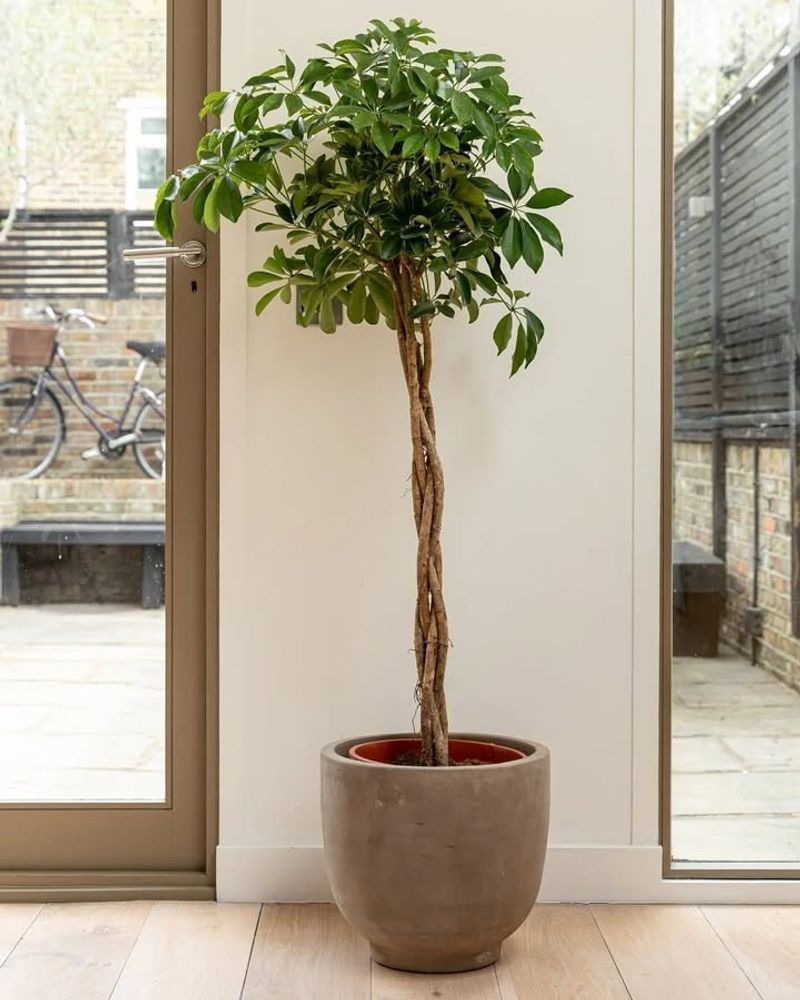
Umbrella plants, scientifically called Schefflera, feature distinctive leaves arranged in circular patterns resembling umbrella spokes.
These plants grow vigorously and can reach six to eight feet tall indoors, filling vertical space quickly.
New York apartment owners appreciate their rapid growth and tolerance of less-than-perfect conditions.
Bright, indirect light produces the most compact, attractive growth, though umbrella plants adapt to medium light situations.
They prefer their soil to dry out slightly between waterings, making them forgiving if you occasionally forget.
Overwatering causes more problems than underwatering with these resilient plants.
The glossy green leaves reflect light beautifully, brightening darker apartment corners.
Variegated varieties with cream or yellow markings add extra visual interest.
Umbrella plants naturally grow tall and somewhat leggy; pruning encourages bushier growth if you prefer a fuller appearance.
New growth emerges from the top, gradually creating a tree-like form.
These plants tolerate the dry air from radiators better than many tropical houseplants.
Rotating the pot every few weeks ensures even growth on all sides.
Umbrella plants occasionally attract spider mites in very dry conditions, but regular leaf wiping and adequate humidity usually prevent problems.
They’re fast-growing enough that you’ll notice visible changes within weeks during growing season, providing the instant gratification that makes indoor gardening in New York apartments so rewarding and enjoyable.