8 Quiet Signs Your Pothos Is Struggling In Georgia Homes And How To Fix It
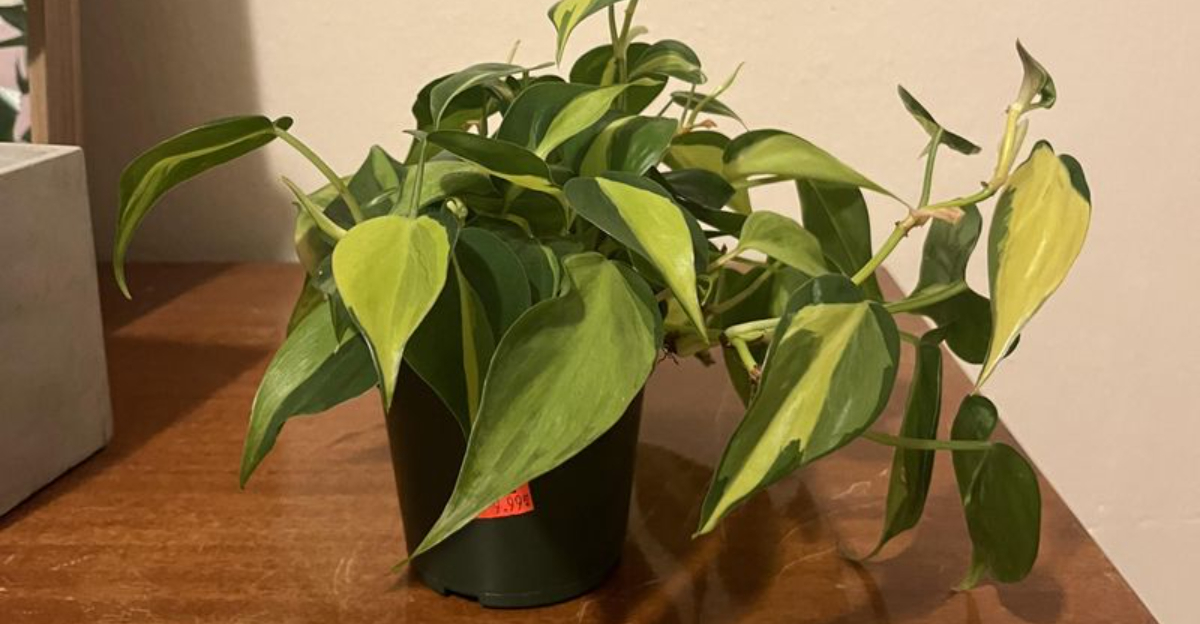
Pothos usually feels easygoing in Georgia homes, which makes subtle trouble signs easy to miss until the plant looks noticeably off.
Small changes in leaves, color, or growth often show up long before real damage sets in, quietly hinting that something needs adjusting.
Catching these signs early makes fixes simple and helps pothos bounce back before stress becomes a bigger problem.
1. Yellow Leaves Appearing One By One
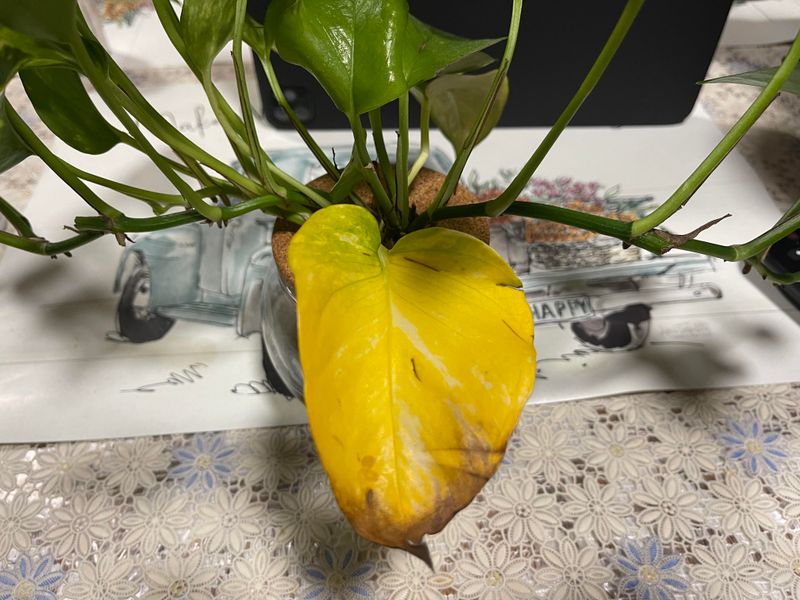
Spotting a single yellow leaf on your pothos might not seem alarming at first, but it often signals an underlying watering issue.
Overwatering is the most common culprit in Georgia homes, especially during our humid summer months when soil stays damp longer.
When roots sit in waterlogged soil, they cannot absorb oxygen properly, leading to yellowing foliage that starts at the bottom.
Check the soil moisture by sticking your finger two inches deep before watering your plant again in your Georgia space.
If the soil feels wet or soggy, hold off on watering and allow the top layer to dry out completely.
Underwatering can also cause yellowing, though the leaves typically feel dry and crispy rather than soft when you touch them.
Adjust your watering schedule based on the season, giving less water during cooler Georgia winters and more during hot summers.
Ensure your pot has proper drainage holes so excess water can escape instead of pooling at the bottom dangerously.
Trim away yellow leaves with clean scissors to redirect energy toward healthy growth and prevent potential disease spread throughout.
2. Brown Crispy Leaf Tips
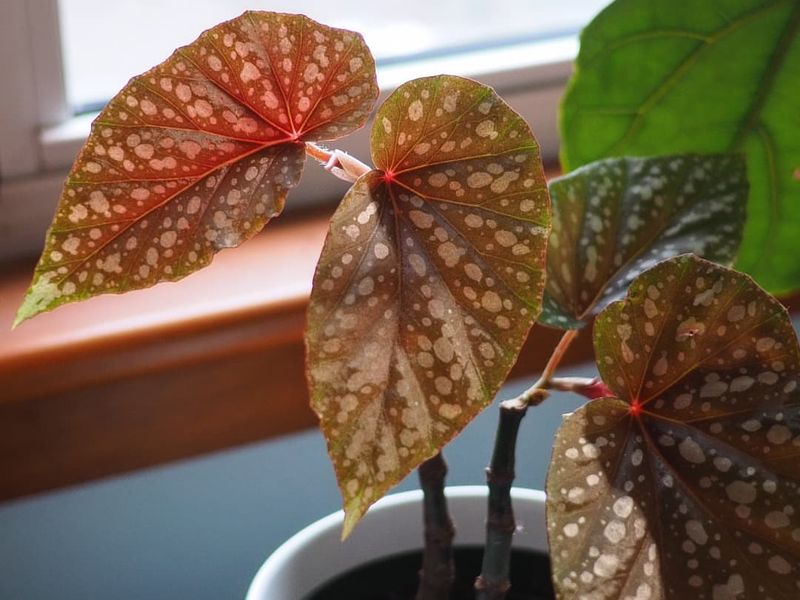
Brown, crispy edges on your pothos leaves are a telltale sign that humidity levels are too low for comfort.
Georgia homes often run air conditioning during scorching summers, which strips moisture from the air and affects tropical houseplants negatively.
Pothos naturally thrive in environments with moderate to high humidity, so dry air causes leaf tips to turn brown quickly.
You can increase humidity by placing a small tray filled with pebbles and water beneath your plant pot carefully.
As the water evaporates, it creates a microclimate of moisture around the foliage, mimicking natural tropical conditions in Georgia indoors.
Misting the leaves lightly with room-temperature water once or twice weekly also helps, though avoid overdoing it to prevent fungal issues.
Grouping several houseplants together creates a shared humid zone as they release moisture through their leaves during transpiration processes.
Another option is using a small humidifier near your pothos, especially during winter when heating systems dry out Georgia homes.
Trim the brown tips with sharp scissors at an angle to maintain a neat appearance without harming overall plant health.
3. Leggy Stems With Sparse Leaves
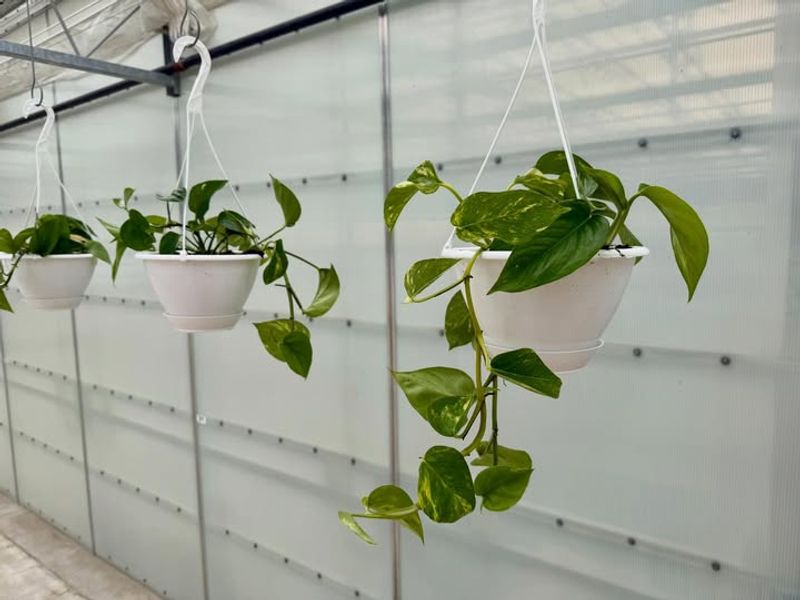
When your pothos starts producing long, thin stems with leaves spaced far apart, it is reaching desperately for more light.
Insufficient lighting is common in Georgia homes where plants sit too far from windows or in rooms with limited natural sunlight.
Pothos can tolerate low light, but they truly thrive in bright, indirect light that encourages compact, bushy growth patterns.
Move your plant closer to an east or north-facing window where it receives gentle morning or filtered light throughout the day.
Avoid placing it in direct afternoon sun, especially during Georgia summers, as harsh rays can scorch the delicate foliage quickly.
If natural light is scarce, consider adding a grow light designed for houseplants to supplement what your space lacks.
Pruning leggy stems encourages the plant to branch out and produce fuller growth, making it look healthier and more attractive overall.
Cut just above a node using clean shears, and you can even propagate those cuttings in water for new plants.
Rotate your pothos every few weeks so all sides receive equal light exposure, preventing lopsided growth in your Georgia home.
4. Stunted New Growth
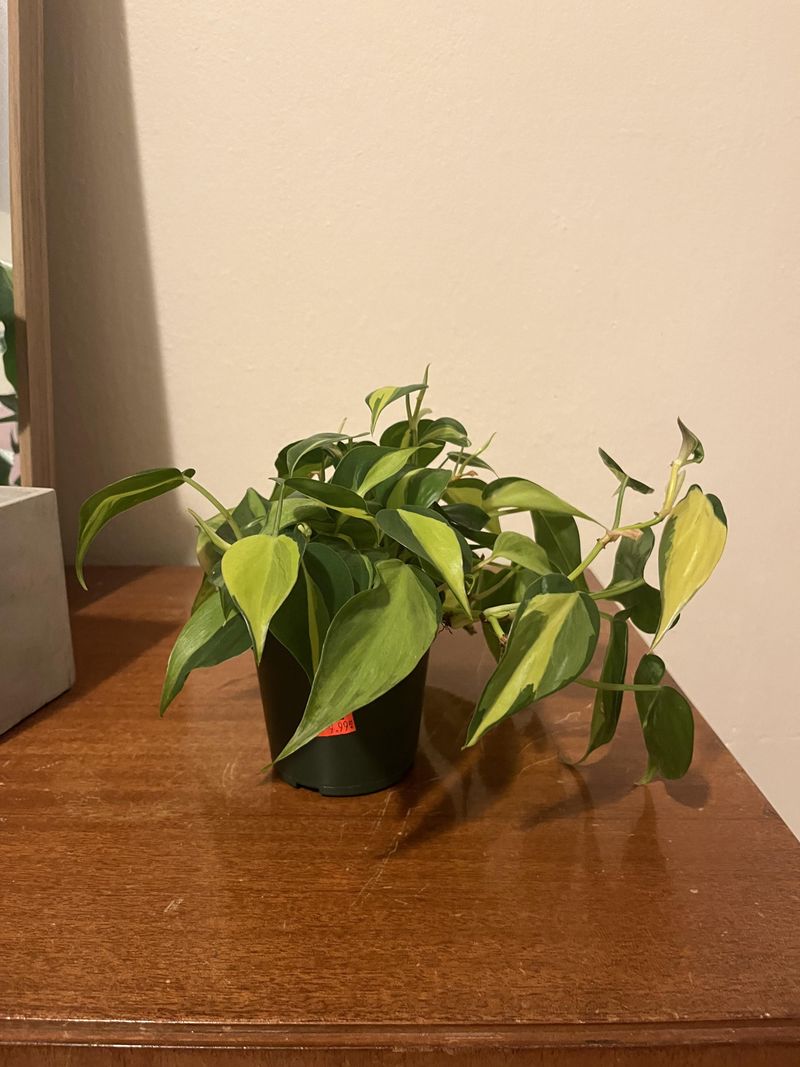
Noticing that your pothos is not producing new leaves or that new growth stays tiny can be frustrating for any plant parent.
This issue often points to nutrient deficiency, as pothos plants need regular feeding during their active growing season in Georgia.
Without adequate nutrients, the plant cannot support healthy leaf development, resulting in stunted or pale new growth that looks weak.
Use a balanced liquid fertilizer diluted to half strength every four to six weeks during spring and summer months here.
Georgia gardeners should reduce or stop fertilizing in fall and winter when pothos naturally slows its growth rate significantly.
Overfertilizing can be just as harmful, causing salt buildup in the soil that damages roots and prevents nutrient absorption.
If you suspect overfertilization, flush the soil thoroughly with water to wash away excess salts and give roots a fresh start.
Repotting your pothos into fresh, nutrient-rich potting mix every couple of years also supports vigorous growth and overall plant vitality.
Ensure the pot is not too large, as pothos prefer being slightly root-bound, which encourages better foliage production in Georgia homes.
5. Black Spots On Leaves
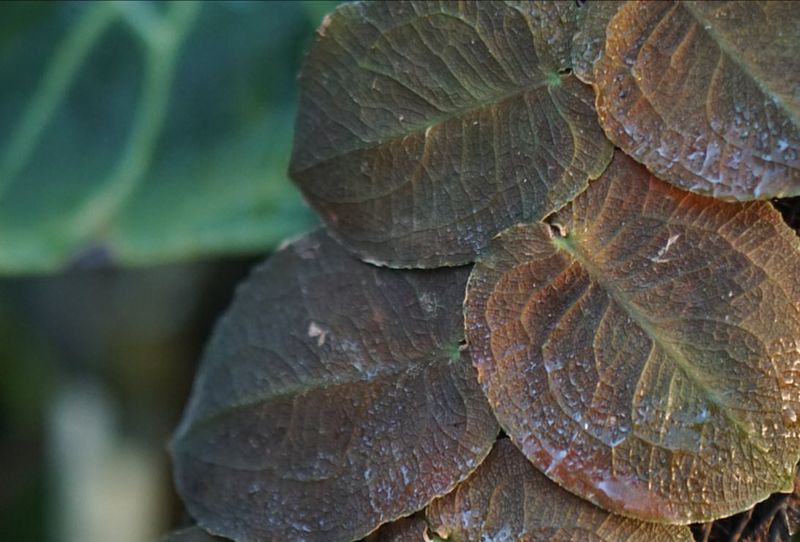
Discovering black or dark brown spots on your pothos leaves can be alarming, as this usually indicates a fungal or bacterial infection.
High humidity combined with poor air circulation in Georgia homes creates the perfect environment for these pathogens to develop rapidly.
Overwatering also contributes to this problem, as wet leaves and soggy soil encourage harmful microorganisms to thrive and spread quickly.
Remove affected leaves immediately with sterilized scissors to prevent the infection from spreading to other parts of your pothos plant.
Improve air circulation by placing a small fan nearby or ensuring your plant is not crowded by other houseplants in Georgia.
Water only at the base of the plant, avoiding wetting the foliage, and always water in the morning so leaves dry quickly.
If the problem persists, treat your pothos with a fungicide designed for houseplants, following the product instructions carefully for best results.
Reduce watering frequency and allow the soil to dry out more between waterings to discourage future fungal or bacterial growth issues.
Quarantine the affected plant away from others until it recovers to protect the rest of your indoor garden collection here.
6. Drooping Or Wilting Vines
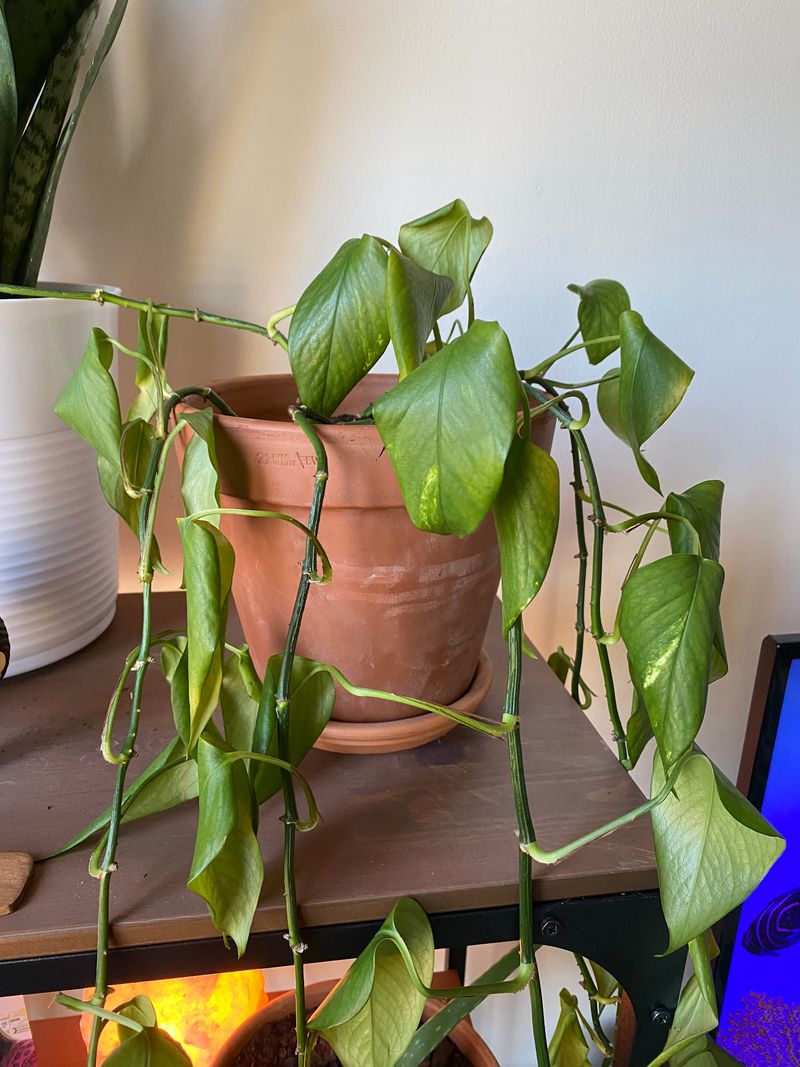
A wilting pothos with drooping vines is a clear distress signal that something is wrong with its water or root health.
Both underwatering and overwatering can cause this symptom, so you need to investigate the soil condition in your Georgia home carefully.
If the soil is bone dry and pulling away from the pot edges, your plant is thirsty and needs a thorough watering.
Soak the pot in a sink or basin of water for about ten minutes, allowing the soil to absorb moisture evenly.
On the other hand, if the soil is soggy and the plant still droops, root rot may have set in already.
Gently remove the plant from its pot and inspect the roots, looking for black, mushy sections that smell foul or unpleasant.
Trim away damaged roots with clean shears and repot the pothos in fresh, well-draining soil to give it a second chance.
Adjust your watering routine based on Georgia seasons, as plants need less water during cooler months and more during hot weather.
Consistent care and observation will help you catch watering issues early before they cause severe damage to your beloved pothos plant.
7. Pale Or Faded Leaf Color
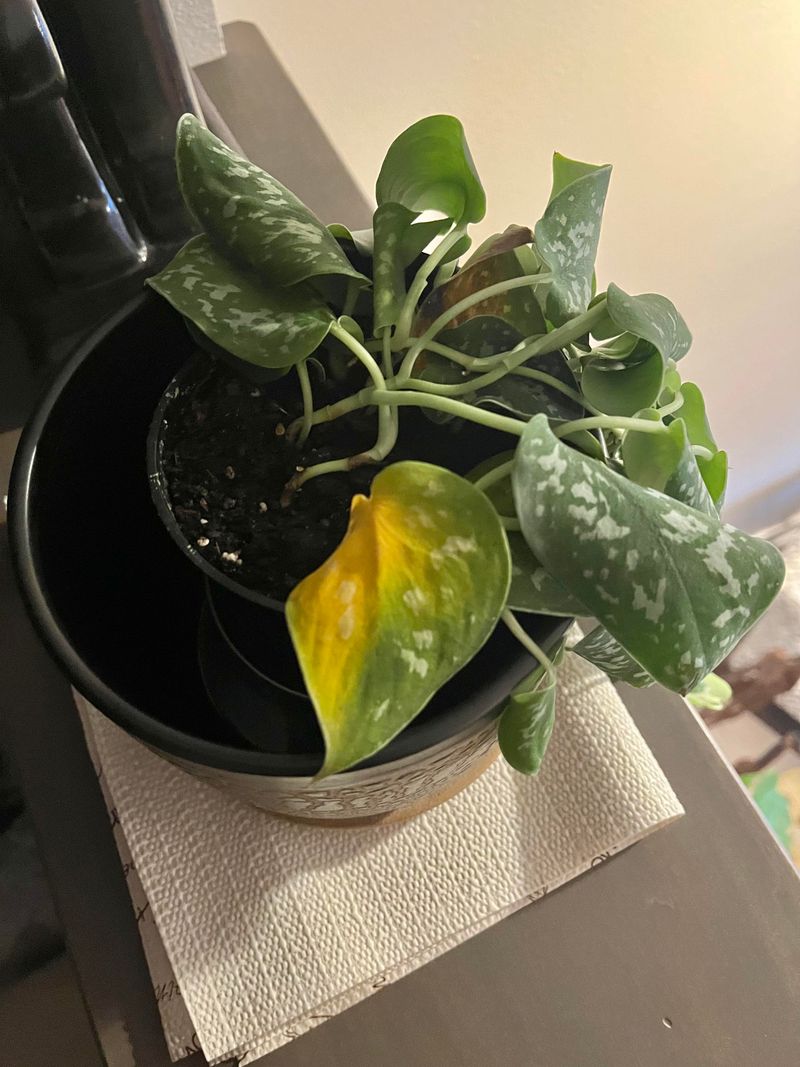
When your pothos leaves lose their vibrant green color and start looking pale or washed out, it signals a lighting problem.
Too much direct sunlight can bleach the leaves, especially during intense Georgia summer afternoons when UV rays are strongest outside.
Conversely, insufficient light can also cause leaves to fade as the plant struggles to produce chlorophyll for photosynthesis and energy production.
Find a balanced spot with bright, indirect light that mimics the dappled sunlight pothos would receive in their natural tropical habitat.
Sheer curtains work wonderfully to filter harsh sunlight streaming through Georgia windows, protecting your plant from intense rays while providing adequate brightness.
If your pothos sits in a dim corner, relocate it to a brighter area or supplement with artificial grow lights.
Nutrient deficiency can also contribute to pale leaves, so ensure you are fertilizing regularly during the growing season in Georgia.
Monitor your plant after making adjustments, as it may take several weeks for new growth to show improved color and vibrancy.
Healthy pothos should display rich, deep green leaves with occasional variegation if you have a variegated variety in your home collection.
8. Visible Pests Crawling Around
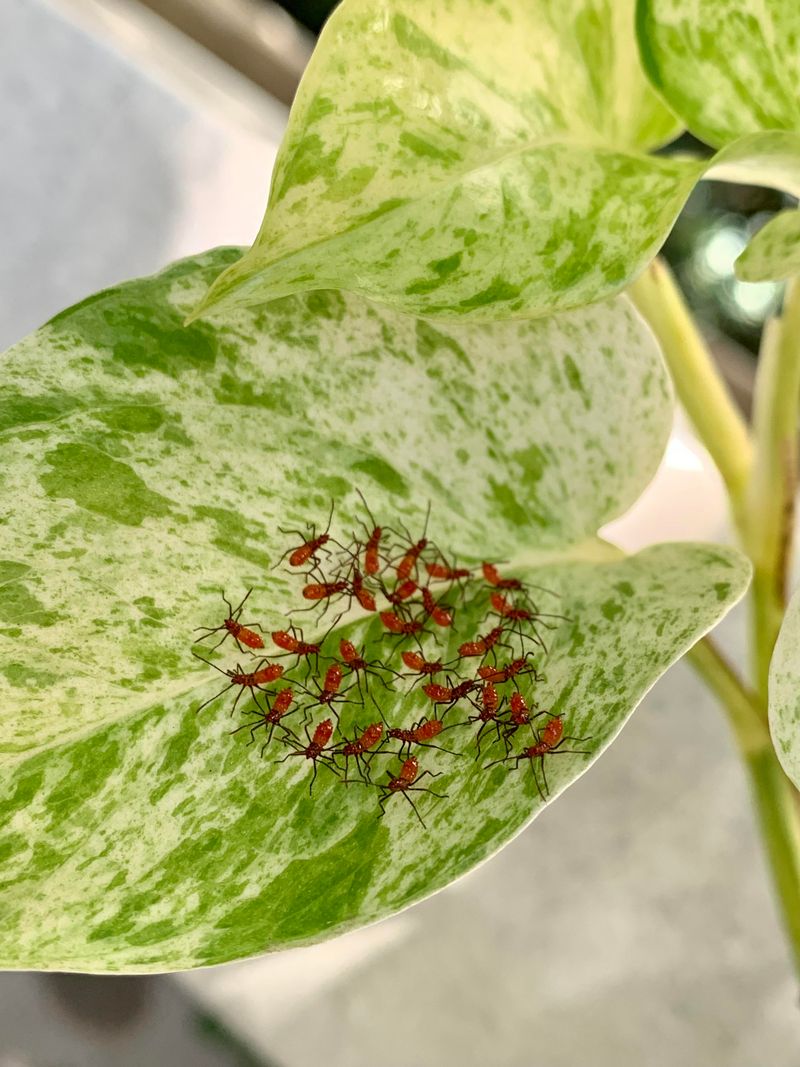
Spotting tiny insects on your pothos is never a pleasant experience, but catching them early makes treatment much easier and effective.
Common pests include spider mites, mealybugs, and scale insects, which all thrive in the warm climate of Georgia homes year-round.
These pests feed on plant sap, weakening your pothos and causing yellowing, curling, or spotted leaves over time if left untreated.
Inspect your plant regularly, especially under leaves and along stems, where pests like to hide from view and lay eggs.
If you spot pests, wipe them off gently with a cotton swab dipped in rubbing alcohol to eliminate them on contact.
For larger infestations, spray your pothos with insecticidal soap or neem oil, coating all leaf surfaces thoroughly for maximum pest control.
Isolate the affected plant from other houseplants in your Georgia home to prevent pests from spreading to healthy plants nearby quickly.
Repeat treatments weekly for several weeks to ensure you eliminate all life stages, including eggs and newly hatched insects completely.
Maintaining good plant hygiene and avoiding overwatering also helps prevent pest problems, as stressed plants are more vulnerable to infestations overall.