10 Rain-Friendly Garden Path Ideas Perfect For Oregon Backyards
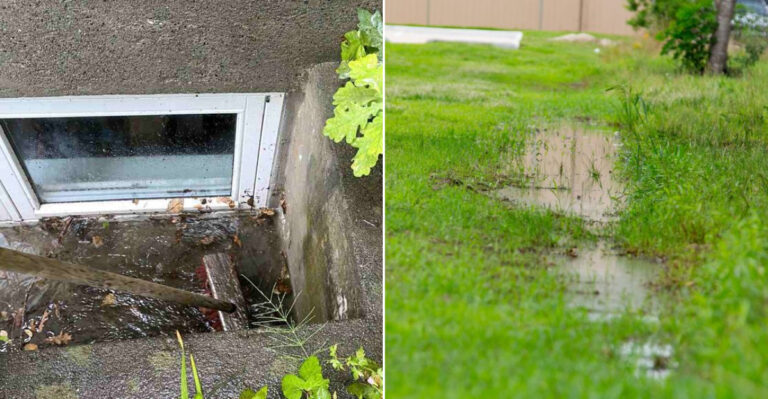
I don’t know about you, but after one of Oregon’s classic rainy weeks, walking through my backyard can feel like navigating a mini swamp.
Muddy shoes, puddles, and slippery spots are all too familiar.
That got me thinking, your garden paths don’t have to be a soggy mess.
With a little planning, they can actually be both practical and beautiful, even in our wet climate.
From gravel and stepping stones to creative decking and drainage-friendly designs, there are plenty of ways to make paths that handle rain without giving up style.
A well-designed walkway doesn’t just keep your feet dry, it helps your garden feel intentional, organized, and welcoming, no matter how much it pours.
If your paths have been more “mud slide” than “garden walkway,” these ten rain-friendly ideas are a perfect place to start.
They’ll keep your backyard functional, safe, and charming through every Oregon downpour.
Say goodbye to muddy backyard walks, because these rain-friendly paths keep your garden stylish and practical, even in Oregon weather.
1. Permeable Pavers With Gravel Gaps
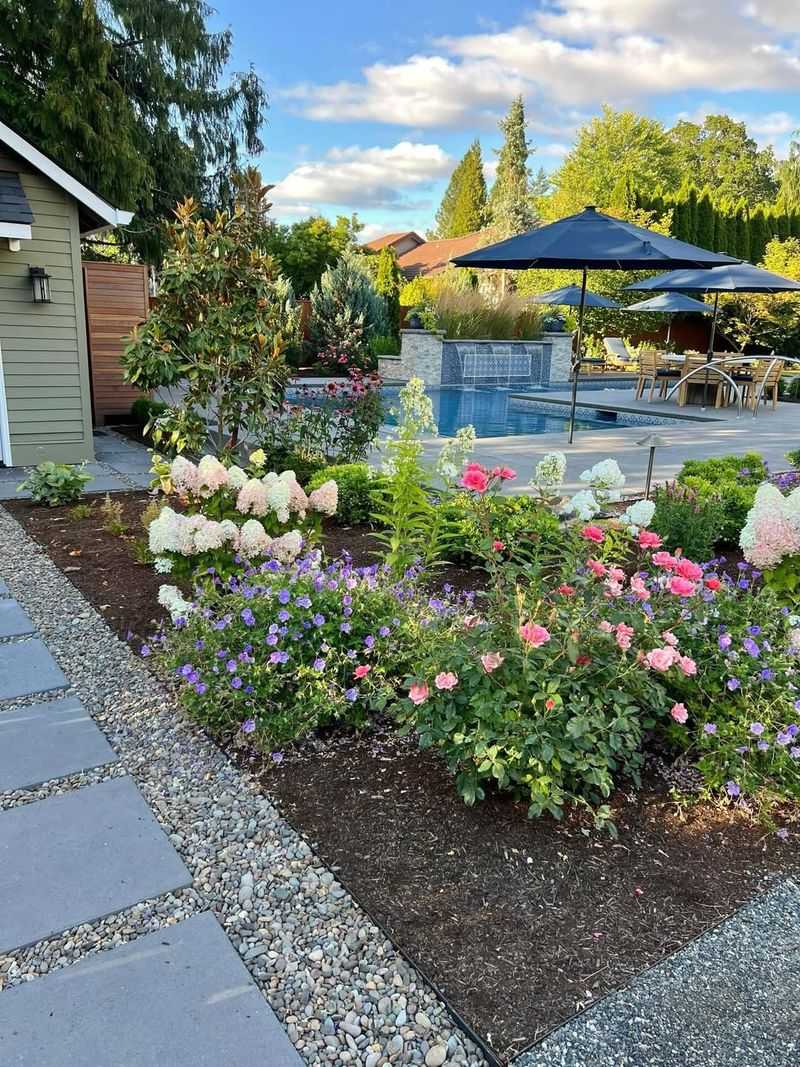
Permeable pavers offer one of the smartest solutions for Oregon’s rainy climate.
Water flows right through the gaps between pavers instead of pooling on top or running off into problem areas.
You can choose from concrete, brick, or stone pavers and fill the spaces with gravel or small rocks that allow drainage.
Installation requires a solid base layer of crushed rock, which helps water percolate down into the soil beneath.
This system reduces puddles and prevents that slippery film that forms on solid surfaces during wet weather.
The gaps also create visual interest and give your path a more natural, relaxed appearance than traditional solid walkways.
Weeds might try to grow in those gaps, but a quick spray of vinegar or manual pulling keeps them under control.
These paths work beautifully in both formal and cottage garden settings.
The initial cost runs higher than some options, but the durability and low maintenance make it worthwhile.
Plus, you help reduce stormwater runoff, which benefits the entire neighborhood.
Your local garden center can guide you toward pavers that match your home’s style and your budget.
2. Crushed Gravel Pathways
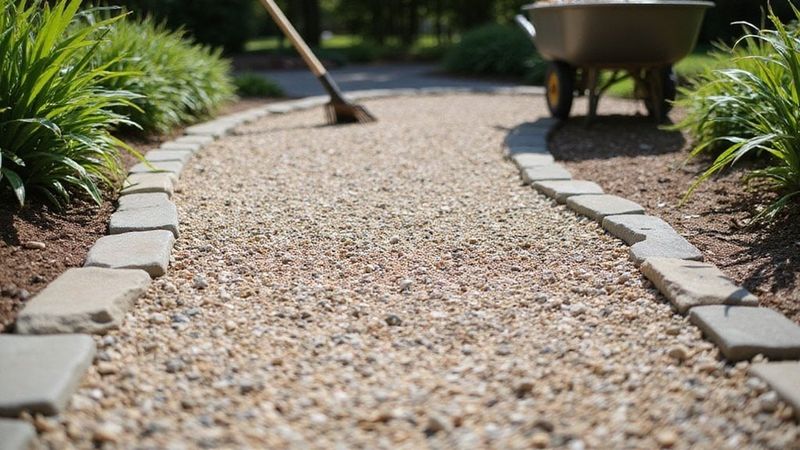
Few materials handle rain as gracefully as crushed gravel.
Water drains straight through without forming puddles or creating muddy spots along the edges.
The crunchy sound underfoot adds a pleasant sensory element to your garden walks.
Crushed gravel comes in various colors and sizes, from fine pea gravel to larger angular stones that lock together better.
Angular gravel stays in place more effectively than rounded stones, especially on slopes or high-traffic areas.
Edge your path with metal, wood, or stone borders to keep the gravel contained and maintain clean lines.
A layer of landscape fabric underneath prevents weeds from pushing through while still allowing water to drain.
This option costs less than most alternatives and you can install it yourself in a weekend.
Replenishing the gravel every few years keeps the path looking fresh and functioning properly.
Some people worry about gravel tracking into the house, but a good doormat solves that concern.
The natural look blends seamlessly with Pacific Northwest landscaping styles.
Gravel paths work especially well for informal cottage gardens or woodland settings.
3. Flagstone With Moss Joints
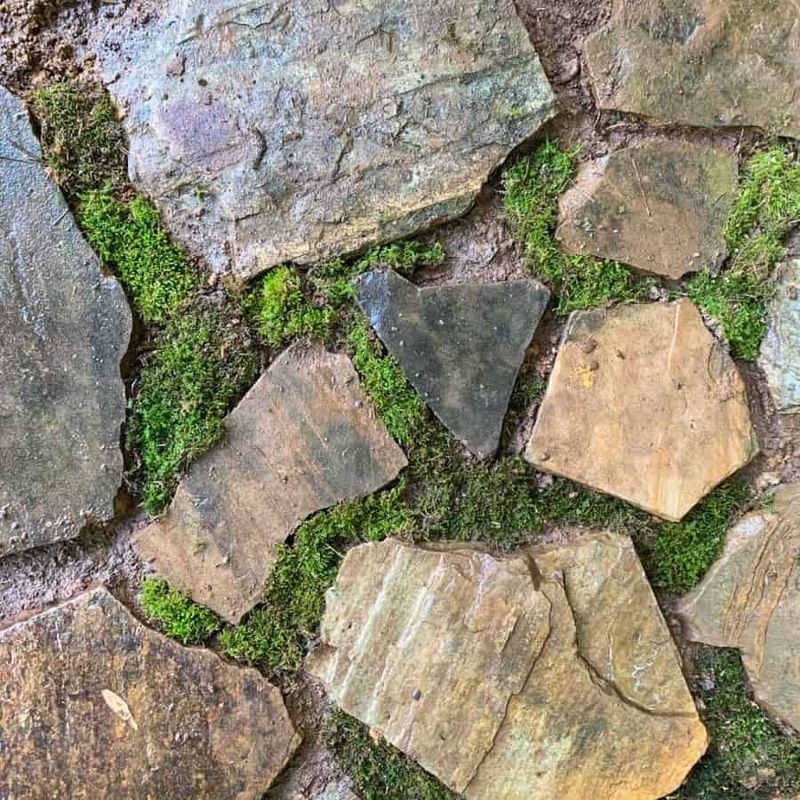
Flagstone creates a timeless look that actually improves with Oregon’s constant moisture.
The irregular shapes fit together like a natural puzzle, and the gaps between stones allow water to drain freely.
Moss loves to grow in those joints, creating a lush green carpet that looks like something from a fairy tale.
That moss also provides natural traction, making the path safer when wet compared to bare stone alone.
You can encourage moss growth by brushing buttermilk or yogurt into the joints and keeping them damp.
Flagstone comes in various colors including gray, tan, rust, and blue-gray, so you can match your home’s exterior.
Thicker stones last longer and feel more stable underfoot than thin pieces.
Set them in a sand base for good drainage, or use mortar if you prefer a more permanent installation.
The initial investment can be significant, but flagstone lasts for decades with minimal maintenance.
Sweep off debris occasionally and enjoy watching the moss fill in over time.
This path style works beautifully in both formal and naturalistic garden designs.
The organic feel complements native plantings and woodland gardens particularly well.
4. Recycled Brick Herringbone Pattern
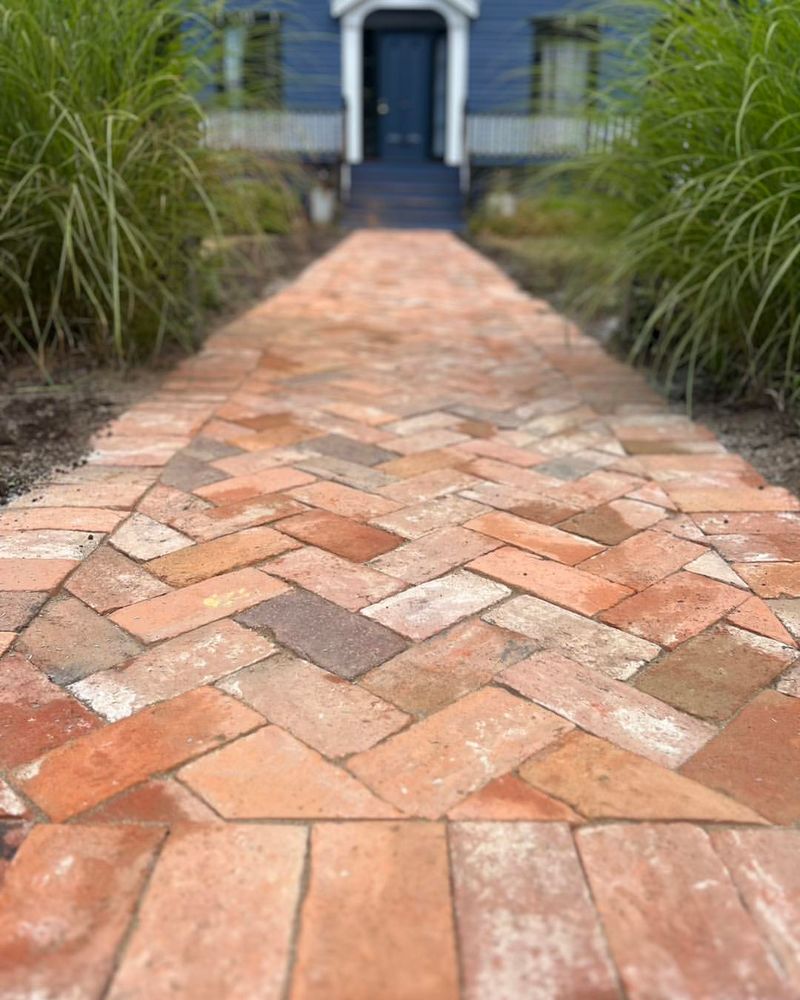
Reclaimed bricks bring character and history to your garden while handling rain beautifully.
The herringbone pattern provides excellent drainage when you leave small gaps between bricks and fill them with sand.
Old bricks often have a weathered patina that new materials cannot replicate, adding instant charm to your landscape.
This pattern also creates visual interest and makes the path feel more intentional than a simple running bond layout.
Sand-set bricks allow water to percolate through while remaining stable enough for regular foot traffic.
You can find salvaged bricks at architectural salvage yards, demolition sites, or online marketplaces.
Each brick tells a story, and the slight variations in color create a rich, textured appearance.
Edging keeps the pattern tight and prevents the bricks from shifting over time.
A proper base of compacted gravel ensures good drainage and prevents settling.
Weeds might sprout in the joints, but they pull easily or you can sweep polymeric sand into the gaps to discourage growth.
This option offers mid-range pricing and a classic look that never goes out of style.
Brick paths suit both traditional and contemporary garden designs.
5. Wood Chip Mulch Trails
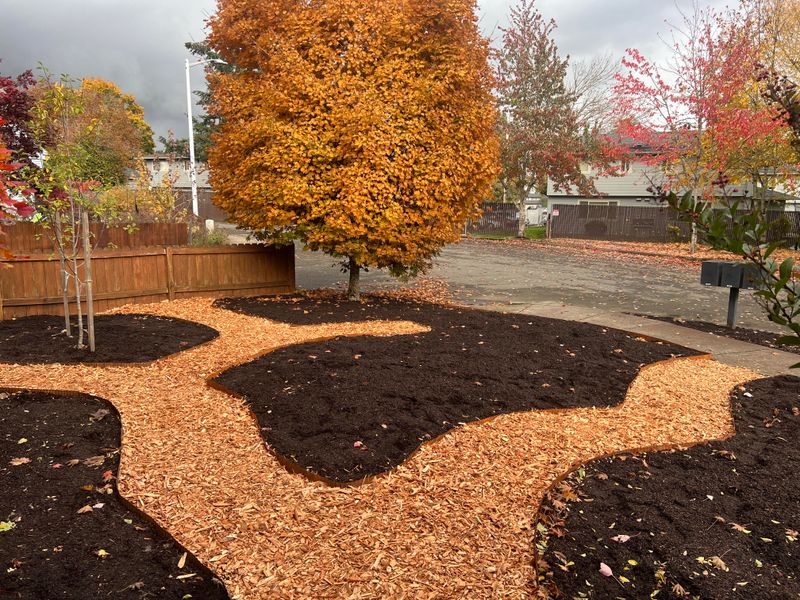
Wood chips create the softest walking surface and handle Oregon rain with remarkable efficiency.
Water absorbs into the chips and drains through to the soil below, eliminating puddles completely.
The natural material decomposes over time, enriching your soil and feeding beneficial organisms.
Fresh wood chips smell wonderful and give your garden a forest-like atmosphere that feels right at home in the Pacific Northwest.
This option costs very little, especially if you can source chips from local tree services or municipal programs.
Many cities offer free wood chips from their tree trimming operations.
Spread the chips about three to four inches deep for best results and top them off annually as they break down.
The soft surface feels gentle on joints and makes gardening easier on your knees and back.
Wood chips stay cool in summer and never get slippery like wet stone or concrete.
Define the path edges with logs, rocks, or metal edging to keep the chips contained.
This informal style works perfectly for vegetable gardens, woodland paths, and naturalistic landscapes.
The only downside is that chips can stick to shoes when fresh.
6. Stepping Stones With Ground Cover Plants
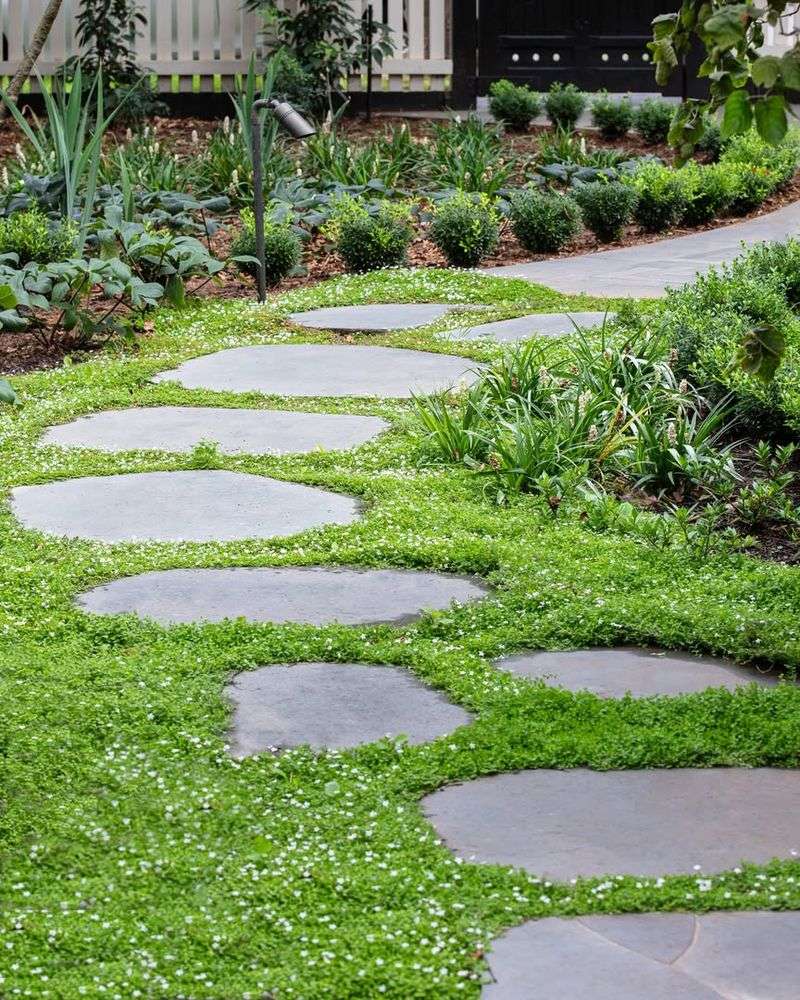
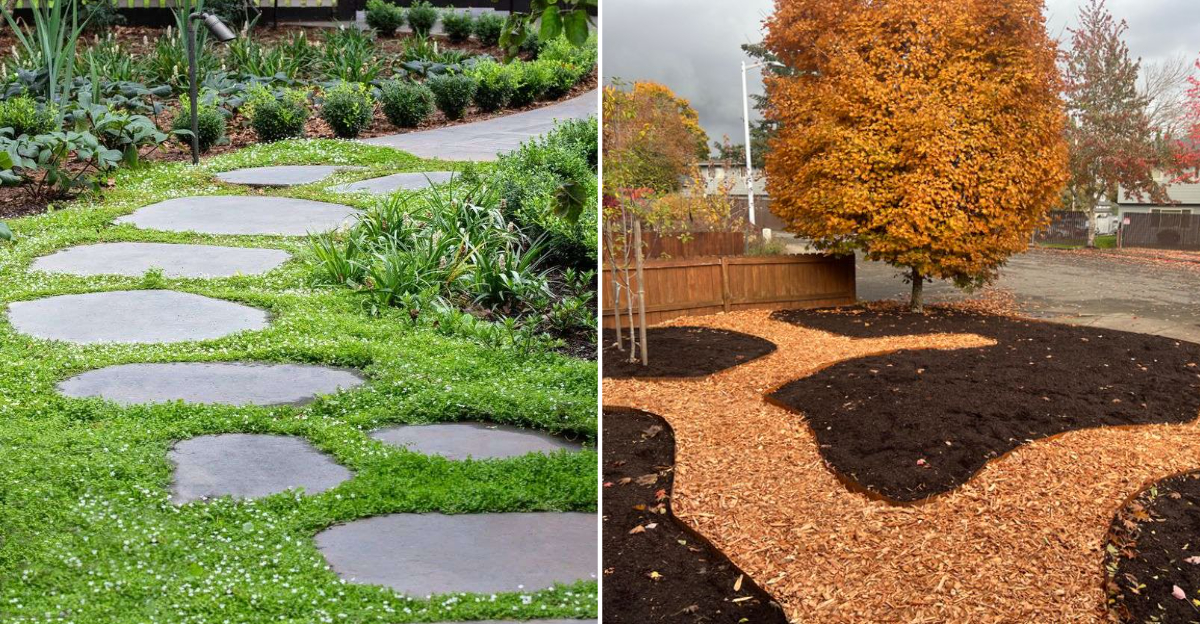
Stepping stones surrounded by low-growing plants create a magical garden experience.
Rain drains freely around each stone while the plants absorb excess moisture and prevent erosion.
Choose ground covers like creeping thyme, Irish moss, or Scotch moss that tolerate foot traffic and thrive in Oregon’s climate.
These plants release pleasant fragrances when stepped on and add color and texture throughout the seasons.
Space your stones according to your natural stride, typically about eighteen to twenty-four inches apart.
Larger stones provide more stability and work better in high-traffic areas than small ones.
Set them level with or slightly above the surrounding soil to prevent water from pooling on top.
The plants soften the hard edges of the stones and create a cottage garden feel that looks established and intentional.
This approach costs less than a solid path and offers more visual interest than plain stone alone.
Maintenance involves occasional weeding and trimming back the ground covers if they grow too enthusiastically.
The plants also attract pollinators, adding ecological value to your landscape.
This style suits informal gardens and creates a whimsical, storybook atmosphere that guests always remember.
7. Decomposed Granite Pathways
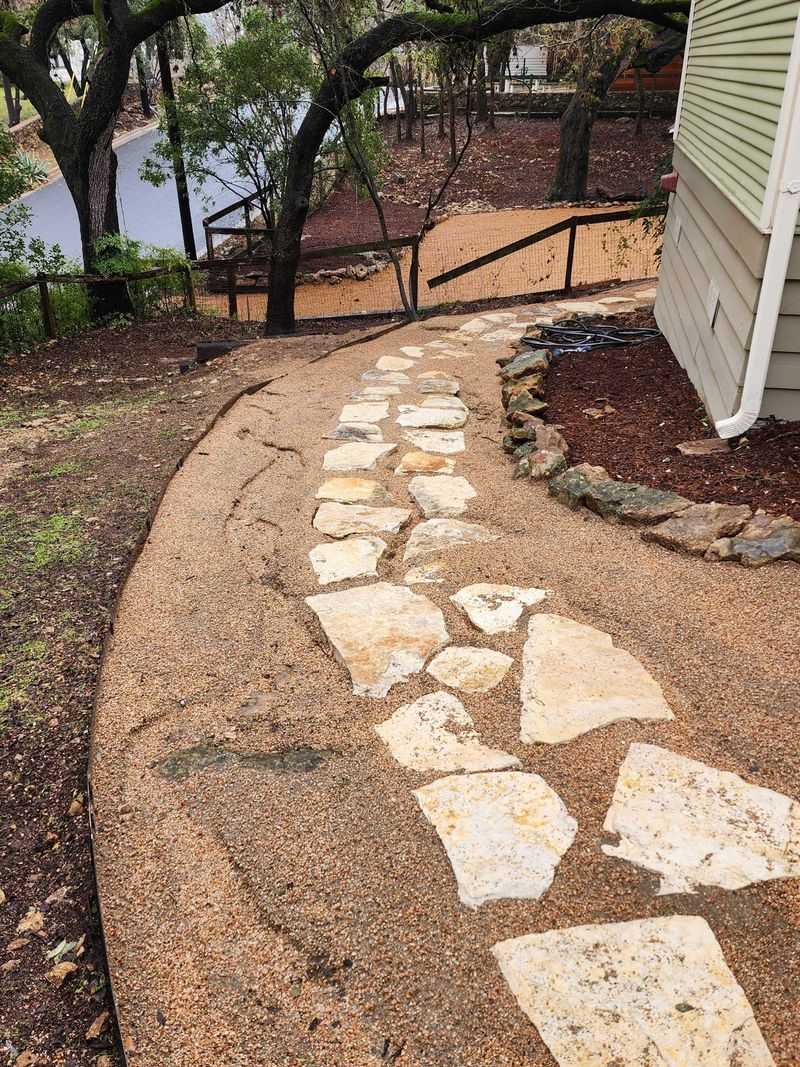
Decomposed granite packs down into a firm, stable surface that drains beautifully in wet weather.
The fine particles lock together when compacted, creating a solid feel underfoot without being completely impermeable.
Water slowly filters through instead of running off, which helps recharge groundwater and prevents erosion.
This material comes in warm earth tones like tan, gold, rust, and gray that complement most garden styles.
Installation requires proper base preparation and compacting the granite in thin layers for best results.
A stabilizer additive can help bind the particles together even more, reducing maintenance needs.
The surface stays relatively clean and does not track into the house like loose gravel might.
Decomposed granite works particularly well for modern, Mediterranean, or desert-inspired gardens.
It also suits formal herb gardens and rose gardens where a neat, controlled appearance matters.
Edging keeps the material contained and maintains crisp lines along planting beds.
Occasional raking and adding fresh material every few years keeps the path looking pristine.
This option falls in the moderate price range and offers excellent longevity with minimal upkeep.
The natural color variations create subtle beauty without overwhelming your plantings.
8. Rubber Mulch From Recycled Tires
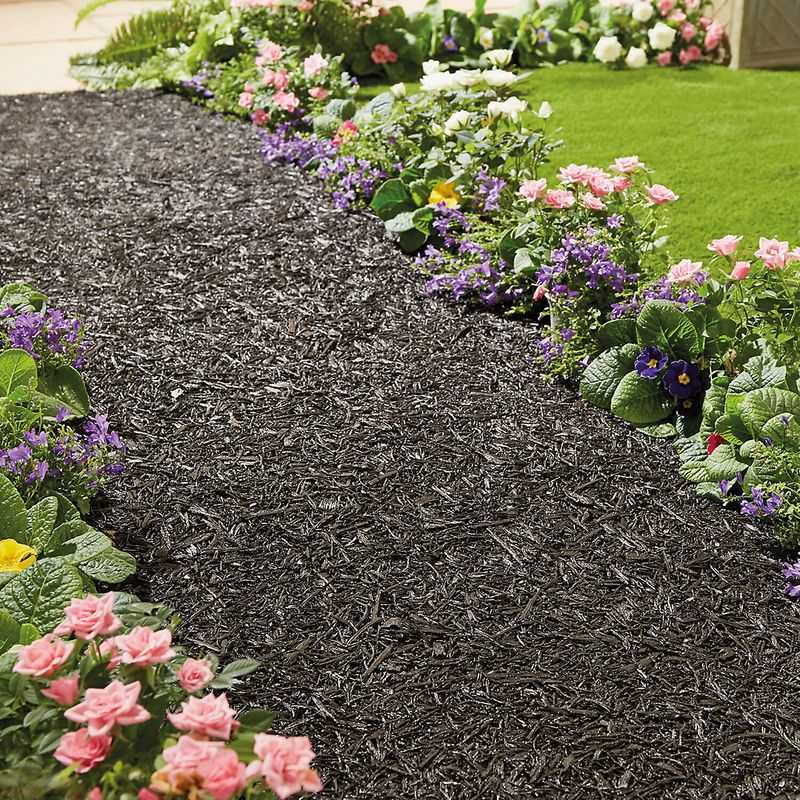
Rubber mulch might sound unusual, but it performs exceptionally well in rainy climates.
Made from recycled tires, this eco-friendly option never gets muddy and provides excellent traction even when soaked.
Water drains straight through the pieces, and the material never decomposes or needs replacement.
The cushioned surface feels comfortable underfoot and reduces strain on joints during long garden sessions.
Rubber mulch comes in various colors including natural browns and blacks that look surprisingly organic.
It stays in place better than wood chips and does not attract insects or develop mold problems.
Some gardeners worry about chemicals leaching, but modern rubber mulch products meet safety standards for residential use.
This option costs more upfront than organic mulches but pays for itself over time since you never need to replenish it.
The material works especially well for paths near play areas or where accessibility matters.
Installation simply involves laying landscape fabric and spreading the rubber pieces about two inches deep.
Edging helps contain the mulch and creates clean borders.
This choice suits modern gardens and practical spaces where function matters more than traditional aesthetics.
The durability and low maintenance make it worth considering despite its unconventional nature.
9. Concrete Pavers With Wide Joints
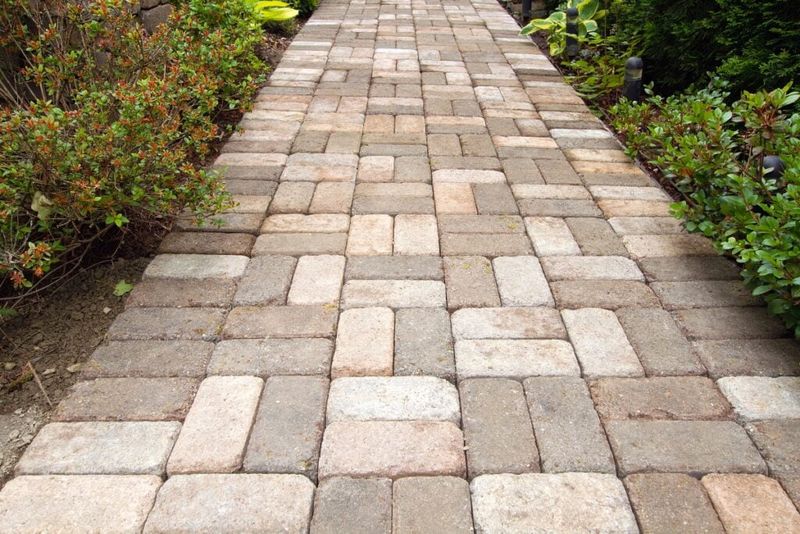
Modern concrete pavers offer clean lines and excellent drainage when installed with wide joints.
Space them an inch or more apart and fill the gaps with gravel, sand, or ground cover plants.
These gaps allow rainwater to drain freely while maintaining a contemporary aesthetic that suits modern homes.
Concrete pavers come in numerous sizes, shapes, and colors, from natural stone looks to sleek geometric designs.
They cost less than natural stone but still provide durability and a polished appearance.
The uniform size and shape make installation easier and faster than working with irregular natural materials.
A proper base of compacted gravel ensures stability and prevents settling over time.
These pavers resist cracking better than solid concrete and allow for easier repairs if one piece damages.
The wide joints create visual rhythm and make the path feel more integrated with the surrounding garden.
You can arrange them in various patterns including running bond, basket weave, or stacked layouts.
Maintenance involves occasional sweeping and refilling the joints if material washes away.
This option works beautifully for minimalist gardens, modern landscapes, and architectural plantings.
The combination of structure and drainage makes it practical and attractive for Oregon conditions.
10. Natural Stone Cobbles
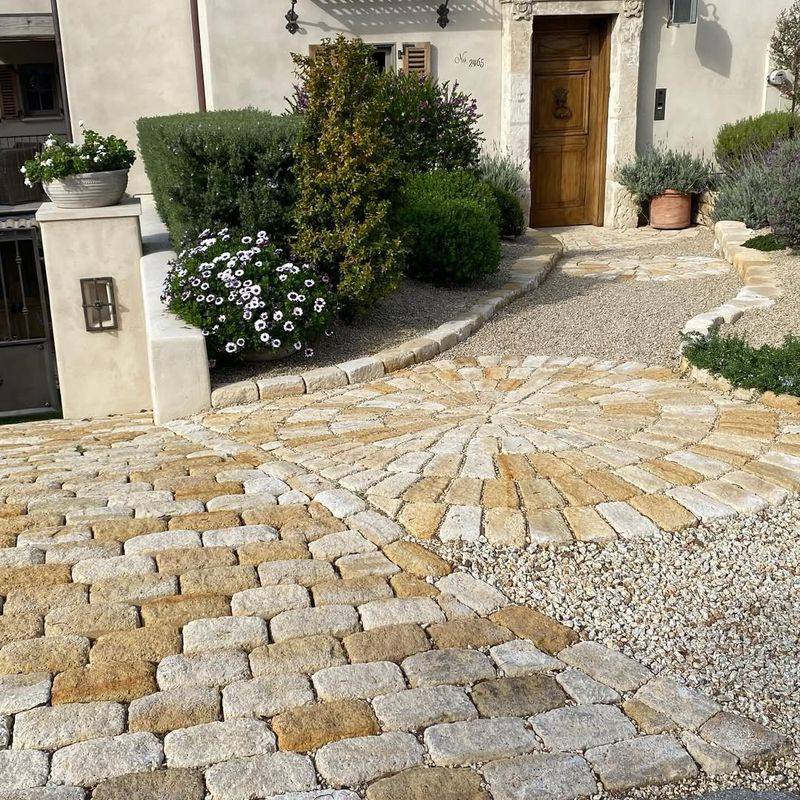
Rounded river cobbles create a rustic, Old World charm that handles rain with natural grace.
The irregular surfaces and gaps between stones allow water to drain in multiple directions.
These smooth stones come from riverbeds and have been naturally tumbled over thousands of years.
The rounded shapes feel interesting underfoot and provide a gentle massage effect when walked on barefoot.
Cobbles work especially well for curved paths where their organic shapes follow natural contours easily.
Set them in sand or mortar depending on how formal you want the finished look.
Sand-set cobbles drain better and allow for easier adjustments over time.
The varied sizes and colors add visual texture and depth to your garden design.
This material costs more than gravel but less than cut flagstone, falling into a comfortable mid-range price point.
Installation takes patience as you fit the irregular shapes together like a three-dimensional puzzle.
The finished result looks timeless and adds significant aesthetic value to your property.
Moss and lichen often colonize the stones naturally, enhancing their aged appearance.
These paths suit cottage gardens, Japanese-inspired spaces, and naturalistic landscapes where authenticity matters more than perfection.