Raised Bed Tips For Ohio Gardens In April
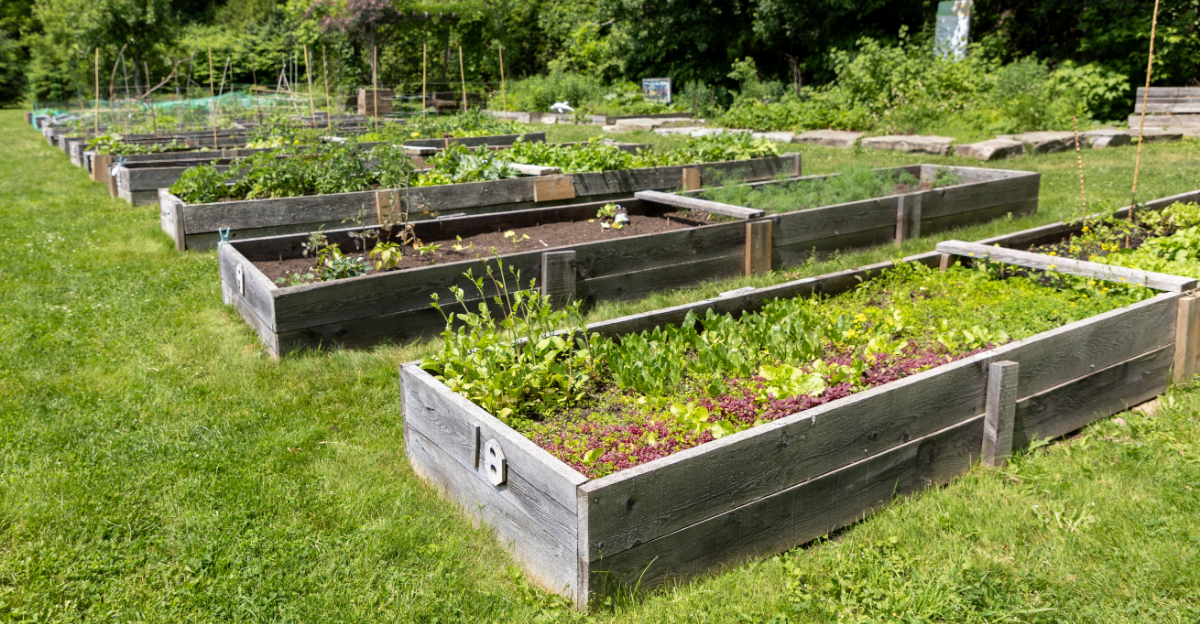
April has a certain energy in Ohio gardens. The ground starts to warm, garden centers fill up, and it finally feels like the growing season is within reach.
Raised beds often become the focus this time of year, especially for gardeners looking to get a head start.
After a long winter, though, those beds usually need a bit of attention before planting begins. Soil can settle, nutrients may be uneven, and early spring weather still has a few surprises in store.
Getting everything set up now can make planting smoother and help young plants settle in faster as temperatures rise. A few well-timed steps in April can shape how the entire season unfolds, and some of them are easier than most people expect.
1. Pick A Spot With At Least 6 To 8 Hours Of Sun
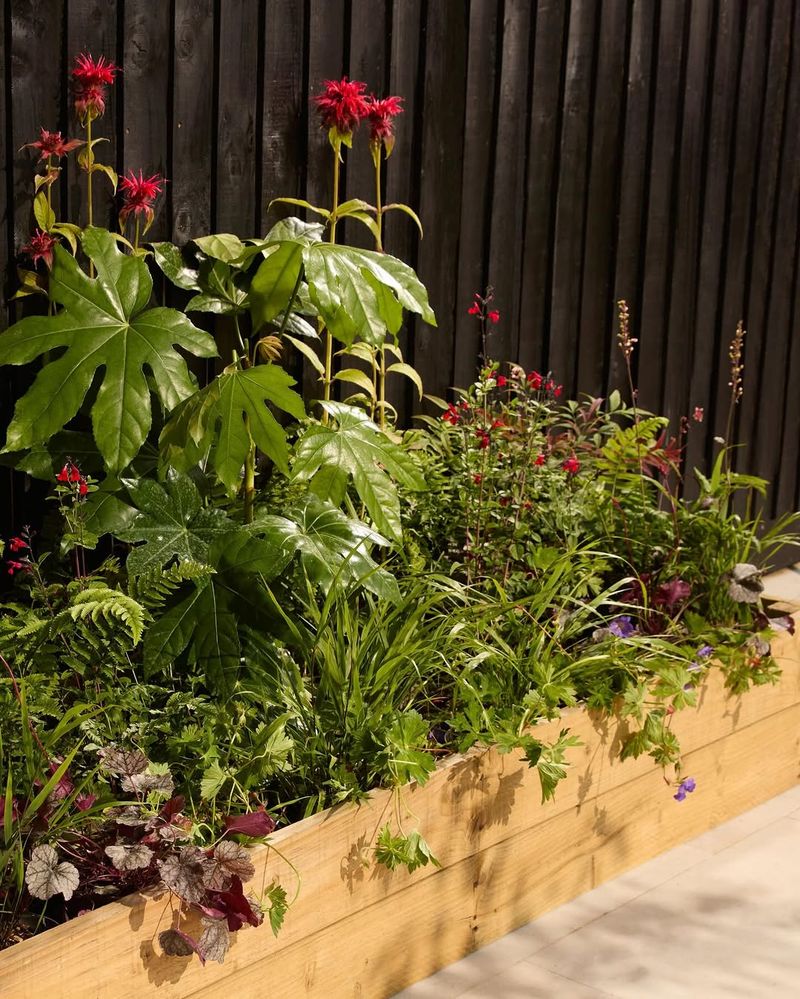
Sunlight is everything when it comes to growing vegetables in a raised bed. Most food crops need a solid six to eight hours of direct sun each day to grow strong and produce well.
In Ohio, April sunlight can feel mild compared to summer, but choosing the right spot now will pay off big when the season heats up.
Walk around your yard at different times of day and notice where the sun hits longest. Avoid areas that sit in the shadow of fences, large trees, or buildings for most of the day.
South-facing spots tend to get the most sun throughout the day and are usually the best choice for Ohio gardeners.
Leafy greens like spinach and lettuce can handle a little shade, but most vegetables such as tomatoes, peppers, and beans need full sun to really thrive. Getting this step right before you build or fill your bed will save you a lot of frustration later.
A well-placed raised bed in Ohio can produce an impressive harvest from spring all the way through fall.
2. Start With A Level Site
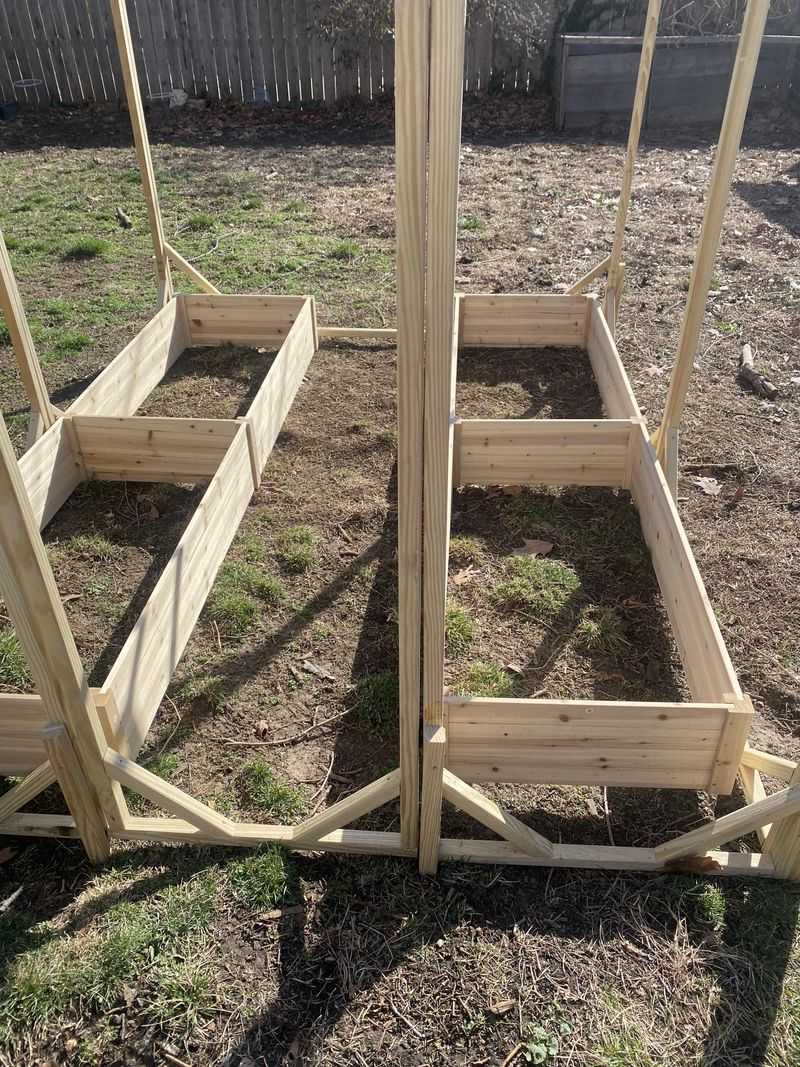
Before placing your raised bed frame on the ground, take a few minutes to check whether the site is level. A sloped surface causes water to run to one end of the bed, leaving some plants too dry while others sit in soggy soil.
Uneven watering leads to uneven plant growth, which makes managing your garden much harder than it needs to be.
You do not need fancy equipment to level a site. A long straight board and a basic bubble level from any hardware store will do the job just fine.
If your yard has a slight slope, you can dig down on the high side or add a little fill dirt to the low side until the ground is even.
Ohio soil can be uneven in many backyards, especially where construction or landscaping has shifted the earth over time. Taking the time to level your site also helps the raised bed frame sit stable and square, which keeps the wood or material from warping or shifting over the seasons.
A flat, stable base is one of the simplest things you can do to set your Ohio garden up for long-term success.
3. Remove Grass Before You Fill The Bed
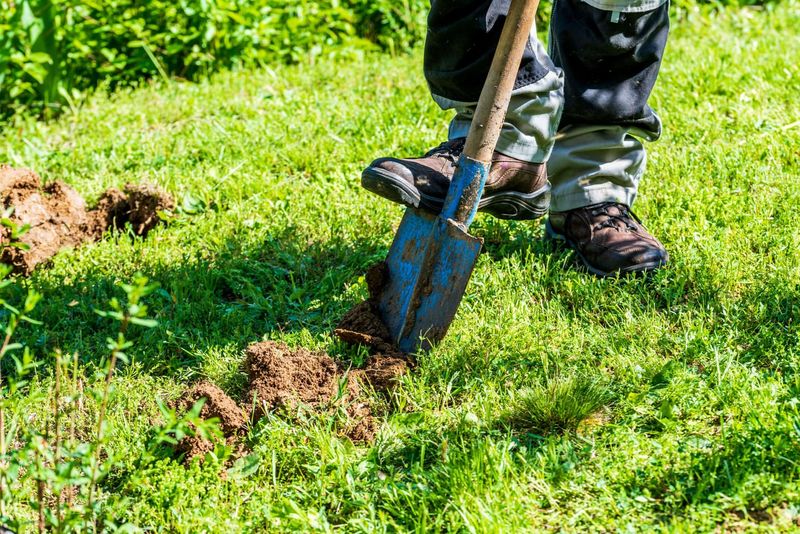
Skipping the step of removing grass under your raised bed is a mistake many first-time gardeners make. Grass does not simply stop growing just because a bed of soil is placed on top of it.
Many grass types, especially common Ohio lawn grasses, will push right up through your growing mix and compete with your vegetables for water and nutrients.
The easiest approach is to cut and peel back the sod before setting your frame in place. Use a flat spade to slice under the roots and lift out sections of grass.
For stubborn patches, a sod cutter tool can make the job go much faster, especially if you are working with a larger bed area.
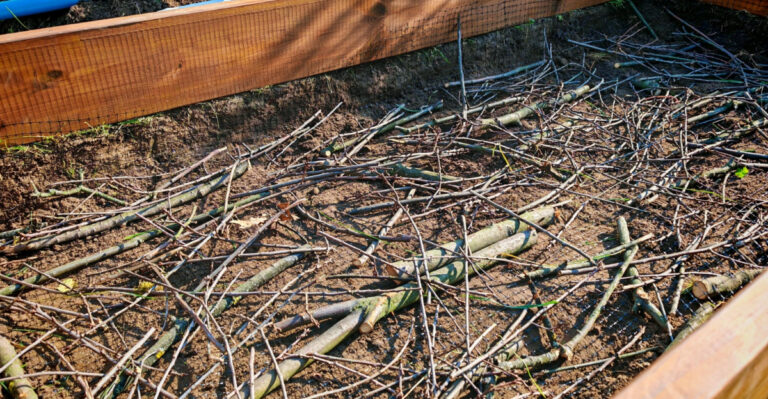
Another option that works well is laying down several layers of cardboard directly on the grass before adding your soil mix. The cardboard blocks sunlight and breaks down naturally over time, adding organic matter to the soil below.
Either method works great for Ohio gardens in April, when the ground is soft enough to work with but grass is just starting to grow actively again. Clearing this layer now means fewer weeds and stronger vegetable plants all season long.
4. Loosen And Blend In Some Native Soil Below The Bed
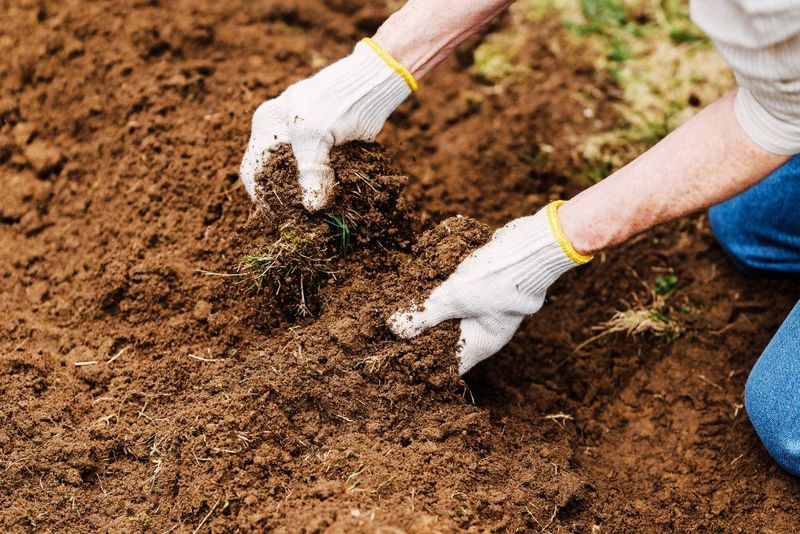
One trick that experienced Ohio gardeners swear by is loosening the native soil beneath the raised bed before filling it with growing mix. When you break up the ground below, you give plant roots a clear path to travel deeper into the earth as the season goes on.
Deep roots mean stronger plants that can access water and nutrients from a wider area.
Use a garden fork or a broadfork tool to poke and loosen the soil to a depth of about eight to twelve inches. You do not need to remove the native soil, just break it up so it is no longer compacted.
Ohio clay soils in particular benefit from this step because clay tends to pack tightly and restrict root movement.
After loosening, you can mix a small amount of compost into the top few inches of native soil to help bridge the gap between it and your raised bed mix. This creates a smoother transition zone that roots can move through easily.
Gardeners across Ohio who take this extra step often notice their plants growing faster and producing more than those in beds placed directly on undisturbed ground.
5. Keep Beds About 4 To 5 Feet Wide For Easy Reach
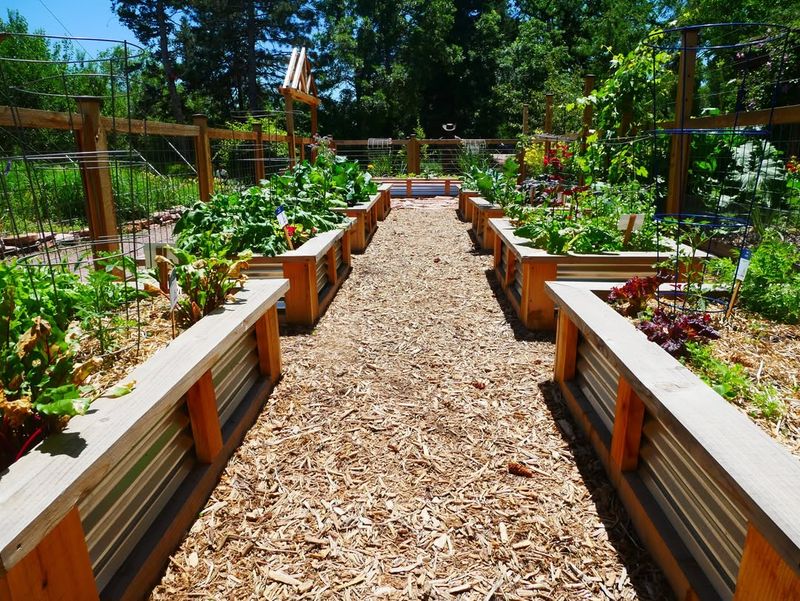
Four to five feet is the magic width for a raised garden bed, and there is a very practical reason for it. When a bed is that wide, most adults can comfortably reach the center from either side without ever having to step inside.
Keeping your feet out of the bed is a huge deal because foot traffic compacts the soil, which undoes all the work you put into creating a loose, airy growing environment.
Beds wider than five feet force you to lean in too far or step on the soil, which squeezes out the air pockets that plant roots depend on. Narrower beds around three feet work well too, especially for kids or people with shorter reach.
The key is making sure every inch of the bed is reachable from the outside edges.
Ohio gardeners who garden in smaller yards often prefer a four-foot-wide bed because it fits neatly along a fence line or patio edge without taking up too much space. Length can be whatever works for your yard, whether that is four feet, eight feet, or even longer.
Just keep the width manageable, and your back and your plants will both thank you come harvest time.
6. Use Clean, High-Quality Growing Mix
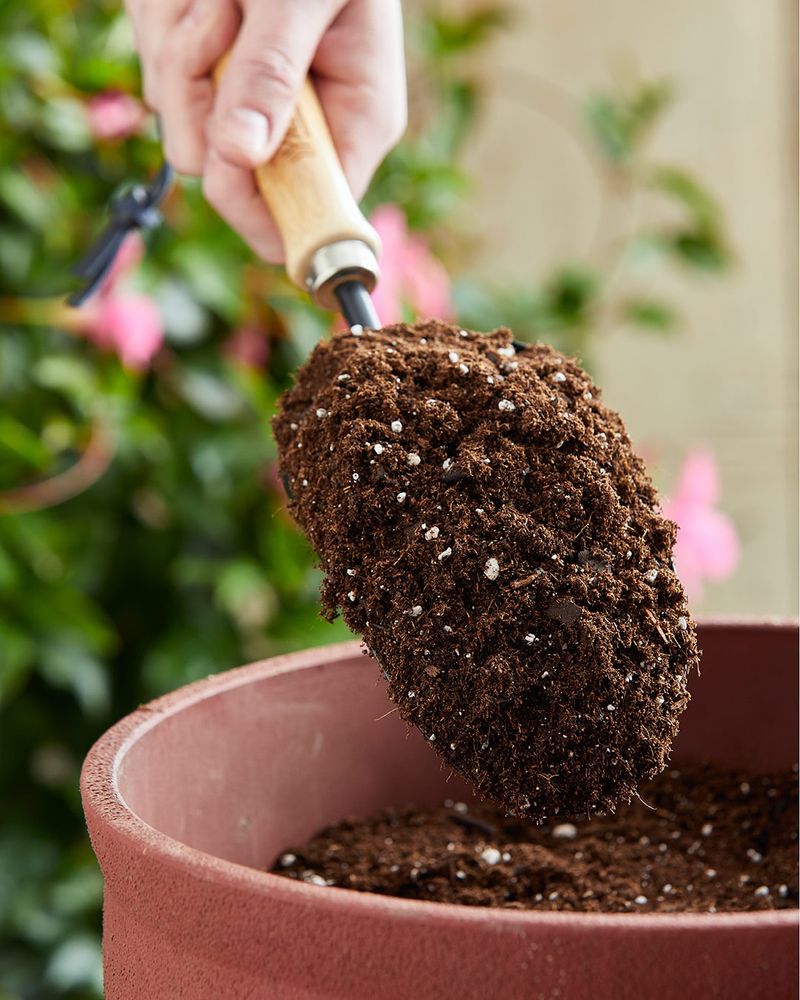
What you fill your raised bed with matters more than almost anything else. The growing mix is the foundation your plants live in, and a poor-quality mix means struggling plants no matter how much you water or fertilize.
For Ohio raised beds, a good blend typically includes compost, aged wood material like bark fines, and sometimes a bit of coarse sand or perlite for drainage.
Avoid filling your bed with straight topsoil dug from the yard. Ohio native soil, especially in areas with heavy clay, tends to compact tightly inside a raised bed and drains poorly.
Bags labeled specifically as raised bed mix or garden blend from a reputable garden center are usually a safe and convenient choice.
If you want to mix your own, a popular recipe among Ohio gardeners is one-third compost, one-third peat moss or coconut coir, and one-third coarse material like perlite. This blend stays loose and fluffy, drains well after rain, and holds just enough moisture to keep roots happy between waterings.
Spending a little more on quality growing mix at the start is one of the smartest investments you can make in your raised bed garden.
7. Wet The Mix As You Build The Bed
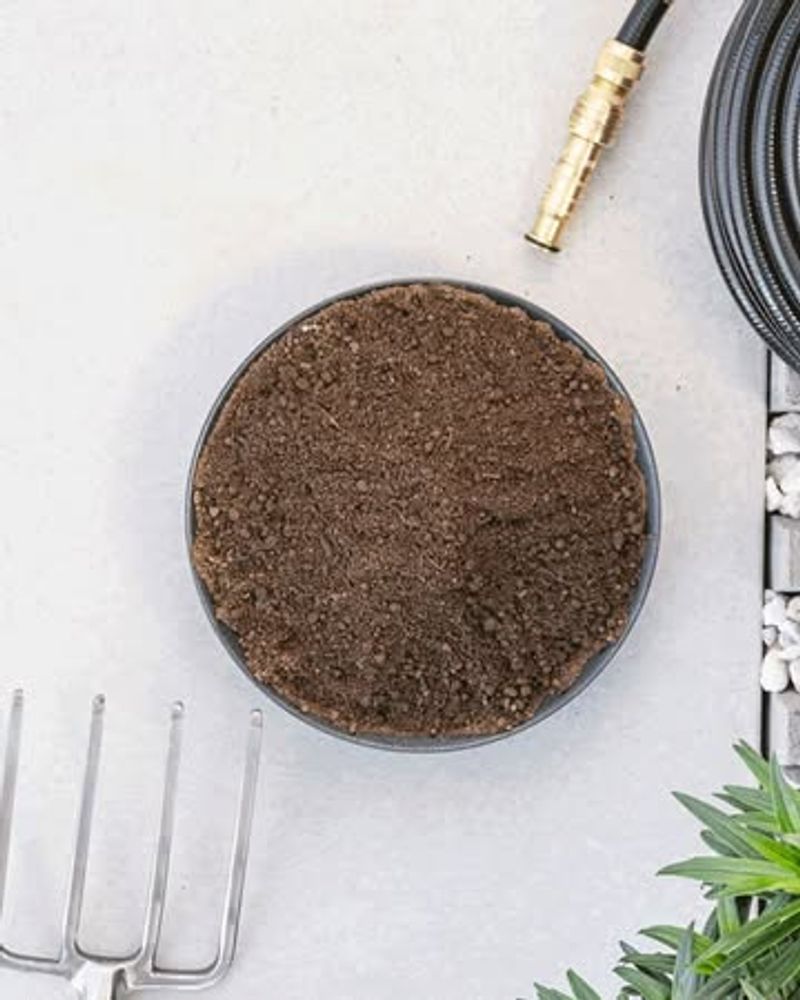
Here is a step that surprisingly few gardeners think about: wetting your growing mix as you add it to the bed. Dry soil mix, especially blends that contain peat moss, can be tricky to wet evenly once the bed is fully filled.
Water tends to run off the surface and down the sides before soaking in, leaving the middle of the bed dry and difficult for roots to get established in.
As you shovel or pour mix into the bed, stop every few inches and give it a good soak with a hose. Let the water absorb before adding the next layer.
This gradual wetting process ensures moisture reaches all the way through the bed from top to bottom before you even plant your first seed or transplant.
In Ohio, April can bring some dry stretches between rain events, so starting with a thoroughly moist bed gives your cool-season crops a head start. Pre-wetting the mix also helps it settle naturally, which shows you how much more material you might need to top off the bed before planting.
A well-moistened bed is ready to support healthy root growth right from the very first day.
8. Focus On Cool-Season Crops In April
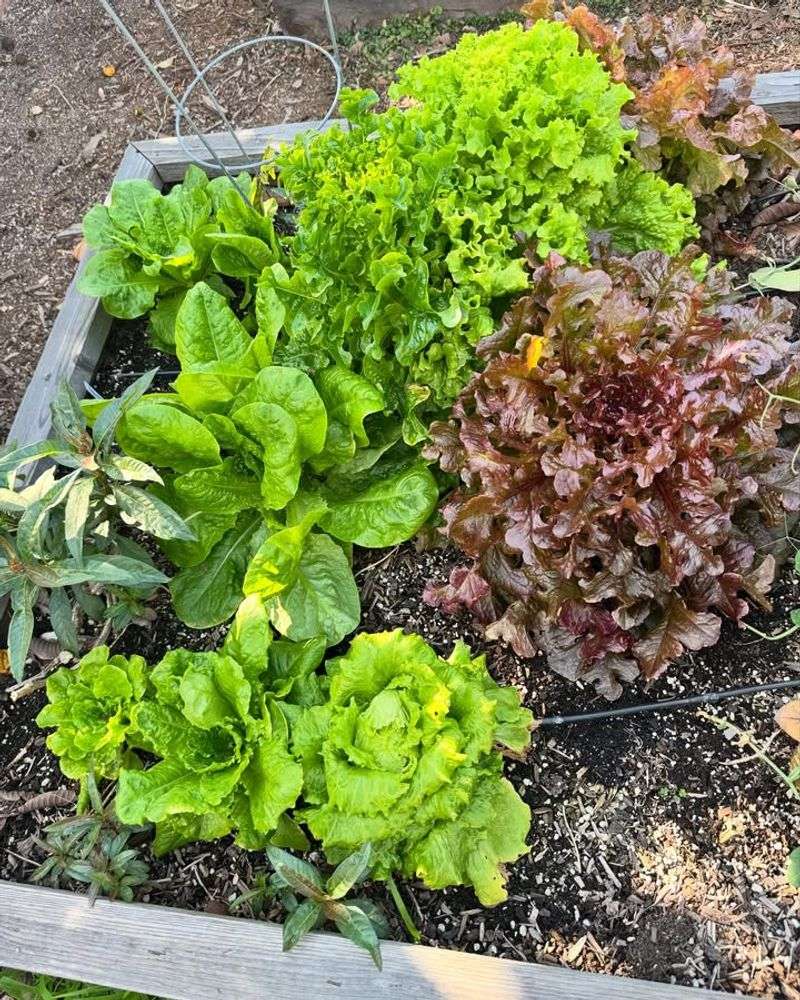
April in Ohio is prime time for cool-season vegetables, and raised beds are perfect for getting them going early. Crops like lettuce, spinach, kale, peas, radishes, and Swiss chard all love the cooler temperatures that April brings.
Raised beds warm up faster than in-ground gardens, which gives these crops a slight boost right when they need it most.
Soil temperatures in Ohio raised beds can warm earlier than ground-level beds, with many cool-season crops germinating once soil temperatures reach around 40 to 55 degrees Fahrenheit depending on the crop. You can use a simple soil thermometer to check before planting seeds, which takes all the guesswork out of timing.
Most cool-season seeds will sprout reliably once the soil hits that range.
Another great option for April planting in Ohio is starting transplants of broccoli, cabbage, or cauliflower that were started indoors back in February or March. These can go into the raised bed in April as long as you harden them off first by setting them outside for a few hours each day before fully planting them.
Cool-season crops planted now can often be harvested before summer heat arrives, leaving the bed open for warm-season plants later.
9. Wait Until Mid-May For Warm-Season Crops
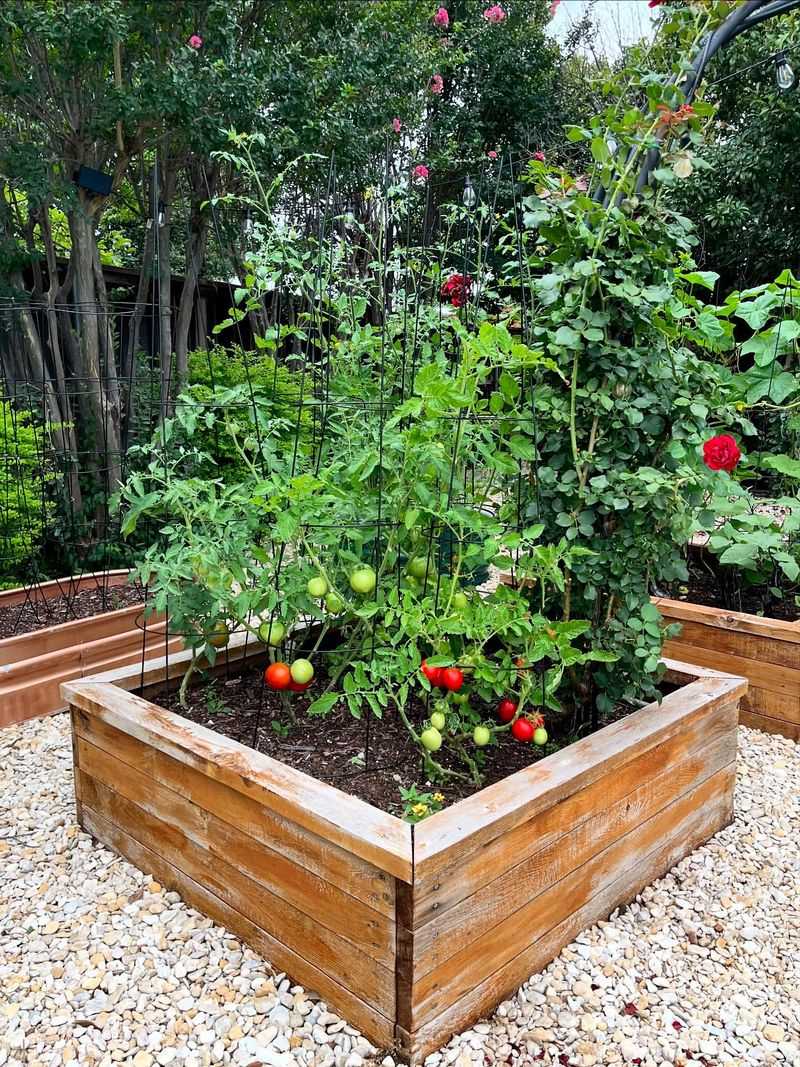
Tomatoes, peppers, cucumbers, squash, and beans are warm-season crops that many Ohio gardeners are eager to get into the ground as soon as April arrives. Patience pays off here, though.
Ohio weather in April is unpredictable, and a late frost can damage tender warm-season transplants quickly, setting your garden back by weeks.
The last average frost date for most of Ohio falls somewhere between late April and mid-May, depending on your specific location in the state. Northern Ohio near Lake Erie tends to see frost risks later than central or southern parts of the state.
Checking your local county extension office or the Ohio State University Extension website can give you a more precise frost date for your area.
Mid-May is generally the safe window to transplant warm-season crops into your raised bed across most of Ohio. The soil will also be warmer by then, which helps roots establish faster and encourages quicker growth.
While you wait, use April to fill your raised bed with cool-season crops that will be ready to harvest right around the time your tomatoes and peppers go in. Smart timing like this keeps your bed productive for a much longer stretch of the growing season.
10. Plan For Drip Or Soaker Hose Watering
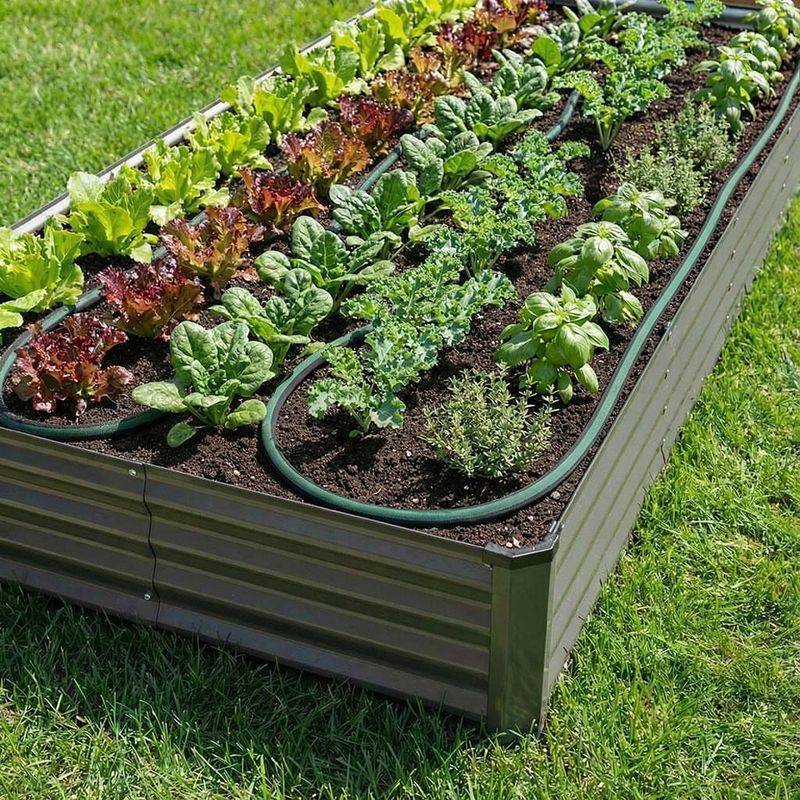
Raised beds dry out faster than traditional in-ground gardens, especially during warm and windy Ohio spring days. Having a reliable watering system in place before your plants go in makes a noticeable difference in how consistently your garden grows.
Drip irrigation and soaker hoses are two of the best options for raised bed gardeners because they deliver water directly to the root zone where it is needed most.
Soaker hoses are affordable, easy to set up, and work well in beds of almost any size. Simply lay the hose across the bed in a gentle back-and-forth pattern, connect it to a standard outdoor spigot, and let it run for thirty to sixty minutes depending on how dry the soil is.
A timer attached to the spigot makes this even easier and ensures your plants get watered even when you are busy.
Overhead watering with a sprinkler or watering can works in a pinch, but it wets the leaves, which can encourage fungal issues in Ohio’s sometimes humid spring weather. Keeping water at soil level with a soaker hose or drip line helps avoid that problem entirely.
Setting up your watering system early in April means your bed is ready to support plants from the very first planting day.