Raised Beds Or Ground Gardens? Which Works Better For Michigan Yards
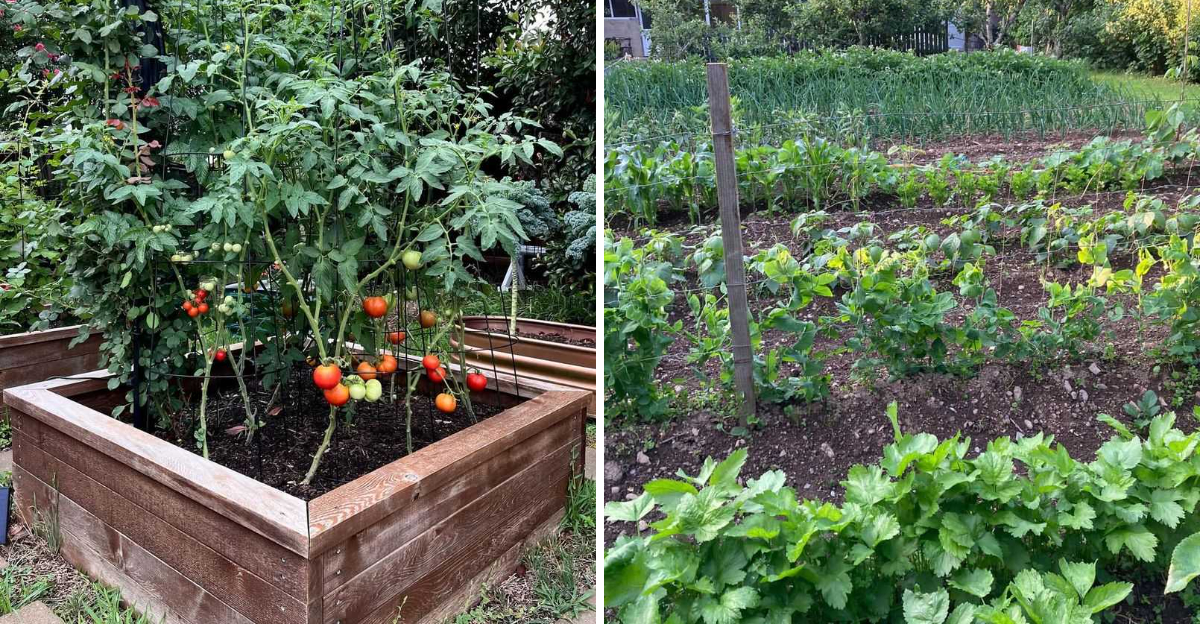
Stand in a Michigan backyard in early spring and you can almost hear the debate starting. Should you build raised beds or stick with planting straight in the ground?
Both options look good on social media, but they behave very differently once cold soil, heavy rain, and surprise temperature swings show up. Raised beds warm faster and drain better, yet they can dry out quickly in summer.
Ground gardens hold moisture and cost less to set up, but clay soil and slow warming can test your patience. The right choice depends on your yard, your schedule, and how much work you want to put in upfront.
Once you understand how Michigan weather affects each option, the decision becomes much clearer. If you want healthier plants and fewer headaches this season, it is time to pick the setup that actually fits your yard.
Soil Warming In Spring
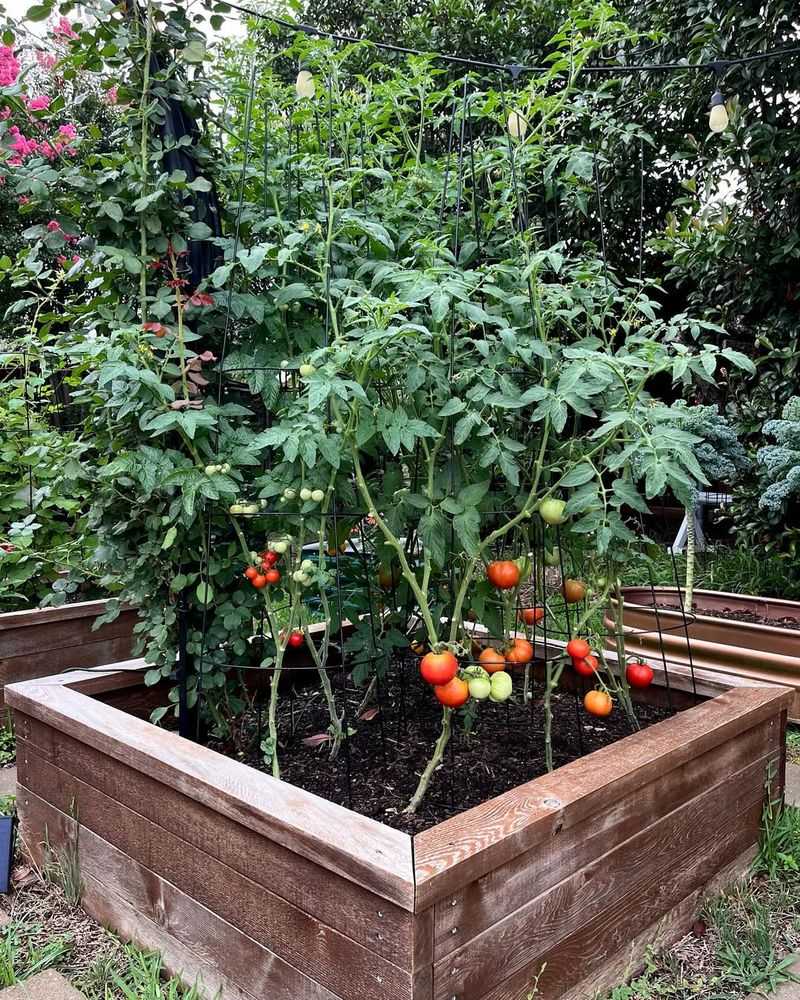
Spring arrives slowly across Michigan, bringing chilly mornings and frosty nights well into April. Raised beds transform this waiting game by capturing more sunlight and warming significantly faster than ground soil.
The elevated structure allows air circulation underneath while the sides absorb solar heat throughout the day.
Ground gardens struggle with Michigan’s dense clay composition that holds winter cold like a refrigerator. Seeds planted in cold soil simply refuse to germinate or rot before sprouting.
Tomatoes, peppers, and squash especially need warm soil to thrive and establish strong roots.
Gardeners with raised beds often start planting two to three weeks earlier than neighbors using ground gardens. This extended season makes a tremendous difference when frost threatens again in September.
Extra growing time means more harvests and better-developed plants that withstand summer stress.
Temperature probes show raised bed soil reaching 65 degrees while ground gardens remain at 50 degrees during early May. Those fifteen degrees separate success from disappointment for heat-loving vegetables.
Black plastic or mulch helps ground gardens warm faster but never matches raised bed performance during Michigan’s unpredictable spring weather patterns.
Drainage And Moisture Control
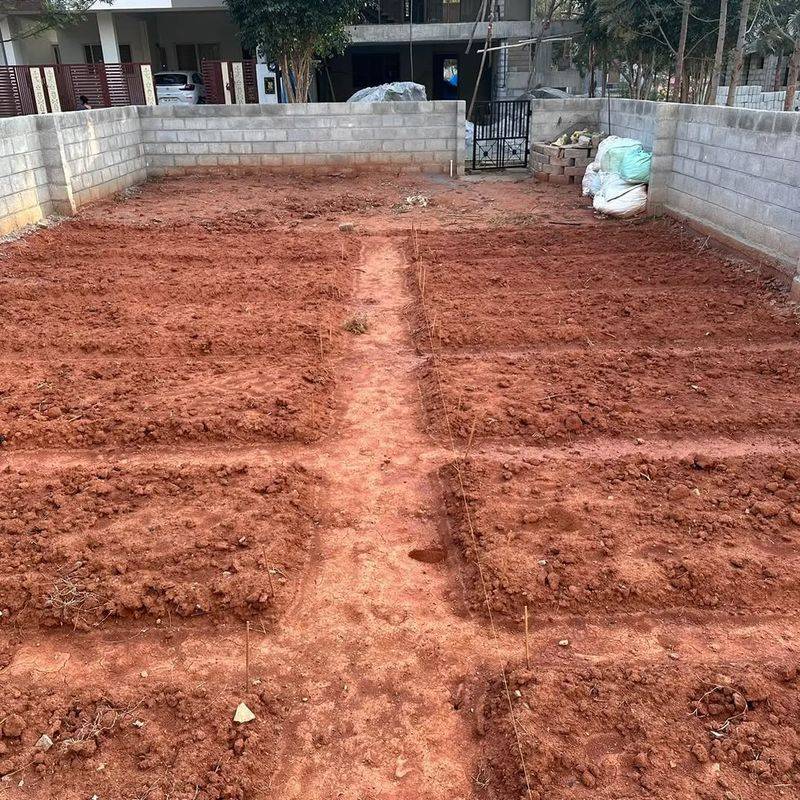
Michigan receives substantial rainfall during spring snowmelt and summer thunderstorms that test any garden’s drainage capacity. Raised beds excel at shedding excess water quickly through their elevated design and custom soil mixtures.
Plants never sit in soggy conditions that encourage root rot and fungal diseases. Ground gardens face serious challenges with Michigan’s prevalent clay soils that drain poorly after heavy rains. Water pools on the surface or saturates the root zone for days.
Vegetables essentially drown even though they appear dry on top. Building raised beds twelve inches high creates natural drainage that gravity enhances continuously throughout the growing season.
Adding coarse materials like perlite or compost improves water movement even further. Your plants receive moisture without waterlogging that stunts growth and invites problems.
Clay soil amendments help ground gardens but require years of organic matter additions to truly transform drainage characteristics.
Sand mixed incorrectly can actually worsen the situation by creating concrete-like conditions. Raised beds bypass these issues entirely by starting fresh with ideal soil blends.
During exceptionally wet Michigan summers, raised bed gardeners harvest healthy crops while ground garden neighbors watch plants turn yellow and wilt.
Proper moisture balance separates thriving gardens from struggling ones throughout our unpredictable growing season.
Soil Quality Management
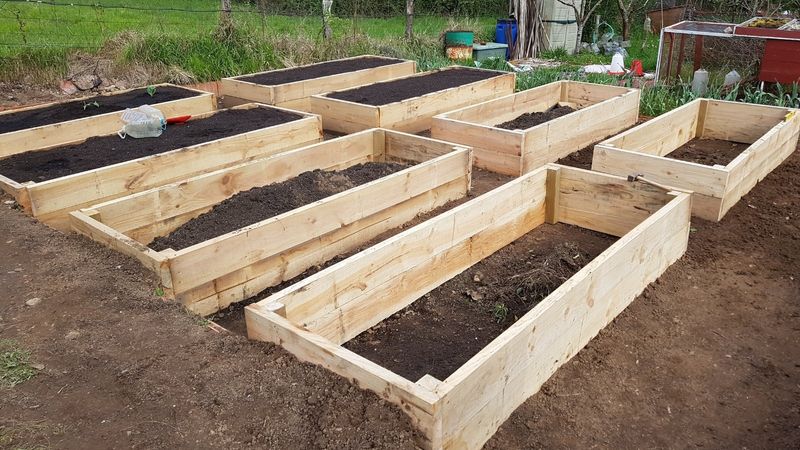
Creating perfect growing conditions becomes remarkably simple when you control every cubic inch of soil from the start.
Raised beds let Michigan gardeners bypass years of soil building by filling boxes with ideal mixtures of compost, peat, and topsoil. Plants thrive immediately in this nutrient-rich environment without waiting for amendments to work.
Ground gardens inherit whatever nature provided, which across Michigan typically means heavy clay with poor structure and limited fertility. Transforming native soil requires persistent effort over multiple seasons.
Testing reveals deficiencies that demand specific corrections before vegetables perform well. Annual soil refreshment in raised beds takes minimal effort compared to amending large ground garden areas.
Adding compost each spring maintains fertility and structure without tilling or extensive labor. Concentrated amendments go exactly where plants need them most.
Michigan’s acidic soils often require lime applications that raised beds simplify through precise measurements and targeted placement.
Ground gardens need broader treatments that cost more and take longer to adjust pH levels. Controlling every variable means consistent results year after year.
Custom blends address specific crop needs easily in separate raised beds dedicated to particular plant families. Blueberries get acidic mixes while vegetables enjoy neutral conditions just feet away.
Ground gardens lack this flexibility without creating distinct zones that require significant ongoing maintenance and careful planning.
Pest And Disease Management
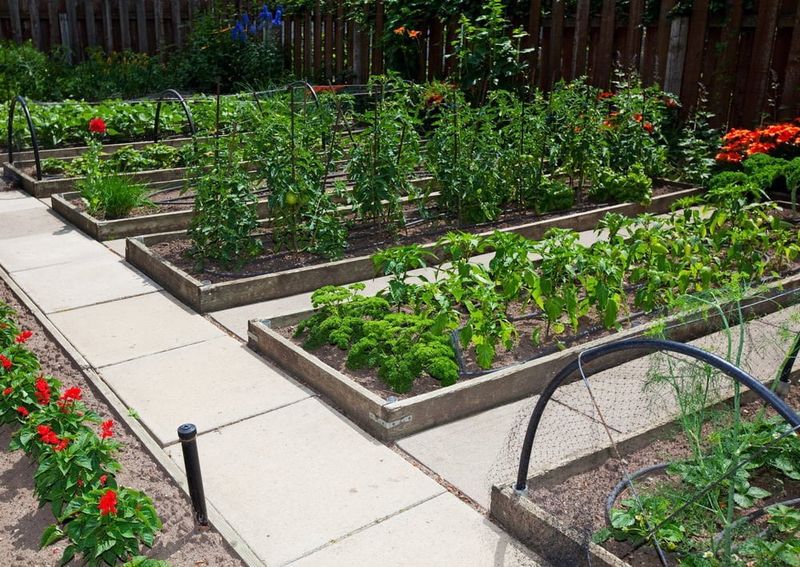
Soil-dwelling pests and pathogens cause significant crop losses for Michigan gardeners who struggle with contaminated ground. Raised beds minimize these threats by introducing clean soil that lacks established pest populations and disease organisms.
Elevation also discourages slugs, snails, and some crawling insects that prefer ground-level access.
Ground gardens accumulate pathogens over years as diseased plant material and infected soil particles remain in place. Verticillium wilt, fusarium, and other soil-borne diseases persist for decades in Michigan clay.
Crop rotation helps but cannot eliminate established problems completely. Replacing or refreshing raised bed soil every few years essentially resets the disease clock and prevents buildup.
This practice proves nearly impossible in ground gardens where contaminated soil extends deep beyond practical removal. Prevention beats treatment when managing persistent soil problems.
Voles and moles tunnel extensively through Michigan yards, damaging roots and creating unsightly mounds in ground gardens. Hardware cloth installed beneath raised beds blocks these burrowing pests completely.
Plants grow undisturbed while ground garden neighbors lose entire crops to underground raiders.
Beneficial insects and proper spacing work better in raised beds where you control every aspect of the environment. Ground gardens inherit existing pest populations from surrounding landscape areas.
Targeted interventions become more effective when you start with a clean slate and maintain vigilant monitoring throughout the season.
Weed Suppression
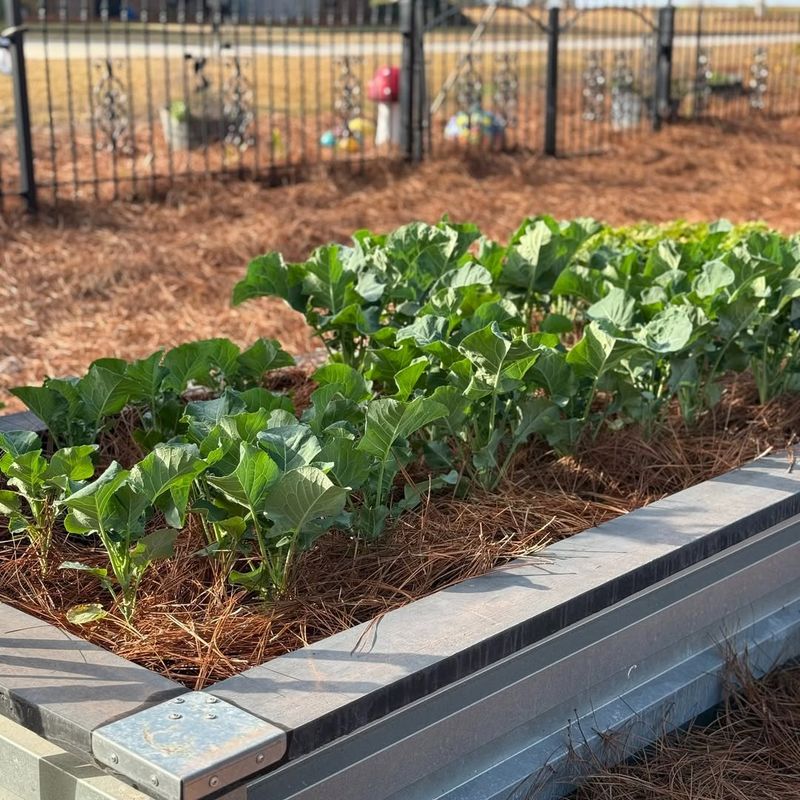
Weeds compete aggressively for nutrients, water, and sunlight that your vegetables desperately need during Michigan’s short growing season.
Raised beds naturally reduce weed pressure through contained soil that limits seed introduction and makes removal easier. Fresh soil mixtures lack the massive weed seed banks present in native ground.
Ground gardens battle persistent perennial weeds like quackgrass and bindweed that spread through underground networks. These invaders establish deep roots that return season after season despite regular pulling.
Michigan lawns constantly shed new weed seeds that germinate readily in disturbed garden soil.
Installing landscape fabric beneath raised beds creates an additional barrier preventing weeds from emerging underneath and through drainage holes. Mulching the top surface suppresses any seeds that blow in from surrounding areas.
Maintenance becomes quick spot-checking rather than constant battle. Tilling ground gardens actually increases weed problems by bringing dormant seeds to the surface where light triggers germination.
Hand-pulling becomes a weekly chore that consumes valuable gardening time. Dense clay soil makes extraction difficult without breaking roots that regenerate quickly.
Raised bed edges define clear boundaries that prevent grass encroachment and make string trimmer work safer around plants.
Ground gardens lack distinct separation, allowing lawn weeds to creep gradually into growing areas. Sharp definition saves hours of tedious weeding throughout summer.
Root Depth And Crop Selection
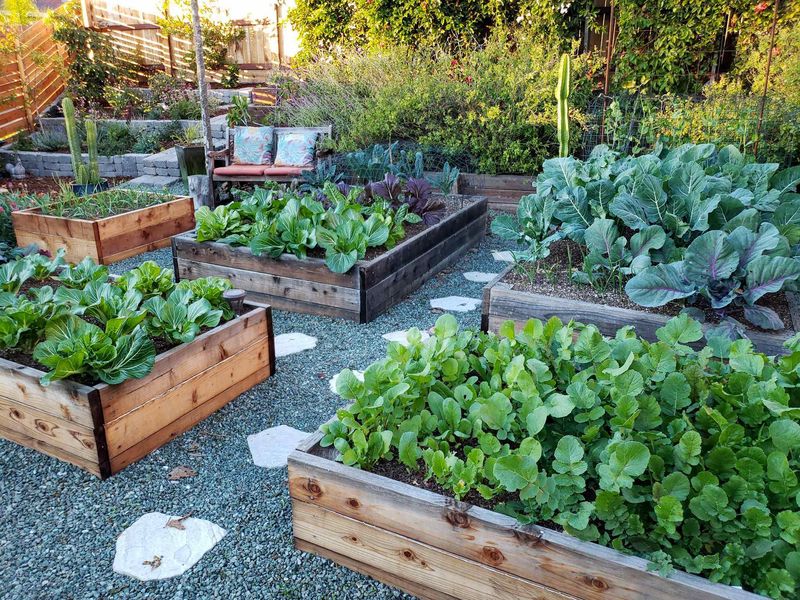
Plant roots need adequate space to anchor properly and access nutrients throughout the growing season. Raised beds typically range from eight to eighteen inches deep, which suits most vegetables perfectly but limits options for deep-rooted crops.
Carrots, parsnips, and potatoes need sufficient depth to develop properly without hitting barriers.
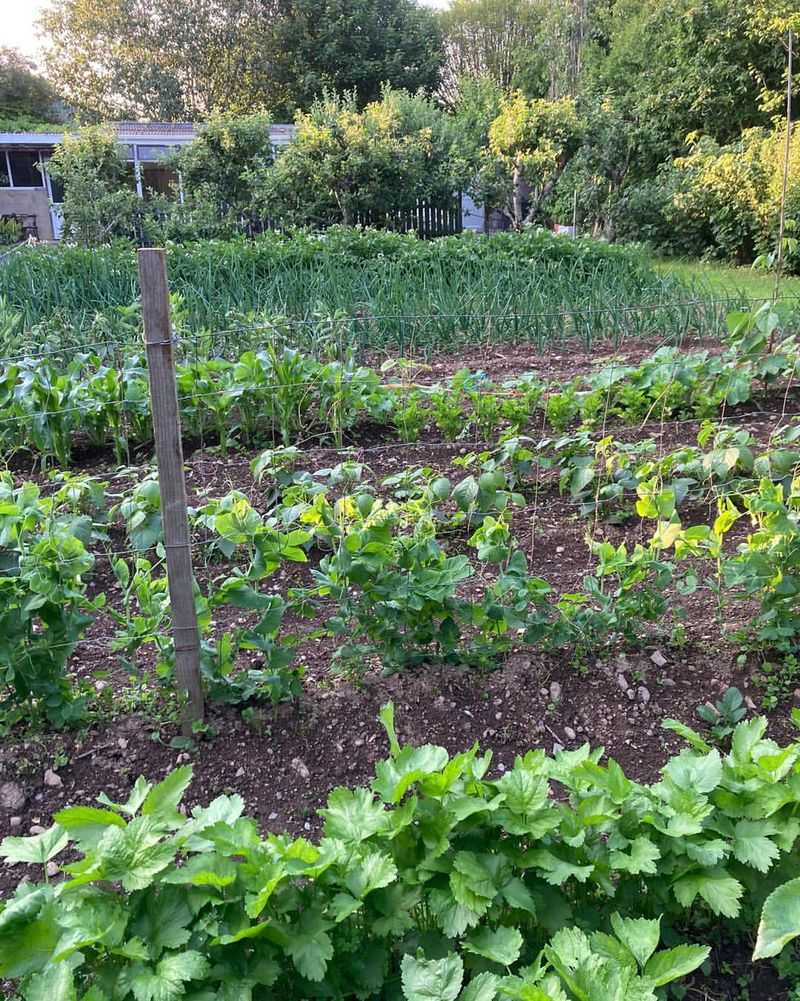
Ground gardens provide unlimited root depth where Michigan’s native soil allows unrestricted downward growth. Perennial vegetables like asparagus and rhubarb establish extensive root systems that support decades of production.
Fruit trees and berry bushes require deep soil that raised beds simply cannot accommodate.
Building extra-deep raised beds solves depth limitations but increases material costs and construction complexity significantly. Standard twelve-inch beds handle tomatoes, peppers, lettuce, and beans beautifully.
Planning crop selection around bed depth prevents disappointment and wasted effort. Compacted clay layers in ground gardens can limit effective root depth despite unlimited physical space below.
Roots struggle to penetrate dense soil and often spread horizontally instead of reaching down for moisture.
Breaking up hardpan requires serious effort before ground gardens truly offer depth advantages.
Raised beds concentrate root development in premium soil where nutrients remain readily available throughout the growing season. Ground garden roots must search larger volumes for sustenance.
Efficiency matters when Michigan’s short season demands rapid growth and quick maturity before autumn frost arrives unexpectedly.
Maintenance And Accessibility
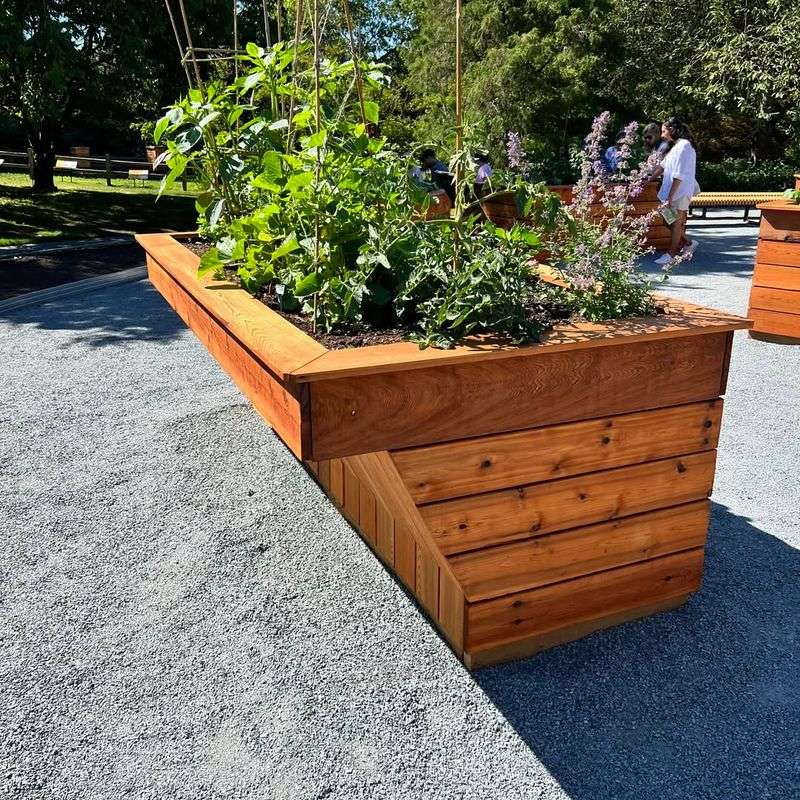
Gardening should bring joy rather than back pain and sore knees that discourage continued participation. Raised beds transform accessibility by bringing soil up to comfortable working heights that reduce bending and kneeling.
Older gardeners and those with mobility limitations find renewed enthusiasm when physical barriers disappear.
Ground gardens require constant stooping that strains backs and makes extended work sessions uncomfortable or impossible. Weeding, planting, and harvesting become exhausting chores rather than pleasant activities.
Many enthusiastic gardeners abandon ground beds as physical challenges increase with age. Building beds at custom heights accommodates individual needs perfectly, with some gardeners creating waist-high structures for wheelchair access.
Standard raised beds around two feet tall offer excellent compromise between comfort and construction practicality. Your body thanks you after every gardening session.
Watering and fertilizing require less effort in compact raised beds where everything stays within easy reach. Ground gardens spread across larger areas that demand more walking and stretching.
Efficiency matters when time and energy are limited resources. Michigan’s muddy spring conditions make ground garden access messy and difficult during crucial planting windows.
Raised beds with surrounding pathways remain accessible regardless of weather. Mulched walkways between beds stay clean and provide stable footing throughout the season. Consistent access means better care and more productive gardens.
Cost And Construction Effort
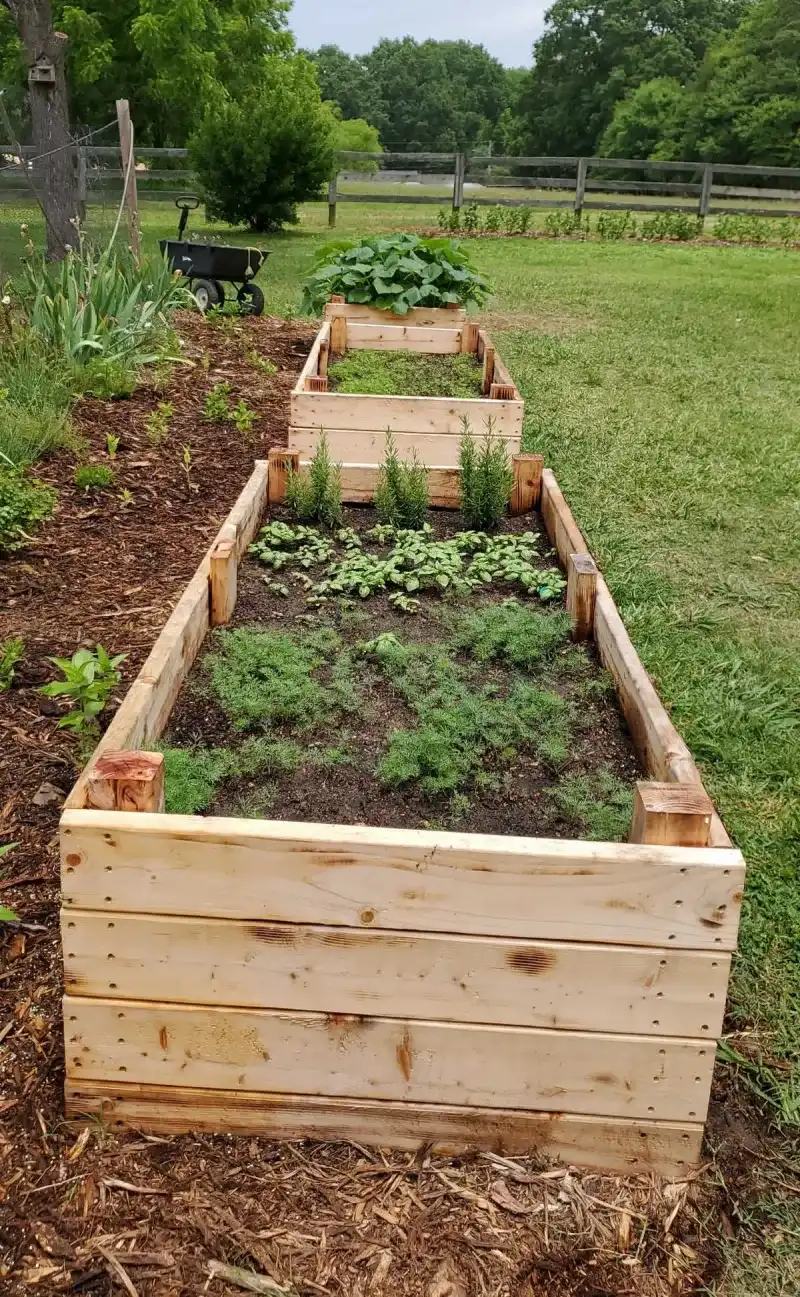
Budget considerations influence every gardening decision, especially when starting fresh or expanding existing growing spaces. Raised beds demand significant upfront investment in lumber, hardware, and soil that can total several hundred dollars per bed.
Cedar or composite materials last longer but increase costs substantially compared to basic pine construction.
Ground gardens require minimal initial expense beyond basic tools and soil amendments you probably already own. Marking boundaries with string and stakes costs almost nothing.
Labor investment focuses on soil preparation rather than structure building. Quality raised bed soil mixtures run approximately eight to twelve dollars per cubic foot when purchasing bagged products.
Filling a standard four-by-eight bed requires about sixteen cubic feet of material. Bulk delivery reduces costs but still represents major expense compared to amending existing ground.
Long-term value calculations favor raised beds despite higher initial costs because productivity increases and maintenance decreases significantly.
Ground gardens save money initially but may require ongoing amendments and pest control that accumulate over seasons. Return on investment depends on your gardening goals and timeline.
Construction skills matter when building raised beds that must withstand Michigan winters and remain level through freeze-thaw cycles. Simple designs work fine but require basic carpentry knowledge.
Ground gardens need no building expertise whatsoever. Time investment differs dramatically between approaches, with raised beds demanding weekend project commitment before planting begins.
Soil Temperature Regulation In Summer
Michigan summers bring occasional heat waves that stress plants and reduce productivity when temperatures soar unexpectedly.
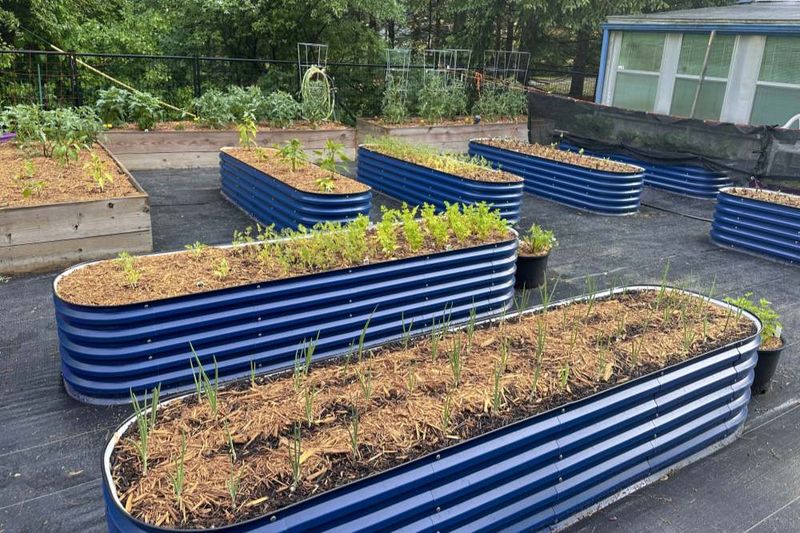
Raised beds absorb and retain heat more readily than ground gardens, sometimes creating excessively warm conditions that damage shallow roots.
Dark-colored bed materials amplify this effect by absorbing maximum solar radiation throughout long summer days.
Ground gardens benefit from earth’s natural insulation that moderates temperature swings and keeps roots cooler during extreme heat.
Soil several inches below surface maintains relatively stable conditions regardless of air temperature. Plants access this cooler zone for stress relief during hot afternoons.
Mulching raised beds heavily with straw or wood chips provides essential temperature buffering that prevents overheating problems. Light-colored mulch reflects heat rather than absorbing it.
Adequate mulch depth of three to four inches makes tremendous difference in summer performance.
Shade cloth suspended over raised beds during heat waves protects sensitive crops like lettuce and spinach that bolt quickly in excessive warmth. Ground gardens often have nearby trees or structures providing natural afternoon shade.
Strategic placement matters when planning permanent raised bed locations. Watering frequency increases in raised beds during hot weather because elevated soil dries faster than ground level.
Drip irrigation or soaker hoses maintain consistent moisture without daily hand-watering. Ground gardens retain moisture longer between waterings, reducing summer maintenance demands when vacation travel interrupts regular care routines.
Longevity And Flexibility
Garden plans evolve as experience grows and circumstances change over years of cultivation. Raised beds offer remarkable flexibility because structures can be moved, rebuilt, or completely redesigned without permanent landscape alteration.
Small yards benefit especially from this adaptability when competing uses for space shift with family needs.
Ground gardens represent permanent commitments that become difficult to relocate once established and amended over multiple seasons. Moving a ground garden means abandoning years of soil improvement work.
Changing your mind about location carries significant consequences. Replacing worn raised bed lumber takes a weekend and refreshes your garden’s appearance completely.
Untreated pine beds last five to seven years in Michigan conditions before requiring replacement. Ground gardens need no structural maintenance but soil quality demands ongoing attention indefinitely.
Renting homes or planning future moves makes raised beds particularly attractive because they represent temporary installations rather than permanent improvements. Taking beds with you preserves your investment and gardening system.
Ground gardens stay behind when you relocate. Experimenting with different configurations and sizes proves simple with modular raised bed systems that expand or contract based on available time and interest.
Ground gardens require more commitment to expand because breaking new ground involves substantial physical effort.
Starting small and growing gradually works better with flexible raised bed approaches suited to Michigan’s variable gardening conditions.