Raised Beds Or Ground Gardens? Which Works Better For North Carolina
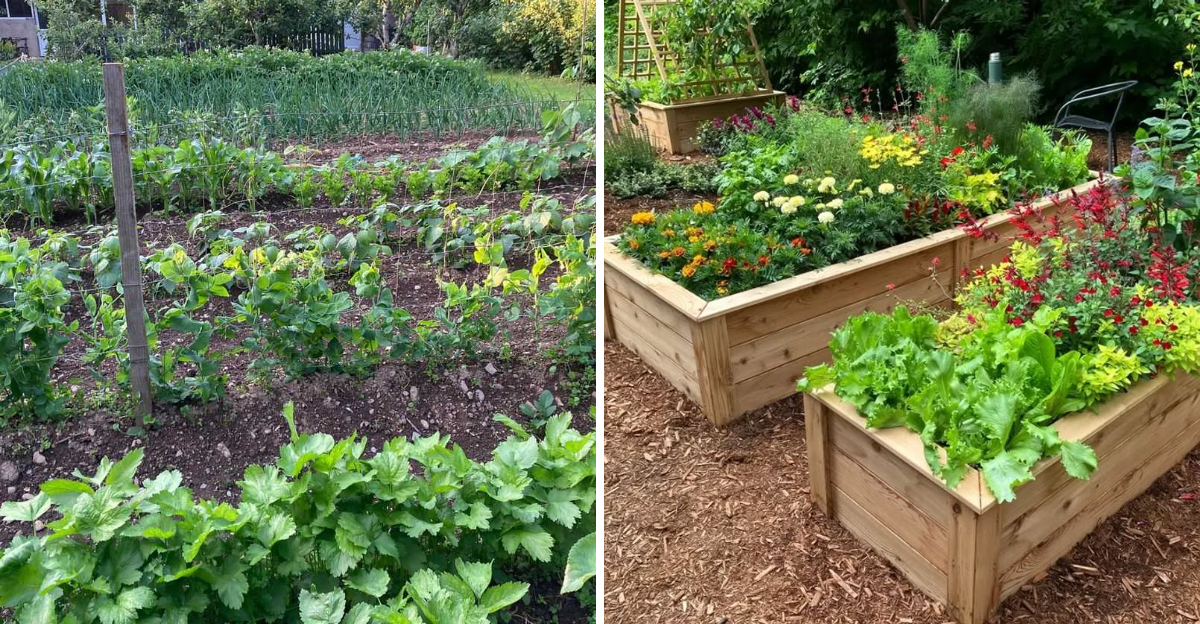
Stand in a North Carolina backyard on a warm spring morning and the same question pops up every year. Should you build raised beds or plant straight in the ground?
Both options promise great results, but our heat, clay soil, and sudden summer storms change the game. Raised beds drain faster and warm up quickly, yet they can dry out in intense sun.
Ground gardens hold moisture and stay cooler, but heavy soil can slow roots and trap water after big rains. The right choice depends on your space, your schedule, and how much effort you want to put in upfront.
Once you understand how local conditions affect each setup, the decision becomes much easier. If you want healthier plants and fewer mid season frustrations, choosing the right foundation is where success really begins.
Soil Warming Advantage
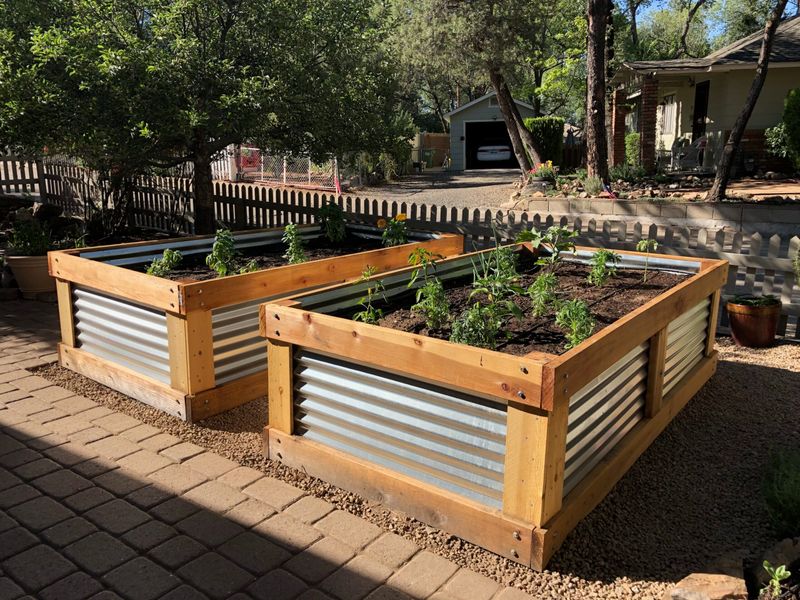
Spring arrives differently for raised beds compared to ground gardens across North Carolina. Elevated soil in raised beds absorbs sunlight more directly and warms up several weeks earlier than in-ground plots.
This temperature difference matters tremendously when you’re eager to plant tomatoes, peppers, or squash after the last frost.
Warmer soil means seeds germinate faster and transplants establish roots more quickly in raised structures.
In-ground gardens throughout North Carolina often stay cold longer because the surrounding earth acts like a heat sink.
Native clay soils are particularly slow to warm, which can delay planting schedules by two to three weeks. Gardeners in the Piedmont and Mountain regions notice this difference more dramatically than Coastal Plain residents.
Raised beds give you a head start on the growing season, allowing earlier harvests of spring crops like lettuce, peas, and radishes. The elevated position also improves air circulation around plants, which further contributes to maintaining optimal growing temperatures.
If you want to maximize your North Carolina growing season, the soil warming advantage of raised beds provides a significant edge over traditional ground gardening methods.
Drainage Efficiency
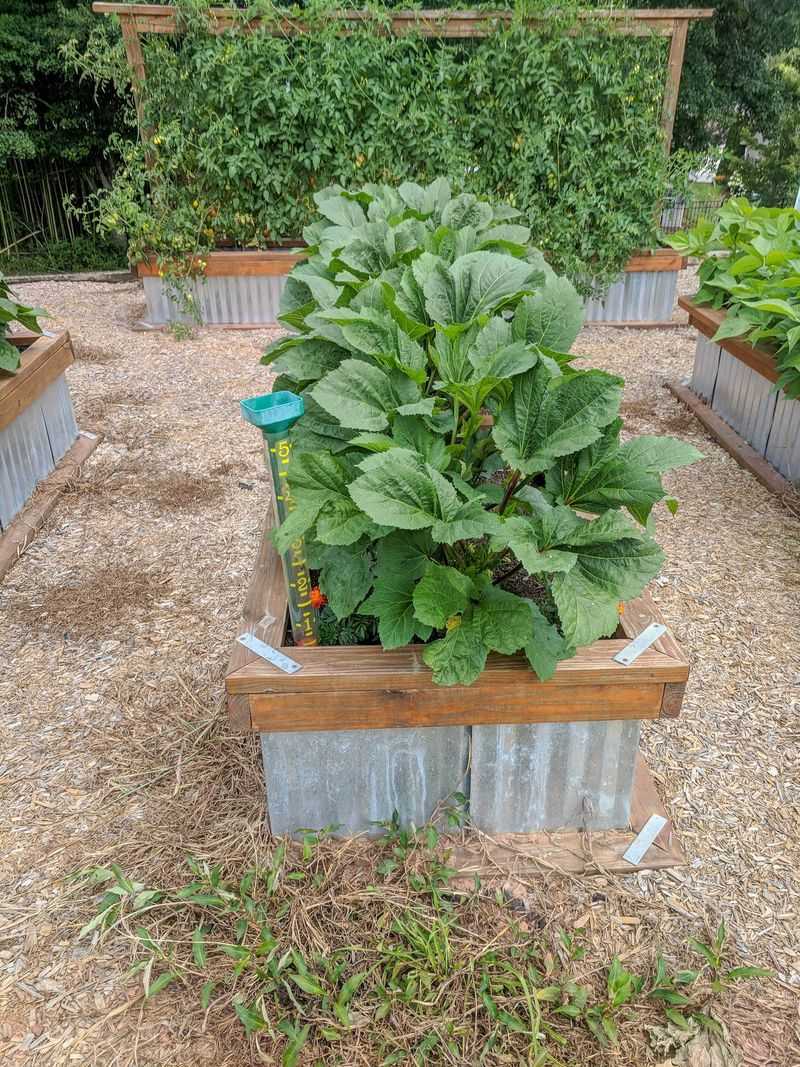
Water management becomes critical during North Carolina’s unpredictable spring weather patterns. Raised beds naturally drain excess moisture more effectively because gravity pulls water downward through the elevated soil profile.
This drainage advantage protects plant roots from waterlogging during heavy April and May thunderstorms common throughout the state.
Ground gardens face more challenges, especially in areas with heavy clay soil found across much of the Piedmont region.
Clay particles pack tightly together, creating a barrier that prevents water from moving through the soil profile efficiently.
After a strong rain, in-ground gardens can develop standing water that suffocates roots and encourages fungal problems.
Coastal North Carolina gardeners with sandy soils have better natural drainage, but still benefit from the controlled environment of raised beds.
Mountain gardeners dealing with compacted or rocky soils find raised beds eliminate drainage headaches entirely. Proper drainage isn’t just about removing excess water—it also ensures oxygen reaches plant roots.
Without adequate oxygen, even drought-tolerant vegetables struggle to thrive regardless of how much you water them.
For North Carolina gardeners tired of battling soggy soil and root rot, raised beds offer a straightforward solution to persistent drainage problems.
Soil Quality Control
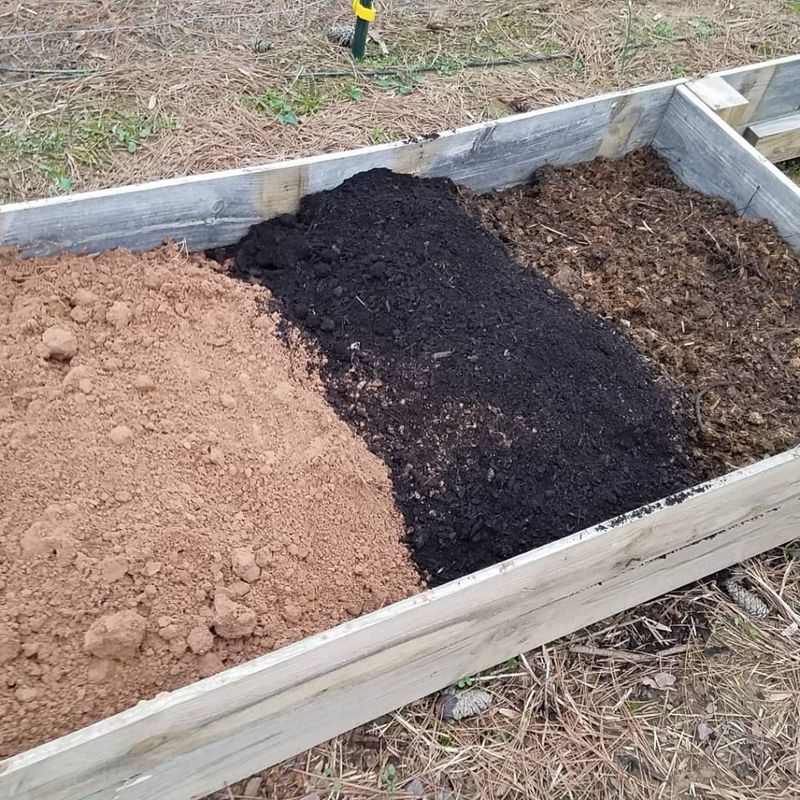
Starting with perfect soil becomes remarkably easier when you build raised beds in North Carolina. You control exactly what goes into your growing medium, mixing compost, peat moss, and quality topsoil to create ideal conditions.
This level of control eliminates years of work needed to improve native clay or sandy soils found throughout the state.
In-ground gardens require extensive amendments spread over multiple seasons before reaching optimal fertility and structure.
Breaking up compacted clay takes considerable effort, often involving repeated additions of organic matter and gypsum. Sandy Coastal Plain soils need constant amendments to retain moisture and nutrients that wash away quickly.
Raised beds maintain their soil quality more consistently because you’re not fighting against underlying native soil conditions.
Adding compost or fertilizer to a contained raised bed ensures amendments stay where your plants need them most. Ground gardens lose nutrients to leaching and dilution as amendments mix with less fertile subsoil below.
North Carolina gardeners appreciate how raised beds simplify soil testing and adjustment throughout the growing season.
Making targeted improvements becomes straightforward when you’re working with a defined, manageable volume of soil rather than an entire yard’s worth of challenging native earth.
Weed Management
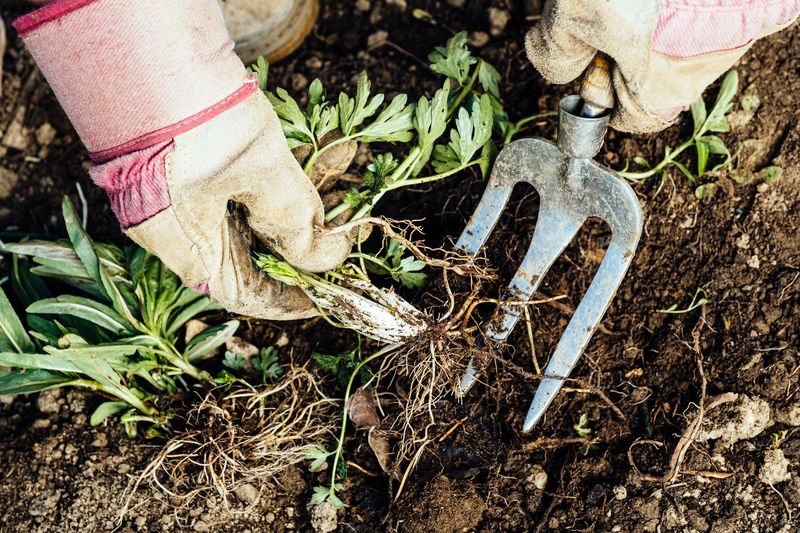
Battling weeds consumes less time and energy when you garden in raised beds across North Carolina. The contained soil environment limits weed seed invasion from surrounding lawn areas and native soil below.
Starting with weed-free soil mix means you’re only dealing with airborne seeds rather than an entire seed bank waiting underground.
Ground gardens inherit every weed seed present in native North Carolina soil, which can number in the thousands per square foot.
Disturbing in-ground soil during planting brings dormant weed seeds to the surface where light triggers germination.
Common North Carolina weeds like crabgrass, nutsedge, and chickweed establish quickly in traditional garden plots. Raised beds make mulching easier and more effective since you’re covering a defined, elevated space.
The height of raised beds also makes hand-weeding less back-breaking when unwanted plants do appear. You can spot and remove weeds quickly before they set seed and create future problems.
In-ground gardens require more frequent weeding sessions because new weeds constantly emerge from the surrounding environment.
For North Carolina gardeners who want to spend more time harvesting and less time weeding, raised beds provide a significant advantage in maintaining a tidy, productive growing space.
Pest Exposure
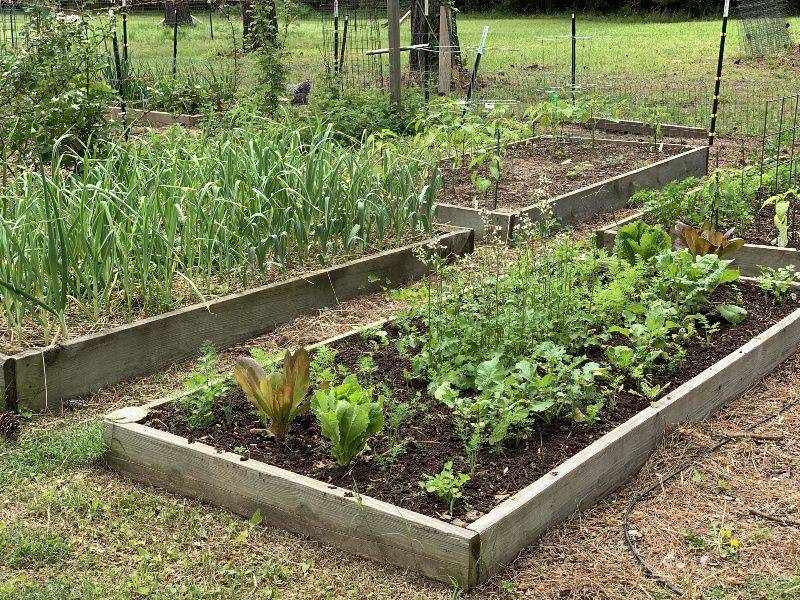
Elevation provides unexpected protection against certain garden pests common throughout North Carolina.
Raised beds create a physical barrier that discourages slugs, snails, and some burrowing insects from reaching your plants.
The contained environment also makes implementing crop rotation strategies easier, which disrupts pest life cycles effectively. Ground gardens connect directly to native soil where established pest populations already live and breed.
Nematodes, wireworms, and various soil-dwelling larvae cause more problems in traditional in-ground plots across the state.
These microscopic and small pests move freely through continuous soil, attacking plant roots without barriers to stop them.
Raised beds allow you to start fresh with sterilized or pest-free soil, giving your vegetables a healthier foundation.
The improved drainage in raised beds also reduces fungal diseases that thrive in damp North Carolina conditions. Better air circulation around elevated plants helps foliage dry faster after rain or morning dew.
While raised beds don’t eliminate all pest problems, they significantly reduce pressure from soil-borne threats.
North Carolina gardeners still need to watch for above-ground pests like aphids and hornworms, but starting with healthier soil conditions gives plants strength to withstand attacks better.
Root Depth Flexibility
Deep-rooted vegetables face restrictions when grown in raised beds throughout North Carolina gardens.
Standard raised beds typically measure 6 to 12 inches deep, which limits crops like carrots, parsnips, and tomatoes. These vegetables naturally want to send roots 18 to 24 inches down into the soil profile.
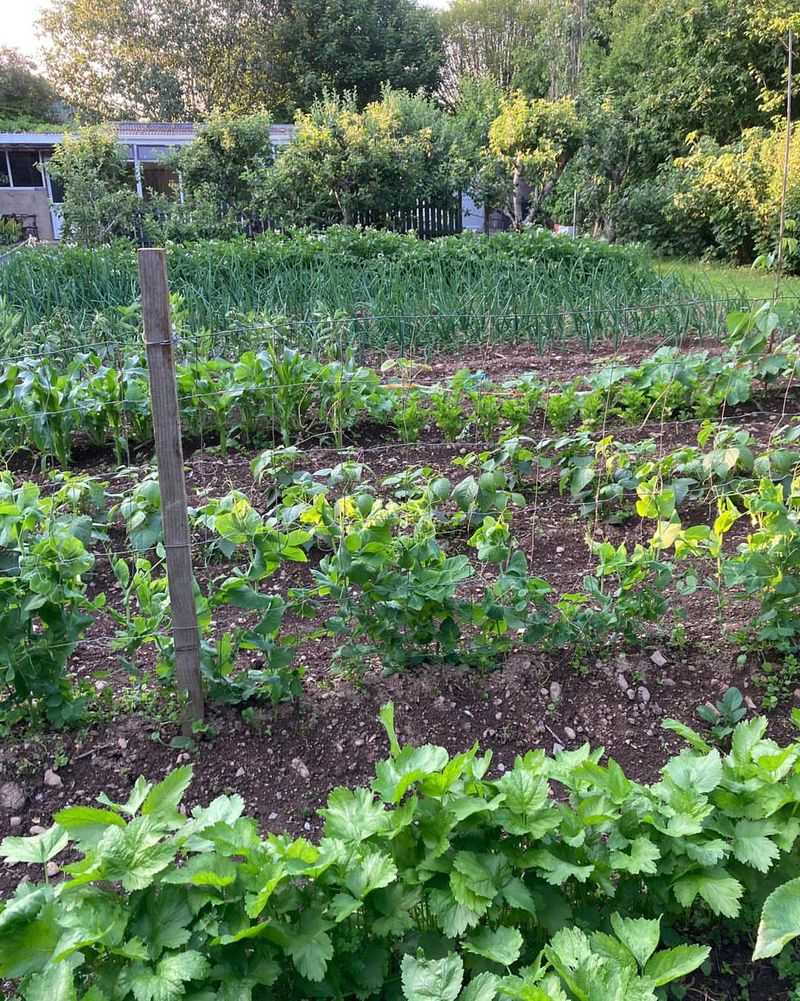
In-ground gardens provide unlimited root depth, allowing plants to tap into moisture and nutrients far below the surface. This becomes especially valuable during North Carolina’s occasional summer dry spells when surface soil dries out quickly.
Perennial vegetables like asparagus and rhubarb absolutely need the deep root space that ground gardens provide.
Building extra-deep raised beds solves this problem but significantly increases material costs and construction complexity.
Most North Carolina gardeners find that standard-depth raised beds work perfectly for lettuce, herbs, peppers, and bush beans.
Ground gardens excel when you’re planning to grow a diverse mix including deep-rooted varieties. The unrestricted root zone also benefits fruit trees, berry bushes, and other permanent plantings common in home gardens.
Consider your crop selection carefully when deciding between raised beds and ground gardens—matching root depth requirements to your garden style prevents disappointment later in the growing season.
Maintenance And Accessibility
Physical comfort matters tremendously when you’re spending hours tending vegetables in North Carolina’s warm climate.
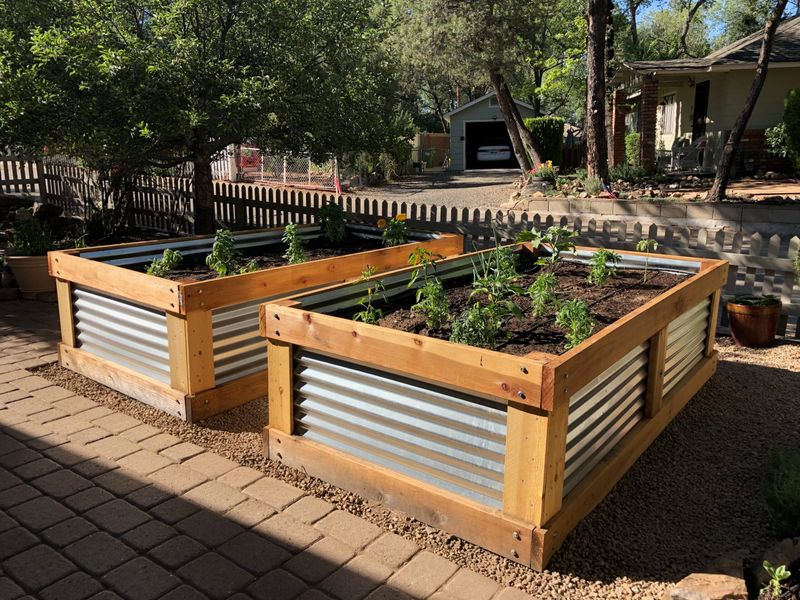
Raised beds built at proper heights eliminate constant bending, kneeling, and stooping required for ground-level gardening.
This ergonomic advantage becomes increasingly important as gardeners age or deal with back problems and knee issues. Waist-high beds allow you to garden while standing or sitting on a stool, making the hobby accessible for more people.
In-ground gardens demand physical flexibility that not everyone possesses, limiting who can participate in growing food. The elevated position of raised beds also brings plants closer to eye level, making it easier to spot problems early.
You’ll notice pest damage, disease symptoms, and nutrient deficiencies faster when you’re not looking down at ground level.
Watering, fertilizing, and harvesting all become simpler tasks when you can reach plants comfortably without straining. Ground gardens require more effort for every maintenance task, from spreading mulch to pulling weeds.
North Carolina gardeners with limited mobility or small urban spaces particularly appreciate how raised beds make gardening feasible.
If you want to enjoy gardening for many years without physical strain, investing in well-designed raised beds pays dividends in comfort and continued participation in this rewarding activity.
Cost And Construction
Budget considerations play a major role when North Carolina gardeners choose between raised beds and ground gardens.
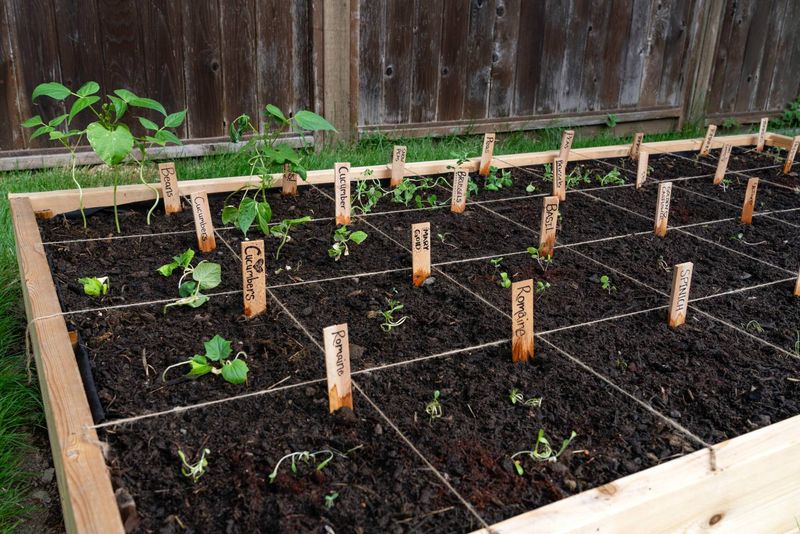
Building raised beds requires purchasing lumber, screws, and filling the structure with quality soil and amendments.
Material costs add up quickly, especially if you’re using cedar or composite materials that resist rot in our humid climate. A single 4×8 foot raised bed can easily cost $150 to $300 depending on materials and soil choices.
Ground gardens need minimal upfront investment, mostly your time, basic tools, and some soil amendments. You’re working with existing soil, which eliminates the expense of purchasing cubic yards of growing medium.
However, improving poor native soil throughout North Carolina requires ongoing investment in compost and other amendments.
These recurring costs can eventually match or exceed the one-time expense of building raised beds. Labor represents another consideration, as constructing raised beds takes more time and skill than preparing ground plots.
Ground gardens demand more physical effort for ongoing maintenance, which has its own value in time and energy.
North Carolina gardeners on tight budgets often start with in-ground plots and gradually transition to raised beds as resources allow, combining both methods effectively in their yards.
Seasonal Soil Temperature Regulation

Summer heat affects raised beds differently than ground gardens across North Carolina’s varied climate zones.
While raised beds warm quickly in spring, this same characteristic can become a liability during hot July and August weather. Elevated soil heats up faster and reaches higher temperatures because it’s exposed to air on all sides.
Without proper mulching or shade strategies, raised bed soil can become uncomfortably hot for plant roots. In-ground gardens maintain more stable temperatures throughout the growing season thanks to thermal mass from surrounding earth.
Native soil acts as insulation, keeping root zones cooler during heat waves that regularly affect North Carolina summers.
This temperature stability helps plants maintain consistent growth without stress from extreme soil temperature fluctuations.
Coastal gardeners notice less temperature variation overall, while Piedmont and Mountain gardeners see more dramatic seasonal swings.
Raised bed gardeners can compensate by applying thick mulch layers, installing shade cloth, or choosing lighter-colored bed materials. These adjustments require extra planning and effort compared to the natural temperature regulation of ground gardens.
Understanding these seasonal dynamics helps North Carolina gardeners make informed decisions about which method suits their specific location, climate zone, and willingness to manage temperature-related challenges throughout the year.
Longevity And Flexibility
Long-term planning takes different forms depending on whether you choose raised beds or ground gardens in North Carolina.
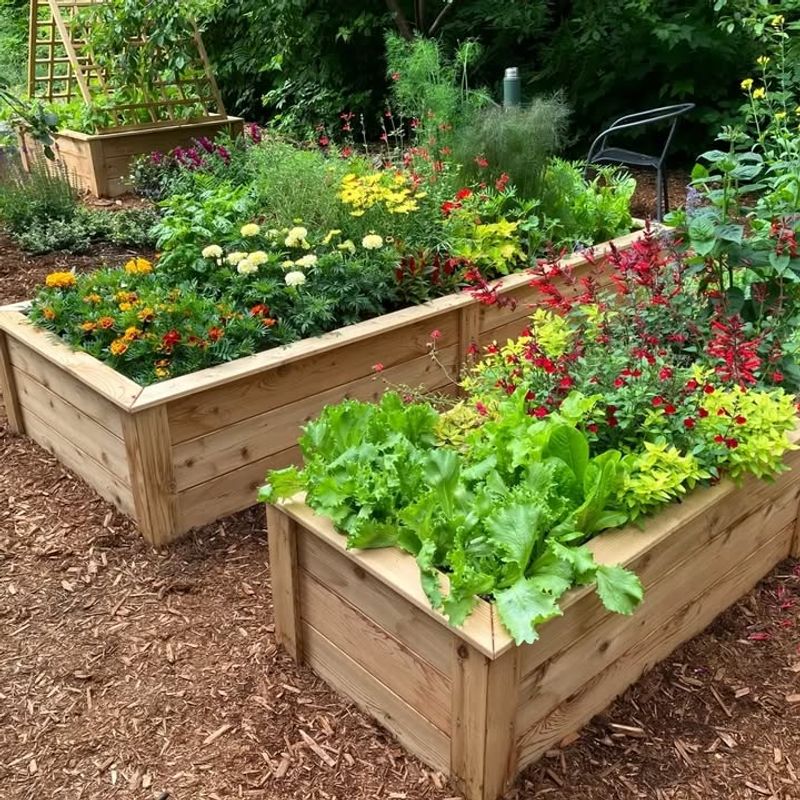
Raised beds offer remarkable flexibility since you can relocate them if you move or want to redesign your yard. This portability appeals to renters and homeowners who aren’t sure about permanent landscape commitments.
Structures eventually need rebuilding as wood decays in our humid climate, typically after 5 to 15 years depending on materials. This maintenance cycle allows you to adjust bed sizes, heights, and locations as your gardening needs evolve.
Ground gardens become permanent features once established, with soil amendments and organic matter building up over years.
Moving or redesigning an in-ground plot means abandoning the soil improvements you’ve invested time and resources developing.
However, this permanence creates increasingly fertile growing conditions as beneficial organisms and organic matter accumulate.
North Carolina gardeners who plan to stay in their homes long-term benefit from the compounding soil health of established ground gardens.
Raised beds work better for small urban yards where space efficiency and aesthetic control matter most.
Consider your future plans, available space, and willingness to maintain or rebuild structures when deciding which approach fits your North Carolina gardening journey best for years to come.