Rare Houseplants Found In Grandma’s Home That Could Be Worth A Fortune In Alabama
I’ll never forget walking into my grandmother’s living room and noticing an unusual plant tucked in the corner. It looked ordinary at first, but a closer look revealed it was a rare variety that collectors would pay handsomely for.
Many Alabama homeowners have hidden gems like this in plain sight. Your old houseplants could be surprisingly valuable.
Certain vintage or rare houseplants, including variegated monsteras, string of hearts, and unusual begonias, have become highly sought after by collectors. Factors like age, rarity, and condition can make these plants worth hundreds or even thousands of dollars.
Proper care and identification are essential if you hope to preserve or sell them. Even familiar plants can turn into a fortune with the right eye.
Alabama homeowners who recognize and care for rare plants can enjoy both the beauty of unique greenery and the potential financial reward. Look closely at your houseplants… you might have a hidden treasure.
1. Variegated Monstera Deliciosa
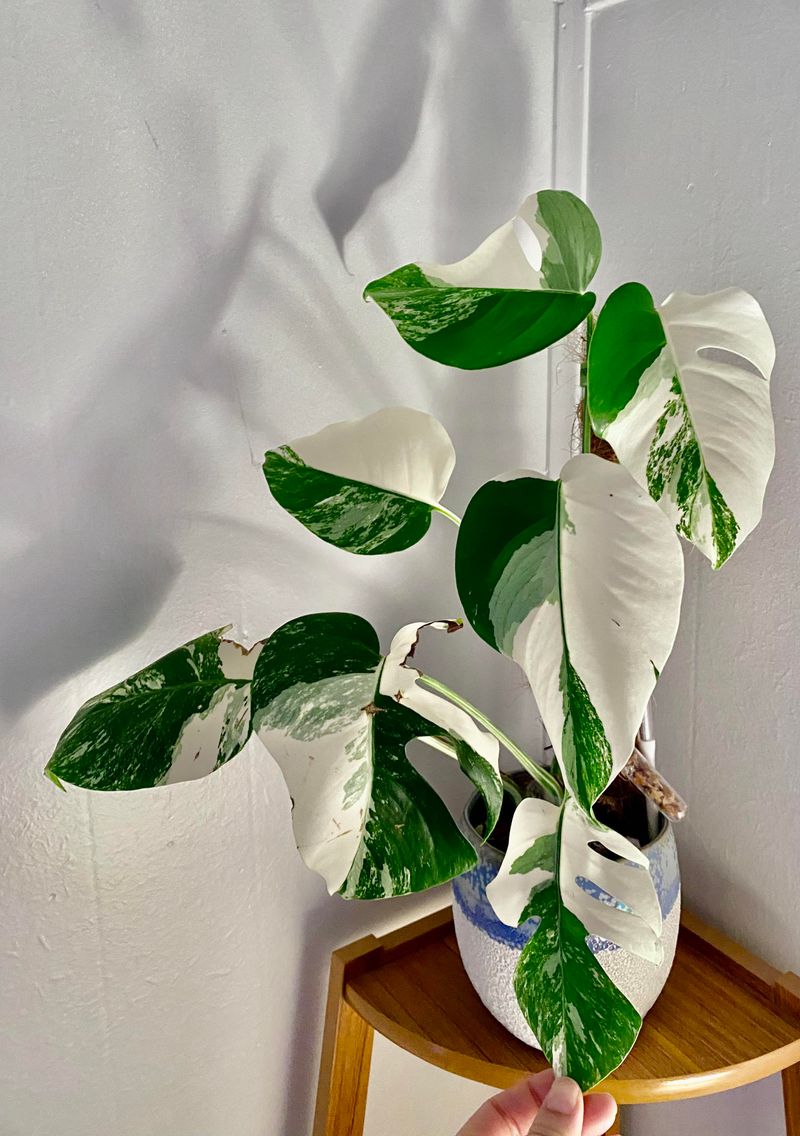
Grandma’s “split-leaf plant” might look like a regular houseplant, but a Variegated Monstera Deliciosa can fetch up to $5,000 today. The white variegation on its leaves isn’t a sign of weakness; it’s the gold standard for collectors.
I remember spotting one in my aunt’s sunroom in Mobile last summer, casually sitting beside her rocking chair. She’d had it since the 1980s and nearly fainted when I told her its value.
These plants grow slowly, but in Alabama’s warm, humid climate, they can reach impressive sizes over decades. A mature specimen with large leaves and balanced variegation is especially sought after.
They require careful care – moderate light, humidity, and consistent watering – but patience pays off. Many collectors prize these plants not just for the variegation but also for their rarity.
Older plants in family collections are particularly valuable because they often come with provenance and unique growth patterns that younger nursery specimens cannot replicate.
Owning a well-established Variegated Monstera in Alabama is like having a living piece of botanical art, with collectors willing to pay top dollar for the decades of care embedded in its leaves.
2. Pink Princess Philodendron
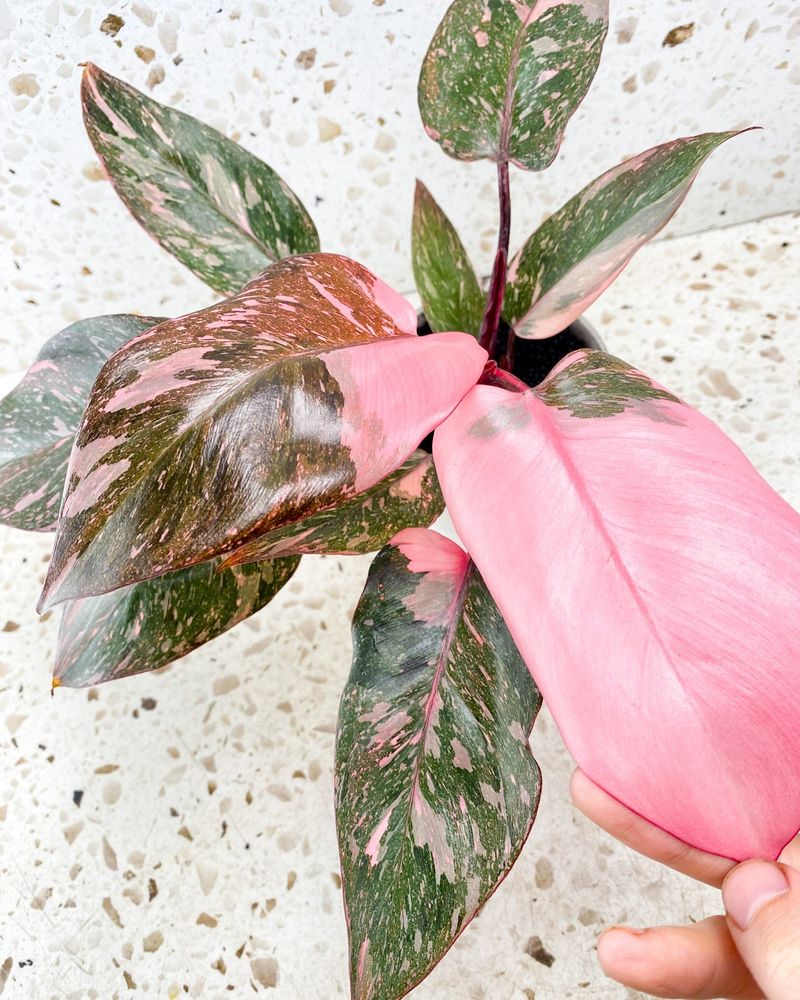
The Pink Princess Philodendron is another Alabama houseplant that has quietly gained huge collector value. Its pink and dark green leaves aren’t just beautiful—they can be worth hundreds or even thousands depending on leaf pattern and size.
These plants are low-maintenance, which explains why they often survive decades in grandma’s care. I once saw one at my neighbor’s mother’s home in Huntsville.
She’d propagated it from a cutting in 1975 and given dozens away to church friends over the years. She never realized each cutting could fetch $200 or more, with rare, heavily pink specimens selling for over $1,000.
The pink coloration is prized above all else. In Alabama’s homes, where humidity is moderate and light conditions are consistent, these philodendrons thrive year after year.
Older plants develop more intense color and fuller growth, which collectors love. The combination of rarity, longevity, and ease of care makes the Pink Princess a highly desirable plant.
Many families unknowingly have potential treasures sitting in their sunrooms or living rooms, cultivated with love and patience across decades.
3. Fiddle Leaf Fig
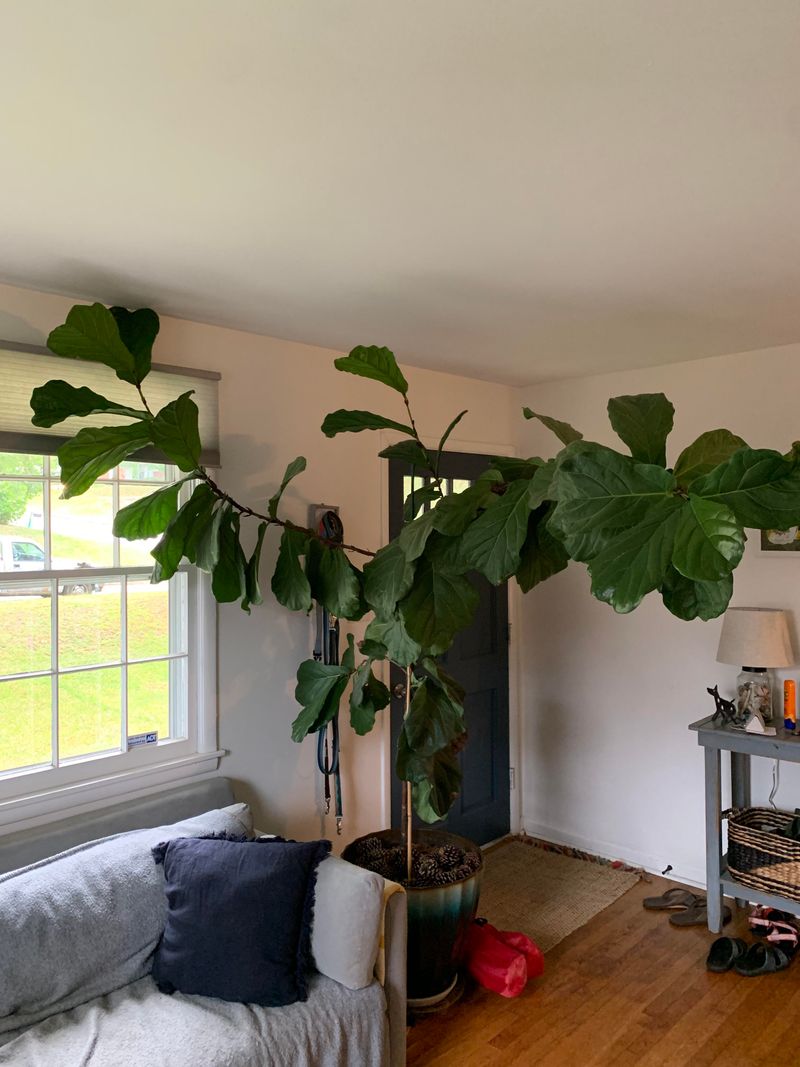
That towering tree in the corner of grandma’s living room? It might be a Fiddle Leaf Fig worth several hundred dollars.
Specimens with multiple trunks, perfect leaves, and decades of growth command the highest prices among collectors. Alabama’s climate agrees with these finicky plants.
I once saw one in Birmingham that had reached nearly to the ceiling after 30 years of careful care. The plant’s value lies not only in size but also in survival.
Fiddle Leaf Figs are notoriously difficult to maintain, requiring specific humidity, consistent watering, and protection from drafts. A well-cared-for plant, particularly one that has survived decades, represents years of successful plant parenting.
Older specimens develop thick trunks, expansive leaves, and a commanding presence, making them coveted by collectors and interior designers alike.
In Alabama homes, where indoor climates tend to be stable, these plants reach heights and shapes rarely seen elsewhere.
A grandparent’s carefully nurtured Fiddle Leaf Fig can easily become the centerpiece of a collector’s portfolio, appreciated not just for its beauty, but for the decades of dedication it represents.
4. Variegated String Of Hearts
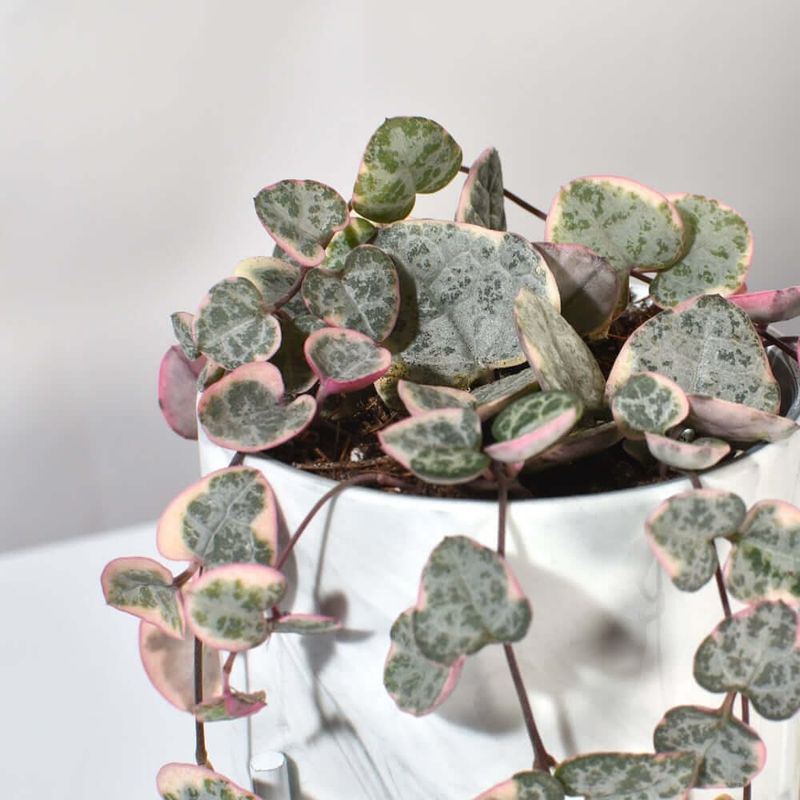
The Variegated String of Hearts is a delicate, trailing vine with heart-shaped leaves that many Alabama grandmas have nurtured for decades. The pink-and-cream variegated variety is particularly valuable, with cuttings selling for $150 or more.
I’ve seen these hanging from macramé planters in sunny bathrooms, where humidity helps them thrive year-round.
Grandma might have received hers from a friend decades ago and shared snippings freely at church plant swaps, never realizing their potential collector value.
Older, fuller plants are especially prized because they offer a long, continuous trailing effect that is rare in younger specimens. These vines require little care, but proper light and occasional watering allow them to flourish beautifully.
For collectors, provenance matters too; a plant passed down through generations in Alabama homes can command higher prices than a newly purchased specimen.
The combination of variegation, size, and age makes the String of Hearts a subtle but impressive addition to any rare plant collection.
Its long, cascading stems create a visual statement, blending indoor décor with a living piece of horticultural history cultivated by Southern plant enthusiasts.
5. Thai Constellation Monstera
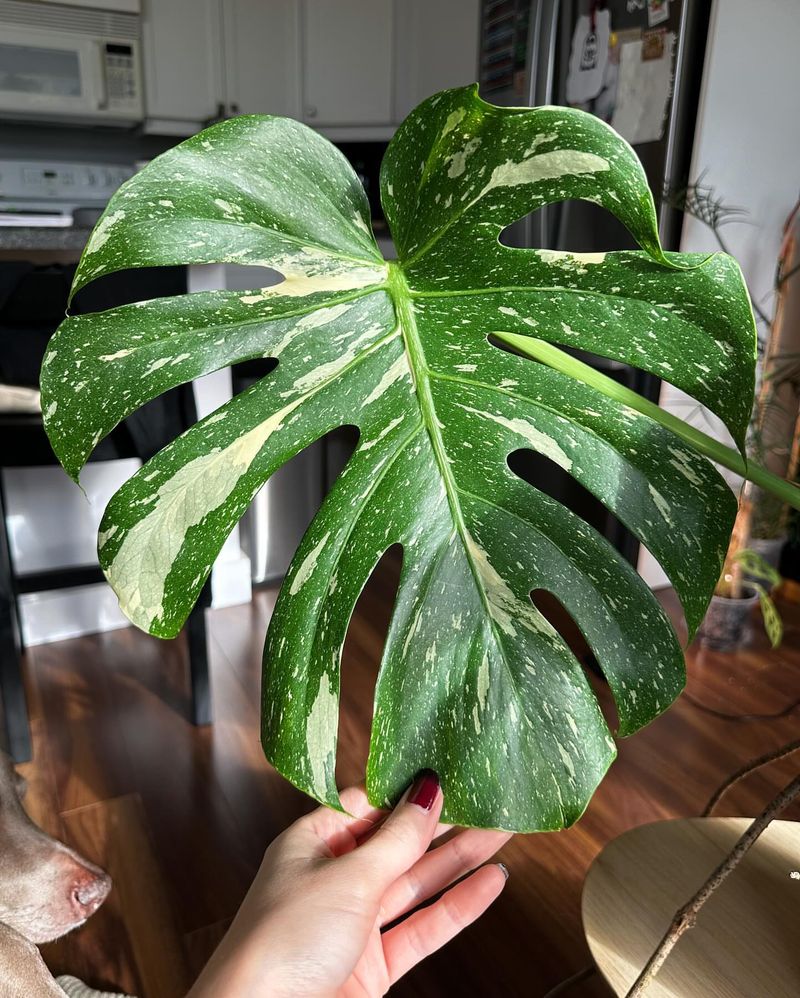
Unlike the more common Variegated Monstera, the Thai Constellation Monstera features cream-colored speckles that look like stars scattered across dark green leaves. In Alabama homes, a mature specimen can be worth $700 or more.
I remember seeing one in my childhood friend’s grandmother’s sunroom in Tuscaloosa, where it had grown to a magnificent size over decades. These plants grow slowly, and propagation is notoriously difficult, contributing to their high collector value.
The stable warmth and humidity of Alabama homes help them develop consistently variegated leaves, making older specimens even more desirable. Collectors prize the Thai Constellation for its rarity, slow growth, and striking leaf patterns.
Maintaining a specimen over years requires attention to light, watering, and soil conditions, but the payoff is a showpiece plant that can anchor a collection or interior space.
Grandparents who have cared for these plants for decades often create specimens that are virtually impossible to replicate from newer cuttings.
For Alabama plant lovers, the Thai Constellation Monstera represents both aesthetic beauty and a valuable horticultural investment.
6. Mature ZZ Raven Plant
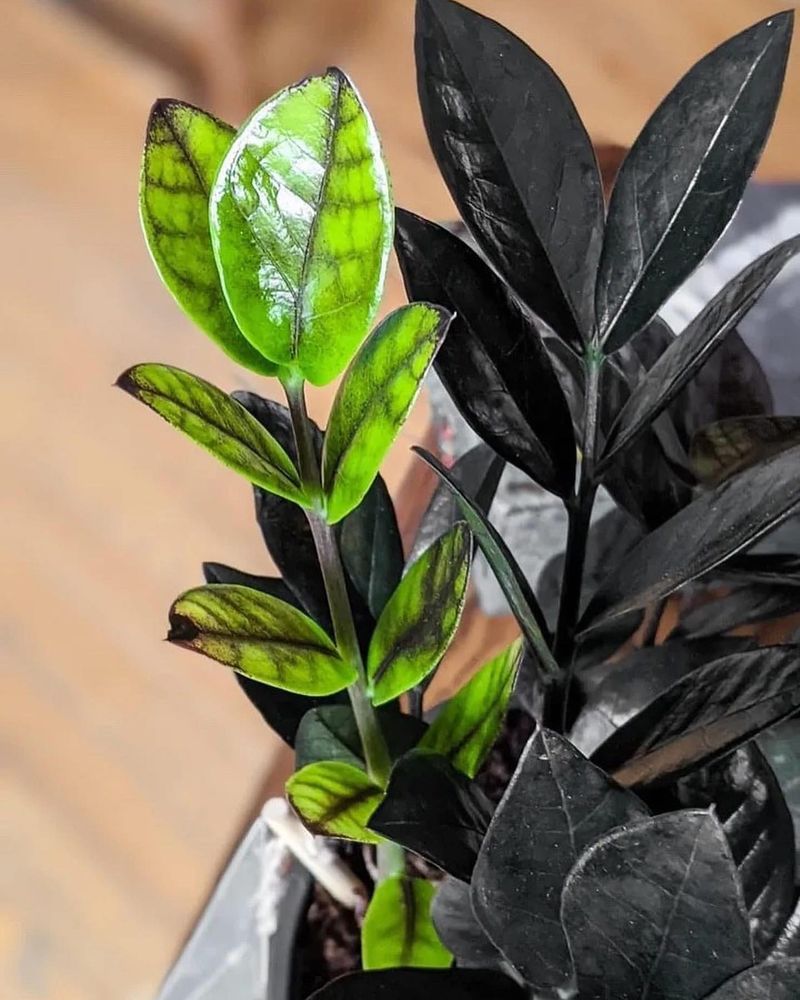
The Mature ZZ Raven Plant is instantly recognizable for its almost-black, glossy leaves, which shine like polished obsidian. In Alabama, a large, mature specimen can fetch $200-300 or more.
These plants thrive on neglect, which ironically makes them perfect for preservation in family homes. I once saw one in a retired teacher’s Montgomery home, she’d forgotten where it came from but had nurtured it for 15 years.
The ZZ Raven’s slow growth and low maintenance make it perfect for Alabama’s indoor environments, where consistent temperatures and indirect light keep it thriving.
Its dramatic foliage makes a bold statement in living rooms, offices, or sunrooms, which has caught the attention of collectors and interior designers alike.
The combination of low care requirements, long-term survival, and striking appearance gives older ZZ Ravens a value far beyond typical houseplants.
Grandparents in Alabama often unwittingly create high-value specimens simply by keeping them alive for decades, making each mature plant a testament to patience and care.
7. Spiral Aloe
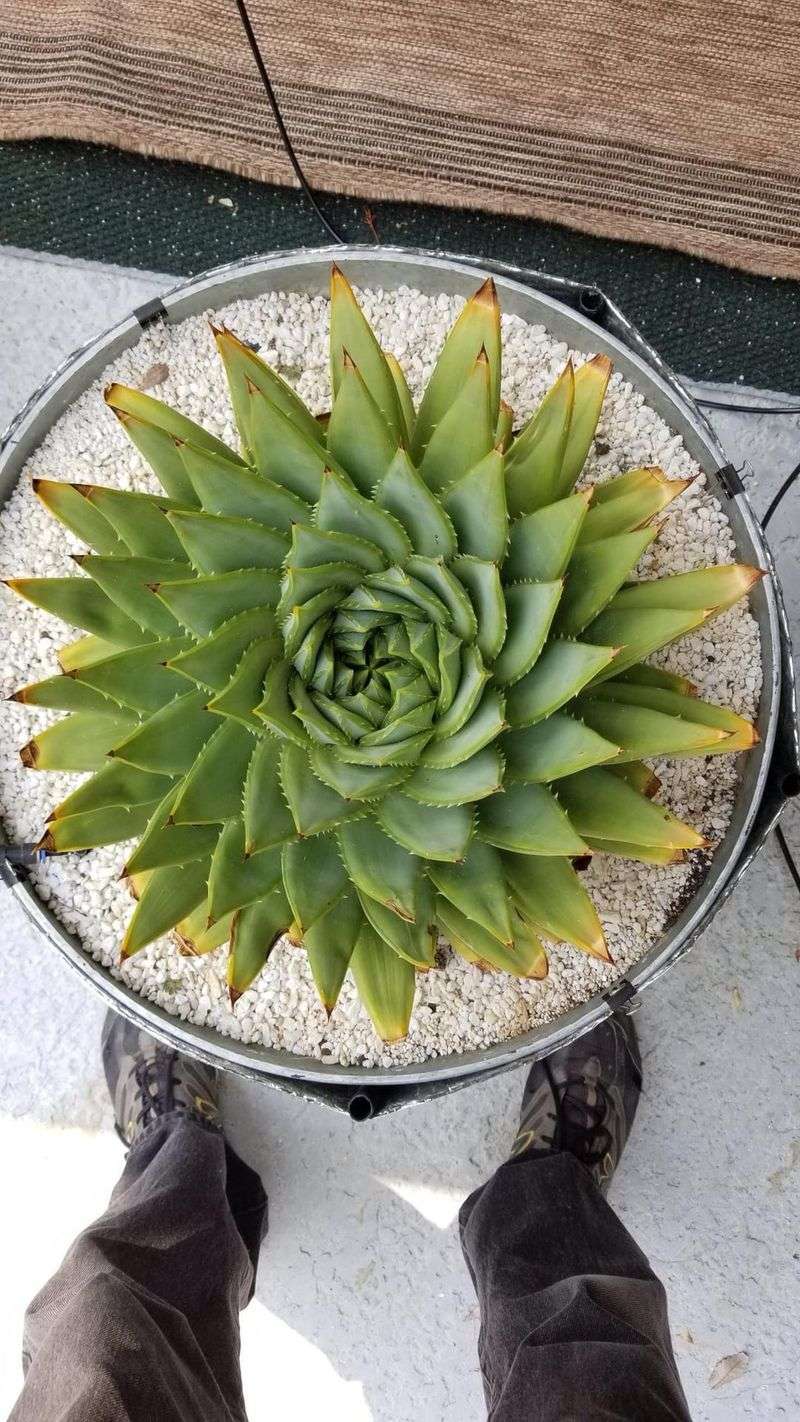
The Spiral Aloe is a geometric succulent prized for its perfect spiral leaf arrangement. Mature specimens in Alabama can sell for $300-500 depending on size and condition.
I once saw one on my grandmother’s Selma porch, growing there for over a decade, entirely unaware of its value. Alabama’s hot summers help these plants thrive when kept outdoors part of the year, encouraging strong, symmetrical growth.
The spiral pattern becomes more pronounced with age, so older plants are significantly more valuable than nursery-grown juveniles. They are relatively low maintenance but benefit from bright light, well-draining soil, and occasional fertilization.
Collectors prize Spiral Aloes for their unique aesthetics, slow growth, and dramatic visual impact. Older, larger specimens can anchor a plant collection or serve as living décor in sunrooms and patios.
Alabama gardeners who cultivate these succulents over decades often create specimens that are nearly impossible to replicate, giving them both monetary and sentimental value.
8. Hoya Carnosa Compacta ‘Hindu Rope’
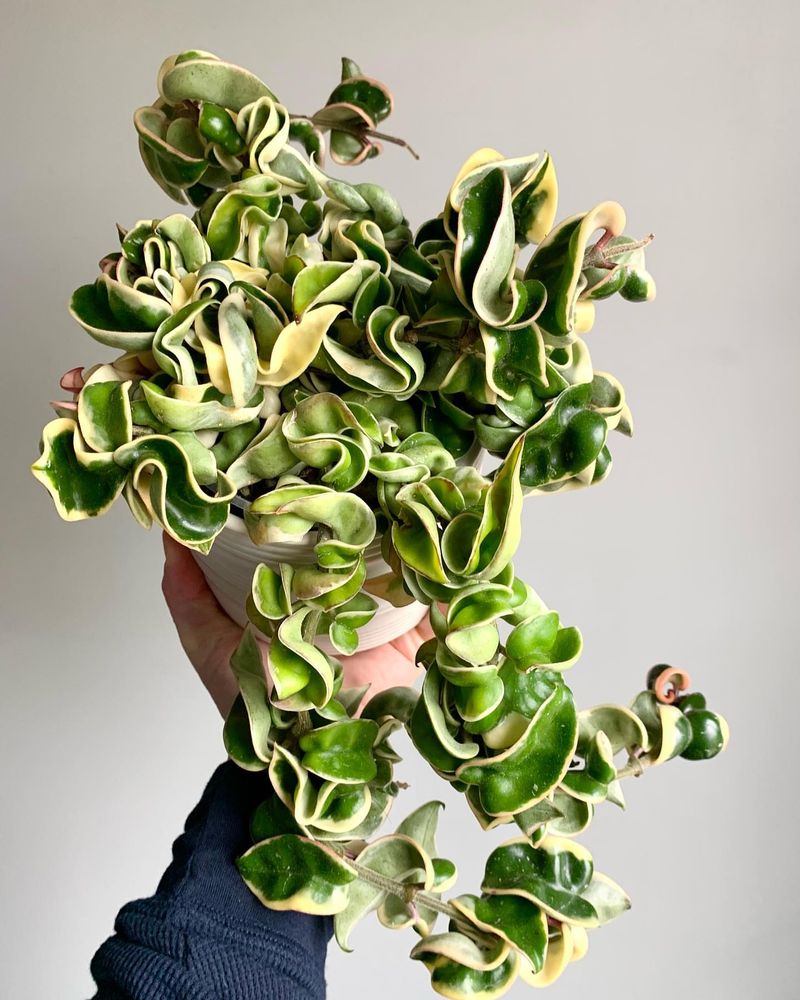
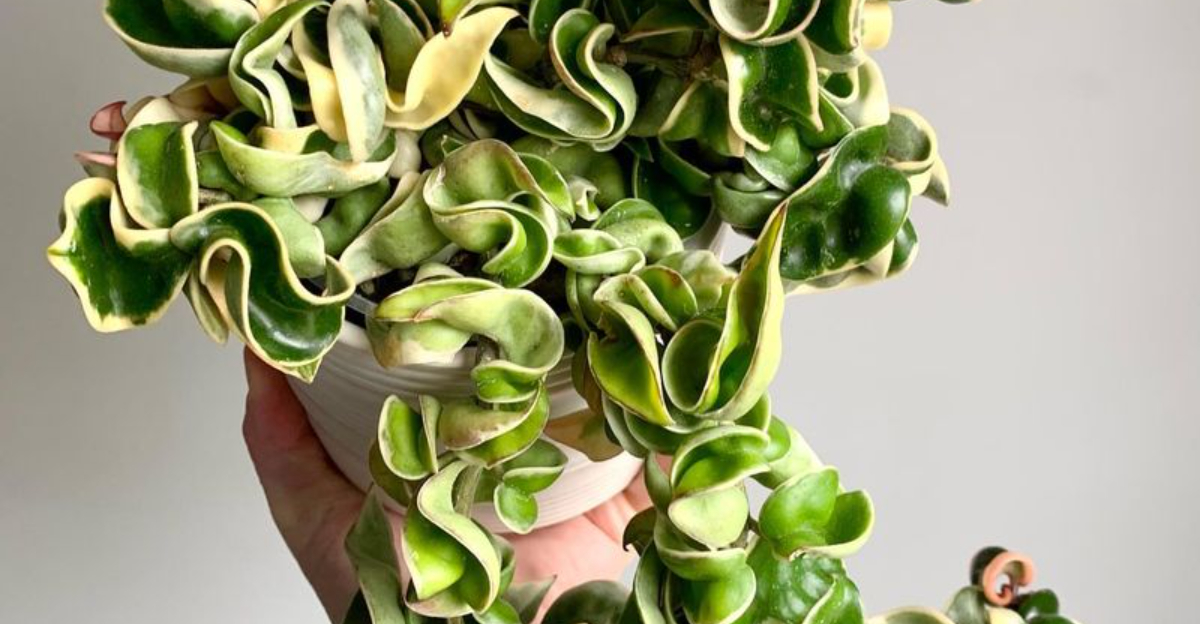
Hoya Carnosa Compacta, commonly called the Hindu Rope plant, is known for its twisted, rope-like leaves. Mature specimens in Alabama can fetch hundreds of dollars.
These slow-growing vines represent decades of patient care, often handed down through generations. One of the oldest I know belonged to an 85-year-old woman in Fairhope, who received it as a housewarming gift in 1972.
The plant thrives in bright, indirect light and prefers moderate humidity, which Alabama homes provide naturally. Hindu Rope blooms produce clusters of star-shaped flowers with a sweet honey scent that can fill a room.
These flowers, combined with the unusual foliage, add to the plant’s collectible status. Older plants are highly sought after for their size, leaf twists, and longevity.
Grandparents’ careful maintenance inadvertently produces valuable specimens, blending plant care with subtle craftsmanship over decades. For collectors, these long-lived Hoyas represent patience, skill, and the magic of slow-growing, rare indoor plants.
9. Variegated Whale Fin Sansevieria
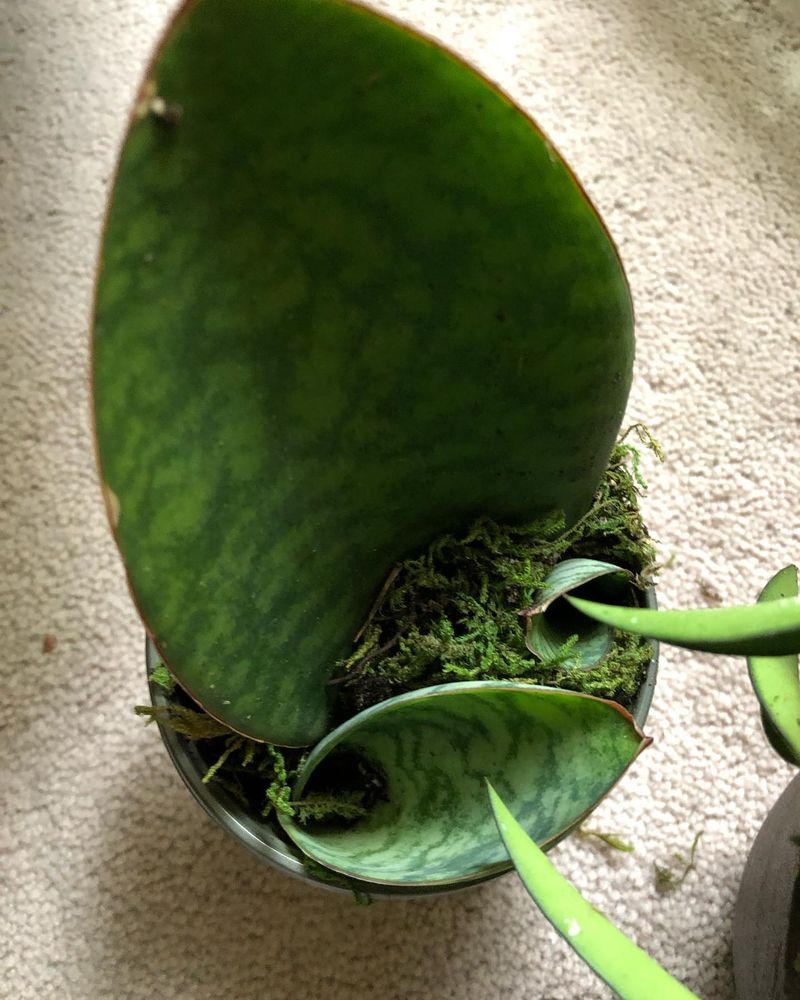
The Variegated Whale Fin Sansevieria is a unique snake plant with wide, paddle-shaped leaves edged in cream. Individual leaves can sell for $150-300 depending on size and condition.
Alabama homes with bright, indirect light provide perfect conditions for these plants to thrive. My uncle’s mother in Gulf Shores had one that grew over three feet tall—a specimen that would make collectors swoon.
Unlike common snake plants, Variegated Whale Fins rarely produce pups, making propagation difficult and keeping market prices high. The wide leaves are dramatic and visually striking, making mature plants ideal for interior design or display.
These slow-growing plants reward patient care, with older specimens becoming significant collector items. Maintaining consistent light, avoiding overwatering, and allowing gradual growth help preserve variegation and leaf shape.
Grandparents in Alabama have unknowingly created valuable collections simply by letting these plants age gracefully in sunrooms or bright windows.
10. Philodendron Spiritus Sancti
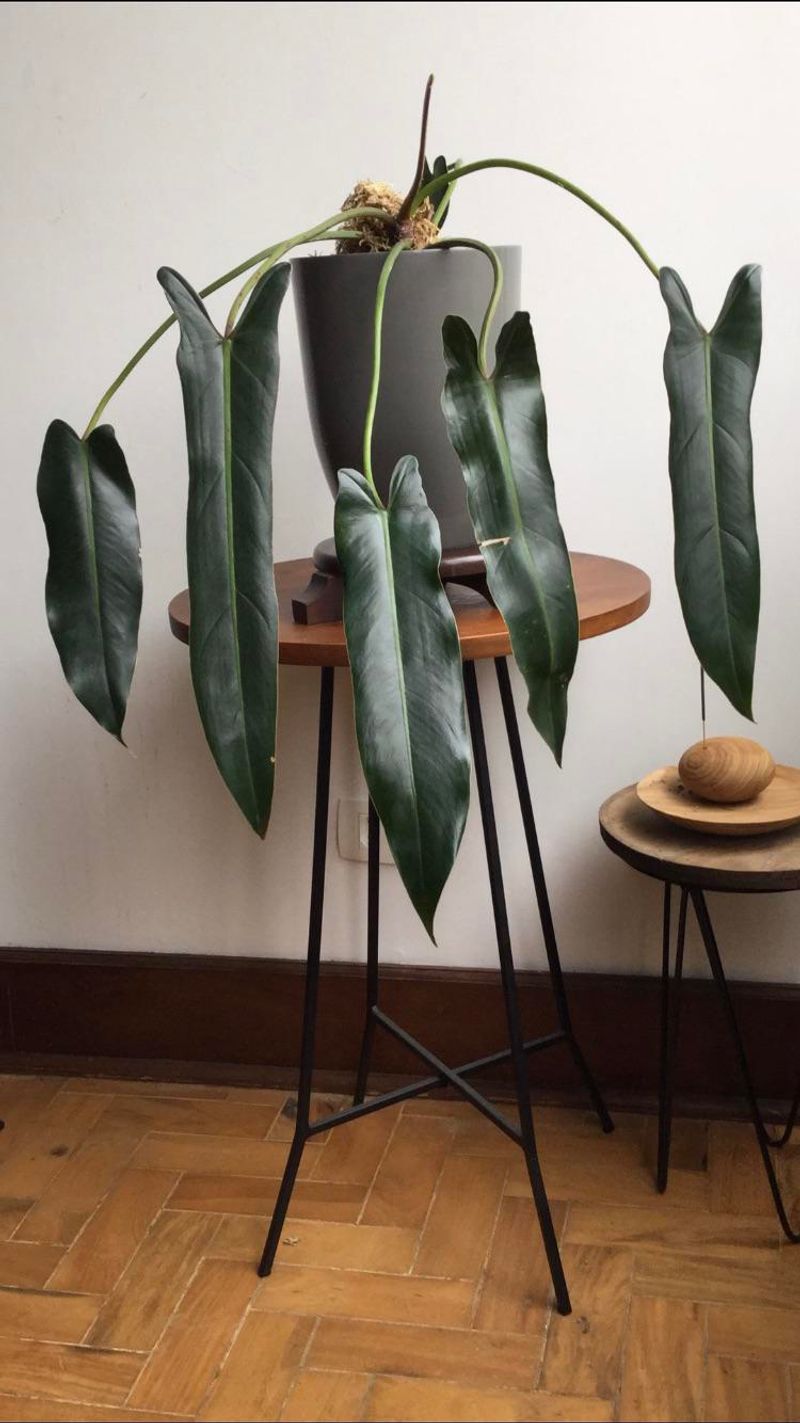
Philodendron Spiritus Sancti is often considered the holy grail of houseplants. Its long, narrow leaves and unique growth habit make it extraordinarily rare.
Mature specimens can sell for $10,000 or more. Only a handful of these plants exist outside their native Brazilian habitat, making any found in Alabama exceptionally special.
I remember a family in Birmingham discovering one that had been passed down through generations, completely unaware of its true value. These plants grow slowly and require specific care: bright, indirect light, high humidity, and well-draining soil.
Their rarity, combined with decades of survival in private collections, makes them highly sought after by international collectors. People often travel across states or even countries just to see one in person.
Maintaining a Spiritus Sancti requires patience, attention to detail, and consistent care over years. For Alabama plant enthusiasts, owning such a specimen is not just about value, it’s a legacy of careful nurturing and botanical heritage.
A mature Spiritus Sancti represents a living treasure that few will ever encounter, blending elegance, history, and extraordinary collector appeal.
11. Mature Ficus Audrey
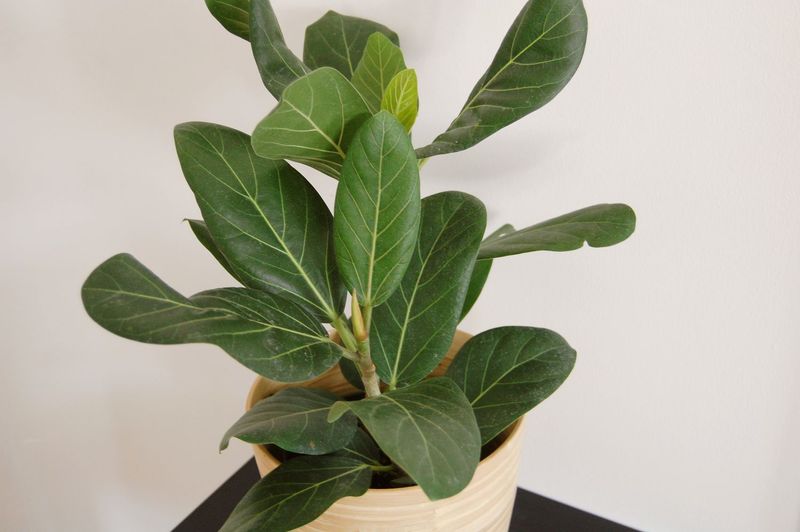
The Mature Ficus Audrey is often mistaken for its more common cousin, the Fiddle Leaf Fig. Yet its thick trunk and velvety leaves distinguish it, making mature specimens worth $500-800. In Alabama, indoor conditions allow these trees to grow much larger than they would in colder climates.
I’ve seen Ficus Audreys reach eight feet in sunrooms across the state, some dating back to the 1960s. Unlike Fiddle Leaf Figs, these plants are relatively easy to care for, which explains why grandma’s specimens often survive for decades without extensive attention.
Their velvety leaves and striking appearance make them desirable among collectors and interior designers alike. Proper light, moderate watering, and occasional pruning allow these trees to maintain impressive stature and leaf density.
Older specimens can develop thick trunks with multiple branches, adding to their collectible value.
For Alabama plant lovers, a mature Ficus Audrey is both a visually stunning indoor tree and a rare find that can enhance a collector’s portfolio, offering decades of enjoyment and appreciation for its aesthetic and historical significance.
12. Anthurium Clarinervium
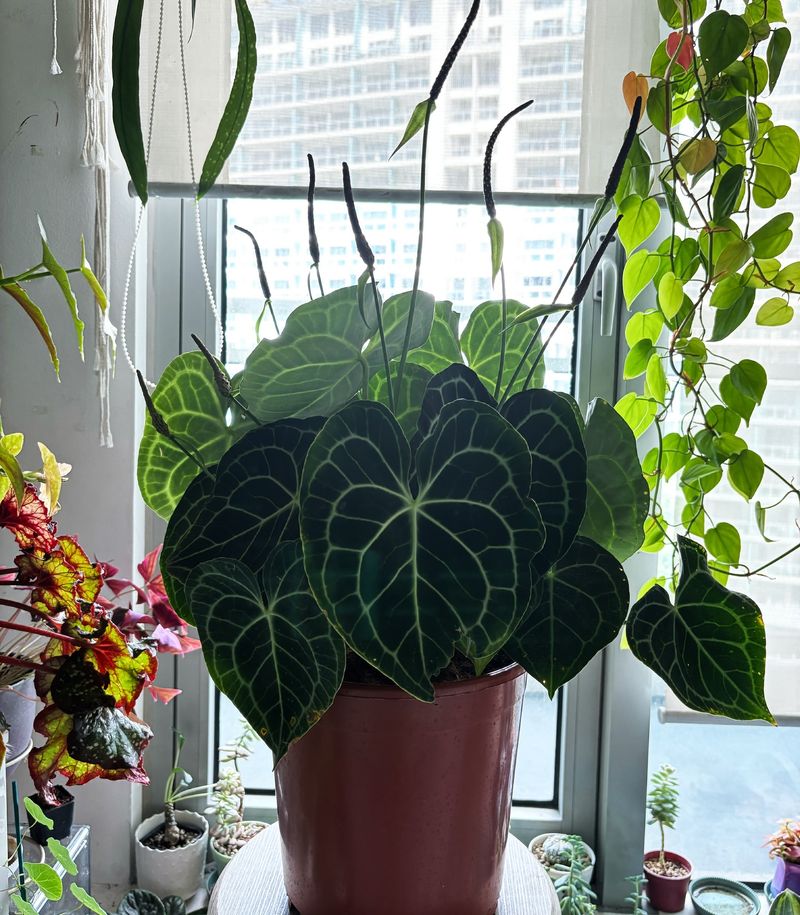
Anthurium Clarinervium is instantly recognizable by its thick, heart-shaped leaves with bold white veins. Mature specimens in Alabama can sell for $200-400, depending on size and leaf count.
These plants thrive in Alabama’s natural humidity, which encourages strong, healthy growth. I once saw one in the home of a retired florist in Dothan that had been cared for over twenty years.
Its velvety leaves had developed multiple large, perfectly veined foliage, making it highly desirable for collectors. Clarinervium prefers consistent warmth, moderate watering, and well-draining soil.
Older plants, particularly those with multiple mature leaves, are prized because they are difficult to propagate and slow to grow. A well-established specimen represents decades of patient care and careful maintenance, combining aesthetic beauty with rarity.
For collectors in Alabama and beyond, mature Clarinervium plants are living works of art that can elevate any indoor plant collection.
Proper care ensures these plants retain their striking leaf structure, deep green coloration, and crisp white veining for years, preserving their collector value while adding a touch of elegance to any home.
13. Monstera Obliqua
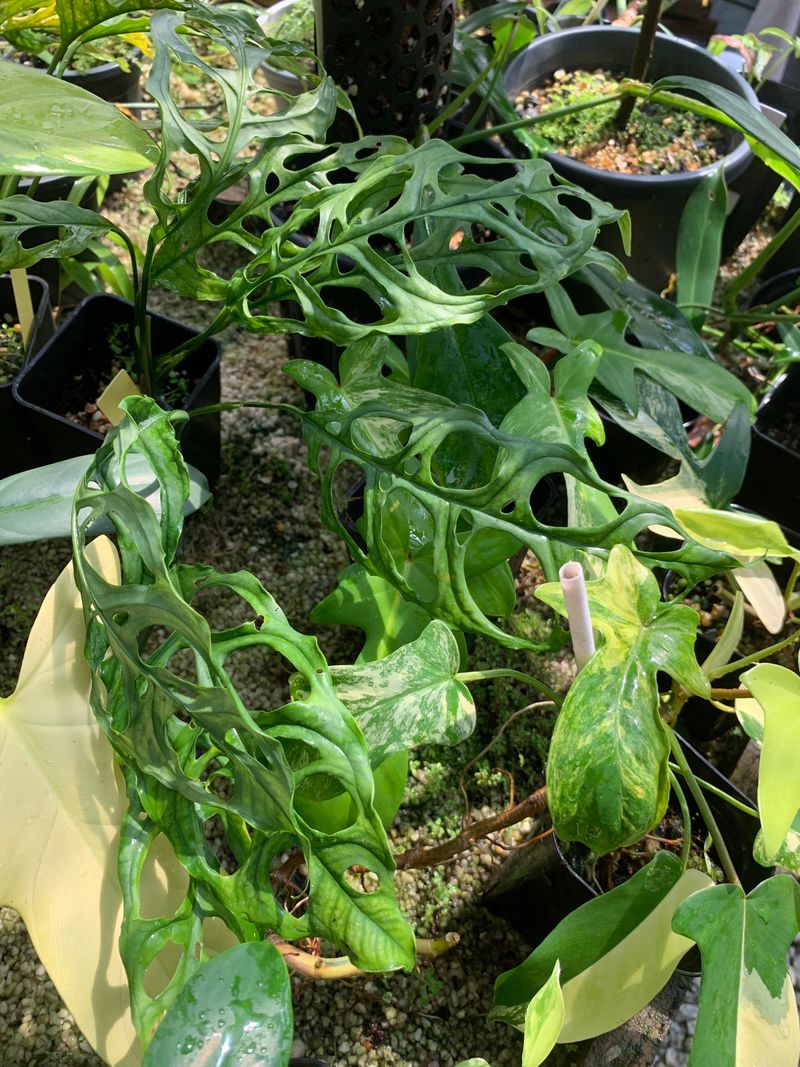
Monstera Obliqua is one of the rarest Monstera species, often confused with the more common Monstera Adansonii. True Obliquas have more holes than leaf, making them extremely sought after.
Specimens can sell for thousands of dollars. Alabama’s hot, humid climate mimics the plant’s native environment, allowing it to thrive indoors.
I recall a friend’s grandmother in Mobile who had kept a genuine Obliqua on her screened porch since the early 1990s, completely unaware of its value. Identification is tricky, and experts often debate whether a plant is a true Obliqua or a hybrid, which adds to its mystique.
Older specimens that have survived decades are particularly valuable because of their slow growth and fragility. Collectors prize these plants for their rarity, dramatic foliage, and history of careful cultivation.
In Alabama homes, mature Obliquas represent both a botanical achievement and a significant financial investment. Proper care includes bright, indirect light, humidity management, and careful watering.
Owning a true Obliqua is like holding a living piece of plant history, coveted by enthusiasts worldwide.
14. Philodendron Gloriosum
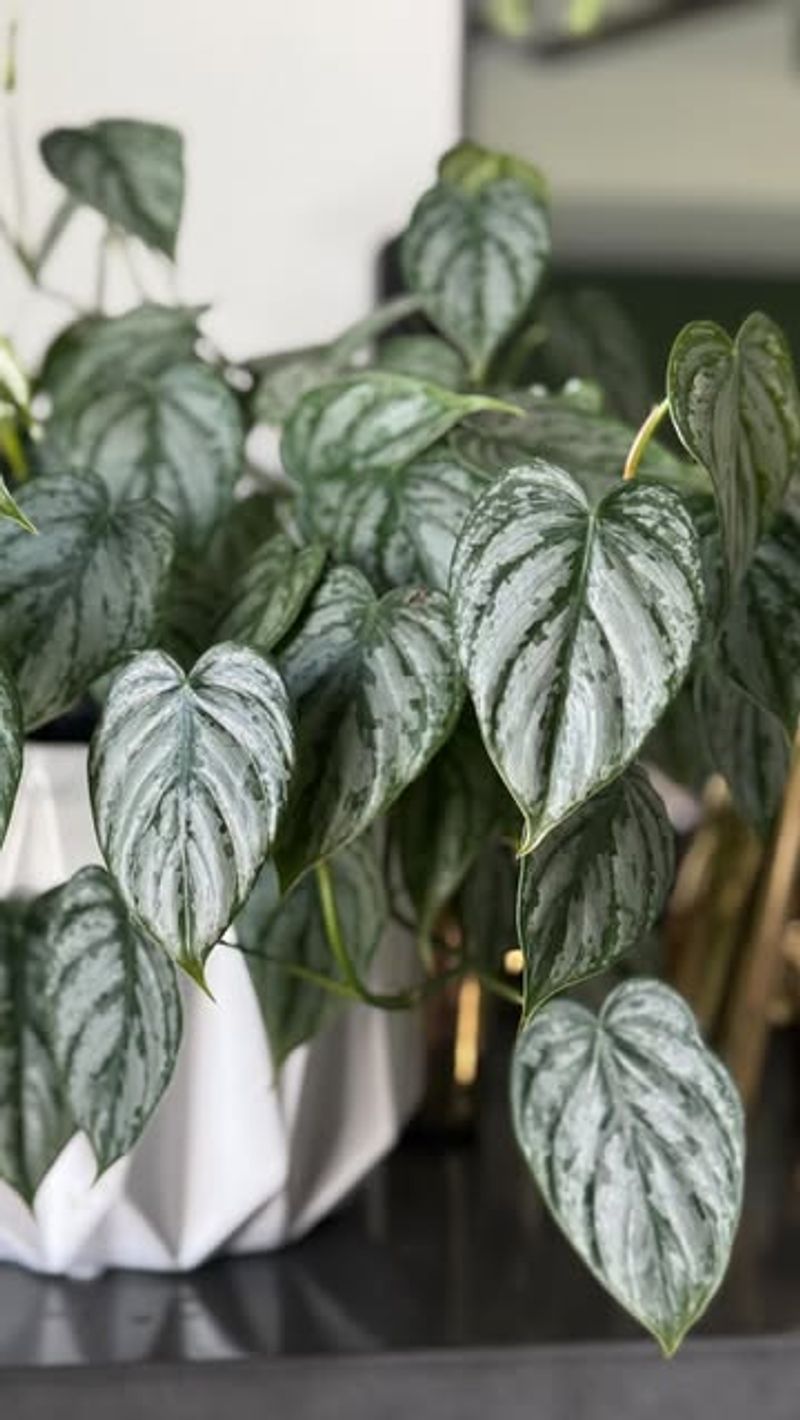
Philodendron Gloriosum is a crawling philodendron with heart-shaped leaves featuring bold white veins. Unlike climbing philodendrons, its leaves grow along the ground, making it a unique collector’s plant.
In Alabama, mature specimens can fetch $150-300 depending on size. Grandma likely kept it because it stood out from her other philodendrons, creating a low-maintenance yet visually striking display.
These plants thrive in stable indoor temperatures and bright, indirect light, conditions commonly found in Alabama homes. Older leaves can grow to dinner-plate size, creating an impressive showpiece for any collection.
Its slow growth makes long-term survival a mark of careful plant parenting, which adds to its value. Philodendron Gloriosum is sought after for its dramatic foliage, rarity, and ease of care compared to climbing varieties.
Proper watering, soil drainage, and humidity control are key to maintaining its large, healthy leaves. Mature specimens represent years of patient care and careful propagation, combining beauty, rarity, and collector appeal in a single plant.
15. Variegated Alocasia Macrorrhiza
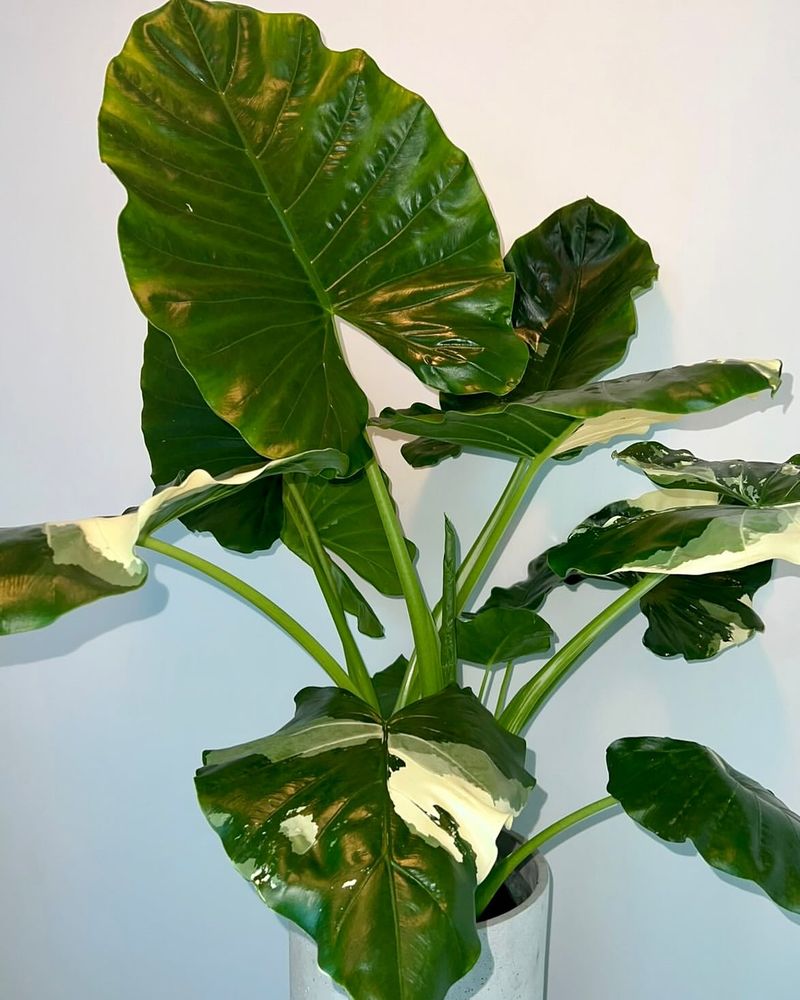
Variegated Alocasia Macrorrhiza, also known as Elephant Ears, is a bold statement plant with dramatic white variegation. In Alabama, mature specimens can sell for $200-500.
Grandma might have grown hers on a porch during the summer and moved it indoors for winter protection. These plants thrive in Alabama’s warm, humid climate and can develop enormous leaves, sometimes larger than dinner plates.
I once saw one in Huntsville that had been cared for over 25 years and had become a centerpiece of the sunroom. Its size, variegation, and longevity make it highly desirable among collectors.
Proper care includes bright, indirect light, consistent moisture, and protection from cold drafts. Variegated Alocasia Macrorrhiza grows slowly, and mature specimens are difficult to propagate, which keeps prices high.
Older plants also develop strong, striking foliage patterns that younger specimens cannot replicate. In Alabama, these plants often remain in family collections for decades, turning simple houseplants into highly valuable living treasures.
16. Silver Sword Philodendron
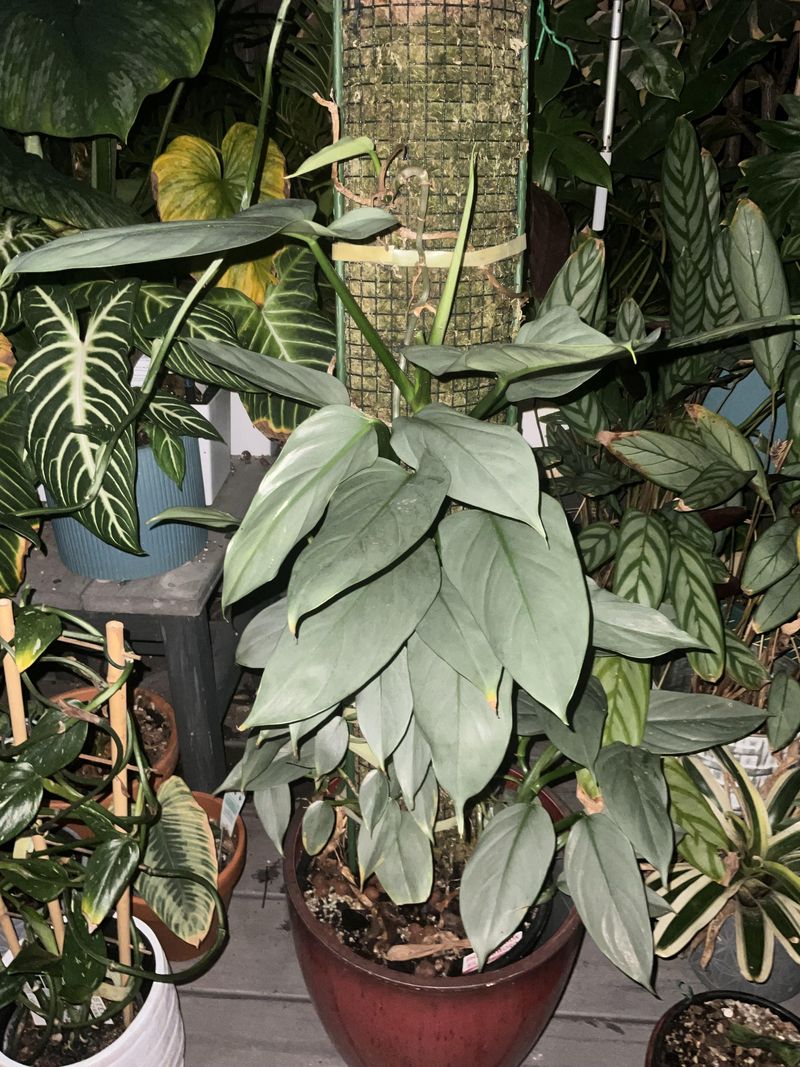
Silver Sword Philodendron is instantly recognizable by its metallic silvery-blue leaves, which can fetch $150-300 for mature plants in Alabama. Grandma might have received a cutting decades ago from a friend, cultivating it carefully over many years.
Older Alabama homes often provide ideal light and temperature conditions for these climbing philodendrons. I once saw one in Auburn climbing a moss pole in a retired teacher’s home, where it had grown since the mid-1980s.
As the plant ages, the metallic sheen intensifies, and leaves grow larger, adding to its collector value. Slow growth and careful maintenance make older specimens particularly desirable.
Collectors prize Silver Sword Philodendrons for their dramatic appearance, rarity, and decades of successful cultivation. Proper care includes supporting climbing stems, moderate watering, and ensuring bright, indirect light.
Mature specimens are visually striking, valuable, and reflect a long history of patient plant care, turning Alabama sunrooms into miniature botanical showcases.