14 Rare Indoor Plants That Thrive In Shady New York Apartments
Living in a New York apartment often means dealing with limited natural light, especially if your windows face narrow streets or tall buildings nearby.
Finding plants that can actually survive and look beautiful in these low-light conditions might seem challenging, but rare varieties exist for exactly this purpose.
These unusual houseplants bring life and color to your shady spaces while requiring minimal sunlight, making them ideal companions for urban apartment dwellers everywhere.
Discovering these hidden gems will transform your dimly lit rooms into lush indoor gardens that feel fresh, vibrant, and surprisingly easy to maintain daily.
1. Alocasia Black Velvet
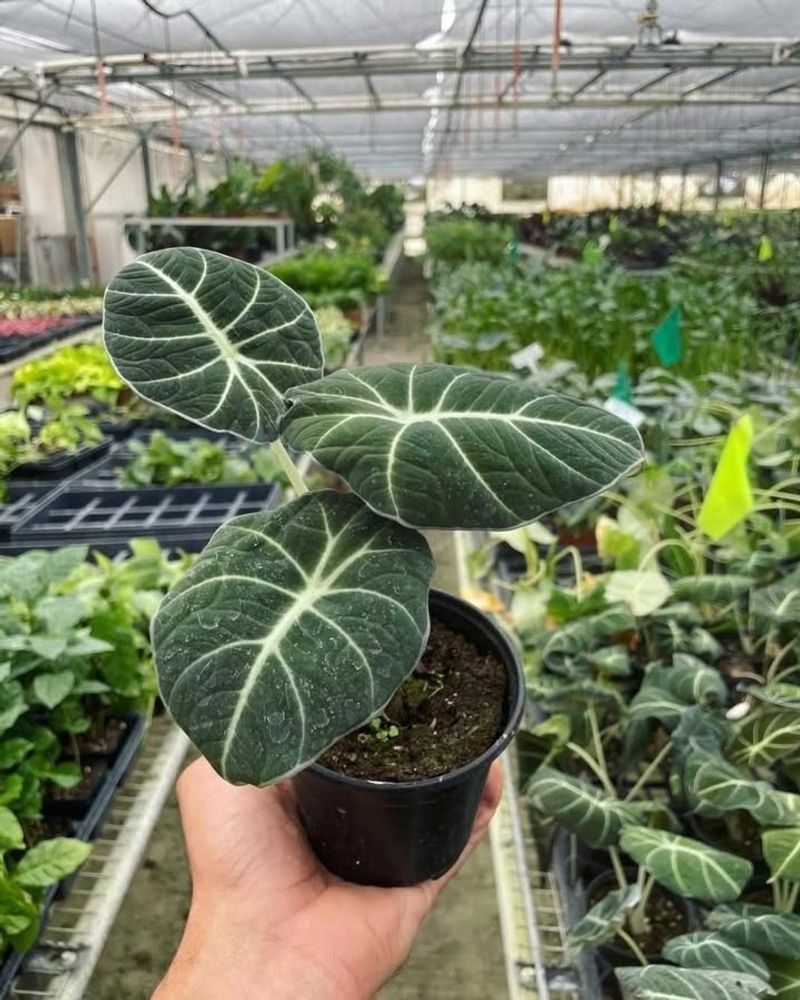
Velvety leaves with striking white veins make this Alocasia variety a showstopper in any dim corner of your New York apartment without needing bright sunshine.
Black Velvet grows compact, reaching only about twelve inches tall, which makes it perfect for small apartment spaces like bookshelves or side tables nearby.
Its dark foliage absorbs whatever little light filters through your windows, allowing photosynthesis to happen even in surprisingly shady conditions throughout the day.
Watering needs stay moderate since overwatering causes root problems, so check the soil moisture before adding more water to the pot regularly.
Humidity helps this tropical beauty flourish, so occasional misting or placing it near a bathroom with steam works wonders for healthy growth patterns.
Temperature preferences range between sixty-five and seventy-five degrees, which matches typical apartment climates perfectly without requiring special heating or cooling adjustments at all.
Fertilize monthly during growing seasons to encourage new leaf development and maintain that gorgeous deep coloration that makes this plant so visually appealing indoors.
Repotting becomes necessary every couple of years when roots outgrow containers, but overall maintenance remains beginner-friendly for most urban plant enthusiasts today.
2. Jewel Orchid (Ludisia Discolor)
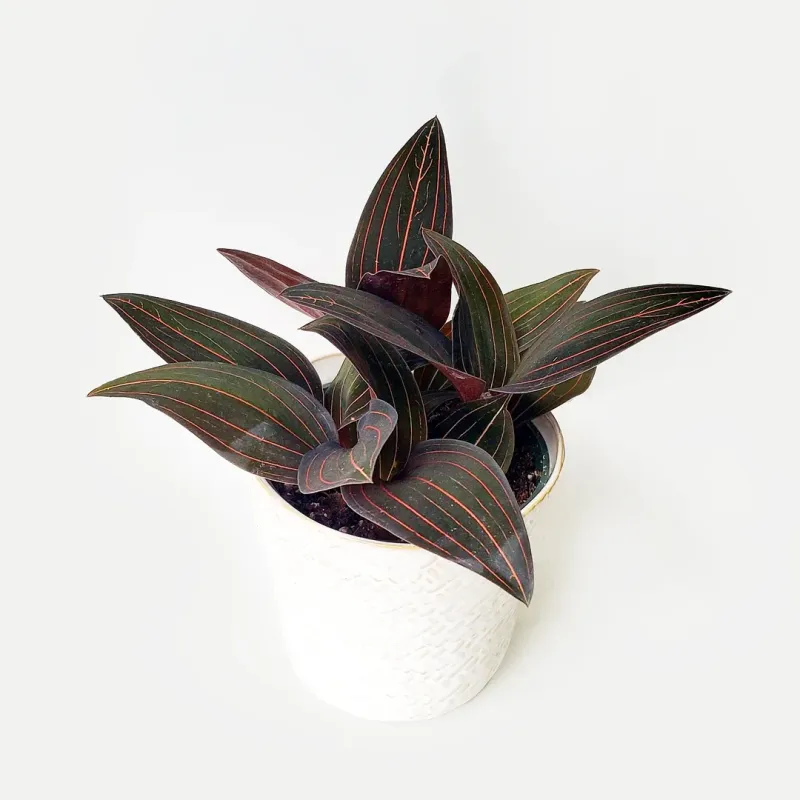
Unlike typical orchids craving sunlight, Jewel Orchids actually prefer shadier environments where their stunning foliage becomes the main attraction rather than fleeting blooms alone.
Burgundy leaves streaked with pink or silver veins create a mesmerizing pattern that catches attention even in the dimmest New York apartment corners throughout the year.
These ground-dwelling orchids originally grew on forest floors beneath dense canopies, so they adapted perfectly to survive with minimal direct light exposure daily.
Soil requirements differ from standard orchids since Jewel Orchids need regular potting mix rather than bark-based media, making care surprisingly straightforward for beginners.
Keep the growing medium consistently moist but never waterlogged, as soggy conditions lead to root rot and declining health over time unfortunately.
Small white flower spikes emerge occasionally, adding delicate beauty to the already impressive foliage display that dominates this plant’s ornamental appeal year-round indoors.
Humidity levels around fifty percent keep leaves glossy and vibrant, which bathroom or kitchen environments naturally provide without extra effort from busy owners.
Propagation happens easily through stem cuttings, allowing you to expand your collection or share this rare gem with fellow plant-loving friends nearby.
3. Begonia Maculata (Polka Dot Begonia)
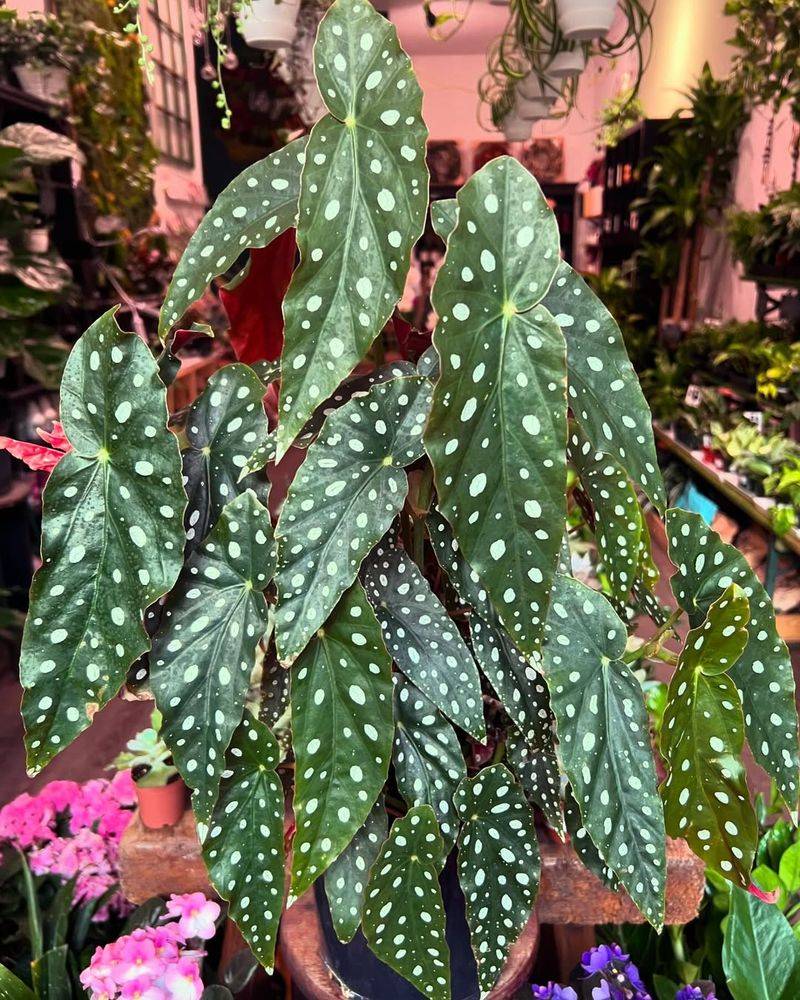
Spotted foliage resembling abstract artwork makes Begonia Maculata one of the most Instagram-worthy plants that actually tolerates New York apartment shade conditions beautifully.
Silver polka dots scattered across olive-green leaves with crimson undersides create dramatic visual interest that brightens any gloomy room instantly without flowers required.
Angel wing-shaped leaves grow on bamboo-like stems that can reach several feet tall, though regular pruning maintains a bushier, more compact appearance indoors.
Bright indirect light works best, but this adaptable Begonia manages surprisingly well in shadier spots where many other houseplants would struggle significantly today.
Water when the top inch of soil feels dry, avoiding leaves during watering since moisture sitting on foliage encourages unsightly spots and fungal issues.
Humidity appreciation runs high with this tropical native, so grouping plants together or using pebble trays filled with water boosts ambient moisture levels effectively.
Fertilize every two weeks during active growth periods using diluted liquid fertilizer to support continuous leaf production and maintain vibrant coloration throughout seasons.
Pruning leggy stems encourages fuller growth while providing cuttings that root easily in water, making propagation a rewarding and simple process for expanding collections.
4. Anthurium Clarinervium
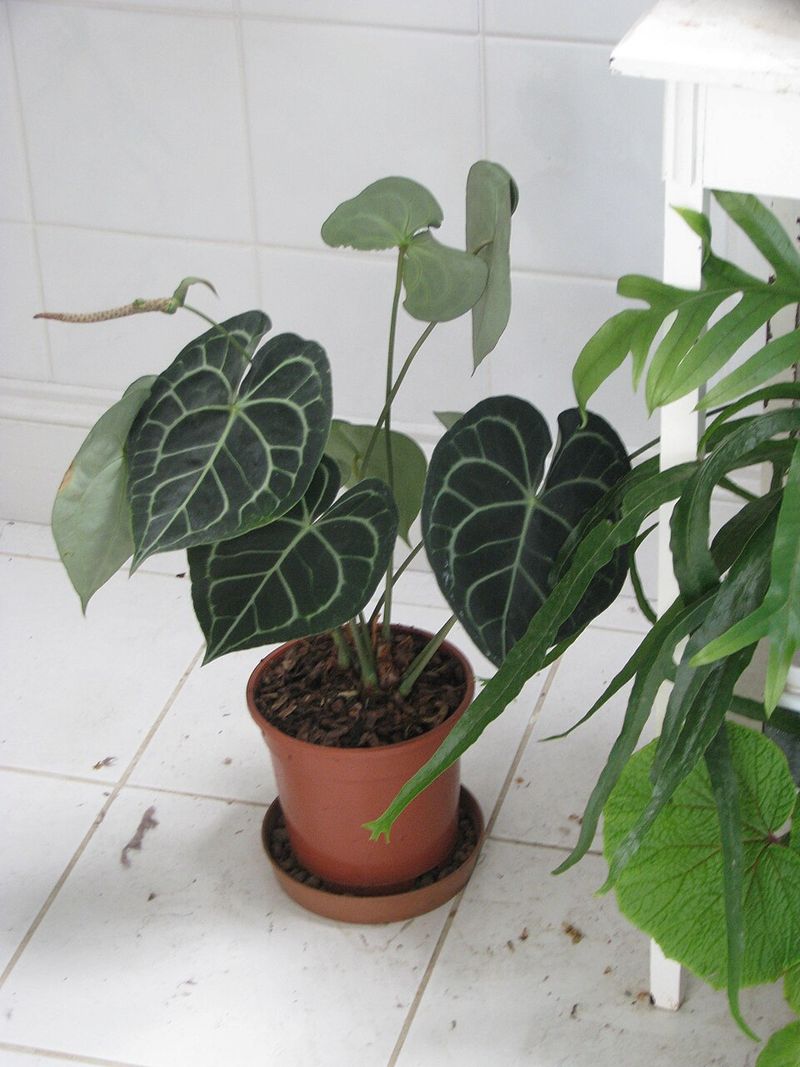
Heart-shaped leaves adorned with striking white veins create an architectural statement that elevates any shady New York apartment corner into a sophisticated botanical display instantly.
Clarinervium grows slower than common Anthuriums, making it more manageable for compact spaces while still delivering impressive visual impact through its unique foliage.
Velvety leaf texture invites gentle touching, though handling should stay minimal to avoid damaging the delicate surface or transferring oils from your hands.
Low to medium light conditions suit this rare Anthurium perfectly, mimicking its natural rainforest understory habitat where dappled shade dominates throughout the day.
Chunky, well-draining soil mixtures containing orchid bark and perlite prevent water retention that causes root problems in these moisture-sensitive tropical plants over time.
Watering frequency depends on environmental conditions, but generally allowing the top two inches of soil to dry between waterings works best for health.
Humidity requirements run higher than average houseplants, so investing in a small humidifier or frequent misting sessions supports optimal leaf development and prevents browning.
New leaves emerge rolled tightly before unfurling gradually, revealing their gorgeous veining pattern in a process that plant enthusiasts find endlessly fascinating to observe.
5. Stromanthe Triostar
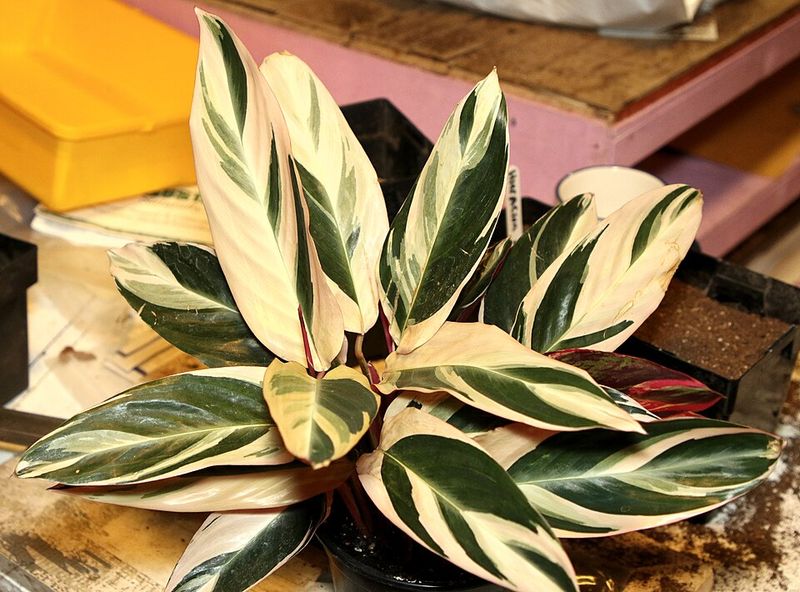
Tri-colored leaves splashed with pink, cream, and green create a carnival of color that defies the typical assumption that shade-loving plants lack vibrancy.
Stromanthe belongs to the prayer plant family, meaning leaves fold upward at night in a fascinating daily movement that adds dynamic interest to your space.
Variegated foliage requires more light than solid green varieties, yet this plant still performs admirably in medium to low light New York apartment conditions surprisingly well.
Consistent moisture keeps this tropical happy, but ensure pots have drainage holes since standing water quickly leads to root decay and yellowing foliage problems.
Humidity levels above sixty percent maintain the crisp, colorful appearance that makes Stromanthe Triostar such a coveted addition to indoor plant collections everywhere today.
Brown leaf edges signal insufficient humidity or inconsistent watering, so adjusting care routines based on these visual cues prevents further damage and decline effectively.
Filtered water or rainwater works better than tap water containing chemicals that sometimes cause leaf tip browning in sensitive tropical species like this.
Grouping with other humidity-loving plants creates a beneficial microclimate while also producing an impressive jungle-like display that transforms ordinary apartments into lush retreats.
6. Philodendron Melanochrysum
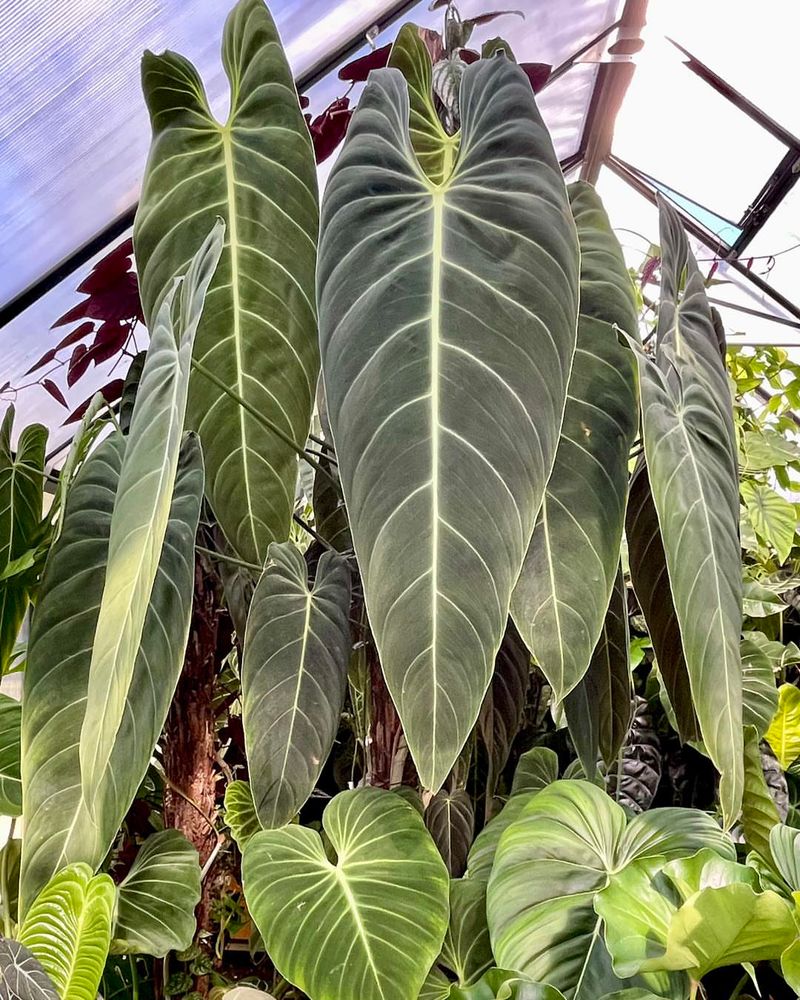
Velvety leaves stretching up to two feet long display an almost iridescent quality that shifts between deep green and bronze depending on lighting angles.
Melanochrysum climbs naturally in its native Colombian rainforests, so providing a moss pole or trellis encourages larger, more mature leaf development indoors.
Juvenile leaves emerge smaller and less dramatic, but patience rewards growers with increasingly impressive foliage as the plant matures over several years.
Shade tolerance ranks high with this Philodendron since it evolved growing beneath dense jungle canopies where direct sunlight rarely penetrates to ground level.
Chunky soil mixes incorporating orchid bark, perlite, and peat moss provide the aeration and drainage that prevent root suffocation in container environments effectively.
Water thoroughly when the top few inches of soil dry out, then allow excess moisture to drain completely before returning the plant to its saucer.
Humidity appreciation runs extremely high, making this species ideal for terrariums or rooms with naturally moist air like bathrooms with frequent shower use.
Climbing growth habit means this plant eventually needs vertical space, but training stems along walls or furniture creates living art that conversation-worthy and uniquely personal.
7. Hoya Obovata
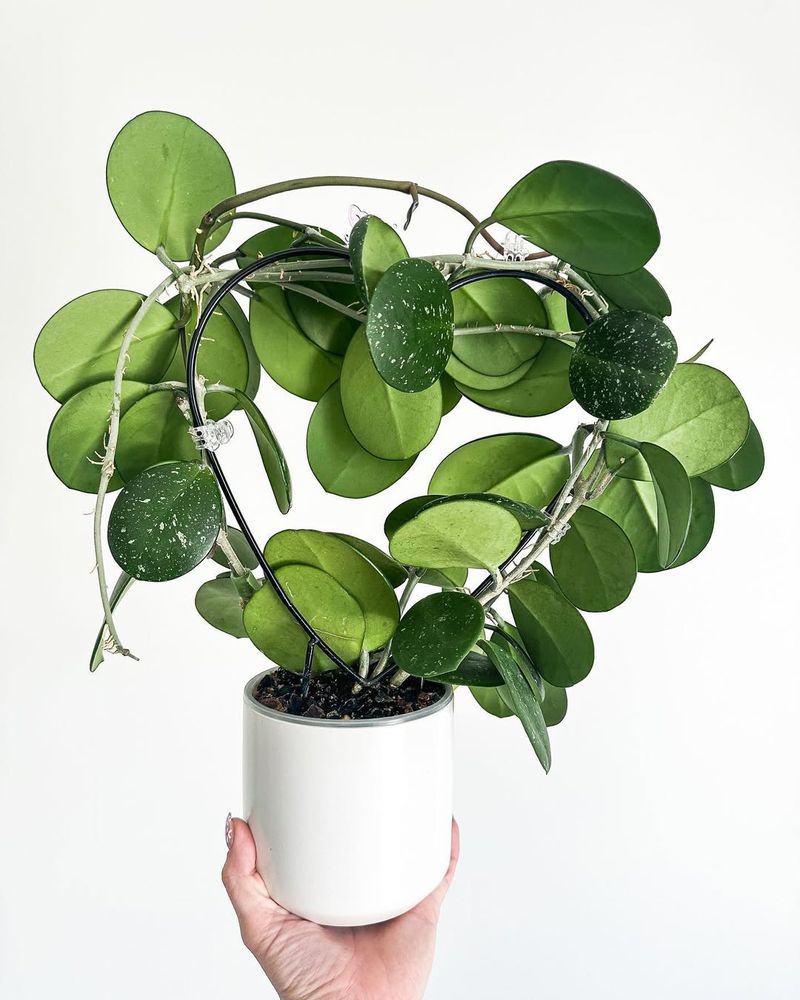
Round, succulent leaves speckled with silver flecks give this Hoya variety a distinctive appearance that stands out among more common trailing houseplants today.
Thick foliage stores water efficiently, meaning this plant forgives occasional watering lapses that would devastate more finicky tropical species in apartment settings.
Clusters of fragrant, star-shaped flowers emerge from mature plants, filling New York rooms with sweet perfume that surprises first-time Hoya growers with its intensity.
Low light tolerance makes Obovata suitable for north-facing windows or rooms several feet away from natural light sources without compromising plant health significantly.
Well-draining soil prevents moisture accumulation that causes root problems, so adding perlite or pumice to standard potting mix improves growing conditions dramatically.
Watering frequency decreases during winter months when growth slows, so adjusting your routine seasonally prevents overwatering issues that plague many indoor gardeners unfortunately.
Vining stems grow slowly but steadily, eventually requiring support structures or allowing them to cascade beautifully from shelves or hanging baskets over time.
Patience proves essential with Hoyas since they take time establishing root systems before producing significant growth, but longevity and minimal care needs reward persistent owners.
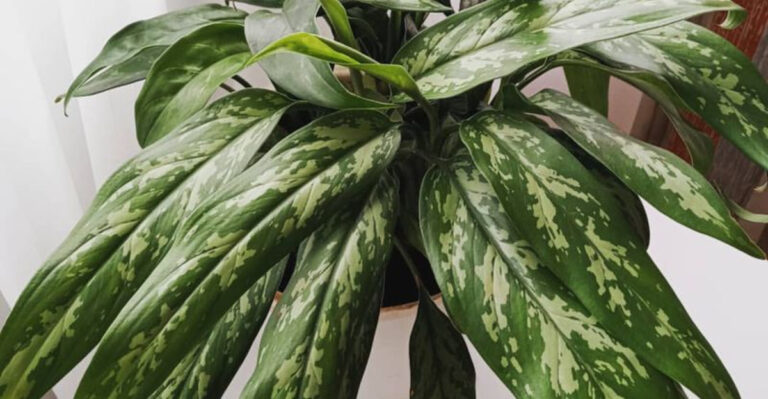
8. Aglaonema Pictum Tricolor
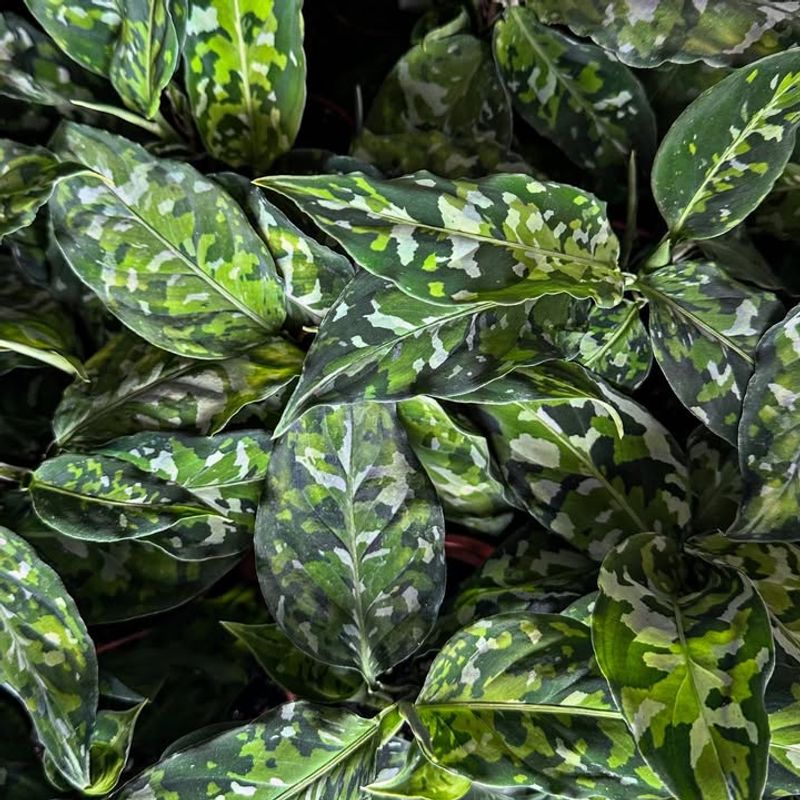
Camouflage-patterned leaves displaying green, cream, and dark splotches make this Aglaonema one of the most sought-after and expensive houseplants in collecting circles.
Slow growth rate means specimens take years to reach impressive sizes, contributing to their rarity and high market value among serious plant enthusiasts worldwide.
Shade preference runs strong with this Indonesian native, making it ideal for apartments where bright light simply isn’t available regardless of window orientation.
Compact size suits small spaces perfectly, rarely exceeding twelve inches in height even when mature, which allows placement on desks or narrow shelving units.
Well-draining soil mixed with orchid bark prevents water retention that quickly causes root decay in these sensitive aroids when moisture levels stay too high.
Watering should happen only when the soil feels dry several inches down, as overwatering remains the primary cause of decline in Aglaonema species.
Humidity requirements stay moderate compared to other rare tropicals, making this plant more accessible for New York apartments without dedicated humidifiers or terrariums.
Leaf coloration intensifies with proper care, though variegation patterns vary significantly between individual plants, making each specimen uniquely beautiful and irreplaceable.
9. Scindapsus Pictus Exotica

Silvery splashes covering heart-shaped leaves create a shimmering effect that brightens dark corners far more effectively than solid green foliage varieties can achieve.
Trailing growth habit makes this Scindapsus perfect for hanging baskets or high shelves where vines cascade gracefully downward, adding vertical interest to apartment spaces.
Exotica variety features larger silver patches than standard Pictus, making it more visually striking and slightly harder to find in typical garden centers.
Extreme shade tolerance allows placement in rooms with minimal natural light, though some indirect brightness maintains the best variegation patterns and leaf coloration.
Fast growth during warm months produces abundant new leaves, quickly creating lush displays that look expensive and carefully curated despite minimal effort required.
Watering needs stay moderate since slightly dry soil between waterings prevents root rot while still supporting healthy growth throughout active growing seasons.
Pruning encourages branching and fuller growth rather than long, sparse vines, so occasional trimming creates more attractive, bushy specimens over time.
Cuttings root easily in water, making propagation simple and allowing you to share this beautiful plant with friends or expand your own collection.
10. Calathea White Fusion
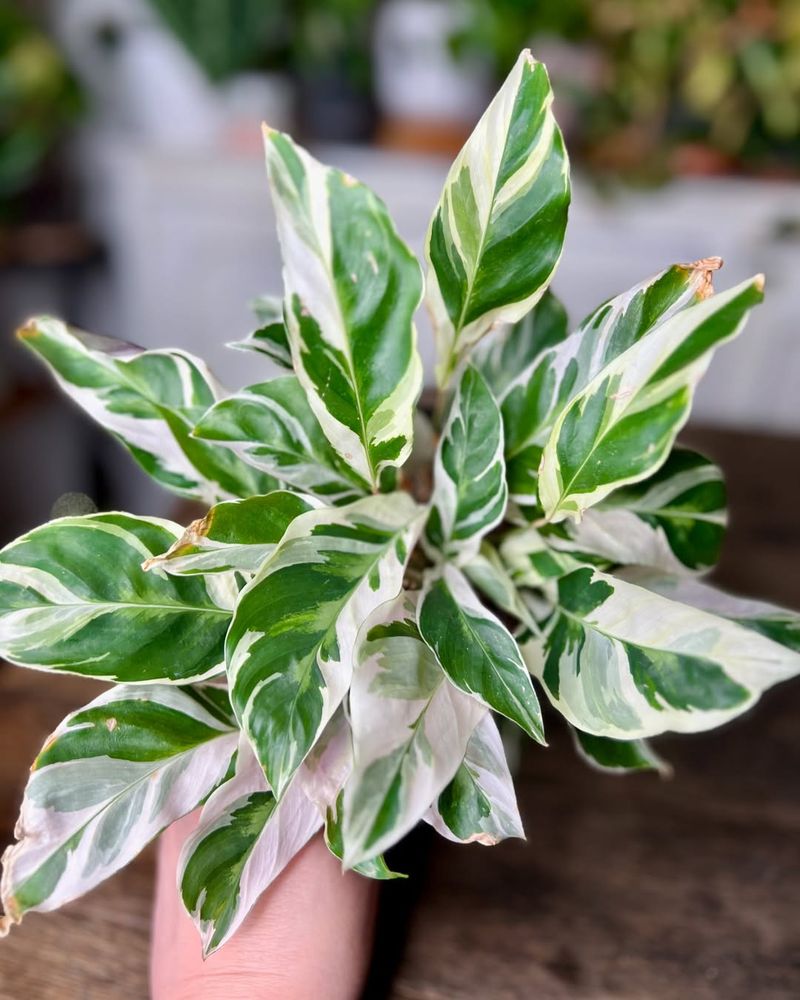
Dramatic white and green variegation with purple undersides makes White Fusion arguably the most stunning Calathea variety, though also one requiring careful attention.
Prayer plant characteristics mean leaves fold upward at night, creating gentle rustling sounds that some apartment dwellers find soothing and meditative.
Variegation patterns differ on every leaf, ensuring your plant remains visually interesting and unique compared to mass-produced houseplants.
Shade preference runs strong since direct sunlight scorches delicate variegated foliage quickly, making north-facing windows or interior rooms ideal.
High humidity requirements challenge some growers, but grouping plants together or using humidifiers maintains the moisture levels necessary.
Distilled or filtered water prevents mineral buildup that causes unsightly brown spots on sensitive Calathea foliage.
Consistent temperatures between sixty-five and seventy-five degrees keep this tropical comfortable, avoiding drafts from windows or vents.
Repotting annually refreshes soil and provides room for root growth, though Calatheas prefer slightly snug containers.
11. Monstera Adansonii Archipelago
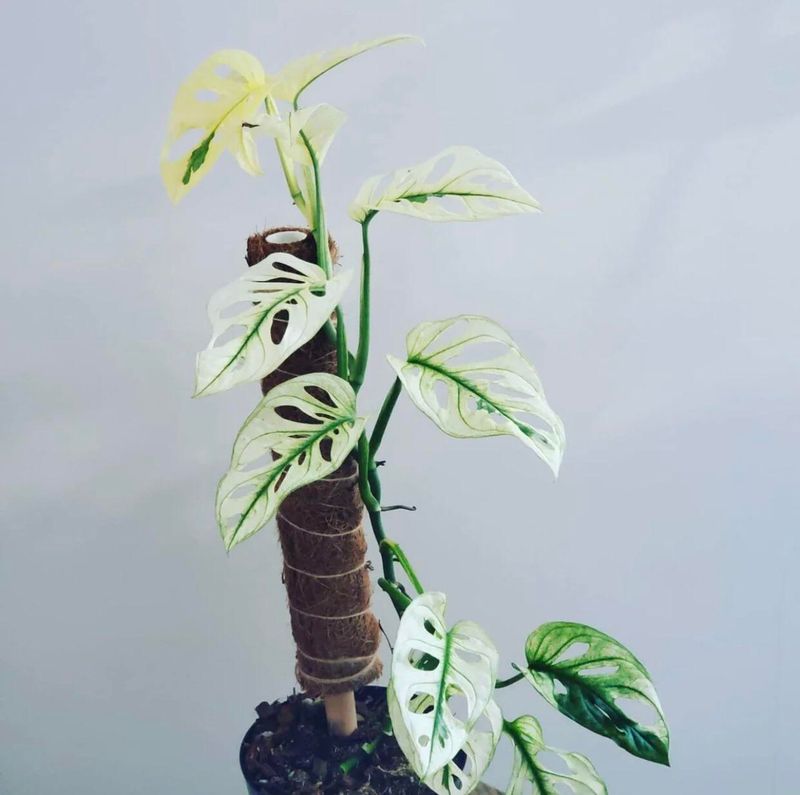
Rare variegated form of the popular Swiss Cheese Vine displays stunning white patches that make each leaf a unique work of natural art.
Fenestrations (natural holes) develop in mature leaves, creating the signature Swiss cheese appearance that Monstera species are famous for worldwide among plant collectors.
Variegation instability means some leaves emerge fully green or fully white, requiring pruning to maintain balanced growth and prevent reversion to solid coloring.
Medium to low light conditions suit this climbing plant well, though brighter indirect light intensifies variegation patterns without causing leaf burn or fading.
Aerial roots develop along stems, allowing the plant to climb moss poles or trellises while absorbing moisture and nutrients from the air effectively.
Watering when the top few inches of soil dry out prevents overwatering while maintaining consistent moisture that supports healthy leaf development and growth patterns.
Humidity above sixty percent keeps leaves perky and prevents browning, making bathrooms or kitchens with natural moisture ideal placement locations for best results.
High demand and limited availability make Archipelago one of the pricier Monsteras, but its stunning appearance justifies the investment for serious collectors everywhere.
12. Alocasia Dragon Scale
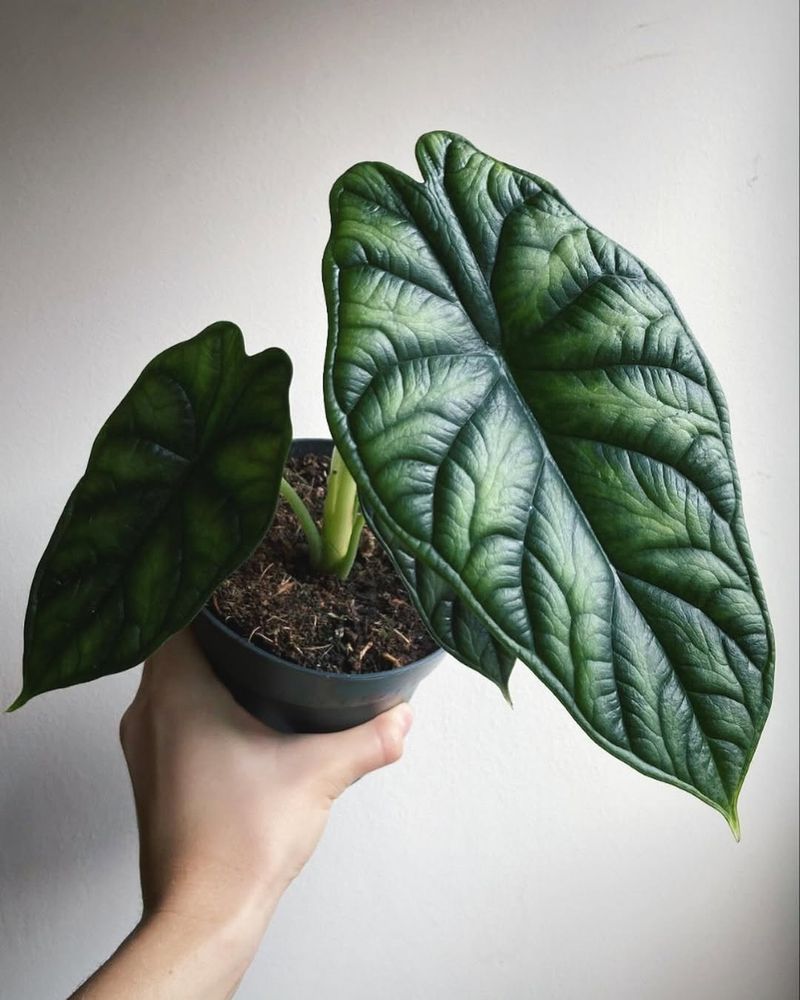
Thick, textured leaves with prominent veining create a three-dimensional effect that resembles mythical dragon scales, hence this Alocasia’s fantastical common name.
Metallic sheen on foliage catches available light beautifully, adding shimmer and depth to shady apartment corners that typically feel dull and lifeless otherwise.
Compact growth habit keeps this Alocasia manageable for small spaces, rarely exceeding eighteen inches tall even when fully mature and well-established over time.
Low to medium light suits Dragon Scale perfectly, mimicking the filtered sunlight conditions found beneath rainforest canopies in its native Southeast Asian habitat.
Well-draining soil prevents water accumulation around roots, so mixing perlite or orchid bark into standard potting soil improves drainage and aeration significantly.
Watering frequency depends on environmental factors, but generally allowing the top inch of soil to dry between waterings prevents root rot effectively.
Humidity levels above fifty percent maintain healthy foliage and prevent crispy leaf edges, so occasional misting or pebble trays provide necessary moisture easily.
Dormancy periods may occur during winter when growth slows and older leaves fade, but reduced watering during this time prevents problems and supports healthy regrowth.
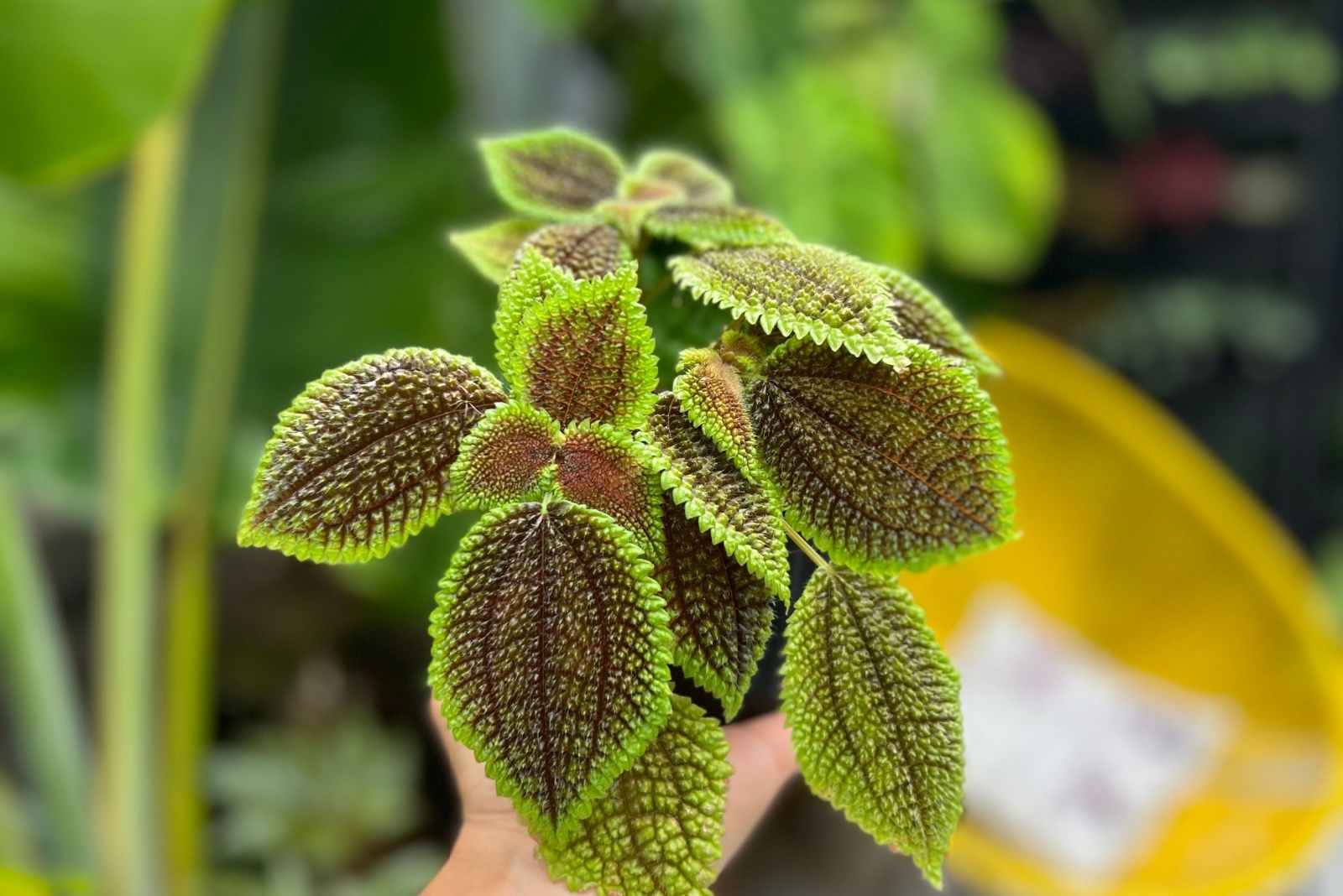
13. Pilea Mollis (Moon Valley)
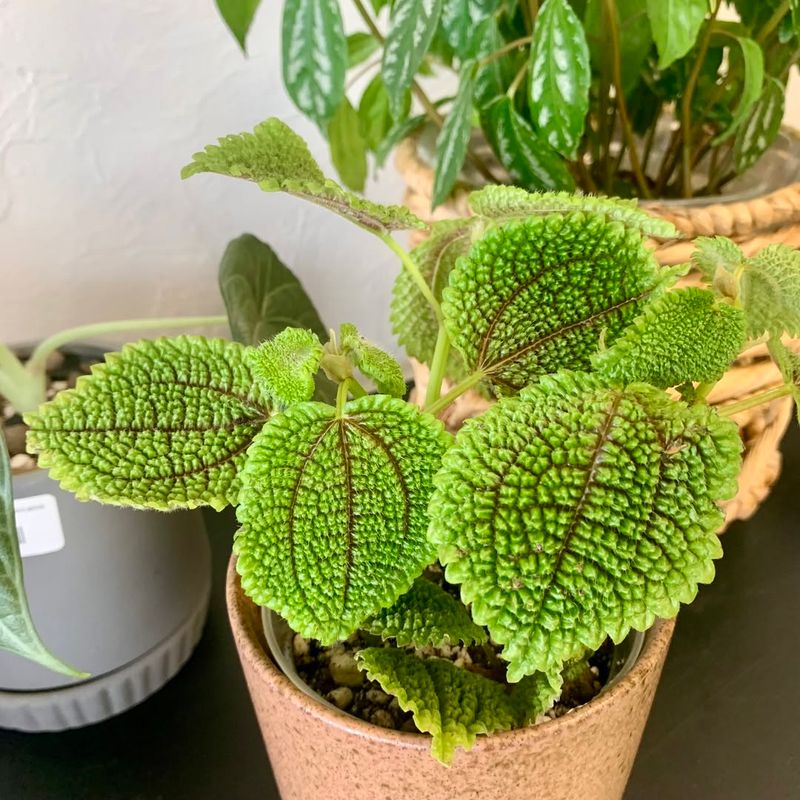
Deeply textured leaves with crater-like patterns earned this Pilea the nickname Moon Valley, referencing the lunar landscape appearance of its distinctive foliage.
Bright chartreuse coloring stands out dramatically against darker furnishings, bringing unexpected pops of color to shady rooms without requiring flowering plants or sunlight.
Compact size makes Moon Valley perfect for terrariums or small containers on desks, windowsills, or shelves where space remains limited in New York apartments.
Low light tolerance ranks surprisingly high despite the bright leaf coloring, which typically indicates plants needing more sunshine than this adaptable species requires.
Quick growth produces abundant foliage rapidly when conditions suit the plant, creating full, bushy specimens within months rather than years of cultivation.
Consistent moisture keeps this Pilea happy, but soggy soil causes stem rot quickly, so ensuring proper drainage in containers prevents common problems effectively.
Humidity appreciation runs moderate, making this plant less demanding than many other tropical species while still benefiting from occasional misting or grouping strategies.
Propagation through stem cuttings works easily, allowing you to multiply your collection or share this unusual plant with friends who appreciate quirky, textured foliage.
14. Rhaphidophora Cryptantha (Shingle Plant)
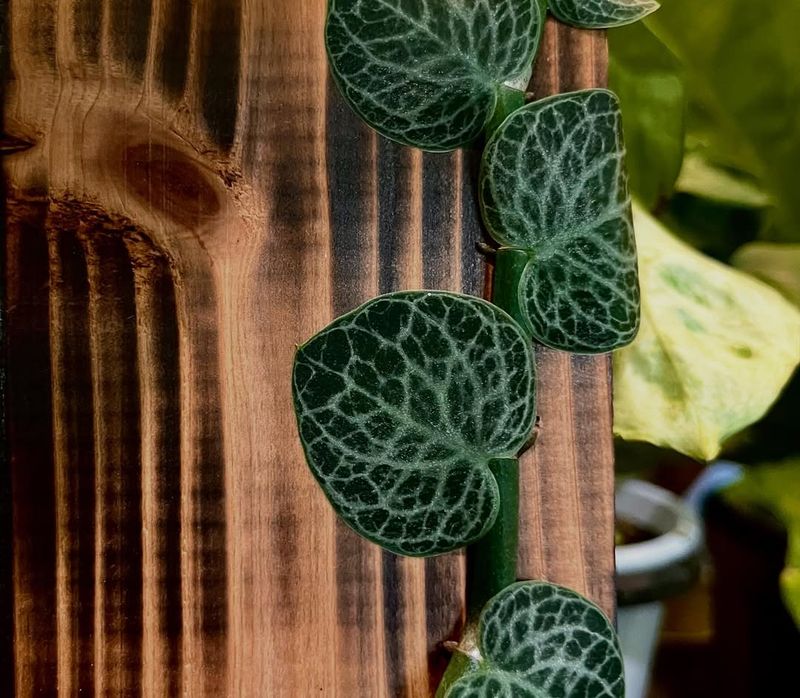
Unique shingling growth pattern where leaves overlap flat against climbing surfaces creates a living wall effect that’s both unusual and visually captivating indoors.
Juvenile leaves start small but mature into larger, more impressive foliage as the plant climbs higher and establishes stronger root systems over time.
Mounting on wooden planks or cork bark allows natural shingling behavior, though moss poles also work if flat mounting surfaces aren’t available nearby.
Shade tolerance makes this rare Rhaphidophora suitable for New York apartments with limited natural light, growing steadily even in less-than-ideal illumination conditions surprisingly well.
Chunky, aerated soil mixtures prevent water retention that causes root problems, so incorporating orchid bark and perlite improves growing media significantly and effectively.
Watering when the top two inches of soil feel dry maintains proper moisture levels without overwatering, which remains the most common cause of decline.
Humidity above sixty percent encourages larger leaf development and prevents the smaller, stressed growth that occurs in dry environments unfortunately for many growers.
Patience proves necessary since Cryptantha grows slowly compared to other aroids, but its unique appearance and rarity make the wait worthwhile for dedicated collectors.