7 Rare Native Michigan Trees You Won’t Find At Most Garden Centers
Michigan is home to a number of rare native trees that are often hard to find at most garden centers. While common varieties like maples and oaks are easy to come by, there are hidden treasures in the state’s forests that offer unique beauty and ecological benefits.
These lesser-known trees, from ones with striking bark to those providing essential wildlife habitats, thrive in Michigan’s distinct climate and soil.
For gardeners and nature enthusiasts looking to add something extraordinary to their landscapes, these rare species offer a chance to connect with the local environment in a meaningful way.
Whether you’re seeking trees with vibrant fall color or a unique texture for your yard, Michigan’s native rarities have something special to offer. Take a closer look at these remarkable trees and explore what makes them stand out in the world of native plants.
1. Kentucky Coffeetree
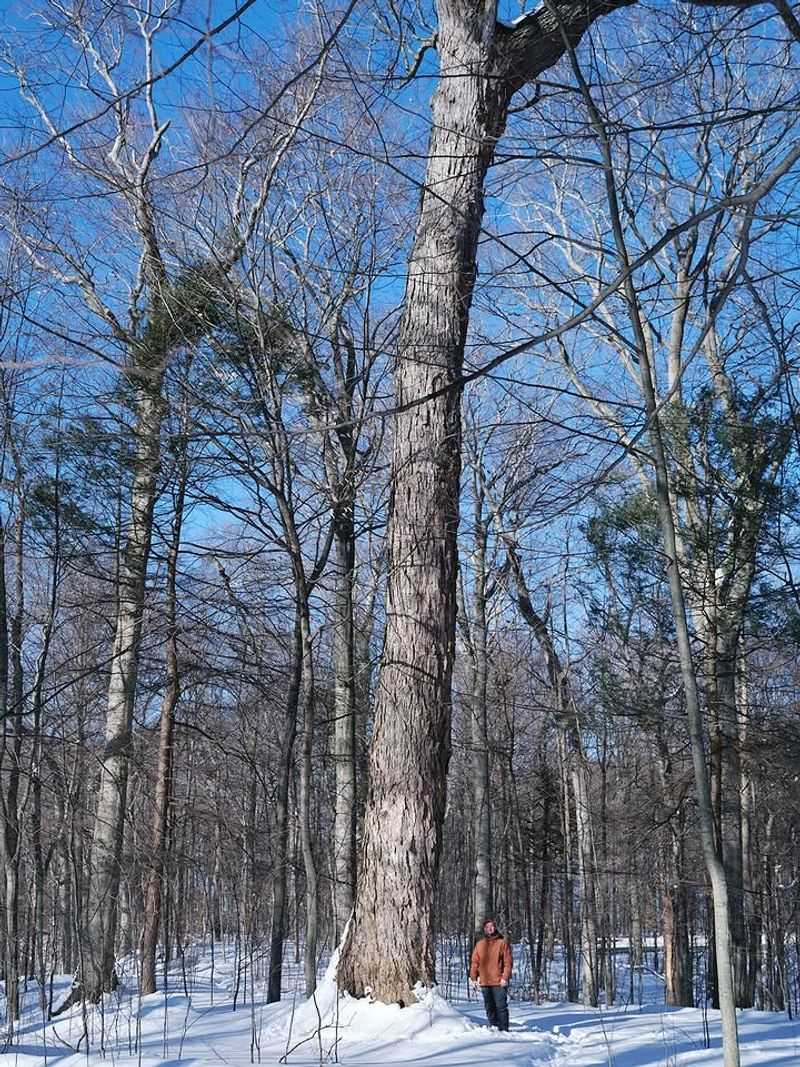
Not many trees can stop you in your tracks during winter, but the Kentucky Coffeetree pulls it off effortlessly. Its thick, twisted branches create one of the most dramatic silhouettes you will ever see against a grey Michigan sky.
Most people walk right past it without knowing what it is, which is exactly what makes it such a hidden gem.
Native to southern Michigan, this medium to large tree grows in rich bottomland soils and along river edges. It features enormous bipinnately compound leaves that give it a bold, tropical look during summer.
Despite that lush appearance, it handles Michigan summers and winters without complaint, making it a reliable long-term shade tree for bigger yards.
Finding one at a garden center is surprisingly difficult, mostly because it grows slowly at first and takes patience to propagate. Specialty native plant nurseries in Michigan are your best bet.
Once established in well-drained or even clay-heavy soil, this tree really takes off and rewards you with decades of beauty. It also tolerates drought and road salt, which makes it a smart pick for urban Michigan landscapes where conditions can be tough on trees.
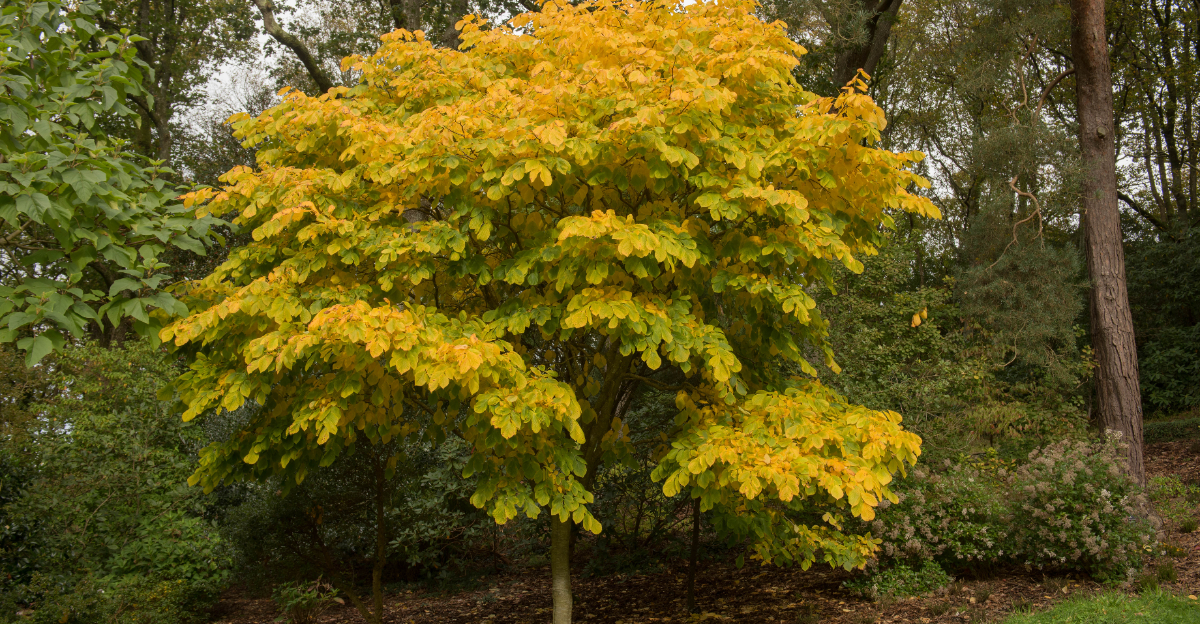
2. Yellowwood
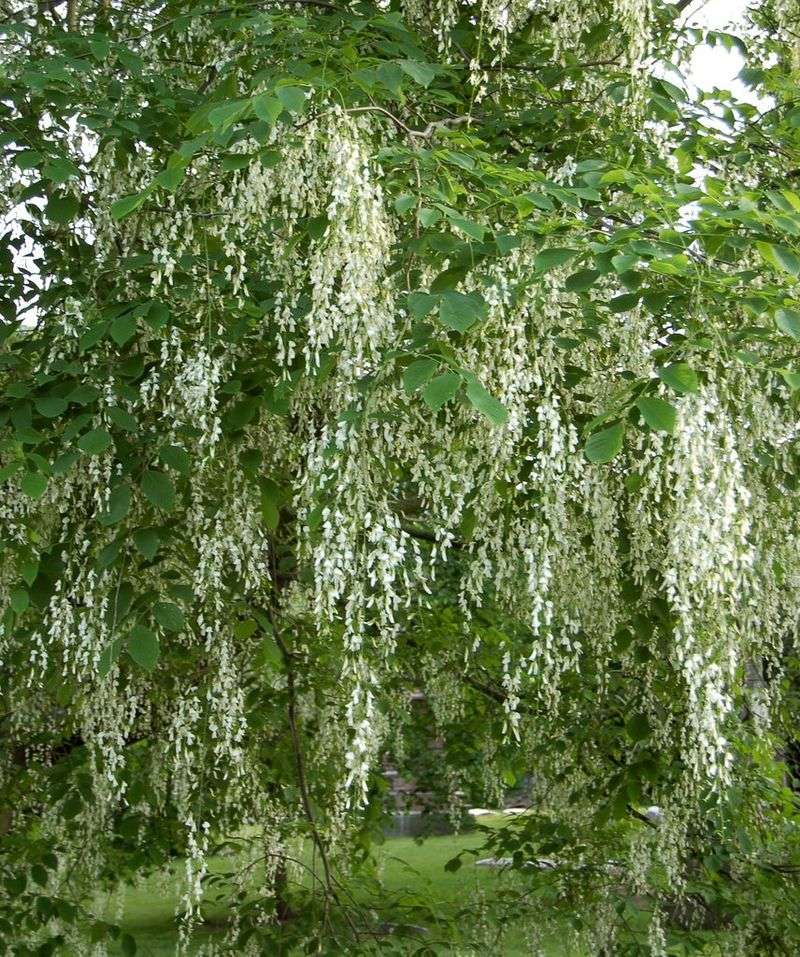
Picture a tree that covers itself in long, drooping clusters of white flowers every spring, filling the air with a sweet fragrance that stops neighbors in their tracks. That is exactly what Yellowwood does, and yet almost nobody in Michigan plants it.
It is one of the most underappreciated ornamental trees native to the eastern United States, with a limited natural range that just barely touches southern Michigan.
Yellowwood thrives in well-drained soils on protected sites, which makes it a good fit for sheltered spots in Michigan yards away from harsh wind exposure. The flowers hang in clusters that look almost like wisteria, creating a breathtaking display in late spring.
In fall, the leaves shift to a warm golden yellow that adds another season of color to your landscape.
Nurseries rarely carry it because it blooms heavily only every two to three years, which makes it a harder sell at garden centers. However, that just adds to its charm for gardeners who want something truly special.
Sourcing it from a native plant specialist in Michigan is worth every bit of effort. Once it settles into your yard, Yellowwood grows into a graceful, rounded tree that becomes an absolute conversation starter for anyone who visits your garden.
3. American Hornbeam
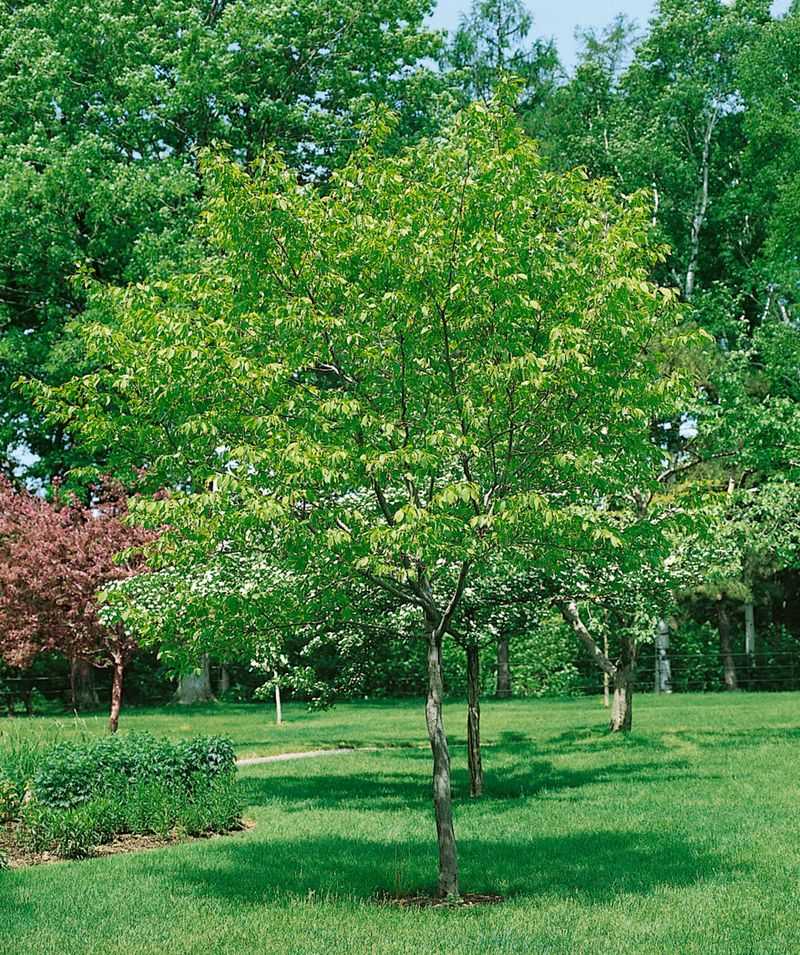
Run your hand along the trunk of an American Hornbeam and you will immediately understand why it earned the nickname “musclewood.”
The bark is smooth, gray, and rippled like a flexed muscle, giving this tree a sculptural quality that looks stunning in any shaded corner of a Michigan yard. It is one of those trees that earns admiration from anyone who takes a closer look.
In Michigan, American Hornbeam grows naturally in moist woodland understories, usually tucked beneath taller canopy trees along stream banks and low-lying areas.
It handles shade better than almost any other native tree in the state, which makes it a fantastic choice for spots where other trees simply refuse to grow.
The foliage turns a rich mix of orange, red, and yellow in fall, adding a bright splash of color to shaded landscapes.
Despite all these qualities, it rarely shows up at mainstream garden centers across Michigan. Growers tend to overlook it because it grows slowly and takes time to reach a saleable size.
Specialty native nurseries are the right place to look. Plant it in moist, well-drained soil in a partially shaded spot and give it time to settle.
Within a few years, this tough little tree becomes one of the most visually interesting plants in your entire yard.
4. Eastern Hophornbeam
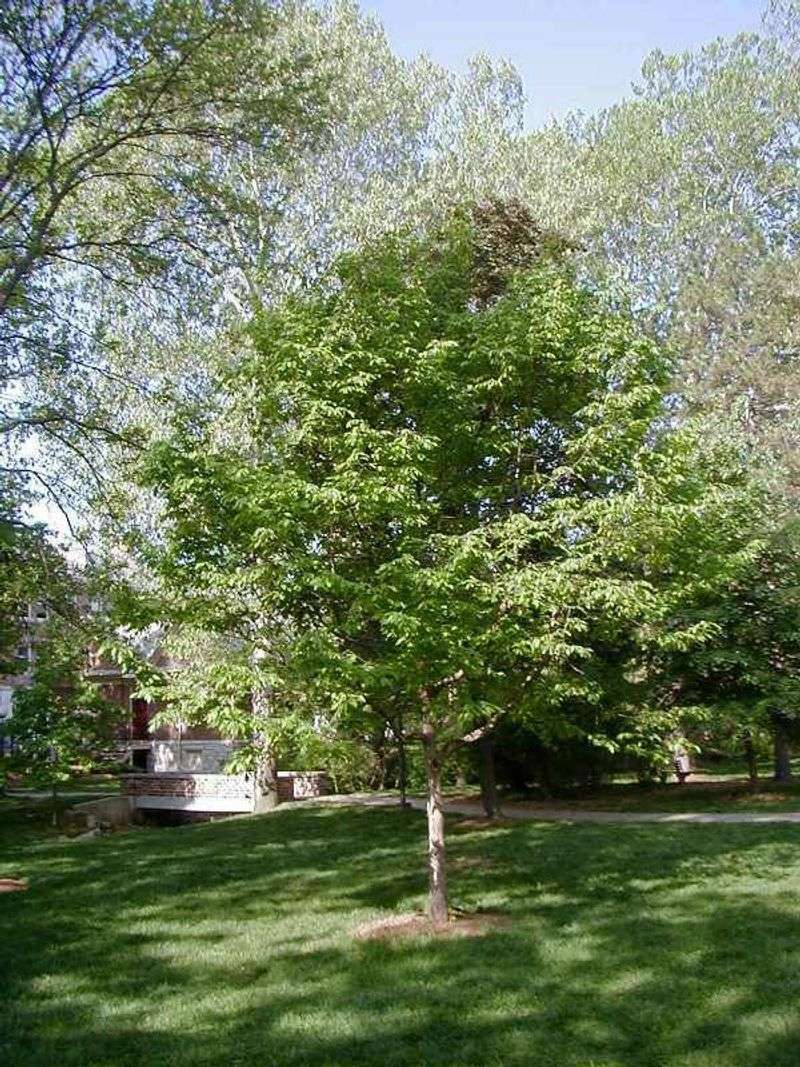
Tough as nails and often completely ignored by landscapers, Eastern Hophornbeam is one of Michigan’s most durable native trees. It grows naturally across the state in dry, rocky woodlands and on ridges where other trees struggle to survive.
Its shaggy, peeling bark has a rugged character that looks absolutely beautiful in a naturalistic garden setting, especially when light hits it at the right angle.
The tree gets its name from the hop-like papery fruit clusters that dangle from the branches in late summer and fall. Birds love these seeds, making Hophornbeam a valuable wildlife tree for Michigan yards.
It also handles dry soils, thin soils, and even compacted ground far better than most natives, which makes it a smart solution for problem spots that other trees simply cannot handle.
Most Michigan garden centers skip over it entirely because it grows slowly and lacks the flashy qualities that sell trees quickly. However, slow growth means a very long-lived, structurally sound tree that holds up to Michigan winters without any fuss.
It tolerates partial shade and full sun, giving you flexibility when choosing a planting spot. If you have a dry, challenging area in your Michigan yard that needs a durable native tree, Eastern Hophornbeam deserves serious consideration.
Seek it out at a native plant nursery and you will not regret the choice.
5. Black Gum
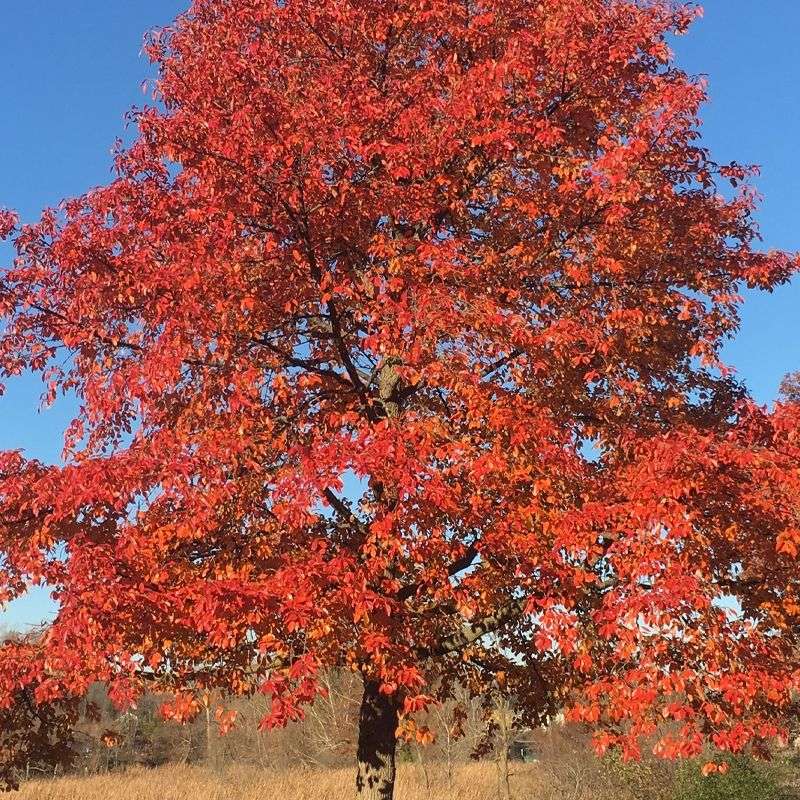
Few trees in all of Michigan can match the fall color of Black Gum. The leaves shift from glossy green to an electric mix of scarlet, orange, and deep red that practically glows when the afternoon sun hits them.
Seeing one in October in southern Michigan is the kind of moment that makes you want to plant one immediately.
Black Gum has a limited natural range in Michigan, found mostly in the southern Lower Peninsula where acidic, moist soils support its growth.
It tolerates wet conditions and even seasonal flooding better than many other trees, making it a strong candidate for low-lying areas in Michigan yards.
The berries it produces in late summer are a favorite food source for birds, which adds another layer of ecological value to an already outstanding tree.
The challenge is finding one. Most Michigan garden centers simply do not stock it because it transplants poorly when large and requires careful handling as a young tree.
Native plant specialists who grow it in containers from a young age are the best source. Once planted in the right acidic, reasonably moist soil in southern Michigan, Black Gum settles in and grows steadily into a magnificent specimen.
Its combination of wildlife value, fall color, and long-term durability makes it one of the most rewarding native trees you can possibly add to a Michigan landscape.
6. Sassafras
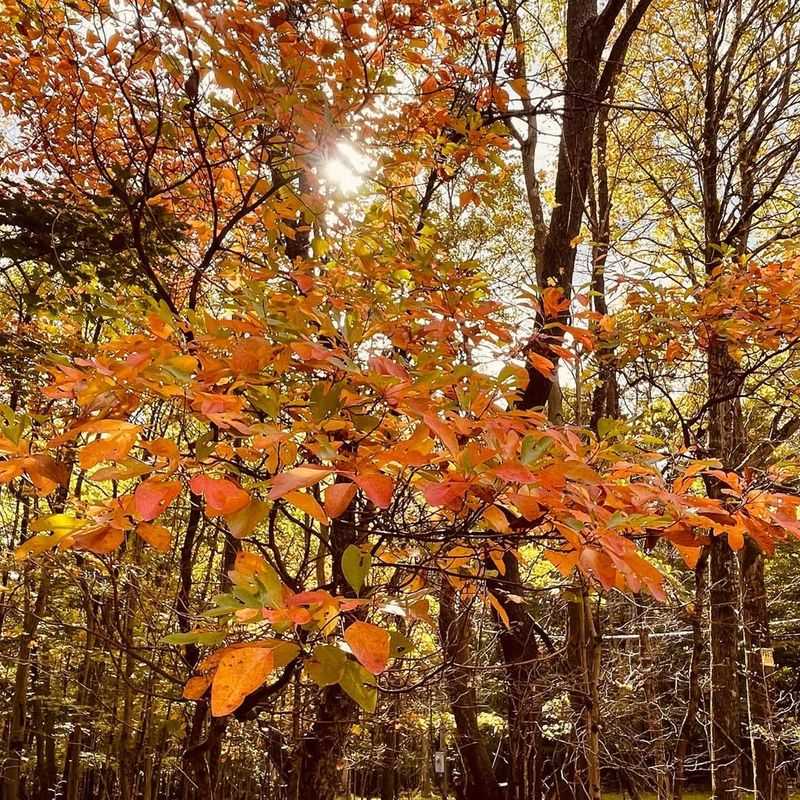
Sassafras might be the most interesting native tree in Michigan when it comes to sheer personality. A single tree can carry three completely different leaf shapes all at once, including simple ovals, mitten-shaped leaves with one lobe, and three-lobed leaves that look like little mittens.
That alone makes it a fascinating conversation piece in any Michigan yard, and the aromatic scent of its crushed leaves and bark is something you will never forget.
Naturally found in southern Michigan, Sassafras grows along forest edges, roadsides, and open woodlands where it gets plenty of sunlight.
It is a pioneer species, meaning it moves into open ground quickly and spreads through root sprouts to form loose colonies over time.
Gardeners should keep that spreading habit in mind before planting, especially in smaller yards where space is limited. Mowing around the edges keeps new sprouts in check without much trouble.
Fall color on Sassafras is genuinely spectacular, ranging from yellow and orange to deep red and purple all on the same tree. Most Michigan garden centers skip it because of its suckering habit and the difficulty of transplanting larger specimens.
Young container-grown trees from native nurseries establish much more successfully. Plant it in a sunny, well-drained spot in southern Michigan and enjoy a tree that is truly one of a kind in both appearance and fragrance throughout the entire growing season.
7. Chinkapin Oak
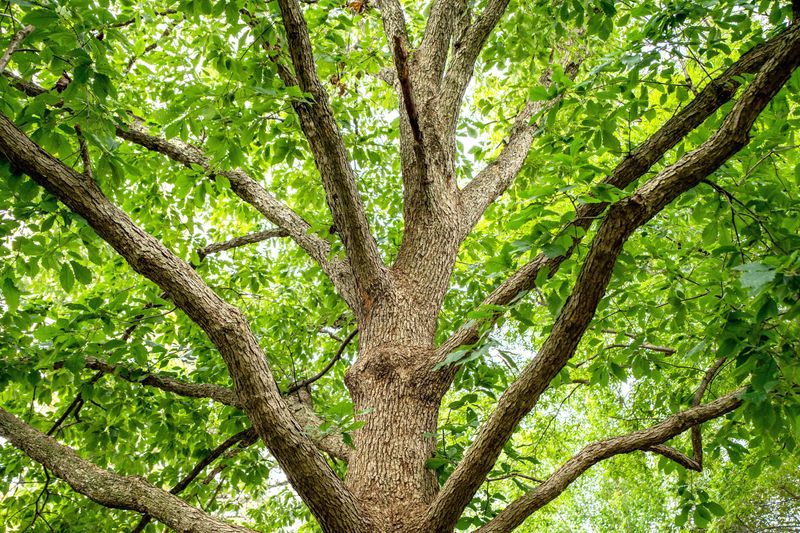
Among all the oaks native to Michigan, Chinkapin Oak stands out for one very practical reason: it actually thrives in alkaline soils. While most oaks prefer acidic conditions, this one handles high-pH soils with ease, making it a valuable option for Michigan landscapes where the soil leans toward the alkaline side.
That adaptability alone sets it apart from most of the other oaks you will find at a garden center.
Chinkapin Oak grows naturally in scattered locations across southern Michigan, typically on dry limestone outcrops and rocky bluffs. Its leaves have rounded teeth along the edges that look somewhat like those of a chinkapin shrub, which is exactly where the name comes from.
Wildlife absolutely love this tree. Deer browse the foliage, and the relatively sweet acorns are eaten eagerly by turkeys, squirrels, and a long list of other Michigan wildlife.
Despite all these strengths, it is one of the least commonly sold oaks at Michigan nurseries. Growers tend to focus on more familiar species like red oak or white oak, leaving Chinkapin Oak overlooked on most shopping lists.
Native plant nurseries and conservation organizations in Michigan are the most reliable places to track one down.
Once established, it grows into a large, sturdy, long-lived shade tree that handles Michigan’s variable soils and weather with impressive resilience, making it a genuinely worthwhile investment for any serious Michigan gardener.