8 Rare Native Ohio Trees You Won’t Find At Most Garden Centers
Drive through most Ohio neighborhoods and you start to notice the same handful of trees repeated over and over. There is nothing wrong with popular picks, but it can make yards feel a little predictable after a while.
Meanwhile, some incredible native trees quietly go overlooked, even though they are well-suited to Ohio’s climate and bring something different to the landscape.
These lesser-known natives often support local wildlife better, handle regional weather swings with ease, and add unique seasonal interest that common choices do not always deliver. The catch is that you will not usually spot them lined up at big garden centers.
That is part of what makes them so interesting. Once you learn about these trees and what they offer, it opens up a whole new way to think about planting choices in your yard.
1. Tamarack Thriving In Cool, Wet Ohio Spots
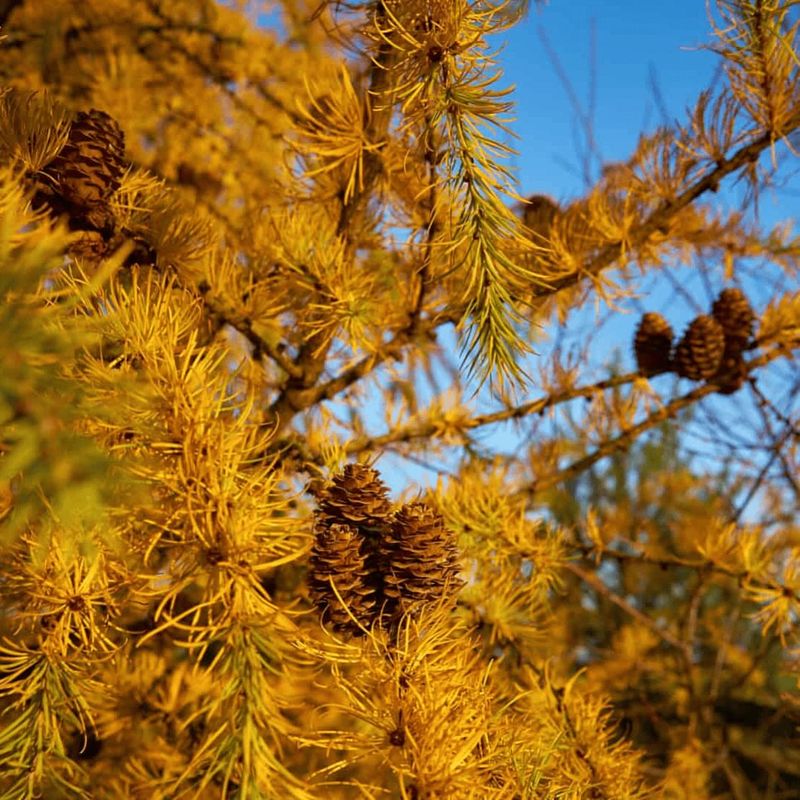
Picture a conifer that actually drops its needles every fall just like a maple or oak. That is exactly what the Tamarack does, making it one of the most unusual native trees you can find in Ohio.
Most people do not even realize it exists, which is a real shame because it is a fascinating and beautiful tree.
Tamarack, also known as Eastern Larch, is naturally found in the northern and northeastern parts of Ohio, usually in cold, wet bogs and swampy areas. It thrives in full sun and consistently moist to wet soils, making it an excellent choice for low-lying spots in your yard where other trees struggle.
In spring and summer, its soft, feathery needles are a lovely blue-green color.
When fall rolls around, those needles turn a brilliant golden yellow before dropping entirely, giving the tree a striking, bare silhouette through winter. Come spring, fresh new needles emerge again in a soft, bright green.
It is a full four-season show from a single tree. Tamarack grows slowly but steadily, eventually reaching 40 to 80 feet tall in ideal conditions.
In Ohio landscapes, it tends to stay on the smaller side.
Because it is so well adapted to wet soils, Tamarack works beautifully near rain gardens, ponds, or naturally soggy areas of a property. It also provides excellent habitat for birds and small mammals.
If you want a conversation-starting tree that genuinely surprises visitors, Tamarack is hard to beat.
2. Arbor Vitae Adding Dense Year-Round Privacy
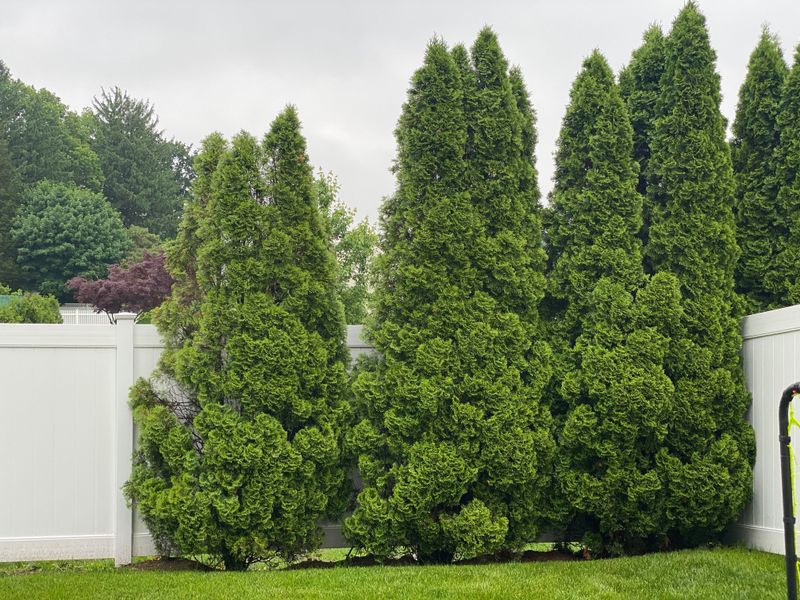
Walk through a wild Ohio woodland near a swamp or stream, and you might spot a tree with flat, fan-like sprays of rich green foliage reaching toward the sky. That is the native Arbor Vitae, a tree with a name that literally means “tree of life” in Latin.
Garden centers sell cultivated versions all the time, but the true wild species is rarely offered and has a character all its own.
Native Arbor Vitae naturally grows in the cooler, wetter parts of Ohio, particularly in areas with rocky or moist soils. It loves full sun to partial shade and tolerates cold winters exceptionally well.
Unlike the tightly clipped hedging varieties most people know, the wild form has a looser, more graceful shape that looks right at home in a naturalistic landscape.
One of the coolest things about this tree is its historical significance. Indigenous peoples across the Great Lakes region used Arbor Vitae for medicine, canoe building, and shelter.
Early French explorers in North America were so impressed by its usefulness that they brought it back to Europe, where it became one of the first North American trees cultivated overseas.
In an Ohio yard, native Arbor Vitae works well as a windbreak, privacy screen, or specimen tree near water features. It grows slowly to about 40 to 60 feet tall but stays relatively narrow.
Birds love nesting in its dense branches, and white-tailed deer find its foliage irresistible, so some protection may be needed while young trees get established.
3. Rock Elm Standing Strong In Tough Conditions
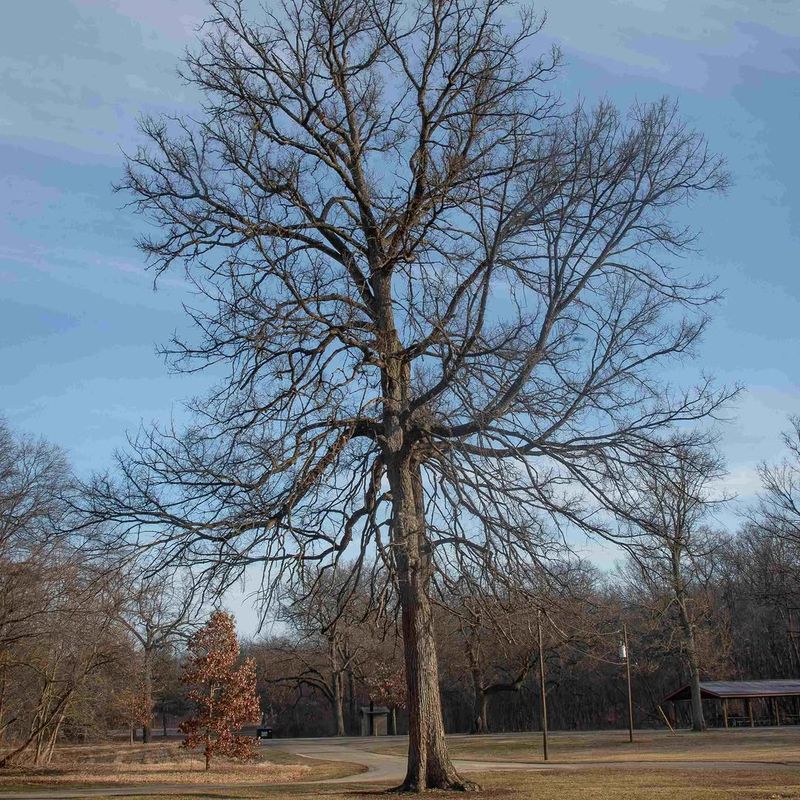
Rock Elm has one of the coolest calling cards of any native Ohio tree: its smaller branches grow distinctive corky, wing-like ridges that make the tree instantly recognizable once you know what to look for. Also called Cork Elm, this species is considered rare throughout its range and is not something you will stumble across at your local garden center anytime soon.
Historically, Rock Elm was prized for having some of the toughest, most durable wood of any North American elm. It was used heavily in shipbuilding, farm equipment, and heavy-duty construction because it resisted splitting and held up under extreme stress.
That incredible strength comes from wood so dense it actually sinks in water, which is unusual for a tree.
In Ohio, Rock Elm tends to grow on rocky ridges, limestone slopes, and well-drained upland soils, which sets it apart from many other elms that prefer bottomlands. It grows at a moderate pace, eventually reaching 60 to 80 feet tall with a broad, rounded crown.
The leaves are oval with doubly serrated edges, and they turn a warm yellow in fall.
Planting a Rock Elm in your Ohio yard is a genuine act of conservation. Populations have declined significantly due to habitat loss and Dutch elm disease pressure over the past century.
It thrives in full sun and adapts well to a range of soil types as long as drainage is decent. Providing this tree a home helps preserve a piece of Ohio natural heritage for future generations to appreciate.
4. Umbrella Magnolia Showing Off Huge Tropical-Like Leaves
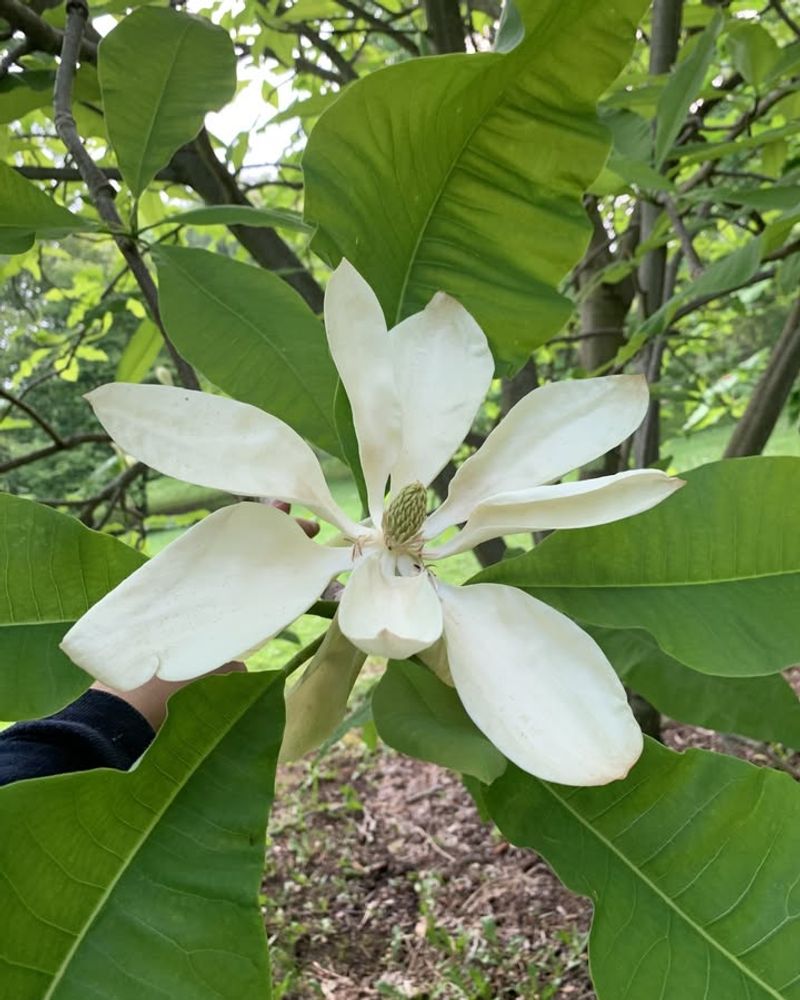
Forget everything you think you know about magnolias being delicate, fussy landscape trees. Umbrella Magnolia is a bold, tropical-looking native that grows wild in parts of southeastern Ohio and commands attention without any extra effort.
Its enormous leaves, which can stretch up to two feet long, cluster at the tips of branches like giant green umbrellas, giving the tree its memorable name.
Native to the Appalachian region and extending into Ohio, this tree prefers moist, rich soils in partial to full shade, making it a standout choice for woodland gardens or shaded spots where other flowering trees would struggle. It grows as an understory tree in its natural habitat, reaching about 15 to 30 feet tall with an open, somewhat irregular form that adds a wild, natural feel to any landscape.
In late spring to early summer, Umbrella Magnolia produces large, creamy white flowers up to 10 inches across. They have a strong, slightly musky fragrance that some people love and others find overpowering.
After flowering, the tree develops showy rose-pink to red seed cones that attract birds through the fall months.
One of the best things about growing this tree in an Ohio yard is that it is genuinely low maintenance once established. It does not need much pruning, tolerates deer pressure better than many ornamentals, and provides dramatic year-round interest.
If you have a shaded corner of your property that needs a statement plant, Umbrella Magnolia delivers that tropical wow factor with purely native roots.
5. Blackjack Oak Handling Dry, Poor Soils With Ease
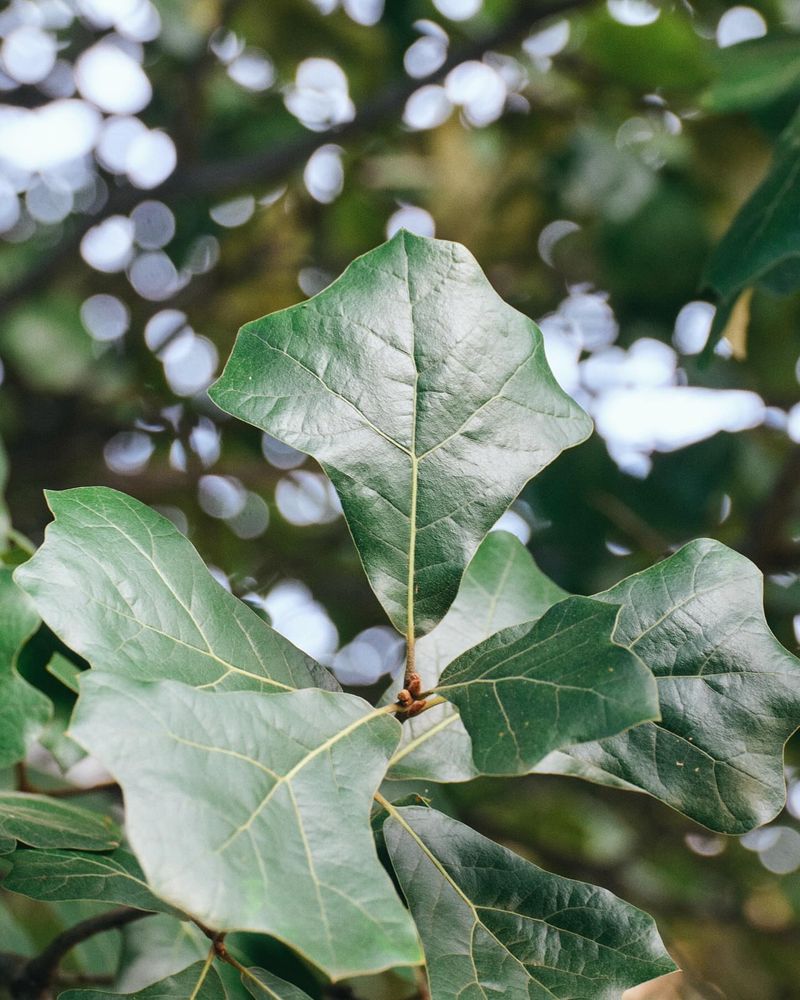
Tough, scrappy, and unapologetically wild-looking, Blackjack Oak is the kind of tree that thrives where almost nothing else will. Found in scattered locations across Ohio on dry, sandy, and nutrient-poor soils, this small oak is one of the state’s most overlooked native species.
It rarely appears in nurseries because it is notoriously difficult to transplant and slow to grow, but for the right spot, there is nothing better.
The leaves are one of its most distinctive features. Shaped like a duck’s foot or a three-pronged club, they are broad at the tip and narrow at the base, unlike the typical lobed shape of most oaks.
In fall, they turn shades of yellow, brown, and dull red before holding on through much of winter, providing structure and texture to the landscape during cold months.
Blackjack Oak grows slowly, typically reaching 20 to 30 feet tall, with a gnarled, irregular form that gives it real character and an almost artistic appearance. Its dark, blocky bark adds to its rugged look.
Birds and small mammals rely on its acorns as an important food source, and its dense canopy offers good nesting cover.
In Ohio, this tree is most common in the unglaciated hill country of the southeast and in sandy barrens found in a few other regions of the state. If your property has a dry, sunny bank or sandy patch that drains too fast for most plants, Blackjack Oak is worth considering.
It proves that the most challenging spots can still support beautiful native life.
6. Carolina Willow Loving Moist, Low-Lying Areas
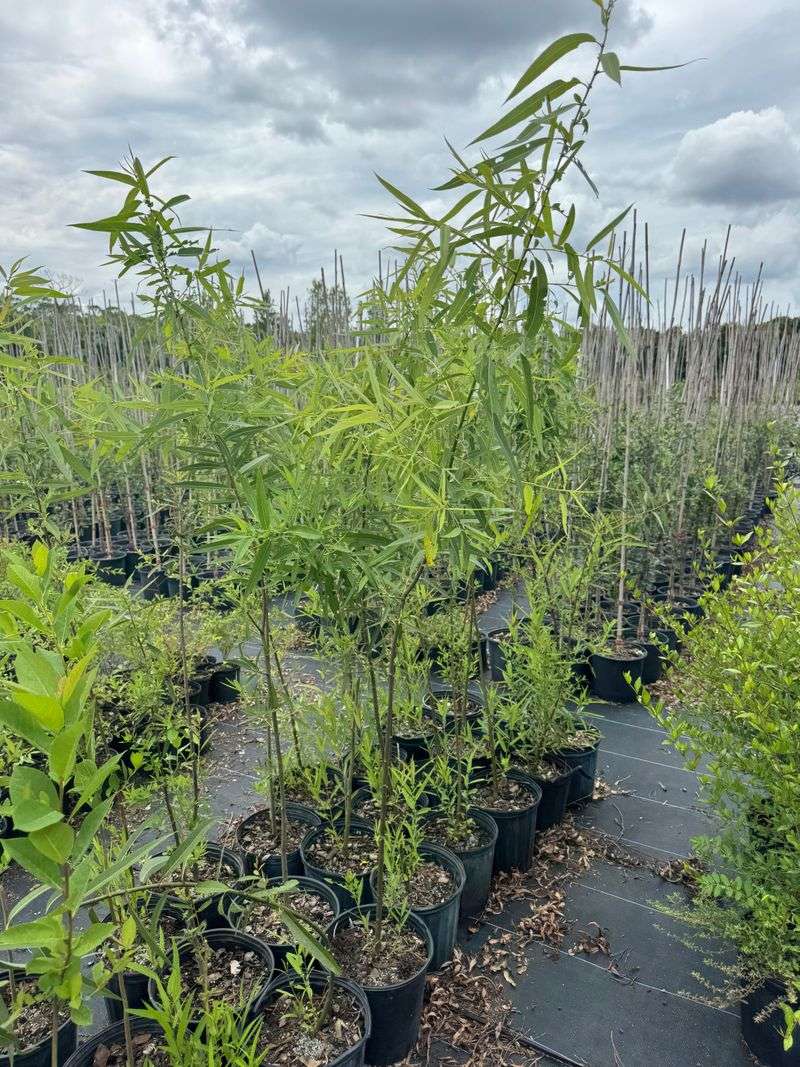
Most people know willows as the graceful, weeping trees planted near ponds and streams, but Carolina Willow is a lesser-known native species that brings its own brand of streamside charm to Ohio landscapes. Found naturally along rivers, lake shores, and wetland edges in the southeastern United States and only limited areas of southern Ohio, this tree can be useful for erosion control and riparian habitat planting.
Carolina Willow grows quickly in suitable wet habitats, sending up flexible stems with narrow, lance-shaped leaves. It reaches about 20 to 35 feet tall and tends to form multi-stemmed thickets along water edges, which is actually a feature rather than a flaw.
Those dense root systems grip stream banks and prevent soil from washing away during heavy rain events, which are becoming more common across Ohio.
Wildlife absolutely love this tree. Beavers use its branches for lodge construction, songbirds nest in its dense canopy, and its early spring catkins provide one of the first pollen sources of the year for native bees and other pollinators waking up from winter.
Few trees offer that kind of ecological payoff so early in the season.
For Ohio homeowners with a creek, pond, or consistently wet area on their property, Carolina Willow is a smart native planting choice. It establishes quickly from cuttings, which makes propagation easy and affordable.
Just keep in mind that like all willows, its roots seek out water, so plant it well away from underground pipes and foundations. Give it space near water and it will reward you for years.
7. Blue-Leaved Willow Bringing Unique Foliage Color
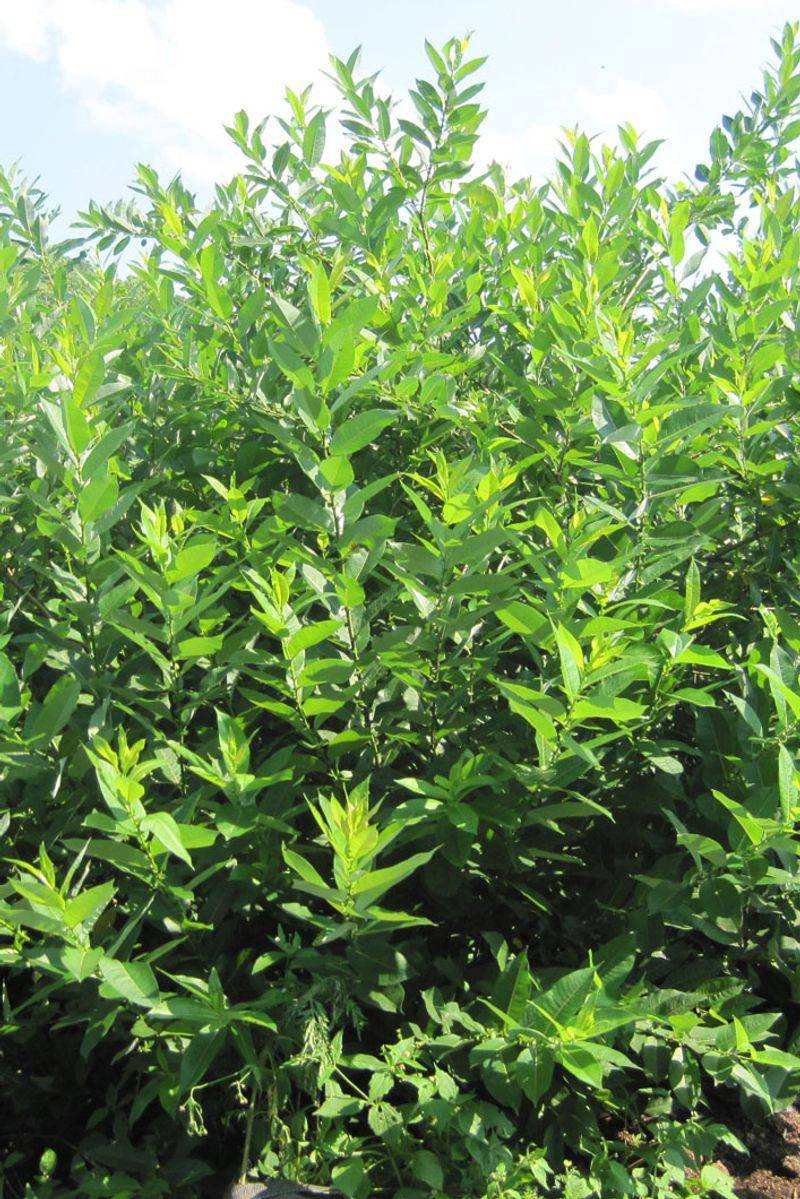
Here is a willow with a twist that makes it genuinely stand out from its relatives: its leaves have a beautiful, waxy blue-green color on the upper surface that catches the light in a way most willows simply do not. Blue-Leaved Willow, also called Bayberry Willow, is a rare native species in Ohio, found mainly near the Lake Erie shoreline and select northern wetland areas.
Unlike the towering, weeping willows many people picture, Blue-Leaved Willow is a smaller, shrubby tree that typically grows 6 to 15 feet tall. It forms thickets along lake shores, wet meadows, and calcareous fens, which are rare wetland habitats fed by calcium-rich groundwater.
Because it is so closely tied to these specialized habitats, it is considered a species of conservation concern in Ohio.
Planting Blue-Leaved Willow in a home landscape is a meaningful conservation gesture. It thrives in full sun with consistently moist to wet soils and is extremely cold hardy, handling Ohio winters without complaint.
The blue-green foliage provides a cool-toned contrast against other green-leafed plants, making it a subtle but eye-catching addition to rain gardens or naturalized wet areas.
Like other willows, it supports a wide range of insects, including specialist bees that depend on willows as their primary pollen source. Its catkins bloom early in spring, bridging the gap between late winter and the main bloom season.
For anyone in northern Ohio looking to restore or enhance a wet habitat, Blue-Leaved Willow is a rare and rewarding native to add to the mix.
8. Sugarberry Supporting Wildlife With Hardy Growth
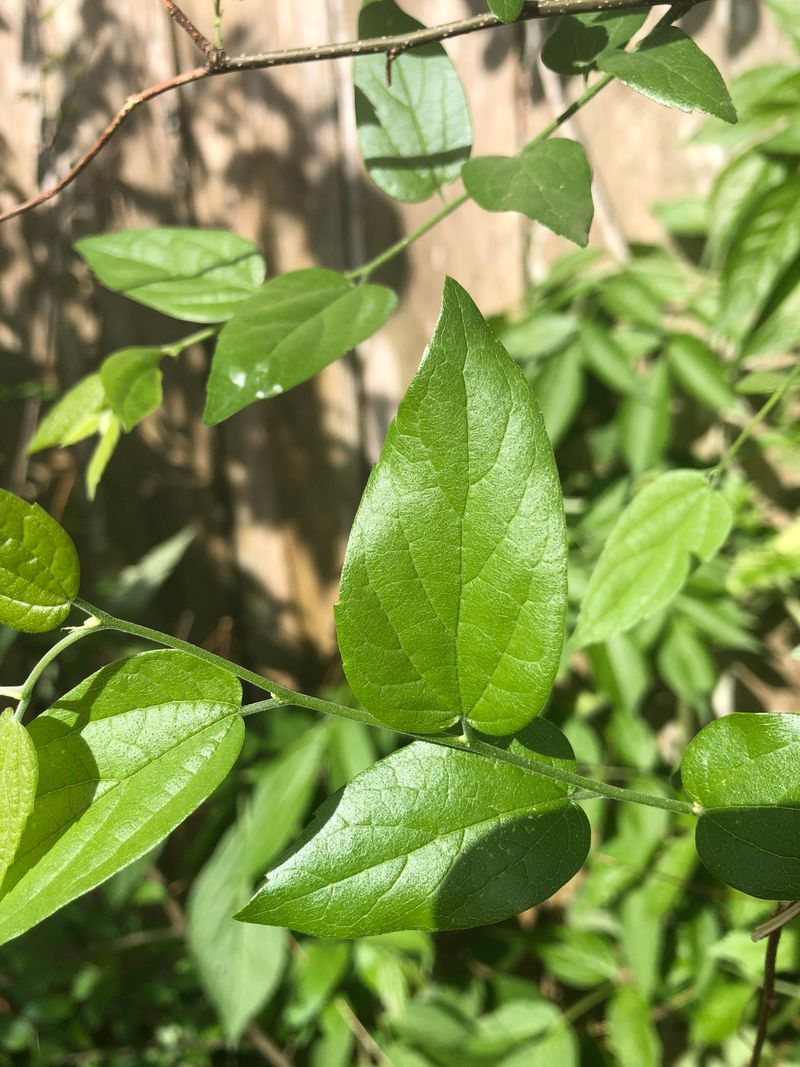
Sugarberry is a less commonly planted native tree in Ohio that often goes unnoticed in landscapes. But look a little closer and you will find a native Ohio tree with a lot going for it: adaptable, wildlife-friendly, and just unusual enough to spark curiosity.
It is closely related to the more common Hackberry but has its own distinct personality and a more southern flavor.
In Ohio, Sugarberry reaches the northern edge of its natural range, showing up mainly in floodplains and river bottoms in the southern counties of the state. It prefers moist, rich soils and full to partial sun, growing at a moderate rate to about 40 to 60 feet tall.
The bark is smooth gray with distinctive corky bumps and ridges that give it a textured, interesting appearance even in winter.
The small, dark purple berries that ripen in fall are a bird magnet. Cedar waxwings, robins, mockingbirds, and many other species flock to Sugarberry trees during migration and through the colder months when food is harder to find.
That makes this tree an especially valuable addition to an Ohio yard focused on supporting wildlife.
Sugarberry is also impressively tough once established. It handles flooding, drought, heat, and heavy clay soils with equal ease, which is more than most ornamental trees can claim.
For homeowners in southern Ohio dealing with challenging floodplain conditions or heavy soils along a creek bank, Sugarberry is a native solution that works hard and asks for very little in return.