9 Rare Philodendrons North Carolina Plant Lovers Are Choosing This Year
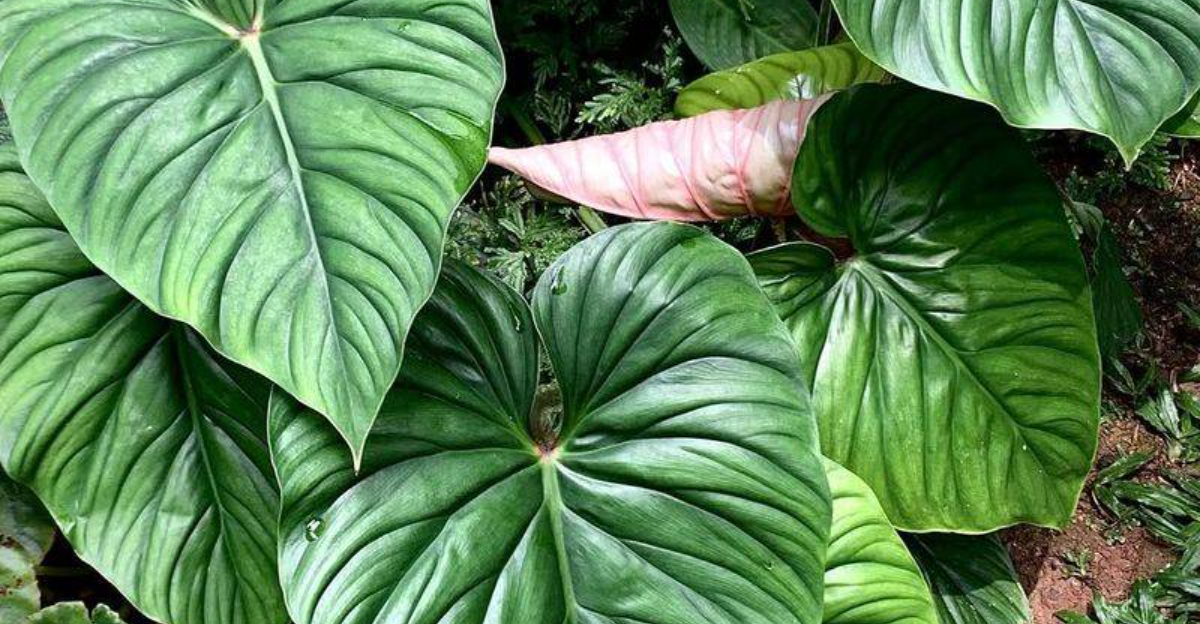
North Carolina plant shelves tell a new story this year.
Ordinary greens step aside as rare philodendrons steal the spotlight. Velvet leaves, bold veins, and sculpted shapes turn living rooms into quiet showpieces.
Collectors hunt these plants with purpose, drawn to texture and drama that feel one of a kind.
Social buzz fuels demand, yet climate-friendly homes across the state suit these tropical stars just fine.
Some trail with attitude, others climb and command attention.
Each variety brings a mood, a talking point, and a sense of discovery.
Learn what sets them apart, why they thrive indoors, and how they elevate everyday spaces.
For anyone ready to level up a plant collection, these choices hit the mark and prove that houseplants can feel both artful and alive, without excess fuss or fleeting trends.
1. Philodendron Pink Princess
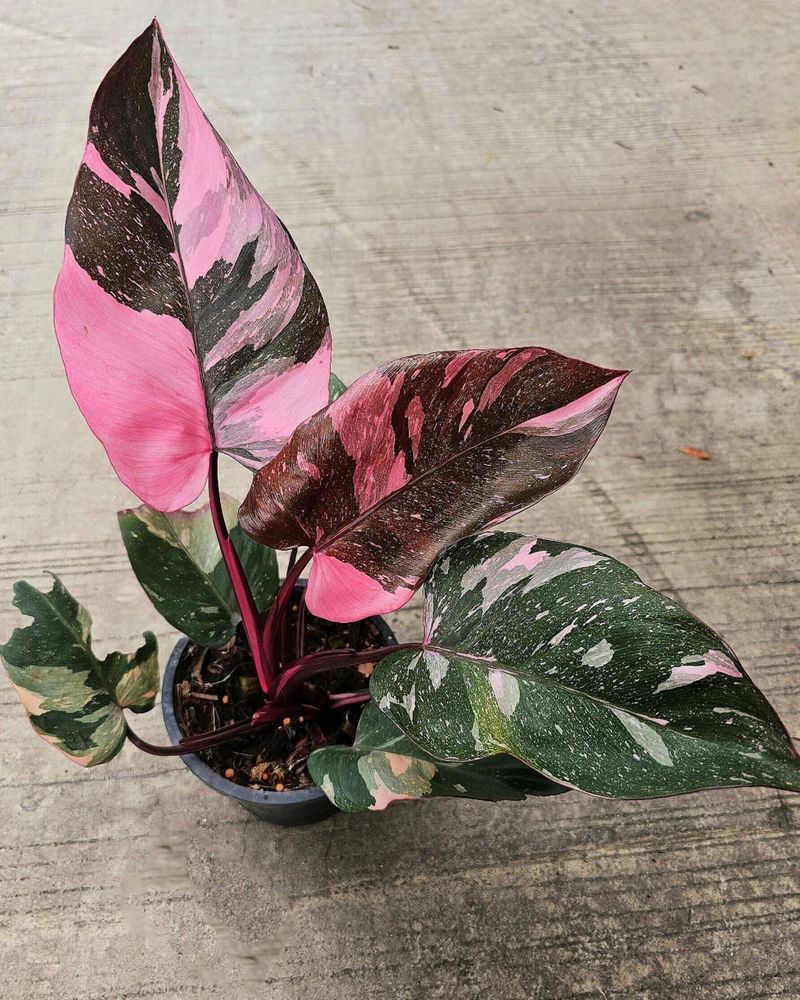
Collectors across the state have fallen head over heels for this stunning variety with its bubblegum-pink splashes against deep green foliage.
The Pink Princess earns its royal name through dramatic color patterns that make each leaf a unique work of art.
Bright indirect light helps maintain those coveted pink sections, though too much sun can fade the vibrant hues.
Growers recommend rotating your plant regularly so all sides receive equal light exposure.
Well-draining soil mixed with perlite or orchid bark keeps roots healthy and prevents waterlogged conditions.
Water when the top two inches of soil feel dry to the touch, usually once per week during warmer months.
Humidity levels between 60-80% create the ideal environment for this tropical beauty to thrive.
Many North Carolina enthusiasts use humidifiers or pebble trays to boost moisture around their prized specimens.
Prices have dropped from their peak, making this once-unattainable plant more accessible to everyday collectors.
Patience pays off when new leaves unfurl to reveal whether they carry the signature pink variegation everyone desires.
2. Philodendron Gloriosum
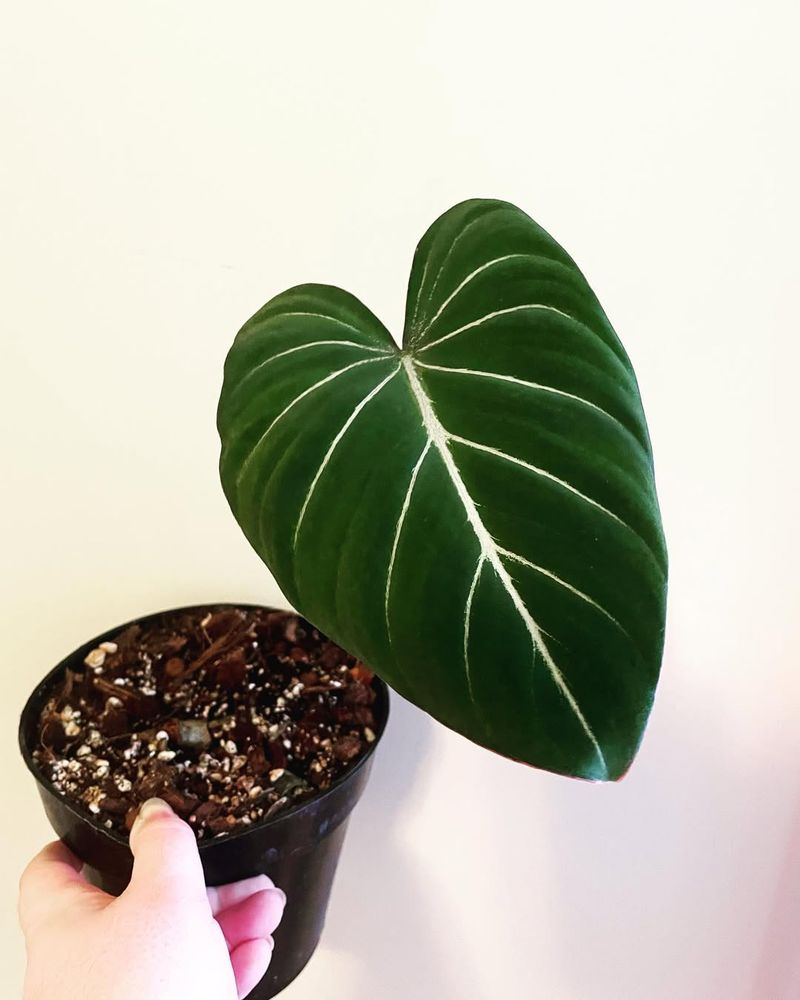
Velvety texture and striking white veins make this crawling philodendron an absolute showstopper in any plant collection.
Heart-shaped leaves can grow over a foot wide when given proper care and plenty of space to spread.
Unlike climbing varieties, Gloriosum creeps horizontally across the soil surface, creating a dramatic cascading effect.
Wide, shallow pots work better than deep containers since the rhizome grows along the top layer of soil.
A chunky, airy mix with bark, perlite, and peat moss allows roots to breathe while retaining some moisture.
Moderate watering works best—this plant dislikes both bone-dry conditions and soggy soil that can cause root rot.
Medium to bright indirect light brings out the most vibrant leaf coloration and encourages steady growth.
North Carolina plant parents often place these beauties on plant stands or shelves where their horizontal growth pattern can shine.
Regular misting or a nearby humidifier keeps leaves looking lush and prevents crispy edges.
New leaves emerge with a bronzy tint before maturing into that signature deep green with contrasting veins that collectors adore.
3. Philodendron Melanochrysum
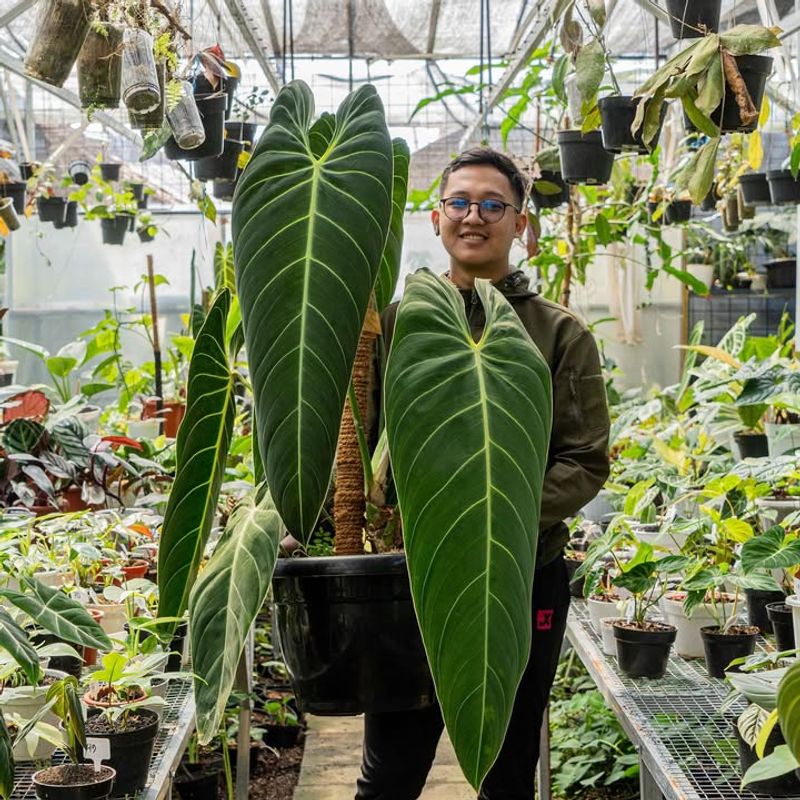
Dark, almost black foliage paired with golden veins creates an otherworldly appearance that stops visitors in their tracks.
Leaves can reach impressive lengths of two to three feet when this climbing beauty receives the support it craves.
Moss poles or wooden planks give aerial roots something to grip while encouraging larger, more dramatic foliage.
Young plants start with smaller leaves, but patience rewards growers with increasingly massive specimens over time.
Bright indirect light intensifies the golden vein contrast, though direct sun can scorch those delicate velvety leaves.
A chunky, well-aerated soil mix prevents water from sitting around roots and causing problems.
Consistent moisture works best—let the top inch dry out between waterings but never allow the soil to become completely parched.
High humidity levels transform this plant from good to spectacular, with leaves developing that sought-after velvety sheen.
Many North Carolina collectors consider this variety their crown jewel because of its dramatic appearance and impressive size potential.
Watching new leaves unfurl from pale green to deep chocolate tones with metallic veins never gets old for devoted enthusiasts.
4. Philodendron Verrucosum
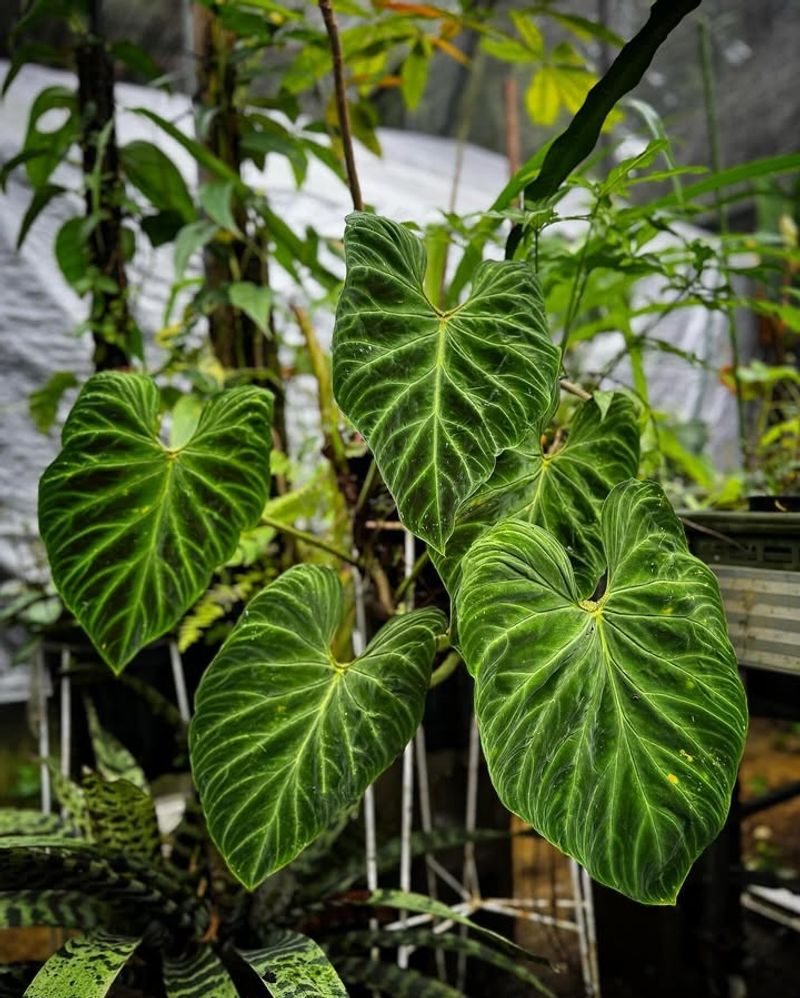
Fuzzy, red-haired stems set this variety apart from every other philodendron in your collection.
Iridescent leaves shimmer with emerald and bronze tones depending on how light hits their velvety surface.
Heart-shaped foliage displays intricate vein patterns that become more pronounced as leaves mature and expand.
This climbing species needs a moss pole or trellis to reach its full potential and produce those stunning large leaves.
High humidity ranks as the most important care requirement—anything below 60% can lead to browning edges and stunted growth.
Many North Carolina growers keep their Verrucosum in glass cabinets or greenhouse setups to maintain consistent moisture levels.
Bright, filtered light brings out the best coloration, though too much direct sun damages those delicate leaves.
Well-draining soil with added orchid bark and perlite creates the perfect balance between moisture retention and aeration.
Water when the top inch feels dry, being careful not to overwater since this plant prefers slightly moist conditions.
Those distinctive fuzzy petioles make identification easy and add an extra touch of texture that collectors absolutely love.
5. Philodendron Spiritus Sancti
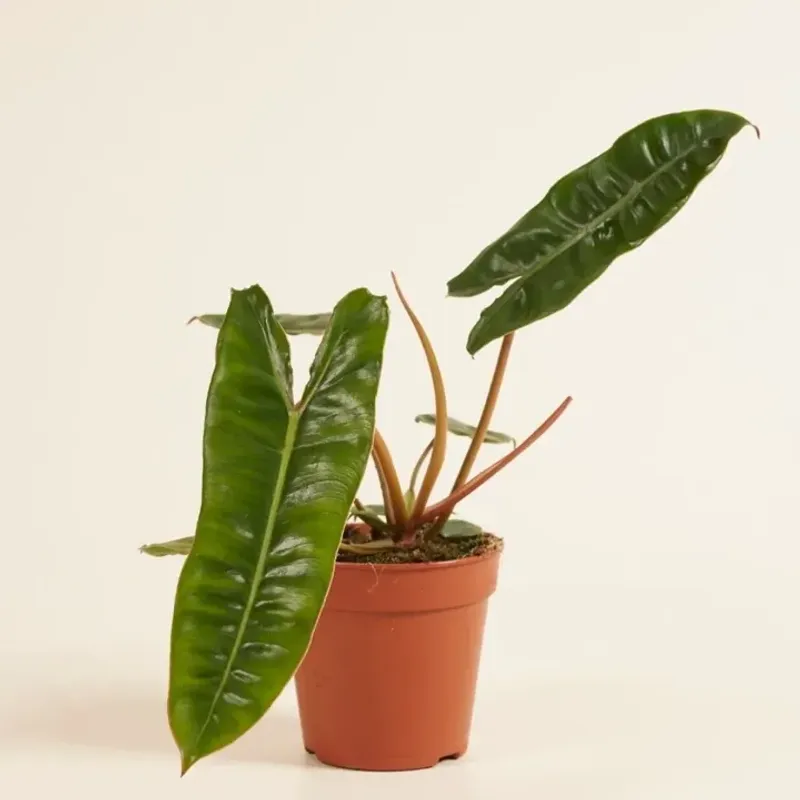
Considered one of the rarest philodendrons on Earth, this species commands respect and careful attention from serious collectors.
Long, narrow leaves with a unique elongated shape make this plant instantly recognizable among philodendron enthusiasts.
Only a handful of specimens existed in the wild before conservation efforts helped propagate this endangered beauty.
Tissue culture technology has made this once-impossible-to-find plant slightly more available, though prices remain extremely high.
North Carolina collectors who manage to acquire one treat it like the treasure it truly is.
Bright indirect light, high humidity, and consistent care create the conditions this sensitive species needs to survive.
Well-draining soil prevents root issues that can quickly spell disaster for such a valuable specimen.
Watering requires a delicate balance—too much or too little can stress this finicky plant.
Many growers use moisture meters to ensure they provide exactly what their Spiritus Sancti needs without guessing.
Owning this philodendron represents the pinnacle of plant collecting, combining rarity, beauty, and conservation importance into one remarkable package that few will ever experience firsthand.
6. Philodendron Mamei

Silver splashes across heart-shaped leaves create a stunning pattern that looks hand-painted by nature itself.
This terrestrial creeper grows along the soil surface rather than climbing, making it perfect for wide, shallow containers.
Leaves can span over a foot in diameter when grown under optimal conditions with proper spacing and care.
Bright indirect light enhances the silver variegation, though harsh direct rays can fade those beautiful markings.
A chunky, airy soil mix allows the rhizome to spread comfortably while preventing moisture-related root problems.
Water moderately, allowing the top two inches of soil to dry between waterings to prevent rot.
Humidity between 60-70% keeps leaves looking their absolute best without crispy edges or browning tips.
North Carolina plant lovers appreciate how this variety adds a sophisticated, almost metallic shimmer to their indoor jungles.
New growth emerges with lighter silver tones that deepen as leaves mature and harden off.
Propagation through rhizome division allows collectors to share this beauty with fellow enthusiasts or expand their own collection affordably.
7. Philodendron Billietiae
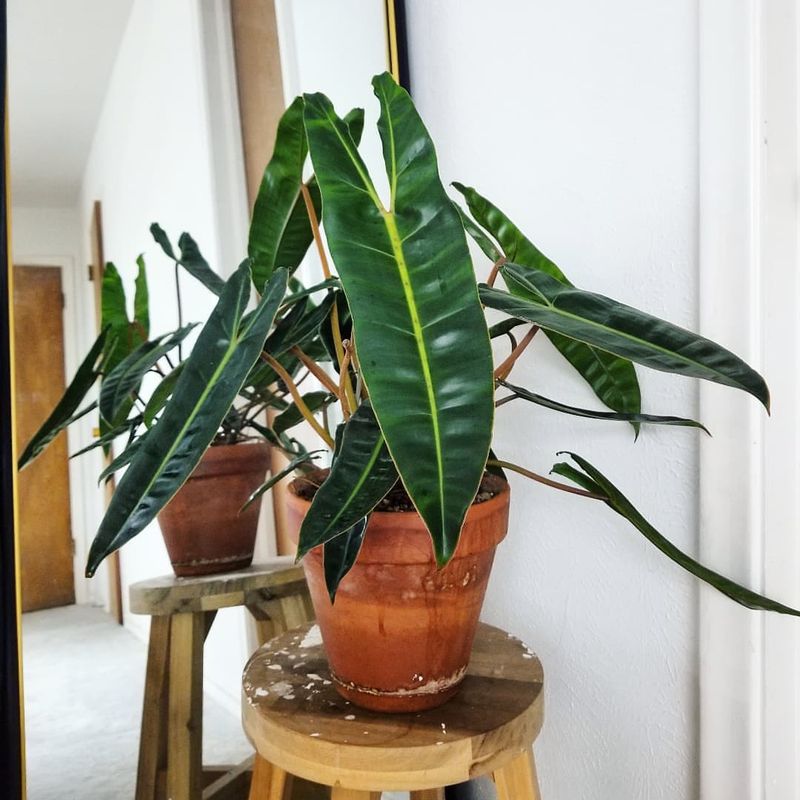
Bright orange petioles contrast beautifully against long, narrow leaves that can stretch over three feet in mature specimens.
Those vibrant orange stems make this climbing philodendron impossible to confuse with any other variety in your collection.
A sturdy moss pole or wooden plank provides essential support for this vigorous climber that loves to reach upward.
Bright indirect light keeps growth strong and helps maintain those signature orange tones on the stems.
Well-draining soil with plenty of chunky amendments prevents water from pooling around sensitive roots.
Consistent watering when the top inch dries out keeps this plant happy without risking overwatering issues.
Moderate to high humidity levels support healthy leaf development and prevent unsightly brown edges from forming.
North Carolina growers love how quickly this philodendron grows compared to slower-developing rare varieties.
New leaves unfurl with a peachy-orange blush before maturing into deep green with those stunning orange petioles.
This variety offers the perfect combination of unique appearance, manageable care requirements, and satisfying growth speed that keeps collectors engaged and excited about their plant journey.
8. Philodendron Plowmanii
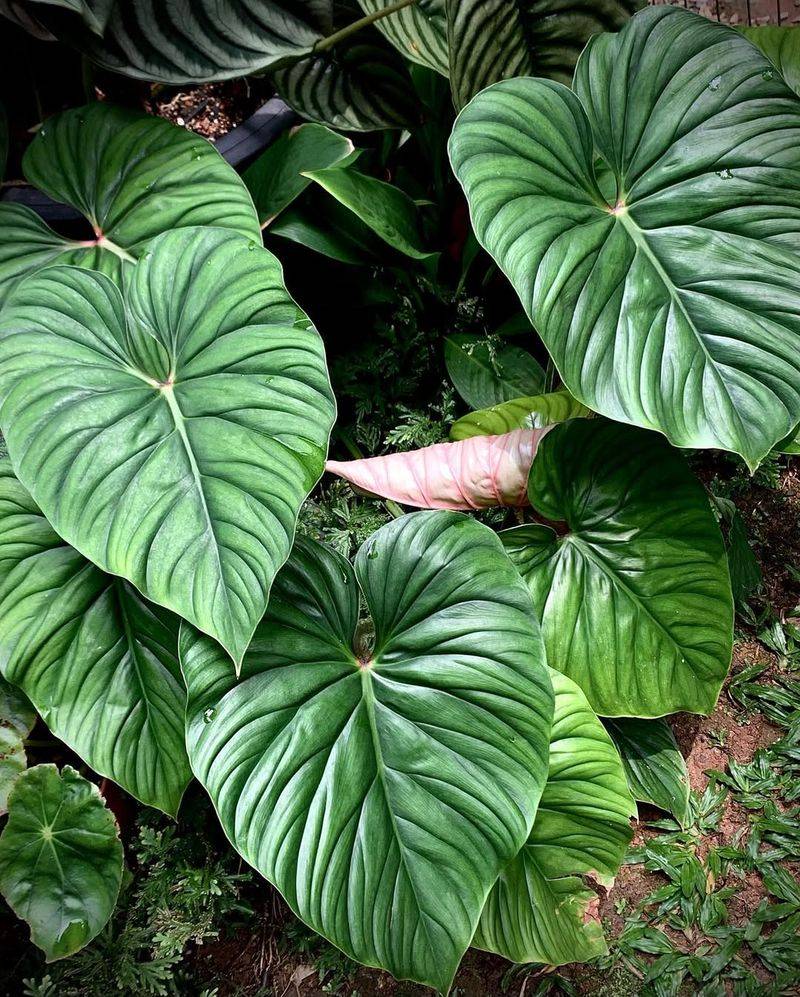
Quilted, ruffled foliage gives this terrestrial species a three-dimensional texture that begs to be touched.
Large, heart-shaped leaves develop pronounced ridges and valleys that create fascinating shadow patterns in proper lighting.
Unlike climbing types, this ground-dwelling philodendron spreads horizontally, making it ideal for tabletop or shelf displays.
Medium to bright indirect light brings out the best leaf texture without causing sun damage or fading.
A well-aerated soil mix with orchid bark, perlite, and peat moss creates the perfect growing medium.
Water when the top two inches feel dry, maintaining consistent moisture without leaving soil waterlogged.
Humidity around 60% keeps those textured leaves looking lush and prevents crispy edges from forming.
North Carolina collectors appreciate how this variety adds dimensional interest beyond just color or pattern.
Mature plants produce cataphylls—protective leaf sheaths—that dry to a papery texture and add character.
New leaves emerge tightly folded before slowly expanding to reveal their full quilted glory over several days, providing endless entertainment for patient plant parents who enjoy watching growth unfold.
9. Philodendron Pastazanum
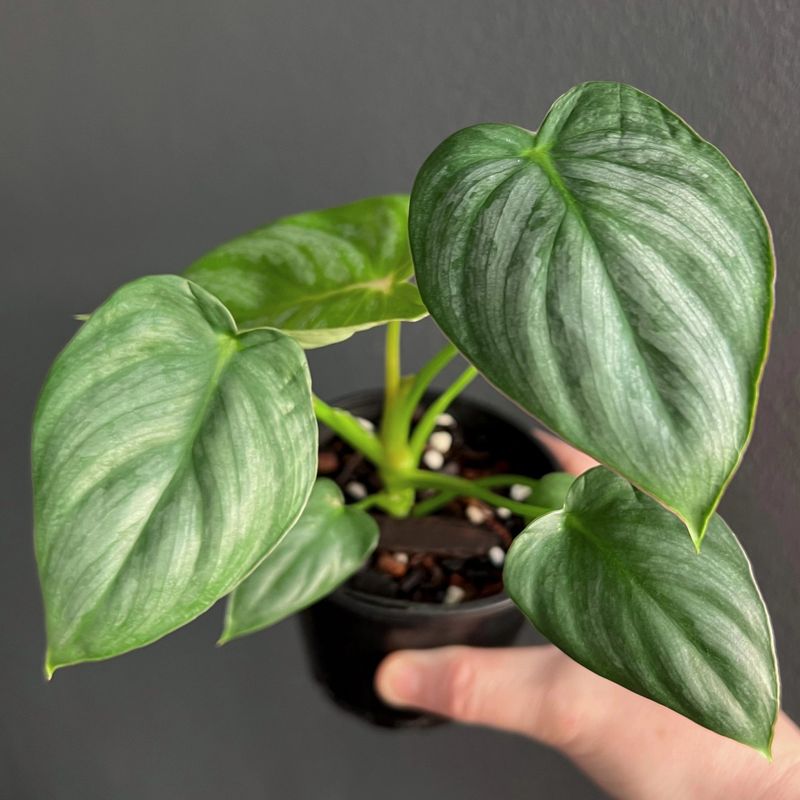
Massive heart-shaped leaves create a bold statement when this crawling philodendron spreads across its container.
Dark green foliage with a subtle sheen catches light beautifully, adding depth and richness to any plant display.
This terrestrial grower stays low and wide rather than climbing, making it perfect for broad, shallow pots.
Leaves can reach impressive sizes of 18 inches or more when provided with adequate space and proper nutrition.
Bright indirect light encourages robust growth and maintains that healthy dark green coloration collectors admire.
Well-draining soil prevents the rhizome from sitting in water, which can quickly lead to rot.
Water moderately, allowing the soil surface to dry slightly between waterings to maintain ideal moisture levels.
Humidity between 60-70% supports healthy leaf development and prevents edges from turning brown and crispy.
North Carolina plant enthusiasts value this variety for its manageable care requirements and dramatic visual impact.
Watching new leaves unfurl from tight spirals into massive heart shapes provides a rewarding experience that never loses its magic, even after years of growing this spectacular terrestrial beauty.