10 Rare Plants That Gardeners Hunt For In North Carolina
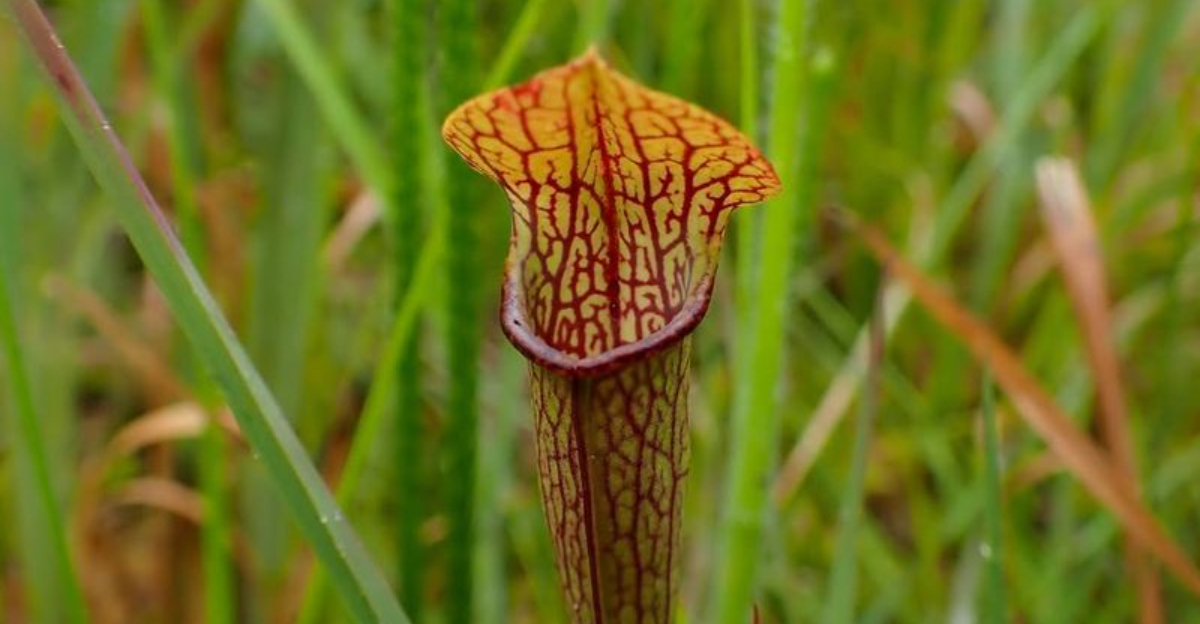
North Carolina gardens hide more than just roses and maples—some of the state’s rare plants have gardeners traveling far and wide to add them to their collections.
From elusive wildflowers tucked into mountain meadows to unusual perennials that thrive only in specific soils, these plants offer unique textures, colors, and forms that can transform ordinary beds into conversation pieces.
Many are prized for their blooms, striking foliage, or unusual growth habits, making them sought-after treasures for collectors and enthusiasts alike.
Securing rare species often requires careful planning, patience, and knowledge of their growing needs, since they may be sensitive to climate, soil, or light.
Beyond aesthetics, cultivating rare plants helps preserve biodiversity and keeps native species in circulation.
1. Venus Flytrap
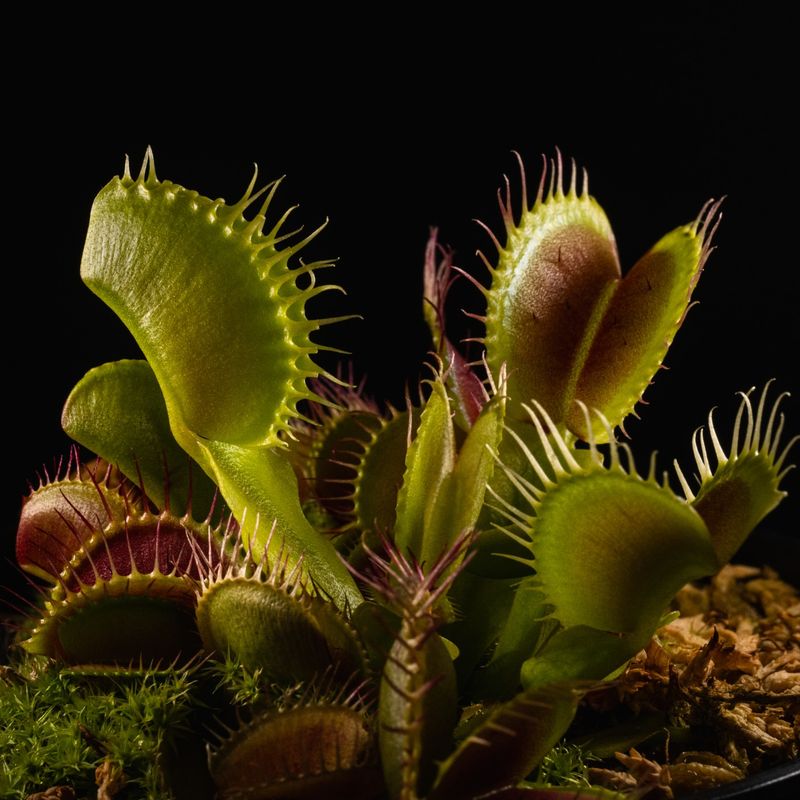
Native only to a small area within 60 miles of Wilmington, this carnivorous wonder captures the imagination of plant collectors worldwide.
Its jaw-like traps snap shut on unsuspecting insects in less than a second, making it one of nature’s most fascinating examples of adaptation.
Wild populations have declined dramatically due to poaching and habitat destruction, which makes legal cultivation even more important.
Growing Venus flytraps requires patience and specific conditions that mimic their natural bog environment.
They need nutrient-poor, acidic soil and lots of moisture to thrive in home gardens.
Rainwater or distilled water works best since tap water minerals can harm these sensitive plants.
Full sun exposure helps them develop their characteristic red coloring inside the traps.
Many gardeners keep them outdoors during warm months and provide winter dormancy by reducing water and temperature.
Purchasing from reputable nurseries ensures you get legally propagated plants rather than wild-collected specimens.
Each plant produces white flowers on tall stalks in spring, though removing these helps the plant conserve energy for trap production.
Success with Venus flytraps brings immense satisfaction to those who master their unique care requirements.
2. Pink Lady’s Slipper Orchid
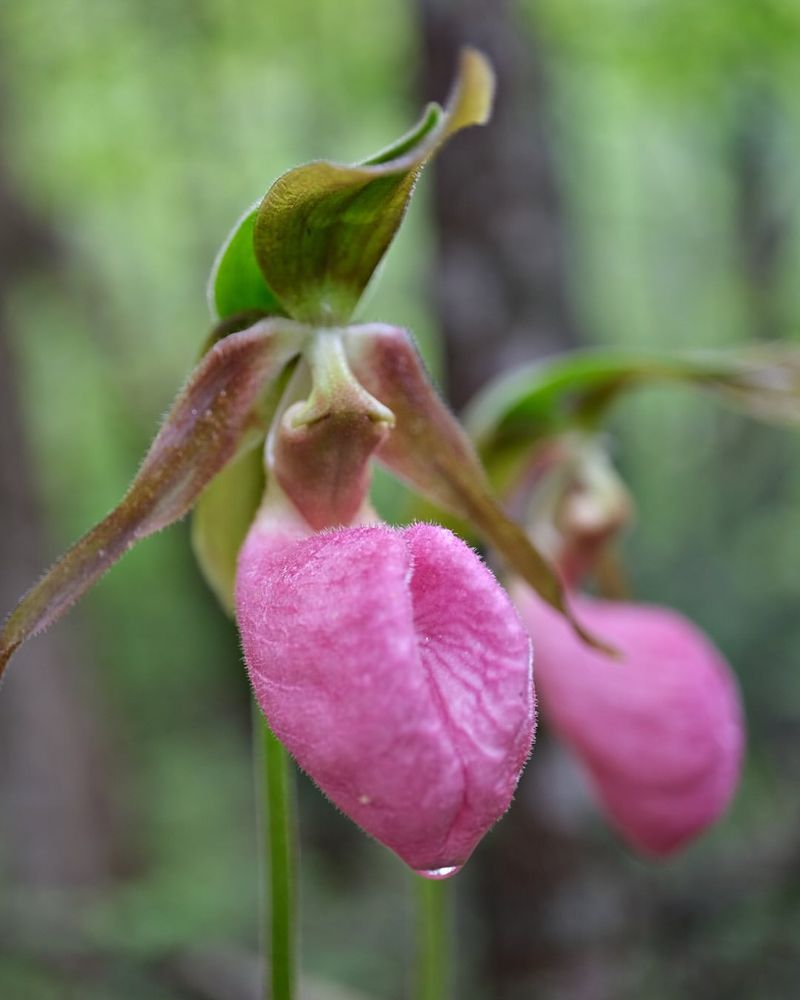
Mountain hikers treasure spotting this gorgeous orchid with its distinctive pouch-shaped bloom that resembles a tiny ballet shoe.
The flower’s delicate pink petals and unique structure make it instantly recognizable along woodland trails from April through June.
Despite its beauty, transplanting wild specimens almost always fails because these orchids depend on specific fungi in the soil to survive.
The relationship between the orchid and its fungal partner takes years to establish, which explains why garden cultivation remains extremely challenging.
Seeds require the presence of particular mycorrhizal fungi to even germinate, creating a complex partnership that scientists still study today.
Most gardeners admire these plants in their natural habitat rather than attempting to grow them at home.
Photography enthusiasts often seek out blooming colonies to capture their ethereal beauty without disturbing the plants.
Conservation efforts focus on protecting existing populations since habitat loss threatens many colonies across the state.
Some botanical gardens have achieved limited success with propagation programs using laboratory techniques.
The blooms can last several weeks under ideal conditions, providing extended viewing opportunities for lucky observers.
Respecting these rare orchids means enjoying them where they naturally occur rather than attempting removal.
3. Mountain Sweet Pitcher Plant
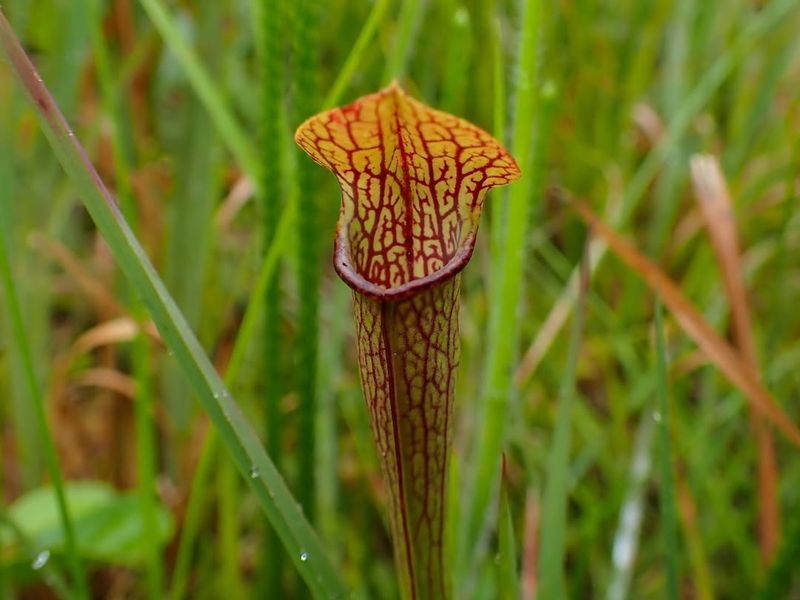
Found in high-elevation bogs, this carnivorous beauty uses modified leaves shaped like elegant vases to trap prey.
Insects crawl inside the pitcher seeking nectar, then slide down slippery walls into a pool of digestive enzymes.
The plant’s reddish veining and sweet scent create an irresistible lure for flying insects throughout the growing season.
Habitat specialists consider this species one of the most challenging pitcher plants to locate in the wild.
Its preference for nutrient-poor mountain wetlands limits natural distribution to scattered locations across western North Carolina.
Gardeners who want to cultivate this species need to recreate bog conditions with acidic, constantly moist soil.
A mix of peat moss and sand provides the right growing medium for healthy root development.
Full sunlight encourages robust pitcher formation and intensifies the attractive red coloring.
Winter dormancy is essential, so outdoor cultivation works better than keeping plants indoors year-round.
Specialty nurseries occasionally offer nursery-propagated specimens, though availability remains limited due to slow growth rates.
Watching new pitchers unfurl in spring provides endless fascination for carnivorous plant enthusiasts.
Each pitcher can capture dozens of insects before it eventually withers and gets replaced by fresh growth.
4. Oconee Bells
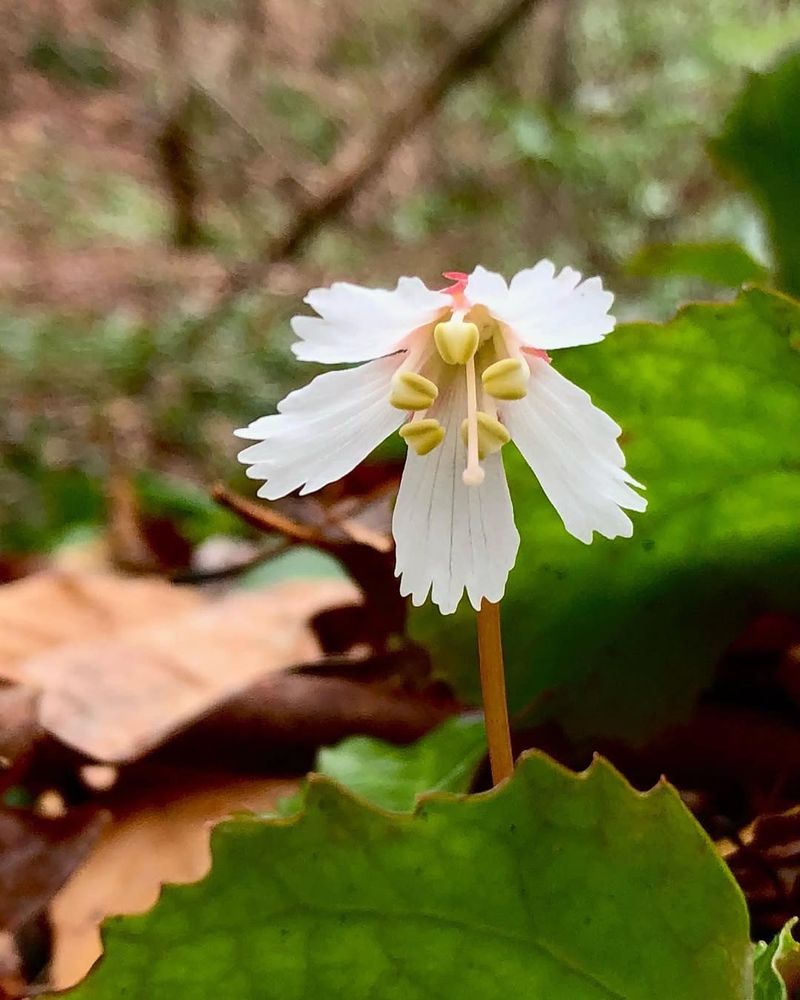
Botanists searched for this elusive plant for nearly a century after its initial discovery before finding it again in South Carolina and North Carolina.
Its story reads like a botanical mystery, with the original specimens collected in the late 1700s but no known location recorded.
The delicate pink bells nod gracefully above glossy evergreen leaves that form attractive groundcover along mountain streams.
Shade-loving gardeners prize this species for its ability to brighten difficult spots under trees where few other plants bloom.
Cool, moist conditions and acidic soil help Oconee bells thrive in cultivation, mimicking their natural streamside habitat.
The plants spread slowly through underground stems, eventually forming lovely colonies that return year after year.
Early spring brings the charming flowers that give this plant its common name.
Each bloom lasts for weeks, providing extended color during a season when most gardens still look dormant.
Propagation through division works well once plants become established, allowing gardeners to share this rare treasure with friends.
Some specialized native plant nurseries offer cultivated specimens, making it possible to grow without impacting wild populations.
Adding organic mulch helps maintain the consistent moisture these plants need for optimal growth.
Success with Oconee bells brings pride in growing a plant with such fascinating botanical history.
5. Bunched Arrowhead
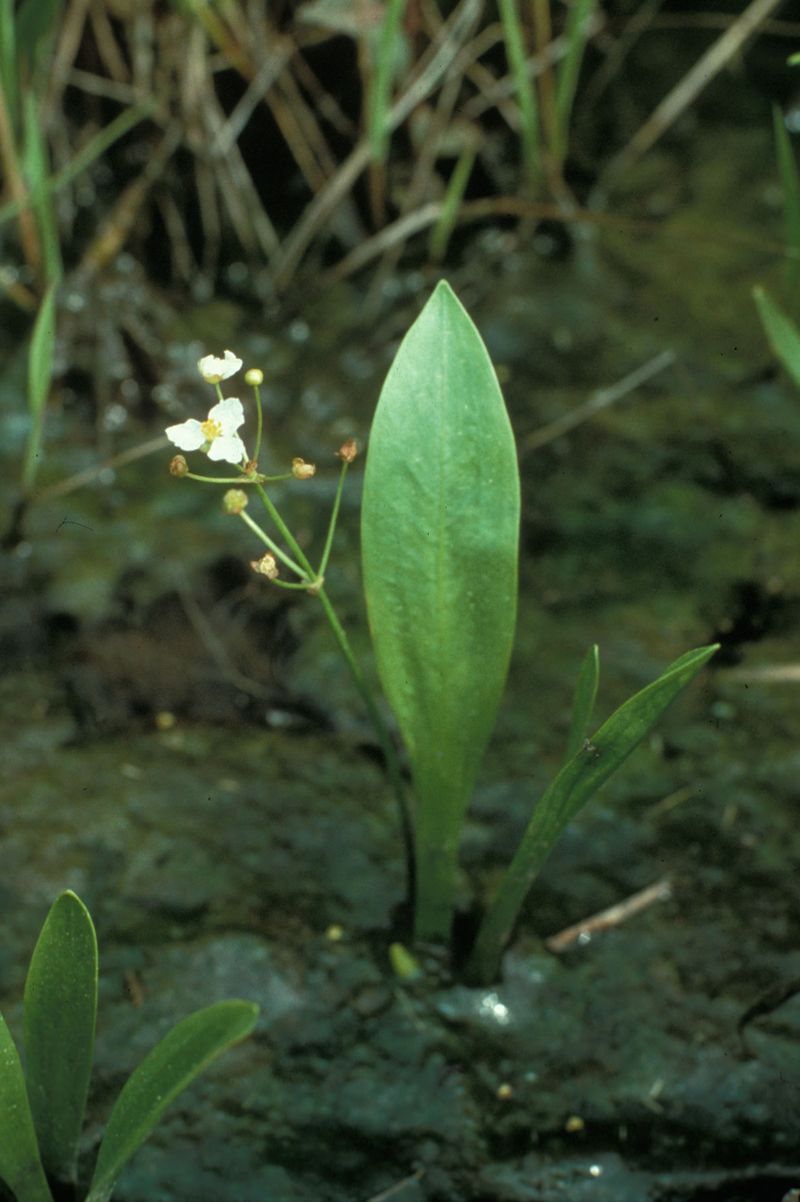
Water garden enthusiasts seek this uncommon aquatic plant for its striking arrow-shaped leaves and delicate white flowers.
Unlike its more common relatives, bunched arrowhead grows in specific wetland conditions that limit its natural range.
The three-petaled blooms appear on stalks that rise above the water surface throughout summer months.
Each flower opens for just a single day, but plants produce numerous buds that ensure continuous blooming.
Shallow pond edges or bog gardens provide ideal growing conditions for this moisture-loving species.
The distinctive foliage adds vertical interest to water features while providing habitat for beneficial insects and small wildlife.
Gardeners with natural ponds or constructed wetlands find this plant easier to establish than those attempting container cultivation.
Rich, muddy substrate supports vigorous growth and abundant flower production.
Propagation occurs through division of the tuberous roots or by collecting seeds after flowers fade.
Some Native American tribes historically harvested related arrowhead species for their edible tubers, though bunched arrowhead remains primarily ornamental.
Combining this plant with other native wetland species creates authentic habitat gardens that support local ecosystems.
Water depth between two and six inches works best for maintaining healthy plants.
Winter dormancy means the foliage disappears completely, but new growth emerges reliably each spring from underground storage structures.
6. Schweinitz’s Sunflower
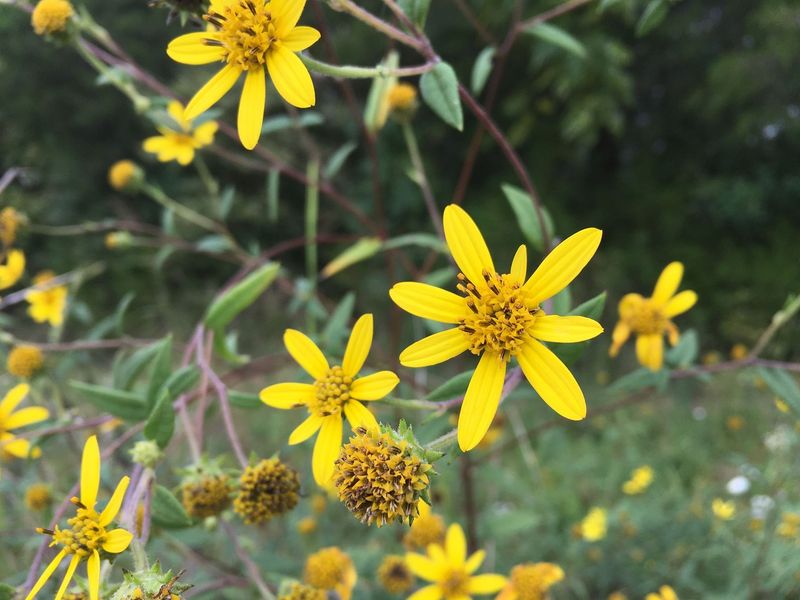
Standing up to ten feet tall, this impressive sunflower once covered piedmont prairies but now exists in only a handful of locations.
Its massive size and abundant golden blooms make it a showstopper in late summer gardens.
Conservation programs work actively to increase populations of this federally endangered species through seed collection and habitat restoration.
The flowers attract numerous butterflies, bees, and other pollinators that benefit from the abundant nectar and pollen.
Gardeners who obtain seeds from conservation programs can help preserve this species while adding dramatic height to their landscapes.
Full sun and well-drained soil suit this sunflower’s needs, though it tolerates various soil types better than many rare plants.
Staking may become necessary as plants reach their full impressive height and produce heavy flower heads.
Each plant can produce dozens of blooms that open progressively over several weeks.
The rough, scratchy leaves help identify this species from other sunflowers that might grow in the same area.
Seeds mature in fall, providing food for songbirds if left on the stalks through winter.
Collecting some seeds for next year’s planting ensures a continued supply of these rare beauties.
Working with native plant societies helps connect gardeners with legal seed sources and growing information.
Success with Schweinitz’s sunflower contributes directly to species recovery efforts.
7. Green Pitcher Plant
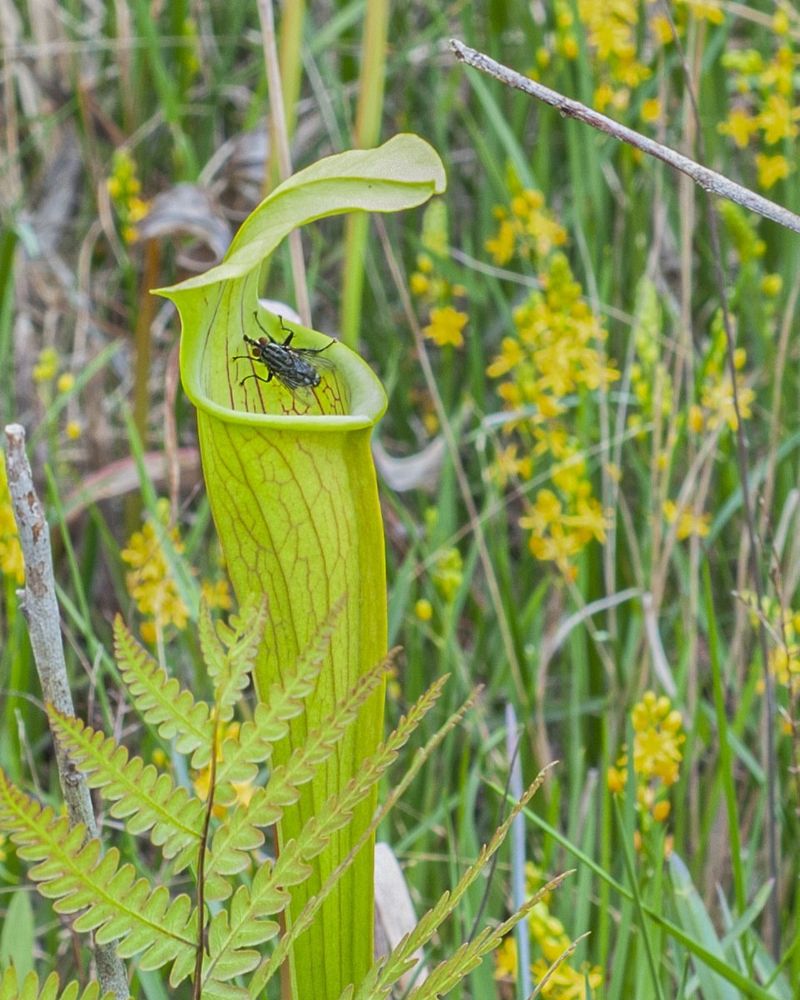
Unusual among carnivorous plants, this species produces two different types of leaves throughout the year.
Spring brings tall, functional pitchers that trap insects, while fall produces flat leaves that photosynthesize without catching prey.
This adaptation helps the plant survive different seasonal conditions in its native mountain and piedmont habitats.
The yellowish-green pitchers can reach two feet tall, creating impressive vertical accents in bog gardens.
Maroon veining decorates the pitcher openings, guiding insects toward the slippery interior surfaces.
Nodding yellow flowers appear in spring on separate stalks, adding another ornamental feature to this remarkable plant.
Cultivation requires the same boggy, acidic conditions that other pitcher plants prefer.
A mixture of peat moss, sand, and perlite creates suitable growing medium with proper drainage and acidity.
Keeping the soil constantly moist but not waterlogged prevents root problems while maintaining necessary humidity.
Cold winter dormancy triggers the production of non-carnivorous leaves and prepares plants for the next growing season.
Specialty carnivorous plant nurseries occasionally offer propagated specimens from conservation programs.
Watching the seasonal transformation between pitcher and flat leaf production provides ongoing interest throughout the year.
Successful cultivation helps preserve genetic diversity of this threatened species outside its shrinking natural range.
8. Michaux’s Saxifrage
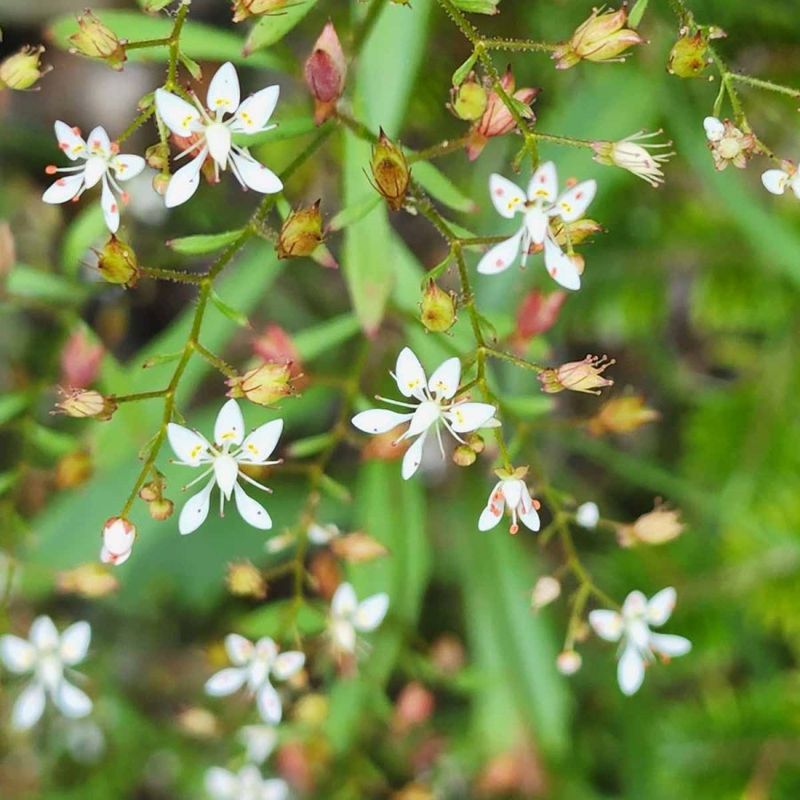
Clinging to high-elevation rock faces, this delicate alpine plant survives in conditions that would challenge most garden species.
Tiny white flowers with yellow centers bloom in clusters above small rosettes of leaves during early summer.
The plant’s name honors French botanist André Michaux, who explored the southern Appalachians extensively in the late 1700s.
Rock garden specialists covet this saxifrage for its ability to soften harsh stone features with gentle blooms.
Growing Michaux’s saxifrage requires excellent drainage and protection from excessive heat and humidity.
Planting in crevices between rocks or in specially constructed tufa gardens mimics natural growing conditions.
The roots need cool, moist conditions while the foliage prefers good air circulation to prevent fungal issues.
Alpine plant enthusiasts often create special raised beds with gritty, fast-draining soil mixes for mountain species.
Afternoon shade helps protect plants from scorching sun during hot summer months.
Winter cold poses no problem since this species evolved to handle freezing mountain temperatures.
Propagation through careful division or seed collection allows gardeners to increase their stock slowly.
Finding this plant in cultivation remains challenging since few nurseries specialize in rare alpine species.
Joining rock garden societies connects enthusiasts with others who share seeds and growing tips for difficult mountain plants.
9. Spreading Avens
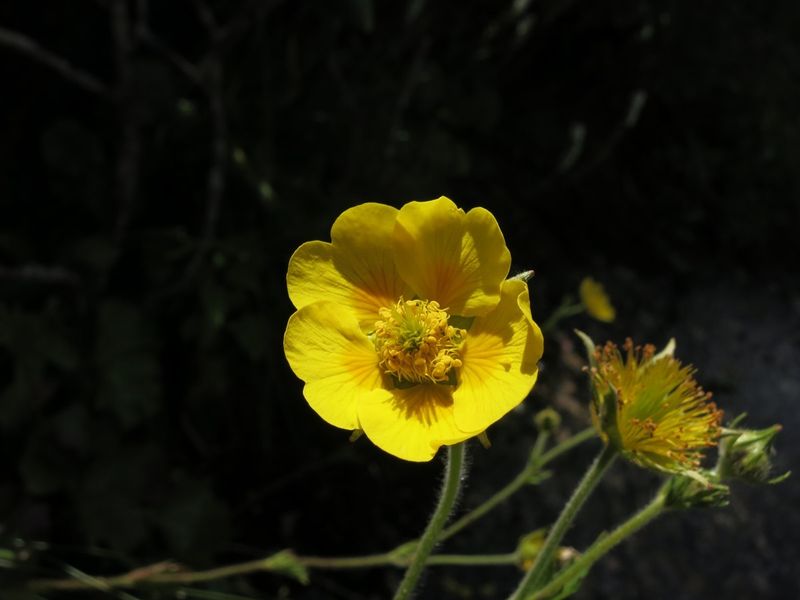
Perched on exposed rocky outcrops in just a few mountain locations, this federally endangered plant faces an uncertain future.
Bright yellow flowers appear cheerful against harsh rock surfaces where few other plants can gain a foothold.
The compound leaves form low mats that spread slowly across bare rock, taking advantage of minimal soil pockets.
Botanists monitor remaining populations carefully, implementing protection measures to prevent further decline.
Climate change and recreational trampling threaten the already limited habitat where spreading avens naturally occurs.
Gardeners interested in this species should contact botanical gardens involved in conservation programs rather than attempting wild collection.
Rock garden cultivation requires extremely sharp drainage and conditions that simulate windswept mountain exposure.
The plants tolerate full sun and temperature extremes but need protection from excessive moisture around the crown.
Gritty soil amendments and sloped planting sites help prevent water accumulation that could cause root rot.
Each flower produces distinctive hooked seeds that historically helped the plant spread to new rock crevices.
Growing spreading avens represents a serious commitment to preserving one of North Carolina’s most threatened plant species.
Success requires research, patience, and dedication to creating appropriate growing conditions.
Supporting conservation organizations helps fund research and habitat protection for this and other rare mountain plants.
10. Dwarf Flowered Heartleaf
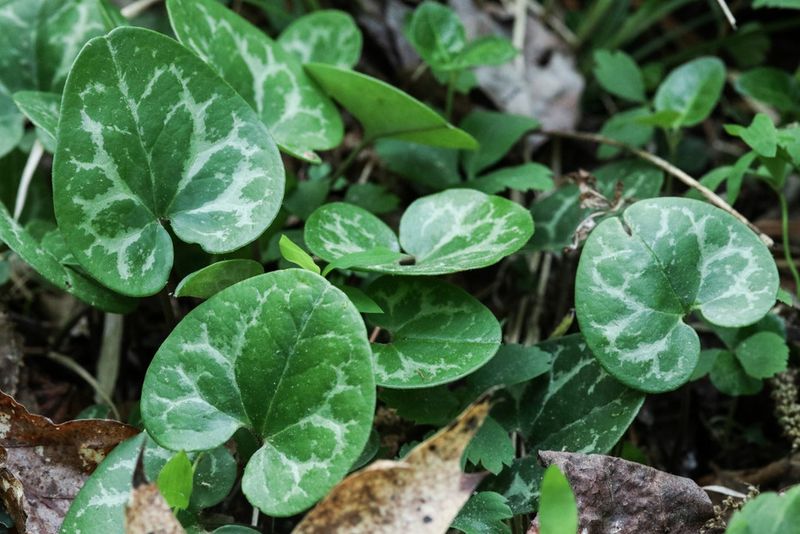
Hidden beneath forest leaf litter, this diminutive member of the wild ginger family produces flowers so small they often escape notice.
The heart-shaped evergreen leaves provide year-round interest in shaded woodland gardens.
Mottled patterns on the foliage add subtle beauty that rewards close observation.
Flowers develop at ground level, tucked beneath the leaves where they attract tiny pollinating insects.
The unusual blooms feature three-lobed structures in dark purple-brown tones that blend with forest floor debris.
Native plant enthusiasts value this species for its ability to form attractive groundcover in deep shade where grass struggles.
Rich, humus-filled soil with consistent moisture supports healthy growth and gradual spreading.
The plants tolerate dry shade better once established, making them useful for challenging spots under mature trees.
Propagation through division works best in early spring before new growth emerges.
Combining dwarf flowered heartleaf with ferns and other shade-lovers creates authentic woodland plant communities.
Limited availability in the nursery trade means patient gardeners may need to search multiple sources.
Joining native plant societies often provides access to plant sales where rare species like this occasionally appear.
Growing this inconspicuous treasure demonstrates appreciation for subtle beauty rather than showy garden displays.